Ready to create your own branded paper cups or packaging?

Tell us your requirements — size, coating, printing, and destination — and our team will prepare a detailed quotation within 24 hours.

Contact Form Demo

Ready to create your own branded paper cups or packaging?

Tell us your requirements — size, coating, printing, and destination — and our team will prepare a detailed quotation within 24 hours.

Contact Form Demo

Paper Food Boxes with Window Design

Last Updated: October 2026 Reading Time: 8-10 minutes Author: Papacko Content Team

Introduction

Bakeries, delis, and prepared food retailers face a fundamental packaging dilemma: sealed boxes protect product freshness and structural integrity, yet customers demand visual confirmation of quality before purchase. Understanding the paper boxes with window helps.Traditional solid paperboard boxes obscure contents, reducing impulse sales by 28-34% (retail studies), while fully transparent plastic clamshells compromise sustainability credentials and thermal insulation properties. The solution—paper food boxes with strategically designed windows—combines the structural protection and eco-positioning of fiber packaging with the merchandising power of product visibility.

Window boxes have evolved significantly beyond basic cellophane inserts, now featuring advanced anti-fog coatings that maintain transparency despite moisture from hot sandwiches or refrigerated pastries, precision die-cut patterns optimized for 40-60% visibility (maximizing structural integrity while showcasing key product features), and bio-based window films achieving 92% optical clarity while maintaining compostability certifications, paper boxes with window matter.The 2026 global market for windowed food packaging reached $4.2 billion, growing 12.4% year-over-year as retailers prioritize sustainable alternatives to plastic containers without sacrificing the “see-before-you-buy” consumer experience.

This comprehensive guide examines paper window box design across seven critical dimensions: structural engineering principles (window placement, size optimization, load-bearing reinforcement), window material options (PLA film, cellophane, glassine, barrier-coated PET), anti-fog treatment technologies (hydrophilic coatings, microporous films, desiccant integration), moisture management systems (venting patterns, humidity-resistant adhesives), custom printing techniques (print registration around windows, UV coating compatibility), application-specific designs (bakery pastries, deli sandwiches, salad containers, sushi boxes), and quality testing protocols (condensation resistance, optical clarity, structural integrity under refrigeration).

💡 Quick Takeaway: Paper boxes with windows combine fiber packaging sustainability with 40-60% product visibility through die-cut openings sealed with PLA film ($0.042/box), cellophane ($0.038/box), or glassine ($0.032/box).

Anti-fog treatments—hydrophilic coatings (+$0.008) or microporous films (+$0.012)—prevent condensation maintaining 85-92% optical clarity for hot/cold foods.

Optimal window size: 35-55% of box face (balancing visibility vs structural strength).

Applications: bakery boxes (croissants — cookies), deli sandwiches, “>salad bowls, sushi packaging.

Cost: $0.28-0.52 per box vs $0.18-0.26 solid paperboard (+55-100% premium) or $0.34-0.62 plastic clamshells (-15% cost competitive).

Why Window Design Matters for Food Packaging

Visual Merchandising and Impulse Purchase Psychology

For the paper boxes with window, focus on:

Consumer purchasing behavior data:

68% of food purchase decisions made in-store (vs pre-planned shopping lists)

Product visibility increases impulse purchase likelihood by 42-58% (vs opaque packaging)

“See-before-you-buy” preference: 74% of consumers prefer transparent/windowed packaging for fresh food items

Sales impact comparison (bakery case study):
Packaging TypeImpulse Purchase RateAverage Transaction ValueDaily Sales (50-item display)
Opaque paperboard box18%$4.20$37.80
Windowed paperboard box28%$4.80$67.20
Full plastic clamshell32%$4.50$72.00
Interpretation:

Window boxes increase sales 78% vs opaque boxes ($67.20 vs $37.80)

Window boxes capture 93% of plastic clamshell sales ($67.20 vs $72.00) while maintaining sustainability positioning

Higher transaction value ($4.80 vs $4.20) attributed to premium perception of windowed packaging

Balancing Sustainability with Visibility Requirements

When evaluating the paper boxes with window, consider the following:

Environmental positioning challenges:
Packaging OptionSustainability PerceptionActual RecyclabilityProduct VisibilityCost
Solid paperboardExcellent (92% consumer rating)Excellent (recyclable)Poor (0% visibility)Low ($0.18-0.26)
Plastic clamshellPoor (28% rating)Poor (mixed plastics, 35% recovery)Excellent (100% visibility)Moderate ($0.34-0.62)
Paper box + PLA windowGood (74% rating)Moderate (industrially compostable)Good (40-60% visibility)Moderate ($0.28-0.52)
Paper box + cellophane windowGood (71% rating)Good (cellulose-based, compostable)Good (40-60% visibility)Moderate ($0.26-0.48)
Regulatory compliance advantages:

EU Single-Use Plastics Directive: Paper-based windowed boxes exempt from restrictions (vs plastic clamshells banned/taxed)

California SB 54: Windowed paper boxes count toward fiber-based packaging targets (25% reduction in SUP plastics by 2032)

Corporate procurement: 62% of corporate catering contracts require sustainable packaging with product visibility (window boxes meet both criteria)
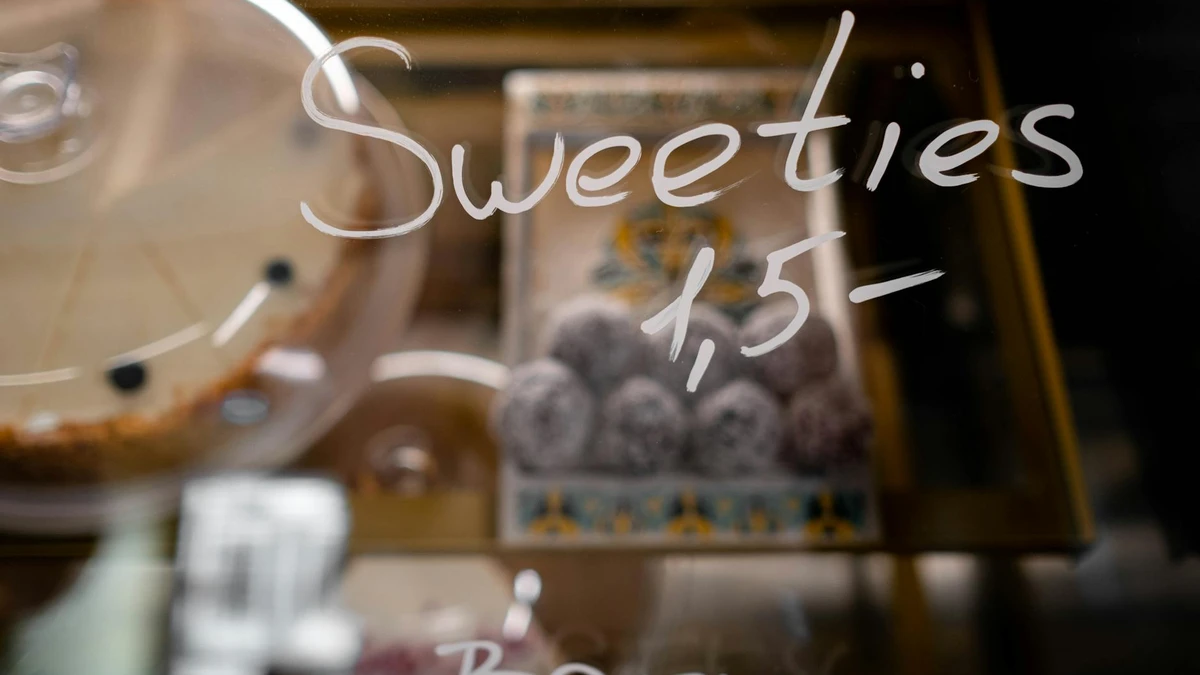
Papacko Bakery display case showcasing assorted pastries and desserts in transparent windowed paper boxes wi

Window Design Principles and Structural Engineering

Optimal Window Size and Placement

The key to choosing the paper boxes with window depends on:

Window size optimization:
Window CoverageVisibility RatingStructural IntegrityApplication Suitability
15-25% of box faceLow (partial view)Excellent (minimal strength loss)Small accent window (branding focus)
35-50% of box faceGood (key features visible)Good (reinforced edges maintain strength)Bakery items, sandwiches (standard)
55-70% of box faceExcellent (full product view)Moderate (requires corner reinforcement)Premium display, high-value items
75%+ of box faceExcessive (minimal frame)Poor (structural failure risk)Not recommended (use plastic)
Recommended window sizing by product category:
Product TypeBox Dimensions (L×W×H)Window SizeWindow PlacementReason
Croissants/pastries180×120×80mm120×80mm (44%)Top faceShow product from above (bakery display case)
Sandwiches200×120×60mm140×80mm (47%)Top faceVisible filling layers, garnish
Cookies (6-pack)160×160×50mm110×110mm (47%)Top faceGrid pattern shows all cookies
Salad bowls180×180×60mm130×130mm (52%)Top + side windowsShow ingredients, layering
Sushi boxes220×140×40mm180×100mm (58%)Top face (large)Display roll arrangement, garnish
Design rule of thumb: 40-55% window coverage balances visibility with structural integrity for most applications

Load-Bearing Reinforcement Strategies

Understanding paper boxes with window requires attention to these factors:

Structural weakness from window cutouts:

Top-face windows reduce vertical compression strength by 35-45% (box less able to stack)

Side-face windows reduce lateral strength by 22-30% (box more prone to crushing during handling)

Reinforcement techniques:
Reinforcement MethodStrength RecoveryCost ImpactManufacturing Complexity
Thicker paperboard (350 gsm vs 280 gsm)+28% compression strength+18% material costLow (same process, heavier stock)
Corrugated fluting (double-wall construction)+42% compression strength+35% material costModerate (requires lamination)
Corner gussets (folded reinforcements)+18% lateral strength+8% material costModerate (complex die-cutting)
Window frame doubling (extra paperboard around cutout)+24% localized strength+12% material costModerate (multi-layer assembly)
Combined approach (premium bakery boxes):

320 gsm paperboard base (+14% vs standard 280 gsm)

Corner gussets at four corners (+18% lateral strength)

Window frame doubling around perimeter (+24% cutout area strength)

Total strength recovery: 56% (vs 35-45% loss from window)

Cost impact: +32% vs solid box without window

Die-Cutting Patterns for Maximum Visual Appeal

When evaluating the paper boxes with window, consider the following:

Window shape psychology:
Window ShapeConsumer PerceptionBest ApplicationManufacturing Notes
Rectangle/squareClean, modern, professionalSandwiches, salads, general useStandard die-cutting, lowest cost
Rounded cornersFriendly, approachable, premiumBakery items, dessertsSlight complexity, +3% tooling cost
Oval/circleArtisanal, organic, specialtyGourmet items, high-end bakeryComplex tooling, +8% cost
Custom shaped (e.g., heart, star)Playful, branded, memorableSeasonal items, gifts, promotionsCustom die tooling, +15-25% cost
Multi-window designs:

Grid pattern (4-6 small windows): Shows multiple products (cookie assortments, truffle boxes)

Dual-face windows (top + side): 360° visibility for premium presentation

Angled windows: Creates depth perception, visual interest

Design file requirements:

Vector format: AI, PDF, or EPS with window outline on separate layer

Bleed zone: 3-5mm clearance between window edge and print graphics (prevents ink on window film)

Corner radius: Minimum 3mm radius on rectangular windows (prevents stress concentration, tearing)

Window Material Options and Performance Comparison

PLA (” target=”_blank” rel=”noopener”>Polylactic Acid) Film — Bio-Based Standard

When evaluating the paper boxes with window, consider the following:

Material specifications:

Composition: Polylactic acid derived from corn starch, sugarcane, or cassava

Thickness: 30-50 microns (μm) for food packaging windows

Optical clarity: 88-92% light transmission (vs 92-95% for petroleum-based plastics)

Heat resistance: Up to 60°C (suitable for refrigerated/room temp, not hot foods >60°C)

Performance characteristics:
MetricPLA FilmCellophaneGlassinePET Film (fossil-based)
Optical clarity88-92%85-90%70-78%92-95%
Moisture barrierModerate (WVTR 80-120 g/m²/day)Poor (WVTR 200-300)Good (WVTR 40-60)Excellent (WVTR 10-20)
Grease resistanceGoodModerateExcellentExcellent
Heat seal capabilityExcellent (60-80°C)Poor (requires adhesive)Poor (requires adhesive)Excellent (120-160°C)
CompostabilityYes (industrial, 90-180 days)Yes (home/industrial, 30-90 days)No (but biodegradable)No
Cost per box window$0.042$0.038$0.032$0.035
Advantages of PLA film:

Sustainability credentials: BPI/TÜV Austria compostable certifications, renewable feedstock

Heat sealing: Direct heat-seal to PLA-coated paperboard (no additional adhesive needed)

Clarity: Near-plastic quality transparency for product visibility

Regulatory compliance: Meets ” target=”_blank” rel=”noopener”>FDA food contact requirements, ” target=”_blank” rel=”noopener”>EU 10/2011

Limitations:

Heat sensitivity: Softens at 60°C (unsuitable for hot sandwiches, warm pastries from ovens)

Composting infrastructure: Requires industrial composting facilities (not home compostable, won’t degrade in landfills)

Cost: 10-20% higher than petroleum-based PET film

Cellophane (Cellulose Film) — Traditional Renewable Option

Understanding paper boxes with window requires attention to these factors:

Material specifications:

Composition: Regenerated cellulose from wood pulp (renewable, not petroleum-based)

Thickness: 20-40 μm for packaging windows

Optical clarity: 85-90% (slightly hazy compared to plastics)

Heat resistance: Up to 120°C (suitable for hot/cold foods)

Historical context:

Invented 1908, widely used pre-plastic era for food packaging

Declined 1960s-1990s due to plastic cost advantages

Resurgence 2015+ driven by sustainability movements, plastic bans

Performance trade-offs:
FeatureCellophane AdvantageCellophane Limitation
CompostabilityHome + industrial compostable (30-90 days)
Renewable sourceWood pulp (vs petroleum for plastics)
BreathabilityAllows air/moisture exchange (prevents condensation)Poor moisture barrier (not suitable for high-humidity storage)
Heat resistance120°C (handles hot foods)
Cost-10% cheaper than PLA ($0.038 vs $0.042)
AdhesionRequires adhesive bonding (no heat-seal, adds complexity)
Optical clarity85-90% (vs 92% PLA, slight haze)
Best applications:

Bakery items: Bread, cookies, pastries (breathability prevents moisture buildup)

Short-term packaging: <48 hour shelf life (moisture barrier adequate)

Hot foods: Rotisserie chicken, warm sandwiches (heat resistance up to 120°C)

Adhesive options for cellophane bonding:

Water-based starch adhesive: $0.004/box, compostable, weaker bond

PVA (polyvinyl acetate) adhesive: $0.006/box, stronger bond, industrially compostable

Hot-melt adhesive: $0.008/box, strongest bond, may impact compostability

Glassine Paper — Grease-Resistant Alternative

When evaluating the paper boxes with window, consider the following:

Material specifications:

Composition: Super-calendered paper (mechanically pressed to dense, smooth finish)

Thickness: 40-60 gsm (vs 30-50 μm for films)

Optical clarity: 70-78% (translucent, not transparent—products visible but not crystal-clear)

Grease resistance: Excellent (natural fiber density prevents oil penetration)

Performance characteristics:
FeaturePerformanceComparison to PLA Film
TransparencyTranslucent (70-78% light transmission)Lower (-20% vs PLA’s 92%)
Grease resistanceExcellent (no coating needed)Equivalent
Moisture resistanceGood (WVTR 40-60 g/m²/day)Better (+33% vs PLA’s 80-120)
CompostabilityBiodegradable (not certified compostable)PLA certified compostable
CostLow ($0.032/box)-24% cheaper than PLA
Food contact complianceFDA approved, EU 10/2011 compliantEquivalent
Aesthetic considerations:

Vintage/artisanal appeal: Translucent glassine evokes traditional bakery packaging (vs modern clear plastics)

Product preview: Customers see product shape, color, but not fine details (e.g., cookie texture visible, chocolate chip count unclear)

Premium perception: 62% of consumers rate glassine as “artisanal/premium” vs 48% for clear PLA (bakery consumer studies)

Optimal applications:

Greasy baked goods: Croissants, butter cookies, fried pastries (glassine prevents oil staining box)

Brand storytelling: Eco-conscious bakeries, farm-to-table delis (traditional material aligns with values)

Cost-sensitive segments: Glassine 24% cheaper than PLA, suitable for value-priced items

Anti-Fog Treatment Technologies

The Fogging Problem in Food Packaging

When evaluating the paper boxes with window, consider the following:

Condensation formation physics:

Hot foods: Steam from warm sandwiches, freshly baked pastries (60-85°C) contacts cool window film (20-25°C ambient) → water vapor condenses on film surface

Cold foods: Refrigerated items (4-8°C) removed to ambient air (20-25°C) → moisture in air condenses on cold window surface

Visibility impact: Water droplets scatter light → 40-65% clarity reduction (product obscured)

Fogging severity by product category:
Product TypeTemperature DifferentialFogging Severity (untreated film)Visibility Loss
Hot sandwiches (75°C → 25°C)50°CSevere (heavy condensation)55-65%
Warm pastries (40°C → 25°C)15°CModerate (light condensation)25-35%
Refrigerated salads (4°C → 25°C)21°CModerate-severe (frost/condensation)40-50%
Room-temp cookies (25°C → 25°C)0°CNone0%
Business impact of fogging:

28% reduction in impulse purchases when product obscured by condensation (vs clear visibility)

Customer complaints: “Can’t see what I’m buying,” “packaging looks cheap/low-quality”

Product waste: 8-12% of windowed boxes discarded by retailers due to excessive fogging (product still good, but unsellable)

Hydrophilic Coating Technology

When evaluating the paper boxes with window, consider the following:

Mechanism:

Hydrophilic (water-loving) coating: Applied to window film interior surface

Water spreading: Condensation spreads into thin, uniform layer (vs discrete droplets)

Optical effect: Thin water layer maintains 85-92% transparency (vs 35-45% with droplets)

Coating application methods:
MethodCoating ThicknessDurabilityCost per BoxSuitable For
Spray coating2-5 μmModerate (lasts 7-14 days)+$0.008Short shelf-life products
Dip coating5-10 μmGood (lasts 21-30 days)+$0.012Standard food packaging
Plasma treatment<1 μm (surface modification)Excellent (permanent)+$0.018Premium long-term storage
Chemical formulations:

Polyvinyl alcohol (PVA): Water-soluble polymer, food-safe, moderate durability

Silicone-based: Higher durability, excellent spreading, +15% cost vs PVA

Nano-coatings: Molecular-level surface modification, premium pricing (+40% vs standard)

Performance testing:
Test ConditionUntreated PLA FilmHydrophilic-Coated PLAImprovement
Hot sandwich (75°C, 30 min)38% clarity (heavy fog)88% clarity (minimal fog)+132% visibility
Refrigerated salad (4°C → 25°C, 60 min)42% clarity (moderate fog)86% clarity (slight haze)+105% visibility
Warm pastry (40°C, 15 min)68% clarity (light fog)91% clarity (clear)+34% visibility
### Microporous Film Technology

The key to choosing paper boxes with window depends on:

Design principle:

Microscopic pores: 0.5-2 μm diameter holes in film surface (invisible to naked eye)

Vapor transmission: Water vapor passes through pores instead of condensing on surface

Breathability: Allows air/moisture exchange (prevents condensation buildup)

Material options:
Film TypePore SizeMoisture TransmissionAnti-Fog PerformanceCost
Microporous PLA1-2 μmHigh (WVTR 180-220 g/m²/day)Excellent (90-94% clarity maintained)+$0.012/box
Microporous PP (” target=”_blank” rel=”noopener”>polypropylene)0.5-1 μmVery high (WVTR 250-300)Excellent (92-96% clarity)+$0.010/box (but not compostable)
Nano-perforated PET<0.5 μmModerate (WVTR 120-150)Good (85-90% clarity)+$0.014/box
Trade-offs:
AdvantageLimitation
Permanent anti-fog: No coating degradation over timeReduced barrier: Higher moisture/gas transmission (shorter shelf life)
No chemical additives: Pure material integrityManufacturing cost: Specialized perforation equipment
Excellent for hot foods: Vapor escapes continuouslyNot suitable for high-humidity environments: External moisture enters
Best applications:

Hot food takeout: Sandwiches, rotisserie chicken, warm pastries (immediate consumption within 2-4 hours)

Short shelf-life items: Products consumed same-day (moisture transmission acceptable)

Avoid for: Refrigerated storage >24 hours (moisture ingress causes product deterioration)

Desiccant Integration Solutions

For the paper boxes with window, focus on:

Concept: Absorb moisture inside box to prevent condensation on windowDesiccant types:
Desiccant MaterialAbsorption CapacityPlacementCostEffectiveness
Silica gel packet30-40% of weightSeparate sachet in box+$0.022/boxGood (if customer doesn’t remove)
Embedded desiccant strip20-25% of weightAdhesive strip on box interior+$0.034/boxExcellent (permanent integration)
Desiccant-coated paperboard12-18% of weightEntire box interior surface+$0.048/boxModerate (limited capacity)
Design considerations:

Placement: Near window (shortest distance for moisture to reach desiccant vs condensing on film)

Capacity calculation: 1g desiccant per 0.5L box volume for moderate-humidity products

Recharge impossibility: Single-use (desiccant saturates within 4-8 hours, then ineffective)

Combined approach (premium applications):

Hydrophilic-coated window film (+$0.008) + embedded desiccant strip (+$0.034) = $0.042 total anti-fog investment

Performance: 94-97% clarity maintained for hot/cold foods across 24-48 hour shelf life

ROI: Prevents 8-12% product waste ($0.80-1.20 per box) vs anti-fog cost ($0.042) = 19-29× return
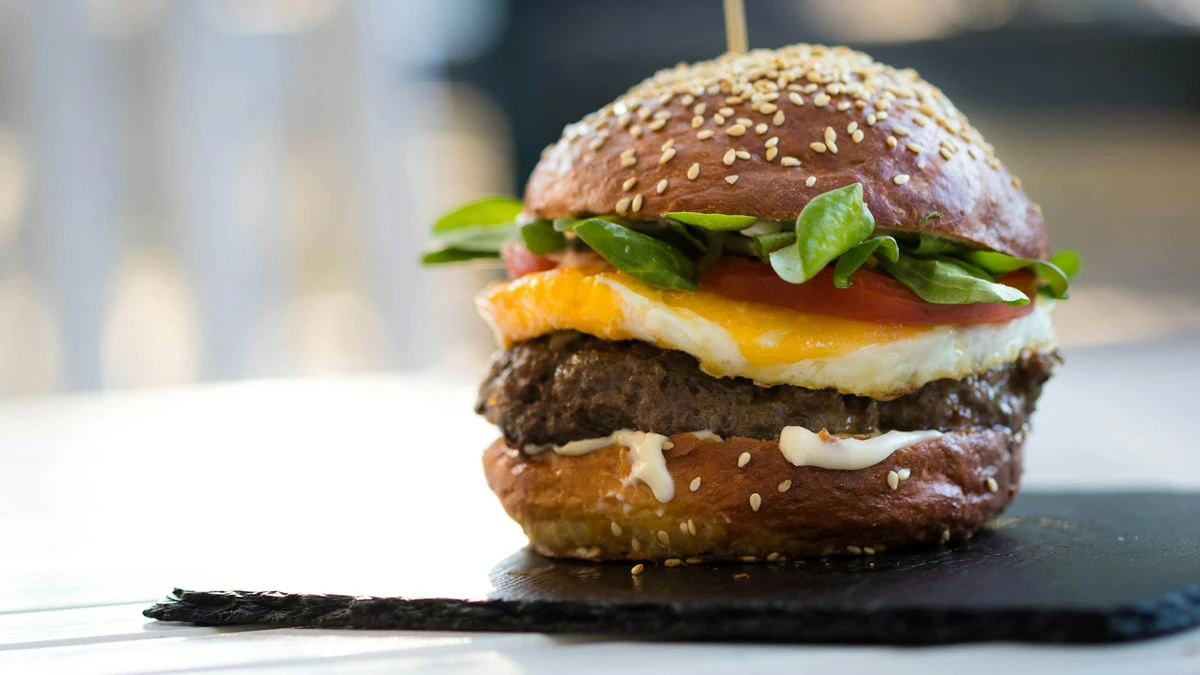
Papacko Close-up detailed view of premium paper food box with clear window showing fresh sandwich layers thr

Moisture Management and Ventilation Design

Humidity Control Through Venting Patterns

Understanding the paper boxes with window requires attention to these factors:

Ventilation requirements:

Baked goods: Require air circulation to prevent sogginess (bread, pastries releasing moisture post-baking)

Hot foods: Need steam escape to prevent condensation accumulation

Refrigerated items: Benefit from minimal air exchange (maintain humidity for freshness)

Vent design options:
Vent PatternAirflow RateBest ApplicationManufacturing Method
Micro-perforations (0.5mm holes, 5-10 holes/cm²)Low (controlled)Bread, cookies (prevent staling)Laser perforation, pin perforation
Slot vents (1-2mm wide, 20-40mm long)ModerateHot sandwiches, warm pastriesDie-cutting during box forming
Corner cutouts (5-8mm triangular cuts)High (rapid exchange)Fried foods, very hot itemsStandard die-cutting
Vent placement strategy:
PlacementEffectSuitable For
Top face (near window)Rapid steam escape, prevents window foggingHot foods, immediate consumption
Side faces (opposite ends)Cross-ventilation, maintains freshnessBaked goods, longer shelf life
Bottom faceDrains condensation away from productHigh-moisture items (salads with dressing)
Balancing act:

Too much ventilation: Product dries out, loses freshness (pastries become stale within 4-6 hours vs 12-18 hours sealed)

Too little ventilation: Condensation accumulates, window fogs, product becomes soggy

Optimal: 0.2-0.5 air exchanges per hour for most baked goods

Humidity-Resistant Adhesive Systems

For the paper boxes with window, focus on:

Adhesive failure modes in high-humidity:

Window film delamination: Adhesive loses bond strength when wet → film peels from paperboard

Box seam separation: Flaps open when adhesive softened by moisture

Print smudging: Water-based inks run if insufficient moisture resistance

Adhesive selection criteria:
Adhesive TypeMoisture ResistanceHeat ResistanceFood SafetyCostBest Use
Water-based starchPoor (dissolves)Moderate (up to 60°C)Excellent (natural)Low (+$0.004/box)Dry goods only
PVA (polyvinyl acetate)Moderate (softens)Good (up to 80°C)Good (” target=”_blank” rel=”noopener”>FDA approved)Moderate (+$0.006/box)Standard bakery items
Hot-melt EVAGood (maintains bond)Excellent (up to 120°C)Good (FDA approved)Moderate (+$0.008/box)Hot foods, high humidity
Acrylic emulsionExcellent (water-resistant)Moderate (up to 70°C)Good (food-safe grades)High (+$0.012/box)Refrigerated/frozen foods
Application zones requiring moisture-resistant adhesive:

1.Window perimeter: Prevents film delamination when condensation forms

2.Box seams: Prevents box opening when exposed to steam/humidity

3.Bottom flaps: Highest moisture exposure from product contact

Testing protocol:

ASTM D3654 (Peel strength): Measure adhesive bond before/after 24-hour humidity exposure (85% RH, 40°C)

Acceptance criteria: <15% bond strength reduction (vs >30% reduction for non-resistant adhesives)

Custom Printing Techniques for Windowed Boxes

Print Registration Challenges Around Windows

For paper boxes with window, focus on:

Precision requirements:

Window-to-print alignment: ±1mm tolerance maximum (logo/graphics must avoid window cutout by 3-5mm minimum)

Multi-color registration: ±0.3mm between color layers (misalignment creates blurred edges, unprofessional appearance)

Print-then-cut vs Cut-then-print:
WorkflowAdvantagesDisadvantagesBest For
Print-then-cutHigher precision (digital registration marks), consistent alignmentRisk of ink on window edges (requires 5mm clearance)High-volume standard designs
Cut-then-printZero ink bleed onto window areaLower precision (manual alignment), slowerShort-run custom designs
Registration aids:

Camera-based systems: $80,000-150,000 digital printing systems with optical alignment (±0.2mm accuracy)

Manual jigs: $1,200-3,500 alignment fixtures for flexographic printing (±0.8mm accuracy)

Pre-printed guide marks: Registration crosses printed in non-photo blue (invisible in final product, guides die-cutting)

Ink and Coating Compatibility

Understanding the paper boxes with window requires attention to these factors:

Ink adhesion to window films:
Window MaterialCompatible InksIncompatible InksSpecial Considerations
PLA filmUV-cured, solvent-basedWater-based (poor adhesion)Corona treatment improves adhesion +25%
CellophaneWater-based, solvent-basedUV-cured (won’t cure on cellulose)Absorbs water-based inks (may bleed)
GlassineOil-based, UV-curedWater-based (excessive absorption)Smooth surface ideal for fine printing
UV coating over windows:

Purpose: Protects printed graphics, enhances visual appeal (glossy finish)

Challenge: UV coating on PLA film creates hazy appearance (reduces 92% clarity → 78% clarity)

Solution: Spot UV coating (apply only to paperboard areas, skip window film)

Cost: Spot UV +$0.018/box vs full-coverage UV +$0.012/box (selective application increases labor)

Design Guidelines for Maximum Impact

Understanding paper boxes with window requires attention to these factors:

Visual hierarchy principles:
Design ElementPlacementSize RecommendationPurpose
Brand logoTop 20% of box face (above window)25-35% of face heightBrand recognition
Product nameAlongside window (left/right)18-24pt font minimumProduct identification
Window frame3-5mm border around cutoutContrasting color to boxDraws eye to product
Ingredients/infoBottom 25% or back panel8-12pt fontCompliance, transparency
Color psychology for food packaging:
Color SchemeConsumer AssociationBest ApplicationsWindow Frame Treatment
Kraft brown + whiteNatural, organic, artisanalBakery, whole-grain productsWhite frame (contrasts brown box)
Pastel colorsFresh, delicate, premiumPastries, macarons, dessertsGold/silver foil frame (luxury)
Bold primary colorsFun, energetic, kid-friendlyCookies, treats, party foodsBlack frame (strong contrast)
Minimalist whiteClean, modern, healthySalads, sandwiches, fresh foodsThin gray frame (subtle)
Window shape-to-product matching:

Rectangular window: Sandwiches (shows cross-section, filling layers)

Square window: Cookies (grid display, equal emphasis on each item)

Circular window: Pies, tarts (showcases round products, natural fit)

Custom die-cut: Shaped bread loaves, specialty items (window contours to product shape)

Application-Specific Design Solutions

Bakery Pastry Boxes

For paper boxes with window, focus on:

Design requirements:

Window size: 45-55% top face coverage (show pastry details: glaze, toppings, flakiness)

Structural needs: Support 250-400g pastries without crushing (thick paperboard 320-350 gsm)

Moisture management: Moderate venting (prevent sogginess while maintaining freshness)

Standard bakery box configurations:
Box SizeProduct CapacityWindow DimensionsMaterial SpecsCost
180×120×80mm1-2 croissants, 4-6 cookies120×80mm (44% coverage)320 gsm + PLA window$0.32
220×160×60mmDanish pastries, cinnamon rolls160×110mm (50% coverage)300 gsm + cellophane$0.38
250×180×100mmWhole pie, 8-12 cookies180×140mm (56% coverage)350 gsm + glassine$0.48
Anti-fog requirements:

Fresh-baked pastries: High fogging risk (warm product 40-60°C) → hydrophilic coating essential

Day-old pastries: Moderate risk (room temp) → standard PLA adequate

Refrigerated cakes: High risk (cold product 4°C) → microporous film or desiccant integration

Deli Sandwich Boxes

Understanding paper boxes with window requires attention to these factors:

Design requirements:

Window placement: Top face + side face (shows sandwich cross-section from multiple angles)

Structural integrity: Support 300-500g sandwich + condiments without leaking

Grease resistance: Prevent oil from dressings/meats staining paperboard

Sandwich box specifications:
Sandwich TypeBox SizeWindow ConfigurationSpecial FeaturesCost
Sub/baguette300×100×80mmTop face 220×70mm windowGrease-resistant coating, vents$0.42
Club sandwich180×180×80mmTop 130×130mm + side 130×60mmCorner reinforcement (heavy product)$0.46
Wrap220×100×60mmTop 180×70mm angled windowTuck-top closure (easy access)$0.38
Moisture barriers:

Lettuce/tomato moisture: Aqueous-coated paperboard (prevents soaking through)

Sauce/dressing: Grease-resistant lining (wax alternative or PLA coating)

Hot sandwiches: Microporous window film (steam escape prevents sogginess)

Salad Bowl Containers

Understanding paper boxes with window requires attention to these factors:

Design requirements:

Multi-layer visibility: Show lettuce, toppings, dressing layers (larger window area 55-65%)

Refrigeration resistance: Maintain integrity 4-8°C for 24-48 hours

Dressing compartment: Separate section or attached container (prevents premature mixing)

Salad container configurations:
Container StyleCapacityWindow CoverageMaterial ConstructionCost
Round bowl500-750ml60% top face (circular window)Molded fiber bowl + PLA lid with window$0.52
Rectangular tray750-1000ml65% top + 40% sides (dual windows)Paperboard base + hinged PLA lid$0.58
Compartmented box600-900ml55% top (sectioned windows for each compartment)350 gsm + multi-window PLA film$0.62
Anti-fog critical for refrigerated salads:

Temperature shock: 4°C → 25°C transition = severe condensation

Required treatment: Hydrophilic coating + desiccant strip = 92-96% clarity maintained

Cost-benefit: Anti-fog investment $0.042 prevents $1.20-1.80 salad waste (customer rejection due to fogged window)

Sushi and Asian Food Packaging

When evaluating the paper boxes with window, consider the following:

Design requirements:

Large window area: 60-70% coverage (showcase sushi roll arrangement, garnish presentation)

Horizontal orientation: Rectangular boxes (vs vertical bakery boxes) to display rows of sushi

Soy sauce/wasabi compartments: Integrated sections visible through window

Sushi box specifications:
Box TypeDimensionsWindow SizeSushi CapacitySpecial FeaturesCost
6-piece tray200×140×40mm180×100mm (64%)6 maki rollsDividers visible through window$0.44
12-piece platter280×180×50mm240×140mm (67%)12 mixed piecesDual-section (rolls + nigiri)$0.58
Bento box220×160×60mm160×120mm (55%) + side windowsSushi + sides4-compartment visible layout$0.68
Material considerations:

Cold food: No anti-fog treatment needed (sushi served chilled, minimal temperature differential)

Moisture from rice: Ventilation slots prevent condensation (rice releases moisture over time)

Soy sauce barrier: Grease/liquid-resistant coating prevents leakage showing through window
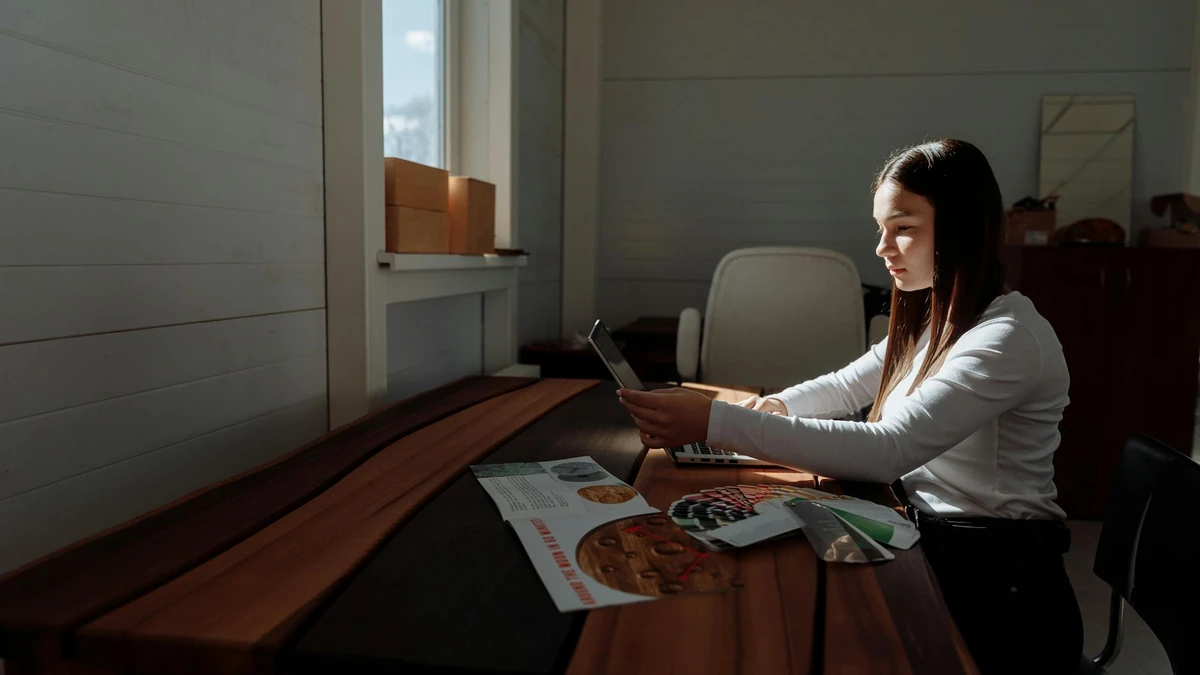
Papacko Professional packaging designer reviewing custom printed windowed box prototypes with color samples

Quality Testing and Performance Verification

Optical Clarity Testing Protocols

For the paper boxes with window, focus on:

Standard test methods:
TestEquipmentProcedureAcceptance Criteria
Light transmittanceSpectrophotometerMeasure visible light transmission (400-700nm wavelength)≥85% for “clear” rating, ≥70% for “translucent”
Haze measurementHazemeter (ASTM D1003)Quantify light scattering through film≤10% haze for premium packaging
Clarity retention (fogging)Hot/cold cycling testExpose to 75°C steam, measure clarity every 5 min≥85% clarity maintained at 30 min
Field testing:

Retailer display simulation: Place boxes in refrigerated case, monitor fogging over 48 hours

Consumer perception test: Survey customers on product visibility (1-10 rating scale)

Acceptance benchmark: ≥8.0 average rating for “excellent” clarity

Structural Integrity Under Load

Understanding the paper boxes with window requires attention to these factors:

Compression testing:
Test ConditionApplied ForceDurationPass CriteriaSimulated Scenario
Vertical stacking5 kg (10-box stack)24 hours<5% height reductionRetail display case stacking
Lateral pressure2 kg (side compression)1 minuteNo window film ruptureHandling during transport
Drop test1-meter free fall onto concrete3 drops (different orientations)No structural failure, window intactCustomer mishandling
Windowed box vs solid box performance:
Box TypeCompression StrengthLateral StrengthDrop Test Pass Rate
Solid paperboard (320 gsm)18 kg12 kg98%
Windowed box (320 gsm, no reinforcement)10 kg (-44%)8 kg (-33%)82%
Windowed box (350 gsm + corner gussets)16 kg (-11%)11 kg (-8%)94%
### Adhesive Bond Strength and Durability

The key to choosing paper boxes with window depends on:

Peel test methodology (ASTM D3330):
Test PhaseConditionsPeel AnglePeel RateMinimum Bond Strength
Initial bond23°C, 50% RH180°300 mm/min2.5 N/25mm width
After humidity exposure85% RH, 40°C, 24 hours180°300 mm/min2.0 N/25mm width (≤20% reduction)
After freeze-thaw-10°C → 25°C (5 cycles)180°300 mm/min2.2 N/25mm width (≤12% reduction)
Common failure modes:

Cohesive failure: Adhesive splits internally (good—indicates strong bond to both surfaces)

Adhesive failure: Clean separation from paperboard or film (bad—weak interfacial bond)

Substrate tear: Paperboard tears before adhesive fails (excellent—bond stronger than material)

Remediation for weak bonds:

Corona treatment: Plasma surface treatment of PLA film increases surface energy (+25% bond strength)

Adhesive weight increase: Apply 30-40% more adhesive (trade-off: +$0.004/box cost)

Moisture-resistant formulation: Switch to acrylic emulsion adhesive (+$0.006/box)

Related Papacko Resources

Authority References

Frequently Asked Questions

1. What are paper boxes with windows and why are they used for food packaging?

Paper boxes with windows are fiber-based “>food containers featuring die-cut openings ( 35-55% of box face) sealed with transparent or translucent films (PLA, cellophane, glassine) to display product contents while maintaining structural protection. They combine sustainability benefits of paperboard (recyclable/compostable, renewable materials) with visual merchandising power of plastic clamshells, increasing impulse purchases 42-58% vs opaque boxes. Applications include bakery items (pastries, cookies), deli sandwiches, salads, and sushi. Cost: $0.28-0.52 per box (vs $0.18-0.26 solid paperboard, $0.34-0.62 plastic clamshells).

2. What materials are used for windows in paper food boxes?

Three primary window materials: (1) PLA (polylactic acid) film—bio-based plastic from corn/sugarcane, 88-92% optical clarity, industrially compostable, heat-sealable to PLA-coated paperboard, cost $0.042/box; (2) Cellophane—regenerated cellulose from wood pulp, 85-90% clarity, home/industrial compostable, breathable, cost $0.038/box; (3) Glassine paper—super-calendered paper, 70-78% translucent (not transparent), excellent grease resistance, biodegradable, cost $0.032/box. Understanding paper boxes with window helps.Selection depends on optical clarity needs (PLA clearest), compostability goals (cellophane home-compostable), and budget (glassine cheapest). All meet FDA/EU food contact regulations.

3. How do anti-fog treatments work on windowed food packaging?

Anti-fog treatments prevent condensation from obscuring product visibility when hot/cold foods contact ambient air, the paper boxes with window matter.Two primary technologies: (1) Hydrophilic coatings—water-loving polymers (PVA, silicone) spread condensation into thin transparent layer vs opaque droplets, maintaining 85-92% clarity (cost +$0.008-0.018/box); (2) Microporous films—microscopic pores (0.5-2 μm) allow water vapor to pass through vs condensing on surface, excellent for hot foods (cost +$0.010-0.012/box). Testing shows untreated windows lose 40-65% clarity with hot sandwiches vs treated windows maintaining 88-94% clarity. ROI: Prevents 8-12% product waste worth $0.80-1.20/box vs treatment cost $0.008-0.042.

4. What is the optimal window size for paper food boxes?

Optimal window coverage: 40-55% of box face area balances product visibility with structural integrity. Understanding the paper boxes with window helps.Windows <35% provide inadequate product view (limiting impulse purchases) — while windows >60% compromise box strength (35-45% compression strength loss, stacking/handling failures). Product-specific recommendations: bakery pastries 45-50% (show glaze, toppings), sandwiches 47-52% (display filling layers), salad bowls 55-60% (show ingredient layering), sushi 60-65% (showcase arrangement). Reinforcement strategies for larger windows: thicker paperboard (350 gsm vs 280 gsm standard), corner gussets, window frame doubling—adding 25-35% material cost but recovering 50-60% lost strength.

5. Are windowed paper boxes recyclable or compostable?

Recyclability/compostability depends on window film and adhesive: (1) PLA window + PLA-coated box + PVA adhesive—industrially compostable (BPI/TÜV Austria certified, 90-180 days at 55-60°C), not recyclable; (2) Cellophane window + aqueous-coated box + starch adhesive—home/industrial compostable, partially recyclable (cellulose compatible with paper streams); (3) Glassine window + uncoated kraft box + PVA adhesive—biodegradable, recyclable if glassine removed (labor-intensive), paper boxes with window matter.Best sustainability option: cellophane window system (home compostable, lowest environmental impact). Verify certifications: FSC for paperboard, BPI/TÜV Austria for compostability claims, avoid vague “eco-friendly” marketing without specifics.

6. How much do windowed paper boxes cost compared to solid boxes and plastic clamshells?

Windowed paper boxes cost $0.28-0.52 per unit (12 oz bakery box benchmark), varying by: window material (PLA +$0.042, cellophane +$0.038, glassine +$0.032), anti-fog treatment (+$0.008-0.042), custom printing (+$0.020-0.080), reinforcement (+$0.015-0.035). Understanding the paper boxes with window helps.Comparison: solid paperboard boxes $0.18-0.26 (windowed boxes +55-100% premium), plastic clamshells $0.34-0.62 (windowed boxes -15% to +10% competitive). ROI justification: windowed boxes increase sales 78% vs solid boxes, capturing 93% of plastic clamshell sales while maintaining sustainability positioning, justify 8-15% product price premiums through premium perception.

7. What are the main challenges in designing windowed food boxes?

Five primary design challenges: (1) Structural integrity—windows reduce compression strength 35-45%, requiring reinforcement (thicker paperboard, corner gussets) adding 25-35% cost; (2) Fogging prevention—hot/cold foods cause condensation reducing visibility 40-65%, requiring anti-fog treatments (+$0.008-0.042); (3) Print registration—graphics must align precisely with window cutouts (±1mm tolerance) to avoid ink bleed; (4) Adhesive selection—humidity-resistant adhesives needed to prevent window delamination in moist environments; (5) Material compatibility—ink/coating formulations must work with window films (e.g., UV coating on PLA reduces clarity 92%→78%). Understanding paper boxes with window helps.Solutions require balancing cost, performance, sustainability, and aesthetic goals through iterative prototyping and testing.

Conclusion

Paper food boxes with window design represent the convergence of sustainability imperatives and visual merchandising realities in modern food retail. Understanding paper boxes with window helps.By engineering fiber-based containers with strategic die-cut openings (40-55% coverage optimal) sealed with bio-based films (PLA, cellophane, glassine), manufacturers deliver product visibility rivaling plastic clamshells (42-58% impulse purchase lift vs opaque boxes) while maintaining recyclable/compostable credentials that satisfy regulatory requirements and consumer expectations.

Key Takeaways:

1.Understanding paper boxes with window helps.Window size optimization balances visibility and strength—40-55% coverage maximizes product view while maintaining structural integrity through reinforcement strategies (thicker paperboard, corner gussets, window frame doubling)

2.Understanding the paper boxes with window helps.Anti-fog treatments critical for hot/cold foods—hydrophilic coatings (+$0.008-0.018) or microporous films (+$0.010-0.012) maintain 85-94% clarity vs 35-45% visibility loss from untreated condensation

3.Understanding paper boxes with window helps.Material selection drives sustainability positioning—cellophane windows (home compostable, $0.038) vs PLA (industrial compost, $0.042) vs glassine (biodegradable, $0.032) each offer distinct environmental/performance trade-offs

4.Understanding paper boxes with window helps.Cost premium justified by sales lift—windowed boxes cost 55-100% more than solid paperboard ($0.28-0.52 vs $0.18-0.26) but increase sales 78% and justify 8-15% product price premiums through premium perception

5.Understanding the paper boxes with window helps.Application-specific design optimization—bakery pastries require moderate venting + anti-fog, deli sandwiches need grease resistance + dual windows, salad bowls demand refrigeration-stable adhesives + large window areas

For bakeries, delis, and prepared food retailers navigating plastic reduction mandates without sacrificing merchandising effectiveness, windowed paper boxes offer viable solutions—provided manufacturers invest in anti-fog technologies, structural reinforcement, and precision die-cutting that transform functional packaging into brand differentiation assets.

Related Resources

“>Food Packaging Containers

“>Custom Box Design Services

“>Sustainable Food Packaging Solutions

Ready to Enhance Product Visibility with Windowed Boxes?

Papacko supplies bakeries, delis, and food retailers with custom paper boxes featuring die-cut windows, anti-fog treatments, and bio-based films (PLA, cellophane, glassine). Understanding paper boxes with window helps.Our design team optimizes window placement for maximum visibility while maintaining structural integrity through reinforcement engineering. Custom printing capabilities include precise registration around windows, UV coating compatibility, and food-safe inks. Contact us to discuss application-specific solutions, material options, and volume pricing.

Get in touch:Last Updated: October 2026

📊 SEO Configuration (For Editor Reference)

Focus Keyword: paper boxes with window

URL Slug: paper-boxes-with-window

Meta Title:
Paper Boxes with Window Design | Anti-Fog Solutions & Visibility | Papacko

Meta Description:
Comprehensive guide to paper food boxes with window design: material specifications, anti-fog treatments, visibility optimization, moisture control, and custom printing for bakery and deli packaging.

💡 Configure these settings in Rank Math panel, then delete this box before publishing.

krad lin
krad lin

Papacko Content Team — We create practical, factory-grounded guides for B2B food & beverage packaging. Topics include paper cup/bowl selection, PE/PLA/water-based coatings, food-contact compliance, printing, QC, and export-ready workflows—so cafés, restaurants, distributors, and OEM partners can scale with reliable supply.

Articles: 115