Ready to create your own branded paper cups or packaging?
Tell us your requirements — size, coating, printing, and destination — and our team will prepare a detailed quotation within 24 hours.


Last Updated: December 2025
Reading Time: 13 minutes
Author: Papacko Content Team
Your barista fills a 12oz single-wall paper cup with 185°F coffee straight from the brewer, slides it across the counter, and the customer immediately yelps—cup’s too hot to hold for more than 3 seconds without pain. Understanding the hot drink cups helps.Staff scrambles to apply a corrugated sleeve — adding 15 seconds to transaction time, $0.02 to material cost, and creating customer frustration that they’re posting on social media about your “cheap” cups that burn hands. Meanwhile, the cafe across the street serves identical coffee in double-wall cups at no extra customer charge—cups feel warm but comfortable, customers walk out with bare-handed grip, and zero complaints.
Hot drink cup selection isn’t just about holding liquid—it’s about thermal performance, customer comfort, operational efficiency, and safety compliance. Understanding the hot drink cups helps.Standard single-wall cups (200-280 GSM paperboard with 15-20 GSM PE coating) transfer heat rapidly: exterior surface reaches 150-165°F when filled with 185°F coffee (uncomfortable to hold after 8-12 seconds). Upgrade to double-wall insulated cups and exterior stays at 100-115°F (comfortable indefinitely), but per-unit cost increases 60-100%. The decision matrix: balance material cost ($0.045 single-wall vs $0.12 double-wall for 12oz) against sleeve costs ($0.02), labor time (5 seconds per sleeve application), and customer experience (comfort = repeat business).
In this guide, you’ll learn:
•Heat resistance requirements for coffee, tea, and specialty beverages
•Material specifications: GSM, coating types, structural integrity at high temperatures
•Insulation comparison: Single-wall, double-wall, ripple-wall thermal performance
•Food safety standards for hot beverage service (FDA, EU regulations)
•Cup selection by beverage type and service model
•Cost optimization: True cost analysis including sleeves, labor, customer satisfaction
•Supplier specifications to verify heat resistance claims
Quick Takeaway: Hot drink cups require: Heat resistance to 185-200°F without deformation (coffee brewing temp), exterior comfort <120°F for bare-hand holding. Material specs: 200-280 GSM paperboard minimum (structural integrity), PE/PLA coating 15-20 GSM (waterproof barrier, heat-stable to 200°F). Single-wall performance: Exterior 150-165°F (requires sleeve, $0.065 cup + $0.02 sleeve = $0.085 total). Double-wall insulation: Exterior 100-115°F (no sleeve, $0.09-0.16 per cup). Ripple-wall middle ground: Exterior 115-130°F (sleeve optional, $0.06-0.09). Heat retention: Double-wall keeps beverages 15-20°F warmer after 20 minutes vs single-wall. FDA requirement: Food contact materials FDA 21 CFR 176.170 compliant. Best for coffee shops: Double-wall for takeaway-focused (200+ cups/day), ripple-wall for balanced dine-in/takeaway, single-wall + sleeve for dine-in majority (<30% takeaway).
When evaluating the hot drink cups, consider the following:
Industry Temperature Standards (Food service hot beverages):
Critical Temperature Zones:
200-212°F (Boiling):
•Application: Tea brewing, French press coffee
•Cup requirement: Must withstand without warping or coating delamination
•Risk: Immediate burn hazard if spilled (3rd degree burns in <1 second)
180-195°F (Standard serving):
•Application: Fresh brewed coffee, hot tea service
•Cup requirement: Structural integrity maintained, no leaking
•Customer handling: Too hot to drink (8-15 minute cool-down needed)
•Exterior comfort: Requires insulation or sleeve for bare-hand holding
140-165°F (Drinking range):
•Application: Ideal consumption temperature
•Customer preference: Most people prefer coffee/tea at 140-160°F
•Cup requirement: Maintain temperature in this zone as long as possible
<120°F (Cooling threshold):
•Below this: Coffee/tea perceived as lukewarm or cold by most consumers
•Quality impact: Flavor profile degrades, customer dissatisfaction
Heat Retention Goal: Keep beverage above 140°F for 20-30 minutes (typical consumption/commute time for takeaway orders).
The key to choosing hot drink cups depends on:
Burn Thresholds (Human skin contact):
Cup Exterior Temperature Standards:
ASTM C1055 (Comfort testing standard):
•Maximum exterior temperature for comfortable holding: 115°F
•Test method: Fill cup with 185°F liquid, measure exterior surface temperature after 2 minutes
•Goal: Exterior remains ≤115°F for entire beverage consumption duration
Real-World Cup Performance:
Single-wall cup (no sleeve):
•Interior: 185°F coffee
•Exterior: 155-165°F after 2 minutes
•Hold comfort: 0-8 seconds (too hot, pain threshold)
•Conclusion: Requires sleeve or double-cupping for safe handling
Single-wall cup + sleeve:
•Interior: 185°F coffee
•Exterior (with sleeve): 115-125°F
•Hold comfort: 15-30 seconds (manageable, but marginally comfortable)
•Conclusion: Adequate for quick transactions, marginal for extended holding (10+ minute commute)
Ripple-wall cup:
•Interior: 185°F coffee
•Exterior: 115-130°F
•Hold comfort: 60-90 seconds continuous (comfortable for most users)
•Conclusion: Good balance for moderate hold times, some customers may still request sleeve for very hot beverages
Double-wall cup:
•Interior: 185°F coffee
•Exterior: 100-112°F
•Hold comfort: Indefinite (no thermal discomfort)
•Conclusion: Premium solution, customers can hold comfortably for entire consumption experience
Legal Liability Considerations:
Stella Liebeck v. McDonald’s (1994):
•Case: Coffee served at 180-190°F caused 3rd degree burns
•Outcome: $2.86 million awarded (reduced to $640K)
•Impact: Industry awareness of serving temperature liability
•Lesson: Providing adequate insulation/sleeves reduces burn injury risk and legal exposure
Best Practice:
•Serve hot beverages at 160-180°F (not 190-200°F+)
•Provide appropriate insulation (double-wall cups or sleeves) for bare-hand holding
•Display warning: “CAUTION: HOT” on cups (liability protection)
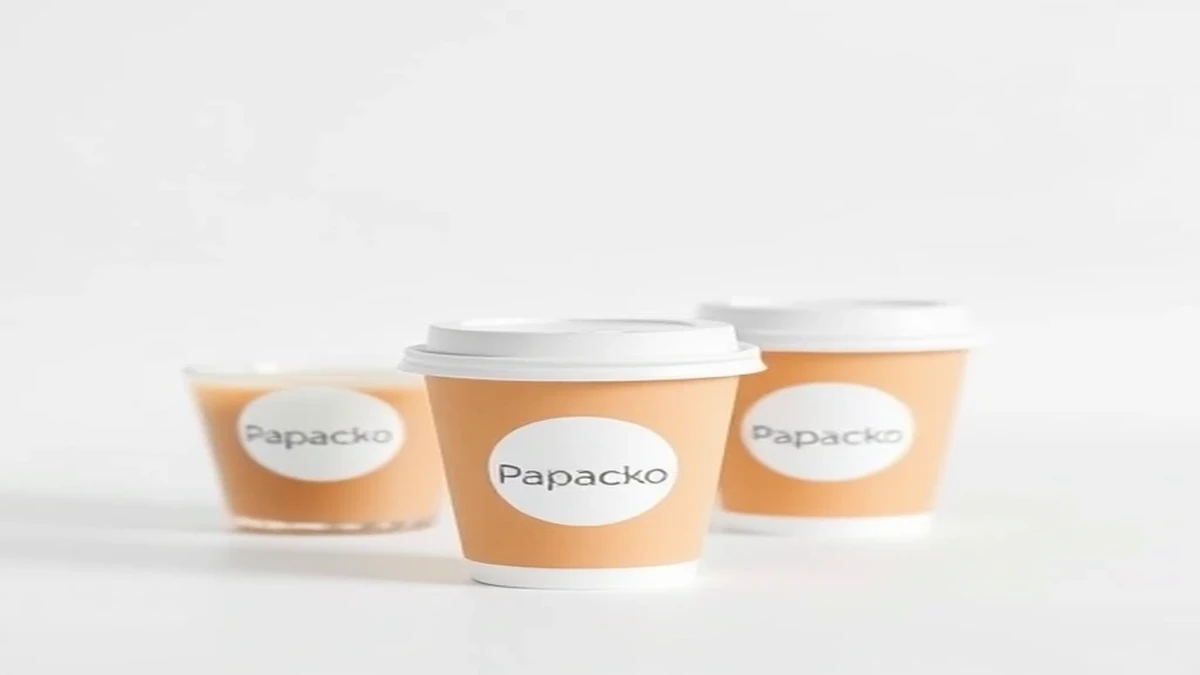
When evaluating the hot drink cups, consider the following:
GSM (Grams per Square Meter): Weight/thickness metric for paperboard
GSM Standards for Hot Drink Cups:
Why GSM Matters for Hot Beverages:
Structural Integrity at High Temperature:
•Paper fibers soften when exposed to heat + moisture
•Low GSM (<220): Cups become flexible, may collapse when filled with hot liquid
•High GSM (260-290): Maintains rigidity even when hot and full
Heat Transfer Rate:
•Thicker paperboard (higher GSM) = slower heat transfer
•220 GSM: Heat conducts through in 30-45 seconds
•280 GSM: Heat conducts through in 60-90 seconds
•Benefit: Slightly longer time before exterior becomes uncomfortable (marginal improvement)
Customer Perception:
•Thick cups (270-290 GSM) feel “premium” and sturdy
•Thin cups (200-220 GSM) feel “cheap” and flimsy
•Psychological impact: Cup quality reflects on beverage quality perception
Cost Impact:
•220 GSM: Baseline cost (e.g., $0.048 per cup)
•260 GSM: +12-15% cost ($0.054 per cup)
•290 GSM: +20-25% cost ($0.058 per cup)
Recommended Minimum: 240 GSM for standard hot coffee cups (balances cost and quality)
For the hot drink cups, focus on:
Interior Coating Requirements (Waterproof barrier):
Polyethylene (PE) Coating:
•Material: Petroleum-based plastic (most common)
•Weight: 15-20 GSM coating thickness
•Heat resistance: Excellent (stable to 200-220°F)
•Performance: No softening, delamination, or migration at coffee temperatures
•Food safety: FDA approved (21 CFR 176.170) for hot beverage contact
•Cost: Baseline (lowest cost option)
•Environmental: Not compostable, recyclable only in specialized facilities
PE Coating Performance Test:
•Fill cup with 200°F water
•Wait 30 minutes
•Inspect: No coating softening, separation from paper, or liquid penetration
•Pass criteria: No visible degradation
Polylactic Acid (PLA) Coating:
•Material: Plant-based plastic (corn or sugarcane starch)
•Weight: 15-20 GSM
•Heat resistance: Good (stable to 175-180°F, marginal at 185°F+)
•Performance limitation: May soften at espresso machine temperature (190-200°F)
•Food safety: FDA approved, ASTM D6400 compostable certified
•Cost: +15-25% vs PE coating
•Environmental: Compostable in commercial facilities (not home compost)
PLA Limitation for Hot Drinks:
•⚠️ Risk: Cups may soften or leak if filled with 190°F+ beverages
•Use case: Suitable for coffee at 180°F or below, not for tea brewed at 200-212°F
•Recommendation: Test samples with your hottest beverage temperature before bulk ordering
Water-Based Barrier Coatings (Emerging technology):
•Material: Aqueous dispersion or bio-polymer barrier
•Heat resistance: Good (stable to 180-185°F)
•Performance: Adequate for standard coffee service, marginal for tea/boiling water
•Food safety: FDA approved where commercially available
•Cost: +30-50% vs PE coating
•Environmental: Fully recyclable + compostable (home + commercial)
Wax Coating (Older technology, rarely used for hot drinks):
•Material: Paraffin or beeswax
•Heat resistance: Poor (melts at 150-160°F)
•Application: Cold drinks only
•Do not use for hot beverages (coating will melt, leak, potential food safety issue)
Coating Adhesion Testing (Critical for hot drinks):
Peel Test:
•After filling cup with hot liquid (185°F, 30 minutes), attempt to peel coating from paper
•Pass: Coating remains firmly bonded (cannot peel without tearing paper)
•Fail: Coating separates easily (delamination risk during use)
Soak Test:
•Fill cup with 185°F water, let sit 2 hours
•Check: No liquid penetration through cup wall, no coating softening
•Pass: Cup remains leak-free, coating intact
•Fail: Moisture penetrates paper, coating loses integrity
When evaluating hot drink cups, consider the following:
Seam Design (Critical stress point):
Heat-Sealed Seam (Standard):
•Method: Overlapping edges bonded with heat + pressure
•Width: 3-5mm overlap
•Strength: Adequate for cold drinks, marginal for hot liquids (heat can soften adhesive)
•Failure mode: Seam may separate when cup filled with very hot liquid (185°F+)
Ultrasonic Welded Seam (Premium):
•Method: High-frequency vibration creates molecular bond
•Strength: Excellent (stronger than paper itself)
•Heat resistance: No adhesive to soften (bond unaffected by heat)
•Cost: +5-8% vs standard seam
•Recommended for: Hot beverages, especially at high volumes (reduces defect rate)
Glued Seam with Heat-Resistant Adhesive:
•Method: Food-safe adhesive formulated for high-temperature stability
•Strength: Good (bonds remain stable at 200°F+)
•Cost: +3-5% vs standard
•Common: Mid-tier hot cups
Seam Testing Protocol:
•Fill cup with 200°F water to maximum capacity
•Observe for 30 minutes
•Squeeze cup gently (simulates customer grip)
•Pass: No leaking at seam
•Fail: Moisture at seam, seam separation
Base/Bottom Reinforcement:
Curled Base (Standard):
•Design: Bottom edge curled inward (creates rim)
•Benefit: Distributes weight, prevents bottom from pushing through when filled
•Critical for: Large sizes (16-24oz) with heavy liquid weight
Reinforced Base Fold:
•Design: Multi-layer fold at bottom
•Benefit: Extra strength, prevents leaking at bottom stress points
•Application: Premium cups, extra-large sizes (20oz+)
Testing:
•Fill cup to capacity with 185°F liquid
•Set on flat surface for 2 hours
•Check: No bottom leaking, no base deformation
•Pass: Bottom remains dry and flat
•Fail: Moisture pooling under cup, bottom bulging outward
Understanding hot drink cups requires attention to these factors:
Construction:
•One layer: 220-280 GSM paperboard
•Interior coating: 15-20 GSM PE/PLA
•Total thickness: 0.30-0.40mm
•No air gap or additional insulation
Thermal Performance:
•Heat transfer: Rapid (conducts directly through single paper layer)
•Exterior temperature: 150-165°F (2 minutes after 185°F fill)
•Hold comfort: 8-12 seconds bare-handed (too hot for most users)
•Heat retention: Coffee drops to 140°F in 18-22 minutes
Sleeve Requirement:
•Mandatory: Yes, for customer comfort
•Sleeve cost: $0.015-0.025 per sleeve
•Application time: 4-6 seconds per cup (labor cost)
•Sleeve fit: Must match cup diameter (8oz = 80mm rim, 12oz = 80-90mm, 16oz = 90mm)
Cost Analysis (12oz cup):
•Cup only: $0.045-0.060
•Sleeve: $0.020
•Lid: $0.025
•Total serving: $0.090-0.105
When to Use Single-Wall:
•✅ Dine-in majority (>60% customers consume on premises, sleeve less critical)
•✅ Budget operations (minimizing material cost priority)
•✅ Short consumption time (drinks consumed within 5-10 minutes)
•❌ Takeaway-focused cafes (sleeve fumbling slows service, customer complaints)
•❌ Premium positioning (perceived as “cheap” packaging)
Advantages:
•Lowest material cost
•Universal availability (all suppliers carry)
•Lightest weight (shipping cost advantage)
•Stackable (compact storage, 50-100 cups per stack)
Disadvantages:
•Requires sleeve (additional SKU, inventory complexity)
•Labor inefficiency (5 seconds per sleeve application × 300 cups/day = 25 minutes daily)
•Customer discomfort (complaint risk if sleeve missed)
•Poor heat retention (beverage cools faster)
Understanding the hot drink cups requires attention to these factors:
Construction:
•Two layers: Inner wall 250-300 GSM + Outer wall 250-300 GSM
•Air gap: 2-4mm between layers (critical insulation factor)
•Total thickness: 0.65-0.85mm
•Interior coating: 15-20 GSM PE/PLA (inner wall only)
Thermal Performance:
•Heat transfer: Slow (air gap insulates, prevents conduction)
•Exterior temperature: 100-115°F (2 minutes after 185°F fill)
•Hold comfort: Indefinite (comfortable for entire drinking experience)
•Heat retention: Coffee stays at 140°F+ for 25-30 minutes
Sleeve Requirement:
•Not needed: Exterior comfortable to hold bare-handed
•Exception: Ultra-hot beverages (200°F+ tea) may feel warm for heat-sensitive customers (<5% request sleeves)
Cost Analysis (12oz cup):
•Cup: $0.090-0.160
•Sleeve: $0 (not needed)
•Lid: $0.025
•Total serving: $0.115-0.185
When to Use Double-Wall:
•✅ Takeaway-focused (>70% to-go orders, customers carry 10-30 minutes)
•✅ High-volume operations (200+ cups/day, labor savings offset cost)
•✅ Premium positioning ($5-7 drinks, quality packaging expected)
•✅ Hot beverage specialty (coffee, tea service where temperature retention critical)
•❌ Budget operations (cost premium unsustainable)
•❌ Dine-in majority (insulation benefit underutilized)
Advantages:
•Superior customer comfort (no burn risk)
•Excellent heat retention (keeps drinks hot longer)
•Eliminates sleeves (one less SKU, inventory simplification)
•Labor efficiency (5 seconds saved per cup = 25 min/day at 300 cups)
•Premium brand perception (customers notice quality difference)
Disadvantages:
•60-100% higher cost vs single-wall
•Less stackable (thicker, bulkier storage)
•Heavier (shipping cost impact)
•Limited supplier availability (not all manufacturers produce double-wall)
Break-Even Analysis (Cafe serving 250 cups/day):
Net cost: $1,370/year extra (1.8% increase) for double-wall
Revenue impact: $328,500 annual revenue (250 cups × $3.60 avg price × 365 days) = 0.42% cost increase
ROI: Justifiable if attracts even 1 additional customer per day or increases customer satisfaction/retention
Understanding hot drink cups requires attention to these factors:
Construction:
•Inner layer: 250-280 GSM paperboard with PE/PLA coating
•Outer layer: 150-200 GSM paperboard with corrugated ripple pattern
•Air pockets: Trapped in ripple ridges (insulation)
•Total thickness: 0.50-0.65mm
Thermal Performance:
•Heat transfer: Moderate (70-80% of double-wall insulation)
•Exterior temperature: 115-130°F (2 minutes after 185°F fill)
•Hold comfort: 60-90 seconds (comfortable for most, marginal for heat-sensitive)
•Heat retention: Coffee at 140°F+ for 22-26 minutes
Sleeve Requirement:
•Optional: 10-20% of customers may request for very hot beverages or sensitivity
•Most users: Find ripple-wall comfortable without sleeve
Cost Analysis (12oz cup):
•Cup: $0.060-0.090
•Sleeve (occasional): $0.004 (20% × $0.02)
•Lid: $0.025
•Total serving: $0.089-0.119
When to Use Ripple-Wall:
•✅ Balanced operations (40-60% takeaway)
•✅ Value-conscious premium brands (want quality without double-wall cost)
•✅ Moderate volume (100-200 cups/day)
•✅ Hot + cold beverage menu (versatile cup for multiple applications)
•❌ Ultra-budget operations (cost premium not justified)
•❌ Premium specialty focus (double-wall better aligns)
Advantages:
•40% cost premium vs single-wall (vs 80-100% for double-wall)
•70-80% of double-wall performance
•Eliminates sleeves for 80-90% of customers
•Distinctive appearance (ripple texture = recognizable quality cue)
•Good heat retention (closes gap vs single-wall)
Disadvantages:
•Some customers still request sleeves (inventory complexity not fully eliminated)
•Middle-tier positioning (neither budget nor premium)
•Textured exterior (harder to apply custom labels/stickers vs smooth surface)
Ripple-Wall Value Proposition:
•Best balance: Cost efficiency + performance for many cafes
•80/20 solution: Delivers 80% of double-wall benefit at 40-50% of cost premium
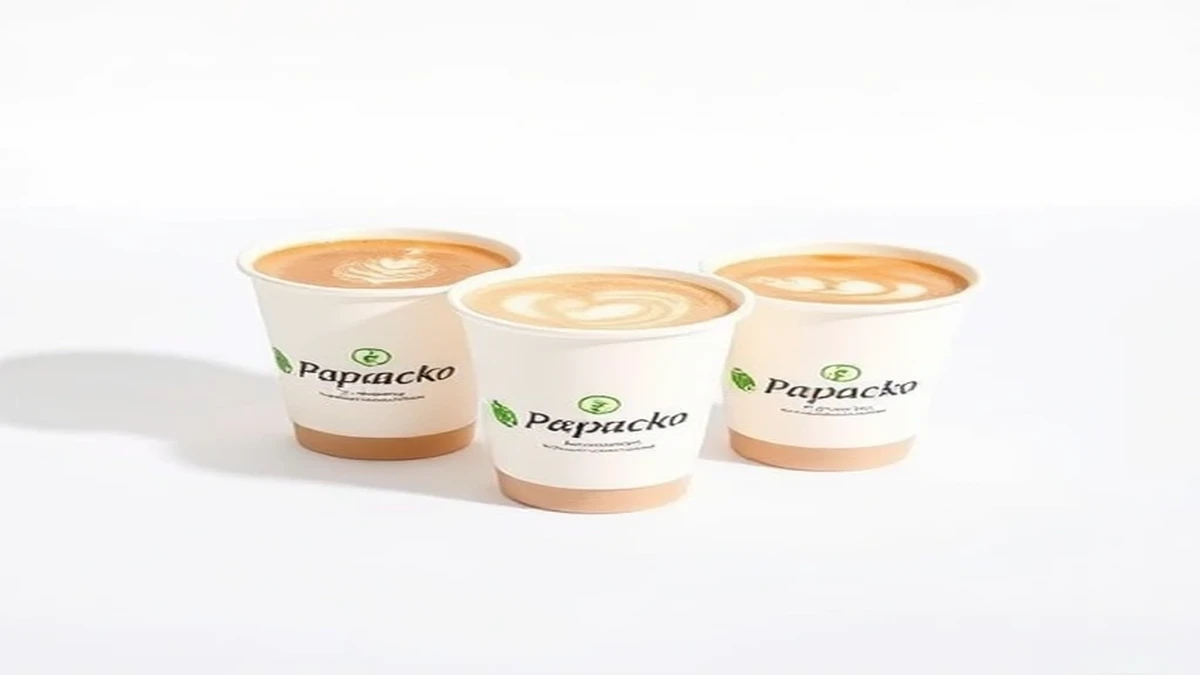
For hot drink cups, focus on:
21 CFR 176.170 (Components of paper and paperboard in contact with aqueous and fatty foods):
Scope: Applies to paper cups used for hot beverages
Key Requirements:
Materials Approval:
•Paperboard: Must be manufactured from approved pulp (virgin or recycled food-grade)
•Coatings (PE, PLA): Must be FDA-sanctioned substances for food contact
•Inks (if printed): Must use food-safe inks with no migration into beverage
Migration Testing:
•Hot liquid extraction: Simulate coffee contact (185°F, 2 hours)
•Test: Measure chemical migration from cup materials into liquid
•Pass criteria: <10 ppb (parts per billion) for any single extractable substance
•Heavy metals: Lead, cadmium, mercury below detection limits
Certification Requirements:
•Supplier declaration: Manufacturer must provide FDA compliance statement
•Test reports: Migration testing documentation (update annually or with material changes)
•Traceability: Batch codes for tracking materials back to source
Verification Steps for Buyers:
1.Request FDA compliance letter from supplier
2.Understanding hot drink cups helps.Verify materials listed: Paperboard source, coating type (PE/PLA), ink composition
3.Confirm testing: Ask for migration test results (if not provided, red flag)
4.Check certifications: Look for third-party testing (SGS, Intertek, etc.)
Non-Compliance Risks:
•Product seizure: FDA can halt imports of non-compliant cups
•Legal liability: If cup materials cause health issues, business liable
•Fines: $10,000-100,000+ for knowingly distributing non-compliant food contact materials
The key to choosing the hot drink cups depends on:
EU 1935/2004 (Framework Regulation on Materials and Articles Intended to Contact Food):
Requirements Similar to FDA:
•Materials: Must not transfer constituents to food in quantities that endanger human health
•Labeling: “For food contact” symbol (fork and glass icon) required
•Traceability: Documentation tracking materials through supply chain
Additional EU-Specific Standards:
EU 10/2011 (Plastic materials and articles in contact with food):
•Applies to PE and PLA coatings
•Specific migration limits (SML): Detailed limits for individual chemicals
•Overall migration limit (OML): Total substances migrating <10 mg/dm² (stricter than FDA in some cases)
REACH Compliance (Registration, Evaluation, Authorization of Chemicals):
•Chemicals in cup materials (coatings, inks) must be registered under REACH
•Substances of Very High Concern (SVHC): Banned or restricted in food contact materials
•Verification: Supplier must provide REACH compliance declaration
German LFGB (Food and Feed Code):
•More stringent than general EU standards
•Additional testing: Sensory evaluation (no odor/taste transfer to beverage)
•Widely recognized: Passing LFGB = gold standard for food contact safety
Verification for EU Markets:
•Request EU 1935/2004 compliance certificate
•Confirm REACH registration for coating materials
•If selling in Germany: Verify LFGB certification (optional but valuable)
Understanding hot drink cups requires attention to these factors:
Concern Areas for Hot Drink Cups:
Inks (Exterior Printing):
•Lead, cadmium: Historical concern in pigments (now largely phased out)
•Modern inks: Should use food-safe pigments with heavy metal content <100 ppm
•Risk: Heat can cause migration from exterior print to interior (especially if coating imperfect)
Adhesives (Seam Bonding):
•Formaldehyde: Some adhesives release formaldehyde at high temperatures
•Requirement: Use formaldehyde-free adhesives for hot beverage cups
•Testing: Heat exposure test (200°F, 30 min), measure formaldehyde release (<0.1 ppm acceptable)
Coating Materials (PE/PLA):
•BPA concern: Polyethylene does NOT contain BPA (common misconception)
•PLA safety: Derived from plant materials, no BPA or phthalates
•Assurance: Both PE and PLA considered safe for hot beverage contact by FDA/EU
Testing Protocol for Chemical Safety:
Migration Test (Critical for hot cups):
1.Understanding hot drink cups helps.Fill cup with food simulant (3% acetic acid solution, simulates acidic beverage like coffee)
2.Heat to 185°F for 2 hours (simulates extended hot beverage contact)
3.Understanding hot drink cups helps.Analyze liquid: Gas chromatography–mass spectrometry (GC-MS) for chemical identification
4.Quantify: Measure concentration of any migrated substances
5.Compare: Against FDA/EU limits for food contact materials
Pass Criteria:
•Total migration: <10 mg/dm² (or 60 mg/kg food)
•Specific substances: All below regulatory limits
•Heavy metals: Non-detectable or <0.1 ppm
Frequency: Annual testing recommended, or when changing materials/suppliers
Cost: $800-1,500 per complete migration test (worthwhile for bulk orders >100,000 units)
Understanding hot drink cups requires attention to these factors:
Drip Coffee (180-185°F serving temperature):
Recommended Cup Type:
•High-volume takeaway (200+ cups/day): Double-wall 12oz, 16oz
– Justification: Labor savings + customer comfort ROI positive at this volume
– Cost: $0.12-0.16 per cup (no sleeve needed)
•Balanced dine-in/takeaway: Ripple-wall 12oz, 16oz
– Justification: 70% of double-wall performance, 40% cost premium (best value)
– Cost: $0.07-0.09 per cup (sleeve rarely needed)
•Budget/dine-in focused: Single-wall 12oz, 16oz + sleeves
– Justification: Lowest cost, adequate if customers consume quickly on premises
– Cost: $0.06 cup + $0.02 sleeve = $0.08 total
Size Distribution (Coffee-focused cafe):
•12oz (Medium): 50-60% of orders
•16oz (Large): 30-35% of orders
•8oz (Small): 10-15% of orders
•20oz (Extra-large): <5% of orders
Material Specs:
•GSM: 240-280 GSM minimum (structural integrity for hot fill)
•Coating: PE or PLA (both adequate for 180-185°F)
•Seam: Heat-sealed or ultrasonic welded (leak-proof critical)
Specialty Coffee Considerations:
Espresso-Based Drinks (Latte, Cappuccino, 145-160°F):
•Lower temperature: Single-wall + sleeve adequate even for takeaway
•Milk dilution: Reduces heat intensity vs black coffee
•Cup selection: Can use standard single-wall to save costs (customer comfort less critical at 145-155°F)
When evaluating the hot drink cups, consider the following:
Black Tea, Herbal Tea (185-200°F serving temperature):
Challenge: Higher serving temperature than coffee (tea brewed at 200-212°F, served hotter)
Recommended Cup Type:
•Primary recommendation: Double-wall only
– Justification: Tea served at 190-200°F too hot for ripple-wall comfort
– Customer safety: Reduces burn risk from hotter liquid
– Heat retention: Tea drinkers prefer longer hot window (sipped slowly)
Alternative (Budget):
•Single-wall + double sleeves (two sleeves stacked)
•Cost: $0.06 cup + $0.04 sleeves = $0.10 (cheaper than double-wall $0.12-0.16)
•Drawback: Clunky, poor customer experience, still marginal comfort
Material Requirements:
•Coating: PE strongly preferred over PLA (PLA marginal at 200°F+, may soften)
•GSM: 260-290 GSM minimum (higher temperature = more stress on structure)
•Seam: Ultrasonic welded or premium heat-sealed (standard seams may fail at 200°F)
Green Tea, White Tea (165-180°F serving temperature):
•Lower temperature: Ripple-wall adequate
•Cup selection: Follow coffee guidelines (ripple-wall or double-wall depending on volume)
The key to choosing hot drink cups depends on:
Hot Chocolate, Steamers, Chai Lattes (160-175°F typical serving):
Cup Selection:
•Recommended: Single-wall + sleeve OR ripple-wall
– Justification: Lower temperature makes single-wall + sleeve comfortable
– Cost savings: Can avoid double-wall premium for these menu items
Whipped Cream Considerations:
•Dome lids: Required for whipped cream toppers (tall dome, 12-20mm clearance)
•Cup compatibility: Ensure lid fits rim diameter (not all lids universal)
•Temperature: Whipped cream slightly insulates (customer holds lid area, not hot cup body)
Material Specs:
•Standard GSM: 240-260 GSM adequate (lower temperature than coffee/tea)
•Coating: PE or PLA both suitable
•Size trend: Larger sizes common (16oz, 20oz) due to milk-heavy recipes

For hot drink cups, focus on:
Complete Cost Formula:
“`
Cost per Serving = Cup Cost + Sleeve Cost (if needed) + Lid Cost + Labor Cost (sleeve application) + Inventory Carrying Cost
“`
Scenario Comparison (Cafe serving 300 cups/day, $18/hour loaded labor rate):
Option 1: Single-Wall + Sleeve
Option 2: Ripple-Wall (No Sleeve for 90%)
Option 3: Double-Wall (No Sleeve)
Comparison Summary:
Key Insights:
•Ripple-wall: Lowest total cost (labor + material savings vs single-wall, material cost lower than double-wall)
•Double-wall: 16% more expensive than single-wall despite eliminating sleeves (material premium > labor savings at this volume)
•Single-wall: Mid-range cost (sleeve material + labor costs add up)
Break-Even Volume for Double-Wall (When does double-wall become cost-competitive?):
Labor savings per cup: $0.025
Material premium vs single-wall + sleeve: $0.120 – $0.055 – $0.020 = $0.045
Net cost per cup: $0.145 – $0.125 = $0.020 more expensive
Conclusion: At typical labor rates, double-wall remains more expensive than single-wall + sleeve on pure cost basis. Justification must come from:
•Customer experience value (comfort — satisfaction)
•Brand positioning (premium perception)
•Service speed (faster transactions during rush)
•Revenue impact (attracting 1-2 additional customers per day covers premium)
The key to choosing the hot drink cups depends on:
Price Tiers by Order Quantity (12oz single-wall cups, FOB pricing):
Optimization Strategies:
Strategy 1: Combine Sizes to Reach Volume Tier
•Instead of: 30K × 12oz ($0.085/cup) + 30K × 16oz ($0.090/cup) = separate orders
•Negotiate: 60K combined order at 50-80K tier pricing ($0.070/cup blended)
•Savings: ($0.088 individual avg – $0.070 combined) × 60,000 = $1,080 (18% reduction)
Strategy 2: Annual Commitment with Scheduled Deliveries
•Commit: 400,000 cups over 12 months (4 shipments of 100K each)
•Lock pricing: 300-500K tier ($0.055/cup) applied to all shipments
•vs ordering 100K at a time: Save $0.010/cup × 400,000 = $4,000 annually
•Benefit: Avoid inventory carrying cost of 400K unit bulk order
Strategy 3: Partner with Nearby Businesses
•Combine orders: 3-4 cafes each needing 50K cups = 150-200K total
•Negotiate: 100-200K tier pricing for all participants
•Split: Distribute cups to each business, share shipping
•Savings: 15-20% per cafe vs individual 50K orders
For hot drink cups, focus on:
Storage Space Requirements:
Volume Calculations:
•12oz cups: ~2,000 cups per cubic meter (nested/stacked)
•50,000 cups: 25 cubic meters = 5 pallets (5ft × 4ft × 5ft each)
•Storage cost: $8-15 per pallet per month (warehouse rates)
Example (Cafe using 10,000 cups/month):
•Order 50,000 cups (5-month supply): $325/month storage (5 pallets × $65)
•Order 30,000 cups (3-month supply): $195/month storage (3 pallets)
•Savings: $130/month × 12 months = $1,560/year
•Price premium: 30K order $0.075/cup vs 50K order $0.065/cup = $0.010 more
•Annual cost: 120,000 cups × $0.010 = $1,200 premium
•Net: $360/year savings by ordering 30K vs 50K (storage cost > price savings)
Inventory Turnover Optimization:
•Ideal: 2-3 month supply on hand (balances volume pricing and carrying costs)
•Avoid: >6 month supply (capital tied up, storage costs high, flexibility limited)
•Consider: Smaller, more frequent orders if storage space constrained
Seasonal Demand Planning:
•Coffee shops: Peak demand fall/winter (+20-40% vs summer)
•Strategy: Build inventory before peak season (Sep-Oct), lean inventory in summer
•Negotiation: Order larger quantities pre-peak to lock pricing and ensure supply
For hot drink cups, focus on:
Phase 1: Sample Request (Before bulk order)
Request from Supplier:
•10-15 cups of each size/type considering
•Include: Lids (verify fit), sleeves if applicable
•Shipping: Express (3-7 days) to evaluate quickly
•Cost: Free samples (most suppliers) or $20-40 shipped
Tests to Perform:
Test 1: Heat Resistance (Critical for hot drinks)
•Fill cup with 200°F water (boiling, worst-case scenario)
•Observe immediately: No warping, no seam leaking
•Wait 30 minutes: Cup maintains structural integrity, no bottom leaking
•Exterior temperature: Measure with infrared thermometer (should align with supplier claims)
•Pass/Fail: Fail if any leaking, warping, or coating delamination
Test 2: Capacity Verification
•Measure actual capacity: Fill with water, pour into graduated cylinder
•Compare to stated capacity: 12oz cup should hold 355ml (12oz × 29.57ml/oz)
•Tolerance: ±5% acceptable (340-370ml for 12oz)
•Fail: If cup significantly under capacity (short-fills customer)
Test 3: Lid Fit and Seal
•Apply lids to filled cups: Should snap on firmly, seal tight
•Shake test: Gently shake filled cup with lid—no leaking
•Carry test: Hold cup horizontally—lid stays secure, no drips
•Fail: Loose fit, leaking around lid edge (wrong rim diameter)
Test 4: Seam Integrity
•Visual: Examine seam for gaps, misalignment
•Stress test: Squeeze cup gently when filled—seam should not leak or separate
•Soak test: Fill and wait 2 hours—check for moisture at seam exterior
•Fail: Any leaking at seam (reject supplier)
Test 5: Customer Perception
•Blind test: Give samples to 5-10 customers, ask feedback
•Questions: Comfortable to hold? Too hot/too cold? Feels sturdy?
•Compare: If testing multiple suppliers, which do customers prefer?
•Insight: Customer preference matters more than specs alone
Phase 2: Small Bulk Order (50,000-100,000 units)
Purpose: Validate consistency before large commitment
Quality Checks Upon Delivery:
•Random sampling: Open 5-10 cartons from different pallets
•Inspect 50-100 cups: Check for defects (damaged cups, print errors, warping)
•Defect rate: Count defects, calculate percentage (acceptable: <1.5%)
•Compare to samples: Verify bulk matches approved sample quality
Batch Testing:
•Heat test: 10-20 cups from bulk order (same 200°F test as samples)
•Fail if: >2 cups fail (defect rate >10%, indicates batch issue)
•Resolution: Contact supplier immediately, request rework or refund
When evaluating the hot drink cups, consider the following:
Monthly Quality Checks (For regular suppliers):
Random Sampling:
•Frequency: Each new shipment or monthly (whichever more frequent)
•Sample size: 20-50 cups per shipment
•Tests: Visual inspection + heat test on 5 cups
•Track: Defect rate over time (should remain <1.5%)
Customer Feedback:
•Log complaints: “Cup leaked,” “Too hot to hold,” “Lid didn’t fit”
•Quantify: Complaints per 1,000 cups served
•Threshold: >3 complaints per 1,000 cups = investigate quality issue
•Action: Contact supplier if defect rate increases suddenly
Performance Metrics (Track quarterly):
Supplier Accountability:
•Document issues: Photos, defect samples, complaint records
•Quarterly review: Discuss performance with supplier, request corrective action if needed
•Contingency: Have backup supplier qualified (can switch if primary quality deteriorates)

Business Profile:
•Name: Brew & Co. (independent specialty coffee shop)
•Location: Urban area, high foot traffic
•Volume: 350 cups/day (average), 127,750 cups/year
•Service model: 75% takeaway, 25% dine-in
•Previous cups: Single-wall 12oz/16oz + generic sleeves ($0.06 cup + $0.02 sleeve)
Problem Identified:
•Customer complaints: 8-12/month about cups “too hot to hold”
•Staff inefficiency: 18-second average transaction time (5 seconds per sleeve application)
•Brand perception: Customers compared unfavorably to competitors using premium cups
•Social media: Negative mentions of “cheap cups” hurting brand image
Solution Evaluation:
Option A: Switch to Double-Wall
•Cost increase: $0.08 → $0.145 per serving (+$0.065)
•Annual cost impact: 127,750 × $0.065 = +$8,304
•Benefits: Eliminate sleeves, improve comfort, premium perception
•ROI calculation: Revenue increase needed to offset: $8,304 ÷ 127,750 cups = $0.065 per cup (1.8% price increase: $3.50 → $3.56)
Option B: Switch to Ripple-Wall
•Cost increase: $0.08 → $0.102 per serving (+$0.022)
•Annual cost impact: 127,750 × $0.022 = +$2,811
•Benefits: Eliminate sleeves for 85-90% customers, improve comfort
•ROI calculation: $2,811 ÷ 127,750 cups = $0.022 per cup (0.6% price increase: $3.50 → $3.52)
Decision: Chose Ripple-Wall (Option B)
•Reasoning: Best value—85% of double-wall benefit at 40% of cost
•Implementation: 3-month trial with 100,000-cup order
Results After 12 Months:
Customer Feedback:
•Complaints: Reduced from 10/month to 1-2/month (85% reduction)
•Social media sentiment: 6 positive mentions of cups (vs 0 before)
•Survey: 72% of customers noticed cup upgrade, 64% rated “important” or “very important”
Operational Impact:
•Transaction time: Reduced from 18 sec to 14 sec (sleeve elimination)
•Labor savings: 4 sec/cup × 127,750 cups = 142 hours = $2,130 labor savings
•Inventory simplification: Eliminated sleeve SKU (freed storage space, reduced ordering complexity)
Financial Outcome:
•Additional cost: $2,811/year (ripple-wall premium)
•Labor savings: $2,130/year
•Net cost increase: $681/year (0.2% of revenue)
•Revenue impact: 12 new customers cited “quality cups” in surveys = estimated $2,160/year additional revenue
•Net ROI: $1,479/year positive ($2,160 revenue – $681 net cost)
Key Success Factors:
•Tested samples extensively (validated customer preference before committing)
•Communicated change: Instagram post + in-store signage highlighting upgrade
•Monitored results: Tracked complaints, customer feedback, transaction times
•Right choice for context: Ripple-wall matched brand positioning (premium quality, value-conscious) better than double-wall (ultra-premium) or continuing single-wall (budget perception)
Q1: What temperature should hot drink cups withstand without failing?
Minimum standard: 200°F (93°C) for at least 30 minutes without leaking, warping, or coating delamination.
Why 200°F:
•Coffee brewed at 195-205°F
•Tea brewed at 200-212°F (boiling)
•Serving temperature: 180-195°F (immediately after brewing)
•Safety margin: Cups must handle worst-case scenario (boiling water) without failure
Testing: Fill cup with 200°F water, wait 30 minutes, inspect for:
•✅ Pass: No leaking at seam or bottom, no warping, exterior coating intact
•❌ Fail: Any leaking, structural deformation, coating peeling/softening
Real-world application: Standard PE-coated cups (240-280 GSM) easily withstand 200°F. PLA-coated cups marginal at 200°F+ (test before bulk ordering if serving very hot tea).
Q2: Do I need double-wall cups or are single-wall with sleeves adequate?
Depends on your service model and priorities:
Choose double-wall if:
•✅ Takeaway-focused (>70% to-go orders, customers carry cups 10-30 minutes)
•✅ High volume (200+ cups/day, labor savings offset premium)
•✅ Premium positioning (customers expect quality details)
•✅ Customer complaints about heat (sleeves inadequate for your beverage temperature)
Choose single-wall + sleeves if:
•✅ Dine-in majority (>60% customers consume on premises quickly)
•✅ Budget priority (minimizing material cost critical)
•✅ Low-moderate volume (<150 cups/day, labor savings insufficient to justify premium)
Consider ripple-wall (middle ground) if:
•✅ Balanced service (40-60% takeaway)
•✅ Value-conscious quality focus (want better than single-wall without double-wall cost)
•✅ 80% of double-wall performance acceptable
Cost comparison (12oz cup serving):
•Single-wall + sleeve: $0.08-0.10 total
•Ripple-wall: $0.10-0.12 total (eliminates sleeves for 85-90%)
•Double-wall: $0.12-0.16 total (no sleeve ever needed)
Q3: How do I verify a supplier’s heat resistance claims?
Request testing data:
•Migration testing: FDA 21 CFR 176.170 compliance (hot liquid extraction test at 185°F)
•Heat stability testing: Structural integrity at 200°F for 30+ minutes
•Coating adhesion: Peel test after hot liquid exposure
Perform your own testing:
1.Heat test: Fill sample cups with 200°F water
2.Wait 30 minutes: Check for leaking, warping, coating issues
3.Understanding hot drink cups helps.Exterior temperature: Measure with IR thermometer (should match supplier’s insulation claims)
4.Seam integrity: Squeeze filled cup—no leaking at seam
5.Compare: Test samples from 2-3 suppliers side-by-side
Red flags:
•Supplier refuses to provide testing data or samples
•Claims contradict testing results (e.g., “double-wall insulation” but exterior 140°F)
•Samples pass but bulk order fails (quality inconsistency)
Best practice: Never order 100K+ units without testing physical samples first ($30-50 sample cost prevents $5,000-8,000 mistakes).
Q4: Are PLA-coated cups safe for hot beverages above 180°F?
Short answer: Marginal at 180-185°F, risky at 190°F+.
PLA heat limits:
•Glass transition temperature: 130-150°F (PLA begins to soften)
•Safe use range: Up to 175-180°F for short duration (<30 min)
•Risk zone: 185-200°F (coating may soften, leak risk increases)
Testing PLA cups for hot drinks:
•Fill with your hottest beverage (e.g., 195°F tea)
•Wait 30-60 minutes (simulate extended holding)
•Check: Any softening at rim, seam, or body? Coating delamination?
•If yes: PLA not suitable for your application
Recommendation:
•✅ PLA suitable for: Coffee at 175-180°F, warm beverages <180°F
•❌ PLA NOT recommended for: Tea at 190-200°F, boiling water applications
•✅ For hot tea: Use PE-coated cups (stable to 200-220°F) or verify PLA specifically rated for high-temperature use
Alternative: Water-based barrier coatings (emerging) offer compostability without PLA heat limitations (stable to 180-185°F).
Q5: How much does it cost to store 6 months’ worth of hot drink cups?
Storage cost components:
Warehouse space:
•12oz cups: ~2,000 cups per cubic meter
•100,000 cups: 50 cubic meters = 10 pallets (5ft × 4ft × 5ft each)
•Warehouse rate: $8-15 per pallet per month (regional variation)
•Cost: 10 pallets × $12/pallet × 6 months = $720 for 6-month storage
Working capital:
•100,000 cups at $0.06/cup = $6,000 inventory value
•Opportunity cost: 5% annual (could invest elsewhere) = $300/year
•6 months: $150 capital cost
Inventory carrying cost (Total): $720 + $150 = $870 for 6 months (100,000 cups)
Per-cup carrying cost: $870 ÷ 100,000 = $0.0087 per cup
Break-even analysis:
•Volume discount: Ordering 100K vs 50K saves $0.010/cup (tier pricing)
•Carrying cost: $0.0087/cup for 6-month storage
•Net savings: $0.010 – $0.0087 = $0.0013/cup ($130 on 100K order)
Recommendation:
•Order 2-3 months supply (balances volume pricing and carrying costs)
•6-month supply only if: Seasonal demand (pre-buy before peak) or exceptional volume discount (>$0.015/cup savings)
Q6: What’s the difference between GSM and thickness for cup heat resistance?
GSM (Grams per Square Meter): Weight of paperboard per unit area
Thickness: Physical dimension (millimeters)
Relationship: Higher GSM means thicker, but not always (depends on paper density)
For heat resistance:
•GSM matters more: Heavier paperboard (260-290 GSM) has more cellulose fiber = better insulation + structural integrity at high temperatures
•Thickness secondary: Two 260 GSM paperboards can have slightly different thickness but similar heat performance
Specifications to request:
•Minimum: 240 GSM for standard hot cups (coffee at 180°F)
•Recommended: 260-280 GSM for premium hot cups or very hot beverages (tea at 190-200°F)
•Thickness: 0.35-0.40mm typical for 260-280 GSM single-wall
Verification:
•Supplier should state GSM in specifications
•You can verify with GSM meter ($180-250 device, measures paperboard weight)
•Simple test: Heavier cup in hand = likely higher GSM (though not precise)
Key takeaway: When ordering, specify GSM requirement (e.g., “minimum 260 GSM”), not just thickness (thickness varies by paper density, less reliable spec).
Q7: How can I reduce hot cup costs without sacrificing quality?
Strategies:
1. Optimize cup size mix:
•Analyze sales: If 70% of orders are 12oz, focus inventory on 12oz (volume discounts)
•Eliminate slow movers: If <5% orders are 20oz, discontinue (reduces SKU costs)
•Right-size defaults: Suggest “medium” (12oz) vs “large” (16oz) for single shots (reduce material use per transaction)
2. Negotiate volume commitments:
•Annual contract: Commit to 400-600K cups over 12 months (lock volume pricing)
•Scheduled deliveries: Quarterly shipments reduce inventory carrying costs vs bulk
•Savings: 10-15% per cup vs one-off orders
3. Partner with nearby businesses:
•Combined orders: 3-5 cafes order together (reach higher volume tier)
•Shared shipping: Split container freight (reduce per-unit cost)
•Example: 5 cafes × 50K cups each = 250K combined (unlock 200K+ tier pricing)
4. Test ripple-wall instead of double-wall:
•Performance: 70-80% of double-wall insulation
•Cost: 40% premium vs single-wall (vs 80-100% for double-wall)
•Savings: $0.04-0.06 per cup vs double-wall, adequate for most customers
5. Source directly from manufacturers:
•Cut middlemen: Trading companies add 15-25% markup
•Factory direct: Requires higher MOQ (100K+ vs 50K), but 20-30% lower pricing
•Worth it if: Ordering 200K+ annually (direct relationship pays off)
6. Review lid/sleeve inventory:
•Universal lids: Use one lid size for multiple cup sizes (reduces SKU complexity, increases volume discounts on lids)
•Eliminate sleeves: Switch to ripple or double-wall (eliminate $0.02/cup sleeve cost + labor)
What NOT to sacrifice:
•❌ Don’t reduce GSM below 240 (cups become flimsy, customer complaints increase)
•❌ Don’t skip supplier testing (cheap cups may fail, create bigger problems than savings)
•❌ Don’t buy uncertified cups (FDA non-compliance = legal risk, not worth savings)
Papacko offers a complete range of hot drink cups engineered for coffee, tea, and specialty beverage service with verified heat resistance and food safety compliance.
Our Hot Drink Cup Options:
•Single-wall cups: 8-24oz sizes, 240-280 GSM, PE or PLA coating, $0.048-0.070 per cup
•Ripple-wall cups: 8-20oz sizes, premium corrugation, 70-80% double-wall insulation, $0.060-0.090 per cup
•Double-wall cups: 8-20oz sizes, 3mm air gap, 250-300 GSM per layer, $0.090-0.160 per cup
•Heat resistance: All cups tested to 200°F+ for 30 minutes (FDA 21 CFR 176.170 compliant)
•Custom printing: 1-4 color flexographic, Pantone matching available
•Matching accessories: Lids, sleeves, cup holders available for complete serving solution
Quality Assurance:
•Pre-production samples for approval
•Heat resistance testing included
•<1.5% defect rate guarantee (AQL 2.5 standard)
•FDA and EU compliance documentation provided
Get Started:
•Request sample pack (2-3 cups per size/type, $15-30 shipped)
•Receive pricing quote based on your volume (50K+ MOQ)
•Heat resistance testing support for your specific beverage temperatures
|
Hot-drink cup selection rarely stops at wall construction alone. Buyers usually need to reconcile size mix, lid fit, cold-line separation, and production consistency before locking a specification. These guides continue that decision path.