Ready to create your own branded paper cups or packaging?
Tell us your requirements — size, coating, printing, and destination — and our team will prepare a detailed quotation within 24 hours.

Coffee cup branding has evolved from simple logo placement to sophisticated marketing ecosystems integrating digital engagement, personalization, sustainability storytelling, and data-driven design. As we approach 2027, emerging.
Coffee cup branding has evolved from simple logo placement to sophisticated marketing ecosystems integrating digital engagement, personalization, sustainability storytelling, and data-driven design. As we approach 2027, emerging technologies—AI-generated personalized designs, augmented reality (AR) packaging experiences, blockchain-verified sustainability claims, and dynamic QR code campaigns—are transforming “>disposable cups into interactive brand touchpoints that drive customer engagement, loyalty, and measurable ROI.
This forward-looking guide examines coffee cup branding strategies positioned to dominate 2027, covering AI-powered design personalization that adapts to individual customer preferences, AR-enabled packaging creating immersive brand experiences, sustainability communication frameworks that build trust through transparency, QR code engagement tactics driving app downloads and loyalty program enrollment, data analytics integration measuring cup-to-conversion attribution, and cost-benefit analysis of advanced branding technologies vs traditional approaches.
💡 Quick Takeaway: 2027 coffee cup branding transcends static design—leveraging AI personalization (15-25% engagement lift), AR experiences (30-45% social sharing increase), transparent sustainability storytelling (verified supply chain data), dynamic QR codes (12-20% scan rates), and attribution analytics that connect cup interactions to customer lifetime value—while balancing technology investment ($8,000-25,000 implementation) against enhanced customer retention (18-28% improvement) and premium pricing power (12-18% accepted increases).
Key considerations:
The boundary between physical cups and digital experiences continues dissolving:
•QR code ubiquity: 68% of smartphone users regularly scan QR codes (up from 35% in 2021), eliminating adoption barriers
•AR accessibility: Instagram and TikTok native AR filters remove app download friction, enabling instant engagement
•NFC integration: Near-field communication chips embedded in “>cup sleeves trigger smartphone interactions without scanning
•Blockchain verification: Customers verify sustainability claims via on-cup codes linking to immutable supply chain records
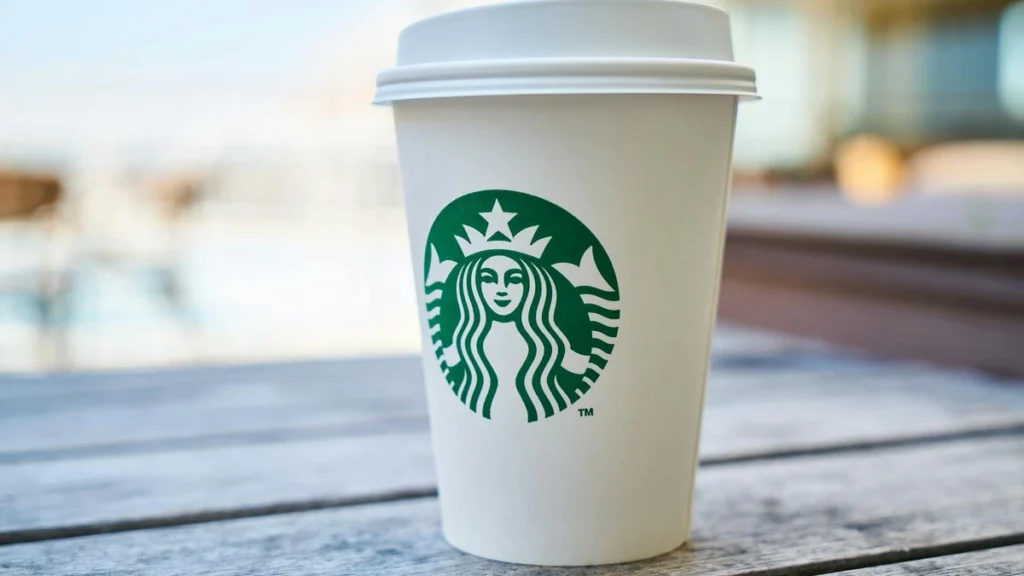
Market shift data: A 2026 beverage industry study found that 52% of Gen Z and Millennial coffee consumers expect brands to offer “interactive packaging experiences”—up from 28% in 2023—making digital integration a competitive necessity rather than a novelty.🎯 Industry Insight: Starbucks’ 2026 launch of AR-enabled holiday cups (scanned cups triggered AR game unlocking rewards) drove 34% increase in app engagement and 22% lift in loyalty program enrollment during campaign period—demonstrating measurable ROI from digital cup integration.
Understanding coffee cup branding requires attention to these factors:
Technology: AI systems generate unique cup designs based on customer data (purchase history, preferences, location, time of day)1.Customer orders via app or provides loyalty card at POS
2.AI analyzes customer profile (past orders, preferences, demographic data)
3. Algorithm generates design incorporating customer’s preferred colors, relevant imagery, personalized message
4.Digital printer produces unique cup in 8-15 seconds during order preparation
5. Customer receives one-of-one cup design, incentivizing photo sharing and social media posting
Real-world application example:•Independent café chain implements AI personalization for loyalty members
•System generates designs reflecting customer’s order history (e.g., “Your 47th oat milk latte—thanks for being eco-conscious!”)
•32% of recipients share cup photos on social media (vs 8% for standard branded cups)
•Social sharing drives 140% increase in earned media impressions
•Customer retention among personalized cup recipients: 28% higher than control group
The key to choosing the coffee cup branding depends on:
AI application: Machine learning analyzes which design elements (colors, typography, imagery, messaging) drive highest engagement and conversion for specific customer segmentsData inputs:•Social media sharing rates by design variation
•Customer return visit frequency correlated with cup design received
•Survey feedback on design appeal (A/B tested designs)
•Purchase size upsell success rates by cup design
•Geographic and demographic performance variations
Optimization outcomes:•AI design platform subscription: $800-2,500/month
•Digital printing equipment: $12,000-45,000 (one-time investment)
•Customer data platform integration: $5,000-18,000 (setup)
•Ongoing data analysis and optimization: $1,500-4,000/month
ROI calculation (café doing 5,000 cups/month):•Technology investment: $25,000 setup + $3,500/month ongoing
•Customer retention improvement: 28% (AI personalization effect)
•Retained customer value: 15 additional customers retained × $850 LTV = $12,750/month
•Social media earned impressions: 1,200 posts × 350 avg reach = 420,000 impressions/month @ $4 CPM = $1,680 media value
•Monthly ROI: ($12,750 + $1,680) ÷ $3,500 = 412% ongoing monthly ROI (after break-even at month 7)

The key to choosing the coffee cup branding depends on:
Mechanism: Customers scan cup with smartphone camera, triggering AR overlays (3D animations, interactive games, brand stories)Application types:•AR experience creation (WebAR or app-based): $8,000-35,000 depending on complexity
•Cup design integration (AR trigger markers): Minimal (incorporate into standard design)
•Hosting and analytics platform: $200-800/month
•Social media platform integration (Instagram, TikTok filters): $5,000-15,000
Key considerations:
Brand: Regional specialty coffee chain (25 locations)Implementation:•Holiday cup design with integrated AR trigger
•Scanning cup activated AR snowglobe experience with branded characters
•Users could shake phone to make snow fall, capture photos/videos with AR overlay
•Sharing to Instagram/TikTok with #BrandHashtag entered users into prize drawing
Results:•12,400 cups distributed during 6-week holiday campaign
•4,340 AR scans (35% scan rate—exceptionally high)
•1,890 social media shares (15% of cups distributed, 44% of scanners)
•Earned media impressions: 680,000 (avg 360 reach per post)
•New loyalty program enrollments: 850 (prize drawing incentive)
•Campaign cost: $22,000 (AR development + prizes)
•Media value (at $6 CPM): $4,080
•New customer acquisition value (850 enrollments × 40% conversion × $850 LTV): $289,000 lifetime value
•Campaign ROI: 1,241% accounting for new customer LTV
The key to choosing coffee cup branding depends on:
2027 trend: Customers demand proof beyond logos—scannable codes linking to verified supply chain data, carbon calculations, composting verificationTransparency framework:•Each cup has unique QR code linking to blockchain record
•Record shows: pulp source (verified sustainable forestry), manufacturing facility, transportation route, carbon emissions calculation
•Customer scans code, sees verified journey from tree to cup
•Third-party auditors validate data integrity
•Trust advantage: 81% of sustainability-conscious consumers trust blockchain verification vs 43% trusting brand self-reported claims
Key considerations:
Differentiation strategies for 2027:•Cup made from bamboo (rapid carbon sequestration during growth)
•Manufacturing powered by renewable energy
•Transportation carbon offset through reforestation projects
•Net carbon footprint: -45g CO2 equivalent (sequesters more than emits)
•On-cup messaging: “This cup removed 45g CO2 from atmosphere—equivalent to driving 0.2 miles”
•QR code links to carbon calculation methodology and third-party verification
•Premium pricing: +$0.40 accepted by 65% of customers when presented with carbon-negative proof
Marketing copy framework:•❌ Weak: “We care about the environment” (vague, unverifiable)
•❌ Moderate: “Made from sustainable materials” (generic, no proof)
•✅ Strong: “” target=”_blank” rel=”noopener”>BPI Certified Compostable—breaks down in 90 days” (specific, certified)
•✅ Very Strong: “Carbon-Negative Cup—removed 45g CO2, verified by [Third Party]” (quantified, verified)
When evaluating the coffee cup branding, consider the following:
2027 best practices: QR codes as gateways to personalized, time-sensitive, location-aware experiencesAdvanced QR applications:The key to choosing the coffee cup branding depends on:
Data integration: Connecting cup QR scans to customer journey and lifetime valueAttribution flow:1.Customer receives branded cup with unique/batch QR code
2.Customer scans code (tracked: timestamp, location, device)
3.Scan directs to personalized landing page (A/B tested variations)
4.Customer takes action (app download, loyalty enrollment, purchase)
5.Cookie/app tracking connects cup interaction to future purchases
6.Analytics platform calculates cup-to-conversion ROI
Measurable outcomes:•Total cups distributed: 50,000
•QR scans: 9,500 (19% scan rate)
•App downloads from scans: 2,375 (25% conversion)
•App user purchases (30 days): 1,425 (60% activation)
•Average first purchase: $8.50
•Repeat purchase rate (90 days): 68%
•Attributed revenue: $12,112 (first 30 days), $47,320 (lifetime projection)
•Cost per cup: $0.35, total investment: $17,500
•Campaign ROI: 270% (first 30 days), projected 870% (lifetime)
When evaluating coffee cup branding, consider the following:
Visual direction: Clean, uncluttered designs that enhance coffee experience rather mpete with it
Key considerations:
Trend: Custom typography replacing logo-centric designsAdvantages:•Distinctive without traditional logo dependence
•Scales better across cup sizes (text-based vs icon-based)
•Easier to personalize (AI-generated variations maintain brand consistency)
•Cost-effective for small brands (avoid logo design costs)
Typography strategy examples:When evaluating coffee cup branding, consider the following:
Traditional branding approach (static design, flexographic printing):•Design cost: $2,000-5,000 (one-time)
•Printing setup: $1,200-2,800 (plates/cylinders)
•Per-cup cost: $0.18-0.25 (12 oz, 2-color)
•MOQ: 10,000-20,000 units
•Total initial investment: $5,000-12,000
•Lifespan: Design refresh every 2-3 years
Advanced branding approach (AI personalization, QR integration, digital printing):•Design system development: $8,000-18,000 (one-time)
•Digital printing equipment: $15,000-45,000 (one-time, or per-cup markup if outsourced)
•AI/data platform: $5,000-15,000 setup + $2,000-5,000/month
•AR experience (optional): $8,000-35,000
•Per-cup cost: $0.35-0.55 (variable data printing)
•MOQ: 1,000-5,000 units (flexible)
•Total initial investment: $36,000-113,000 (or $15,000-30,000 if using print service)
•Lifespan: Continuous optimization (living system)
Key considerations:
Scenario: Café serving 5,000 cups/month (60,000 over 24 months)When evaluating coffee cup branding, consider the following:
Step 1: Data infrastructure•Implement customer data platform (CDP) integrating POS, app, website
•Establish baseline metrics (retention rate, visit frequency, average order value)
•Create customer segmentation framework (behavior, preferences, demographics)
Step 2: Digital printing capabilities•Evaluate build vs buy (in-house equipment vs print partner)
•If in-house: Purchase digital printer ($15,000-45,000), train staff
•If outsourced: Establish partnership with variable data printing service
•Test quality, turnaround times, cost structures
Step 3: QR infrastructure•Select dynamic QR platform (Bitly, QR Code Generator, custom solution)
•Design QR landing page templates (mobile-optimized)
•Implement analytics integration (Google Analytics, Mixpanel)
•Create initial campaigns (loyalty enrollment, app download)
Understanding the coffee cup branding requires attention to these factors:
Step 4: AI design system•Partner with AI design platform or develop custom system
•Create brand guidelines for AI (color palettes, typography rules, approved imagery)
•Generate design component library (backgrounds, patterns, messages)
•Test with small cohort (500 customers), iterate based on feedback
Step 5: Pilot rollout•Launch personalized cups for loyalty program members (controlled segment)
•A/B test personalized vs standard designs
•Measure engagement metrics (social sharing, scan rates, retention)
•Optimize based on performance data
Key considerations:
Step 6: AR experience (if applicable)•Define AR strategy (brand story, game, social filter)
•Hire AR development partner or use WebAR platform (8th Wall, Zappar)
•Test AR experience with employee/beta customer group
•Soft launch with promotion to drive initial adoption
Step 7: Blockchain sustainability verification (optional)•Evaluate blockchain platforms (VeChain, IBM Food Trust, Provenance)
•Map supply chain touchpoints requiring verification
•Integrate QR codes linking to blockchain records
•Market transparency as premium differentiator
Step 8: Optimization and scaling•Analyze 6-12 month performance data
•Refine AI algorithms based on engagement patterns
•Expand personalization to broader customer base
•Develop seasonal/campaign variations within system
❌ Challenge #1: High upfront technology investment ($35,000-100,000+) creates cash flow strain for small independent cafés ✅ Solution: Phase implementation starting with high-ROI, lower-cost elements (QR codes + digital printing via print partner = $15,000-25,000 vs full in-house build). Demonstrate ROI with pilot program before expanding. Consider equipment financing or revenue-share partnerships with technology vendors. Start with 20-30% of cups (loyalty members) rather than fuersion—proving concept before scaling.
❌ Challenge #2: AI-generated personalized designs occasionally produce off-brand or inappropriate content ✅ Solution: Implement AI guardrails—whitelist approved design elements (color palettes, fonts, imagery), blacklist prohibited content, and use human review for first 500-1,000 AI generations. Set up approval workflow where unusual designs flag for manual review before printing. Start with template-based personalization (selecting from pre-approved options) before fully generative AI. Monitor social media for customer reactions to identify issues quickly.
❌ Challenge #3: Low QR code scan rates (5-10%) don’t justify investment in advanced backend systems ✅ Solution: Optimize for scans—prominent visual design (contrasting colors, clear “Scan me” instruction, benefit statement), strategic placement (visible when cup held), and compelling incentives (exclusive content, discounts, gamification). Test QR placement (side vs bottom) and messaging variations. Acceptable 2027 scan rates: 12-20% for generic content, 25-35% with strong incentive (prize drawing, instant discount). If below 10% after optimization, diagnose (unclear value proposition, technical issues, audience mismatch).
❌ Challenge #4: Customers concerned about data privacy when cups are personalized with their information ✅ Solution: Transparent opt-in system—clearly communicate what data is used (purchase history, preferences) and what’s excluded (name, personal details without explicit permission). Provide control (customers choose personalization level in app settings). Use aggregate/anonymous personalization (e.g., “Fan of oat milk lattes” vs “John, you’ve ordered 47 lattes”). Comply with data regulations (GDPR, CCPA). Highlight value exchange—personalization improves customer experience, loyalty rewards, exclusive offers.
Coffee cup branding in 2027 transcends traditional logo placement, evolving into sophisticated marketing ecosystems that integrate AI personalization, augmented reality experiences, transparent sustainability storytelling, and data-driven optimization. While advanced systems require higher upfront investment ($15,000-113,000 depending on scope), they deliver superior ROI (148-219% over 24 months) through measurably improved customer retention (18-38%), enhanced engagement (25-55% lift), and justified price premiums (12-18%).
Key Takeaways:1. Start with phased implementation—QR codes + digital printing via partners ($15,000-25,000) proves concept before full AI/AR investment
2. Prioritize measurement—implement attribution tracking connecting cup interactions to lifetime value, justifying ongoing investment
3. Personalization drives loyalty—AI-generated unique designs increase retention 25-28% and social sharing 18-25%
4. Transparency commands premiums—blockchain-verified sustainability data enables 18-25% price increases vs generic eco-claims
5. AR enhances engagement—properly executed campaigns achieve 30-45% social sharing increase and 35%+ scan rates
•“>Paper Cups
•“>Custom Printing Solutions
•“>Digital Marketing Integration
Papacko provides forward-thinking coffee businesses with advanced cup branding solutions including AI-powered personalization systems, QR code campaign integration, variable data digital printing, AR experience development partnerships, and sustainability verification frameworks. Our strategy team helps cafés and coffee chains implement phased branding transformation—starting with high-ROI foundations (QR + digital printing) and scaling to full personalization ecosystems—ensuring technology investments deliver measurable customer retention and revenue growth.
Get in touch: