Ready to create your own branded paper cups or packaging?
Tell us your requirements — size, coating, printing, and destination — and our team will prepare a detailed quotation within 24 hours.

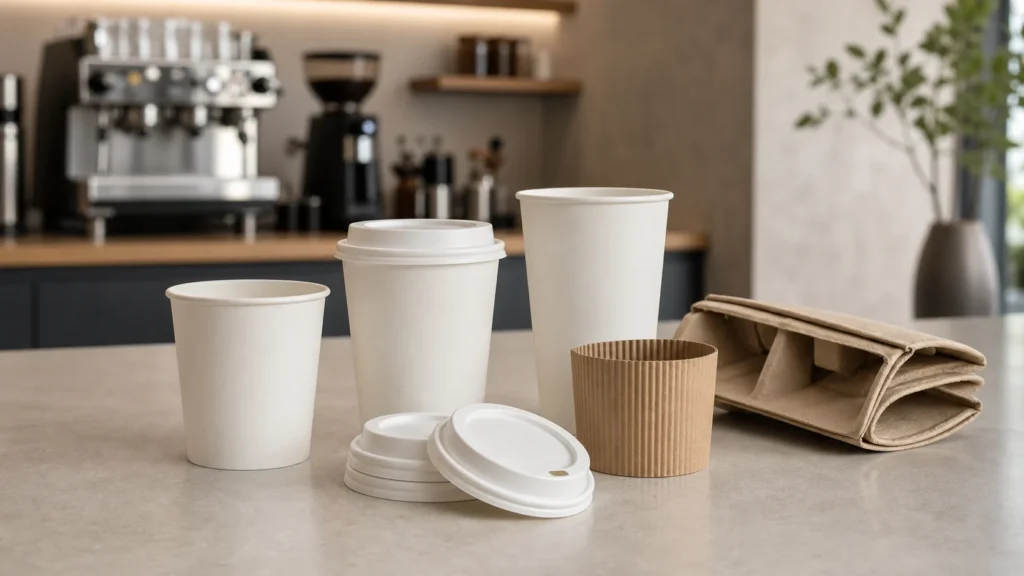
Getting coffee shop packaging right is a procurement and operations problem, not a marketing one. The wrong cup diameter means lids that pop under pressure. A sleeve added to the wrong wall type duplicates cost without solving comfort. A carrier that fits four cups but collapses under a full load creates liabilities at the handoff counter. For café owners scaling to multiple sites, procurement teams managing multi-brand portfolios, and foodservice distributors supplying dozens of operators, these are routine failure points that drive waste, refunds, and reorders.
This guide works through the decisions sequentially: operating requirements first, then system architecture, component-level specifications, workflow integration, and common failure modes. It is for people who need to configure a working system, not simply select a cup.
Before ordering a carton of cups, define what the packaging must do across every service scenario. List menu drinks by hot, cold, blended, and ambient use; record peak hourly volume; and separate dine-in, counter takeaway, pickup, and delivery. A café that is mainly espresso and counter pickup has a different system from one with a substantial iced-drink menu and courier orders.
Document served volumes and the actual number of required cup sizes. Excess variants create storage and stock-control complexity without necessarily improving service. Also map the handoff: whether drinks are collected at the bar, staged on a pickup shelf, placed in bags, or transferred to couriers. Branded print and sleeve placement should be considered here because they can change artwork approval, inventory, and counter steps.
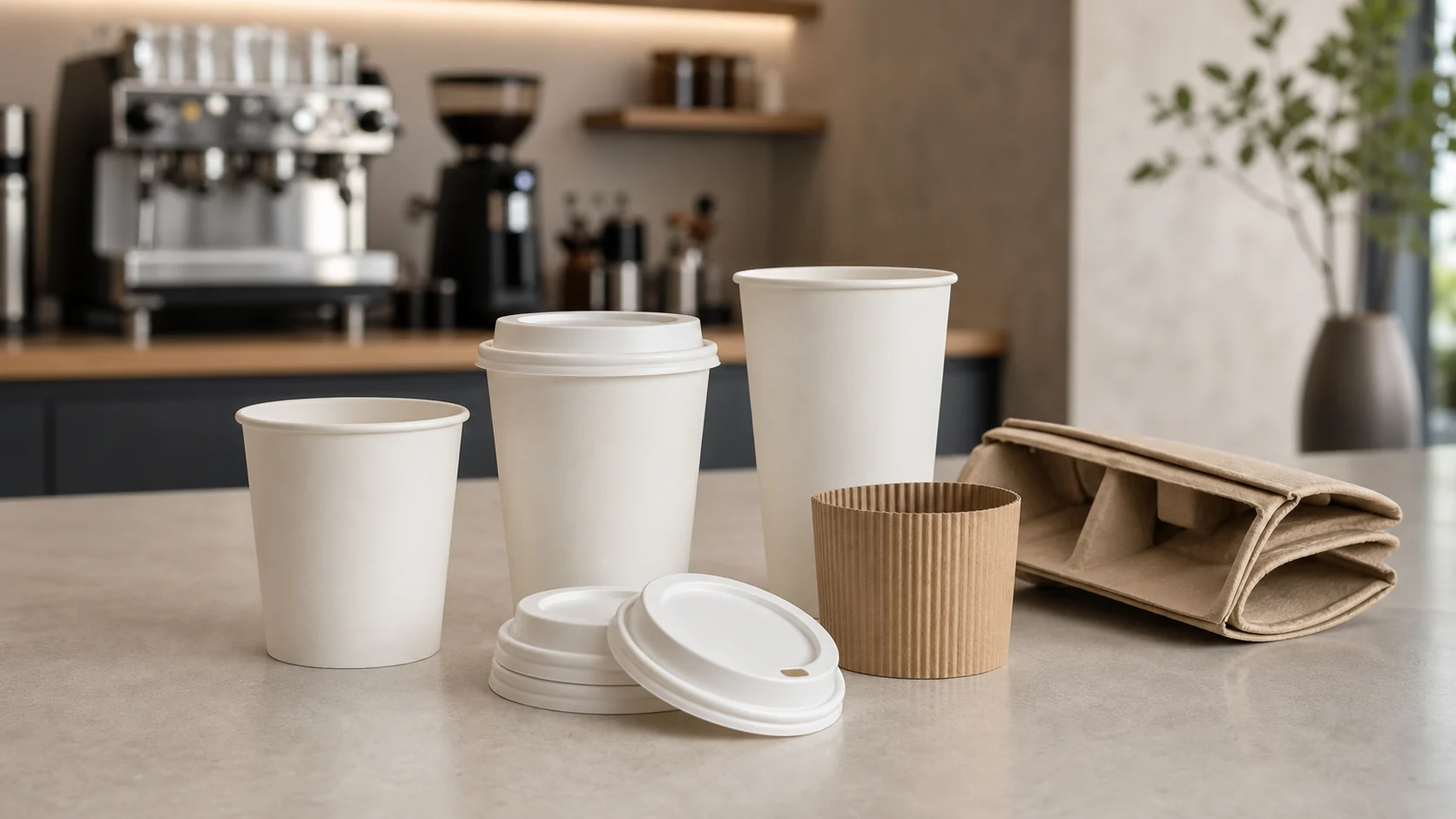
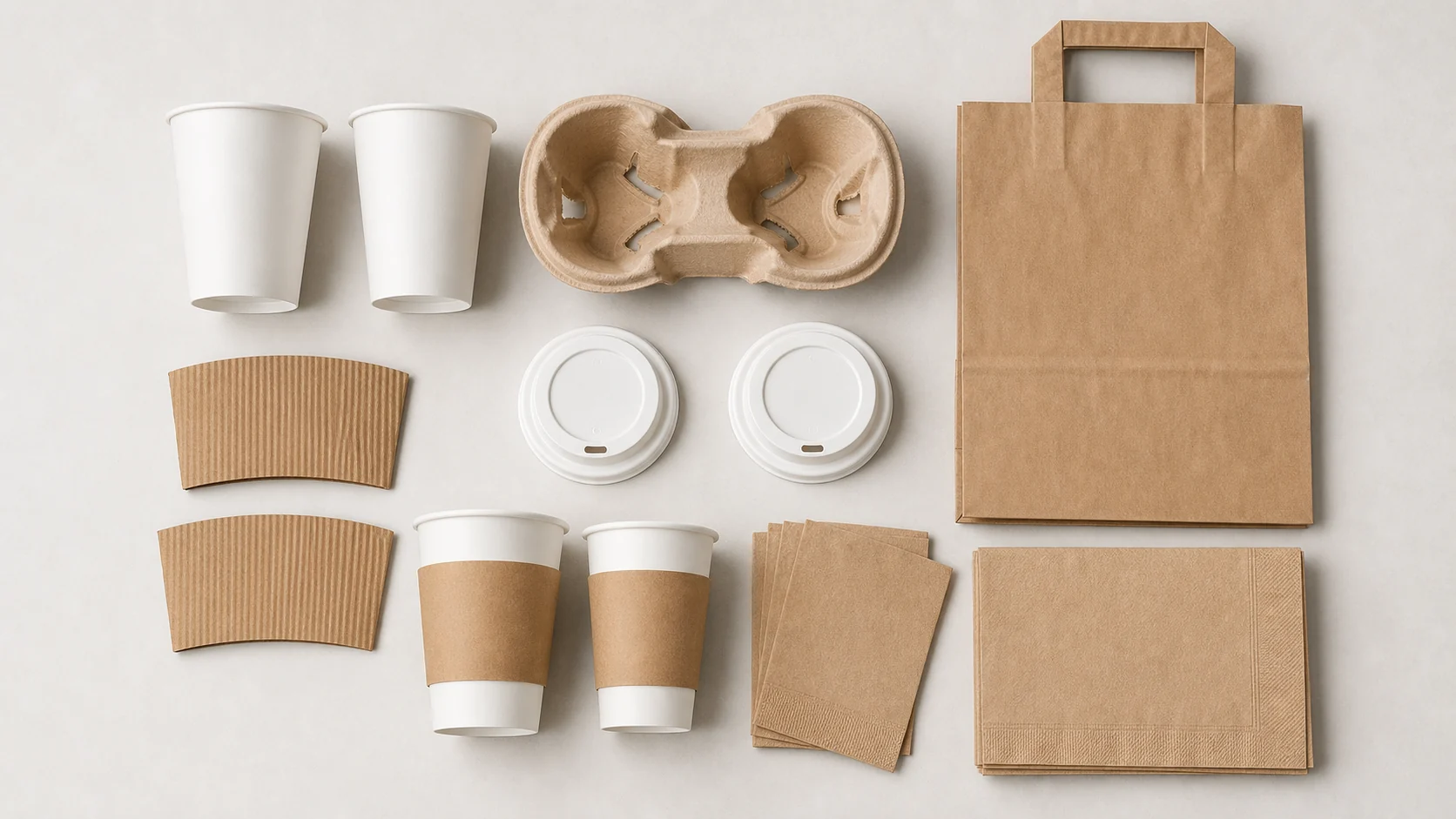
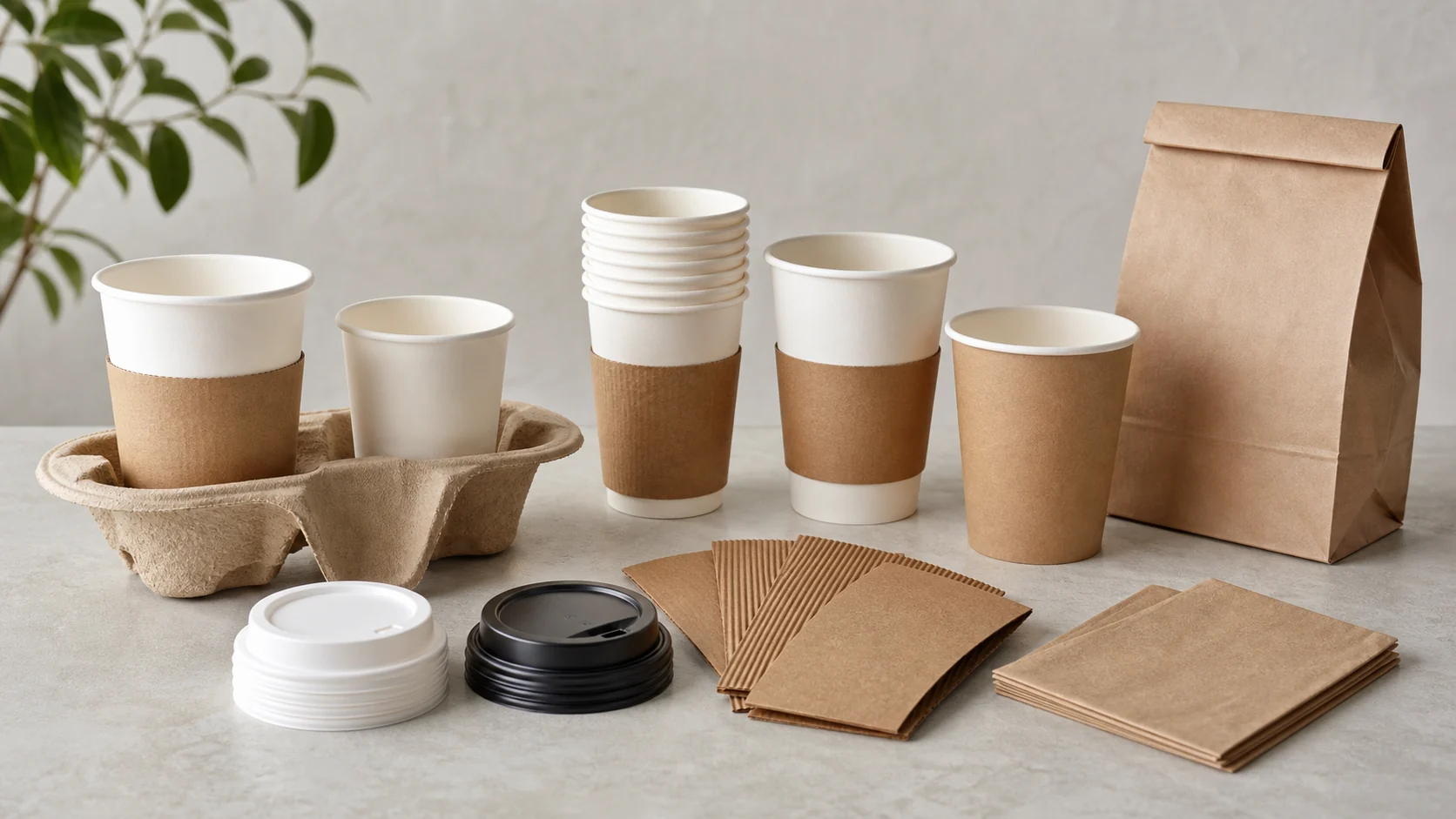
A usable system includes cups, matched lids, sleeves where needed, carriers, bags and napkins, plus the counter accessories that make the system work at speed. Every component references the cup: rim, height, wall construction, and service purpose determine what follows.
Start with a small architecture: the cup constructions and sizes justified by the menu, the lid series that fits each rim, a sleeve policy, carrier options for common multiple-drink orders, and standard bag and napkin formats. A single-site café may need two or three constructions in a limited set of sizes; multi-site operators often benefit from stricter standardisation. The aim is not the fewest possible SKUs, but enough choice to serve the menu without creating mismatch risk.
Before approving the list, make an ownership map. A purchasing manager may control supplier selection, a store manager may control counter layout, and baristas may discover the practical handling issue first. Name who records each fit result and who can approve a substitution. This small discipline keeps a temporary stock change from silently breaking a previously tested cup-and-lid pairing.
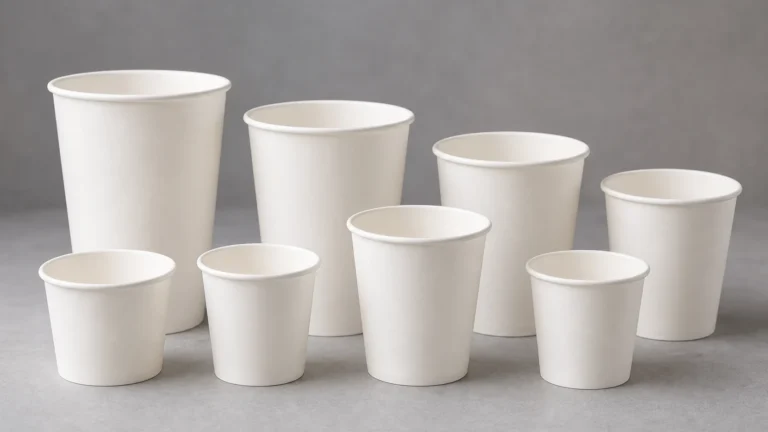
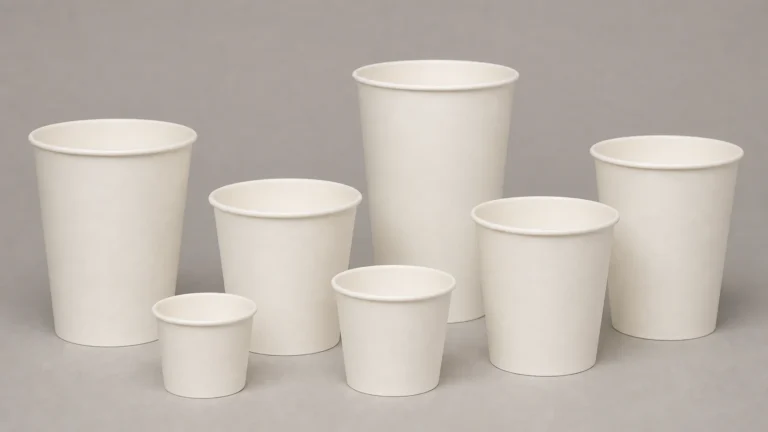
Cup choices depend on beverage, serving temperature, and the time the drink will be carried. Single-wall cups may suit cold drinks or hot-drink workflows that consistently apply sleeves. Double-wall constructions can alter hand comfort and eliminate a sleeve step in some workflows, but may add unit cost and storage volume. Neither is automatically the better choice.
Cold and ice-based drinks add exterior condensation and grip considerations. Do not assume a hot-drink cup is suited to every cold application. Ask suppliers for the rim diameter, fill capacity, wall construction, intended use, and matched lid series. Good sourcing decisions for paper cups start when those questions are answered in writing and checked with physical samples.
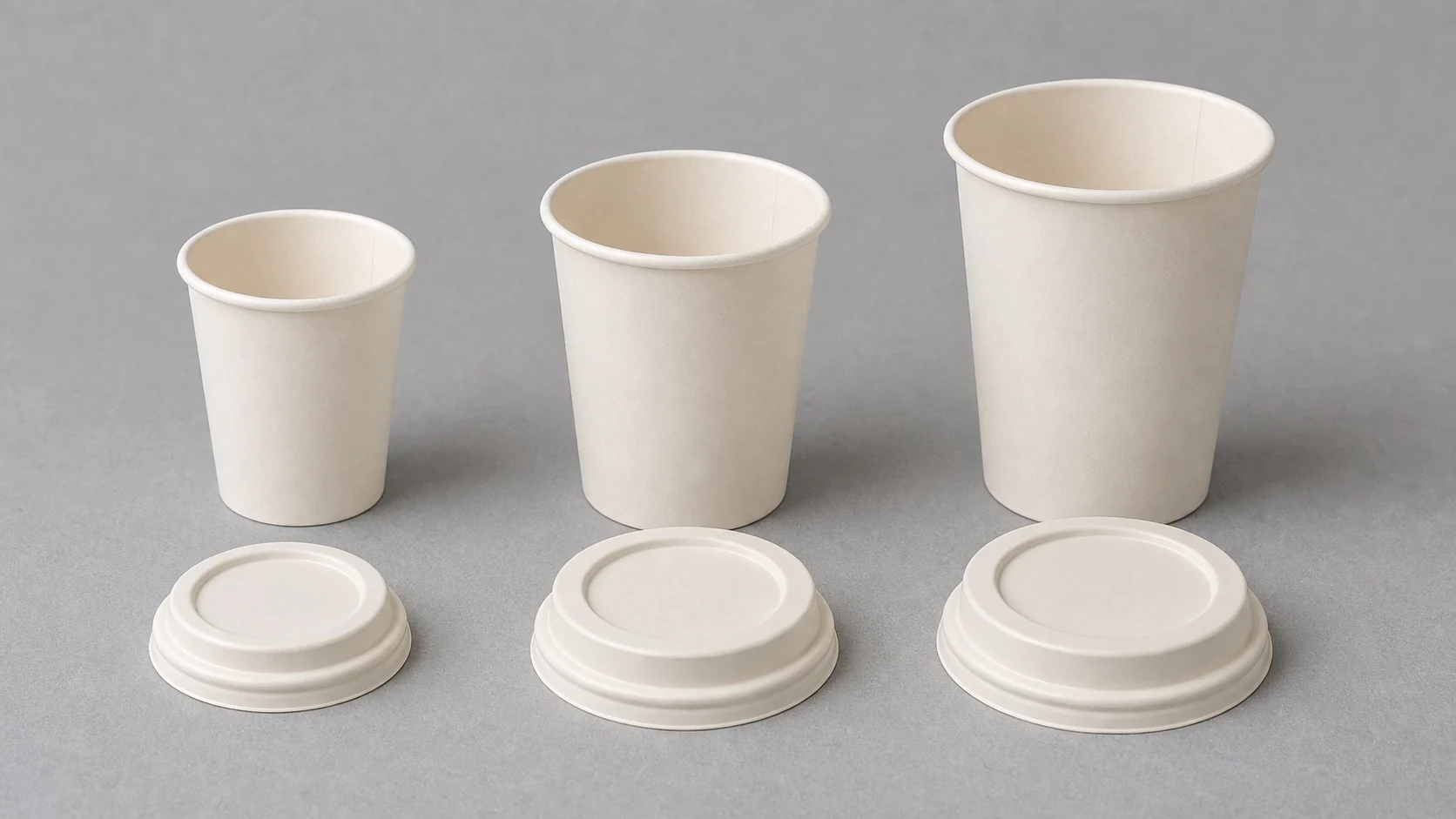
Lid compatibility is determined by the rim diameter and rim profile, not nominal cup capacity. Two 12 oz cups from different lines can require different lids. Ordering by cup size alone therefore creates a risk of poor retention and spills.
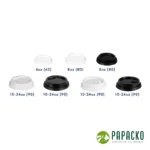
Specify lids by the exact cup series and sample them together. Papacko lists 62 mm, 80 mm, and 90 mm lid sizes for its specified hot-cup range, but buyers must confirm the exact compatible series for the cups being ordered. A nominal measurement starts the conversation; it is not a fit guarantee.
Functional needs also matter. The drink menu may call for different lid shapes or openings, but every extra variant adds another SKU and training point. Treat paper cup lids as matched components, not commodity items sourced independently.
A sleeve adds a paper layer between cup and hand. Its value depends on cup construction, expected carrying time, branding needs, and the reliability of the counter process. With single-wall hot cups, a sleeve can be part of the handoff design. With double-wall cups, it may be unnecessary for many orders but could still be retained as a branding surface.
That choice is operational as well as visual. A plain cup plus a printed sleeve can make artwork changes more flexible, while adding a sleeve step at a busy bar can introduce inconsistency. Match paper cup sleeves to the actual cup diameter and height, then trial application at normal service speed. A loose sleeve rotates; a tight one slows the handoff.
Multiple-drink orders expose gaps in an otherwise sound packaging plan. Specify carriers for actual cup diameters, typical drink counts, and realistic filled weight. Test how staff assemble and load them at the bar, and whether they remain stable while a customer or courier carries the order.
Bags should accommodate the usual food accompaniment and drink arrangement without forcing products together. Napkins, lid holders, stirrers, and dispensers also influence counter cleanliness and speed. Review coffee packaging accessories as one coordinated set rather than buying isolated items solely by line price.
Use a consistent sequence:
This sequence turns packaging from an afterthought into a repeatable service process.
For multi-location businesses, turn this sequence into a short visual work instruction at each bar. It should identify the approved cup, lid, sleeve, and carrier combinations by service channel, but it should not encourage staff to replace a missing matched component with a similar-looking one. Feedback from the instruction should identify whether an issue comes from a component, storage layout, or the process itself.
Measure the workflow during an ordinary rush rather than only in a calm training session. Observe where cups are dispensed, where lids are stored, whether sleeves are pre-positioned, and where carriers are opened. A configuration can be technically compatible yet still slow service if a barista must cross the counter repeatedly or turn away from the handoff point. Small layout adjustments often matter more than adding another packaging SKU.
Repeat that observation after a new menu item, seasonal drink, supplier change, or store-layout adjustment, because any of these can alter the approved workflow.

Wrong rim match. A lid that is not specified for the actual rim is an operational failure, even when the nominal cup capacity looks correct.
SKU bloat. Adding a new cup or lid for every menu change increases storage, replenishment complexity, and the chance that a critical item runs out while slower-moving stock remains.
Isolated purchasing. Selecting cups on unit price without checking lids, sleeves, carriers, and delivery use can make a low-cost component expensive in operation.
Cold/hot mix-ups. Similar-looking stock can cause counter errors. Clear storage organisation and staff cues are part of the packaging system.
Untested delivery routes. A counter-pickup setup may not perform the same way when bags are carried by a courier or held longer before consumption. Trial the actual service route.
Use coffee cups to go as a starting point for the questions that should be resolved across cup, lid, and sleeve combinations. The final configuration should be confirmed with the supplier for the selected SKUs.
Food-contact requirements depend on material, intended beverage, temperature, duration of use, and destination market. A buyer should request product-specific documentation rather than treating general category language as evidence of compliance. For United States regulatory context, the FDA food-contact packaging information page explains the food-contact-substance framework; it does not approve a particular cup, lid, or sleeve.
Likewise, recyclability, compostability, and similar end-of-life claims depend on exact composition and local collection or processing infrastructure. Verify claims independently against the selected product and operating market.
For a compatible system discussion, prepare your menu and drink mix, cup sizes, any known rim dimensions, service channels, approximate volumes by drink category, and branding requirements. This lets a supplier discuss matched component combinations rather than supplying a generic quote or an isolated cup.
Experience and sourcing context. Papacko works with café operators, foodservice businesses, and distributors on cup, lid, sleeve, carrier, and accessory configurations. The guide reflects the specification and workflow questions that occur in commercial purchasing.
Technical and authority basis. Compatibility, rim dimensions, and wall construction must be verified for the exact products in an order. The product information in this guide is not a certification, performance guarantee, or environmental claim.
How to apply this guide. Map the operating needs, select a short component list, test physical samples under real service conditions, and review product-specific food-contact and environmental documentation for the relevant market.
Most cafés need a limited set of cup sizes and constructions, a matched lid for each rim series, a sleeve policy for hot cups, carrier options for multi-drink orders, and suitable bags and napkins. Start with the menu and operating channels, then add variants only where they solve a documented service need. This approach keeps replenishment and staff training manageable.
Identify the exact rim diameter and cup series, then obtain the supplier’s compatible lid recommendation. Do not infer compatibility from a nominal cup size. Test cup-and-lid samples together under normal fill level and handling conditions, including the service route used by customers or couriers. Record the approved combinations so substitutions are not introduced accidentally.
The answer depends on handoff requirements, service speed, cost structure, and branding. A sleeve can support single-wall hot-cup workflows and offer a print surface. Double-wall cups can remove a counter step in some systems. Trial both options with normal drink temperatures and real baristas, then decide based on the full operating process rather than appearance alone.
Choose cups and lids specified by the supplier for the drink type and service temperature. Cold and iced drinks can create exterior condensation, while blended drinks may need different headspace or lid geometry. Separate the cold-drink trial from hot-drink testing, and confirm practical issues such as grip, condensation, lid application, and the way drinks are carried through pickup or delivery.
Carriers are useful whenever customers regularly collect multiple drinks, especially where staff must make a stable handoff. Select them by the diameters and filled weights of the cups actually in use, plus typical order size. Test a realistic two- or four-drink order, including a mixed order where relevant, before relying on a carrier in peak service.
Check lid fit around the full rim, sleeve fit where used, fill level and headspace, carrier stability with a realistic load, and how quickly staff can complete each step. Compare units for consistency, then test the full order through its intended counter, pickup, or delivery route. Raise any mismatch with the supplier before placing the volume order.