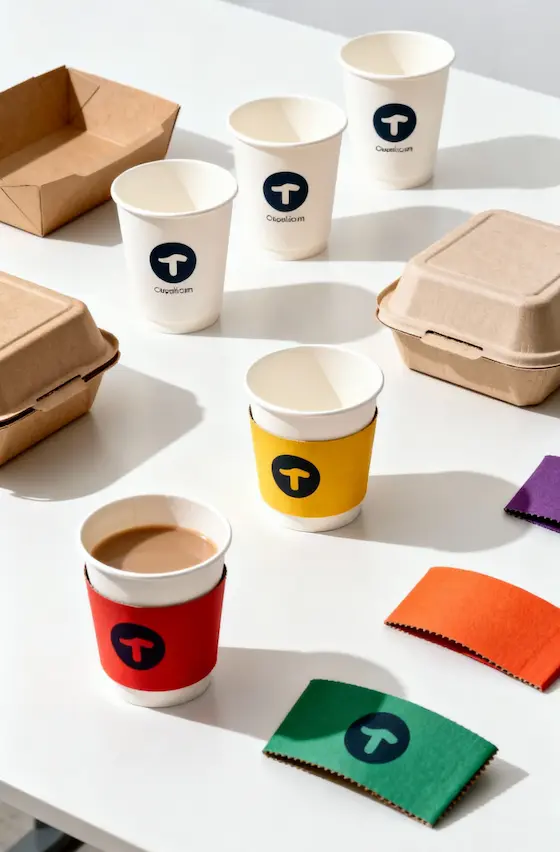
Ready to create your own branded paper cups or packaging?
Tell us your requirements — size, coating, printing, and destination — and our team will prepare a detailed quotation within 24 hours.


Last Updated: November 2025
Reading Time: 8 minutes
Author: Papacko Content Team
Kraft paper bowls have become the go-to choice for salad bars, soup shops, and health-focused restaurants. That natural brown look signals fresh, wholesome, eco-friendly — exactly what modern customers want.
But not all kraft bowls are the same. Some leak soup within minutes. Others get soggy from salad dressing. And that “compostable” bowl? It might need industrial facilities your city doesn’t have.
If you’re choosing kraft bowls for your restaurant or delivery service, you need to know which coating handles hot soup, which size fits your portions, and which lids actually seal properly.
In this guide, you’ll learn:
•Why kraft paper works better than white paperboard for certain foods
•Heat and grease resistance requirements for different menu items
•Bowl size and capacity matching for salads, soups, and grain bowls
•Lid compatibility and seal mechanisms that prevent leaks
💡 Quick Takeaway: Kraft bowls need PE or PLA coating for liquids. Uncoated kraft works only for dry salads. For hot soup above 160°F, you need double PE coating or aluminum alternatives.
That brown kraft look isn’t just aesthetic — it signals values that customers care about.
Customer Perception:
•Natural brown color = unprocessed, wholesome, authentic
•Associates with organic, farm-fresh, artisanal brands
•68% of consumers perceive kraft as more eco-friendly than white paper (even when both are equally sustainable)
•Instagram-friendly aesthetic for food photography
Brand Positioning:
•Fast-casual health concepts (Sweetgreen, Dig Inn, etc.) popularized kraft bowls
•Signals quality ingredients and environmental consciousness
•Justifies premium pricing (customers pay 10-15% more for “eco” presentation)
•Differentiates from traditional fast food’s white/plastic packaging
Actual Sustainability:
•Kraft paper uses less bleaching (fewer chemicals in manufacturing)
•sometimes from recycled content (30-100% recycled fiber)
•FSC-certified options available
•Similar end-of-life as white paper (recyclability depends on coating, not color)
Reality Check: Brown kraft isn’t automatically more sustainable than white paper. Both can be FSC-certified, recyclable, or compostable depending on coatings and certifications.
Ideal Menu Items:
•Grain bowls (quinoa, rice, farro)
•Green salads (with separate dressing)
•Poke bowls (cold, minimal liquid)
•Buddha bowls (warm grains + vegetables)
•Soups and stews (with proper coating)
•Hot noodle dishes (ramen, pho with double coating)
Brand Fit:
•Health-focused fast-casual
•Farm-to-table concepts
•Sustainable/organic positioning
•Millennial/Gen Z target demographic
•$10+ average check (premium positioning)
Less Suitable For:
•Traditional fast food (customers expect white/plastic)
•Very oily foods (kraft shows grease stains more than white)
•Kids’ meals (parents prefer bright white = “cleaner” perception)
•Budget concepts (krfrequentlyften costs 10-20% more than white)
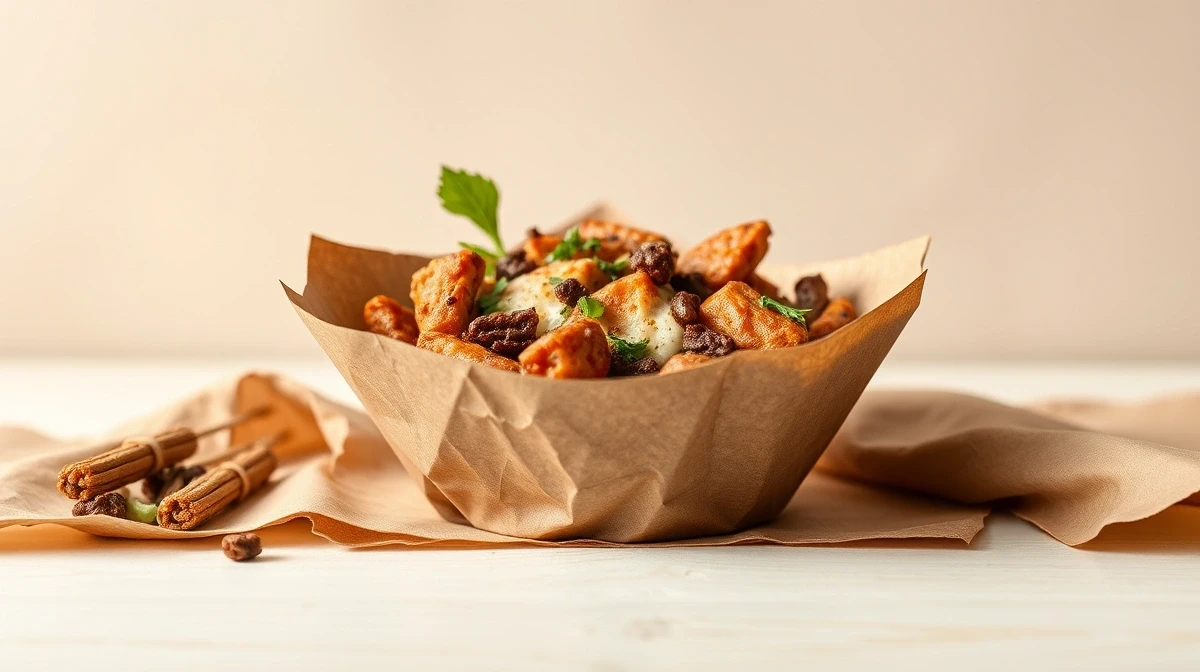
Construction: One layer of kraft paperboard (250-350gsm) with waterproof coating on interior.
Best For:
•Cold salads, poke bowls, grain bowls
•Room temperature foods
•Short service times (under 30 minutes)
•Cost-conscious operations
✅ Advantages:
•Most economical ($0.15-0.25 per bowl for 24oz)
•Lightweight for delivery
•Standard option, widely available
•Works with separate dressings/sauces
❌ Limitations:
•Limited heat retention (food cools quickly)
•Not ideal for very hot soups (above 180°F)
•Requires sleeve or insulated bag for hot foods
•Can soften with prolonged liquid contact
Typical Specifications:
•Paper weight: 250-300gsm
•Coating: PE (12-18gsm) or PLA
•Heat resistance: Up to 185°F
•Liquid hold time: 30-45 minutes
Construction: Two layers of kraft paperboard with air gap for insulation.
Best For:
•Hot soups, stews, chili
•Hot noodle dishes (ramen, pho)
•Foods requiring heat retention (15-30 minutes)
•Premium soup concepts
✅ Advantages:
•Excellent insulation (no sleeve needed)
•Comfortable to hold even with hot soup
•Better structural integrity
•Premium feel justifies higher menu prices
❌ Limitations:
•40-60% more expensive than single-wall
•Takes more storage space
•Heavier for delivery
•Higher MOQ from suppliers
Typical Specifications:
•Outer wall: 230-270gsm
•Inner wall: 230-270gsm
•Total thickness: 0.5-0.6mm
•Heat resistance: Up to 212°F (boiling water)
PE-Coated (Polyethylene):
•Standard waterproof coating
•Excellent heat resistance (up to 212°F)
•Not recyclable in most programs
•Lowest cost
•Best for: Hot soups, oily foods
PLA-Coated (Plant-based):
•Industrially compostable
•Heat limit: 140-160°F (not for boiling soup)
•30-50% premium cost
•Best for: Cold salads, warm (not hot) foods
Water-Based Coating:
•Recyclable with paper
•Heat limit: 160°F
•Limited grease resistance
•Best for: Salads, grain bowls, lukewarm foods
Double PE Coating (interior + exterior):
•Maximum liquid protection
•Hot soup up to 212°F
•Best grease resistance
•Best for: Ramen, pho, oily noodle soups
Choosing the right bowl size affects portion perception, food presentation, and cost per serving.
| Bowl Size | Volume (oz) | Volume (ml) | Top Diameter | Best For |
|---|---|---|---|---|
| Small | 12oz | 360ml | 4.5-5 inches | Side salads, kids portions, soup appetizers |
| Medium | 16oz | 480ml | 5-5.5 inches | Standard soup, small salads |
| Large | 24oz | 720ml | 6-6.5 inches | Grain bowls, hearty salads, main course soup |
| Extra Large | 32oz | 960ml | 7-7.5 inches | Family portions, sharing bowls, ramen |
| Jumbo | 48oz | 1420ml | 8-9 inches | Family meals, catering portions |
Underfilling vs Overfilling:
•Fill to 70-80% capacity for best presentation
•Overfilled bowls (90%+) look messy, increase spill risk
•Underfilled bowls (below 60%) make portions look small
Visual Perception:
•24oz bowl with 16oz food = generous, full appearance
•16oz bowl with 16oz food = overflowing, messy
•32oz bowl with 16oz food = looks sparse, cheap
Cost Optimization:
•Using next size up (+$0.03-0.05) vs increasing food cost (+$0.50-1.00)
•Larger bowl = better presentation at lower food cost
•Example: 18oz salad in 24oz bowl looks better than in 16oz bowl
Soups and Liquid Foods:
•Maximum fill: 80% of bowl capacity
•Leave 15-20mm from rim for lid seal
•Account for toppings (green onions, cilantro add height)
Salads and Grain Bowls:
•Optimal fill: 70-75% (allows mixing/tossing)
•Layer ingredients for visual appeal
•Save 10-15mm for lid clearance
Hot Noodle Dishes:
•Fill to 75-80% (noodles expand slightly)
•Account for broth level separately
•Ensure toppings don’t prevent lid seal
The #1 cause of delivery complaints: lids that don’t seal properly on kraft bowls.
Flat Paper Lids:
•Best for: Cold salads, grain bowls
•Seal type: Friction fit
•Recyclable/compostable: Yes (if kraft)
•Cost: $0.04-0.07
•Issues: Can pop off with hot foods (steam pressure)
Dome Plastic Lids (PET/PP):
•Best for: Salads with height, poke bowls
•Seal type: Pressure fit
•Clear visibility: Shows food attractively
•Cost: $0.06-0.10
•Issues: Not compostable (even if bowl is)
Vented Lids:
•Best for: Hot soups, steaming foods
•Allows steam escape (prevents pressure buildup)
•Prevents condensation drip
•Cost: $0.05-0.08
•Critical for: Ramen, pho, hot stews
Flat Plastic Lids with X-Slot:
•Best for: Foods with spoon/utensil
•Allows utensil storage through slot
•Common in soup concepts
•Cost: $0.05-0.08
Standard Kraft Bowl Lid Diameters:
•12oz bowl → 4.5-5 inch lid
•16oz bowl → 5-5.5 inch lid
•24oz bowl → 6-6.5 inch lid
•32oz bowl → 7-7.5 inch lid
Testing Lid Fit:
1.Order bowl and lid samples together
2.Fill with actual food at actual temperature
3.Seal lid and shake gently
4.Transport in delivery bag for 15-20 minutes
5.Check for leaks, lid pop-off, steam issues
Common Fit Problems:
•Bowl from one supplier, lid from another (1-2mm variance = leak)
•Temperature change causing expansion/contraction
•Overfilling preventing proper seal
•Rim damage during shipping
⚠️ Warning: Always order bowls and lids from same supplier in same order. Even “standard” sizes vary by manufacturer.
250-280gsm (Light):
•Cold salads only
•Minimal liquid contact
•Economy option
•Risk: Softens quickly with dressing
300-350gsm (Standard):
•Most kraft bowls
•Cold and warm foods
•Good structural integrity
•Balances cost and durability
350-400gsm (Heavy):
•Hot soups, oily foods
•Extended service times
•Premium feel
•15-25% cost premium
Light Coating (12-15gsm PE/PLA):
•Cold salads, minimal liquid
•Lower cost
•Risk: Leaks with extended contact
Standard Coating (15-20gsm):
•Most applications
•30-45 minute liquid hold
•Good balance
Heavy Coating (20-25gsm):
•Hot soups, very oily foods
•Extended delivery times
•Best leak prevention
Double Coating (PE inside + outside):
•Ramen, pho, high-temp soups
•Maximum protection
•Premium cost
How to Test:
1.Fill bowl with oily food (dressing, soup with oil)
2.Let sit for 30 minutes
3.Check exterior for grease penetration (visible dark spots)
4.If grease shows through = inadequate coating
Grease Resistance Standards:
•KIT Test: Measures oil penetration resistance
•Look for: KIT 10+ for salads, KIT 12+ for oily soups
•Request test data from supplier
| Bowl Type | 24oz Size Cost | Lid Cost | Total/Unit | Annual Cost (10k/month) |
|---|---|---|---|---|
| White PE Bowl | $0.18 | $0.05 | $0.23 | $27,600 |
| Kraft PE Bowl | $0.22 | $0.06 | $0.28 | $33,600 |
| Kraft PLA (Compostable) | $0.28 | $0.08 | $0.36 | $43,200 |
| Kraft Double-Wall | $0.32 | $0.06 | $0.38 | $45,600 |
Cost Premium Justification:
•Kraft aesthetic allows 10-15% menu price increase
•Example: $10 salad → $11 in kraft = $1 extra revenue
•Bowl cost difference: $0.05 (kraft vs white)
•Net gain per order: $0.95
Not necessarily. The brown color comes from less bleaching, which uses fewer chemicals during manufacturing. But end-of-life sustainability depends on coating type and local infrastructure, not paper color.
Both kraft and white paper can be:
•FSC-certified (sustainable forestry)
•PE-coated (not easily recyclable)
•PLA-coated (compostable with access)
•Recyclable with water-based coating
Real difference: Manufacturing impact (kraft uses less bleaching), customer perception (kraft looks more natural), and branding fit.
Depends on coating:
Safe to microwave:
•Water-based coating kraft bowls
•Uncoated kraft (rare for bowls)
•Always verify with supplier
NOT safe to microwave:
•PE-coated bowls (coating melts)
•PLA-coated bowls (softens above 140°F)
•Bowls with metallic printing
Always include microwave warning or recommend transferring food to microwave-safe dish.
Single-wall PE-coated: 30-45 minutes before softening
Double-wall PE-coated: 45-60 minutes
Double PE coating (inside + out): 60-90 minutes
Factors affecting hold time:
•Soup temperature (hotter = shorter hold)
•Coating thickness (heavier = longer hold)
•Fill level (more liquid = more stress on coating)
•Ambient temperature (delivery in cold weather helps)
For delivery over 30 minutes, use double-wall or double-coated bowls.
Typical MOQs:
•Flexographic printing: 50,000-100,000 units
•Digital printing: 25,000-50,000 units
•Stock (unprinted) kraft: 10,000-25,000 units
Lead times:
•Stock bowls: 15-20 days
•Custom printed (first order): 35-45 days
•Reorders: 25-30 days
Cost impact of printing:
•Setup fee: $400-800 (one-time)
•Printing adds: $0.02-0.04 per bowl
•Full-color: $0.04-0.06 premium
Many restaurants start with stock kraft bowls and add branded stickers (MOQ 1,000-5,000 stickers, much faster/cheaper to test).
Yes, but with limitations:
Works well:
•Ice cream (short service time, under 15 minutes)
•Frozen yogurt with quick consumption
•Cold desserts served immediately
Problems:
•Extended cold exposure causes condensation on exterior
•Condensation weakens paper over time (30+ minutes)
•Frozen items can freeze coating, making it brittle
Better alternatives for frozen:
•Wax-coated paper cups (traditional ice cream containers)
•Plastic cups with clear lids (visibility sells desserts)
•Serve immediately, not for extended storage
Common causes:
•Overfilling (liquid touches lid)
•Steam pressure (hot soup with sealed lid)
•Diameter mismatch (bowl and lid from different suppliers)
•Damaged bowl rim
Solutions:
•Fill to maximum 80% capacity
•Use vented lids for hot foods
•Order bowls and lids together from same supplier
•Press lid evenly around entire rim (not just one side)
•Quality check: Shake each bowl gently before bagging
Yes, with precautions:
Stacking limits:
•Single-wall cold bowls: 3-4 high maximum
•Double-wall hot bowls: 2-3 high maximum
•Never stack bowls with liquids more than 3 high
Stacking tips:
•Use flat lids (dome lids don’t stack well)
•Place heaviest bowls on bottom
•Use cardboard dividers between layers for catering
•Bag separately if possible (prevents spills affecting other orders)
Delivery bags:
•Insulated bags for hot soups (maintains temperature)
•Rigid boxes for salads (prevents crushing)
•Cup carriers for individual bowls (prevents tipping)
Kraft paper bowls work beautifully for salads, grain bowls, and soups when you match material, coating, and size to your specific menu needs.
Key Takeaways:
1.Kraft vs white is mainly aesthetic/branding — sustainability depends on coating and certifications
2.Hot soups need PE coating or double-wall construction; PLA won’t handle high temperatures
3.Bowl size should be 20-30% larger than food volume for best presentation
4.Lid compatibility requires same-supplier ordering and proper diameter matching
5.Kraft premium (10-20% cost increase) is justified by higher menu pricing for eco-conscious customers
Choose bowls based on your actual food, not marketing claims.
Explore more food packaging:
•Food Packaging Containers – Complete range including kraft options
•Sustainable Paper Packaging – Eco-friendly solutions
•Packaging Accessories – Matching lids and utensils
Papacko supplies kraft paper bowls with proper coatings and certifications for salads, soups, and takeaway service.
Why choose Papacko:
•Coating options: PE, PLA, water-based to match your needs
•Lid matching service: Verified fit with your bowls
•FSC-certified kraft: Credible sustainability claims
•Flexible MOQ: Test before committing to large orders
•Sample program: Test with actual food before ordering
Kraft bowls are usually evaluated alongside salad formats, lid compatibility, and branded bowl options rather than as a stand-alone material choice.
Get in touch:
•Request a Quote – Kraft bowl pricing
•Free Sample Kit – Test bowls with your menu
•Coating consultation – Which option for your food type