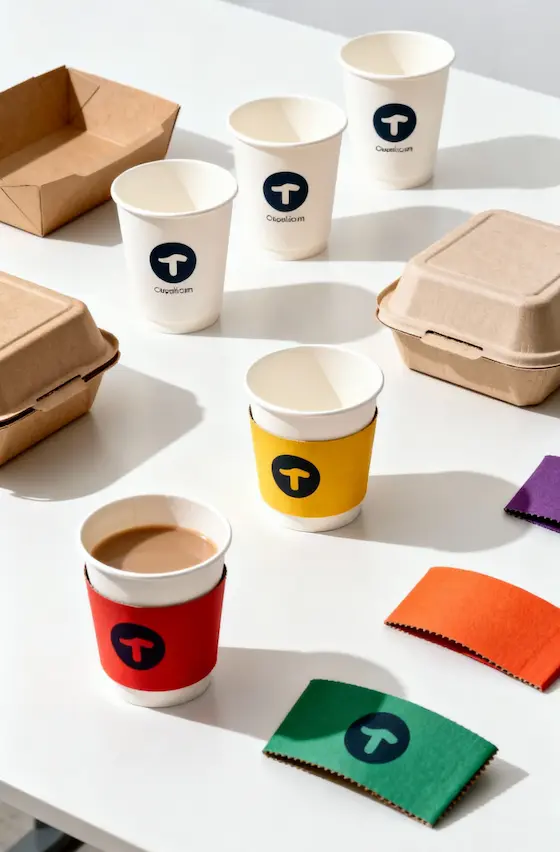
Ready to create your own branded paper cups or packaging?
Tell us your requirements — size, coating, printing, and destination — and our team will prepare a detailed quotation within 24 hours.

Last Updated: July 2026
Reading Time: 8-10 minutes
Author: Papacko Content Team
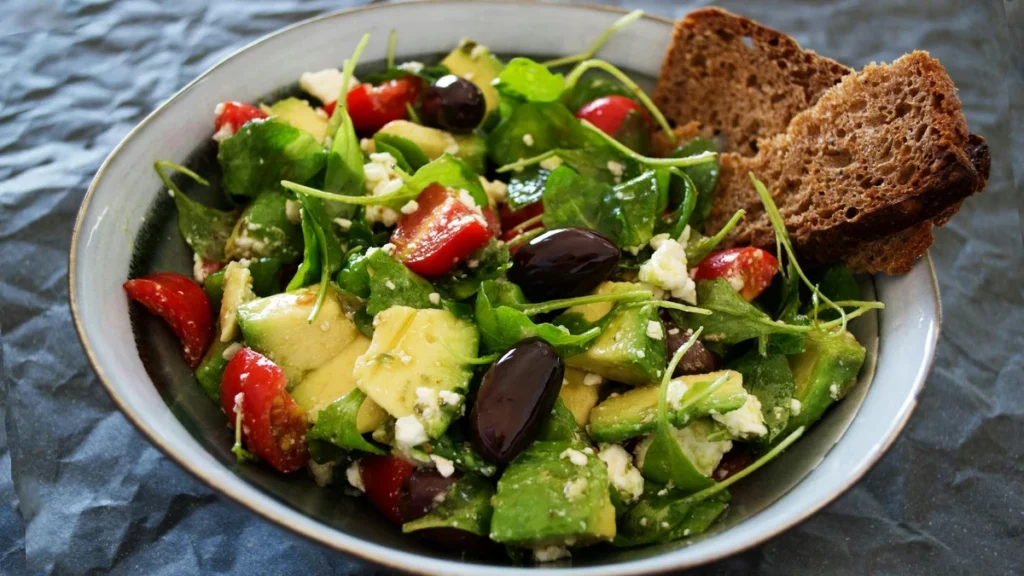
The health food market is experiencing unprecedented growth—global meal prep services expanded 34% in 2025, while salad-focused restaurant chains reported 28% year-over-year revenue increases. Consumers now demand fresh, nutritious meals packaged in containers that align with their health-conscious values: sustainable materials, clear ingredient visibility, and portion-controlled sizing.
This comprehensive guide examines salad bowl trends driving the 2026 healthy eating movement. Understanding salad bowls helps.You’ll discover emerging sustainable materials (PLA, bagasse, molded fiber), optimal portion sizes for meal prep and delivery services, material performance comparisons for refrigeration and transport, and market data showing which bowl features drive consumer purchasing decisions in the $78 billion global health food industry.
💡 Quick Takeaway: Salad bowls for 2026 health food trends require 24-48 oz capacity for meal-sized portions, sustainable materials (bagasse, PLA, recycled PET), leak-resistant designs for dressings, and clear lids enabling visual appeal—with 68% of health-conscious consumers willing to pay 15-25% premium for eco-certified packaging.
Consumer behavior shifts:
•Meal prep adoption: 42% of US adults now meal prep weekly (up from 28% in 2023)
•Plant-based diets: 31% of consumers actively reducing meat consumption, driving salad demand
•Convenience health: “Healthy fast food” segment growing 26% annually (salad chains, bowls, grain-based meals)
•Portion awareness: 58% of health-focused consumers track macros/calories, requiring clear portion sizes
Industry data:
•Global salad market value: $18.2 billion (2026 projection, 9.4% CAGR)
•Meal delivery services featuring salads/bowls: $12.8 billion segment
•Restaurant salad sales: 15% of total fast-casual revenue (up from 11% in 2023)
🎯 Industry Insight: A 2025 consumer packaging study found that 68% of health-conscious consumers specifically seek eco-friendly salad bowls, with 44% willing to pay 15-25% premium for certified sustainable materials—making packaging a competitive differentiator, not just functional necessity.
Material composition: Fibrous residue after sugarcane juice extraction, molded into bowl shapes
Best applications:
•Fresh salad bars and build-your-own bowl concepts
•Meal prep containers (refrigerated 3-5 days)
•Hot grain bowls (quinoa, rice-based) up to 90°C
•Delivery services with 30-90 minute transport times
Limitations:
•Not suitable for very wet dressings without coating (oil-based vinaigrettes may seep through uncoated bagasse)
•Heavier than plastic alternatives (shipping cost considerations)
•Tan/beige color may not suit all branding aesthetics

Material composition: Plant-based plastic derived from corn starch or sugarcane
Performance:
•Clarity: Crystal clear (100% visibility of salad contents)
•Temperature tolerance: -10°C to 50°C (refrigeration safe, not microwave)
•Moisture barrier: Excellent (oil and water resistant, no leakage)
•Compostability: Yes, 90-180 days in commercial facilities (not home compostable)
•Cost: $0.30-0.55 per bowl (24-32 oz)
Advantages over bagasse:
•Perfect clarity showcases vibrant salad colors (critical for visual appeal in retail displays)
•Lightweight reduces shipping costs by 20-30%
•Completely leak-proof even with liquid dressings
•Smooth interior surface prevents lettuce from sticking
Emerging applications:
•Premium salad chains emphasizing visual presentation
•Retail grocery prepared salads (shelf display visibility)
•Instagram-friendly meal prep brands
•Cold-pressed juice + salad combo containers
Sustainability consideration: Requires commercial composting infrastructure—not biodegradable in home settings or landfills.
Material composition: Recycled plastic bottles processed into food-safe containers
Performance:
•Recycled content: 70-100% post-consumer PET
•Temperature tolerance: -10°C to 60°C (cold storage, limited hot use)
•Clarity: Excellent (similar to virgin PET)
•Recyclability: Yes, in existing PET recycling streams
•Cost: $0.20-0.40 per bowl (competitive with virgin plastic)
Circular economy benefits:
•Diverts plastic bottles from landfills (one 32 oz bowl uses ~2 recycled water bottles)
•60% less energy to produce vs virgin PET
•Infinitely recyclable (can be reprocessed into new food containers)
•Consumer recognition: 72% of shoppers recognize rPET recycling symbols
Best for: Health brands prioritizing circular economy messaging over compostability, retailers with established PET recycling programs.
Material composition: Recycled paper and cardboard molded into bowl shapes
Performance:
•Appearance: Natural brown/gray tone (rustic, artisanal aesthetic)
•Moisture resistance: Moderate (requires wax or PLA coating for wet ingredients)
•Compostability: Excellent (30-60 days home or commercial)
•Cost: $0.15-0.30 per bowl (lowest sustainable option)
Applications: Food trucks, casual dining, farmers markets, budget-conscious health concepts.
Limitation: Not suitable for very wet salads or extended refrigeration (>12 hours) without quality coatings.
### Meal Prep Portioning Guidelines
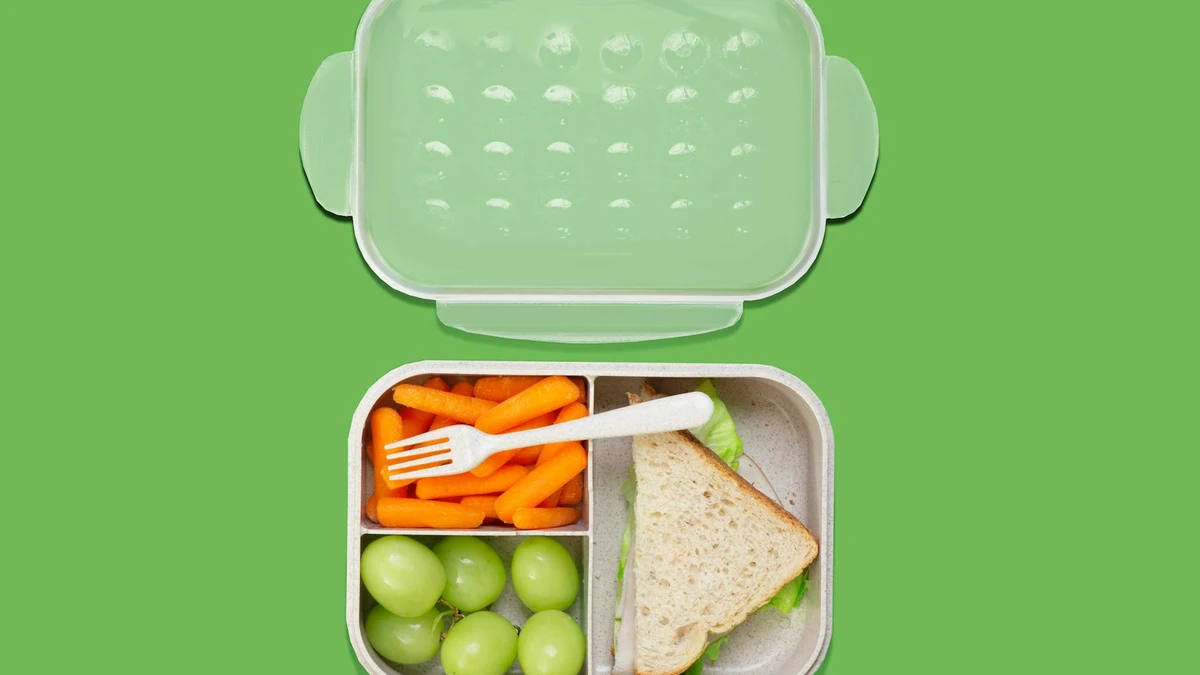
Macronutrient-balanced bowl components:
•Base greens: 2-3 cups (60-80% of bowl volume)
•Protein: 4-6 oz (20-25% of bowl)
•Healthy fats: 1-2 oz (nuts, avocado, cheese) (5-10%)
•Complex carbs: 0.5-1 cup (quinoa, sweet potato) (10-15%)
•Dressing: 2-3 oz separate container
Example 24 oz bowl breakdown:
•Romaine lettuce: 2 cups (150g) = ~25 calories
•Grilled chicken: 5 oz (140g) = ~230 calories
•Cherry tomatoes, cucumber, peppers: 1 cup (150g) = ~30 calories
•Avocado: 0.5 medium (50g) = ~80 calories
•Balsamic vinaigrette: 2 tbsp (30ml) = ~90 calories
•Total: ~455 calories, 35g protein, 18g fat, 25g carbs
Optimal bowl selection: 24 oz bowl provides sufficient space for components without over-packing (which damages delicate greens).
Transport durability requirements:
•Leak resistance: Dressings must be separated (2-4 oz sauce containers) or bowl requires secure-seal lid
•Compression resistance: Stacked bowls in delivery bags must not collapse (280+ GSM paperboard or 1.2mm+ plastic thickness)
•Temperature maintenance: Cold chain requires insulated bags + ice packs (bowls should tolerate 0-5°C without condensation issues)
Delivery-optimized bowl features:
•Compartmentalized designs: Separate dressing/topping sections prevent sogginess
•Secure-seal lids: Snap-lock or hinged lids (not loose film) prevent spills during transport
•Stackable shapes: Uniform footprint enables efficient bag packing (round or square, not irregular shapes)
•Tamper-evident seals: Safety stickers or perforated tabs for food safety compliance
Cost-benefit: Compartmentalized bowls cost 30-45% more ($0.40-0.65 vs $0.28-0.40) but reduce customer complaints by 60% (fewer soggy salads, separated flavors).
### Environmental Impact Comparison
Consumer perception data (2025 packaging survey):
•78% prefer compostable (bagasse, PLA, molded fiber)
•62% accept recyclable plastic if made from recycled content (rPET)
•12% accept virgin plastic regardless of recyclability
Clear PLA dome lids:
•Visibility: 100% transparency showcases toppings (nuts, seeds, colorful vegetables)
•Height: Standard (5-10mm clearance) or high-dome (20-30mm for tall toppings)
•Fit: Snap-lock seal (secure for transport)
•Cost: $0.12-0.22 per lid
•Best for: Retail display, premium presentations, Instagram appeal
Flat clear lids:
•Profile: Low-profile reduces stacking height (efficient refrigeration/transport)
•Seal: Tight-fit or hinged options
•Cost: $0.08-0.15 per lid
•Best for: Meal prep (stackable containers), bulk production
Vented lids:
•Function: Small vents prevent condensation buildup (keeps greens crisp)
•Trade-off: Not fully leak-proof (use for solid toppings only, separate dressing)
•Cost: $0.10-0.18 per lid
•Best for: Warm grain bowls, salads consumed within 2-4 hours
Combo lids with utensil holder:
•Integration: Built-in fork slot eliminates separate packaging
•Convenience: Consumer appeal (+18% satisfaction in user testing)
•Cost: $0.18-0.30 per lid
•Best for: Grab-and-go, office lunch concepts
Transparency value: Health food consumers make purchasing decisions 62% based on visual ingredient assessment (color, freshness, quantity).
Bowl color psychology:
•White/natural: Clean, fresh, associates with purity and health (most popular for premium brands)
•Kraft/tan: Rustic, organic, eco-conscious positioning
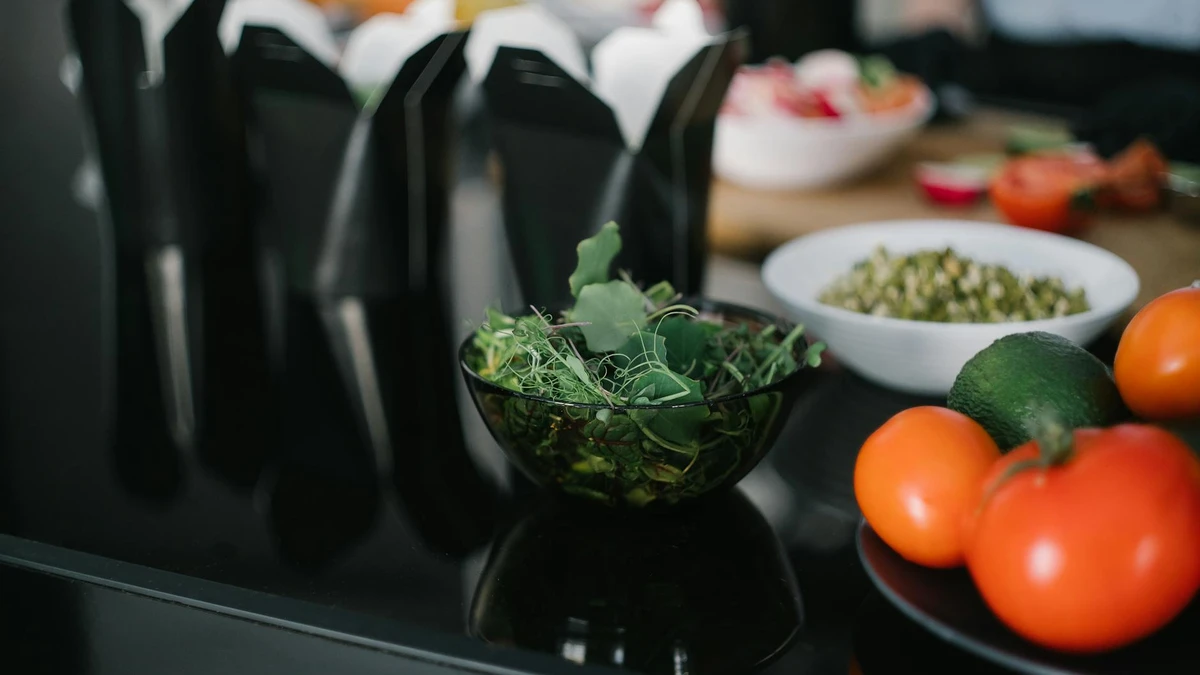
•Black: Modern, sophisticated (rare for salads, better for grain/protein bowls)
•Clear: Maximum ingredient visibility (highest conversion in retail settings)
Labeling requirements:
•Nutritional information: Mandatory for retail (calories, macros, allergens)
•Ingredient list: Transparency builds trust (full ingredient disclosure)
•Sustainability claims: Certifications (BPI, FSC, OK Compost) increase perceived value by 22%
•Branding: Logo, tagline, social handles on lid (not obscuring product visibility)
Window design (for non-clear bowls):
•Large top window (60-80% of lid surface) balances branding with visibility
•Side windows enable 360° product view on shelves
•Cost impact: +$0.02-0.05 per bowl for windowed designs
❌ Mistake #1: Choosing bowls too small for portions, causing overfilling and messy presentation
✅ Correct Approach: Size bowls 20% larger than ingredient volume. Understanding the salad bowls helps.For 2.5 cups of greens + toppings (500ml actual), use 24 oz (710ml) bowl. This provides headroom preventing compression of delicate greens and allows for tossing without spillage.
❌ Mistake #2: Selecting bagasse or molded fiber without moisture barrier for wet ingredients
✅ Correct Approach: Always specify PLA or wax coating for salads with dressings, tomatoes, or other high-moisture ingredients, durable salad bowls matter.Uncoated fiber absorbs liquids within 30-60 minutes, causing soggy bottoms and potential structural failure. Coating adds $0.03-0.08 per bowl but essential for quality.
❌ Mistake #3: Using opaque containers for retail salads, hiding product from customers
✅ Correct Approach: Retail prepared salads require clear lids or large window designs. Understanding durable salad bowls helps.Consumer research shows 62% of salad purchases are impulse decisions based on visual appeal. Clear PLA lids increase sales by 28% vs opaque alternatives despite 15-20% higher cost.
❌ Mistake #4: Failing to separate dressings, causing soggy salads in delivery/meal prep
✅ Correct Approach: Include 2-4 oz sauce containers (cost $0.05-0.12) or choose compartmentalized bowls with separate dressing sections. Understanding suitable salad bowls helps.Pre-dressed salads become soggy within 2-4 hours; separated dressings maintain freshness for 5-7 days refrigerated.
The best salad bowls for 2026 health food trends are sustainable materials like bagasse (sugarcane fiber), PLA (plant-based plastic), or rPET (recycled plastic) in 24-32 oz capacities. These materials align with health-conscious consumer values while providing leak-resistant, refrigeration-safe performance for meal prep and delivery. Clear PLA bowls with dome lids maximize visual appeal for retail settings, while bagasse offers compostability for eco-focused brands. Choose bowls with secure-seal lids and optional dressing compartments for optimal freshness.
Standard meal prep salad bowls are 24 oz (710ml) capacity, providing space for 2-2.5 cups greens, 4-6 oz protein, vegetables, and toppings without overfilling. This size accommodates 400-600 calorie balanced meals with proper macro ratios (40% greens, 25% protein, 15% healthy fats, 20% complex carbs). For larger appetites or dinner portions, 32 oz (950ml) bowls work well. The 20% headroom rule is critical—bowls should be 20% larger than ingredient volume to prevent compression and allow tossing.
Yes, sustainable salad bowls cost 25-60% more than traditional plastic. Bagasse bowls cost $0.25-0.45 (24-32 oz) vs $0.18-0.28 for virgin plastic. PLA clear bowls cost $0.30-0.55 vs $0.22-0.35 for Polyethylene_terephthalate” target=”_blank” rel=”noopener”>PET plastic. Though 68% of health-conscious consumers prefer eco-friendly packaging, with 44% willing to pay 15-25% premium. This enables price recovery through higher product pricing—premium salad brands charge $1-2 more with sustainable packaging, achieving positive margin despite higher container costs.
Compostability depends on material type. Understanding salad bowls helps.Bagasse bowls are commercially compostable (45-90 days, BPI certified), molded fiber is home/commercial compostable (30-60 days), and PLA is commercially compostable only (90-180 days, not home compostable). rPET bowls are recyclable in standard plastic streams (infinitely recyclable). Always check local composting/recycling infrastructure—PLA requires commercial facilities unavailable in 40% of US regions. Provide clear disposal instructions on packaging to maximize proper end-of-life handling.
Delivery salad bowls require: (1) Leak-resistant secure-seal lids preventing spills during transport, (2) Separate dressing containers (2-4 oz) or compartmentalized designs to prevent sogginess, (3) Compression-resistant materials (280+ GSM paperboard or 1.2mm+ plastic) that don’t collapse when stacked, (4) Stackable uniform footprints for efficient bag packing, and (5) Tamper-evident seals for food safety. Bagasse with PLA coating or rPET perform best for 30-90 minute deliveries. Compartmentalized bowls cost 30-45% more but reduce complaints by 60%.
Freshness duration varies by material and storage: Bagasse with PLA coating maintains freshness 5-7 days refrigerated, PLA bowls 7-10 days, rPET up to 10-14 days, coated molded fiber 3-5 days, and uncoated fiber <24 hours. Understanding durable salad bowls helps.Critical factors: dressing must be separated (pre-dressed salads become soggy in 2-4 hours), proper refrigeration (0-5°C), and quality sealing lids. PLA and rPET offer longest shelf life due to superior moisture barriers, while bagasse balances freshness with compostability for 5-7 day meal prep windows.
Look for these third-party certifications: BPI Certification (ASTM D6400 for compostable materials—bagasse, PLA, molded fiber), FSC Certification (responsible forestry for paper-based bowls), TÜV OK Compost Industrial/Home (European compostability standard), and Seedling Logo (EN 13432 for EU markets), the salad bowls matter.For recycled content, verify SCS Recycled Content Certification or similar third-party validation. These certifications prevent greenwashing and verify environmental claims—78% of health-conscious consumers check for eco-certifications before purchase, making them competitive differentiators worth the $0.01-0.03 per-unit premium.
Salad bowls for 2026 healthy eating trends must balance sustainability, functionality, and visual appeal to meet evolving consumer expectations. Prioritize compostable materials like bagasse or PLA for eco-conscious positioning, 24-32 oz capacities for meal-sized portions, clear lids for retail visibility, and separated dressing solutions for freshness.
Key Takeaways:
1.Understanding quality salad bowls helps.Choose sustainable materials—68% of health-conscious consumers prefer compostable/recycled options (bagasse, PLA, rPET)
2.Understanding suitable salad bowls helps.Size for 20% headroom—24 oz bowls for standard lunches, 32 oz for larger portions, preventing overfilling
3.Understanding durable salad bowls helps.Prioritize transparency—clear lids increase retail sales by 28% through visual ingredient appeal
4.Separate dressings—dedicated containers or compartments extend freshness from 2-4 hours to 5-7 days
5.Verify certifications—BPI, FSC, TÜV OK Compost validate environmental claims and justify premium pricing
•Sustainable Meal Prep Solutions
Papacko supplies health food restaurants, meal prep services, and retail brands with eco-friendly salad bowls in bagasse, PLA, and rPET materials. Our range includes 16-48 oz capacities, clear dome lids, compartmentalized designs, and full BPI/FSC certifications—with MOQs from 5,000 units and customization options for branding.
Once bowl material and size are clear, buyers usually move into packaging-system details such as lids, windows, compartment design, and customized container programs.
Get in touch: