Ready to create your own branded paper cups or packaging?
Tell us your requirements — size, coating, printing, and destination — and our team will prepare a detailed quotation within 24 hours.

Last Updated: November 2025
Reading Time: 9 minutes
Author: Papacko Content Team
Your salad bar’s grab-and-go sales dropped 30% when you switched to opaque lids to save $0.03 per bowl, while the competitor across the street with crystal-clear lids increased their takeaway volume by 40%. Their customers photograph salads before buying, share on social media, and the colorful ingredient visibility drives impulse purchases your hidden product can’t match.
Salad bowls with clear lids aren’t just containers—they’re visual merchandising tools that trigger purchase decisions, enable food photography, communicate freshness, and allow ingredient verification before opening. The lid transparency, seal quality, and design aesthetics directly impact sales conversion rates, with studies showing 35-55% higher impulse purchases for visible products vs covered alternatives.
In this guide, you’ll learn:
•How clear lid visibility impacts purchase decisions and sales
•Lid seal technologies that prevent leaking and maintain freshness
•Size selection based on salad types and portion strategies
•Material options: PET vs PLA vs rPET clear lids
•Customization opportunities for branding and differentiation
•Cost analysis: clear vs opaque lids and total value
•Common mistakes that damage product appeal
💡 Quick Takeaway: Salad bowls with clear lids increase impulse purchases by 35-55% vs opaque lids due to ingredient visibility driving buying decisions.
Critical specs: PET/PLA clear lid with 90%+ transparency, secure snap-fit or hinged seal preventing leaks during transport, 24-48oz capacity for main meal salads, condensation resistance for cold storage.
Cost premium: +$0.08-0.15 per unit vs opaque lids, offset by 15-25% higher sales conversion.
Best customization: full-color sleeve labels or direct bowl printing (avoid lid printing that obscures visibility).
Ideal for: Grab-and-go displays, meal prep services, health-focused cafés, catering.
Transparency isn’t just aesthetic—it’s a psychological trigger that directly impacts purchase behavior and perceived value.
Consumer Decision-Making Process:
1.Visual Scan (1-2 seconds): Customer scans display case
2.Interest Trigger: Colorful, visible ingredients catch attention
3.Quality Assessment (3-5 seconds): Evaluate freshness, portion size, ingredient mix
4.Purchase Decision (within 10 seconds for impulse buy)
Clear Lids Enable Steps 2-3:
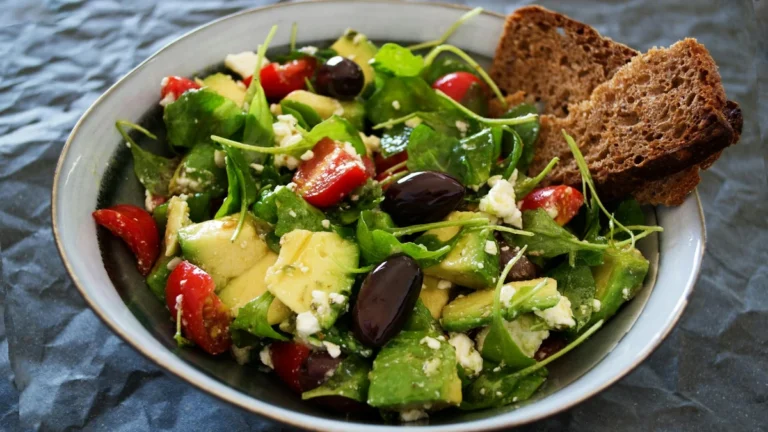
•Ingredient colors (greens, reds, yellows) trigger appetite response
•Visible freshness indicators (crisp lettuce, bright vegetables) communicate quality
•Portion size assessment reduces purchase uncertainty (“Is this enough food?”)
•Ingredient verification (“Does this have tomatoes?” visible without asking)
Opaque Lids Block Steps 2-3:
•Generic appearance fails to differentiate products
•No freshness visual cues (customer assumes older/lower quality)
•Purchase requires leap of faith or staff inquiry (friction reduces impulse buying)
Impulse Purchase Conversion Rates:
•Clear lid salads: 18-25% of customers viewing display make purchase
•Opaque lid salads: 10-14% conversion rate
•Lift: 35-55% higher conversion with clear lids
Average Transaction Value:
•Clear lid (visible premium ingredients like salmon, avocado): $12-15 average
•Opaque lid (unknown contents): $9-11 average
•Lift: 15-25% higher transaction value
Social Media Amplification:
•1 in 8 customers photograph visible salad before/during consumption
•Instagram/TikTok posts with visible, colorful food outperform generic packaging by 300-500% engagement
•User-generated content = free marketing (estimated value: $5-10 per post)
Case Study Example:
•Health food chain (12 locations)
•Switched from opaque to clear lids
•Investment: +$0.12/bowl (500 bowls/day/location)
•Result: +42% grab-and-go sales within 30 days
•ROI: Additional $18,000 monthly revenue vs $7,200 packaging cost increase = 150% ROI
Clear visibility means nothing if the lid leaks during transport, damaging customer experience and brand reputation.
Snap-Fit Seal (Most Common):
•Mechanism: Lid rim snaps over bowl lip with friction/compression
•Seal Quality: Good for stationary storage, moderate for transport
•Leak Test Performance: Withstands 10-second inversion test, struggles with prolonged tilting (45°+)
•Best For: In-store consumption, short transport (<15 minutes), upright carrying
•Failure Rate: 3-5% leak complaints with quality products, 8-12% with budget options
Hinged Lid with Snap Closure:
•Mechanism: Attached hinge + snap-lock closure on opposite side
•Seal Quality: Excellent (hinge prevents complete lid separation)
•Leak Test Performance: Passes 30-second inversion, handles rough transport
•Best For: Delivery service, meal prep (multi-day storage), customer carrying in bags
•Failure Rate: 1-2% leakage with quality design
•Premium: +$0.05-0.08 vs standard snap-fit
Tamper-Evident Seal Band:
•Mechanism: Snap-fit lid + removable safety band around perimeter
•Seal Quality: Excellent initial seal + shows if opened
•Leak Test Performance: Excellent (pressure from band enhances seal)
•Best For: Pre-packaged salads, wholesale/retail distribution, food safety priority
•Failure Rate: <1% leakage
•Premium: +$0.08-0.12 vs standard snap-fit
Problem: Temperature differential (cold salad, room temperature air) causes moisture condensation on lid interior, creating:
•Water droplets obscuring visibility
•Perceived “freshness loss” (looks wet/soggy even when salad is crisp)
•Dressing dilution if condensation drips
Solutions:
Anti-Fog Coating (PET lids):
•Microscopic hydrophilic coating spreads condensation into thin film vs droplets
•Maintains 85-95% clarity even with temperature differential
•Cost: +$0.02-0.04 per lid
•Effectiveness: 12-24 hours cold storage
Vented Lids:
•Small air vents (1-2mm) allow moisture escape
•Prevents condensation buildup
•Trade-off: Reduces seal integrity, not suitable for dressing/liquid-heavy salads
•Best for: Dry salads, short storage periods (<12 hours)
Double-Wall Bowls:
•Insulated construction reduces temperature differential
•Prevents condensation formation
•Premium option: +$0.15-0.25 vs single-wall
•Best for: High-end meal prep, premium positioning
#### Lid Seal Performance Comparison

Matching bowl size to salad type and target customer optimizes value perception and minimizes waste.
24oz (700ml) — Personal Salad:
•Capacity: Side salad, light lunch
•Typical Contents: 4-5oz greens + 3-4oz toppings/protein
•Best For: Grab-and-go breakfast/light lunch, side salads, kids’ meals
•Customer Perception: “Light but satisfying”
•Cost Range: $0.18-0.28 per bowl+lid set
32oz (950ml) — Standard Meal Salad ⭐ Most Popular:
•Capacity: Main course, balanced meal
•Typical Contents: 6-7oz greens + 5-6oz toppings/protein
•Best For: Lunch entrée, standard meal prep
•Customer Perception: “Full meal, good value”
•Cost Range: $0.22-0.35 per bowl+lid set
•Market Share: 55-65% of salad bowl sales
48oz (1400ml) — Large/Sharing Salad:
•Capacity: Hearty meal, sharing portion
•Typical Contents: 8-10oz greens + 8-10oz toppings/protein
•Best For: Dinner entrée, post-workout meals, sharing, meal prep bulk
•Customer Perception: “Substantial, premium value”
•Cost Range: $0.28-0.45 per bowl+lid set
64oz (1900ml) — Family/Catering Size:
•Capacity: 2-3 person serving, catering
•Typical Contents: 12-15oz greens + 12-15oz toppings
•Best For: Family meals, catering orders, party trays
•Customer Perception: “Catering quality, event-worthy”
•Cost Range: $0.45-0.70 per bowl+lid set
Fill Level Impact on Perceived Value:
•90-95% full: Maximum value perception (“generous portion”)
•75-85% full: Standard expectation (acceptable)
•60-70% full: Perceived as “skimpy,” drives complaints
Optimal Strategy: Choose bowl size where typical salad fills to 85-90%
•Achieves value perception without overfilling (which causes lid seal issues)
•Example: 7oz salad → use 32oz bowl (87% full) not 48oz bowl (58% full)
Price Positioning by Size:
•24oz personal: $7-9 (starter/light option)
•32oz standard: $10-13 (core offering, best value perception)
•48oz large: $14-18 (premium, “worth splurging” tier)
•64oz catering: $25-35 (special occasion, sharing)
Lid material determines clarity, durability, temperature resistance, and environmental impact.
Properties:
•Clarity: Excellent (90-95% light transmission)
•Rigidity: High (maintains shape, no flexing)
•Temperature Range: -20°C to 60°C (cold storage ideal)
•Food Safety: FDA approved, BPA-free
•Recyclability: Widely recyclable (#1 plastic), 30-40% actual recycling rate
Advantages:
•Crystal-clear visibility (best for visual merchandising)
•Strong impact resistance (doesn’t crack easily)
•Lowest cost option ($0.08-0.12 per lid for 32oz)
•Universal availability from suppliers
Limitations:
•Petroleum-based (not renewable)
•Not compostable
•Limited recycling in food-contaminated state
Best For: Operations prioritizing clarity and cost-efficiency, markets with good PET recycling infrastructure
Properties:
•Clarity: Good (85-90% light transmission, slight haze)
•Rigidity: Moderate (can flex under pressure)
•Temperature Range: -10°C to 45°C (limited hot tolerance)
•Food Safety: FDA approved, BPA-free, bio-based
•Compostability: Commercial composting only (90-180 days at 55-60°C)
Advantages:
•Plant-based (corn, sugarcane)
•Commercially compostable (where infrastructure exists)
•Marketing value (“compostable packaging”)
Limitations:
•Slightly reduced clarity vs PET (affects visual appeal)
•Not recyclable (contaminates PET stream)
•Higher cost: +25-40% vs PET
•Requires commercial composting (not home compostable)
Best For: Health-focused brands emphasizing sustainability, markets with commercial composting access, willing to accept slight clarity trade-off
Properties:
•Clarity: Good (80-85% light transmission, varies by recycled content %)
•Rigidity: High (similar to virgin PET)
•Temperature Range: -20°C to 60°C
•Food Safety: FDA approved if food-grade recycling process
•Recyclability: Yes (#1 plastic, same as virgin PET)
Advantages:
•Reduces virgin plastic consumption (30-100% recycled content)
•Similar performance to virgin PET
•Stronger sustainability story than virgin PET
•Comparable cost to virgin PET (+5-15%)
Limitations:
•Slight clarity reduction vs virgin PET (especially at high % recycled content)
•Color tint possible (slight gray/yellow at 80-100% recycled)
•Supply chain variability (recycled material availability)
Best For: Brands prioritizing circular economy, moderate sustainability claims, minimal clarity compromise acceptable
#### Clear Lid Material Comparison
## Customization for Branding and Differentiation
Strategic customization enhances brand recognition without compromising the visual appeal that drives clear lid sales.
Full-Color Sleeve Labels ⭐ Recommended:
•Placement: Wraps around bowl exterior (lid remains fully clear)
•Benefits:
– Full brand visibility (logo, colors, messaging)
– Doesn’t obscure salad visibility
– Easy to apply (manual or automated)
– Lower MOQ (5,000-10,000 vs printed bowls at 50,000+)
•Cost: +$0.03-0.06 per bowl
•Design Flexibility: Full color, gradients, photography, QR codes
Direct Bowl Printing:
•Placement: 1-2 color logo on bowl exterior
•Benefits:
– Permanent (won’t peel like labels)
– Clean aesthetic
– Lower unit cost at high volume
•Limitations:
– High MOQ (50,000-100,000 bowls)
– Limited colors (1-2 typically)
– Design changes require new production run
•Cost: +$0.02-0.04 per bowl (at MOQ)
Lid Top Printing ❌ NOT Recommended:
•Problem: Printing on lid top obscures salad visibility (defeats clear lid purpose)
•Better Alternative: Small logo on lid rim/edge (doesn’t block view)
Custom Bowl Shapes:
•Options: Square vs round, bowl depth variations, compartmentalized
•Benefits: Unique shelf presence, functional differentiation
•Limitations: High tooling cost ($5,000-15,000), MOQ 100,000+
•Best For: Large chains, signature product lines
What to Communicate on Packaging:
•✅ Brand name/logo (top priority)
•✅ Key differentiators (“Organic,” “Locally Sourced,” “High Protein”)
•✅ QR code to nutrition info or loyalty program
•✅ Social media handles (encourage UGC)
What to Avoid:
•❌ Dense text (unreadable on small surface)
•❌ Blocking ingredient visibility
•❌ Generic stock imagery (detracts from actual product)
Effective Design Principles:
•High contrast (bright brand colors + white/clear background)
•Large, legible font (minimum 12pt for body text)
•Visual hierarchy: Logo > differentiator > CTA/social
Understanding total cost vs revenue impact proves the ROI of clear lid investment.
Opaque Lid Salad Bowl (32oz):
•Bowl: $0.12-0.18
•Opaque dome lid: $0.05-0.08
•Total: $0.17-0.26 per set
Clear Lid Salad Bowl (32oz):
•Bowl: $0.12-0.18 (same)
•Clear PET lid: $0.08-0.12 (+$0.03-0.04)
•Anti-fog coating: +$0.02-0.04 (optional)
•Total: $0.20-0.34 per set
Premium Difference: +$0.03-0.08 per bowl (12-30% more expensive)
Scenario: 50-person lunch rush, grab-and-go salad display
Opaque Lids:
•Conversion rate: 12% (6 purchases)
•Average transaction: $10
•Revenue: $60
Clear Lids:
•Conversion rate: 18% (9 purchases, +50% lift)
•Average transaction: $12 (+20% from visible premium ingredients)
•Revenue: $108
•Incremental Revenue: +$48 per 50-person rush
Cost Analysis:
•Additional packaging cost: 50 bowls × $0.06 = $3
•Net benefit: $48 revenue – $3 cost = $45 net gain
•ROI: 1,500% (incremental revenue vs incremental cost)
Daily Impact (500 customers):
•Incremental revenue: $480/day
•Incremental packaging cost: $30/day
•Net daily benefit: $450
•Monthly: $13,500 additional profit from clear lids
Quantifiable Benefits:
•Higher conversion rate: +35-55%
•Higher transaction value: +15-25%
•Social media impressions: Est. $5-10 per UGC post
•Reduced customer service (ingredient questions): -50% inquiries
Qualitative Benefits:
•Brand perception (premium/quality positioning)
•Customer satisfaction (transparency = trust)
•Competitive differentiation
•Instagram-worthy presentation
Learn from these frequent errors that undermine clear lid effectiveness.
❌ Mistake #1: Prioritizing Cost Over Clarity
Problem: Choosing budget clear lids with 70-75% transparency to save $0.02/unit. Result: Hazy appearance diminishes visual appeal, negating clear lid benefits.
Correct Approach: Invest in high-clarity lids (85-90%+ transparency). The $0.02 savings is wiped out by reduced sales conversion.
❌ Mistake #2: Overfilling Bowls
Problem: Filling bowls to 100% capacity looks generous but causes lid seal failure, leaking, and customer complaints.
Correct Approach: Fill to 85-90% capacity. Achieves value perception without compromising seal integrity. Use next size up if portions require more space.
❌ Mistake #3: Ignoring Condensation Control
Problem: Using non-anti-fog lids for cold storage. Condensation obscures visibility within 2-4 hours, destroying visual merchandising advantage.
Correct Approach: Use anti-fog coating for any salad stored cold >4 hours. The +$0.02-0.04 cost maintains clarity and perceived freshness.
❌ Mistake #4: Printing on Lid Top
Problem: Adding logo or text to lid center blocks view of salad colors and ingredients.
Correct Approach: Keep lid top completely clear. Print on bowl exterior, sleeve labels, or lid rim only. Visibility drives purchases, not logo prominence.
❌ Mistake #5: One Size for All Salads
Problem: Using 48oz bowls for all salads (including small 6oz side salads). Result: Salads look small/inadequate in oversized bowl, poor value perception.
Correct Approach: Match bowl size to typical salad fill level (85-90%). Small salads → 24oz bowls; standard meals → 32oz; hearty portions → 48oz. Right-sizing enhances value perception.
Salad bowls with lids are food-grade containers combining a paperboard or plastic bowl (24-64oz capacity) with a clear or opaque lid secured via snap-fit, hinged, or seal-band closure. Clear lid versions enable visual merchandising by showcasing colorful ingredients, driving 35-55% higher impulse purchases vs opaque alternatives. Best for grab-and-go displays, meal prep services, and health-focused restaurants.
Clear lids trigger purchase decisions through ingredient visibility: customers see fresh colorful greens, proteins, and toppings without asking staff or opening packages. This enables visual freshness assessment, portion size evaluation, and ingredient verification within 3-5 seconds—critical for impulse buying. Studies show 18-25% conversion rate with clear lids vs 10-14% with opaque lids (35-55% lift), plus 15-25% higher average transaction value when premium ingredients are visible.
PET (polyethylene terephthalate) offers best clarity (90-95% light transmission), durability, and cost-efficiency ($0.08-0.12 per 32oz lid). PLA (polylactic acid) provides sustainability positioning with commercial compostability but reduced clarity (85-90%) and higher cost (+25-40%). rPET (recycled PET) balances sustainability and performance with 80-90% clarity and comparable cost (+5-15%). Choose based on: maximum clarity → virgin PET; sustainability priority → rPET or PLA; composting infrastructure exists → PLA.
Three strategies: (1) Use reinforced snap-fit or hinged lids with secure closure mechanisms (1-3% failure rate vs 5-8% for basic snap-fit), (2) Fill bowls to 85-90% capacity not 100% (overfilling compromises seal), (3) Consider tamper-evident seal bands for delivery/transport (+$0.08-0.12, reduces leaks to <1%). Test seal quality by filling bowl, closing lid, inverting for 10-30 seconds—no leakage indicates adequate seal. For delivery service, hinged lids ($0.05-0.08 premium) significantly outperform basic snap-fit.
32oz (950ml) serves 55-65% of meal prep market—fits 6-7oz greens plus 5-6oz protein/toppings for standard lunch/dinner entrée. 48oz (1400ml) suits high-protein or post-workout meals (8-10oz greens + 8-10oz toppings). 24oz (700ml) works for side salads or light meals. Optimal strategy: offer 32oz as core size (best value perception when filled to 85-90%), with 24oz and 48oz for smaller/larger appetites.
Clear PET lids cost +$0.03-0.08 more than opaque lids for 32oz bowls: clear lids ($0.08-0.12) vs opaque ($0.05-0.08), representing 12-30% premium. However, clear lids drive +35-55% sales conversion and +15-25% transaction value. ROI analysis: 50-customer lunch rush generates +$48 incremental revenue vs +$3 packaging cost = 1,500% ROI. Anti-fog coating adds another +$0.02-0.04 but maintains clarity during cold storage (critical for visual merchandising).
Yes, three main methods: (1) Full-color sleeve labels wrapping bowl exterior (recommended)—doesn’t obscure visibility, MOQ 5,000-10,000, +$0.03-0.06/bowl. (2) Direct bowl printing for 1-2 color logos—permanent, MOQ 50,000-100,000, +$0.02-0.04/bowl. (3) Lid rim printing (not lid top)—small logo without blocking ingredient view. Avoid printing on lid center—it defeats clear lid purpose by obscuring salad visibility that drives purchases.
Salad bowls with clear lids transform packaging from functional necessity into active sales tool—ingredient visibility drives purchase decisions, social media sharing, and premium price acceptance that opaque alternatives can’t match. The 12-30% packaging cost premium is offset by 35-55% higher conversion rates and 15-25% increased transaction values, delivering 1,500%+ ROI in typical grab-and-go scenarios.
Key Takeaways:
1.Clear lid visibility increases impulse purchases by 35-55% through visual merchandising—customers see colorful ingredients, assess freshness, and verify contents within 3-5 seconds
2.Lid seal quality (hinged or reinforced snap-fit) and proper fill levels (85-90% capacity) prevent 95-99% of leakage complaints
3.PET clear lids offer best clarity (90-95%) and cost-efficiency; PLA and rPET provide sustainability positioning with moderate clarity trade-offs
4.Strategic customization (sleeve labels on bowl, not lid printing) maintains visibility while building brand recognition
5.Size selection matching typical salad portions (24oz light, 32oz standard, 48oz hearty) enhances perceived value and minimizes waste
For health-focused restaurants, meal prep services, and grab-and-go operations, clear lid salad bowls deliver measurable sales lift and marketing value that far exceeds incremental packaging cost—making them strategic investment in revenue growth, not just operational expense.
Explore more food packaging solutions:
Papacko supplies export-ready salad bowls with high-clarity lids to health-focused restaurants, meal prep services, and grab-and-go operations worldwide. We offer customization options, secure seal designs, and material choices aligned with your sustainability goals.
Get in touch:
Last Updated: November 2025
Content Team: Papacko
Reviewed by: Product Development & Visual Merchandising Department