¿Está listo para crear sus propios vasos o envases de papel con su marca?
Díganos sus requisitos -tamaño, revestimiento, impresión y destino- y nuestro equipo le preparará un presupuesto detallado en 24 horas.

Última actualización: enero de 2026
Tiempo de lectura: 8-10 minutos
Autor: Equipo de contenidos de Papacko
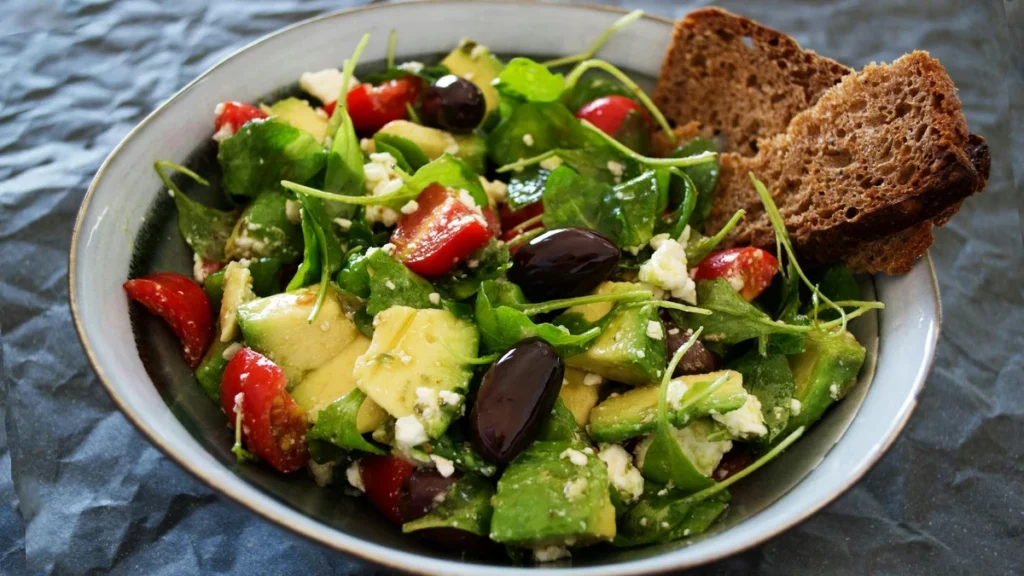
El mercado de la alimentación saludable está experimentando un crecimiento sin precedentes: los servicios de preparación de comidas a nivel mundial crecieron un 34% en 2025, mientras que las cadenas de restaurantes especializadas en ensaladas registraron un aumento interanual de sus ingresos del 28%. Los consumidores exigen ahora comidas frescas y nutritivas envasadas en recipientes que se ajusten a sus valores de vida saludable: materiales sostenibles, transparencia en los ingredientes y raciones de tamaño controlado.
Esta guía exhaustiva analiza las tendencias en cuencos para ensaladas que impulsan el movimiento de alimentación saludable de 2026. Descubrirás materiales sostenibles emergentes (PLA, bagazo, fibra moldeada), los tamaños de ración óptimos para los servicios de preparación y reparto de comidas, comparativas del rendimiento de los materiales en cuanto a refrigeración y transporte, y datos de mercado que muestran qué características de los cuencos influyen en las decisiones de compra de los consumidores en la industria mundial de la alimentación saludable, valorada en $78 mil millones.
💡 Resumen rápido: Los cuencos para ensaladas que se impondrán en las tendencias de alimentación saludable de 2026 deben tener una capacidad de entre 24 y 48 onzas para raciones equivalentes a una comida, estar fabricados con materiales sostenibles (bagazo, PLA, PET reciclado), diseños a prueba de fugas para los aderezos y tapas transparentes que permitan apreciar el contenido visualmente; hay 68% de consumidores preocupados por la salud dispuestos a pagar entre 15 y 25% más por envases con certificación ecológica.
Cambios en el comportamiento de los consumidores:
-Adopción de la preparación anticipada de comidas: 42% de adultos estadounidenses preparan ahora sus comidas semanalmente (frente a los 28% de 2023)
-Dietas a base de alimentos vegetales: 31% de consumidores que reducen activamente su consumo de carne, lo que impulsa la demanda de ensaladas
-Salud de proximidad: El segmento de la “comida rápida saludable” crece un 26% al año (cadenas de ensaladas, platos combinados, comidas a base de cereales)
-Concienciación sobre las raciones: 58% de consumidores preocupados por su salud controlan los macronutrientes y las calorías, por lo que necesitan saber con claridad cuáles son los tamaños de las raciones
Datos del sector:
-Valor del mercado mundial de las ensaladas: $18.2 mil millones (previsión para 2026, 9,4% de tasa de crecimiento anual compuesto)
-Servicios de entrega de comida que ofrecen ensaladas y platos combinados: segmento de $12.8 mil millones
-Ventas de ensaladas en restaurantes: 15% de los ingresos totales del sector «fast-casual» (frente a los 11% de 2023)
🎯 Perspectiva del sector: Un estudio sobre envases de consumo realizado en 2025 reveló que 68% de los consumidores preocupados por la salud buscan específicamente cuencos para ensaladas ecológicos, y que 44% están dispuestos a pagar un sobreprecio de entre 15 y 25% por materiales sostenibles certificados, lo que convierte al envase en un factor diferenciador frente a la competencia, y no solo en una necesidad funcional.
Composición del material: Residuos fibrosos resultantes de la extracción del zumo de caña de azúcar, moldeados en forma de cuencos
Las mejores aplicaciones:
-Barras de ensaladas frescas y conceptos de «crea tu propio plato»
-Recipientes para preparar comidas (se conservan en la nevera entre 3 y 5 días)
-Platos calientes de cereales (quinoa, a base de arroz) hasta 90 °C
-Servicios de reparto con tiempos de transporte de entre 30 y 90 minutos
Limitaciones:
-No apto para aderezos muy húmedos sin recubrimiento (las vinagretas a base de aceite pueden filtrarse a través del bagazo sin recubrimiento)
-Más pesado que las alternativas de plástico (hay que tener en cuenta los gastos de envío)
-Es posible que el color tostado/beige no encaje con todas las estéticas de marca.

Composición del material: Plástico de origen vegetal derivado del almidón de maíz o de la caña de azúcar
Rendimiento:
-Claridad: Transparente (visibilidad 100% del contenido de la ensalada)
-Tolerancia a la temperatura: de -10 °C a 50 °C (apto para el frigorífico, no apto para el microondas)
-Barrera contra la humedad: Excelente (resistente al aceite y al agua, sin fugas)
-Compostabilidad: Sí, entre 90 y 180 días en instalaciones industriales (no aptas para el compostaje doméstico)
-Coste: $0,30-0,55 por tazón (24-32 oz)
Ventajas respecto al bagazo:
-Su transparencia perfecta realza los colores vivos de las ensaladas (algo fundamental para el atractivo visual en los expositores de las tiendas)
-Su ligereza reduce los gastos de envío entre un 20 y un 30%
-Totalmente hermético, incluso con apósitos líquidos
-La superficie interior lisa evita que la lechuga se pegue
Aplicaciones emergentes:
-Cadenas de ensaladas de alta gama que hacen hincapié en la presentación visual
-Ensaladas preparadas para la venta al por menor en tiendas de alimentación (visibilidad en los expositores)
-Marcas de comida preparada ideal para Instagram
-Envases combinados de zumo prensado en frío y ensalada
Consideraciones sobre la sostenibilidad: Requiere una infraestructura de compostaje industrial; no es biodegradable en el ámbito doméstico ni en los vertederos.
Composición del material: Botellas de plástico recicladas transformadas en envases aptos para alimentos
Rendimiento:
-Contenido reciclado: 70-100% PET posconsumo
-Tolerancia a la temperatura: de -10 °C a 60 °C (almacenamiento en frío, uso limitado en condiciones de calor)
-Claridad: Excelente (similar al PET virgen)
-Reciclabilidad: Sí, en los procesos de reciclaje de PET existentes
-Coste: $0,20-0,40 por cuenco (precio competitivo en comparación con el plástico virgen)
Ventajas de la economía circular:
-Evita que las botellas de plástico acaben en los vertederos (para fabricar un cuenco de 32 oz se utilizan unas 2 botellas de agua recicladas)
-El 60% requiere menos energía para su producción que el PET virgen
-Reciclable infinitamente (puede transformarse en nuevos recipientes para alimentos)
-Reconocimiento por parte de los consumidores: el 72% de los compradores reconoce los símbolos de reciclaje del rPET
Lo mejor para: Marcas del sector de la salud que dan prioridad a los mensajes sobre la economía circular frente a la compostabilidad, y minoristas con programas consolidados de reciclaje de PET.
Composición del material: Papel y cartón reciclados moldeados en forma de cuenco
Rendimiento:
-Apariencia: Tono marrón/gris natural (estética rústica y artesanal)
-Resistencia a la humedad: Moderado (requiere una capa de cera o PLA para los ingredientes húmedos)
-Compostabilidad: Excelente (30-60 días, uso doméstico o comercial)
-Coste: $0,15-0,30 por cuenco (opción más baja sostenible)
Aplicaciones: Camiones de comida, restaurantes informales, mercados de agricultores, conceptos de alimentación saludable para presupuestos ajustados.
Limitación: No apto para ensaladas muy húmedas ni para una conservación prolongada en el frigorífico (>12 horas) sin recubrimientos de calidad.
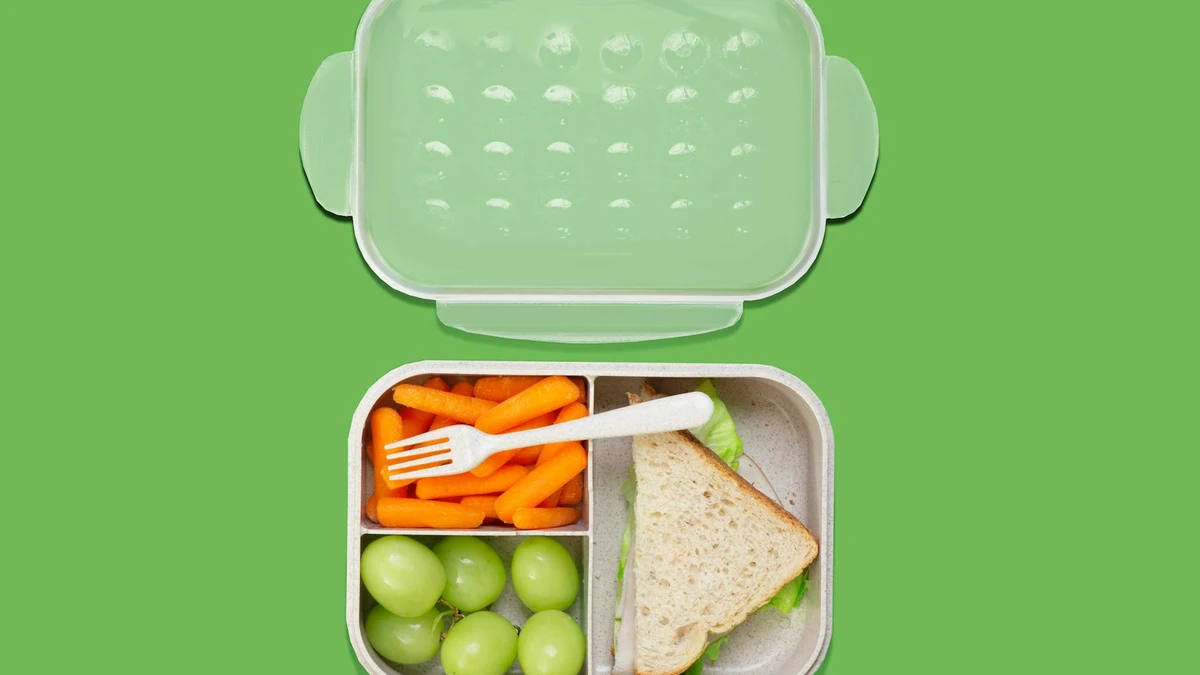
###: Directrices para el racionamiento de las comidas preparadas
Componentes de un plato equilibrado en macronutrientes:
-Verduras de base: 2-3 tazas (60-80% del volumen del cuenco)
-Proteína: 4-6 oz (20-25% de cuenco)
-Grasas saludables: 1-2 oz (frutos secos, aguacate, queso) (5-10%)
-Hidratos de carbono complejos: 0,5-1 taza (quinoa, boniato) (10-15%)
-Vestimenta: 2-3 oz en un recipiente aparte
Ejemplo de desglose de un cuenco de 24 oz:
-Lechuga romana: 2 tazas (150 g) = ~25 calorías
-Pollo a la parrilla: 5 oz (140 g) = unas 230 calorías
-Tomates cherry, pepino, pimientos: 1 taza (150 g) = unas 30 calorías
-Aguacate: 0,5 mediano (50 g) = ~80 calorías
-Vinagreta balsámica: 2 cucharadas (30 ml) = ~90 calorías
-Total: ~455 calorías, 35 g de proteínas, 18 g de grasas, 25 g de hidratos de carbono
Selección óptima de cuencos: El cuenco de 24 oz ofrece espacio suficiente para los ingredientes sin llenarlo en exceso (lo que daña las verduras más delicadas).
Requisitos de resistencia al transporte:
-Resistencia a las fugas: Los aderezos deben ir separados (en envases de salsa de 2 a 4 onzas) o el cuenco debe tener una tapa que cierre bien
-Resistencia a la compresión: Los cuencos apilados en las bolsas de reparto no deben deformarse (cartón de 280 g/m² o más, o plástico de 1,2 mm de grosor o más)
-Mantenimiento de la temperatura: La cadena de frío requiere bolsas isotérmicas y bolsas de hielo (los recipientes deben soportar temperaturas de entre 0 y 5 °C sin que se produzca condensación)
Características del cuenco optimizado para el reparto:
-Diseños compartimentados: Las secciones separadas para el aderezo y los ingredientes evitan que se empape
-Tapas con cierre hermético: Las tapas con cierre a presión o con bisagras (en lugar de film transparente suelto) evitan los derrames durante el transporte
-Formas apilables: Su forma uniforme permite un envasado eficiente en bolsas (redondas o cuadradas, no de formas irregulares)
-Precintos de seguridad: Etiquetas de seguridad o lengüetas perforadas para cumplir con la normativa de seguridad alimentaria
Costo-beneficio: Los cuencos con compartimentos cuestan entre 30 y 45% más ($0,40-0,65 frente a $0,28-0,40), pero reducen las quejas de los clientes en un 60% (menos ensaladas empapadas y sabores que se mezclan).
### Comparación del impacto medioambiental
Datos sobre la percepción de los consumidores (Encuesta sobre envases de 2025):
-78%: se prefiere que sean compostables (bagazo, PLA, fibra moldeada)
-El modelo 62% admite plástico reciclable siempre que esté fabricado con material reciclado (rPET).
-12% admite plástico virgen, independientemente de su reciclabilidad
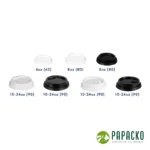
Tapas abovedadas de PLA transparente:
-Visibilidad: Vitrinas transparentes 100% para expositores de ingredientes (frutos secos, semillas, verduras de colores)
-Altura: Estándar (espacio libre de 5-10 mm) o de cúpula alta (20-30 mm para coberturas altas)
-En forma: Cierre a presión (seguro para el transporte)
-Coste: $0,12-0,22 por tapa
-Lo mejor para: Exposición en tiendas, presentaciones de alta gama, atractivo para Instagram
Tapas planas transparentes:
-Perfil: Su diseño de perfil bajo reduce la altura de apilamiento (refrigeración y transporte eficientes)
-Sello: Opciones de ajuste ceñido o con bisagras
-Coste: $0,08-0,15 por tapa
-Lo mejor para: Preparación de comidas (recipientes apilables), elaboración a gran escala
Tapas ventiladas:
-Función: Los pequeños orificios de ventilación evitan la acumulación de condensación (mantienen las verduras frescas)
-Trade-off: No es totalmente hermético (utilizar solo para ingredientes sólidos; servir el aderezo aparte)
-Coste: $0,10-0,18 por tapa
-Lo mejor para: Platos calientes a base de cereales y ensaladas que se consumen en un plazo de 2 a 4 horas
Tapas combinadas con soporte para utensilios:
-Integración: La ranura integrada para tenedores evita tener que empaquetarlos por separado
-Comodidad: Atractivo para el consumidor (puntuación de satisfacción de +18% en las pruebas con usuarios)
-Coste: $0,18-0,30 por tapa
-Lo mejor para: Conceptos de comida para llevar y almuerzos de oficina
Valor de transparencia: Los consumidores de alimentos saludables toman sus decisiones de compra 62% basándose en una evaluación visual de los ingredientes (color, frescura, cantidad).
La psicología del color en los cuencos:
-Blanco/natural: Limpio, fresco, se asocia con la pureza y la salud (el más popular entre las marcas de gama alta)
-Kraft/beige: Posicionamiento rústico, orgánico y respetuoso con el medio ambiente
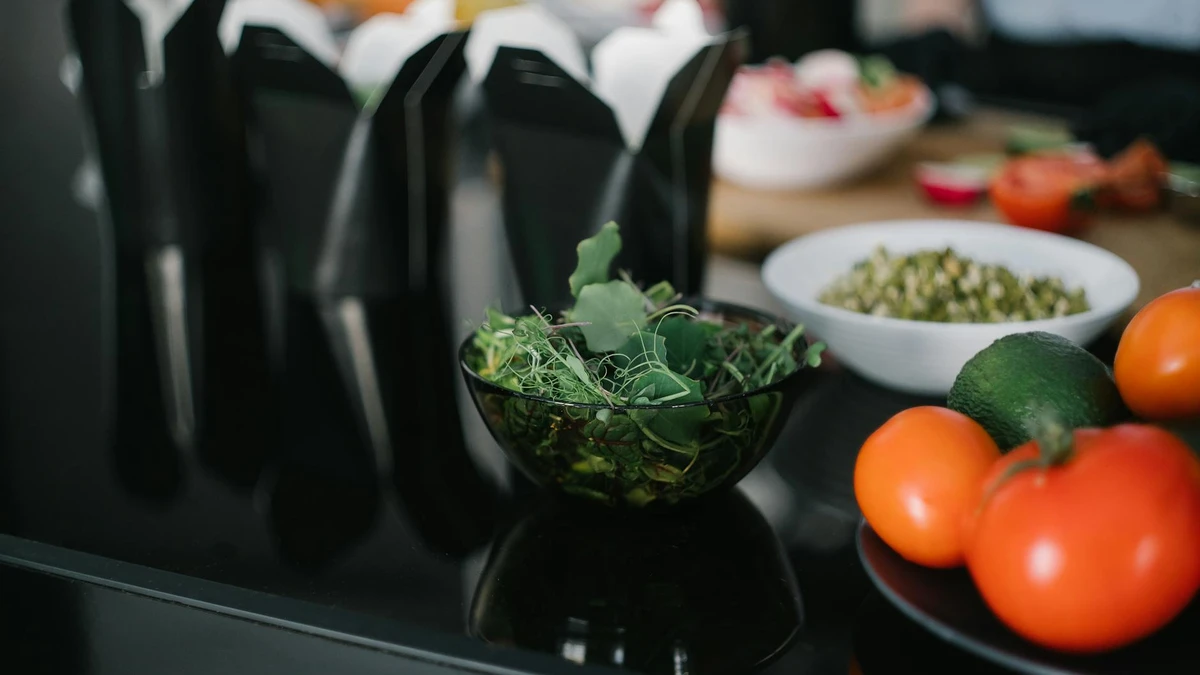
-Negro: Moderno, sofisticado (poco habitual en las ensaladas; queda mejor en los platos de cereales y proteínas)
-Despejar: Máxima visibilidad de los ingredientes (mayor tasa de conversión en entornos minoristas)
Requisitos de etiquetado:
-Información nutricional: Obligatorio para el comercio minorista (calorías, macronutrientes, alérgenos)
-Lista de ingredientes: La transparencia genera confianza (divulgación completa de los ingredientes)
-Declaraciones sobre sostenibilidad: Las certificaciones (BPI, FSC, OK Compost) aumentan el valor percibido en un 22%
-Imagen de marca: Logotipo, eslogan y nombres de usuario en redes sociales en la tapa (sin obstaculizar la visibilidad del producto)
Diseño de ventanas (para cuencos no transparentes):
-La amplia ventana superior (60-80% de la superficie de la tapa) combina la imagen de marca con la visibilidad
-Las ventanas laterales permiten ver los productos en las estanterías en 360°
-Repercusión en el coste: +$0,02-0,05 por cuenco en los diseños con ventana
❌ Error #1: Elegir cuencos demasiado pequeños para las raciones, lo que provoca que se llenen en exceso y que la presentación resulte desordenada
✅ Enfoque correcto: Elige un bol 20% más grande que el volumen de los ingredientes. Para 2,5 tazas de verduras + ingredientes adicionales (500 ml en realidad), utiliza un bol de 24 oz (710 ml). Esto proporciona espacio libre para evitar que se aplasten las verduras más delicadas y permite mezclar sin que se derrame nada.
❌ Error #2: Elegir bagazo o fibra moldeada sin barrera contra la humedad para los ingredientes húmedos
✅ Enfoque correcto: Especifica siempre un recubrimiento de PLA o cera para las ensaladas con aderezos, tomates u otros ingredientes con alto contenido de humedad; es importante que las ensaladeras sean resistentes. La fibra sin recubrimiento absorbe los líquidos en un plazo de 30 a 60 minutos, lo que provoca que el fondo se empape y puede dar lugar a fallos estructurales. El recubrimiento añade entre $0,03 y 0,08 por ensaladera, pero es esencial para la calidad.
❌ Error #3: El uso de envases opacos para las ensaladas preparadas, lo que impide que los clientes vean el producto
✅ Enfoque correcto: Las ensaladas preparadas para la venta al por menor requieren tapas transparentes o envases con ventanas grandes. Los estudios de mercado revelan que el 62% de las compras de ensaladas son decisiones impulsivas basadas en el atractivo visual. Las tapas transparentes de PLA aumentan las ventas en un 28% en comparación con las alternativas opacas, a pesar de que su coste es entre un 15 y un 20% superior.
❌ Error #4: No separar los aderezos, lo que provoca que las ensaladas se empapen en los servicios de reparto o en la preparación de comidas
✅ Enfoque correcto: Incluye envases para salsa de entre 2 y 4 oz (coste: $0,05-0,12) o elige cuencos con compartimentos y secciones separadas para el aderezo. Las ensaladas ya aliñadas se empapan en un plazo de 2 a 4 horas; los aderezos separados conservan su frescura durante 5 a 7 días en el frigorífico.
Los mejores cuencos para ensaladas para las tendencias de alimentación saludable de 2026 son los fabricados con materiales sostenibles como el bagazo (fibra de caña de azúcar), el PLA (plástico de origen vegetal) o el rPET (plástico reciclado), con capacidades de entre 24 y 32 onzas. Estos materiales se ajustan a los valores de los consumidores preocupados por la salud, al tiempo que ofrecen un rendimiento a prueba de fugas y aptos para la refrigeración, ideal para la preparación y el reparto de comidas. Los cuencos de PLA transparente con tapas abovedadas maximizan el atractivo visual en los establecimientos minoristas, mientras que el bagazo ofrece compostabilidad para las marcas con enfoque ecológico. Elige cuencos con tapas de cierre hermético y compartimentos opcionales para aderezos para garantizar una frescura óptima.
Los cuencos para ensaladas estándar para la preparación de comidas tienen una capacidad de 24 oz (710 ml), lo que ofrece espacio para entre 2 y 2,5 tazas de verduras de hoja verde, entre 4 y 6 oz de proteínas, hortalizas y acompañamientos sin que se desborde. Este tamaño permite preparar comidas equilibradas de entre 400 y 600 calorías con las proporciones adecuadas de macronutrientes (40% de verduras, 25% de proteínas, 15% de grasas saludables y 20% de carbohidratos complejos). Para apetitos más grandes o raciones de cena, los cuencos de 32 oz (950 ml) son una buena opción. La regla del espacio libre 20% es fundamental: los cuencos deben ser 20% más grandes que el volumen de los ingredientes para evitar la compresión y permitir mezclar bien el contenido.
Sí, los cuencos para ensaladas sostenibles cuestan entre 25 y 60% más que los de plástico tradicionales. Los cuencos de bagazo cuestan entre $0,25 y 0,45 (24-32 oz), frente a los $0,18-0,28 de los de plástico virgen. Los cuencos transparentes de PLA cuestan entre $0,30 y 0,55, frente a los $0,22-0,35 de los Polietileno_tereftalato” target=”_blank” rel=”noopener”>plástico PET. Aunque el 68% de los consumidores preocupados por la salud prefieren los envases ecológicos, el 44% está dispuesto a pagar un sobreprecio de entre 15 y 25%. Esto permite recuperar el precio mediante una fijación de precios más elevada para los productos: las marcas de ensaladas de gama alta cobran entre $1 y 2 más con envases sostenibles, logrando un margen positivo a pesar de los mayores costes de los envases.
La compostabilidad depende del tipo de material. Los cuencos de bagazo son compostables comercialmente (45-90 días, con certificación BPI); la fibra moldeada es compostable en el hogar o comercialmente (30-60 días); y el PLA solo es compostable comercialmente (90-180 días, no es compostable en el hogar). Los cuencos de rPET son reciclables en los flujos habituales de plástico (recyclables infinitamente). Comprueba siempre la infraestructura local de compostaje y reciclaje: el PLA requiere instalaciones comerciales que no están disponibles en muchas regiones de EE. UU. Indica instrucciones claras de eliminación en el embalaje para garantizar una gestión adecuada al final de su vida útil.
Los cuencos para ensaladas de reparto deben cumplir los siguientes requisitos: (1) Tapas herméticas a prueba de fugas que eviten derrames durante el transporte; (2) Recipientes separados para el aderezo (de 2 a 4 onzas) o diseños con compartimentos para evitar que la ensalada se empape; (3) Materiales resistentes a la compresión (cartón de 280+ GSM o plástico de 1,2 mm+) que no se deformen al apilarlos, (4) Bases uniformes apilables para un empaquetado eficiente en bolsas, y (5) Precintos a prueba de manipulaciones para garantizar la seguridad alimentaria. El bagazo con recubrimiento de PLA o el rPET ofrecen los mejores resultados para entregas de entre 30 y 90 minutos. Los recipientes con compartimentos cuestan entre 30 y 45% más, pero reducen las quejas en un 60%.
La duración de la frescura varía según el material y las condiciones de almacenamiento: el bagazo con recubrimiento de PLA mantiene la frescura entre 5 y 7 días refrigerado; los cuencos de PLA, entre 7 y 10 días; el rPET, hasta 10-14 días; la fibra moldeada recubierta, entre 3 y 5 días; y la fibra sin recubrimiento, menos de 24 horas. Factores críticos: el aderezo debe separarse (las ensaladas aderezadas de antemano se empapan en un plazo de 2 a 4 horas), una refrigeración adecuada (0-5 °C) y tapas con un cierre hermético de calidad. El PLA y el rPET ofrecen la mayor vida útil gracias a sus excelentes barreras contra la humedad, mientras que el bagazo combina la frescura con la compostabilidad para plazos de preparación de comidas de entre 5 y 7 días.
Busca estas certificaciones de terceros: Certificación BPI (ASTM D6400 para materiales compostables (bagazo, PLA, fibra moldeada), Certificación FSC (silvicultura responsable para cuencos de papel), TÜV OK Compost Industrial/Home (norma europea de compostabilidad) y el logotipo «Seedling» (EN 13432 para los mercados de la UE): los cuencos para ensalada son importantes.En cuanto al contenido reciclado, comprueba la certificación SCS Recycled Content o una validación similar realizada por terceros. Estas certificaciones evitan el «greenwashing» y verifican las afirmaciones medioambientales: el 78% de los consumidores preocupados por la salud comprueban las certificaciones ecológicas antes de la compra, lo que las convierte en diferenciadores competitivos que justifican la prima de $0,01-0,03 por unidad.
Los cuencos para ensaladas que se adapten a las tendencias de alimentación saludable de 2026 deben combinar sostenibilidad, funcionalidad y atractivo visual para satisfacer las expectativas cambiantes de los consumidores. Hay que dar prioridad a los materiales compostables, como el bagazo o el PLA, para transmitir un posicionamiento respetuoso con el medio ambiente; a capacidades de entre 24 y 32 onzas, adecuadas para raciones de una comida; a tapas transparentes, que permiten ver el contenido en los puntos de venta; y a soluciones con compartimentos separados para el aderezo, que garantizan la frescura.
Principales conclusiones:
1.Elige materiales sostenibles—El 68% de los consumidores preocupados por la salud prefiere opciones compostables o recicladas (bagazo, PLA, rPET)
2.Dimensiones para el espacio libre de la cabeza del modelo 20%—Cuencos de 24 onzas para almuerzos normales y de 32 onzas para raciones más abundantes, lo que evita que se llenen en exceso
3.Dar prioridad a la transparencia—Las tapas transparentes aumentan las ventas al por menor en un 28% gracias al atractivo visual de los ingredientes
4.Aderezos por separado—Los recipientes o compartimentos específicos prolongan la frescura de 2 a 4 horas a entre 5 y 7 días.
5.Verificar certificaciones—Las certificaciones BPI, FSC y TÜV OK Compost avalan las declaraciones medioambientales y justifican los precios más elevados
-Soluciones sostenibles para la preparación de comidas
-Guía sobre el envasado de alimentos saludables
Papacko suministra a restaurantes de comida saludable, servicios de preparación de comidas y marcas minoristas cuencos para ensaladas ecológicos fabricados con bagazo, PLA y rPET. Nuestra gama incluye capacidades de entre 16 y 48 onzas, tapas abovedadas transparentes, diseños con compartimentos y certificaciones completas de BPI y FSC, con cantidades mínimas de pedido a partir de 5.000 unidades y opciones de personalización para la imagen de marca.
Una vez que quedan claros el material y el tamaño del envase, los compradores suelen pasar a analizar los detalles del sistema de envasado, como las tapas, las ventanas, el diseño de los compartimentos y los programas de envases personalizados.
Póngase en contacto: