¿Está listo para crear sus propios vasos o envases de papel con su marca?
Díganos sus requisitos -tamaño, revestimiento, impresión y destino- y nuestro equipo le preparará un presupuesto detallado en 24 horas.

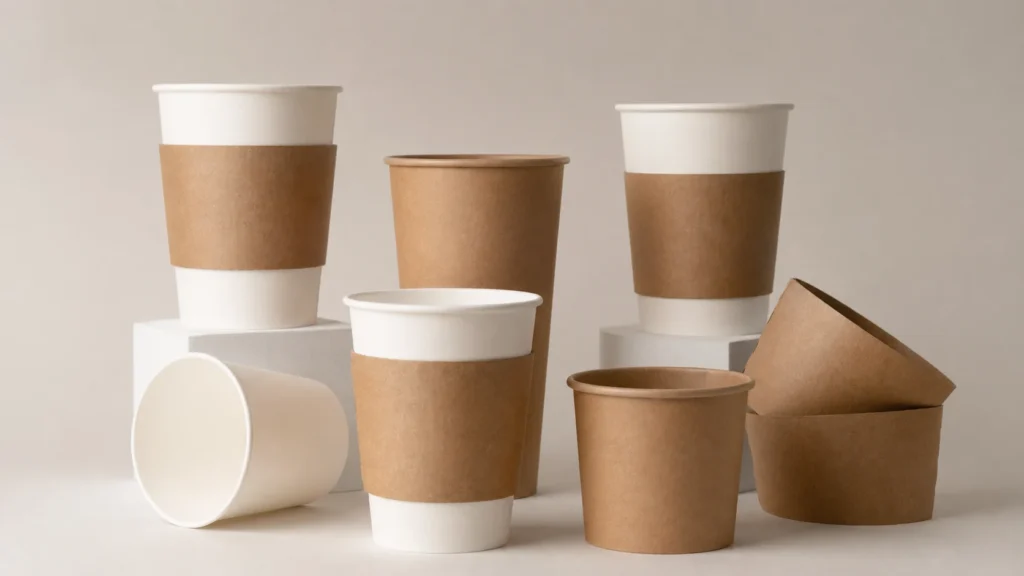
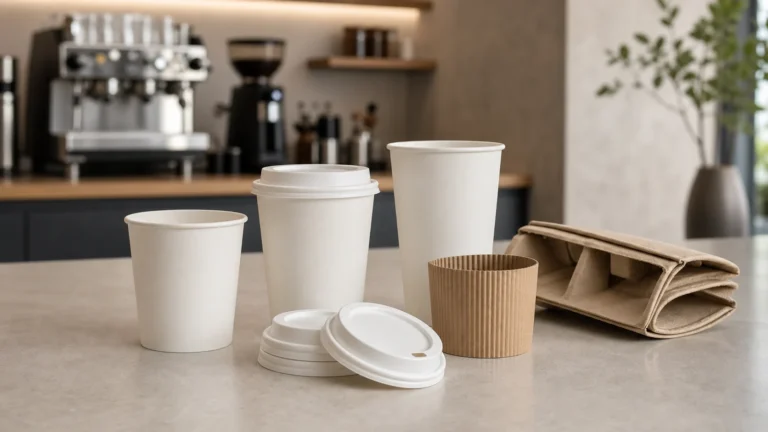
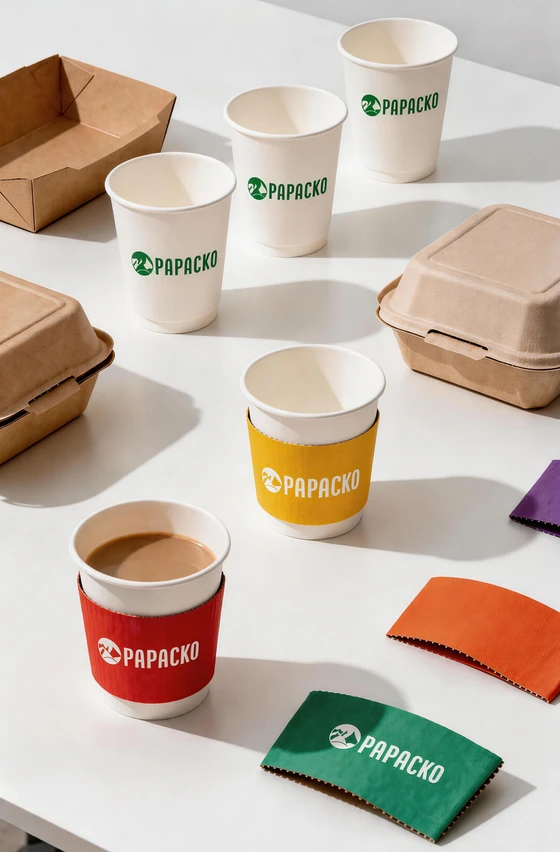
Una funda para taza de café debe ajustarse perfectamente a la taza a la que va a envolver, a la forma en que el personal prepara las bebidas y al mensaje de la marca impreso en ella. Ninguno de estos aspectos queda garantizado por una fotografía del producto. Cada elección depende del SKU específico, de la documentación del proveedor que lo acompaña y de las muestras físicas revisadas por el comprador antes de que se asuma ningún compromiso.
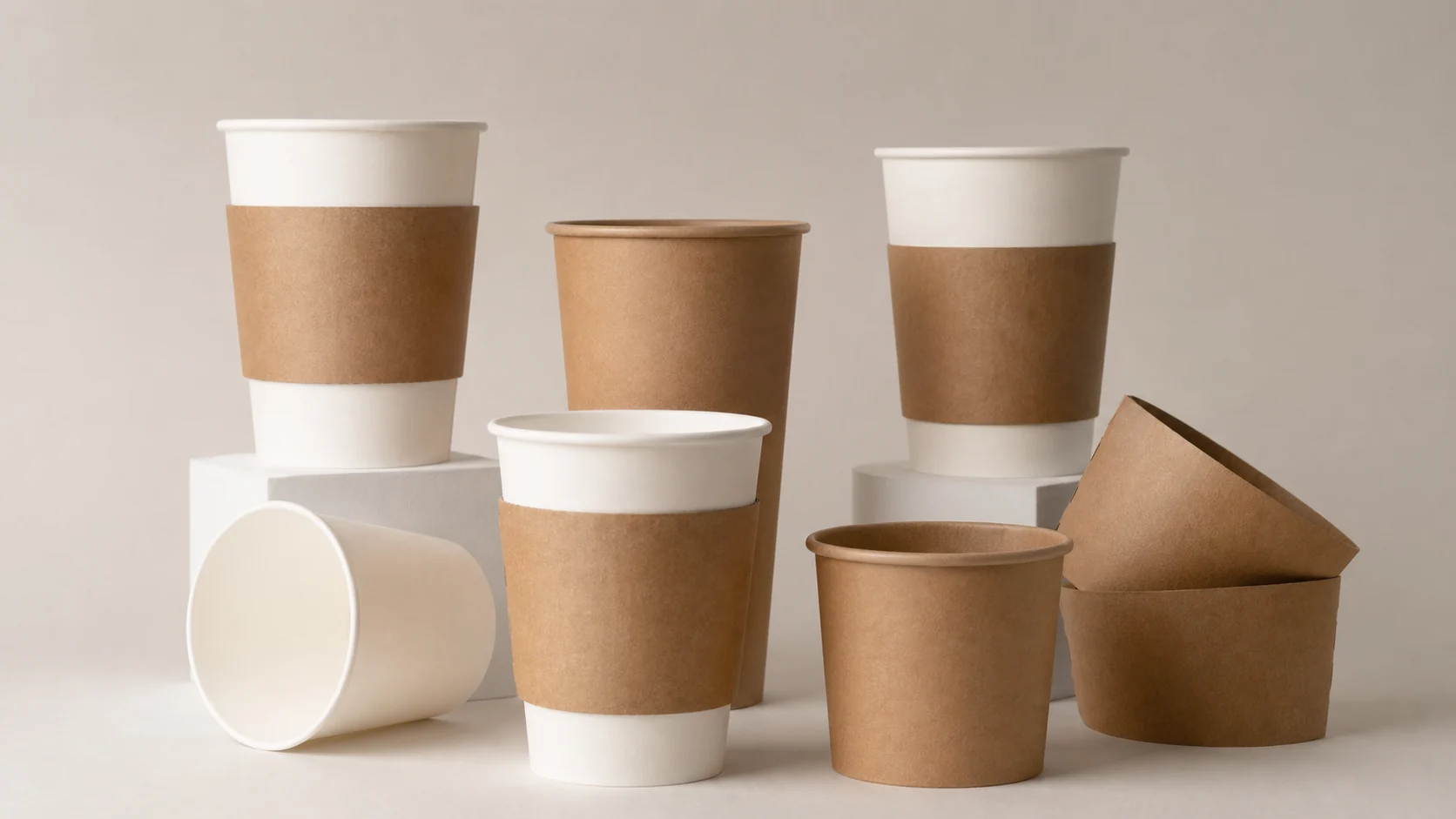
Los compradores suelen considerar el manguito como un detalle secundario una vez tomada la decisión sobre la copa, pero el manguito influye en el agarre, la gestión del calor, el apilamiento y la presentación en el lineal de formas que solo se aprecian en el mostrador. Una funda que parece adecuada en la pantalla puede deslizarse, quedar holgada o aplastarse al colocarse sobre un vaso real en una línea de servicio real. Por eso, las preguntas que figuran a continuación se plantean como pasos de verificación y no como suposiciones. Cuando empieces a reducir las opciones, comienza por el Productos para fundas de vasos de papel Valora todas las ofertas y considera cada una de ellas como un punto de partida para solicitar una muestra, no como una respuesta definitiva.
Lo primero que hay que comprobar es el ajuste, ya que todo lo demás depende de él. Cada manguito está diseñado para un perfil de copa concreto, y las copas difieren en la inclinación de la pared, el diámetro del borde y la forma del cuerpo, incluso cuando parecen similares. Un manguito que se ajusta bien a una copa puede quedar suelto en otra que parezca casi idéntica. No existe un manguito universal que se adapte a todas las copas, por lo que hay que comprobar el ajuste con el código de producto (SKU) exacto de la copa que se vaya a utilizar.

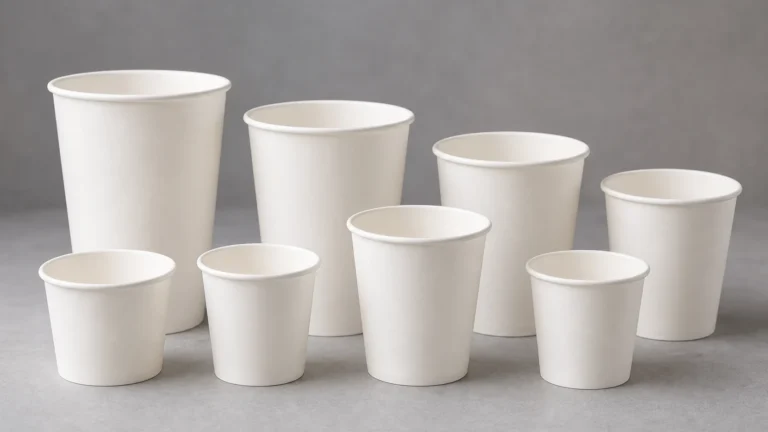
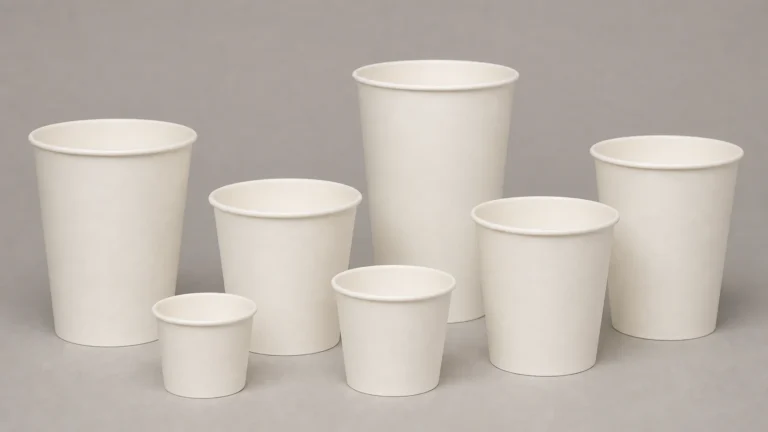
Para confirmar el ajuste, coloca la copa real dentro de la funda real en lugar de comparar las descripciones que figuran en la lista. Comprueba si la funda se mantiene en su posición cuando se levanta la copa, si se puede colocar y retirar sin deformarse, y si queda a una altura constante. Si en tu negocio utilizas más de una talla de copa, comprueba cada talla por separado, ya que una funda adecuada para una puede no servir para otra. Cuando tus copas formen parte de una gama más amplia, comprueba cómo interactúa la funda con tu Sistemas de vasos de papel en su conjunto, de modo que la decisión sobre el ajuste se basa en las copas que realmente tienes en stock y no en una sola muestra.
Se debe documentar la comprobación del ajuste. Anota el código de producto (SKU) de la copa, el código de producto (SKU) de la funda y el comportamiento observado, para que se pueda volver a pedir el conjunto con total confianza y volver a comprobarlo si cambia alguno de los productos.
La facilidad de sujeción y la gestión del calor son motivos habituales por los que los compradores añaden una funda, pero ninguno de ellos se puede deducir a partir de la descripción del producto. Que una funda facilite o no sujetar una bebida caliente depende de su diseño, del vaso que envuelve, de la bebida que contiene y de cómo la sujete el cliente. Estas variables interactúan entre sí, por lo que la única forma fiable de evaluar el manejo es montar la combinación completa y sujetarla tal y como lo haría un cliente.
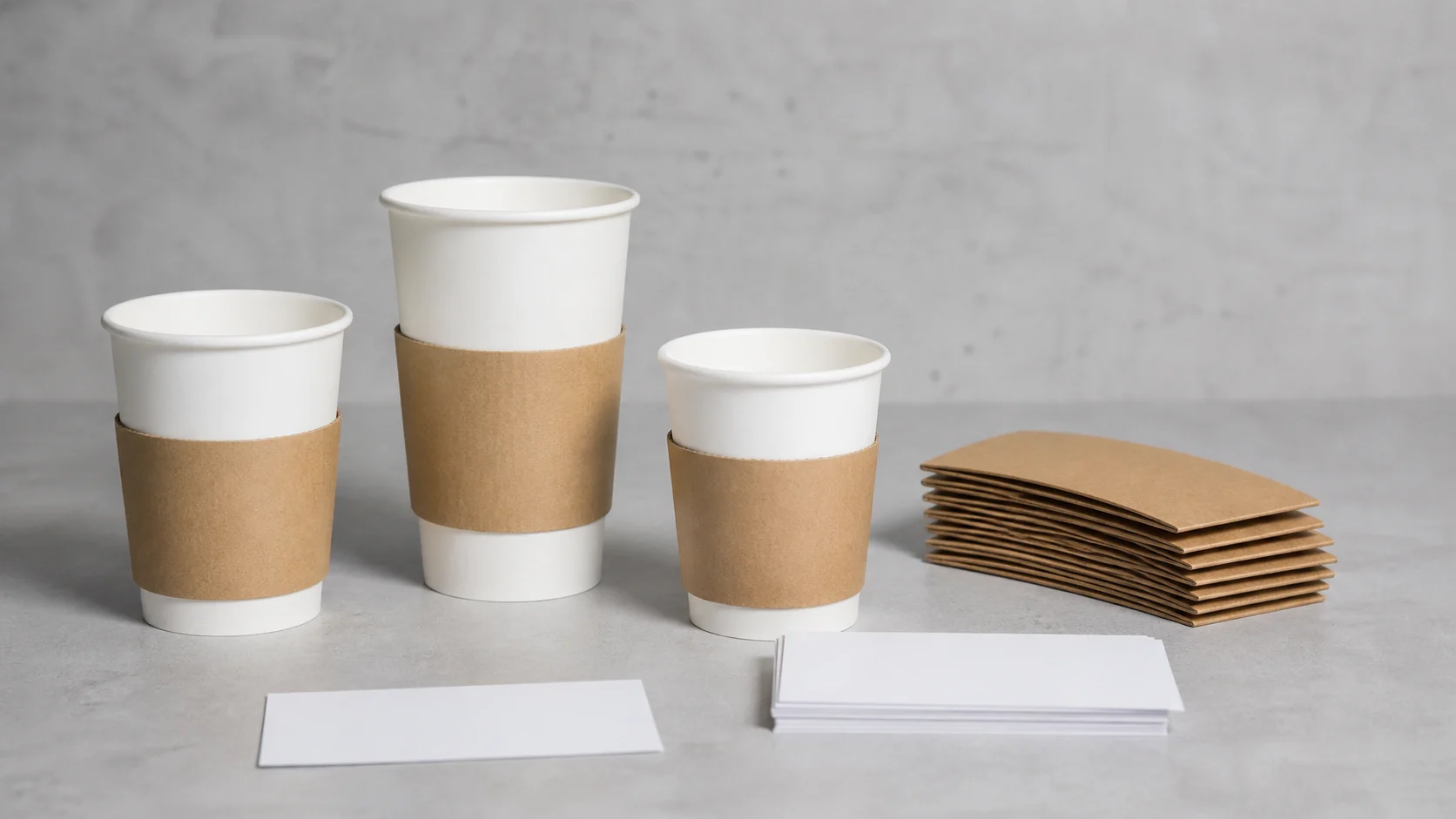
Al examinar las muestras para comprobar su manejo, llena el vaso con un líquido caliente y sostenlo durante el tiempo que lo haría normalmente un cliente. Observa si el agarre resulta cómodo, si la funda se desplaza bajo presión y si se mantiene en su sitio al pasar el vaso por el mostrador. Repite la prueba con las bebidas que sirves habitualmente, ya que una funda que funciona bien con una preparación puede comportarse de forma diferente con otra. No extrayás una conclusión general a partir de un único resultado positivo; una funda que da buenos resultados en una prueba solo lo ha hecho en esa prueba concreta.
El comportamiento aislante es una propiedad del conjunto montado, no del manguito por sí solo, y nunca debe describirse como un resultado universal. Solicita a tu proveedor documentación sobre el uso previsto de la referencia específica y considera dicha documentación como un dato más, junto con tu propio análisis de la muestra, y no como un sustituto del mismo.
Cada pregunta sobre de qué está fabricada una funda, cómo está acabada y cómo debe gestionarse al final de su vida útil es una cuestión que se plantea a nivel de SKU. Dos fundas que parecen iguales pueden estar fabricadas de forma diferente, y esas diferencias afectan al agarre, a la impresión y a las vías de eliminación. Por este motivo, no se debe dar por sentada ninguna característica del material en toda una categoría; hay que confirmarla para el SKU concreto en la documentación del proveedor.
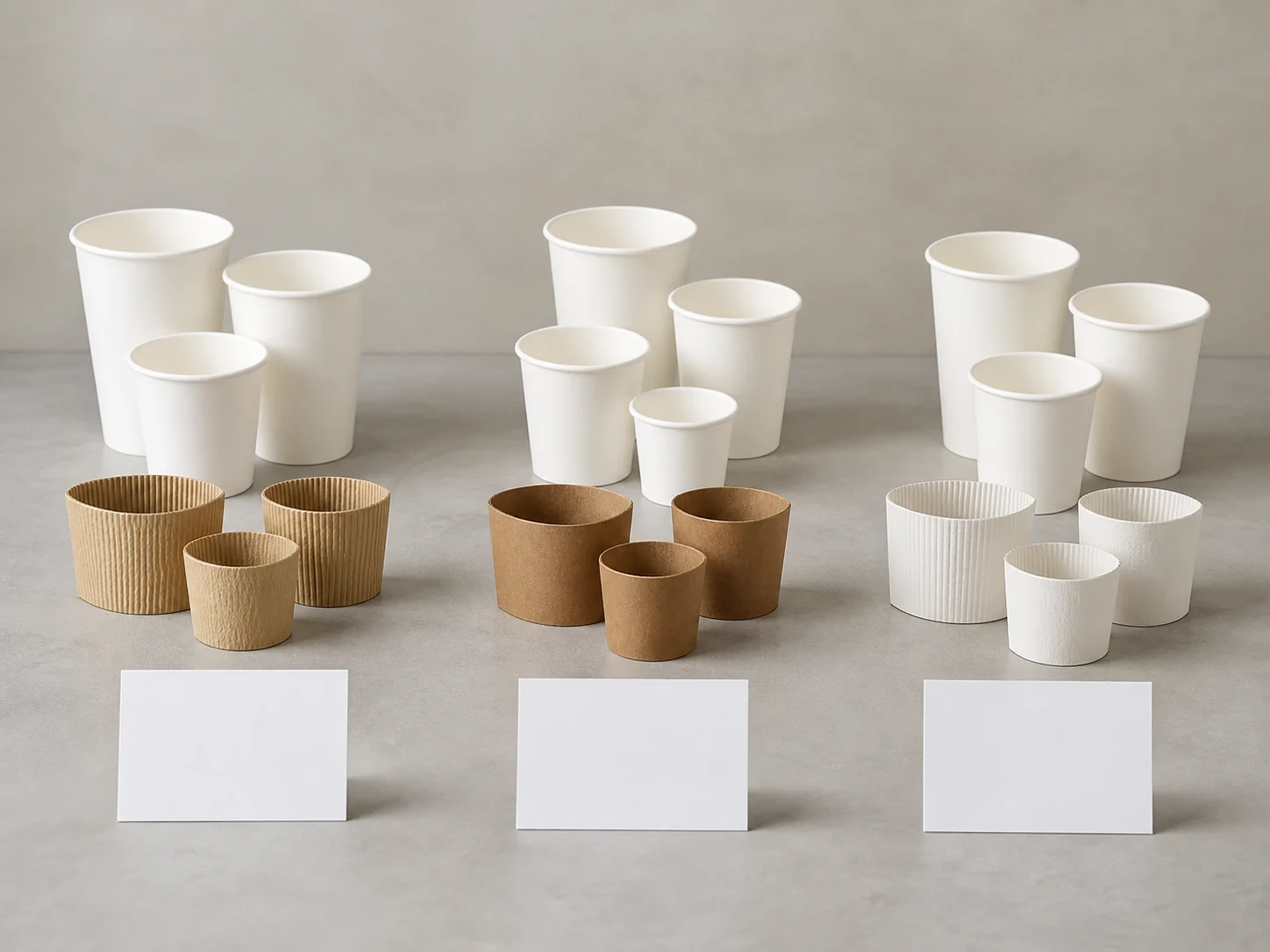
La eliminación y la recuperación son aspectos especialmente propensos a interpretaciones erróneas. Que una funda concreta pueda reciclarse o someterse a compostaje en tu zona depende del producto específico, de las instalaciones locales de las que dispongas y de las indicaciones que te proporcione tu proveedor. No es una característica que se pueda deducir por su aspecto, y nunca debe afirmarse como una regla general. Si tu empresa da prioridad a las vías de valorización, analiza tus objetivos a la luz de la documentación Opciones de vasos de papel ecológicos y confirma cada reclamación a nivel de SKU antes de comunicar nada a los clientes.
Las cuestiones relativas a los materiales también están relacionadas con las consideraciones sobre el contacto con los alimentos. Cuando una funda pueda entrar en contacto con la superficie de consumo o con la propia bebida, revisa la documentación del proveedor sobre las condiciones de uso previstas y consulta el Guía de la FDA sobre tipos de alimentos y condiciones de uso como marco de referencia para las preguntas que hay que plantearse. Úsalo para estructurar tu verificación, no para concluir que una SKU concreta cumple los requisitos.
La funda suele ser la superficie de la marca más visible que tiene el cliente en sus manos, por lo que conviene comprobar la calidad de impresión y la ubicación en una muestra de producción real, en lugar de en una prueba digital. El resultado final de un diseño depende de la superficie de la funda, del método de impresión disponible para esa referencia y del propio material gráfico. Los colores, los detalles más sutiles y la cobertura pueden variar entre la pantalla y el producto acabado, por lo que una prueba física es la única referencia fiable.

Al revisar una muestra de impresión, comprueba el diseño en la funda curvada y montada, en lugar de en plano, ya que al envolverla cambia la forma en que se percibe el diseño. Confirma que los logotipos queden donde esperas una vez que la funda esté colocada en el vaso, que el texto pequeño siga siendo legible y que la impresión resista el contacto con manos húmedas o grasientas. Pregunta si la impresión resiste la forma en que el personal apila y almacena las fundas, ya que los arañazos durante el almacenamiento pueden perjudicar la imagen de marca antes de que la funda llegue al cliente.
La visibilidad de la marca también depende de cómo quede la funda en relación con el resto del embalaje. Si las fundas se envían junto con otros artículos, revísalas junto con tu Sistemas de envasado de alimentos desechables de modo que las superficies con la marca se perciban como un conjunto y no como piezas inconexas. Conserva en tus archivos una muestra de producción aprobada como referencia para futuros pedidos y comprueba cada nuevo pedido comparándolo con ella.
La tabla que figura a continuación compara áreas de decisión en lugar de productos y evita deliberadamente las cifras para que resulte útil para todas las referencias. Úsala para estructurar un análisis de muestra, no para sacar conclusiones por sí sola.
| Ámbito de decisión | Qué hay que comprobar | De dónde viene la respuesta |
|---|---|---|
| Ajuste de la copa | La manga se mantiene en su posición sobre la copa exacta | Muestra física con el código de artículo (SKU) real de la taza |
| Manejo | El agarre resulta cómodo con bebidas de verdad | Muestra montada, tal y como la sujetaría un cliente |
| Comportamiento aislante | Comportamiento de la combinación completa | Revisión de la muestra y documentación del proveedor |
| Material y acabado | Estructura y superficie del SKU | Documentación del proveedor correspondiente a esa referencia |
| Vía de eliminación | Opciones de recuperación en tu zona de actuación | Instalaciones locales y asesoramiento de los proveedores |
| Reproducción impresa | Ilustración en la funda curvada y ensamblada | Prueba física de producción |
Cada fila remite a una muestra, a un documento o a ambos. Ninguna fila puede explicarse únicamente con la descripción del fichero, lo cual constituye el principio fundamental de la selección de fundas.
Una funda que obtenga buenos resultados en las pruebas puede fracasar si no se adapta a la forma de trabajar del personal. Hay que tener en cuenta dónde se guardan las fundas, la rapidez con la que se colocan en momentos de mayor afluencia y si se pueden poner con una sola mano mientras se prepara una bebida. Una funda que ralentice el montaje o que requiera el uso de las dos manos puede provocar atascos, incluso aunque se sujete bien.
Observa un turno de trabajo real antes de comprometerte. Fíjate en cómo el personal recoge, coloca y entrega los vasos con funda, y toma nota de cualquier momento en el que la funda se resista, se rompa o se deslice. Pregunta directamente al personal qué les resulta incómodo, ya que se encontrarán con casos extremos que una revisión controlada puede pasar por alto. Guarda la referencia aprobada en un lugar de fácil acceso y mantén la muestra de referencia cerca para detectar a tiempo cualquier desviación en una entrega. Para obtener un contexto más amplio sobre los formatos y el flujo de trabajo, consulta el Recursos sobre la categoría de vasos de papel puede servir para estructurar la formación interna y reorganizar los apuntes.
Una revisión estructurada de las muestras convierte las impresiones dispersas en una decisión que puedas defender. Empieza por hacer una lista de los códigos de producto (SKU) exactos de los vasos, las bebidas que sirves y la imagen de marca que debes mostrar. Solicita muestras de cada código de producto (SKU) de funda candidato y combínalas con los vasos y las bebidas reales, en lugar de utilizar sustitutos.
Analiza el ajuste, el manejo, las cuestiones relacionadas con el material y las vías de eliminación, e imprime por orden, anotando lo que observes en cada caso. Involucra al personal que utilizará las fundas a diario y recoge sus comentarios junto con los tuyos. Asegúrate de que cada observación se refiera a un SKU concreto, ya que una revisión que mezcle productos no permite realizar un pedido de reposición preciso. Una vez finalizada la revisión, conserva las muestras aprobadas y la documentación como referencia para el próximo pedido.
Un pliego de condiciones claro agiliza las conversaciones con los proveedores y las hace más precisas. Facilita los códigos de producto (SKU) exactos de los vasos, el contexto de tu servicio, tus requisitos de imagen de marca y cualquier prioridad que tengas en materia de eliminación de residuos. Solicita documentación relacionada con los códigos de producto (SKU) específicos de las fundas que estés barajando y pide muestras físicas para que puedas realizar tu propia evaluación en lugar de basarte únicamente en las descripciones.
Enmarca la conversación como un proceso de verificación. Pregunta qué documentación recoge el uso previsto, cómo se comporta el método de impresión con tu diseño y cómo se espera que se maneje y almacene la funda. Considera cada respuesta como algo que debes contrastar con una muestra, y mantén un registro de los SKU, los documentos y las muestras en los que te basaste para tomar tu decisión final, de modo que los futuros pedidos se basen en pruebas y no en la memoria.
Este artículo es una guía editorial sobre cómo evaluar las fundas para tazas de café, no una especificación, recomendación ni afirmación sobre ningún producto en concreto. No afirma que ninguna funda aísle, ofrezca un buen agarre, permita la impresión, sea reciclable, apta para el compostaje, cumpla con la normativa o se adapte, ya que esos resultados dependen del código de producto (SKU) concreto, de la documentación del proveedor y de las muestras físicas en su propio entorno. Nada de lo aquí expuesto debe interpretarse como una garantía.
Los compradores siguen siendo responsables de la verificación. Confirma cada característica en relación con el SKU específico, revisa la documentación del proveedor, realiza tus propias pruebas con tus propios vasos y bebidas, y comprueba las vías de eliminación en función de las instalaciones disponibles en el lugar donde operas. Cuando el contacto con alimentos sea relevante, utiliza directrices reconocidas para estructurar tus preguntas y confirma las respuestas a nivel de SKU antes de comunicar nada a los clientes.
No. El ajuste depende del perfil exacto de la copa, y una funda diseñada para una copa concreta puede que no se ajuste a otra que parezca similar. Comprueba el ajuste colocando la copa real dentro de la funda correspondiente para cada referencia de copa que utilices, en lugar de fiarte de la descripción del producto.
El manejo depende de la funda, la taza, la bebida y la forma en que el cliente la sujeta. Monta la combinación completa, llénala con un líquido caliente y sujétala como lo haría un cliente. Evalúa cada bebida por separado y considera que un único resultado positivo corresponde específicamente a esa prueba.
No. La eliminación y la recuperación dependen del SKU concreto, de las instalaciones disponibles en el lugar donde operas y de las instrucciones del proveedor. Confirma cada procedimiento a nivel de SKU y compáralo con tus opciones locales antes de dar cualquier información a los clientes, y evita hacer afirmaciones generales sobre la eliminación.
Solicita una prueba física de producción y revisa el diseño en la funda curvada y montada, en lugar de en una prueba digital plana. Confirma la ubicación del logotipo una vez que la funda esté colocada en el vaso, comprueba que el texto pequeño siga siendo legible y comprueba si la impresión resiste la manipulación y el almacenamiento.
Solicita documentación relacionada con el SKU exacto de la funda, en la que se describa su fabricación, las condiciones de uso previstas y cómo debe manipularse. Utiliza las directrices reconocidas sobre contacto con alimentos para estructurar tus preguntas y considera los documentos del proveedor como información de referencia para tu propio análisis de muestras.
Pide al personal que vaya a colocar las fundas a diario que pruebe los productos durante un turno real. Observa la rapidez con la que se colocan las fundas, si se pueden poner con una sola mano y en qué puntos ofrecen resistencia o se deslizan. Anota sus comentarios junto a cada referencia para que la elección final refleje el flujo de trabajo real.