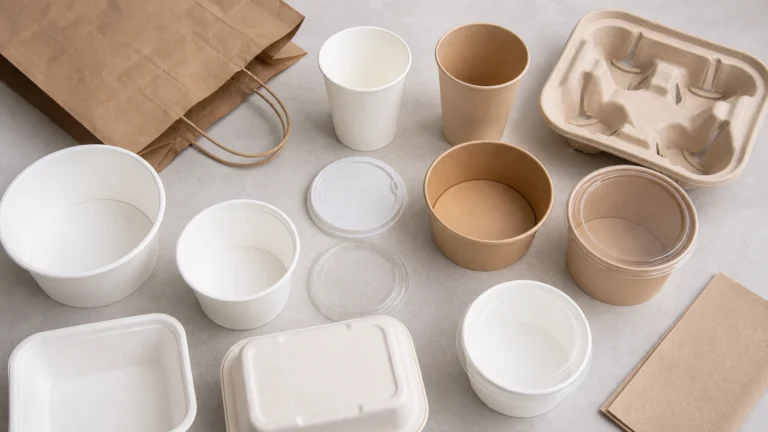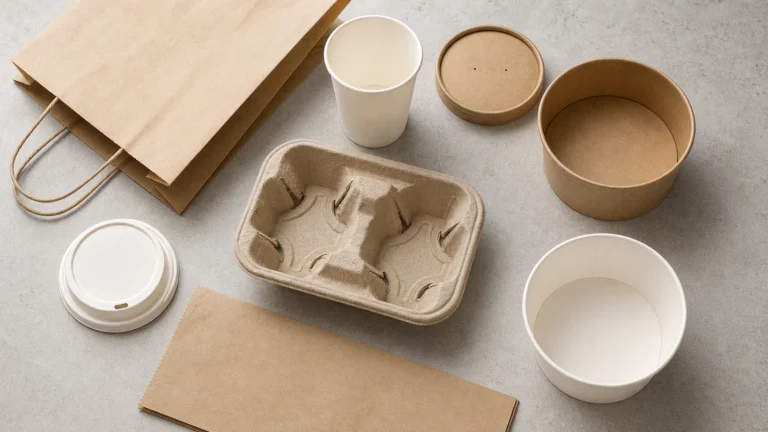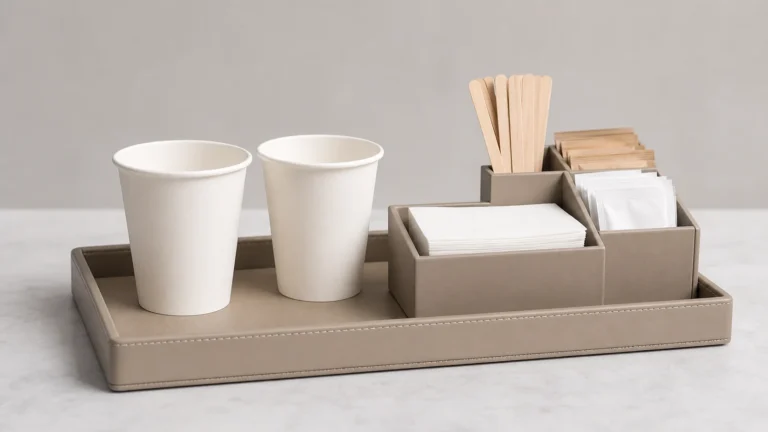
¿Está listo para crear sus propios vasos o envases de papel con su marca?
Díganos sus requisitos -tamaño, revestimiento, impresión y destino- y nuestro equipo le preparará un presupuesto detallado en 24 horas.

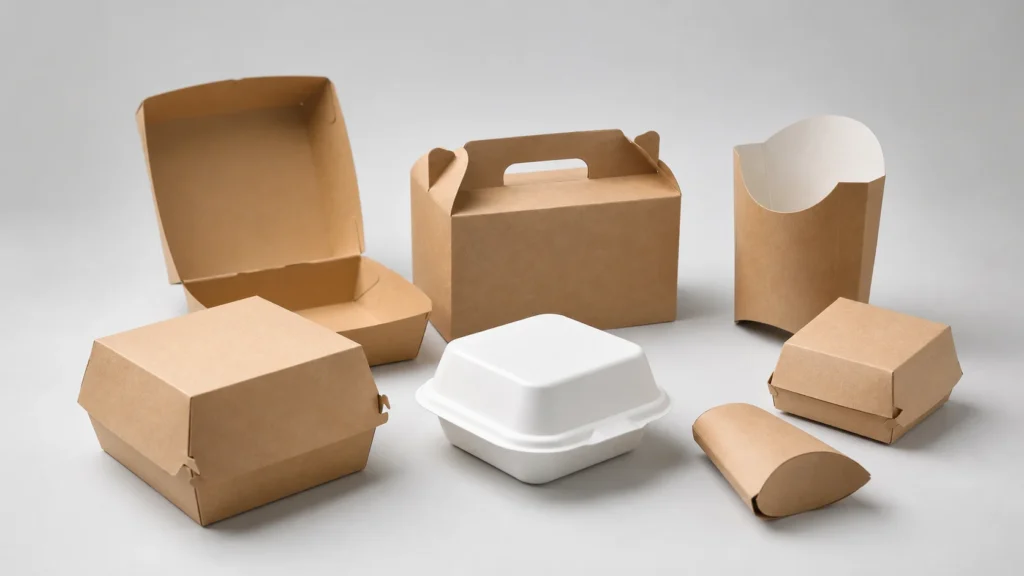
QSR packaging has to support a tightly connected system: kitchen assembly, counter handoff, customer carry, delivery dispatch and disposal. A container that looks suitable in a catalogue can still create avoidable delays if it is awkward to open, difficult to stack, incompatible with the intended food or mismatched with the brand’s operating routine. The practical starting point is therefore not a generic format claim, but the exact menu item, service route and SKU being evaluated.
This guide is for procurement and operations teams reviewing containers for burgers, meals and delivery. It sets out a decision process that uses supplier documentation, representative samples and real service-line checks rather than assuming that a material or format will perform the same way in every restaurant.
Build QSR packaging around the menu and workflow first. Map each food item to its hold, carry and delivery conditions; review the exact container, closure and accessory system; then approve representative samples in a peak-like service test before a volume release. Repeat the review whenever a SKU, supplier, menu item or service route changes.
The same restaurant may need several packaging jobs: a burger eaten immediately, a meal collected at the counter, a bowl carried to a workplace and a multi-item delivery order. Each route creates different handling and timing requirements. Mapping the menu before selecting formats helps a buyer avoid ordering one container style simply because it appears versatile.
For every menu group, record the food’s shape, moisture and grease characteristics, assembly sequence, intended hold period, number of components, handoff route and likely customer handling. Ask whether a container must be carried one-handed, placed in a bag, combined with a drink, delivered by a third party or eaten in a vehicle. These are operational questions, not promises about a particular product.
Broad envases para alimentos can be a useful starting point for format comparison, but the final decision should be tied to the named product and actual menu application.
Burgers place particular demands on the service line because the food is assembled quickly, can include sauces and warm components, and is commonly paired with fries or drinks. A burger box, wrap or clamshell needs to be evaluated with the full order, not as an isolated item. Staff need to be able to load it consistently, close it without disrupting presentation and place it into the intended bag or tray without adding unnecessary motions.
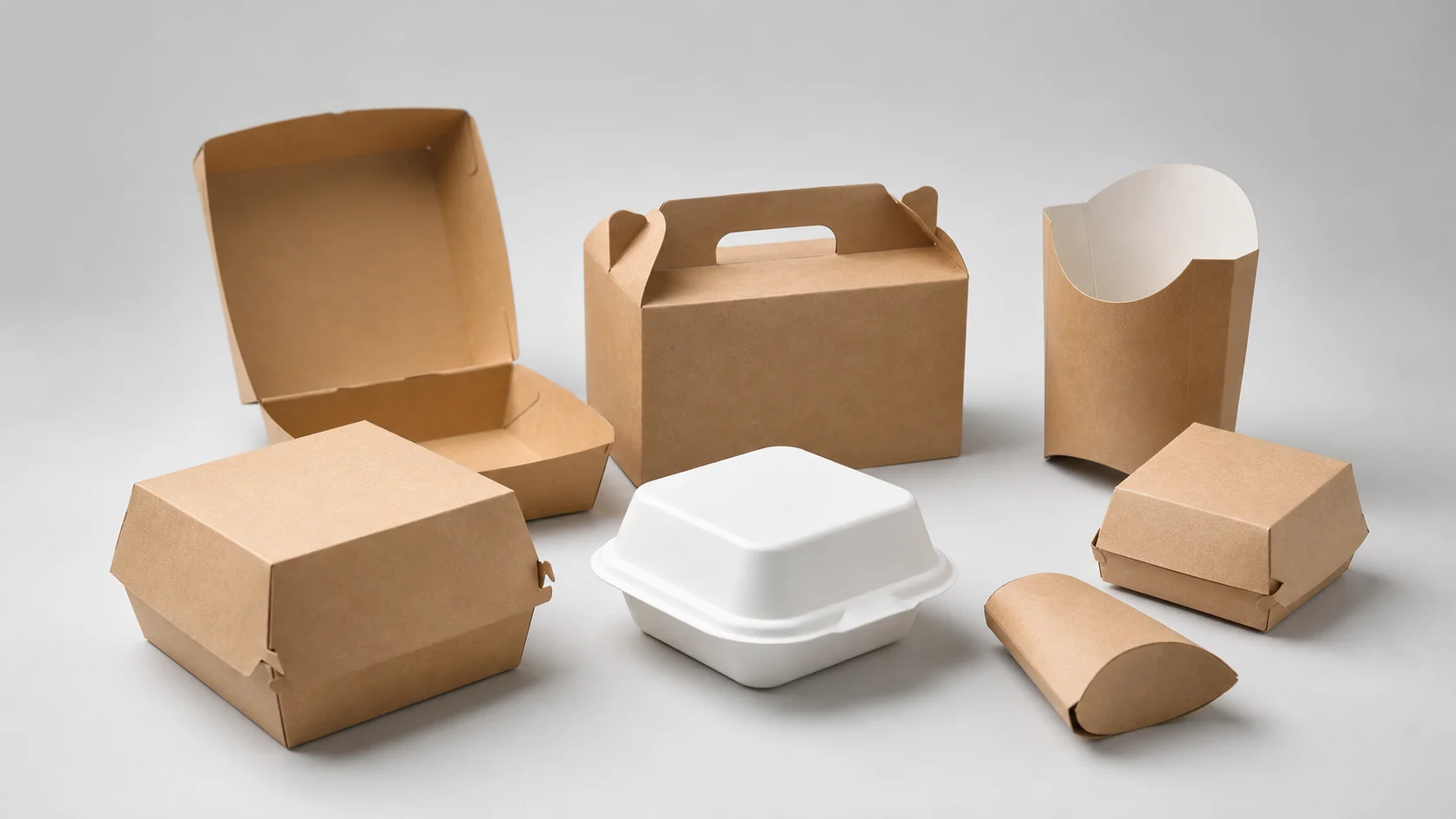
Al revisar cajas para hamburguesas, check the exact SKU with the intended burger build and service routine. Consider whether the closure is intuitive for staff, whether the container fits the handoff area, whether it works with the required bags and whether it remains manageable after the realistic carry or dispatch period. These checks should be conducted with representative samples; a generic product name does not establish a result.
Meals often combine a main item, sides, sauces and optional add-ons. The selection process should identify which components need separation, which may travel together and where a loose or incompatible closure could create a problem. It should also consider the portioning tools and assembly sequence that staff use at peak periods.
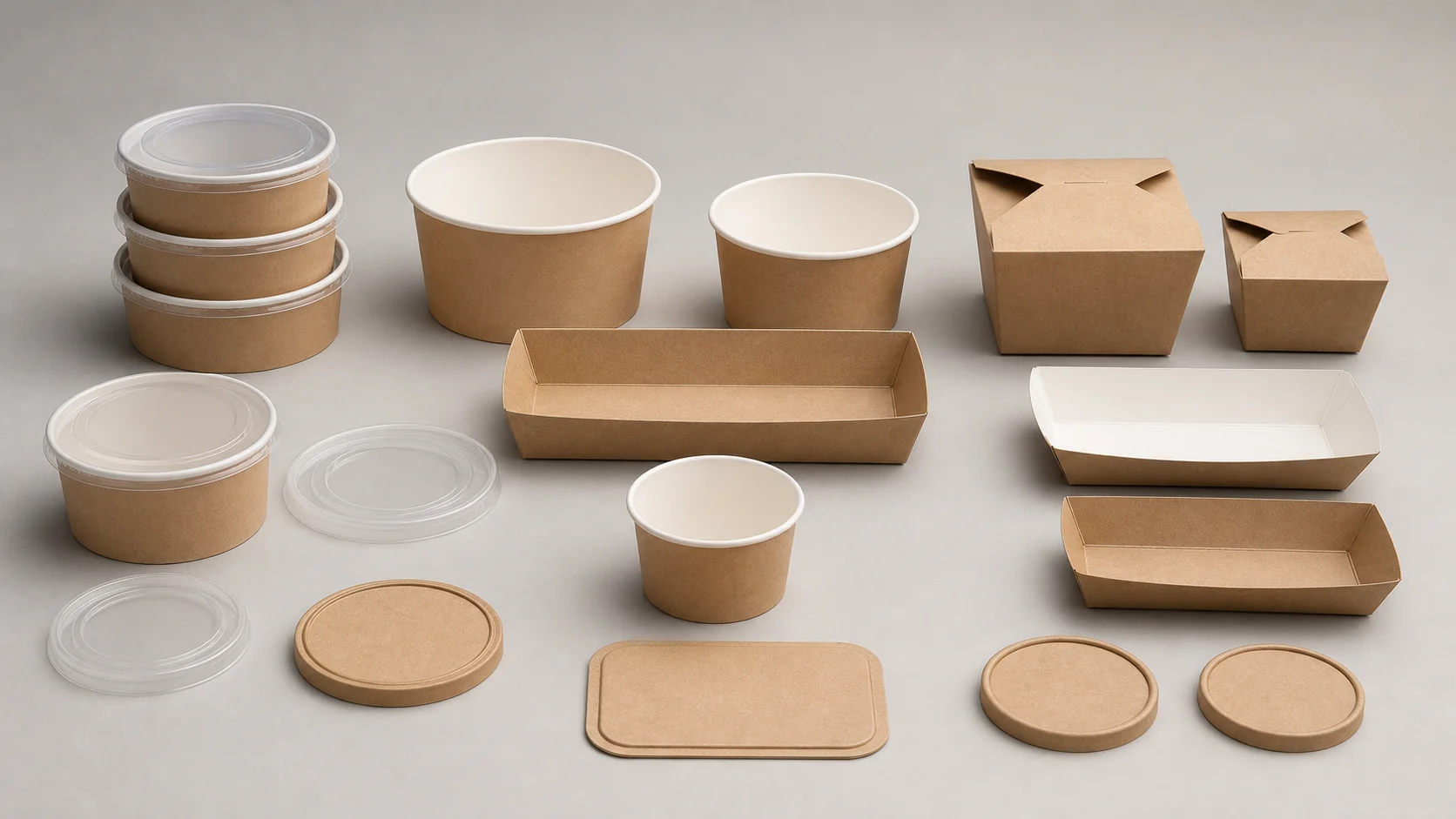
For bowls, trays and divided formats, confirm the actual dimensions, lid relationship and intended food application with the supplier. Cuencos de papel kraft may be relevant to particular menu concepts, but material appearance alone is not evidence of suitability for any specific food, liquid level or hold condition.
An operational review is most useful when it compares alternatives against the same menu item. Teams can record loading steps, packing sequence, storage footprint, component fit and staff feedback. The result is a decision record that explains why a particular system was selected rather than a broad claim that one category is universally best.
Service speed is created by a sequence of small actions: retrieving a container, filling it, closing it, adding accessories, placing it in a bag and handing it over. A container can increase friction if it requires complex assembly, lacks a clear stack orientation or cannot be handled with the tools already used at the station.
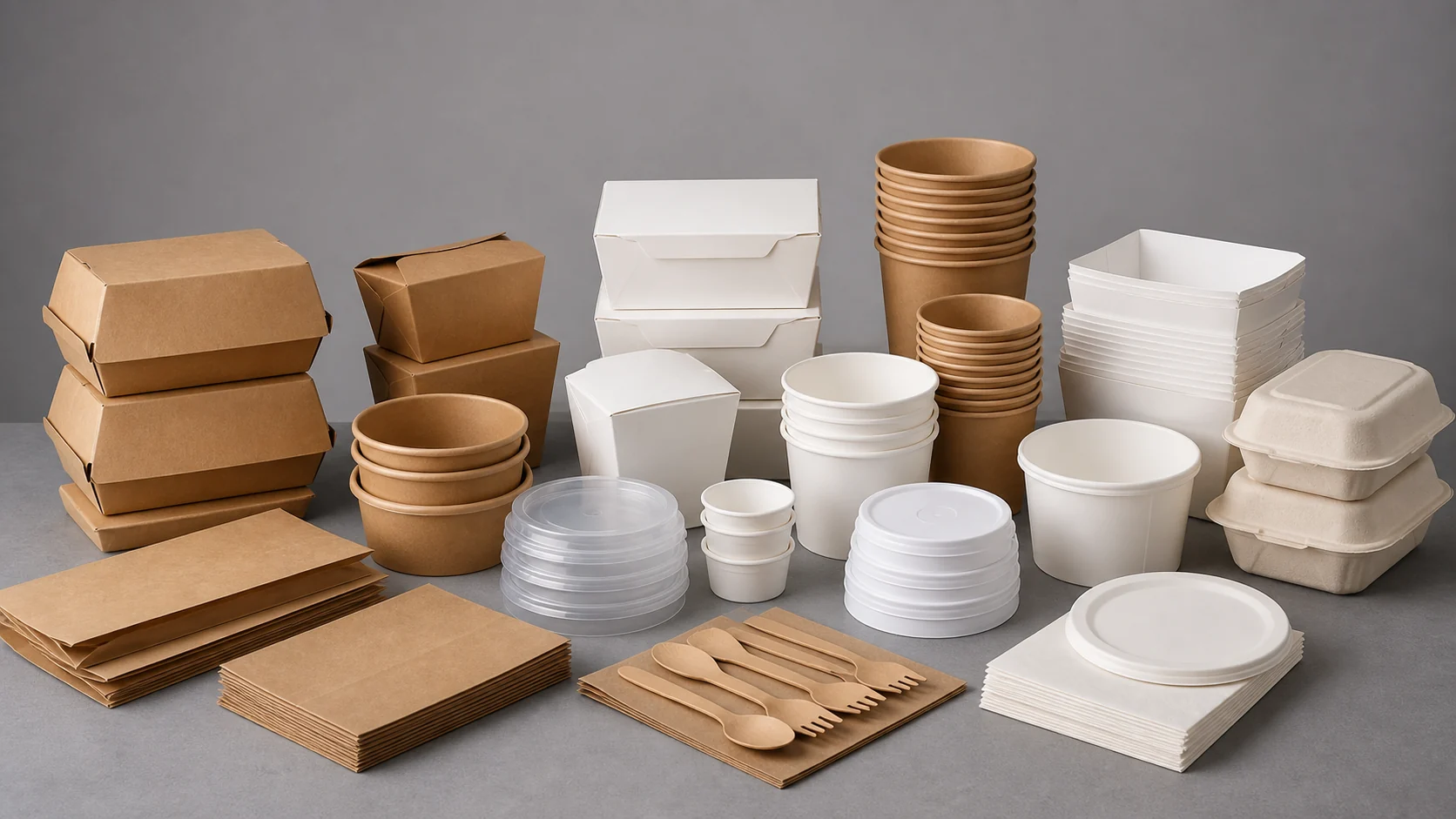
Before approving a change, set up a short peak-service simulation. Use staff who normally work the station, the intended food and the actual storage positions. Observe where reaching, folding, closing or bagging becomes inconsistent. This does not create universal performance data; it identifies questions for the supplier and operations team before a large order is committed.
The goal is consistency. A slightly different format may be acceptable if the process is clearly documented, but a new component should not silently add uncertainty to a high-volume line.
Delivery packaging must be reviewed as an order system. The relevant route may include bagging, shelf staging, courier pickup, vehicle transport and customer carry. Individual containers can interact with one another once they are grouped in a bag, especially when drinks, sauces and hot or cold items are combined.
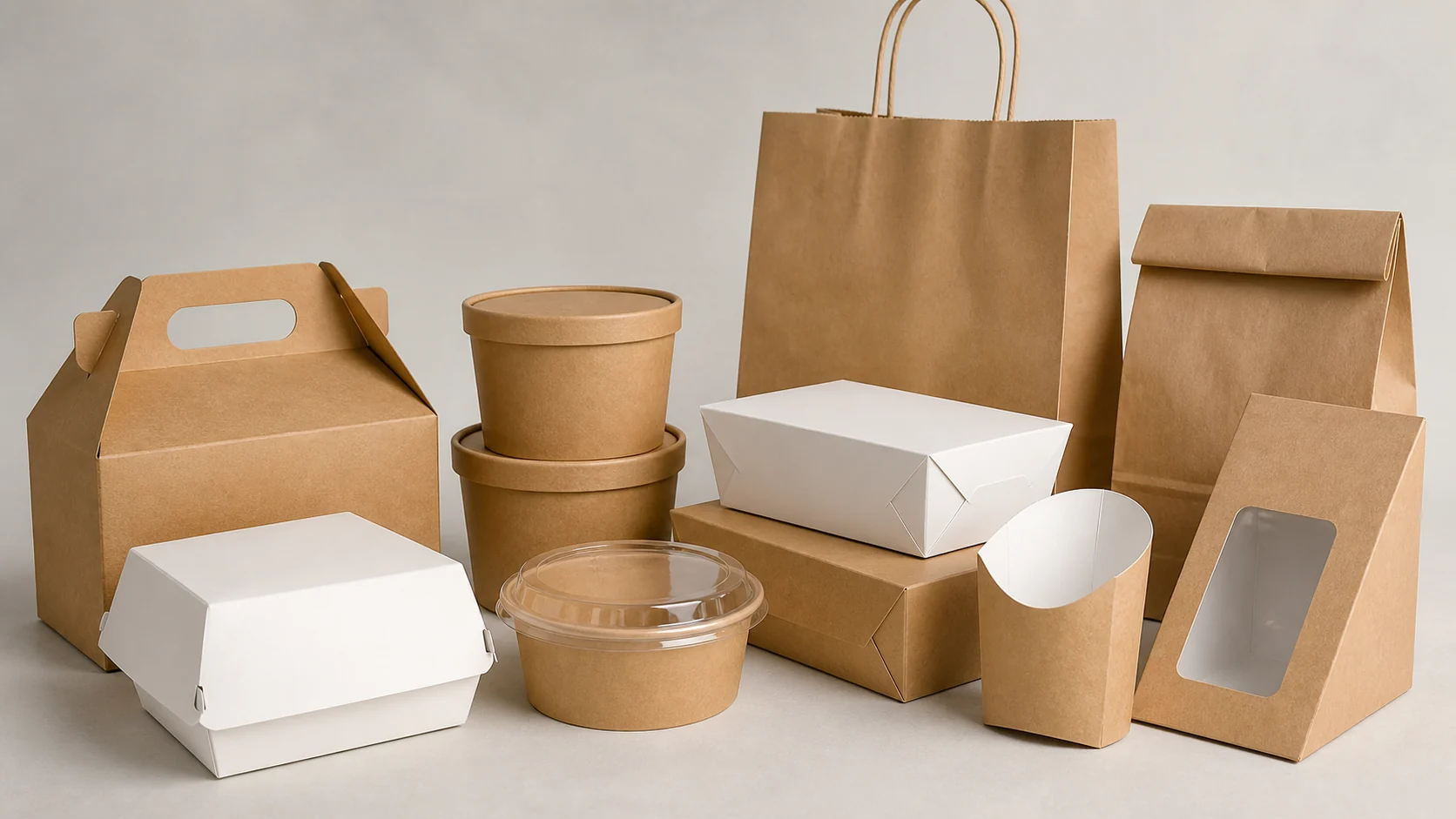
Use a representative order build for the review: the normal containers, actual accessories, expected bag configuration and likely handoff method. Look for practical issues such as component movement, difficult bag loading, unclear order separation or a closure that requires rework. Avoid treating a category label such as “delivery packaging” as a guarantee of transport performance.
Takeaway packaging should likewise be considered in the context of a named menu and route. The buyer needs an evidence trail for the exact products used, not a general description of a material family.
Procurement should request current documentation for the selected SKU and its intended application. The necessary documents depend on jurisdiction, product construction and how the item will be used. For US food-contact contexts, the FDA food contact substances framework provides useful regulatory background, but it does not replace product-specific information supplied for the material, coating, ink or liner in question.
Keep the documentation associated with the order record. If a supplier, product construction or intended application changes, the prior file should not be assumed to cover the replacement. The same care applies to environmental language: recycling, compostability and disposal outcomes depend on the exact product and the collection system available in the relevant market.
A representative sample gives brand, procurement and operations teams a common object to review. It can be used to inspect fit, handling, artwork where relevant, packing sequence and supplier identifiers. The sample should be recorded against the exact SKU and version being considered.
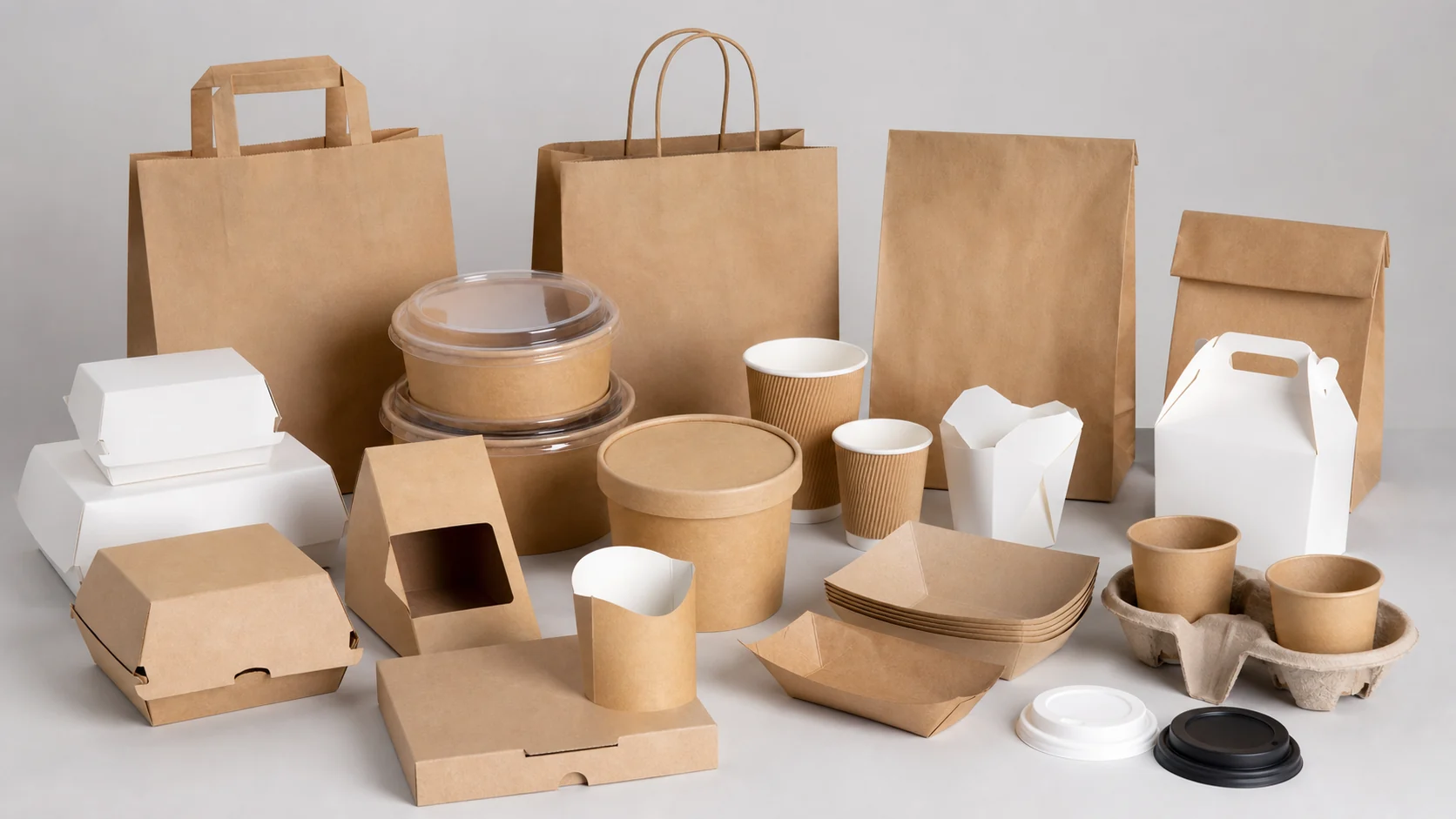
Create a concise approval checklist before release:
For wider restaurant programs, envases alimentarios desechables decisions should be coordinated across related containers so that the operational system remains understandable. That does not mean every item needs the same material or format; it means the exceptions should be intentional and documented.
Approval is not permanent. Revisit the relevant checks when the supplier, SKU, material, coating, lid, menu build, location, packaging line or service route changes. A new delivery platform, a different bag, a reformulated item or a supply substitution can all change the original conditions.
Central control matters especially when a group operates multiple locations. Record the approved SKU and any permitted substitute, then give teams a clear route for reporting shortages. This limits unreviewed substitutions that can erode operating consistency.
QSR packaging decisions are shared by kitchen staff, counter teams, delivery coordinators, procurement and brand owners. The most useful process gives each group a clear moment to review the specific container system before an order becomes difficult to reverse.
Exact product claims require exact evidence. Supplier documentation and representative samples are the appropriate primary sources for construction, food-contact and component-fit questions. The FDA framework supplies context for US food-contact materials, while local legal and operational requirements may add further conditions.
Use the guide as a project sequence: map the menu and route, request exact-SKU information, test a representative order under normal workflow, record approval and retain the evidence with the reorder process. Repeat the relevant steps when the original system changes.
Start with the exact food build and service route, then review candidate SKUs with supplier information and representative samples before a volume commitment.
No. Review the exact box with the intended burger, bag, accessories and representative delivery order before approval.
Check the named components together for fit, staff handling, packing sequence and the intended application.
Run a peak-like service review and identify extra reaching, folding, closing or bagging steps before a rollout.
Keep the exact SKU reference, current documentation, approved sample record and any agreed component or substitution controls.
Re-approve the relevant system when the SKU, supplier, material, menu build, lid, bag, service route or market requirement changes.