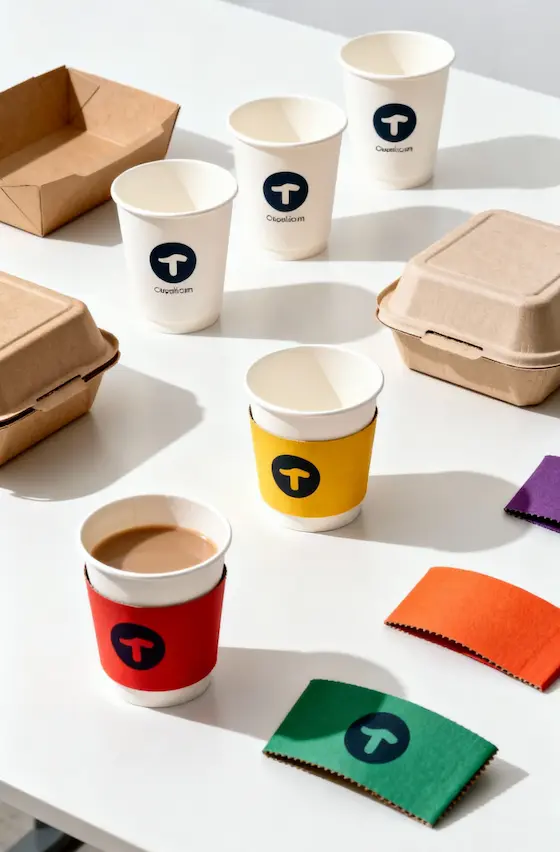
¿Está listo para crear sus propios vasos o envases de papel con su marca?
Díganos sus requisitos -tamaño, revestimiento, impresión y destino- y nuestro equipo le preparará un presupuesto detallado en 24 horas.

Última actualización: Noviembre de 2025
Tiempo de lectura: 8-10 minutos
Autor: Equipo de contenidos de Papacko
Todas las cafeterías y restaurantes de servicio rápido se enfrentan al mismo reto: ¿cómo pueden los clientes llevar de 3 a 6 bebidas de forma segura, sin derrames, incomodidades ni incómodos equilibrios? Estándarportavasos y las bandejas de cartón endebles provocan accidentes, frustración de los clientes y desperdicio de producto. La solución está en los portabebidas múltiples de diseño ergonómico que distribuyen el peso uniformemente, evitan los vuelcos y facilitan los pedidos en grupo.
En esta guía se examina la biomecánica del transporte de varias bebidas, se comparan diseños de portavasos de 2 a 6 tazas y se ofrecen estrategias de aprovisionamiento para empresas que abarcan desde cadenas de autoservicio hasta establecimientos de restauración.
En este artículo aprenderás:
-Principios ergonómicos que evitan tensiones y derrames al transportar varias bebidas
-Variaciones de diseño (2 tazas, 4 tazas, 6 tazas) y características estructurales para la estabilidad
-Elección de materiales equilibrio entre resistencia, sostenibilidad y coste
-Oportunidades de personalización para marcar accesorios de alta visibilidad
💡 Comida rápida para llevar: Los portabebidas mal diseñados provocan el 15-20% de todos los derrames de bebidas durante el transporte.
Los portavasos optimizados ergonómicamente con equilibrio del centro de gravedad, asas reforzadas y adaptabilidad del tamaño de los vasos reducen los derrames a <3%, al tiempo que mejoran las puntuaciones de satisfacción de los clientes entre 18 y 24%.
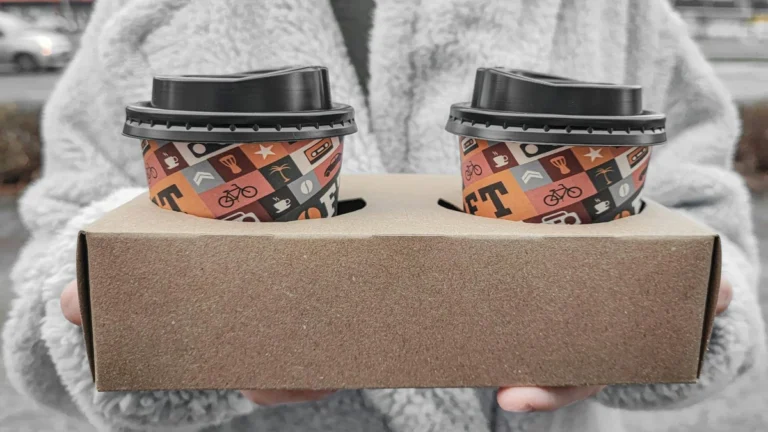
Los portabebidas múltiples (también llamados portavasos, bandejas para bebidas o caddies para bebidas) son recipientes portátiles diseñados para sujetar y transportar de 2 a 6 tazas o botellas simultáneamente. Se caracterizan por:
-Ranuras individuales para tazas con soportes cónicos o moldeados para evitar desplazamientos
-Asa(s) reforzada(s) posicionado para equilibrar el peso cargado
-Construcción plegable o apilable para un almacenamiento eficaz
-Materiales resistentes a la humedad para evitar fallos estructurales por condensación
Configuraciones comunes:
Categorías de materiales:
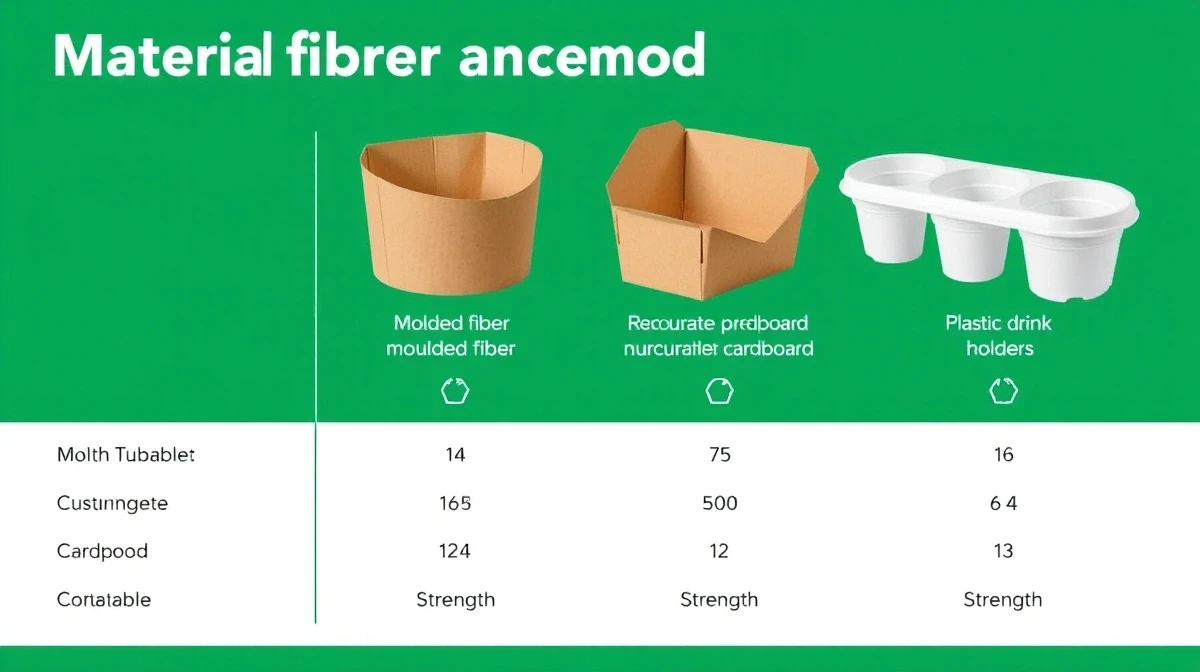
-Fibra moldeada (pasta de papel reciclado): Ecológico, biodegradable, resistencia moderada
-Cartón ondulado: Ligero, imprimible, rentable
-Plástico (PP, PET): Reutilizable, de alta resistencia, no biodegradable
-Híbrido (cartón + inserto de plástico): Combina espacio de marca y durabilidad
🎯 Perspectiva del sector: El cambio de Starbucks de bandejas de plástico de 4 tazas a soportes de fibra moldeada en 2020 redujo los residuos de plástico en 1,2 millones de libras al año, manteniendo al mismo tiempo una tasa de éxito de transporte del 99,2% (sin derrames durante la entrega al vehículo).
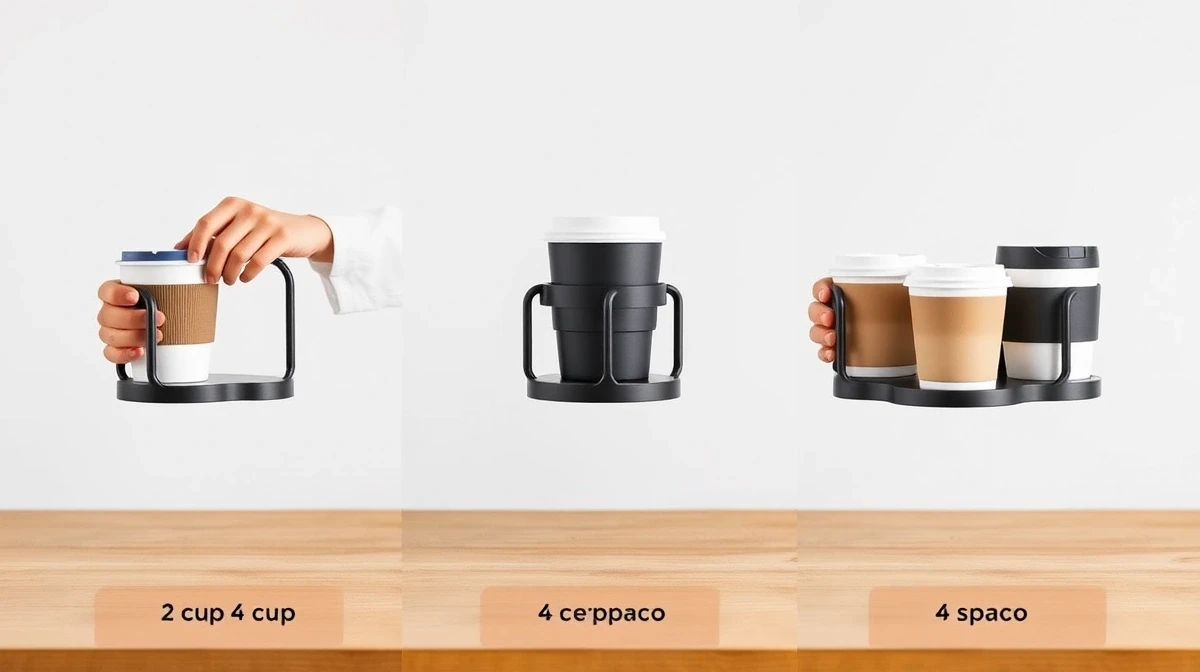 tazas de café, mostrando er” class=”wp-image-flux” style=”border-radius: 12px; box-shadow: 0 4px 12px rgba(0,0,0,0.1);”/>
La física del transporte de bebidas:
Cuando se transportan varias bebidas, la estabilidad depende de mantener el centro de gravedad de la carga directamente por encima de la empuñadura. Los diseños asimétricos causan torsión rotacional, lo que provoca vuelcos.
Análisis de distribución de cargas:
Recomendación: Para portavasos de 4+ tazas, rejillas cuadradas o circulares con asas centradas proporcionan la mejor estabilidad. Las disposiciones lineales sólo deben utilizarse para portavasos de 2 tazas.
Requisitos de fuerza de agarre:
Optimización de la forma del asa:
Antideslizante Características:
-Superficies de agarre texturizadas: Reduce el deslizamiento en 35% frente al cartón liso
-Revestimiento de goma (en soportes de plástico reutilizables): Reducción de deslizamiento 62%
-Ranuras troqueladas para los dedos: Mejora la seguridad del agarre sin añadir costes
Dimensiones estándar:
-Huella: 180-220 mm × 90-110 mm
-Diámetro de la ranura de la copa: 75-95mm (ajustable para tazas de 8-20 oz)
-Altura: 100-140mm (soporta vaso con tapa)
Opciones de diseño:
Mejores aplicaciones:
-Cafeterías autoservicio: Entrega rápida, distancia de transporte mínima
-Mostradores de comida para llevar: Parejas que piden 2 bebidas
-Entrega a domicilio: Pequeños pedidos que requieren un embalaje compacto
Dimensiones estándar:
-Huella: 200-240 mm × 200-240 mm (cuadrado) o 220 mm × 120 mm (lineal)
-Diámetro de la ranura de la copa: 75-95mm (estándar), 85-105mm (grande)
-Altura: 110-150mm
Comparación de configuraciones:
Características premium para portavasos de 4 tazas:
-Separadores de vasos: Evita que las copas se toquen y se desestabilicen entre sí
-Barreras antihumedad: Revestimiento de cera o PLA para evitar el debilitamiento por condensación
-Diseño apilable: Los portaequipajes se encajan cuando están vacíos para un almacenamiento más eficaz
-Doble asa: Asas laterales para llevarla con las dos manos en distancias largas
Mejores aplicaciones:
-Café en la oficina: 4 bebidas es el tamaño de pedido de grupo más común
-Comida familiar para llevar: Padres con hijos (1 bebida por persona)
-Preparación de catering: Apilamiento modular para el transporte de eventos
Dimensiones estándar:
-Huella: 280-320 mm × 200-240 mm (rejilla 2×3) o 260-300 mm de diámetro (circular)
-Diámetro de la ranura de la copa: 75-95mm
-Altura: 120-160 mm
-Capacidad de peso6-8 lbs (cargado con bebidas de 16 oz)
Configuraciones de asas:
Refuerzos estructurales:
-Construcción de doble pared: Evita el pandeo bajo cargas de 6-8 lb.
-Panel de soporte inferior: Distribuye el peso por toda la base
-Refuerzo de esquina: Evita la deformación por torsión cuando se transporta de forma irregular
Mejores aplicaciones:
-Eventos de catering: Recepciones de boda, reuniones de empresa
-Pedidos de grupos grandes: Equipos deportivos, obras de construcción
-Servicios de entrega: Rutas con varias paradas y pedidos consolidados
Propiedades:
-Material: 100% pasta de papel reciclado, moldeado bajo calor/presión
-Fuerza: Moderado (aguanta 4-6 lbs antes de deformarse)
-Resistencia a la humedad: Baja (requiere revestimiento o acepta una pérdida de resistencia de 10-15%)
-CompostabilidadCompostable en casa (4-8 semanas)
-ReciclabilidadSe acepta en la acera.
-Coste: Media ($0,15-0,28 por cada soporte de 4 tazas)
Ventajas:
-Fuerte mensaje de sostenibilidad (100% reciclado, compostable)
-Estructura rígida (no se hunde al mojarse como el cartón)
-Textura única que proporciona un agarre natural
Limitaciones:
-Imprimibilidad limitada (absorbe la tinta de forma desigual)
-Más pesado que el cartón (15-25% más peso)
-Plazos de producción más largos (proceso de moldeo)
Lo mejor para: Marcas con conciencia ecológica, cadenas de cafeterías con compromisos de sostenibilidad, mercados con infraestructuras de compostaje.
Propiedades:
-Material: Liner kraft virgen o reciclado + soporte acanalado
-Fuerza: Moderado-Alto (una pared aguanta de 4 a 6 libras, una pared doble aguanta de 8 a 12 libras)
-Resistencia a la humedad: Baja-Media (mejorada con revestimiento de cera o PLA)
-Compostabilidad: ✅ Si no está recubierto; ❌ si está recubierto de cera/PLA.
-Reciclabilidad: ✅ Ampliamente aceptado (si no está recubierto)
-Coste: Bajo ($0,08-0,18 por cada soporte de 4 tazas)
Ventajas:
-Excelente imprimibilidad (CMYK, flexografía, offset)
-Ligero (reduce los gastos de envío)
-Se transporta en plano (almacenamiento y transporte eficaces)
-Producción rápida
Limitaciones:
-Se debilita significativamente cuando se moja (pérdida de resistencia de 60-70%)
-Propenso a desgarrarse en los recortes de las asas bajo cargas pesadas
-Textura menos distintiva que la fibra moldeada
Lo mejor para: Operaciones de gran volumen que priorizan el coste, empresas que requieren una imagen de marca a todo color, entornos de autoservicio (distancia de transporte corta).
Propiedades:
-Material: Polipropileno (PP) o PET reciclado
-Fuerza: Muy alto (aguanta más de 12 libras sin deformarse)
-Resistencia a la humedad: Excelente (sin impacto estructural)
-Compostabilidad: ❌ No biodegradable
-Reciclabilidad: ✅ Aceptado en la mayoría de los programas (PP #5, PET #1)
-Coste: Alta inicial ($1,50-3,50 por portador), baja por uso
Ventajas:
-Duradero para más de 50-100 usos
-Fácil de limpiar e higienizar
-No se debilita por la humedad
-Excelente para transportes de larga distancia
Limitaciones:
-Coste inicial elevado (requiere un sistema de depósito/devolución)
-Percepción negativa de la sostenibilidad frente al papel
-Requiere infraestructura de lavado
Lo mejor para: Empresas de catering, cafeterías corporativas con sistemas de devolución, servicios de reparto con programas de envases reutilizables.
Ranuras cónicas frente a cilíndricas:
Recomendación: Para operaciones con tazas de varios tamaños (por ejemplo, café S/M/L/XL), utilice ranuras cónicas con base de 75 mm y abertura superior de 95 mm para alojar tazas de 8-24 oz.
Características antirrotación:
-Divisores transversales: Evita que las tazas giren dentro de las ranuras
-Base de textura adherente: Las almohadillas de fricción reducen el deslizamiento (ventaja natural de la fibra moldeada)
-Lengüetas a presión: Bloquea las llantas de copa en su sitio (sólo en los portaequipajes premium)
Optimización del almacenamiento:
Recomendación: Para las empresas que encargan >1.000 soportes/mes, priorizar plegable en plano diseños. Por menos de 500 al mes, los soportes anidados premontados ahorran tiempo de mano de obra.
Modos de fallo y soluciones:
Opciones resistentes para portavasos de 6 tazas:
-Asa en T con tirante horizontal: Distribuye la carga en un área más amplia
-Mango de doble material: Cuerpo de cartón + asa de plástico
-Refuerzo de pliegues de origami: El plegado estratégico crea crestas portantes
Superficies de marca disponibles:
Mejores prácticas de diseño:
1. Priorizar el panel superior:
-Logotipo grande: 60-100 mm de diámetro, centrado
-Eslogan: A lo largo del borde superior, legible desde arriba
-Contraste de color: Colores de marca de alto contraste (funciona en visión periférica)
2. Optimizar los paneles laterales para el reconocimiento:
-Logotipo repetido: Garantiza la visibilidad desde cualquier ángulo
-Tipografía en negrita: Legible a 2-3 metros (visibilidad desde la ventanilla del coche)
-Colores de la marca: Una aplicación coherente crea un “bloque de marca” en las multitudes
3. Utilice el fondo para códigos QR/promociones:
-Escanear antes de cargar: Los clientes ven el fondo cuando se entrega el transportista
-Códigos promocionales: “Escanear para 10% de descuento en el próximo pedido”
-Sugerencias para las redes sociales: “Comparte tu carrera de café #YourBrandName”
Ejemplos de campañas:
Retorno de la inversión en ediciones limitadas:
-Participación en las redes sociales: 3,2 veces más de acciones postales frente a los envases estándar
-Factor de coleccionabilidad: 18% de los clientes conservan los soportes de marca (frente a 4% para los genéricos)
-Cobertura de prensa: Los diseños únicos generan atención mediática local (relaciones públicas gratuitas)
Normas de prueba de carga:
-ASTM D4169: Pruebas de rendimiento de los paquetes (simula los riesgos de distribución)
-ISTA 3A: Prueba general de simulación de entrega de paquetes
-Prueba de caída personalizada: El portador cargado se deja caer desde una altura de 30 cm (no debe derramarse)
Recomendación: Diseño para 1,5-2,0× factor de seguridad a tener en cuenta:
-Error del usuario (llenado excesivo de los vasos)
-Factores ambientales (debilitamiento por condensación)
-Movimientos bruscos (cierre de puertas, bajarse de la acera)
Ajuste universal frente a tallaje personalizado:
Rangos de diámetro de copa estándar:
Análisis de costes y aprovisionamiento de ##
*Supone 100 usos antes de la sustitución
Consejos para la gestión de inventarios:
-Tiendas de gran volumen (>500 portadores/semana): Pida entre 8 y 12 semanas de suministro con personalización total
-Volumen medio (100-500/semana): Pedido de 6-8 semanas de suministro con impresión a 1 color.
-Bajo volumen (<100/semana): Stock genérico + aplicar pegatinas de marca según sea necesario
❌ Error #1: Elección de un soporte lineal de 4 tazas en lugar de una rejilla cuadrada para ahorrar espacio.
✅ Enfoque correcto: Las rejillas cuadradas proporcionan 40% mejor estabilidad debido al centro de gravedad centrado - vale la pena la huella ligeramente más grande
❌ Error #2: Especificación insuficiente del refuerzo de las asas para ahorrar $0,02 por soporte
✅ Enfoque correcto: Los fallos de las empuñaduras crean malas experiencias a los clientes que valen mucho más que el ahorro de 2 céntimos; invierta en empuñaduras reforzadas
❌ Error #3: Pedir portabebés de ajuste universal sin comprobar el tamaño real de las copas
✅ Enfoque correcto: Solicite muestras y pruébelas con las copas más pequeñas y más grandes para comprobar que se ajustan bien antes de realizar pedidos al por mayor.
❌ Error #4: Ignorar la resistencia a la humedad en las operaciones con bebidas heladas
✅ Enfoque correcto: Especificar PLA o recubrimiento de cera para los portadores que sirven bebidas frías con condensación (evita 30-40% de fallos estructurales)
Los portavasos múltiples son recipientes portátiles diseñados para transportar de forma segura de 2 a 6 bebidas simultáneamente. Cuentan con ranuras individuales para vasos, asas reforzadas colocadas para una distribución equilibrada del peso y construcción plegable para un almacenamiento eficiente.
Las configuraciones de rejilla cuadrada 2×2 proporcionan una estabilidad óptima al centrar el centro de gravedad de la carga directamente sobre el asa. Esto reduce el riesgo de vuelco en 65% comparación con las configuraciones lineales de 1×4 y permite un cómodo transporte con una sola mano hasta 50 metros.
Los soportes de cartón estándar de 4 tazas soportan de 4 a 6 libras (capacidad nominal con un factor de seguridad de 1,5×). Los soportes de doble pared para 6 tazas soportan de 8 a 12 libras. Los portavasos de plástico reutilizables soportan más de 15 libras. Compruebe siempre que la capacidad de carga coincide con el tamaño del vaso más grande una vez lleno.
La fibra moldeada ofrece una rigidez superior cuando está húmeda (conserva una resistencia de 85-90% frente a los 30-40% del cartón) y proporciona un mensaje de sostenibilidad más fuerte (100% reciclado, compostable en casa). El cartón es más fácil de imprimir y cuesta entre 30 y 50% menos. Elija en función de las prioridades de su marca.
Las cantidades mínimas de piezas varían: de 3.000 a 5.000 piezas para impresión monocolor, de 5.000 a 10.000 para impresión CMYK a todo color. Algunos proveedores ofrecen un mínimo de 1.000-2.000 unidades utilizando soportes de stock con aplicación de adhesivos personalizados (15-25% mayor coste por unidad).
Refuerce las asas con parches de cartón de doble capa en los bordes de los recortes (coste +5-8%), utilice esquinas redondeadas en lugar de ángulos agudos para reducir la concentración de tensiones y asegúrese de que el troquelado crea bordes lisos sin microdesgarros.
Los soportes planos ahorran 95%+ de espacio de almacenamiento y reducen los costes de envío en 60-70%, pero requieren un tiempo de montaje de 3-5 segundos por soporte. Los transportines anidados premontados ahorran mano de obra, pero necesitan entre 10 y 15 veces más espacio de almacén. Elija el paquete plano para más de 1.000 contenedores al mes.
Los portabebidas múltiples de diseño ergonómico resuelven un reto fundamental en el servicio de bebidas: permitir a los clientes transportar pedidos en grupo de forma segura, sin derrames ni molestias. Mediante la aplicación de principios biomecánicos -distribución centrada de la carga, formas optimizadas de las asas y refuerzos estructurales-, los portabebidas bien diseñados reducen los derrames de 15-20% a menos de 3%, al tiempo que mejoran la satisfacción del cliente.
Principales conclusiones:
1.Las rejillas cuadradas de 2×2 proporcionan la mejor estabilidad para portadores de 4 tazas centrando la carga sobre el asa
2.El refuerzo del asa vale la pena por el sobrecoste del 5-8% para evitar fallos por arrancamiento
3.La fibra moldeada destaca por su resistencia a la humedad (85-90% de retención de resistencia cuando está mojado frente a 30-40% del cartón)
4.Las ranuras cónicas de las tazas se adaptan a un rango de 8-24 oz., eliminando la necesidad de múltiples SKU
5.Los soportes planos ahorran espacio de almacenamiento 95% y reducir los gastos de envío en un 60-70%
Tanto si opera una cadena de cafeterías drive-thru, un servicio de catering o un restaurante de comida rápida, invertir en portabebidas con un diseño adecuado se amortiza reduciendo el desperdicio de producto, aumentando la satisfacción del cliente y mejorando la visibilidad de la marca durante los 5-20 minutos que dura la entrega.
-Soluciones de envasado de alimentos
Papacko fabrica portabebidas múltiples ergonómicos con configuraciones de 2 a 6 tazas, tanto en fibra moldeada como en cartón ondulado. Nuestros portavasos cuentan con asas reforzadas, revestimientos resistentes a la humedad y opciones de personalización a todo color a partir de 5.000 unidades.
Multi-drink carriers are most useful when cup size, lid security, and delivery handling are already aligned. These pages help connect holder design to the broader takeaway beverage workflow.
Póngase en contacto:
Última actualización: Noviembre de 2025