Prêt à créer vos propres gobelets ou emballages en papier ?
Faites-nous part de vos exigences - taille, revêtement, impression et destination - et notre équipe établira un devis détaillé dans les 24 heures.

Dernière mise à jour: novembre 2025
Temps de lecture: 8 à 10 minutes
Auteur: Équipe de contenu de Papacko
Tous les cafés et restaurants à service rapide sont confrontés au même défi : comment les clients peuvent-ils transporter en toute sécurité de 3 à 6 boissons sans se renverser, sans se sentir mal à l'aise et sans avoir à se tenir en équilibre ? Standard simpleporte-gobelets et les plateaux en carton fragiles entraînent des accidents, la frustration des clients et le gaspillage de produits. La solution réside dans des porte-boissons multiples ergonomiques qui répartissent le poids uniformément, empêchent le basculement et facilitent les commandes groupées.
Ce guide examine les aspects biomécaniques du portage de boissons multiples, compare les modèles de porte-boissons de 2 à 6 tasses et fournit des stratégies d'approvisionnement pour des entreprises allant des chaînes de café au volant aux services de restauration.
Dans cet article, vous apprendrez :
-Principes ergonomiques qui évitent les tensions et les débordements lors du transport de plusieurs boissons
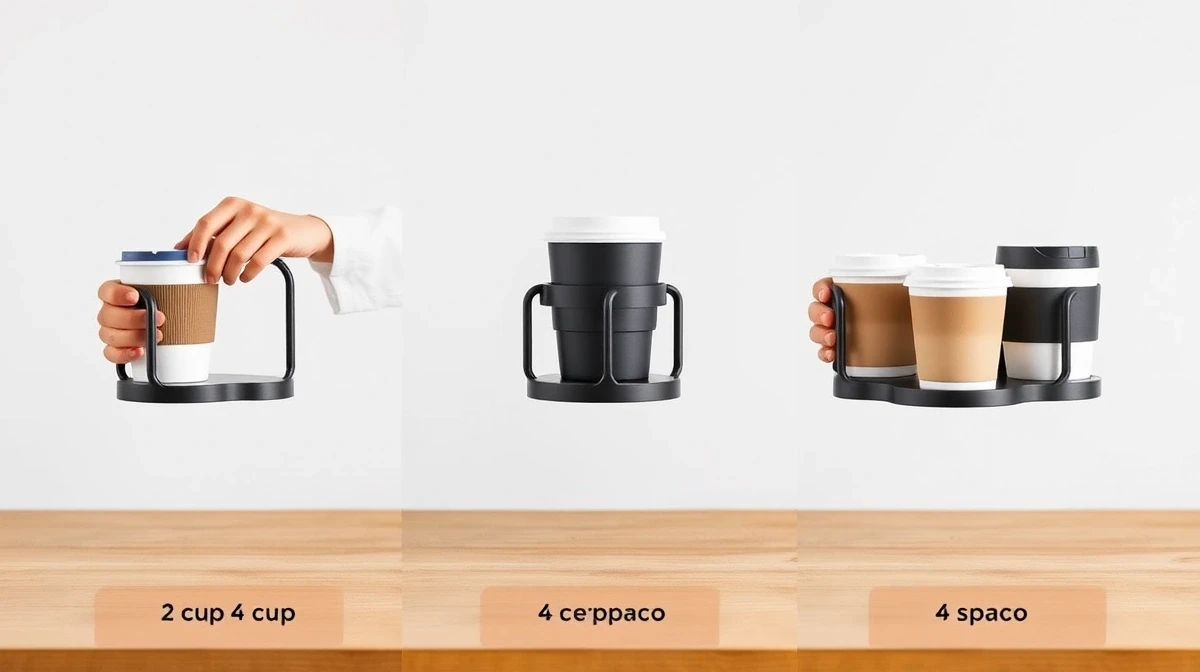
-Variations de conception (2 tasses, 4 tasses, 6 tasses) et caractéristiques structurelles pour la stabilité
-Choix des matériaux l'équilibre entre la solidité, la durabilité et le coût
-Possibilités de personnalisation pour le marquage des accessoires à haute visibilité
💡 À emporter rapidement: Les porte-boissons mal conçus sont à l'origine de 15-20% de tous les déversements de boissons pendant le transport.
Les supports ergonomiques optimisés avec un équilibre du centre de gravité, des poignées renforcées et l'adaptabilité de la taille des gobelets réduisent les déversements à <3% tout en améliorant les scores de satisfaction des clients de 18 à 24%.
Les porte-boissons multiples (également appelés porte-gobelets, plateaux à boissons ou caddies à boissons) sont des récipients portables conçus pour fixer et transporter simultanément de 2 à 6 gobelets ou bouteilles. Ils présentent les caractéristiques suivantes
-Fentes pour gobelets individuels avec des supports coniques ou moulés pour éviter les déplacements
-Poignée(s) renforcée(s) positionné pour équilibrer le poids de la charge
-Construction pliable ou empilable pour un stockage efficace
-Matériaux résistants à l'humidité prévenir les défaillances structurelles dues à la condensation
Configurations courantes :
Catégories de matériaux :
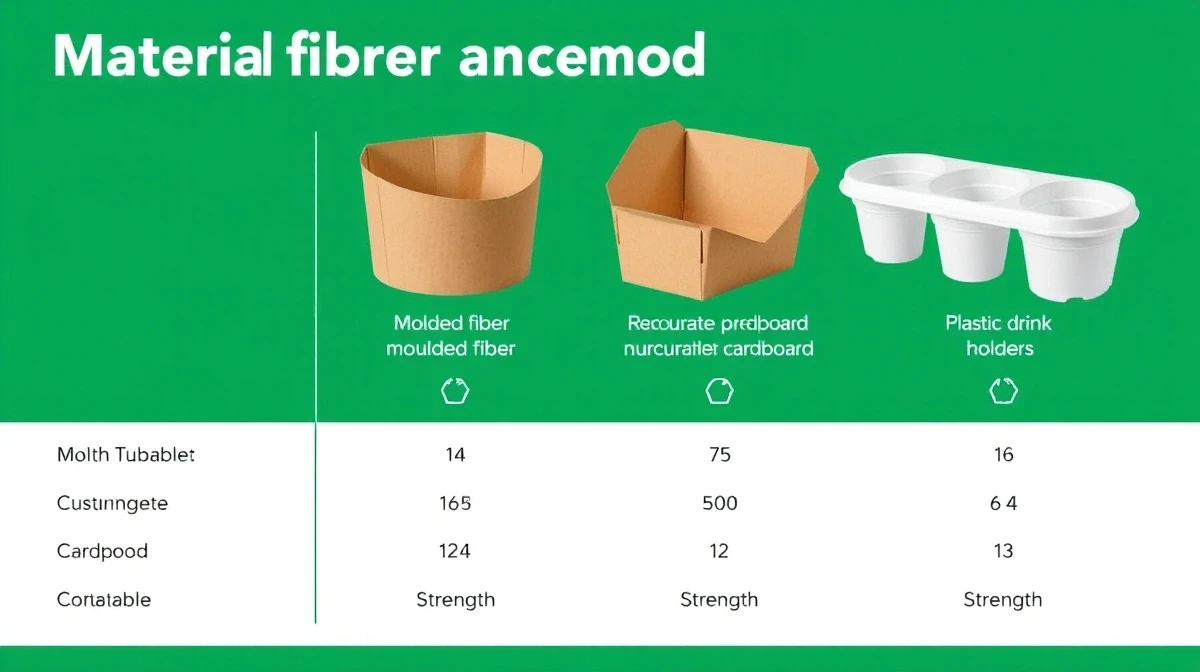
-Fibre moulée (pâte à papier recyclée) : Respectueux de l'environnement, biodégradable, résistance modérée
-Carton ondulé: Léger, imprimable, rentable
-Plastique (PP, PET): Réutilisable, très résistant, non biodégradable
-Hybride (carton + insert plastique): Combine espace de marquage et durabilité
🎯 Aperçu de l'industrie: L'abandon par Starbucks des plateaux en plastique de 4 tasses au profit de supports en fibre moulée en 2020 a permis de réduire les déchets plastiques de 1,2 million de livres par an tout en maintenant un taux de réussite de 99,2% (pas de déversement pendant le transfert vers le véhicule).
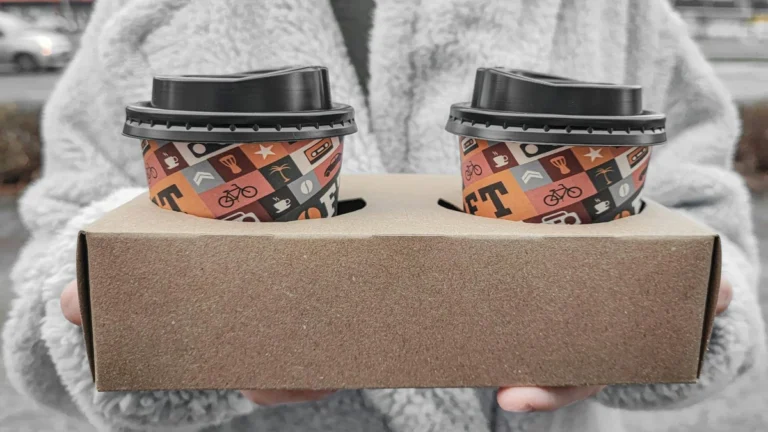
 tasses à café, montrant er” class=”wp-image-flux” style=”border-radius : 12px ; box-shadow : 0 4px 12px rgba(0,0,0,0,0.1) ;”/>
La physique du transport de boissons :
Lors du transport de plusieurs boissons, la stabilité dépend du maintien du centre de gravité de la charge directement au-dessus de la poignée. Les conceptions asymétriques provoquent un couple de rotation, ce qui entraîne un basculement.
Analyse de la répartition des charges :
Recommandation: Pour les porteurs de gobelets 4+, grilles carrées ou circulaires avec des poignées centrées offrent une meilleure stabilité. Les dispositions linéaires ne doivent être utilisées que pour les porte-bouteilles à deux tasses.
Force de préhension requise :
Optimisation de la forme de la poignée :
Caractéristiques antidérapantes :
-Surfaces de préhension texturées: Réduit le glissement de 35% par rapport au carton lisse
-Revêtement caoutchouté (sur des supports plastiques réutilisables) : 62% réduction du glissement
-Rainures pour les doigts découpées à l'emporte-pièce: Améliore la sécurité de l'adhérence sans augmenter les coûts
Dimensions standard :
-Empreinte: 180-220mm × 90-110mm
-Diamètre de la fente de la coupelleDimensions : 75-95mm (ajustable pour les tasses de 8-20 oz)
-Hauteur: 100-140mm (supporte une tasse avec couvercle)
Options de conception :
Meilleures applications :
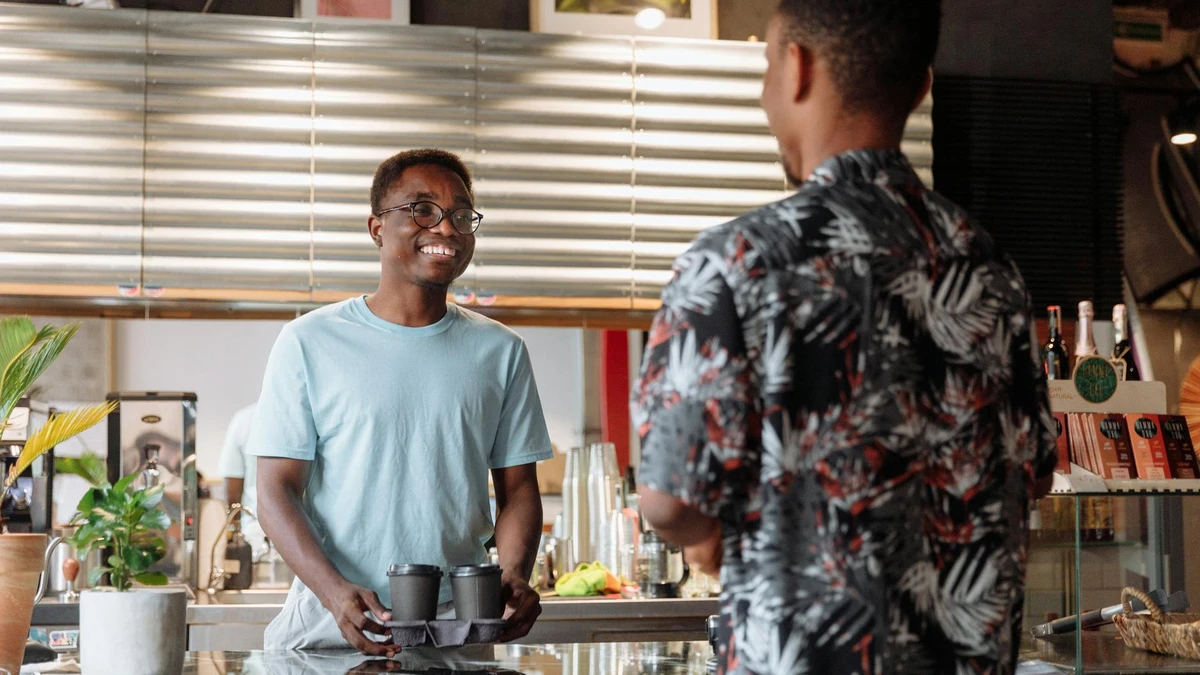
-Cafés au volant: Transfert rapide, distance de transport minimale
-Comptoirs de vente à emporter: Couples commandant 2 boissons
-Livraison à domicile: Petites commandes nécessitant un emballage compact
Dimensions standard :
-EmpreinteDimensions : 200-240mm × 200-240mm (carré) ou 220mm × 120mm (linéaire)
-Diamètre de la fente de la coupelleDimensions : 75-95 mm (standard), 85-105 mm (large)
-Hauteur: 110-150mm
Comparaison des configurations :
Caractéristiques supérieures pour les porte-bébés à 4 tasses :
-Séparateurs de gobelets: Empêcher les gobelets de se toucher et de se déstabiliser les uns les autres
-Barrières contre l'humidité: Cire ou revêtement PLA pour éviter l'affaiblissement dû à la condensation
-Conception empilable: Les porte-bagages s'emboîtent les uns dans les autres lorsqu'ils sont vides, ce qui permet de les ranger plus facilement
-Deux poignées: Poignées latérales pour le transport à deux mains sur de longues distances
Meilleures applications :
-Courses de café au bureau: 4 boissons est la taille de commande de groupe la plus courante
-Plats à emporter familiaux: Parents avec enfants (1 boisson par personne)
-Préparation des repas: Empilage modulaire pour le transport d'événements
Dimensions standard :
-EmpreinteDiamètre : 280-320 mm × 200-240 mm (grille 2×3) ou 260-300 mm (circulaire)
-Diamètre de la fente de la coupelle75-95mm
-Hauteur: 120-160mm
-Capacité de poids: 6-8 lbs (avec des boissons de 16 oz)
Configurations des poignées :
Renforcements structurels :
-Construction à double paroi: Empêche l'affaissement sous une charge de 6 à 8 livres
-Panneau de support inférieur: Répartit le poids sur l'ensemble de la base
-Renfort d'angle: Prévient les déformations de torsion en cas de portage irrégulier
Meilleures applications :
-Événements de restauration: Réceptions de mariage, réunions d'entreprise
-Commandes de grands groupes: Équipes sportives, chantiers de construction
-Services de livraison: Itinéraires à arrêts multiples avec commandes consolidées
Propriétés :
-Matériau: 100% pâte à papier recyclée, moulée sous chaleur/pression
-Force: Modéré (supporte de 4 à 6 livres avant déformation)
-Résistance à l'humidité: Faible (nécessite un revêtement ou accepte une perte de résistance de 10-15%)
-CompostabilitéLes produits sont compostables à domicile (4 à 8 semaines).
-RecyclabilitéLes déchets sont acceptés en bordure de route.
-Coût: Moyen ($0.15-0.28 par support de 4 tasses)
Avantages :
-Message fort sur le développement durable (100% recyclé, compostable)
-Structure rigide (ne s'affaisse pas sous l'effet de l'humidité comme le carton)
-La texture unique offre une prise en main naturelle
Limites :
-Imprimabilité limitée (absorption inégale de l'encre)
-Plus lourd que le carton (15-25% plus lourd)
-Délais de production plus longs (processus de moulage)
Meilleur pour: Marques soucieuses de l'environnement, chaînes de cafés ayant pris des engagements en matière de développement durable, marchés dotés d'une infrastructure de compostage.
Propriétés :
-Matériau: Liner kraft vierge ou recyclé + support cannelé
-Force: Modéré-élevé (une paroi simple contient 4 à 6 livres, une paroi double contient 8 à 12 livres)
-Résistance à l'humidité: Faible-Moyen (amélioré avec un revêtement en cire ou en PLA)
-CompostabilitéSi non enduit ; ❌ si enduit de cire/PLA
-RecyclabilitéLes produits sont largement acceptés (s'ils ne sont pas enduits).
-Coût: Faible ($0,08-0,18 par support de 4 tasses)
Avantages :
-Excellente imprimabilité (CMYK, flexo, offset)
-Léger (réduit les frais d'expédition)
-Se transporte à plat (stockage/transport efficace)
-Délai de production rapide
Limites :
-S'affaiblit considérablement lorsqu'il est mouillé (perte de résistance de 60-70%)
-Susceptible de se déchirer au niveau des découpes de la poignée sous l'effet de lourdes charges
-Texture moins distinctive que la fibre moulée
Meilleur pour: Opérations à fort volume privilégiant le coût, entreprises nécessitant une image de marque en couleur, environnements de type "drive-thru" (courte distance de transport).
Propriétés :
-Matériau: Polypropylène (PP) ou PET recyclé
-Force: Très élevé (supporte plus de 12 livres sans déformation)
-Résistance à l'humidité: Excellent (pas d'impact structurel)
-Compostabilité: ❌ Non biodégradable
-RecyclabilitéLes programmes d'études sont les suivants : ✅ Acceptés dans la plupart des programmes (PP #5, PET #1).
-Coût: Coût initial élevé ($1,50-3,50 par transporteur), faible coût à l'utilisation
Avantages :
-Durable pour 50-100+ utilisations
-Facile à nettoyer et à désinfecter
-Pas d'affaiblissement lié à l'humidité
-Excellent pour le transport sur de longues distances
Limites :
-Coût initial élevé (nécessite un système de dépôt/retour)
-Perception négative de la durabilité par rapport au papier
-Nécessite une infrastructure de lavage
Meilleur pour: Sociétés de restauration, cafétérias d'entreprise avec systèmes de retour, services de livraison avec programmes de contenants réutilisables.
Fentes coniques et cylindriques :
Recommandation: Pour les opérations avec des tasses de tailles différentes (par exemple, café S/M/L/XL), utilisez la fonction fentes coniques avec une base de 75 mm et une ouverture supérieure de 95 mm pour accueillir des tasses de 8 à 24 oz.
Caractéristiques anti-rotation :
-Diviseurs transversaux: Empêche les coupelles de tourner dans les fentes
-Texture de base agrippante: Les patins de friction réduisent le glissement (avantage naturel de la fibre moulée)
-Pattes à boutons-pression: Verrouiller les jantes à godets en place (porte-bagages premium uniquement)
Optimisation du stockage :
Recommandation: Pour les entreprises qui commandent plus de 1 000 supports par mois, la priorité est donnée aux éléments suivants emballé à plat pliable les conceptions. Pour <500/mois, les supports emboîtés pré-assemblés permettent d'économiser du temps de travail.
Modes de défaillance et solutions :
Options robustes pour les porte-bouteilles à 6 tasses :
-Poignée en T avec renfort horizontal: Répartit la charge sur une plus grande surface
-Poignée bi-matière: Corps en carton + poignée en plastique
-Renforcement des plis d'origami: Le pliage stratégique crée des crêtes porteuses
Surfaces de marquage disponibles :
Meilleures pratiques en matière de conception :
1. Donner la priorité au groupe de tête :
-Grand logoDiamètre de 60 à 100 mm, centré
-Slogan: Le long du bord supérieur, lisible d'en haut
-Contraste des couleurs: Couleurs de la marque à fort contraste (fonctionne en vision périphérique)
2. Optimiser les panneaux latéraux pour la reconnaissance :
-Motif répétitif du logo: Assure la visibilité sous tous les angles
-Typographie audacieuse: Lisible à 2-3 mètres (visibilité de la vitre de la voiture)
-Couleurs de la marque: Une application cohérente crée un “bloc de marque” dans les foules
3. Utiliser le fond pour les codes QR/promotions :
-Scanner avant le chargement: Les clients voient le fond de l'affaire lors de la remise du transporteur
-Codes promotionnels: “Scannez pour 10% sur votre prochaine commande”
-Incitations aux médias sociaux: “Partagez votre course au café #YourBrandName”
Exemples de campagnes :
RCI sur les éditions limitées :
-Engagement dans les médias sociaux: 3,2 fois plus d'actions postales par rapport à l'emballage standard
-Facteur de recouvrabilité: 18% des clients conservent les supports de marque (vs. 4% pour les génériques)
-Couverture médiatique: Des designs uniques attirent l'attention des médias locaux (relations publiques gratuites)
Normes d'essai de charge :
-ASTM D4169: Test de performance des paquets (simule les risques de distribution)
-ISTA 3A: Test de simulation générale pour la livraison de colis
-Test de chute personnalisé: Le support chargé tombe d'une hauteur de 30 cm (ne doit pas se renverser).
Recommandation: Conception pour 1,5-2,0× facteur de sécurité de rendre compte :
-Erreur de l'utilisateur (remplissage excessif des gobelets)
-Facteurs environnementaux (affaiblissement de la condensation)
-Mouvements brusques (fermeture de porte, descente de trottoir)
Taille universelle ou taille sur mesure ?
Gammes de diamètres de coupelles standard :
Analyse des coûts et des sources d'approvisionnement en ##
*On estime à 100 le nombre d'utilisations avant remplacement
Conseils pour la gestion des stocks :
-Magasins à forte fréquentation (>500 transporteurs/semaine) : Commandez 8-12 semaines d'approvisionnement avec une personnalisation complète
-Moyennement volumineux (100-500/semaine) : Commandez 6-8 semaines d'approvisionnement avec une impression en 1 couleur
-Faible volume (<100/semaine) : Stocker les produits génériques + appliquer des autocollants de marque si nécessaire
❌ Erreur #1: Choix d'un support linéaire à 4 godets au lieu d'une grille carrée pour réduire l'encombrement au sol
✅ Approche correcte: Les grilles carrées offrent 40% une meilleure stabilité grâce au centrage du centre de gravité, ce qui justifie l'encombrement légèrement plus important.
❌ Erreur #2: Sous-spécifier le renforcement des poignées pour économiser $0.02 par porteur
✅ Approche correcte: Les défaillances des poignées créent de mauvaises expériences clients qui valent bien plus que des économies de 2 centimes ; investissez dans des poignées renforcées
❌ Erreur #3: Commande de porte-bébés universels sans vérification de la taille réelle des bonnets
✅ Approche correcte: Demandez des échantillons et testez-les avec vos tasses les plus petites et les plus grandes pour vérifier qu'elles s'adaptent bien avant de passer une commande en gros.
❌ Erreur #4: Ignorer la résistance à l'humidité pour les opérations de boissons glacées
✅ Approche correcte: Spécifier un revêtement en PLA ou en cire pour les supports servant des boissons froides avec condensation (évite 30-40% les défaillances structurelles).
Les porte-boissons multiples (porte-gobelets) sont des conteneurs portables conçus pour transporter en toute sécurité de 2 à 6 boissons simultanément. Ils sont dotés de fentes individuelles pour les gobelets, de poignées renforcées pour une répartition équilibrée du poids et d'une structure pliable pour un rangement efficace.
Les configurations en grille carrée 2×2 offrent une stabilité optimale en centrant le centre de gravité de la charge directement au-dessus de la poignée. Cela réduit le risque de basculement de 65% par rapport aux configurations linéaires 1×4 et permet un portage confortable d'une seule main jusqu'à 50 mètres.
Les porte-cartons standard à 4 godets peuvent contenir de 4 à 6 livres (capacité nominale avec un facteur de sécurité de 1,5). Les supports à double paroi pour 6 gobelets supportent 8 à 12 livres. Les supports en plastique réutilisables supportent plus de 15 livres. Vérifiez toujours que la capacité de charge correspond à la taille de votre plus grand gobelet lorsqu'il est rempli.
La fibre moulée offre une rigidité supérieure lorsqu'elle est mouillée (elle conserve une résistance de 85-90% contre 30-40% pour le carton) et fournit un message de durabilité plus fort (100% recyclé, compostable à domicile). Le carton excelle en termes d'imprimabilité et coûte 30-50% de moins. Choisissez en fonction des priorités de votre marque.
Les quantités minimales varient : 3 000 à 5 000 pièces pour l'impression en une couleur, 5 000 à 10 000 pour l'impression en quadrichromie CMYK. Certains fournisseurs proposent des minimums de 1 000 à 2 000 pièces en utilisant des supports en stock avec application d'autocollants personnalisés (coût unitaire plus élevé de 15-25%).
Renforcez les poignées avec des pièces de carton double épaisseur sur les bords de la découpe (coût +5-8%), utilisez des coins arrondis au lieu d'angles vifs pour réduire la concentration des contraintes et assurez-vous que la découpe crée des bords lisses sans micro-déchirures.
Les supports emballés à plat permettent d'économiser 95%+ d'espace de stockage et de réduire les coûts d'expédition de 60-70%, mais nécessitent 3 à 5 secondes de temps d'assemblage par support. Les supports emboîtés pré-assemblés permettent d'économiser de la main d'œuvre mais nécessitent 10 à 15 fois plus d'espace de stockage. Choisissez l'emballage plat pour plus de 1 000 supports par mois.
Les porte-boissons multiples de conception ergonomique relèvent un défi fondamental dans le service des boissons : permettre aux clients de transporter des commandes groupées en toute sécurité, sans déversement ni inconfort. En appliquant des principes biomécaniques - répartition centrée de la charge, formes optimisées des poignées et renforts structurels - les porte-boissons bien conçus réduisent les débordements de 15-20% à moins de 3%, tout en améliorant la satisfaction des clients.
Principaux enseignements :
1.Les grilles carrées 2×2 assurent une meilleure stabilité pour les porteurs de 4 tasses en centrant la charge sur la poignée
2.Le renforcement de la poignée vaut le surcoût du 5-8% pour éviter les ruptures d'assemblage
3.La fibre moulée excelle dans la résistance à l'humidité (85-90% de résistance à l'état humide contre 30-40% pour le carton)
4.Les fentes de gobelets coniques s'adaptent à la gamme 8-24 oz, La mise en place d'un système de gestion des stocks permet d'éliminer la nécessité de disposer de plusieurs unités de stock.
5.Les supports emballés à plat permettent d'économiser de l'espace de stockage 95% et réduire les frais d'expédition de 60-70%
Qu'il s'agisse d'une chaîne de cafés au volant, d'un service de restauration ou d'un restaurant rapide, l'investissement dans des porte-boissons bien conçus est rentable car il permet de réduire le gaspillage de produits, d'améliorer la satisfaction des clients et de renforcer la visibilité de la marque pendant la fenêtre de transport de 5 à 20 minutes.
-Solutions d'emballage alimentaire
Papacko fabrique des porte-boissons multiples ergonomiques de 2 à 6 tasses en fibre moulée et en carton ondulé. Nos porte-boissons sont dotés de poignées renforcées, de revêtements résistants à l'humidité et d'options de personnalisation en couleur à partir de 5 000 pièces.
Multi-drink carriers are most useful when cup size, lid security, and delivery handling are already aligned. These pages help connect holder design to the broader takeaway beverage workflow.
Prenez contact avec nous :
Dernière mise à jour: novembre 2025