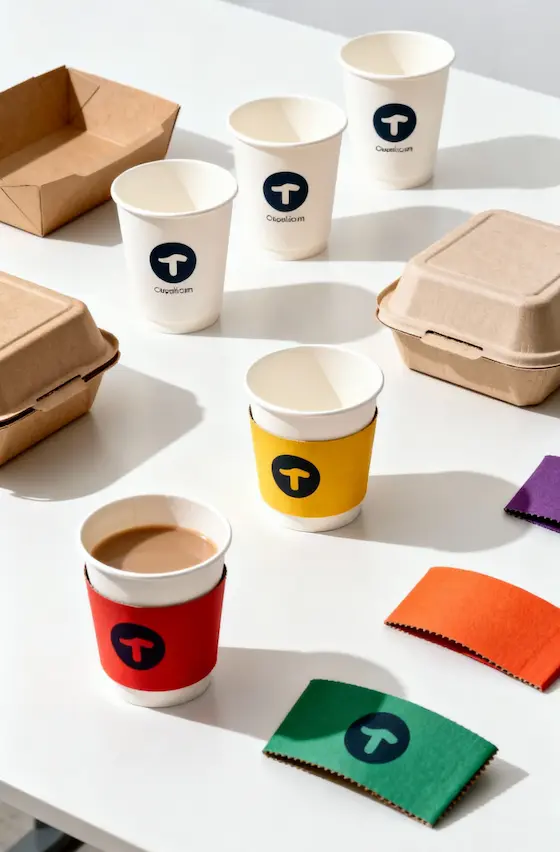
Prêt à créer vos propres gobelets ou emballages en papier ?
Faites-nous part de vos exigences - taille, revêtement, impression et destination - et notre équipe établira un devis détaillé dans les 24 heures.

Dernière mise à jour: novembre 2025
Temps de lecture: 10 minutes
Auteur: Équipe de contenu de Papacko
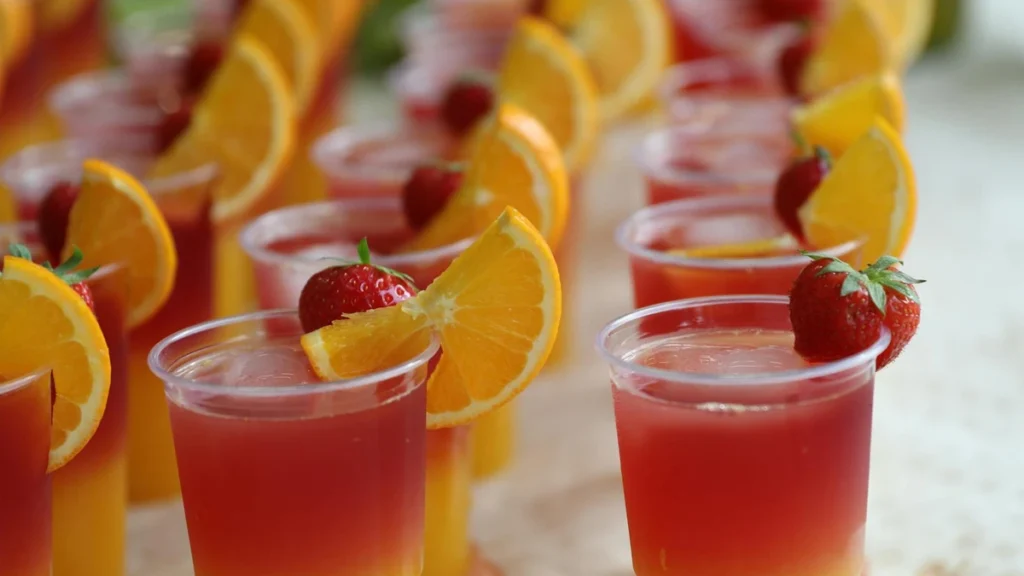
Votre bar à jus sert plus de 300 jus fraîchement pressés par jour, mais vous perdez $80-120 par semaine à cause de gobelets qui fuient au bout de 20 minutes, de la condensation qui masque votre marque colorée et des couvercles qui se détachent pendant le transport des clients. Pendant ce temps, le magasin de smoothies voisin utilise des gobelets qui restent secs, mettent en valeur leurs boissons éclatantes grâce à des couvercles transparents en forme de dôme, et les clients postent régulièrement des photos Instagram - un marketing gratuit que votre produit caché ne peut pas égaler.
Gobelets en papier Les gobelets pour bars à jus ne sont pas de simples contenants de boissons - ils nécessitent des performances spécifiques pour les liquides froids (intégrité structurelle de plus de 30 minutes), une gestion de la condensation (l'extérieur reste sec), une compatibilité avec les trous de paille (diamètres de 8 à 12 mm pour les jus épais) et des caractéristiques de merchandising visuel (couvercles transparents, impression vibrante) qui les différencient des gobelets à café standard. Le choix du bon gobelet a un impact sur la satisfaction du client, l'efficacité opérationnelle et la perception de la marque.
Dans ce guide, vous apprendrez :
-Sélection de tailles pour différents types de jus et niveaux de prix
-Exigences en matière d'enduction des boissons froides (PLA, PE ou à base d'eau)
-Conception de l'orifice de la paille et compatibilité avec la viscosité des jus épais
-Prévention de la condensation pour un extérieur sec
-Options de couvercles transparents pour l'attrait visuel et le partage sur Instagram.
-Stratégies de marque et de personnalisation pour le marketing des bars à jus de fruits
-Analyse des coûts et sélection des fournisseurs pour les opérations de production de jus de fruits
💡 À emporter rapidement: Les gobelets en papier pour bars à jus ont une capacité de 12 à 24 oz (16 oz pour les jus standard, 20 oz pour les smoothies), un revêtement PLA ou PE pour la protection contre l'humidité, un carton 280-300 GSM pour la durabilité des boissons froides, et des couvercles en dôme compatibles pour la visibilité.
Comptez $0,10-0,16 par gobelet pour des gobelets à boissons froides de qualité avec des couvercles transparents.
Caractéristiques essentielles : le revêtement extérieur empêche la condensation, trou de paille de 8 à 10 mm de diamètre pour les jus épais, résiste à plus de 30 minutes sans défaillance structurelle.
Idéal pour : Les bars à jus frais, les entreprises de pressage à froid, les boutiques de smoothies, les cafés axés sur la santé qui accordent la priorité au merchandising visuel.
L'adaptation de la taille du gobelet au type de jus et à la stratégie de prix optimise la perception de la valeur et l'efficacité opérationnelle.
12oz (355ml) - Petits/enfants:
-Meilleur pour: Jus pour enfants, jus à un seul fruit, shots (gingembre, herbe de blé)
-Contenu typique: 10-11oz de liquide après la glace
-Prix: $5-7 (option d'entrée de gamme)
-Perception du client: “Taille d'un snack sain”
-Ratio de glace: 15-20% (glace minimale pour le concentré de jus)
-Fourchette de prix: $0.08-0.12 par tasse+couvercle
16oz (473ml) - Régulier ⭐ Les plus populaires :
-Meilleur pour: Jus standard pressés à froid, smoothies en portions individuelles
-Contenu typique: 14-15oz de liquide après la glace
-Prix: $8-10 (offre de base)
-Perception du client: “Portion satisfaisante, bon rapport qualité-prix”
-Ratio de glace: 10-15% (les bars à jus utilisent moins de glace que les cafés)
-Fourchette de prix: $0.10-0.14 par tasse+couvercle
-Part de marché: 55-65% des ventes de gobelets pour bar à jus de fruits
20oz (591ml) - Grand:
-Meilleur pour: Smoothies, boissons de remplacement de repas, jus verts avec des légumes
-Contenu typique: 18-19oz de liquide après la glace
-Prix: $11-14 (niveau supérieur)
-Perception du client: “Substitut de repas complet”
-Ratio de glace: 10-15%
-Fourchette de prix: $0.12-0.16 par tasse+couvercle
24oz (710ml) - Extra Large:
-Meilleur pour: Portions à partager, smoothies protéinés post-entraînement, jus en vrac
-Contenu typique: 22-23oz liquide
-Prix: $15-18 (valeur maximale)
-Perception du client: “Passionné de santé/taille d'athlète”
-Ratio de glace: 5-10% (principalement liquide)
-Fourchette de prix: $0.14-0.18 par tasse+couvercle
Jus de fruits pressés à froid (100% liquide, sans glace) :
-Les petits formats sont plus appropriés (12oz, 16oz)
-Concentration plus élevée = plus dense en nutriments
-Le prix élevé de l'once justifie des portions plus petites
Smoothies mixés (glace + fruits congelés) :
-Besoin de formats plus grands (16oz, 20oz, 24oz)
-Volume de glace et d'ingrédients congelés
-Les clients s'attendent à un aspect plus “plein”.
Jus verts (riche en légumes) :
-Format moyen de préférence (16oz, 20oz)
-Une alimentation plus dense = satisfaisante en portions modérées
-Trop gros = difficile à finir (goût prononcé)
Jus de fruits (un seul fruit, rafraîchissant) :
-Tous les formats sont acceptés (12oz à 24oz)
-Plus léger, plus consommable = des tailles plus grandes sont acceptables
-Saveur sucrée = facile à boire rapidement
#### Stratégie relative à la taille des gobelets des bars à jus de fruits
## Enrobage et performance des boissons froides
Les bars à jus de fruits ont besoin de revêtements optimisés pour les liquides froids, la résistance à la condensation et les temps de maintien prolongés.
Composition: Acide polylactique à partir de maïs/sucre, enrobage 15-25gsm
Performance pour le jus:
-Plage de température : Idéal pour le froid (5-15°C), adéquat pour le frais (15-25°C)
-Barrière contre l'humidité : Excellente (l'intérieur empêche l'infiltration de liquides)
-Contrôle de la condensation : Très bon (le revêtement extérieur maintient la surface sèche pendant plus de 30 minutes)
-Intégrité structurelle : Maintien de la rigidité pendant 30 à 45 minutes avec du jus froid
Références en matière d'environnement:
-Compostable dans le commerce (90-180 jours dans une installation industrielle)
-Non recyclable (contamine le flux de papier)
-Valeur marketing : L“”emballage compostable" attire les personnes soucieuses de leur santé.
Coût: +20-30% par rapport au revêtement PE ($0,11-0,15 par tasse de 16oz)
Meilleur pour: Bars à jus axés sur la santé, marques soucieuses de l'environnement, marchés dotés d'un système de compostage commercial.
Composition: Polyéthylène, revêtement 18-22gsm
Performance pour le jus:
-Plage de température : De -20°C à 95°C (convient à toutes les boissons froides)
-Barrière contre l'humidité : Excellente (fiabilité prouvée)
-Contrôle de la condensation : Bon (nécessite un double revêtement ou un manchon pour les périodes prolongées)
-Intégrité structurelle : Supérieure (pas de ramollissement même après plus de 60 minutes)
Références en matière d'environnement:
-Non recyclable ou compostable
-A base de pétrole
-Valeur éco-commerciale la plus faible
Coût: Prix de base ($0,09-0,12 par gobelet de 16 oz)
Meilleur pour: Opérations économiques, fiabilité structurelle maximale, pas d'infrastructure de compostage
Composition: Dispersion de polymère acrylique, 12-20gsm
Performance pour le jus:
-Plage de température : Bonne pour le froid (5-15°C), adéquate pour le frais (15-25°C)
-Barrière contre l'humidité : Bonne (fonctionne bien pour les jus de fruits froids pendant 30 minutes)
-Contrôle de la condensation : Bon (meilleur que le PE simple, pas tout à fait au niveau du PLA)
-Intégrité structurelle : Maintien de la forme pendant 25 à 35 minutes
Références en matière d'environnement:
-Potentiellement recyclable (en fonction de l'infrastructure)
-60-80% moins de plastique que le revêtement PE
-Déclaration écologique honnête : “teneur réduite en plastique”.”
Coût: +10-18% par rapport au revêtement PE ($0,10-0,13 par gobelet de 16 oz)
Meilleur pour: Marchés avec recyclage du papier, positionnement écologique modéré, équilibre coût-performance
Problème: Du jus froid (5-10°C) à température ambiante (20-25°C) provoque de la condensation à l'extérieur :
-Surface du gobelet humide et glissante
-Masque la marque imprimée
-Crée des anneaux d'eau sur les tables/compteurs
-Perception des clients : “La qualité des gobelets est médiocre”
Solutions:
Revêtement double face (Intérieur + Extérieur) :
-Les deux faces sont revêtues de PLA ou de PE
-Empêche le transfert de la condensation sur la surface extérieure
-Le gobelet reste sec au toucher pendant plus de 45 minutes
-Coût : +$0,02-0,04 par rapport au revêtement simple face
Revêtement antibuée (pour les couvercles transparents):
-Empêche la formation de gouttelettes de condensation à l'intérieur du couvercle
-Maintient la visibilité de la couleur du jus
-Essentiel pour le merchandising visuel
-Coût : +$0,02-0,03 par couvercle
Manches à godets (solution de repli) :
-Absorbe l'humidité de condensation
-Offre un espace de préhension et de marquage
-Ne s'attaque pas à la cause première (le gobelet est toujours mouillé en dessous)
-Coût : +$0,02-0,03 par manchon
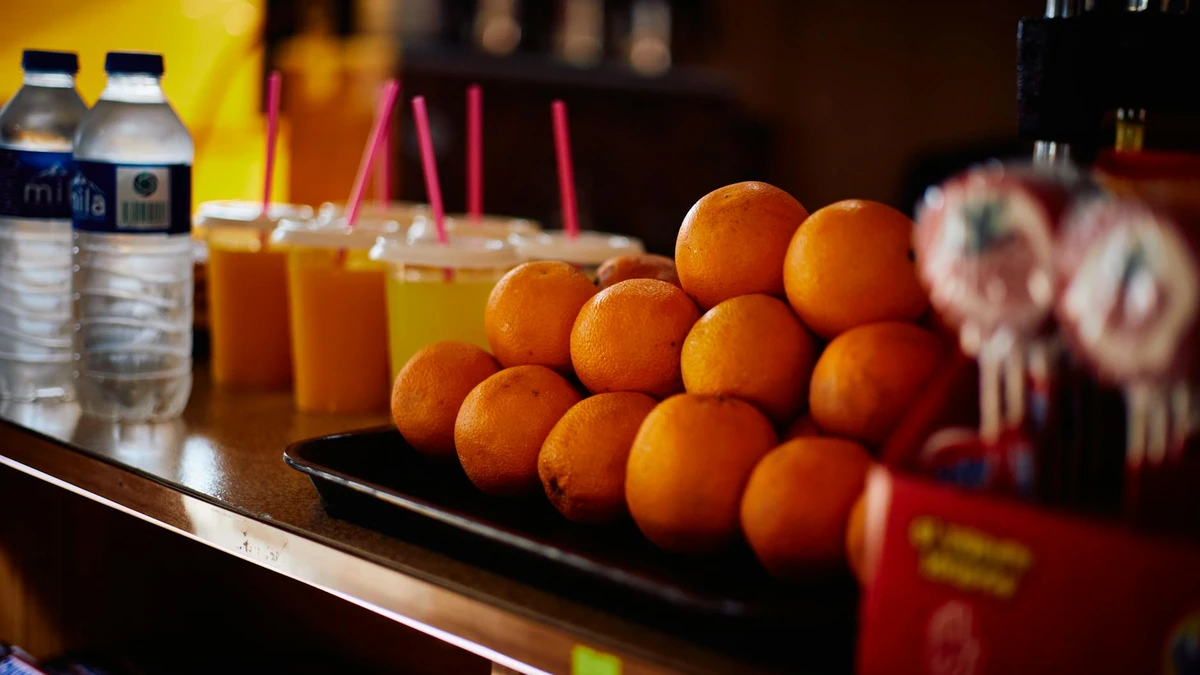
La viscosité du jus et l'expérience du client exigent des caractéristiques spécifiques pour la paille et le couvercle.
Paille standard pour boissons (6 mm de diamètre) :
-Fonctionne pour : Jus fins (orange, pomme, pastèque)
-Problème : obstruction par la pulpe, smoothies épais, particules de glace
-Ne convient pas à la plupart des applications de bar à jus de fruits
Paille moyenne (8-10mm de diamètre) ⭐ Recommandé :
-Convient pour : Jus pressés à froid avec pulpe, la plupart des smoothies
-S'adapte : Petits morceaux de fruits, teneur modérée en pulpe
-Le couvercle du gobelet doit avoir une taille de trou ou une conception de fente transversale compatible
-Norme 85% pour les opérations de bar à jus de fruits
Paille Jumbo (12 mm de diamètre) :
-Nécessaire pour : smoothies très épais, bubble tea avec perles
-Convient pour : Jus à forte pulpe, boissons mixées avec morceaux
-Exigence du gobelet : Rebord du trou de paille renforcé (évite les déchirures)
-Utilisé dans : 15% des bars à jus (boissons épaisses spécialisées)
Couvercle transparent en forme de dôme ⭐ Les plus populaires :
-Avantages:
- Présente des jus de fruits ou des smoothies colorés (merchandising visuel)
- Convient aux garnitures fouettées, aux garnitures de fruits
- Adapté à Instagram (les clients photographient les boissons)
- Hauteur : 15-25mm de dégagement du dôme
-Caractéristiques:
- Fente transversale pour l'insertion de la paille (8-10mm)
- Joint à emboîtement ou à friction
- Le revêtement antibuée empêche la formation de gouttelettes de condensation
-Coût: $0,04-0,07 par couvercle
-Amélioration de la visibilité: Augmente les achats impulsifs 30-45%
Couvercle plat avec fente pour paille:
-Avantages:
- Profil plus bas (empilage et stockage plus faciles)
- Joint sûr (meilleure prévention des fuites)
- Coût inférieur à celui des couvercles à dôme
-Limites:
- Masque la couleur du jus (réduit l'attrait visuel)
- Pas de place pour les garnitures
- Moins digne des médias sociaux
-Coût: $0,03-0,05 par couvercle
-Meilleur pour: Commandes à emporter, livraison, opérations axées sur les coûts
Couvercle avec trou pour boire:
-Non recommandé pour les bars à jus de fruits
-Jus trop épais pour être bu confortablement
-Les clients attendent une paille pour les boissons froides
Joint à friction:
-Couvercle pressé sur le bord du gobelet, maintenu par compression
-Performance : Adéquates pour la consommation en magasin, modérées pour le transport
-Risque de fuite : 3-5% en cas de remplissage excessif des gobelets ou de manipulation brutale.
Joint à emboîtement Recommandé :
-Le bord du couvercle s'enclenche sur l'épaulement du gobelet
-Performance : Excellent pour le transport, la livraison
-Risque de fuite : 1-2% avec une conception de qualité
-Prime de coût : +$0.01-0.02 par rapport à l'ajustement par friction
Test de la qualité du joint:
1.Remplissez le gobelet 90% avec du liquide + des glaçons.
2.Appliquez fermement le couvercle.
3.Inversion pendant 10 secondes → pas de fuites = minimum acceptable
4.Agiter vigoureusement 10 secondes → <5 gouttes = bonne étanchéité
5.Porter 20 mètres → pas de desserrage = excellente étanchéité
Les gobelets pour bars à jus sont des outils de marketing qui favorisent les achats impulsifs et l'engagement dans les médias sociaux.
Psychologie des couleurs:
-Jus d'orange → perception appétissante, énergique, vitaminée
-Jus vert → sain, détoxifiant, nutriments végétaux
-Rouge/rose → doux, fruité, riche en antioxydants
-Pourpre → exotique, riche en baies, de qualité supérieure
Visibilité = Ventes:
-Les études montrent que la conversion est 35-50% plus élevée pour les jus visibles que pour les jus cachés.
-Les clients évaluent : La fraîcheur (pas de séparation), la qualité (vivacité des couleurs), la valeur (taille des portions).
-Temps de décision : 3 à 5 secondes balayage visuel → acheter ou passer
Valeur marketing d'Instagram:
-1 client sur 6 photographie un jus coloré dans un gobelet transparent
-Contenu généré par l'utilisateur = $8-15 valeur estimée par message
-Les couvercles transparents permettent de prendre des photos de haut en bas montrant la couleur de la boisson.
-ROI : $0,05 prime de couvercle → $8-15 valeur de commercialisation = 160-300x rendement
Étiquettes de pochette en couleur (le plus flexible) :
-S'enroule autour de l'extérieur du gobelet (le couvercle reste transparent)
-Options de conception : Logo, informations nutritionnelles, liste d'ingrédients, code QR
-MOQ : 5 000-10 000 pochettes (moins que les gobelets imprimés)
-Coût : +$0.04-0.07 par tasse
-Modifier facilement le design sans passer par une nouvelle commande de gobelets
Impression directe sur gobelet en 1 ou 2 couleurs (Option budgétaire) :
-Logo simple sur l'extérieur du gobelet
-MOQ : 50 000+ gobelets (minimum élevé)
-Coût : +$0.03-0.05 par gobelet (selon la MOQ)
-Conception figée (coûteuse à modifier)
Ce qu'il ne faut PAS imprimer:
-Éviter les textes trop denses (illisibles lorsque le client boit)
-Ne pas imprimer sur le dessus du couvercle (nuit à la visibilité du jus)
-Éviter les images génériques (qui nuisent à l'image du produit)
Une stratégie de marque efficace pour les bars à jus:
-Grand logo (tiers supérieur de la tasse)
-Titre d'appel (“100% Organic” ou “Cold-Pressed Daily”)
-Poignée dans les médias sociaux (encourager l'UGC)
-Design minimal (la couleur du jus est le héros)
#### Branding Analyse ROI
Vue d'ensemble: Les couvercles transparents en forme de dôme offrent le meilleur retour sur investissement aux bars à jus en permettant un merchandising visuel et un partage sur les médias sociaux.
La compréhension du coût total et de la fiabilité des fournisseurs permet d'éviter les perturbations opérationnelles.
Option budgétaire (revêtement PE, couvercle plat) :
-Tasse de 16 oz : $0.08-0.11
-Couvercle plat : $0.03-0.04
-Total : $0,11-0,15 par portion
-Convient à : Opérations axées sur les coûts, livraison uniquement
Option standard (revêtement PLA, couvercle transparent en forme de dôme) :
-Tasse de 16 oz : $0.10-0.13
-Couvercle en dôme transparent : $0.05-0.07
-Total : $0,15-0,20 par portion
-Convient à : La plupart des bars à jus, un rapport qualité/prix équilibré
Option Premium (revêtement PLA, dôme antibuée, impression personnalisée) :
-Gobelet de 16 oz : $0.12-0.15 (avec impression personnalisée)
-Dôme transparent antibuée : $0.06-0.08
-Total : $0,18-0,23 par portion
-Convient à : Les bars à jus haut de gamme, les marques axées sur Instagram.
Coûts liés aux fuites et aux refontes:
-Coupe ratée nécessitant une refonte : perte de $6-9 (ingrédients + main-d'œuvre + clientèle)
-Taux d'échec des gobelets budgétaires : 4-6% = $0,24-0,54 coût par gobelet vendu
-Taux d'échec des gobelets premium : 1-2% = $0,06-0,18 coût par gobelet vendu
-Économies nettes : $0,18-0,36 par tasse en investissant dans la qualité
Nettoyage de la condensation:
-Gobelets à simple revêtement : 5 à 10 minutes par jour pour le personnel qui nettoie les tables et les compteurs.
-Tasses à double revêtement : Nettoyage minimal
-Valeur du travail : $20-40 économies hebdomadaires = $0,02-0,03 par tasse
Valeur du marketing des médias sociaux:
-Le couvercle transparent permet d'afficher les photos : 1 client sur 6
-Valeur estimée par message UGC : $8-15
-Bar à jus servant 200 clients par jour : 33 messages/jour
-Valeur mensuelle de commercialisation : $7 920-14 850
-Valeur par tasse : $0,30-0,45 (amorti)
#### Coût total de possession (pour 1000 tasses)
Vue d'ensemble: Les gobelets premium à couvercle transparent ont un coût matériel plus élevé mais offrent une valeur totale supérieure grâce à la réduction des pannes, à l'élimination du nettoyage et aux avantages considérables en termes de marketing dans les médias sociaux.
Vérification de la qualité:
-Demander des échantillons (20-50 tasses) pour les tester
-Remplir de jus, attendre 30 minutes, vérifier l'intégrité structurelle.
-Vérifier que l'extérieur reste sec (test de condensation)
-Test d'étanchéité du couvercle (tests d'inversion et d'agitation)
Certifications requises:
-FDA contact alimentaire conformité (US)
-Certification BPI s'il est déclaré compostable
-FSC/PEFC pour les allégations d'approvisionnement durable
Considérations relatives à la qualité de fabrication:
-Petits bars à jus (<200 boissons/jour) : Cherchez des quantités de 10 000 à 20 000 litres.
-Opérations moyennes (200-500/jour) : 30 000-50 000 acceptables
-Grandes chaînes (500+/jour) : 100 000+ pour une meilleure tarification
Signaux d'alerte:
-Le fournisseur ne fournira pas d'échantillons.
-Prix 40%+ inférieur à la moyenne du marché (compromis de qualité probables)
-Réponses vagues concernant le type de revêtement ou le poids GSM
-Pas de certification de contact alimentaire
Tirez les leçons de ces erreurs fréquentes qui coûtent des milliers d'euros par an aux bars à jus.
❌ Erreur #1 : Utiliser des gobelets à boissons chaudes pour du jus froid
Problème: Les tasses chaudes sont conçues pour résister à la chaleur et non pour éviter la condensation. Résultat : Les gobelets transpirent abondamment, les clients se plaignent de la surface glissante, la marque est masquée.
Approche correcte: Toujours spécifier les gobelets pour boissons froides avec un revêtement extérieur. Vérifier la résistance à la condensation en testant les échantillons avec de la glace et du liquide pendant 30 minutes.
❌ Erreur #2 : Couvercles opaques sur les jus colorés
Problème: En cachant les couleurs vives des jus de fruits dans des couvercles opaques, on rate le potentiel d'achat impulsif de 40-50%. Jus colorés = panneaux d'affichage ambulants, couvercles opaques = marketing manqué.
Approche correcte: Investissez dans des couvercles transparents (+$0,03-0,04). Le retour sur investissement de l'augmentation des achats (30-45% lift) et du partage dans les médias sociaux ($8-15/post) permet de récupérer la prime 265-500x.
❌ Erreur #3 : Mauvaise taille de trou de paille
Problème: Commande de couvercles à trou de paille de 6 mm pour les smoothies épais. Les clients ont du mal à boire, se plaignent de bouchons, laissent des commentaires négatifs.
Approche correcte: Pour la plupart des applications de bar à jus de fruits, les trous de paille sont de 8 à 10 mm. Si vous servez des smoothies très épais ou du thé à bulles, optez pour des pailles jumbo de 12 mm et des couvercles compatibles.
❌ Erreur #4 : Remplir les tasses à l'excès
Problème: Le remplissage à la capacité de 100% semble généreux, mais il entraîne un défaut d'étanchéité du couvercle, des fuites et des réclamations de la part des clients.
Approche correcte: Remplir jusqu'à la capacité maximale de 90-95%. Cela laisse de la place pour la fermeture du couvercle, évite les débordements et préserve la satisfaction du client. Utiliser la taille supérieure si les portions nécessitent plus de liquide.
❌ Erreur #5 : ignorer les infrastructures locales de traitement des déchets
Problème: Acheter des gobelets “compostables” en PLA sans vérifier l'existence d'un compostage commercial au niveau local. Les clients ne peuvent pas les composter, ce qui nuit à la crédibilité de la marque.
Approche correcte: Vérifiez si une installation de compostage commercial fonctionne dans votre région et accepte les articles de restauration. S'il n'y a pas de compostage : choisissez un revêtement à base d'eau recyclable ou soyez honnête sur le fait que les gobelets en PE sont recyclables dans certaines limites.
Les gobelets en papier pour jus de fruits sont des récipients pour boissons froides conçus avec des revêtements résistants à l'humidité (PLA, PE ou à base d'eau), d'une capacité typique de 12-24 oz, optimisés pour une intégrité structurelle de plus de 30 minutes avec des liquides froids, compatibles avec des trous de paille de 8-10 mm, et souvent associés à des couvercles transparents en forme de dôme pour le merchandising visuel. Ils utilisent du carton 280-300 GSM et coûtent $0.10-0.20 par gobelet+couvercle en fonction du revêtement et des caractéristiques.
La plupart des bars à jus utilisent 16 oz (473 ml) comme format standard (55-65% des ventes), avec 12 oz pour les enfants/petites portions, 20 oz pour les smoothies/remplacements de repas, et 24 oz pour les portions à partager/athlètes. Le choix du format dépend du type de jus : jus pressés à froid (12-16oz), smoothies mixés (16-20oz), jus verts (16-20oz), jus de fruits (tous les formats). Le système à deux formats (16oz + 20oz) couvre 85% des préférences des clients.
Oui. Les gobelets à jus nécessitent un revêtement extérieur et intérieur pour éviter la condensation et l'infiltration de liquide. Le revêtement PLA (à base de plantes, commercialement compostable, coût de +20-30%) offre la meilleure résistance à la condensation et un positionnement écologique. Le revêtement PE (à base de pétrole, non compostable, coût de base) offre une durabilité maximale. Le revêtement à base d'eau (potentiellement recyclable, coût de +10-18%) concilie performance et durabilité. Les gobelets à revêtement unique posent des problèmes de condensation dans les 15 à 20 minutes.
Les couvercles transparents augmentent les achats impulsifs 30-45% en mettant en valeur les ingrédients colorés des jus/smoothies, permettent aux clients d'évaluer la qualité (fraîcheur, portion) et stimulent l'engagement sur les médias sociaux (1 client sur 6 photographie les boissons, $8-15 valeur marketing par post). Ils s'adaptent aux toppings/vernis et offrent une présentation digne d'Instagram. Le surcoût (+$0,03-0,04 par rapport à l'opaque) permet un retour sur investissement de 265 à 500 fois grâce à l'augmentation des ventes et au marketing gratuit.
Les pailles de 8 à 10 mm de diamètre conviennent à 85% des applications de bar à jus, y compris les jus pressés à froid avec de la pulpe et la plupart des smoothies. Les pailles standard de 6 mm se bouchent avec la pulpe et les textures épaisses. Les pailles géantes de 12 mm sont nécessaires pour les smoothies très épais, le bubble tea ou les jus à forte pulpe. Les couvercles des gobelets doivent avoir une taille de trou compatible - vérifiez la compatibilité paille/couvercle avant de passer commande. Le bord renforcé du trou de la paille empêche les pailles de grand diamètre de se déchirer.
Option économique (gobelet en PE + couvercle plat) : $0,11-0,15 par portion. Option standard (gobelet PLA + dôme transparent) : $0.15-0.20 par portion. Option Premium (impression personnalisée + dôme anti-buée) : $0,18-0,23 par portion. Toutefois, le coût total de possession, y compris les reprises en cas d'échec, le travail de nettoyage et la valeur marketing, montre que les gobelets premium sont plus rentables malgré le coût plus élevé des matériaux - la réduction des échecs permet d'économiser $0,18-0,36/gobelet, la valeur marketing ajoute $0,30-0,45/gobelet.
Oui, trois méthodes principales : (1) Étiquettes de manchon en couleur enveloppant l'extérieur du gobelet-MOQ 5 000-10 000, +$0.04-0.07/ gobelet, plus flexible pour les changements de conception. (2) Impression directe des gobelets en 1 ou 2 couleurs, à partir de 50 000 unités, +$0,03-0,05/gobelet, design verrouillé. (3) Couvercles transparents avec petit logo sur le bord - ne gêne pas la visibilité du jus. Évitez l'impression sur le dessus du couvercle (qui bloque la présentation des couleurs) ou un texte dense (illisible). Minimisez l'image de marque - la couleur du jus est le héros visuel.
Les gobelets en papier pour les bars à jus de fruits ont une double fonction : ils sont à la fois des contenants de boissons fonctionnels et de puissants outils de marketing qui favorisent les achats impulsifs, la satisfaction des clients et l'engagement sur les médias sociaux. L'investissement dans des gobelets pour boissons fraîches de qualité avec couvercle transparent ($0,15-0,20 par portion) permet d'obtenir des résultats mesurables grâce à l'augmentation des taux de conversion (30-45% lift), à la réduction des problèmes opérationnels (moins de reprises, pas de nettoyage de la condensation) et à une valeur marketing substantielle ($8-15 par message généré par l'utilisateur) que les alternatives budgétaires ne peuvent pas égaler.
Principaux enseignements :
1.Le choix de la taille est important - 16 oz standard pour la plupart des opérations, avec 20 oz pour les smoothies et les substituts de repas ; le système à deux tailles couvre 85% des besoins des clients.
2.Les revêtements pour boissons froides sont essentiels - PLA ou double-PE - et empêchent la condensation extérieure qui crée des surfaces glissantes et obscurcit l'image de marque en 15 à 20 minutes.
3.Les couvercles transparents en forme de dôme offrent un retour sur investissement de 265 à 500 fois en mettant en valeur les jus colorés, en suscitant des achats impulsifs (+30-45%) et en permettant le marketing Instagram ($8-15 de valeur par post).
4.La compatibilité de la paille est essentielle : 8-10 mm de diamètre pour les jus/smoothies standard, 12 mm pour les mélanges très épais ; vérifiez la compatibilité du couvercle avant d'effectuer une commande groupée.
5.L'analyse du coût total de possession montre que les gobelets premium ($0,18-0,23/portion) sont plus économiques que les options économiques ($0,11-0,15) si l'on tient compte des reprises après échec ($0,18-0,36 d'économies) et de la valeur marketing ($0,30-0,45 d'avantages).
Pour les bars à jus de fruits et les opérations de boissons axées sur la santé, la sélection stratégique des gobelets en fonction du positionnement de la marque, des priorités de l'expérience client et de la disponibilité de l'infrastructure de traitement des déchets transforme l'emballage d'une dépense de base en un actif marketing générateur de revenus d'une valeur de 5 à 10 fois supérieure au coût du matériau.
Découvrez d'autres solutions d'emballage alimentaire :
-Gobelets en papier et emballages pour le café
-Gobelets pour boissons froides
-Emballages alimentaires Conteneurs
Papacko fournit des gobelets en papier pour boissons froides avec des couvercles transparents aux bars à jus de fruits, aux boutiques de smoothies et aux cafés axés sur la santé dans le monde entier. Nous proposons des revêtements résistants à la condensation, des couvercles compatibles avec les pailles et des options de personnalisation conformes à votre image de marque.
Prenez contact avec nous :
Dernière mise à jour: novembre 2025
Équipe chargée du contenu: Papacko
Révisé par: Département emballage et marketing des boissons froides