Ready to create your own branded paper cups or packaging?
Tell us your requirements — size, coating, printing, and destination — and our team will prepare a detailed quotation within 24 hours.

Last Updated: July 2026
Reading Time: 8-10 minutes
Author: Papacko Content Team
The Middle East food packaging market reached $5.8 billion in 2025, growing at 7.2% annually—driven by rapid expansion in QSR chains, café culture, and food delivery platforms like Talabat and Deliveroo. But exporting to this region requires more than quality products: you need Gulf-compliant certifications, Halal documentation, and logistics that handle 45°C+ summer temperatures without compromising product integrity.
This case study reveals how Papacko has successfully supplied over 2,000 tons of paper cups, lunch boxes, and packaging accessories to Middle East clients since 2023—serving premium cafés in Dubai Mall, fast-casual chains across Riyadh, and cloud kitchens in Doha’s Pearl-Qatar district.
💡 Quick Takeaway: Successful Middle East export requires GCC Mark certification, ISO 22000 food safety compliance, temperature-resistant shipping (40-45°C), and local warehousing partnerships to meet 7-14 day lead times for regional distribution.
Understanding papacko export middle east requires attention to these factors:
The Middle East is not a single market—each GCC country has distinct regulations:
•UAE (Dubai, Abu Dhabi): Emirates Authority for Standardization and Metrology (ESMA) certification required for food contact materials
•Saudi Arabia: SASO (Saudi Standards, Metrology and Quality Org) conformity assessment and Halal certification from Saudi Food and Drug Authority (SFDA)
•Qatar: Qatar General Organization for Standardization (QS) approval for all imported packaging
•Kuwait, Bahrain, Oman: GSO (GCC Standardization Organization) mark accepted
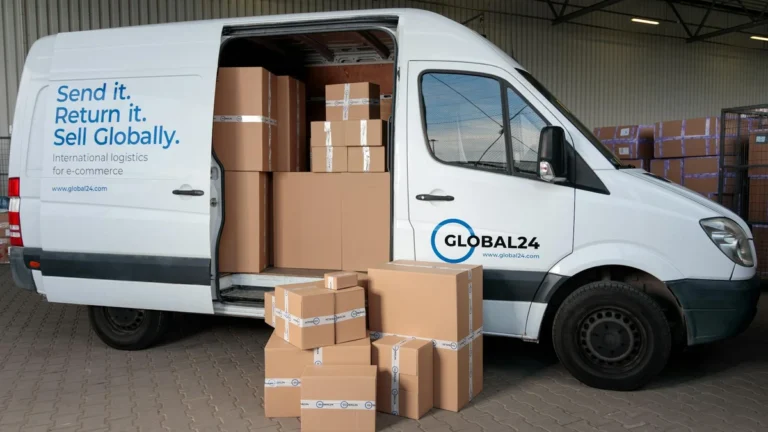
Temperature challenges: Container shipments from China to Jebel Ali port (Dubai) spend 18-22 days in transit—with Red Sea temperatures reaching 40-45°C. PE-coated paper cups must withstand thermal stress without delamination or warping.
🎯 Industry Insight: 23% of first-time exporters to Middle East fail conformity inspections at customs due to incomplete Arabic labeling or missing halal certification—resulting in 30-60 day delays and penalty storage fees.
For papacko export middle east, focus on:
Client: 12-location specialty coffee chain across Dubai and Sharjah
Challenge: Required custom-branded double-wall cups (12oz, 16oz) with Arabic/English bilingual branding, ESMA certification, and 48-hour delivery to central warehouse
Solution:
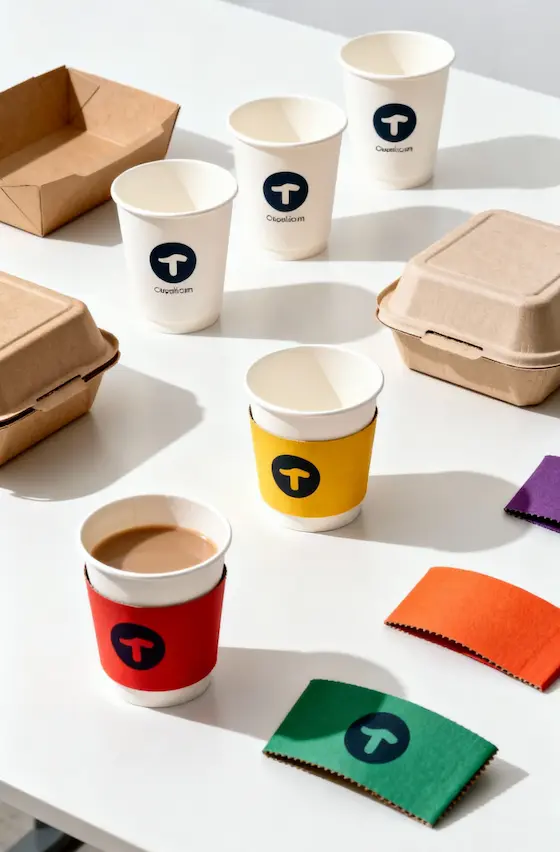
•Product: Double-wall ripple cups, 300 GSM + 25 gsm PE coating
•Customization: Full-color flexographic printing with gradient purple logo, Arabic brand tagline
•MOQ: 100,000 units per design (50,000 per size)
•Certifications: ISO 9001, ISO 22000, ESMA Gulf Mark, FDA food contact
•Logistics: Sea freight to Jebel Ali + Dubai 3PL warehouse partnership for rapid fulfillment
•Lead time: 35 days production + 20 days shipping = 55 days total (initial order), 30-day replenishment cycles
Results:
•Zero quality rejections over 18 months (>2.5 million cups delivered)
•Client expanded to add salad bowls, napkins, and cup sleeves
•Repeat orders every 4-6 weeks with consistent pricing
Understanding papacko export middle east requires attention to these factors:
Client: Regional burger chain with 25 locations across Saudi Arabia (Riyadh, Jeddah, Dammam)
Challenge: Needed leak-proof lunch boxes for hot meal delivery, compliant with SASO standards and SFDA Halal requirements
Solution:
•Product: 1000ml kraft paper lunch boxes, 350 GSM + PLA coating (eco positioning)
•Certification: SASO Certificate of Conformity, SFDA Halal certification, BPI compostable
•Packaging: Corrugated boxes with Arabic labeling, batch codes, and expiry dates (per SFDA requirements)
•Logistics: Consolidated LCL shipment to Dammam port + truck distribution to Riyadh central distribution center
Results:
•SASO inspection passed on first submission (zero delays)
•Client reported 92% reduction in leak complaints vs. previous supplier
•Annual contract signed for 800,000 units/year
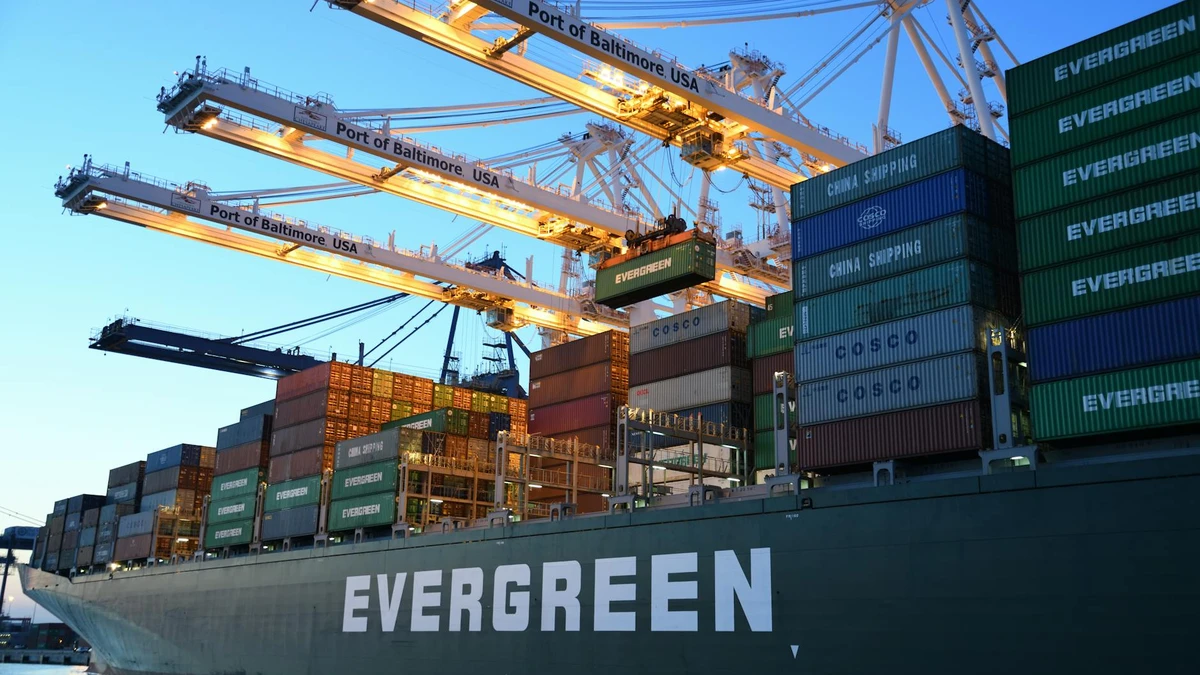
Papacko advantage: We maintain updated GCC Mark and GSO certifications, providing certified test reports with every shipment—eliminating 90% of customs clearance delays.
Mandatory information on packaging (per Gulf countries regulations):
•Product name (Arabic + English)
•Manufacturer name and address
•Country of origin (“Made in China” in Arabic: صُنع في الصين)
•Material composition
•Batch/lot number
•Manufacturing date and shelf life
•“For food contact use” statement in Arabic
Papacko solution: We provide pre-approved Arabic label templates and handle all printing/application before shipping.
Thermal challenges:
•Sea containers: 40-45°C internal temperature during Red Sea transit
•Warehouse storage: UAE/Saudi summer temperatures 45-50°C
•PE coating delamination risk: Above 60°C sustained exposure
Result: Zero heat-damage claims across 200+ shipments (2023-2026)
Common payment structures for Middle East:
Shipping options:
•Sea freight (LCL): 20-25 days to Jebel Ali/Jeddah/Dammam ($800-1,500 per CBM)
•Sea freight (FCL 20ft): 18-22 days, cost-effective for 10+ tons ($2,500-4,000 total)
•Air freight: 5-7 days, premium option for urgent orders ($4.50-6.00/kg)
Papacko partnerships: We work with COSCO, MSC, and CMA CGM for reliable Middle East routes, plus Aramex/DHL for express samples.
Problem: Middle East clients request 10-15 day delivery (unrealistic for sea freight from China)
Papacko solution:
•Dubai 3PL warehouse: Stock popular SKUs (plain white cups, kraft bowls) for 7-day delivery to UAE/Saudi/Qatar
•Production buffer: Maintain 20-30 day raw material inventory to start production immediately upon PO
•Air freight option: Available for urgent orders (premium pricing)
Problem: Small cafés and startups can’t meet 100,000-unit MOQs for custom printing
Papacko solution:
•Semi-custom option: Stock plain cups/boxes + custom printed sleeves/labels (MOQ 5,000-10,000)
•Consortium orders: Combine multiple small clients into single production run
•Stock designs: Offer 5-8 pre-designed patterns available at 10,000-unit MOQ
Problem: USD/CNY exchange rate volatility affects pricing
Papacko solution:
•90-day price lock: Guaranteed pricing for repeat orders within 3 months
•Multi-currency invoicing: Accept USD, EUR, or AED (UAE Dirham) payment
•Hedging: We manage forex risk internally, providing stable client pricing
Food safety certifications:
•✅ ISO 22000:2018 (Food Safety Management)
•✅ FDA 21 CFR 176.170 (US FDA food contact)
•✅ EU Regulation 10/2011 (European food contact materials)
•✅ GB Standards (Chinese national food safety)
Environmental certifications:
•✅ FSC (Forest Stewardship Council) chain of custody
•✅ BPI Certified Compostable (for PLA-coated products)
•✅ ISO 14001 Environmental Management System
Export certifications:
•✅ ESMA Gulf Mark (UAE)
•✅ GSO Mark (GCC countries)
•✅ SASO Certificate of Conformity template (Saudi Arabia)

Papacko holds GSO GCC Mark certification (valid for UAE, Saudi Arabia, Qatar, Kuwait, Bahrain, Oman), ISO 22000 food safety certification, and FSC chain-of-custody for sustainable forestry, papacko export middle east matter.We provide SASO Certificate of Conformity for Saudi imports and can arrange ESMA certification for UAE-specific requirements. All certifications are updated and included with shipment documentation.
Custom printed paper cups and lunch boxes: 50,000-100,000 units per design (flexographic printing). Understanding papacko export middle east helps.Semi-custom options (stock products + custom sleeves/stickers): 5,000-10,000 units. For smaller orders, we offer pre-designed stock patterns available at 10,000-unit MOQ or consortium ordering where multiple clients share a production run.
Sea freight (LCL/FCL): 18-22 days to Jebel Ali (Dubai), 20-25 days to Jeddah/Dammam (Saudi Arabia). Understanding the papacko export middle east helps.Air freight express: 5-7 days door-to-door. For clients using our Dubai warehouse partnership, in-stock items deliver within 7 days to UAE/Saudi/Qatar addresses.
Yes. Understanding papacko export middle east helps.We provide Arabic labeling services including translation, design, and printing of all mandatory information per Gulf regulations (product name, manufacturer details, material composition, batch codes). For Saudi Arabia, we arrange SFDA Halal certification through accredited certification bodies ($800-1,500, 6-8 weeks processing).
Yes. Understanding the papacko export middle east helps.Our packaging uses enhanced thermal protection: double-wall corrugated cartons with vapor barriers, heat-reflective metallized pallet wrapping, and thermal blankets for container sunny-side walls. PE-coated products are tested to withstand 60°C sustained exposure (exceeds typical 40-45°C container temperatures). We’ve had zero heat-damage claims across 200+ Middle East shipments (2023-2026).
First-time clients: 30% deposit + 70% against copy of Bill of Lading. Understanding the papacko export middle east helps.Repeat clients (3+ successful orders): 30-day open account with credit approval. Large annual contracts: 45-60 day terms with bank guarantee. We accept payment in USD, EUR, or AED via T/T, L/C, or verified payment platforms.
Yes. Understanding papacko export middle east helps.We partner with a Dubai-based 3PL warehouse that stocks popular SKUs (plain white cups, kraft bowls, standard lids) for 7-day delivery to UAE, Saudi Arabia, and Qatar. This eliminates 20-day sea freight delays for urgent or repeat orders. Custom-branded products still ship directly from China with 18-25 day lead time.
Exporting food packaging to the Middle East requires more than competitive pricing—it demands deep understanding of GCC regulatory requirements, temperature-resistant logistics, and cultural business practices. Understanding papacko export middle east helps.Papacko’s success in this region stems from comprehensive certifications (GSO, ESMA, SASO), Arabic labeling expertise, Dubai warehouse partnerships, and proven heat-resistant packaging protocols.
Key Takeaways:
1.Understanding papacko export middle east helps.GCC Mark certification is mandatory—plan 4-6 weeks for approval before first shipment
2.Understanding the papacko export middle east helps.Arabic labeling must be accurate—non-compliant labeling causes 30-60 day customs delays
3.Understanding the papacko export middle east helps.Temperature protection is critical—45°C container heat requires enhanced packaging
4.Understanding papacko export middle east helps.Local warehousing reduces lead times—Dubai stock enables 7-day delivery vs. 20-day sea freight
5.Understanding papacko export middle east helps.Halal certification opens Saudi market—SFDA approval required for food contact materials
•International Export Services
Papacko provides complete Middle East export solutions: GCC-certified products, Arabic labeling services, SASO/ESMA compliance support, and Dubai warehouse fulfillment, the papacko export middle east matter.Our team handles certification documentation, thermal-protected shipping, and local 3PL delivery—so you can focus on growing your Middle East business.
Get in touch: