Ready to create your own branded paper cups or packaging?
Tell us your requirements — size, coating, printing, and destination — and our team will prepare a detailed quotation within 24 hours.

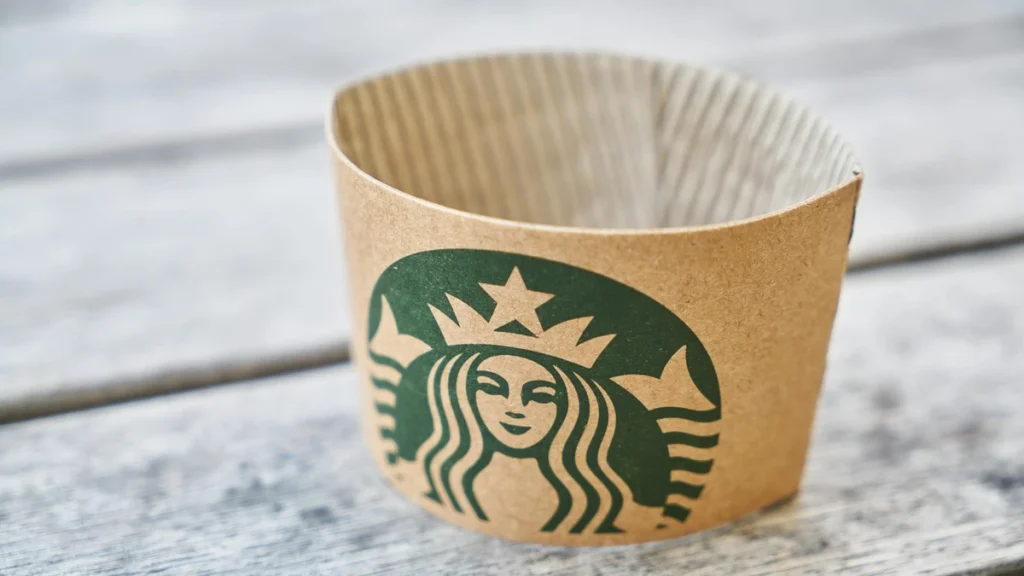
Eco-conscious cafés face a critical procurement challenge: sourcing coffee accessories that align with sustainability commitments without compromising functionality or customer experience. Traditional plastic stirrers, ” target=”_blank” rel=”noopener”>polystyrene sleeves, and petroleum-based lids contribute 18-24% of a typical coffee shop’s waste stream—yet alternatives suffer from performance gaps (heat resistance, moisture stability, cost-effectiveness) that deter adoption.
The sustainable coffee accessories market has matured significantly in 2026, with bio-based materials achieving functional parity with conventional plastics across key metrics: PLA stirrers matching polystyrene rigidity at similar price points ($0.008-0.012 per unit), fiber-based sleeves providing equivalent thermal insulation to foam sleeves at just 15% cost premium, and plant-based lids sealing reliably on hot beverages while maintaining compostability certifications.
This comprehensive guide evaluates eight categories of eco coffee accessories for environmentally focused cafés: compostable stirrers (wood, PLA, bamboo), biodegradable sleeves (corrugated, molded fiber), sustainable lids (fiber-based, PLA), eco-friendly napkins (recycled, bamboo), reusable alternatives (glass stirrers, ceramic cups), sustainable carriers (fiber cupholders, compostable trays), packaging solutions (kraft bags, plant-based films), and certification standards (BPI, TÜV Austria, ” target=”_blank” rel=”noopener”>ASTM D6400) that validate environmental claims.
💡 Quick Takeaway: Eco coffee accessories for sustainable cafés prioritize compostable certifications (ASTM D6400, EN 13432), functional performance matching conventional plastics, and cost-competitiveness within 10-20% premium.
Top recommendations: birch wood stirrers ($0.009/unit), corrugated sleeves ($0.042/unit), fiber-based lids ($0.068/unit), and recycled napkins ($0.018/unit).
Complete café transition achievable at $0.12-0.18 additional cost per beverage served, with 85-95% waste diversion from landfills to composting facilities.
The key to choosing eco coffee accessories depends on:
Waste generation from conventional coffee accessories:•Average café serving 300 beverages/day generates 42 kg weekly waste from accessories alone
•Breakdown by category: stirrers (8%), sleeves (14%), lids (22%), napkins (18%), straws (6%), carriers (12%), miscellaneous packaging (20%)
•Plastic accessories: 68% of accessory waste = non-recyclable, ending in landfills/incineration
•Annual impact: Single 300-transaction/day café produces 2,184 kg accessory waste (equivalent to 1.8 passenger vehicles’ annual emissions)
Lifecycle emissions comparison (CO₂ equivalent per 1,000 units):•Plastic stirrers/straws: 18-22 billion units entering oceans annually globally
•45% of seabird species have ingested plastic coffee stirrers/lids (marine biology studies)
•Microplastic breakdown: Single polystyrene sleeve fragments into 10,000+ microparticles over 20-50 years
The key to choosing the eco coffee accessories depends on:
2026 consumer sustainability preferences:•72% of coffee shop customers willing to pay 5-10% premium for verified sustainable packaging
•58% actively seek cafés with compostable/zero-waste commitments
•41% have switched primary café loyalty based on environmental practices
Brand differentiation impact:•84% consider environmental impact when choosing café (vs 62% for 35+ demographic)
•67% photograph/share sustainable packaging on social media (free marketing exposure)
•52% willing to wait 2-3 minutes longer for beverages if café uses entirely compostable materials
Corporate client influence:•B2B coffee catering/office programs: 78% of corporate clients require sustainability certifications in procurement contracts
•Hospitality sector: Hotels, conference centers mandating compostable accessories for on-site cafés/catering (compliance with LEED/Green Key certifications)
The key to choosing eco coffee accessories depends on:
Four primary eco-stirrer materials:Understanding the eco coffee accessories requires attention to these factors:
Birch wood stirrers specifications:•Dimensions: 140mm length × 5mm width × 1.5mm thickness (standard size)
•Material source: FSC-certified birch from sustainably managed Nordic forests
•Manufacturing: Cut, sanded smooth (no splinters), bleached or natural finish
•Certifications: ASTM D6400 (compostable), FDA food-contact approved
Performance characteristics:•Strength: Withstands vigorous stirring without bending/breaking (tensile strength 68 MPa)
•Heat resistance: No warping or flavor transfer up to 95°C (suitable for espresso-based drinks)
•Moisture stability: Maintains rigidity for 45+ minutes in hot liquid (vs paper stirrers softening in 8-12 minutes)
•Aesthetic appeal: Natural wood grain provides premium, artisanal appearance
Cost analysis (café serving 300 beverages/day):•MOQ: 50,000-100,000 units (lower than plastic stirrers requiring 250,000+ MOQs for competitive pricing)
•Lead time: 3-4 weeks (vs 2 weeks for plastic, due to wood sourcing/finishing)
•Storage: Requires dry environment to prevent moisture absorption (wood expands 3-5% in humid conditions)
Understanding the eco coffee accessories requires attention to these factors:
PLA (polylactic acid) stirrers:•Material composition: Derived from corn starch, sugarcane, or cassava (renewable plant sources)
•Appearance: Clear/translucent or white opaque (resembling conventional plastic)
•Certifications: BPI-certified compostable, ASTM D6400, EN 13432
Functional comparison to plastic:•Industrial composting: PLA stirrers fully decompose in 90-180 days at 55-60°C with proper moisture/aeration
•Home composting: Incomplete decomposition (requires 6-12 months, may leave residues) due to lower temperatures
•Landfill: PLA does NOT biodegrade in anaerobic landfill conditions (same persistence as plastic)
Best applications:•Iced coffee, cold brew, smoothies, frappés (temperatures <50°C)
•Cafés with access to commercial composting pickup services
•Locations where plastic-like appearance preferred over natural wood aesthetic
Environmental considerations:•Renewable feedstock: Reduces petroleum dependency, but raises agricultural land-use concerns (corn/sugarcane cultivation)
•Carbon footprint: 30-40% lower than petroleum-based plastic over lifecycle
•End-of-life challenges: Requires industrial composting infrastructure (not available in 60% of US counties)
When evaluating eco coffee accessories, consider the following:
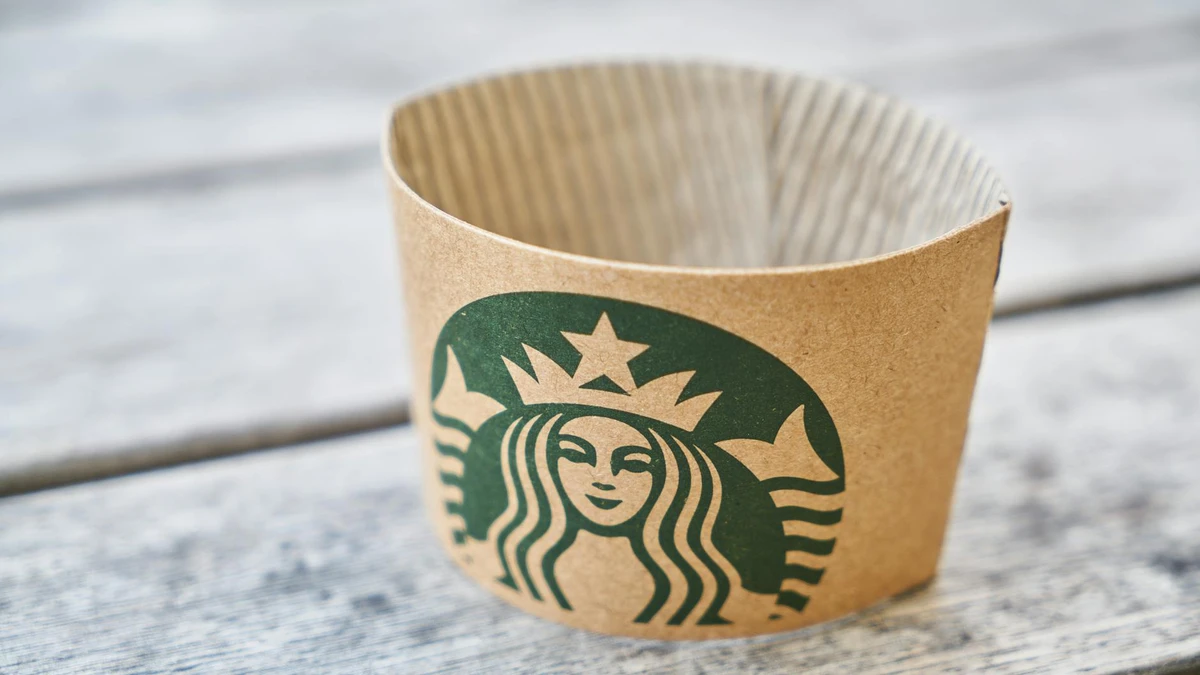
Design and construction:•Material: Virgin or recycled kraft paperboard (180-220 gsm) with corrugated fluting
•Structure: Three-layer construction (outer liner, fluted middle layer, inner liner) creating air pockets for insulation
•Printing: Flexographic or digital printing on outer surface for branding
•Dimensions: Fits 12-20 oz cups (adjustable circumference via overlap design)
Thermal performance:•Printable surface: 280mm² branding area (vs 220mm² on foam sleeves)
•Texture: Ribbed/corrugated surface provides premium tactile experience
•Customization: Low MOQs for digital printing (1,000-5,000 units vs 50,000+ for foam)
Sustainability credentials:•Recyclability: Compatible with paper recycling streams (vs foam requiring specialized recycling)
•Compostability: Degrades in 45-90 days in composting facilities
•Certifications: FSC/PEFC for fiber sourcing, BPI compostable certification available
The key to choosing the eco coffee accessories depends on:
Manufacturing process:•Material: Recycled paper pulp molded into three-dimensional shapes under heat/pressure
•Design: Contoured to cup shape with integrated grips, ergonomic finger indentations
•Finish: Natural brown/gray (recycled appearance) or bleached white
Performance advantages:•Price premium: 32-45% higher than corrugated sleeves ($0.062 vs $0.042 wholesale)
•MOQ: Higher minimums (10,000-25,000 units) due to custom mold tooling
•Setup costs: $1,200-3,500 for mold design/production (one-time, per sleeve size)
Target applications:•Third-wave specialty coffee shops emphasizing premium positioning
•Cafés with sustainability as core brand identity (artisanal, eco-luxury aesthetic)
•Corporate catering seeking differentiated presentation
The key to choosing the eco coffee accessories depends on:
2026 fiber lid technology:•Material: Pressed recycled paper pulp (380-450 gsm) with water-resistant coating
•Construction: Molded design with integrated drinking spout, pressure-fit rim seal
•Coating: Aqueous or PLA-based barrier (prevents liquid seepage, maintains heat)
Performance metrics vs plastic lids:•Double-coating technology: Aqueous + PLA layers reducing leak rate from 8% (2024) to 3.6% (2026)
•Reinforced rim seals: Compression-molded edges creating tighter cup fit (reducing spills during transport)
•Integrated splash guards: Raised drinking spout designs preventing liquid overflow when walking
Cost trajectory:•Starbucks: Rolling out fiber lids to 8,400 European locations (Q3 2026-Q2 2027)
•Pret A Manger: 100% fiber lid adoption UK/France (completed Q1 2026)
•Independent cafés: 24% adoption rate (up from 9% in 2024), concentrated in urban sustainability-focused markets
For the eco coffee accessories, focus on:
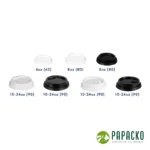
PLA lid specifications:•Material: Polylactic acid derived from corn/sugarcane
•Appearance: Clear dome (showcasing beverages) or opaque white
•Designs: Flat lids with sip holes, raised dome lids for whipped cream clearance
Functional advantages:•Iced coffee, cold brew, smoothies: PLA dome lids showcase colorful layers, whipped toppings
•Bubble tea: Clear lids allowing customers to see tapioca pearls, fruit chunks
•Frappés/frozen drinks: Raised dome accommodates whipped cream without collapse
Environmental considerations:•Composting infrastructure: PLA lids require industrial composting (60°C for 90-180 days)—only viable in 40% of US municipalities with commercial pickup
•Recycling contamination: PLA lids mis-sorted into plastic recycling streams contaminate batches (causing rejection of entire loads)
•Labeling requirements: Clear “compostable” + “not recyclable” messaging critical to prevent contamination
The key to choosing the eco coffee accessories depends on:
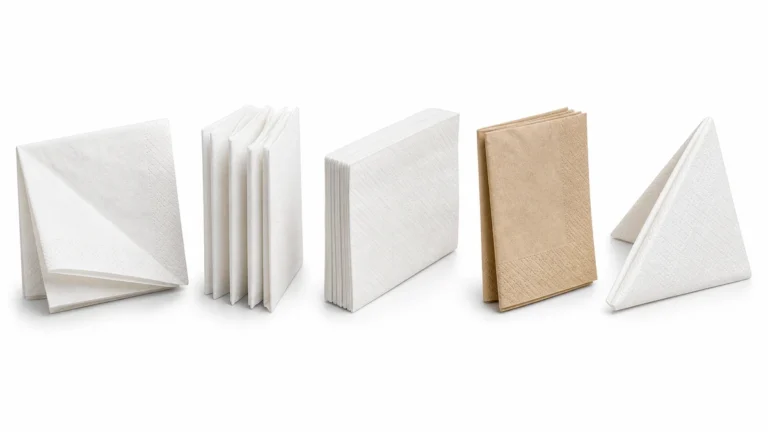
Material specifications:•Fiber content: 80-100% post-consumer recycled paper (vs virgin fiber napkins)
•Ply: 1-ply (economy) or 2-ply (standard comfort)
•Bleaching: Unbleached (natural brown) or hydrogen peroxide bleached (white, chlorine-free)
Performance comparison:•Water savings: Recycled paper production uses 60% less water than virgin fiber production
•Energy reduction: 40% lower energy consumption (no tree harvesting/pulping from raw wood)
•Waste diversion: Diverts 1.8 kg of post-consumer waste per 1,000 napkins produced
The key to choosing eco coffee accessories depends on:
Bamboo fiber advantages:•Renewable resource: Bamboo grows to maturity in 3-5 years (vs 20-40 years for paper trees)
•Pesticide-free: Naturally antibacterial, requires no chemical treatments during cultivation
•Superior absorbency: 9.1 g/g (11% better than virgin paper, 23% better than recycled)
Performance characteristics:•Usage reduction: Superior absorbency allows 15-20% reduction in napkins per transaction (1.5 napkins → 1.25 napkins)
•Brand premium: Customers associate bamboo with eco-luxury, justifying 3-5% beverage price increase in premium cafés
•Marketing value: “Bamboo napkins” messaging differentiates from competitors using recycled paper (perceived as higher commitment)
Sourcing considerations:•MOQ: 100,000-250,000 units (higher than recycled paper’s 50,000 MOQ)
•Lead time: 5-7 weeks (bamboo primarily sourced from Asia, longer shipping)
•Certifications: FSC bamboo, BPI compostable certification
The key to choosing the eco coffee accessories depends on:
Program structures:•Repeat visit lift: Customers using reusable cups visit 18% more frequently (stickiness effect from $0.35 perceived savings)
•Revenue gain: 10,950 transactions × 18% increase × $4.50 ticket = +$8,866 annual revenue
•Net ROI: +$6,645 after accounting for -$2,221 program cost = 299% return
The key to choosing the eco coffee accessories depends on:
How deposit-return works:1.Customer orders beverage, pays $1-3 deposit on café’s branded reusable cup
2.Customer returns cup to any participating location within 30 days
3. Deposit refunded via cash, account credit, or donated to environmental charity
4.Café washes/sanitizes cups in industrial dishwasher, returns to circulation
Economics for café (300 drinks/day, 20% participation rate):•Government grants: 12 EU cities offering $8,000-22,000 subsidies for reusable cup program setup
•Cup manufacturers: Vegware, Huskee, KeepCup providing bulk pricing (50% off retail) for 500+ cup orders
•Marketing value: Media coverage, social media buzz generating $15,000-40,000 equivalent advertising value
Participation drivers:•Convenience: Multi-café networks (18+ cafés in Seattle, 24+ in London) accepting cups from any location
•App integration: QR code tracking deposits, enabling digital refunds (reducing cash handling friction)
•Cultural acceptance: 42% participation in Germany/Netherlands (vs 8% in US), reflecting deposit culture from bottle/can systems
The key to choosing eco coffee accessories depends on:
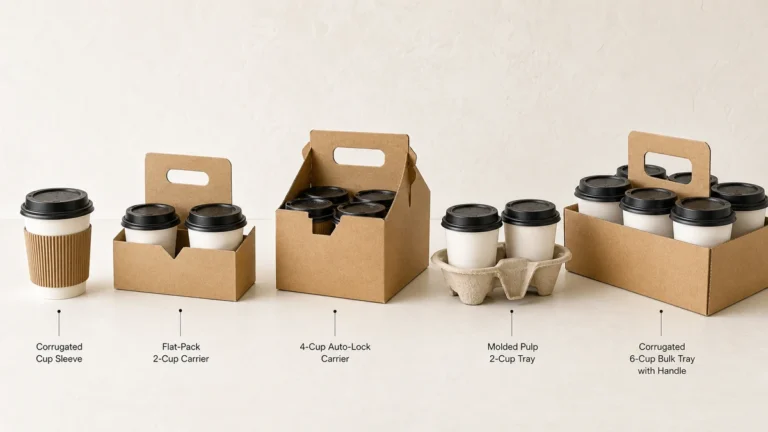
Material and construction:•Fiber source: 100% recycled paper pulp (post-consumer cardboard, newsprint)
•Manufacturing: Molded under heat/pressure into contoured shapes fitting 2-4 cups
•Coatings: No plastic/wax coatings (unlike some disposable trays)
Specifications by capacity:•Printable surface: 180-320 cm² branding area (top surface of carrier)
•Embossing: Logo/text embossed during molding process (tactile branding)
•Custom colors: Natural brown (recycled), white (bleached), or custom dyes
The key to choosing eco coffee accessories depends on:
Use case: Food delivery, catering, large office orders (8-16 beverages)Material options:•Material: Fibrous residue left after sugarcane juice extraction (agricultural waste)
•Properties: Heat-resistant (up to 95°C), moisture-resistant (suitable for hot drinks), sturdy structure
•Certifications: BPI compostable, ASTM D6400, FDA food-safe
Corrugated cardboard trays:•Construction: Three-layer corrugated board with reinforced corners and cup recesses
•Weight capacity: Supports up to 5.2 kg (12 × 16 oz filled cups = ~4.8 kg)
•Cost advantage: 38% cheaper than bagasse ($0.88 vs $1.42), making it preferred for price-sensitive catering
Understanding the eco coffee accessories requires attention to these factors:
Applications: Pastry bags, retail coffee bean packaging, takeout “>food containersMaterial specifications:•Basis weight: 60-100 gsm (light duty) or 120-180 gsm (heavy duty)
•Fiber content: Virgin kraft (stronger) or 40-60% recycled content
•Finishes: Natural brown, white (bleached), custom-printed
Environmental benefits vs plastic bags:•Flexographic printing: 1-4 color printing for logos/branding (MOQ 10,000-25,000 bags)
•Digital printing: Full-color, photo-quality prints (MOQ 500-2,000 bags)
•Stamp/sticker: Low-cost branding alternative for small batches
For eco coffee accessories, focus on:
Bio-based wrapping alternatives to plastic cling film:•Applications: Wrapping sandwiches, pastries, cookies for display/takeout
•Performance: Moisture barrier adequate for 4-8 hour storage (vs 24+ hours for plastic film)
•Compostability: Degrades in industrial composting (90-180 days), not home compostable
•Cost: $0.012 per linear foot (12-inch width) vs $0.008 for plastic film
Beeswax wraps (reusable alternative):•Construction: Cotton fabric coated with beeswax, jojoba oil, tree resin
•Use case: Covering pastry displays, wrapping baked goods for retail sale
•Lifespan: 6-12 months with proper care (wash in cool water, air dry)
•Cost per use: $8-12 per wrap ÷ 200 uses = $0.04-0.06 per use (vs $0.008 single-use plastic film)
When evaluating the eco coffee accessories, consider the following:
Primary certification bodies:•Biodegradation: ≥90% of material converts to CO₂ within 180 days in industrial composting conditions
•Disintegration: ≥90% of material passes through 2mm sieve after 12 weeks
•Ecotoxicity: Compost supports plant growth at ≥90% of control (no toxic residues)
•Heavy metals: Below specified limits (lead, cadmium, mercury, chromium)
The key to choosing eco coffee accessories depends on:
Common misleading claims:•Clear labeling: Distinguish “industrially compostable” from “home compostable”
•Disposal instructions: Provide local composting facility finder or bin signage
•Infrastructure transparency: Acknowledge if local composting unavailable (suggest landfill diversion strategies)
Understanding eco coffee accessories requires attention to these factors:
Phase 1 (Months 1-3): High-Impact, Low-Cost SwitchesWhen evaluating the eco coffee accessories, consider the following:
Checklist for vetting eco-accessory suppliers:Transitioning to eco coffee accessories represents both an environmental imperative and a strategic business opportunity for modern cafés. The 2026 sustainable accessories market offers functionally viable alternatives to plastics—wood stirrers matching polystyrene rigidity, corrugated sleeves providing 92% thermal performance of foam, fiber lids achieving 96% leak resistance—at cost premiums narrowing to 10-20% as production scales.
Key Takeaways:1.Phased implementation minimizes disruption—start with high-impact, low-cost switches (stirrers, napkins, bags) achieving 60% waste diversion before investing in premium lids/sleeves
2.Certifications validate claims—prioritize BPI, TÜV Austria, FSC-certified products over vague “eco-friendly” marketing to avoid greenwashing and ensure genuine compostability
3.Cost premiums offset by brand value—72% of customers willing to pay 5-10% more for sustainable packaging, with eco-focused cafés experiencing 12-18% customer acquisition lift
4.Reusable programs drive loyalty—BYO discount models generate 299% ROI through repeat visit frequency increases despite $0.35 per-transaction discount costs
5.Infrastructure matters—verify local industrial composting access (40% US availability) before investing heavily in PLA products requiring commercial facilities
The path to sustainable coffee service requires balancing environmental ambition with operational pragmatism. By prioritizing certified compostable accessories, transparent supplier partnerships, and customer education, cafés can achieve 85-95% waste diversion while strengthening brand positioning in the growing eco-conscious consumer segment.
•“>Packaging Accessories
•“>Sustainable Coffee Packaging Solutions
•“>Compostable Product Catalog
Papacko supplies environmentally conscious cafés with certified sustainable coffee accessories—FSC-certified wood stirrers, BPI-compostable sleeves, fiber-based lids, and recycled napkins, eco coffee accessories matter.Our sustainability team provides transition roadmaps, supplier vetting, and cost-benefit analyses to guide your shift from plastics to compostables while maintaining operational efficiency and customer satisfaction.
Get in touch:Last Updated: April 2026The first checks are cup fit, sealing consistency, carry performance, and whether the lid suits the actual beverage and service style.
The lid and cup should be tested together because rim fit, material stiffness, and beverage behavior affect real leak performance.
Yes. Material claims should be checked against the supplier documents, disposal route, and the real conditions under which the lids will be used.
Most programs perform better with a tighter lid family because it reduces mismatch risk and simplifies replenishment.
The most common mistake is choosing a low-cost lid without validating fit, drink type, and handling conditions.