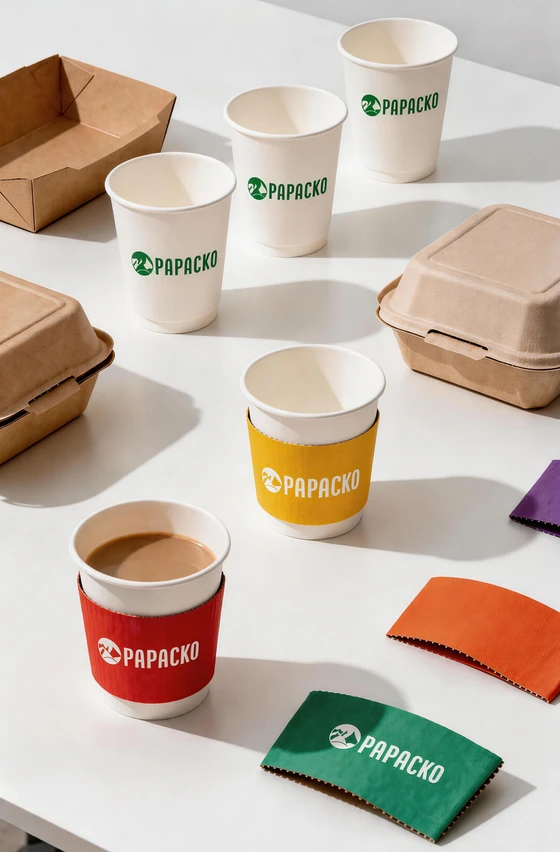
هل أنت مستعد لإنشاء أكواب ورقية أو عبوات ورقية تحمل علامتك التجارية الخاصة بك؟
أخبرنا بمتطلباتك - الحجم والطلاء والطباعة والوجهة - وسيقوم فريقنا بإعداد عرض أسعار مفصل في غضون 24 ساعة.

تواجه المقاهي المهتمة بالبيئة تحديًا جوهريًا في مجال المشتريات: وهو الحصول على مستلزمات القهوة التي تتماشى مع التزامات الاستدامة دون المساس بالوظائف العملية أو تجربة العملاء. فالملاعق البلاستيكية التقليدية، ” target=”_blank” rel=”noopener”>أغلفة البوليسترين، والأغطية المصنوعة من البترول تشكل 18-24% من نفايات المقهى العادي — ومع ذلك، تعاني البدائل من ثغرات في الأداء (مقاومة الحرارة، واستقرار الرطوبة، والفعالية من حيث التكلفة) مما يثني عن اعتمادها.
شهد سوق إكسسوارات القهوة المستدامة نضوجًا ملحوظًا في عام 2026، حيث حققت المواد ذات الأساس الحيوي التكافؤ الوظيفي مع البلاستيك التقليدي في جميع المقاييس الرئيسية: فعصارات PLA تضاهي صلابة البوليسترين عند مستويات سعرية مماثلة ($0.008-0.012 للوحدة)، توفر الأكمام المصنوعة من الألياف عزلًا حراريًا مكافئًا للأكمام الرغوية بزيادة في التكلفة تبلغ 15% فقط، وتغلق الأغطية النباتية المشروبات الساخنة بشكل موثوق مع الحفاظ على شهادات قابلية التحلل.
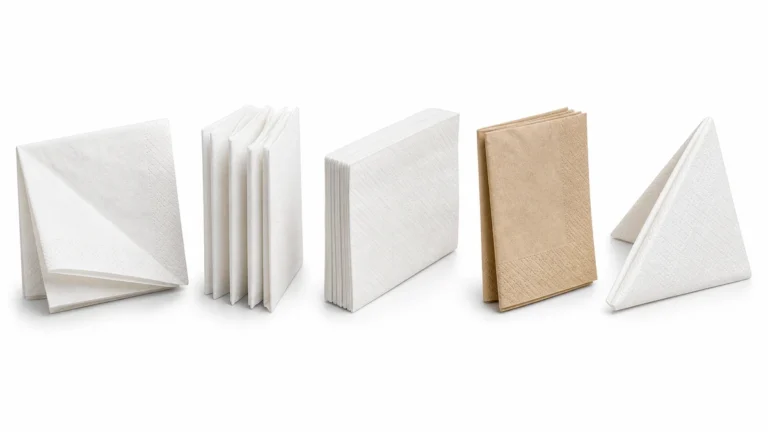
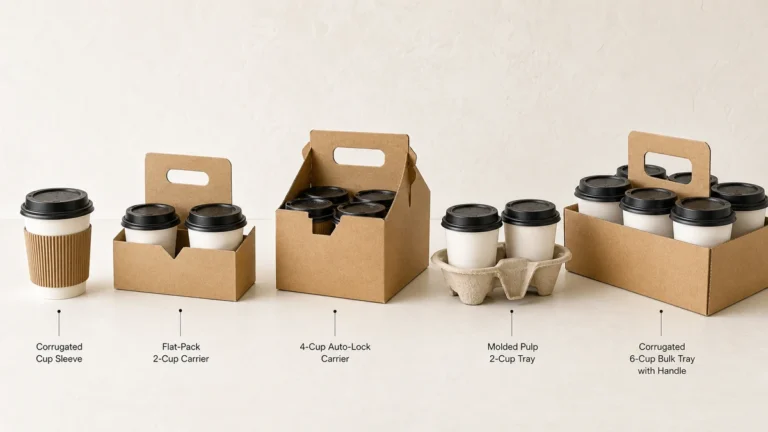
يقيّم هذا الدليل الشامل ثماني فئات من إكسسوارات القهوة الصديقة للبيئة المخصصة للمقاهي التي تهتم بالبيئة: أدوات التحريك القابلة للتحلل (الخشب، البولي لاكتيد، الخيزران)، الأغطية القابلة للتحلل (المموجة، المصنوعة من الألياف المقولبة)، الأغطية المستدامة (المصنوعة من الألياف، البولي لاكتيد)، ومناديل صديقة للبيئة (معاد تدويرها، من الخيزران)، وبدائل قابلة لإعادة الاستخدام (ملاعق زجاجية، أكواب خزفية)، وحاملات مستدامة (حاملات أكواب من الألياف، صواني قابلة للتحلل)، وحلول التغليف (أكياس كرافت، أغشية نباتية)، ومعايير الاعتماد (BPI، TÜV Austria، ” target=”_blank” rel=”noopener”>ASTM D6400) التي تثبت صحة الادعاءات البيئية.
💡 خلاصة سريعة: تُعطي إكسسوارات القهوة الصديقة للبيئة المخصصة للمقاهي المستدامة الأولوية لشهادات قابلية التحلل (ASTM D6400، EN 13432)، والأداء الوظيفي الذي يضاهي البلاستيك التقليدي، والقدرة التنافسية من حيث التكلفة ضمن فئة المنتجات الفاخرة التي تتراوح أسعارها بين 10 و201 تي بي تي 3 تي.
أهم التوصيات: أعواد التحريك المصنوعة من خشب البتولا ($0.009/الوحدة)، والأغلفة المموجة ($0.042/الوحدة)، أغطية من الألياف ($0.068/وحدة)، ومناديل معاد تدويرها ($0.018/وحدة).
يمكن تحقيق التحول الكامل للمقهى بتكلفة إضافية تتراوح بين 1 و4 تينت لكل مشروب يتم تقديمه، مع تحويل 85 إلى 951 تينت من النفايات من مكبات النفايات إلى مرافق التسميد.
يعتمد اختيار إكسسوارات القهوة الصديقة للبيئة على:
توليد النفايات من أدوات القهوة التقليدية:-المقهى العادي الذي يقدم 300 مشروب يوميًا يحقق 42 كيلوغرامًا من النفايات أسبوعيًا من الإكسسوارات وحدها
-التوزيع حسب الفئة: أدوات التحريك (8%)، الأكمام (14%)، الأغطية (22%)، المناديل (18%)، قشات (6%)، أكياس حمل (12%)، عبوات متنوعة (20%)
-الملحقات البلاستيكية: 681 طنًا من نفايات الملحقات = غير قابلة لإعادة التدوير، وتُصرف في مكبات النفايات أو تُحرق
-التأثير السنوي: ينتج مقهى واحد يُجري 300 معاملة يوميًا 2,184 كيلوغرامًا من النفايات الثانوية (ما يعادل الانبعاثات السنوية لسيارتين ركاب)
مقارنة انبعاثات دورة الحياة (مكافئ ثاني أكسيد الكربون لكل 1,000 وحدة):-الملاعق/القشات البلاستيكية: ما بين 18 و22 مليار قطعة تدخل المحيطات سنويًا على مستوى العالم
-ابتلعت 451 طائرًا من أنواع الطيور البحرية أعواد/أغطية بلاستيكية خاصة بالقهوة (دراسات في علم الأحياء البحرية)
-تحلل الجسيمات البلاستيكية الدقيقة: يتفكك غلاف واحد من البوليسترين إلى أكثر من 10,000 جسيم دقيق على مدى 20 إلى 50 عامًا
يعتمد اختيار إكسسوارات القهوة الصديقة للبيئة على:
تفضيلات المستهلكين في مجال الاستدامة لعام 2026:-72% من زبائن المقاهي المستعدين لدفع علاوة تتراوح بين 5 و101 تي بي 3 تي مقابل عبوات معتمدة كمستدامة
-58% البحث بنشاط عن المقاهي التي تلتزم باستخدام مواد قابلة للتحلل أو سياسة "صفر نفايات"
-41% لقد غيروا المقهى المفضل لديهم بناءً على الممارسات البيئية
تأثير التميز العلامة التجارية:-يأخذ 84% في الاعتبار الأثر البيئي عند اختيار المقهى (مقارنة بـ 62% للفئة العمرية 35 عامًا فأكثر)
-67% التقط صورة/شارك التغليف المستدام على وسائل التواصل الاجتماعي (ترويج مجاني)
-52% على استعداد للانتظار لمدة 2-3 دقائق إضافية للحصول على المشروبات إذا كان المقهى يستخدم مواد قابلة للتحلل بالكامل
تأثير العملاء من الشركات:-برامج توريد القهوة للشركات/المكاتب: 78% من العملاء من الشركات يشترطون الحصول على شهادات الاستدامة في عقود الشراء
-قطاع الضيافة: تفرض الفنادق ومراكز المؤتمرات استخدام مستلزمات قابلة للتحلل في المقاهي وخدمات تقديم الطعام داخل المنشآت (الامتثال لشهادات LEED/Green Key)
يعتمد اختيار إكسسوارات القهوة الصديقة للبيئة على:
أربع مواد أساسية لصناعة المحركات البيئية:لفهم إكسسوارات القهوة الصديقة للبيئة، يجب الانتباه إلى العوامل التالية:
مواصفات أعواد التحريك المصنوعة من خشب البتولا:-الأبعاد: 140 مم طول × 5 مم عرض × 1.5 مم سماكة (الحجم القياسي)
-مصدر المواد: خشب البتولا الحاصل على شهادة FSC من غابات الشمال الأوروبي المدارة بطريقة مستدامة
-التصنيع: مقطوع، مصقول بشكل ناعم (بدون شظايا)، مبيض أو بلمسة نهائية طبيعية
-الشهادات: ASTM D6400 (قابل للتحلل)، معتمد من إدارة الغذاء والدواء الأمريكية (FDA) للاستخدام في ملامسة الأغذية
خصائص الأداء:-القوة: يتحمل التحريك الشديد دون أن ينثني أو ينكسر (قوة الشد 68 ميجا باسكال)
-مقاومة الحرارة: لا يتشوه ولا ينقل النكهة حتى درجة حرارة 95 درجة مئوية (مناسب للمشروبات التي تحتوي على الإسبريسو)
-ثبات الرطوبة: يحافظ على صلابته لمدة تزيد عن 45 دقيقة في السوائل الساخنة (مقارنةً بالمحركات الورقية التي تلين في غضون 8-12 دقيقة)
-الجاذبية الجمالية: تضفي عروق الخشب الطبيعية مظهرًا فاخرًا وحرفيًا
تحليل التكاليف (مقهى يقدم 300 مشروب يوميًا):-موك: 50,000-100,000 وحدة (أقل من العصّارات البلاستيكية التي تتطلب حدًا أدنى للطلب يبلغ 250,000 وحدة أو أكثر للحصول على أسعار تنافسية)
-المهلة الزمنية: 3-4 أسابيع (مقابل أسبوعين للبلاستيك، بسبب عملية توفير الخشب والتشطيب)
-التخزين: يتطلب بيئة جافة لمنع امتصاص الرطوبة (يتوسع الخشب بنسبة 3-51٪ في الظروف الرطبة)
لفهم إكسسوارات القهوة الصديقة للبيئة، يجب الانتباه إلى العوامل التالية:
محركات من مادة PLA (حمض البوليلاكتيك):-التركيب المادي: مشتق من نشا الذرة أو قصب السكر أو الكسافا (مصادر نباتية متجددة)
-المظهر: شفاف/شبه شفاف أو أبيض غير شفاف (يشبه البلاستيك التقليدي)
-الشهادات: قابل للتحلل الحيوي معتمد من BPI، ASTM D6400، EN 13432
مقارنة وظيفية مع البلاستيك:-التسميد الصناعي: تتحلل أدوات التحريك المصنوعة من البولي ليدين تيريفثالات (PLA) تمامًا في غضون 90 إلى 180 يومًا عند درجة حرارة تتراوح بين 55 و60 درجة مئوية، مع توفر الرطوبة والتهوية المناسبتين
-التسميد المنزلي: تحلل غير كامل (يستغرق من 6 إلى 12 شهراً، وقد يترك بقايا) بسبب انخفاض درجات الحرارة
-مكب النفايات: لا يتحلل مادة PLA بيولوجيًا في ظروف مدافن النفايات اللاهوائية (تتمتع بنفس درجة ثبات البلاستيك)
أفضل التطبيقات:-القهوة المثلجة، القهوة المُخمَّرة على البارد، العصائر، الفرابيه (درجات حرارة أقل من 50 درجة مئوية)
-المقاهي التي تتوفر لها خدمات جمع النفايات العضوية للتسميد التجاري
-الأماكن التي يُفضل فيها المظهر الشبيه بالبلاستيك على جماليات الخشب الطبيعي
الاعتبارات البيئية:-المواد الخام المتجددة: يقلل من الاعتماد على النفط، لكنه يثير مخاوف بشأن استخدام الأراضي الزراعية (زراعة الذرة وقصب السكر)
-البصمة الكربونية: 30-40% أقل من البلاستيك المشتق من النفط على مدار دورة الحياة
-التحديات المرتبطة بنهاية العمر: يتطلب بنية تحتية للتسميد الصناعي (غير متوفرة في 601 مقاطعة أمريكية من فئة TP3T)
عند تقييم إكسسوارات القهوة الصديقة للبيئة، ضع في اعتبارك ما يلي:
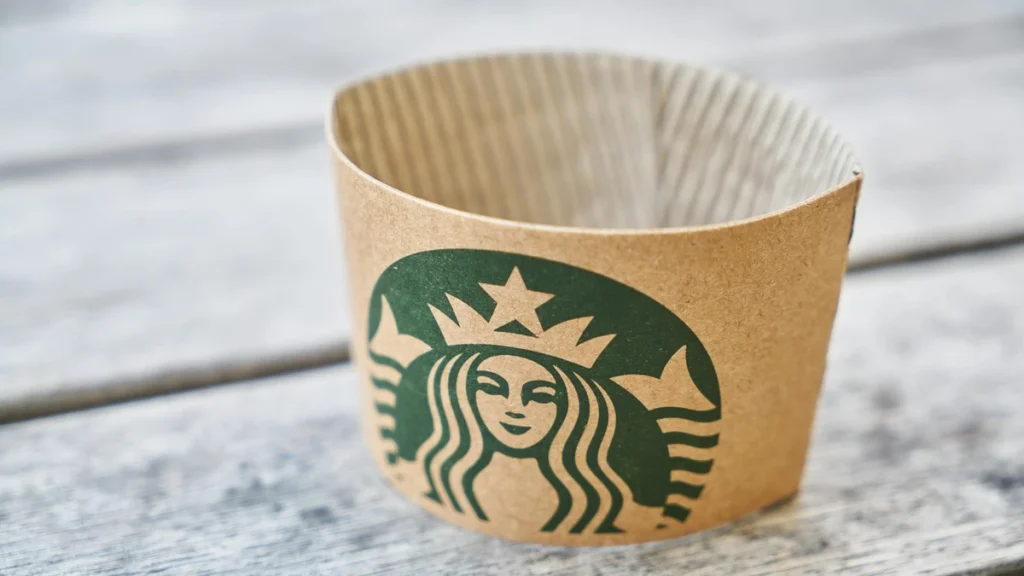
التصميم والبناء:-المواد: ورق كرافت خام أو معاد تدويره (180-220 جم/م²) مع طبقة مموجة
-الهيكل: تصميم ثلاثي الطبقات (طبقة خارجية، طبقة وسطى مخددة، طبقة داخلية) يخلق جيوبًا هوائية للعزل
-الطباعة: طباعة فلكسوغرافية أو رقمية على السطح الخارجي لغرض الترويج للعلامة التجارية
-الأبعاد: يناسب الأكواب سعة 12-20 أونصة (محيط قابل للتعديل بفضل تصميم الطبقات المتداخلة)
الأداء الحراري:-سطح قابل للطباعة: مساحة للعلامة التجارية تبلغ 280 مم² (مقابل 220 مم² في الأغلفة الرغوية)
-الملمس: يوفر السطح المضلع/المموج تجربة لمسية فائقة الجودة
-التخصيص: حد أدنى منخفض للطلبات في الطباعة الرقمية (1,000-5,000 وحدة مقابل 50,000+ وحدة للرغوة)
إنجازات الاستدامة:-قابلية إعادة التدوير: متوافق مع مسارات إعادة تدوير الورق (بخلاف الرغوة التي تتطلب إعادة تدوير متخصصة)
-قابلية التسميد: يتحلل في غضون 45 إلى 90 يومًا في مرافق التسميد
-الشهادات: شهادات FSC/PEFC لتوريد الألياف، وشهادة BPI للمنتجات القابلة للتحلل متوفرة
يعتمد اختيار إكسسوارات القهوة الصديقة للبيئة على:
عملية التصنيع:-المواد: عجينة ورقية معاد تدويرها يتم تشكيلها إلى أشكال ثلاثية الأبعاد تحت تأثير الحرارة والضغط
-التصميم: مصمم على شكل كأس مع مقابض مدمجة، وتجاويف مريحة للأصابع
-الانتهاء: بني/رمادي طبيعي (بمظهر معاد تدويره) أو أبيض مبيض
مزايا الأداء:-زيادة السعر: 32-45% أعلى من الأكمام المموجة ($0.062 مقابل $0.042 بالجملة)
-موك: حد أدنى أعلى (10,000-25,000 وحدة) بسبب تصنيع قوالب مخصصة
-تكاليف الإعداد: $1،200-3،500 لتصميم/إنتاج القوالب (مرة واحدة، لكل مقاس غلاف)
التطبيقات المستهدفة:-مقاهي القهوة المتخصصة من الجيل الثالث التي تركز على التميز في الجودة
-المقاهي التي تتخذ الاستدامة جوهرًا لهويتها التجارية (الطابع الحرفي، والجمالية البيئية الفاخرة)
-خدمات تقديم الطعام للشركات التي تسعى إلى تقديم عرض مميز
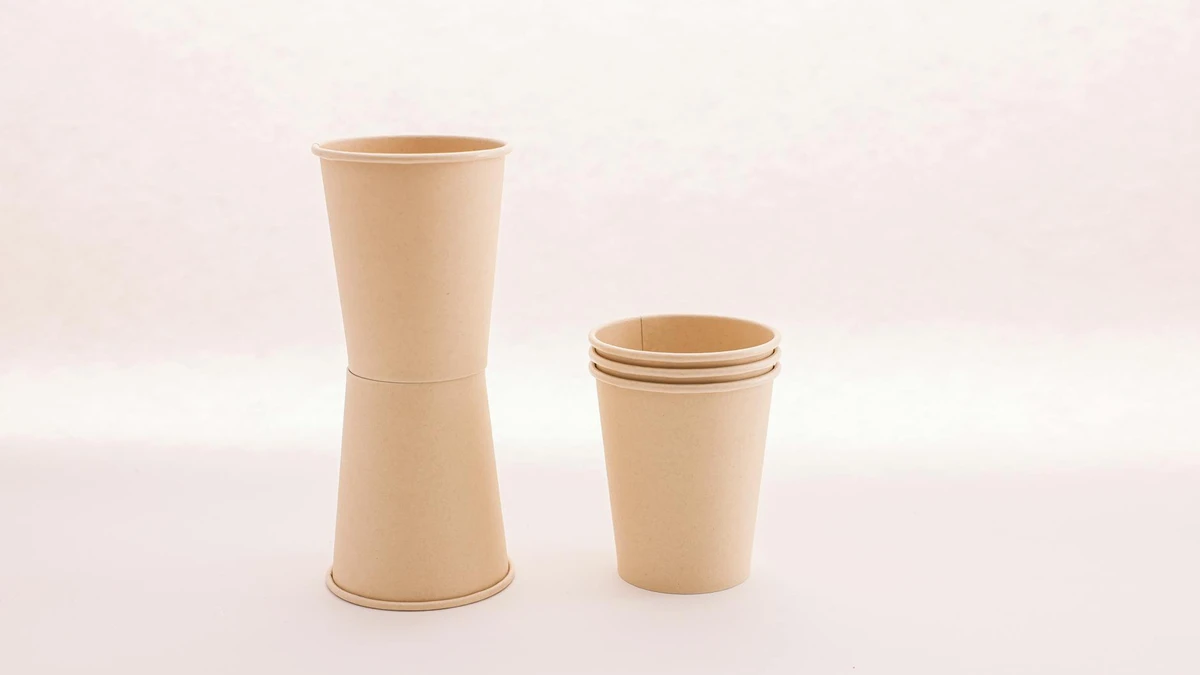
يعتمد اختيار إكسسوارات القهوة الصديقة للبيئة على:
تقنية الأغطية الليفية لعام 2026:-المواد: عجينة ورق معاد تدويرها مضغوطة (380-450 غ/م²) مع طبقة مقاومة للماء
-التركيب: تصميم مصبوب مزود بفوهة شرب مدمجة، وحافة مانعة للتسرب مثبتة بالضغط
-الطلاء: حاجز مائي أو مصنوع من مادة PLA (يمنع تسرب السوائل ويحافظ على الحرارة)
مقاييس الأداء مقابل الأغطية البلاستيكية:-تقنية الطلاء المزدوج: طبقات مائية + PLA تقلل معدل التسرب من 81 تي بي 3 تي (2024) إلى 3.61 تي بي 3 تي (2026)
-أختام حواف معززة: حواف مصبوبة بالضغط تضمن ثبات الكوب بشكل أفضل (مما يقلل من انسكاب السوائل أثناء النقل)
-واقيات متكاملة من الرذاذ: تصميمات بفوهة شرب مرتفعة تمنع انسكاب السوائل أثناء المشي
مسار التكلفة:-ستاربكس: توسيع نطاق تغطية شبكات الألياف الضوئية لتشمل 8,400 موقع في أوروبا (الربع الثالث من عام 2026 إلى الربع الثاني من عام 2027)
-بريت أ مانجر: اعتماد غطاء الألياف 100% في المملكة المتحدة وفرنسا (سيتم الانتهاء منه في الربع الأول من عام 2026)
-المقاهي المستقلة: معدل اعتماد 24% (بزيادة عن 9% في عام 2024)، يتركز في الأسواق الحضرية التي تركز على الاستدامة
بالنسبة لإكسسوارات القهوة الصديقة للبيئة، ركز على:
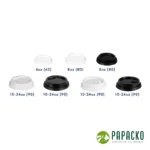
مواصفات غطاء PLA:-المواد: حمض البوليلاكتيك المستخرج من الذرة/قصب السكر
-المظهر: قبة شفافة (لعرض المشروبات) أو بيضاء غير شفافة
-التصاميم: أغطية مسطحة مزودة بفتحات للشرب، وأغطية مقببة مرتفعة لتوفير مساحة للكريمة المخفوقة
المزايا الوظيفية:-القهوة المثلجة والمشروبات المثلجة والعصائر المثلجة: أغطية "بلا" الكروية تتميز بطبقات ملونة وتزيينات مخفوقة
-شاي الفقاعات: أغطية شفافة تتيح للعملاء رؤية حبات التابيوكا وقطع الفاكهة
-المشروبات المثلجة: القبة المرتفعة تتسع للكريمة المخفوقة دون أن تنهار
الاعتبارات البيئية:-البنية التحتية للتسميد: تتطلب أغطية PLA عملية تحويل إلى سماد صناعي (عند درجة حرارة 60 درجة مئوية لمدة 90-180 يومًا) — وهي عملية قابلة للتطبيق فقط في 40% من البلديات الأمريكية التي توفر خدمة جمع النفايات التجارية
-تلوث المواد المعاد تدويرها: تؤدي أغطية PLA التي تم فرزها خطأً ضمن مسارات إعادة تدوير البلاستيك إلى تلويث الدفعات (مما يؤدي إلى رفض الشحنات بأكملها)
-متطلبات وضع العلامات: من الضروري توضيح الرسائل التي تشير إلى أن المنتج “قابل للتحلل” و“غير قابل لإعادة التدوير” لمنع التلوث
يعتمد اختيار إكسسوارات القهوة الصديقة للبيئة على:
مواصفات المواد:-محتوى الألياف: ورق معاد تدويره بعد الاستهلاك من النوع 80-100% (مقارنة بالمناديل المصنوعة من الألياف البكر)
-طبقة: طبقة واحدة (اقتصادية) أو طبقتين (راحة قياسية)
-التبييض: غير مبيض (بني طبيعي) أو مبيض ببيروكسيد الهيدروجين (أبيض، خالٍ من الكلور)
مقارنة الأداء:-توفير المياه: يستهلك إنتاج الورق المعاد تدويره كمية من المياه أقل بنسبة 60% مقارنة بإنتاج الألياف البكر
-تخفيض استهلاك الطاقة: 40% استهلاك أقل للطاقة (لا يتطلب قطع الأشجار أو تحويل الخشب الخام إلى عجينة ورقية)
-تحويل مسار النفايات: يقلل من النفايات الناتجة عن الاستهلاك بمقدار 1.8 كيلوغرام لكل 1,000 منديل يتم إنتاجها
يعتمد اختيار إكسسوارات القهوة الصديقة للبيئة على:
مزايا ألياف الخيزران:-الموارد المتجددة: ينمو الخيزران حتى يبلغ مرحلة النضج في غضون 3 إلى 5 سنوات (مقابل 20 إلى 40 سنة بالنسبة لأشجار الورق)
-خالية من المبيدات: مضاد للجراثيم بشكل طبيعي، ولا يتطلب أي معالجات كيميائية أثناء الزراعة
-قدرة امتصاص فائقة: 9.1 جم/جم (11% أفضل من الورق البكر، و23% أفضل من الورق المعاد تدويره)
خصائص الأداء:-تقليل الاستخدام: تتيح القدرة الفائقة على الامتصاص تقليل عدد المناديل المستخدمة في كل معاملة بنسبة 15-20٪ (من 1.5 منديل إلى 1.25 منديل)
-القيمة المضافة للعلامة التجارية: يربط العملاء بين الخيزران والرفاهية الصديقة للبيئة، مما يبرر زيادة أسعار المشروبات بنسبة 3-51٪ في المقاهي الفاخرة
-القيمة التسويقية: تتميز رسالة “مناديل البامبو” عن المنافسين الذين يستخدمون الورق المعاد تدويره (الذي يُنظر إليه على أنه دليل على التزام أكبر)
اعتبارات التوريد:-موك: 100,000-250,000 وحدة (أعلى من الحد الأدنى للطلب البالغ 50,000 وحدة للورق المعاد تدويره)
-المهلة الزمنية: 5-7 أسابيع (يُستورد الخيزران بشكل أساسي من آسيا، مما يستغرق وقتًا أطول في الشحن)
-الشهادات: خشب البامبو الحاصل على شهادة FSC، وشهادة BPI للمنتجات القابلة للتحلل
يعتمد اختيار إكسسوارات القهوة الصديقة للبيئة على:
هياكل البرامج:-مصعد للزيارات المتكررة: يزور العملاء الذين يستخدمون أكوابًا قابلة لإعادة الاستخدام موقع 18% بوتيرة أكبر (تأثير الولاء الناتج عن التوفير المتصور البالغ $0.35)
-زيادة الإيرادات: 10,950 معاملة × زيادة قدرها 181 تي بي 3 تي × 1 تي بي 4 تي 4.50 لكل تذكرة = +1 تي بي 4 تي 8,866 إيرادات سنوية
-صافي العائد على الاستثمار: +$6,645 بعد خصم تكلفة البرنامج البالغة -$2,221 = 299% العائد
يعتمد اختيار إكسسوارات القهوة الصديقة للبيئة على:
كيف تعمل خدمة استرداد الودائع:1.يطلب العميل مشروبًا، ويدفع مبلغ $1-3 كعربون مقابل كوب قابل لإعادة الاستخدام يحمل شعار المقهى
2.يمكن للعميل إعادة الكوب إلى أي فرع مشارك في غضون 30 يومًا
3. يتم رد مبلغ التأمين نقدًا أو عن طريق إضافة رصيد إلى الحساب أو التبرع به لجمعية خيرية بيئية
4.يقوم المقهى بغسل/تعقيم الأكواب في غسالة أطباق صناعية، ثم يعيدها إلى الاستخدام
الاقتصاد في المقهى (300 مشروب في اليوم، معدل مشاركة 20%):-المنح الحكومية: 12 مدينة في الاتحاد الأوروبي تقدم إعانات تتراوح بين 8,000 و22,000 يورو لإنشاء برامج الأكواب القابلة لإعادة الاستخدام
-مصنعو الكؤوس: تقدم شركات Vegware وHuskee وKeepCup أسعارًا بالجملة (خصم 50% على سعر التجزئة) للطلبات التي تزيد عن 500 كوب
-القيمة التسويقية: التغطية الإعلامية والضجة على وسائل التواصل الاجتماعي، مما يولد قيمة إعلانية تعادل ما بين 15,000 و40,000
عوامل المشاركة:-الملاءمة: شبكات المقاهي المتعددة (أكثر من 18 مقهى في سياتل، وأكثر من 24 مقهى في لندن) التي تقبل الأكواب من أي مكان
-تكامل التطبيقات: تتبع الإيداعات عبر رمز الاستجابة السريعة، مما يتيح إجراء عمليات استرداد الأموال رقميًا (مما يقلل من صعوبات التعامل مع النقد)
-القبول الثقافي: 42% في ألمانيا/هولندا (مقابل 8% في الولايات المتحدة)، مما يعكس ثقافة إعادة الودائع في أنظمة الزجاجات/العلب
يعتمد اختيار إكسسوارات القهوة الصديقة للبيئة على:
المواد والتصميم:-مصدر الألياف: عجينة ورق معاد تدويرها من نوع 100% (كرتون مستعمل وورق جرائد)
-التصنيع: مصبوب بالحرارة والضغط لتشكيل أشكال منحنية تتسع لـ 2-4 أكواب
-الطلاءات: خالية من الطلاءات البلاستيكية أو الشمعية (على عكس بعض الصواني التي تستخدم لمرة واحدة)
المواصفات حسب السعة:-سطح قابل للطباعة: مساحة طباعة تتراوح بين 180 و320 سم² (السطح العلوي للحامل)
-النقش: شعار/نص منقوش خلال عملية القولبة (علامة تجارية ملموسة)
-ألوان مخصصة: بني طبيعي (معاد تدويره)، أبيض (مبيض)، أو بألوان حسب الطلب
يعتمد اختيار إكسسوارات القهوة الصديقة للبيئة على:
حالة الاستخدام: توصيل الطعام، خدمات تقديم الطعام، الطلبات الكبيرة للمكاتب (8-16 مشروبًا)خيارات المواد:-المواد: بقايا ليفية تتبقى بعد استخلاص عصير قصب السكر (نفايات زراعية)
-الخصائص: مقاوم للحرارة (حتى 95 درجة مئوية)، مقاوم للرطوبة (مناسب للمشروبات الساخنة)، هيكل متين
-الشهادات: قابل للتحلل وفقًا لمعيار BPI، ASTM D6400، آمن للاستخدام الغذائي وفقًا لمعايير إدارة الغذاء والدواء الأمريكية (FDA)
صواني من الورق المقوى المموج:-التركيب: لوح مموج ثلاثي الطبقات مع زوايا معززة وتجاويف على شكل أكواب
-السعة الحمولة: يتحمل وزنًا يصل إلى 5.2 كجم (12 كوبًا ممتلئًا سعة كل منها 16 أونصة = حوالي 4.8 كجم)
-ميزة التكلفة: 38% أرخص من تفل قصب السكر ($0.88 مقابل $1.42)، مما يجعله الخيار المفضل لقطاع تقديم الطعام الذي يهتم بالأسعار
لفهم إكسسوارات القهوة الصديقة للبيئة، يجب الانتباه إلى العوامل التالية:
التطبيقات: أكياس التزيين، عبوات حبوب القهوة المخصصة للبيع بالتجزئة، حاويات الطعام الجاهزمواصفات المواد:-الوزن الأساسي: 60-100 غم/م² (للاستخدام الخفيف) أو 120-180 غم/م² (للاستخدام المكثف)
-محتوى الألياف: ورق كرافت بكر (أكثر متانة) أو ورق معاد تدويره من النوع 40-60%
-التشطيبات: بني طبيعي، أبيض (مبيض)، مطبوع حسب الطلب
الفوائد البيئية مقابل الأكياس البلاستيكية:-الطباعة الفلكسوغرافية: طباعة بألوان من 1 إلى 4 ألوان للشعارات/العلامات التجارية (الحد الأدنى للطلب 10,000-25,000 حقيبة)
-الطباعة الرقمية: مطبوعات بالألوان الكاملة وبجودة الصور الفوتوغرافية (الحد الأدنى للطلب: 500-2,000 كيس)
-طابع/ملصق: بديل اقتصادي لوضع العلامات التجارية على الكميات الصغيرة
بالنسبة لإكسسوارات القهوة الصديقة للبيئة، ركز على:
بدائل تغليف حيوية للغلاف البلاستيكي اللاصق:-التطبيقات: تغليف السندويشات والمعجنات والبسكويت لعرضها أو لطلبات التوصيل
-الأداء: حاجز رطوبة كافٍ للتخزين لمدة 4-8 ساعات (مقارنةً بـ 24 ساعة أو أكثر في حالة الأغشية البلاستيكية)
-قابلية التسميد: يتحلل في عمليات التسميد الصناعية (90-180 يومًا)، ولا يمكن تسميده منزليًا
-التكلفة: $0.012 لكل قدم طولي (بعرض 12 بوصة) مقابل $0.008 للأغشية البلاستيكية
أغلفة شمع العسل (بديل قابل لإعادة الاستخدام):-التركيب: قماش قطني مطلي بشمع العسل وزيت الجوجوبا وراتنج الأشجار
-حالة الاستخدام: تغليف عروض المعجنات، وتغليف المخبوزات المعدة للبيع بالتجزئة
-العمر الافتراضي: 6-12 شهرًا مع العناية المناسبة (يُغسل بالماء البارد ويُترك ليجف في الهواء)
-التكلفة لكل استخدام: $8-12 لكل لفة ÷ 200 استخدام = $0.04-0.06 لكل استخدام (مقارنة بـ $0.008 للغلاف البلاستيكي الذي يستخدم مرة واحدة)
عند تقييم إكسسوارات القهوة الصديقة للبيئة، ضع في اعتبارك ما يلي:
هيئات التصديق الأولية:-التحلل البيولوجي: يتحول ما لا يقل عن 901 طن من المواد إلى ثاني أكسيد الكربون في غضون 180 يومًا في ظروف التسميد الصناعي
-التفكك: تمر نسبة ≥90% من المادة عبر منخل 2 مم بعد 12 أسبوعًا
-السمية البيئية: يدعم السماد العضوي نمو النبات بنسبة ≥90% مقارنةً بالمجموعة الضابطة (لا توجد بقايا سامة)
-المعادن الثقيلة: ضمن الحدود المحددة أدناه (الرصاص، الكادميوم، الزئبق، الكروم)
يعتمد اختيار إكسسوارات القهوة الصديقة للبيئة على:
الادعاءات المضللة الشائعة:-وضع ملصقات واضحة: التمييز بين “قابل للتحلل في المنشآت الصناعية” و“قابل للتحلل في المنزل”
-تعليمات التخلص من النفايات: توفير أداة للبحث عن مرافق التسميد المحلية أو وضع لافتات على صناديق التسميد
-شفافية البنية التحتية: الإشارة إلى عدم توفر خدمات التسميد المحلي (مع اقتراح استراتيجيات لتقليل النفايات الموجهة إلى المكبات)
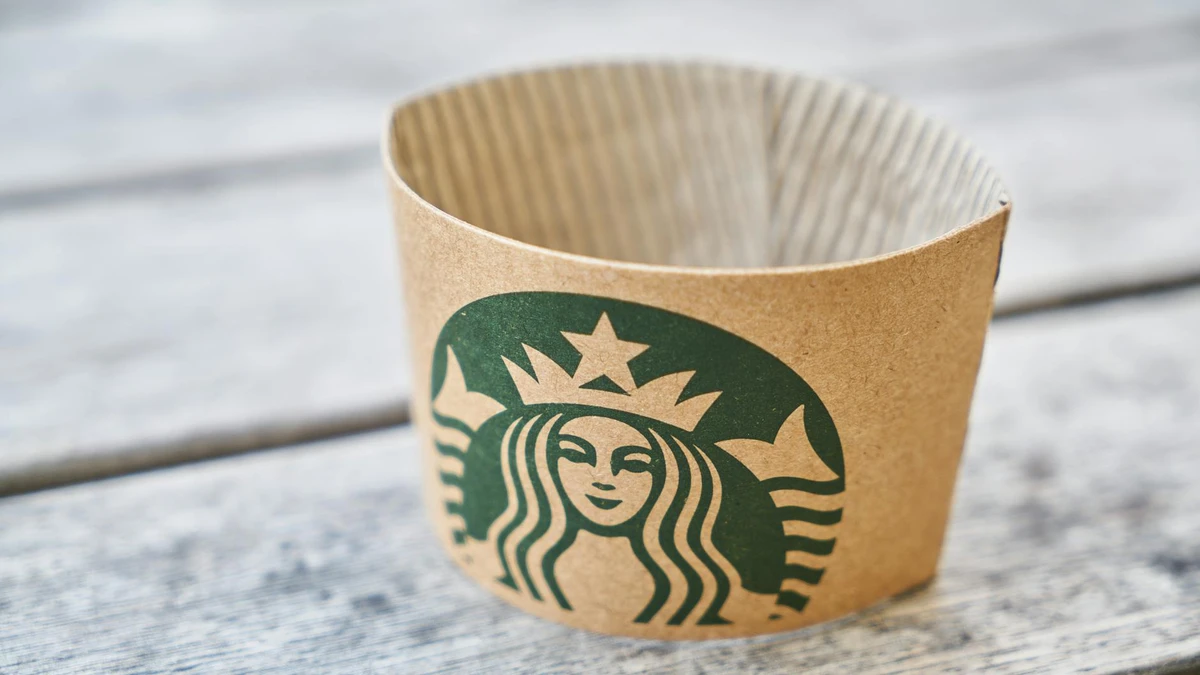
لفهم إكسسوارات القهوة الصديقة للبيئة، يجب الانتباه إلى العوامل التالية:
المرحلة الأولى (الأشهر 1-3): تغييرات ذات تأثير كبير وتكلفة منخفضةعند تقييم إكسسوارات القهوة الصديقة للبيئة، ضع في اعتبارك ما يلي:
قائمة مرجعية لتقييم موردي الإكسسوارات الصديقة للبيئة:يمثل التحول إلى استخدام إكسسوارات القهوة الصديقة للبيئة ضرورة بيئية وفرصة تجارية استراتيجية للمقاهي الحديثة. يقدم سوق الإكسسوارات المستدامة لعام 2026 بدائل عملية وقابلة للتطبيق بدلاً من البلاستيك — مثل أعواد التحريك الخشبية التي تضاهي صلابة البوليسترين، وأغلفة مموجة توفر أداءً حراريًا يضاهي الرغوة، وأغطية من الألياف تحقق مقاومة للتسرب بنسبة 96٪ — مع انخفاض الفارق في التكلفة إلى 10-20٪ مع زيادة حجم الإنتاج.
الوجبات السريعة الرئيسية:1.يقلل التنفيذ التدريجي من الاضطرابات—ابدأ بتغييرات ذات تأثير كبير وتكلفة منخفضة (مثل أدوات التحريك والمناديل والأكياس) لتحقيق تحويل النفايات بنسبة 60% قبل الاستثمار في الأغطية/الأغلفة الفاخرة
2.الشهادات تثبت صحة الادعاءات—إعطاء الأولوية للمنتجات الحاصلة على شهادات BPI وTÜV Austria وFSC بدلاً من الحملات التسويقية الغامضة التي تصفها بـ“الصديقة للبيئة”، وذلك لتجنب التضليل البيئي وضمان قابلية التحلل الحقيقية
3.تعويض الزيادة في التكلفة بقيمة العلامة التجارية—72% من العملاء مستعدون لدفع 5-10% إضافية مقابل التغليف المستدام، حيث تشهد المقاهي التي تركز على البيئة زيادة في عدد العملاء بنسبة 12-18%
4.البرامج القابلة لإعادة الاستخدام تعزز ولاء العملاء—تحقق نماذج الخصم "أحضر جهازك الخاص" عائد استثمار يبلغ 299% بفضل زيادة وتيرة الزيارات المتكررة، على الرغم من تكاليف الخصم البالغة $0.35 لكل معاملة
5.البنية التحتية أمر مهم—التحقق من توفر خدمات التسميد الصناعي المحلية (توافر خدمة 40% في الولايات المتحدة) قبل الاستثمار بكثافة في منتجات PLA التي تتطلب مرافق تجارية
يتطلب السير على طريق تقديم خدمة القهوة المستدامة تحقيق التوازن بين الطموحات البيئية والواقعية التشغيلية. ومن خلال إعطاء الأولوية للاستخدامات القابلة للتحلل الحيوي المعتمدة، والشراكات الشفافة مع الموردين، وتوعية العملاء، يمكن للمقاهي تحقيق نسبة تحويل نفايات تتراوح بين 85 و95٪، مع تعزيز مكانة العلامة التجارية في شريحة المستهلكين المتزايدة الوعي البيئي.
-“>ملحقات التغليف
-“حلول تغليف القهوة المستدامة"
-“>كتالوج المنتجات القابلة للتحلل
تزود شركة Papacko المقاهي المهتمة بالبيئة بإكسسوارات القهوة المستدامة المعتمدة — مثل أعواد التحريك الخشبية الحاصلة على شهادة FSC، والأغلفة القابلة للتحلل الحيوي الحاصلة على شهادة BPI، والأغطية المصنوعة من الألياف، والمناديل المعاد تدويرها؛ فإكسسوارات القهوة الصديقة للبيئة لها أهميتها.يقدم فريق الاستدامة لدينا خرائط طريق للتحول، وتقييم الموردين، وتحليلات التكلفة والعائد لتوجيه انتقالكم من البلاستيك إلى المواد القابلة للتحلل مع الحفاظ على الكفاءة التشغيلية ورضا العملاء.
تواصل معناآخر تحديث: أبريل 2026وتشمل الفحوصات الأولية ملاءمة الكوب، ومدى إحكام الإغلاق، وسهولة الحمل، وما إذا كان الغطاء مناسبًا للمشروب نفسه وأسلوب تقديمه.
يجب اختبار الغطاء والكوب معًا لأن ملاءمة الحافة وصلابة المادة وسلوك المشروب تؤثر على الأداء الفعلي في منع التسرب.
نعم. يجب التحقق من المطالبات المتعلقة بالمواد بمقارنتها بوثائق المورد، وطريقة التخلص منها، والظروف الفعلية التي ستُستخدم فيها الأغطية.
تُحقق معظم البرامج أداءً أفضل عند استخدام مجموعة أغطية أكثر توافقاً، لأن ذلك يقلل من مخاطر عدم التوافق ويبسط عملية إعادة التزويد.
الخطأ الأكثر شيوعًا هو اختيار غطاء منخفض التكلفة دون التأكد من ملاءمته ونوع المشروب وظروف الاستخدام.