Ready to create your own branded paper cups or packaging?
Tell us your requirements — size, coating, printing, and destination — and our team will prepare a detailed quotation within 24 hours.
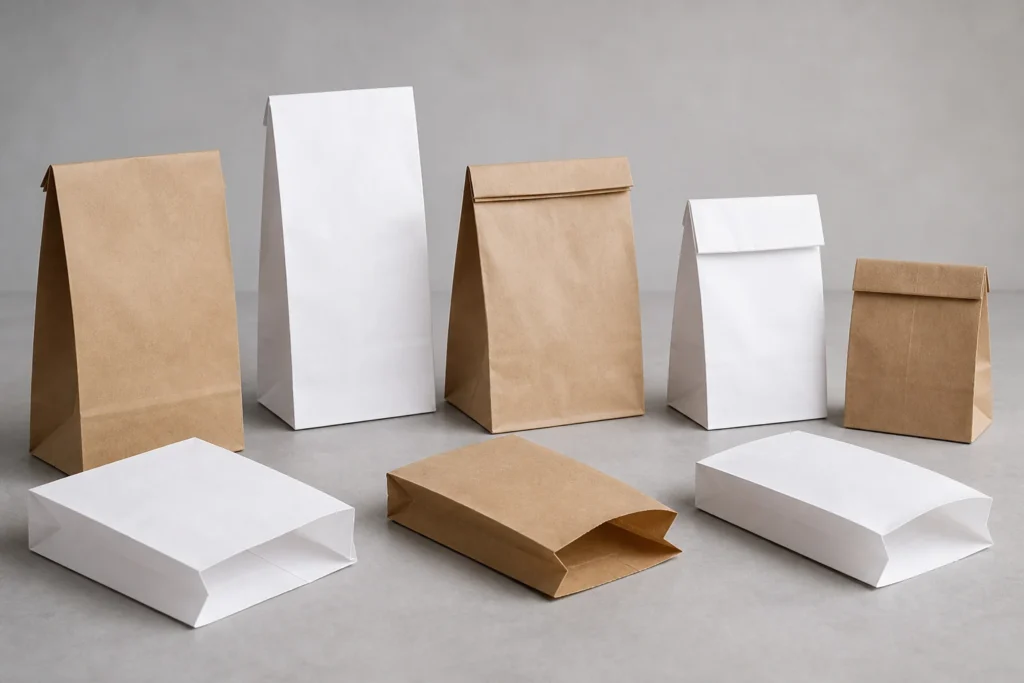
Buyers can review paper bags for foodservice through dated route maps, exact SKU records, supplier materials, matched samples, buyer observation notes, and retained sourcing files. This guide describes recordkeeping only and does not determine any product result.
Create a named record for each takeaway route used by the business. Record the team or location that owns the route, the date the map was made, and the file location. The map gives later records a shared reference without predicting a product outcome.
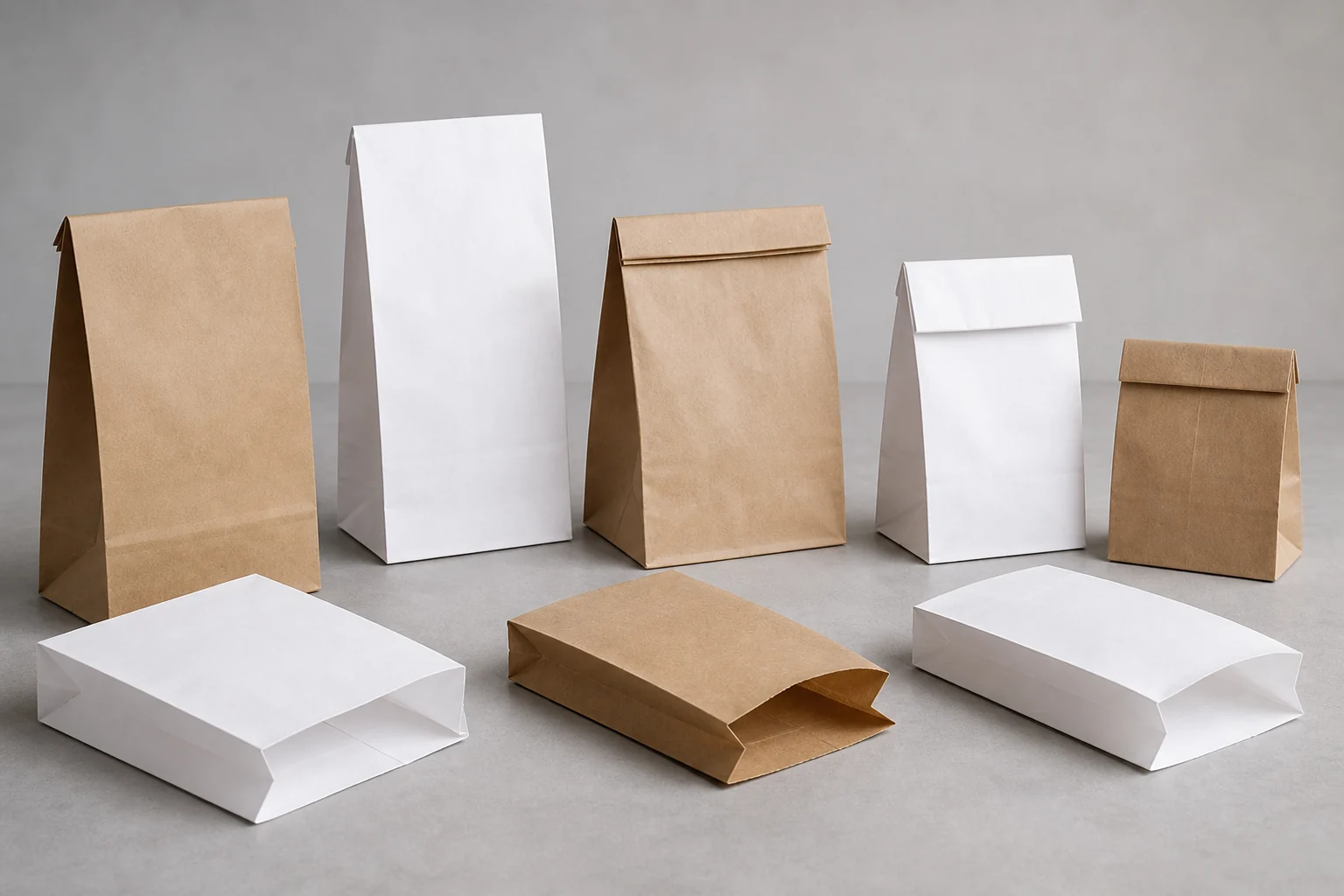
List each candidate paper bag by the exact supplier SKU. Request the documents that the supplier associates with that identifier, retain them in their original form, and record the supplier, date, and source channel. The disposable food packaging range can be used as a starting point for a written SKU request.
Create one buyer record for each physical sample set. Link the record to the supplier SKU, dated route map, and source materials. Keep supplier statements distinct from buyer observations so a later reviewer can reconstruct how the file was assembled.
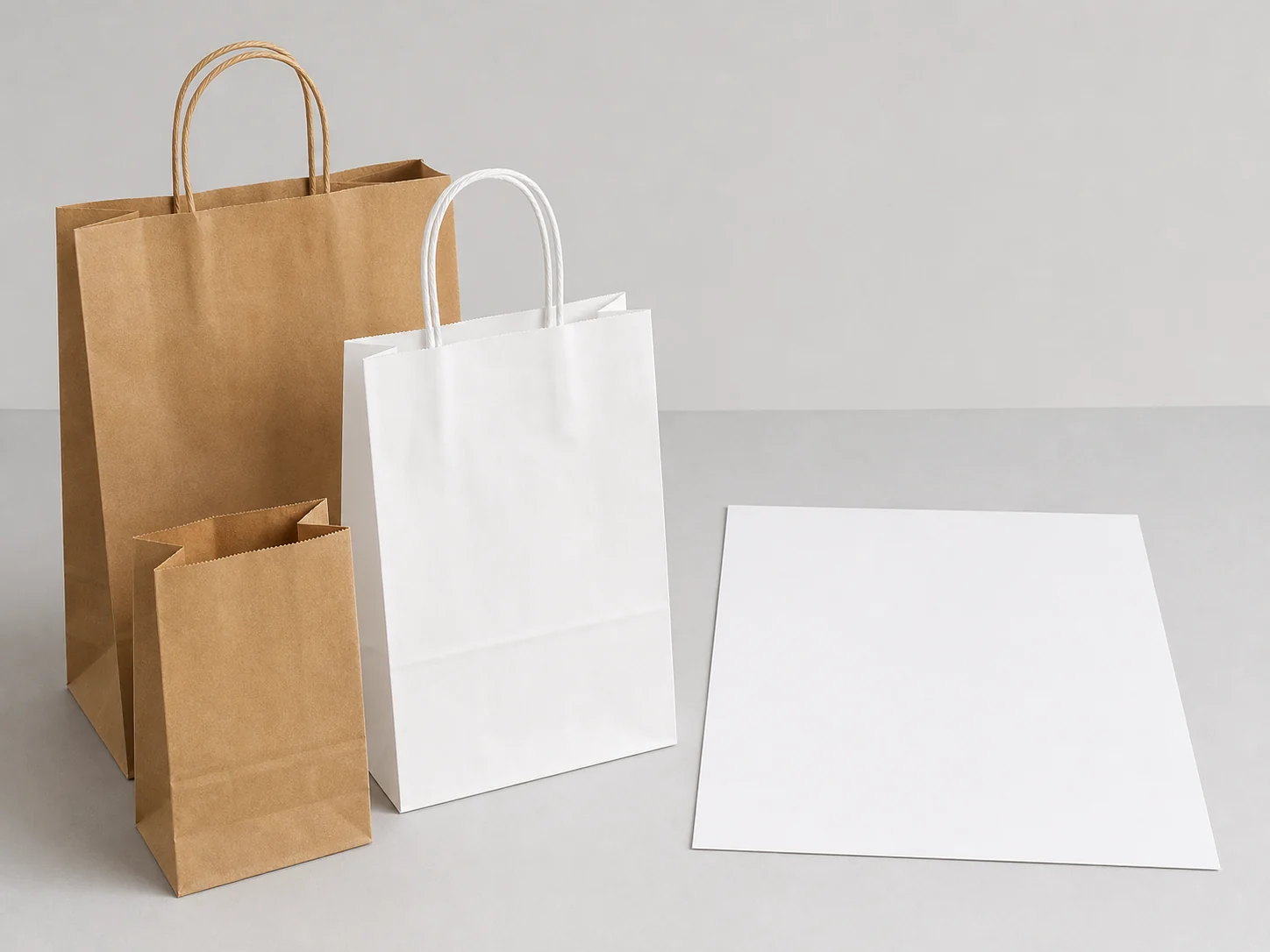
Write a short protocol before recording observations. Name the sample record, the people responsible for the notes, the record location, and a dated revision method. Apply the same observation structure across the review cycle and preserve earlier versions whenever the protocol changes.
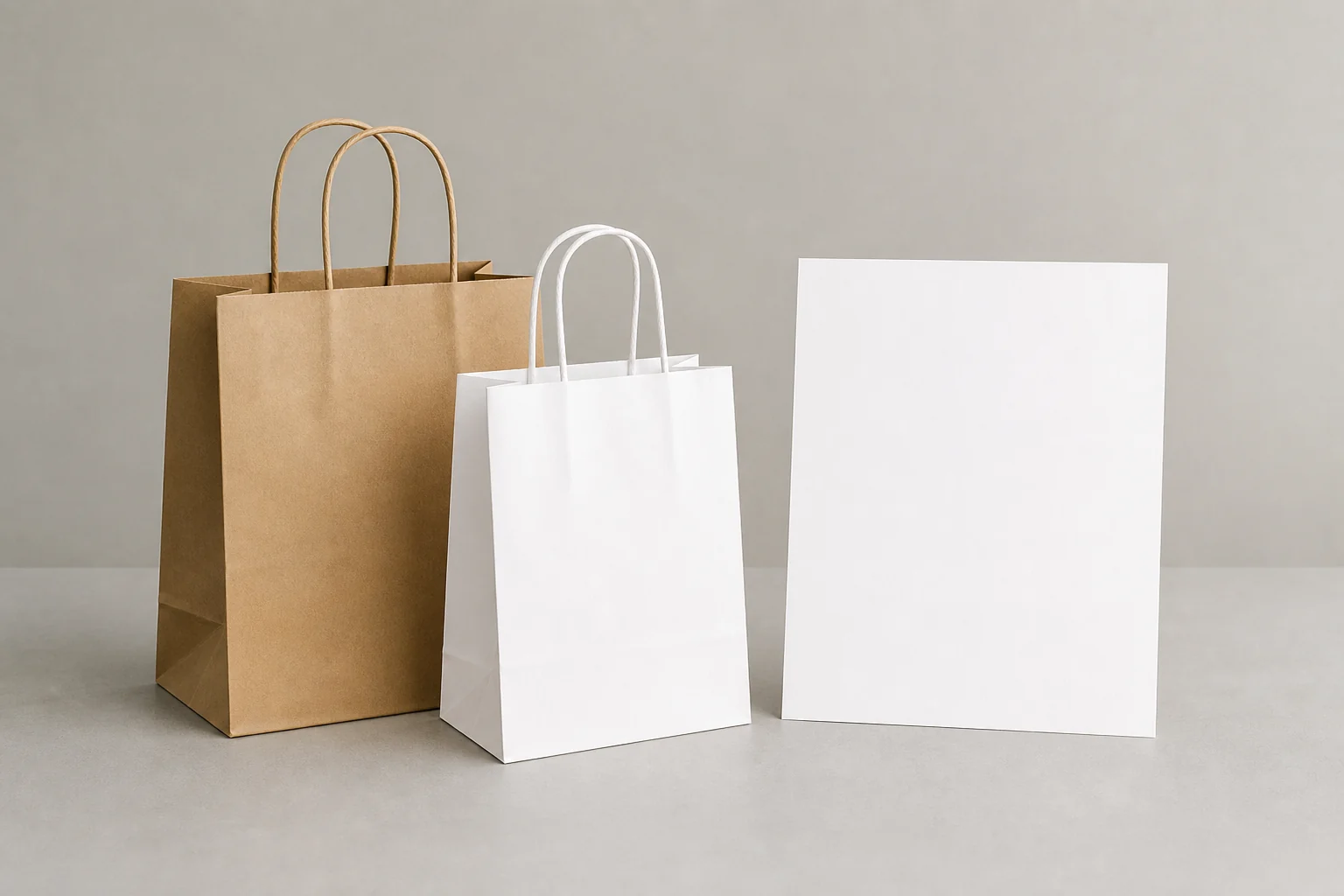
Document the buyer’s own workflow as a sequence of roles and file actions. Identify where candidate SKUs are entered, where supplier materials are retained, who records observations, and who owns the sourcing decision. If the workflow changes, add a dated revision rather than altering a completed buyer record.
Request food-contact materials that the supplier associates with each exact SKU. Keep the supplied item in the file, record its receipt date, and connect it to the SKU record. Buyers should identify the legal or regulatory resources relevant to their own jurisdiction. The European Commission food-contact materials resource is one reference point, not a product conclusion or legal advice.
Before an internal sourcing decision, check for a route map, exact SKU records, supplier materials, a sample record, buyer observation notes, and a dated decision owner. Record missing information as a gap instead of replacing it with an assumption.
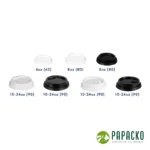
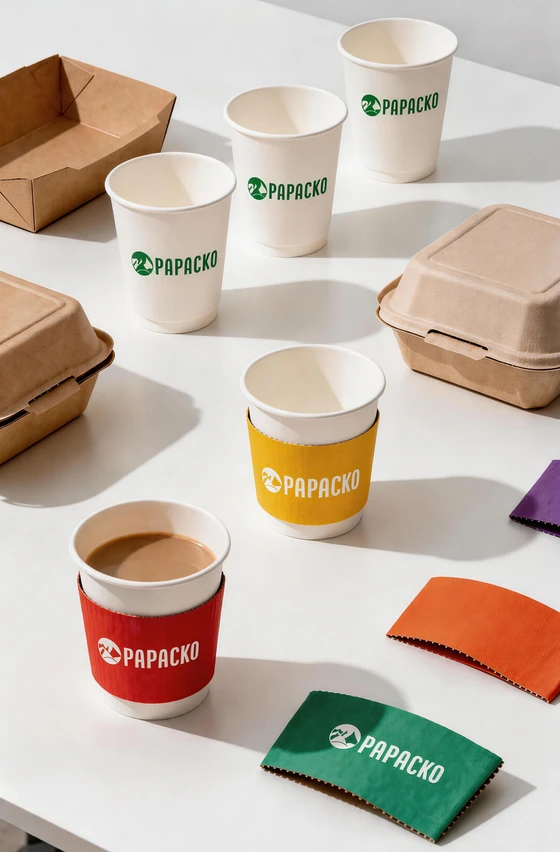
For broader category research, buyers may review food packaging containers, paper cups, paper cup lids, and compostable food packaging. Treat product-page information as a starting point for a written request and retain every received response in the buyer file.
This article describes a buyer documentation process. It does not assess, state, or imply a product attribute, product result, technical specification, load, capacity, handle outcome, material behaviour, certification, price, supply term, or regulatory conclusion. Supplier materials remain supplier statements, and buyer observations remain specific to the buyer’s dated records.
Create a dated takeaway route map naming the buyer’s own operation and the responsible team or location.
Keep them in their original form where possible and record supplier, receipt date, source channel, and exact SKU.
Separate records make it easier to trace each buyer observation back to its exact supplier identifier and source materials.
Name the sample record, observation owners, record location, and date-control method for revisions.
Record the absence and request the missing information in writing rather than using an assumption.
Add a dated entry when a new supplier item arrives, the workflow changes, or an internal sourcing decision is made.