Готовы создать собственные фирменные бумажные стаканчики или упаковку?
Сообщите нам свои требования - размер, покрытие, печать и место назначения - и наша команда подготовит подробное коммерческое предложение в течение 24 часов.

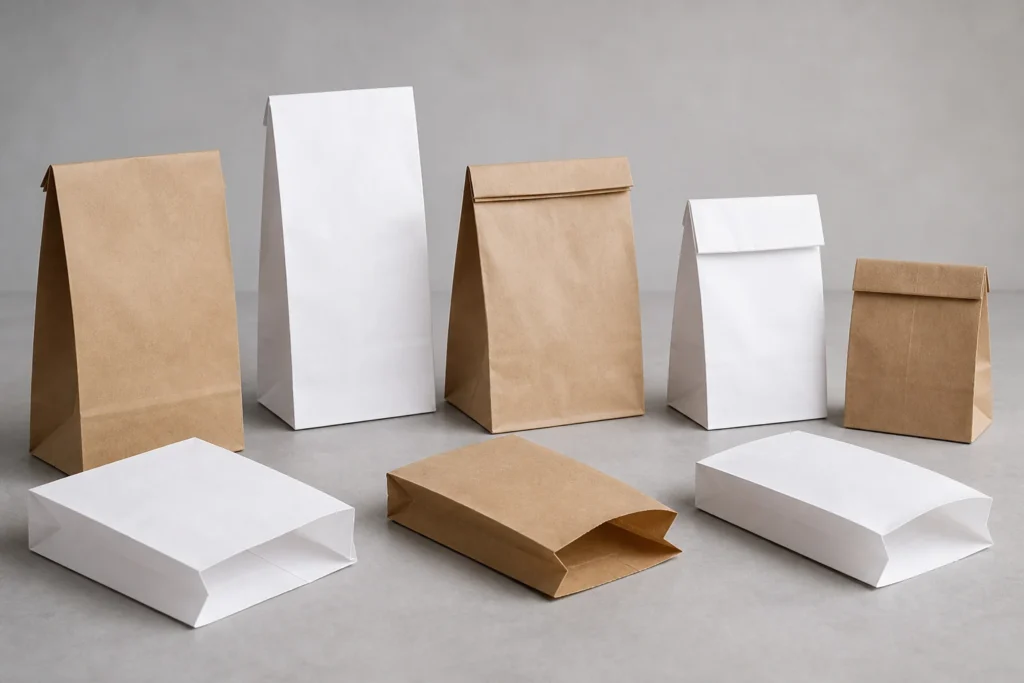
Заказчики могут проводить проверку бумажных пакетов для предприятий общественного питания с помощью датированных карт маршрутов, точных записей по артикулам, материалов поставщиков, сопоставленных образцов, заметок наблюдателей-заказчиков и сохраненных файлов по закупкам. Настоящее руководство посвящено исключительно ведению документации и не определяет результаты в отношении какой-либо продукции.
Создайте отдельную запись для каждого маршрута доставки, используемого компанией. Укажите команду или местоположение, ответственное за данный маршрут, дату составления карты и местоположение файла. Карта служит общим ориентиром для последующих записей, не предсказывая при этом конечный результат.
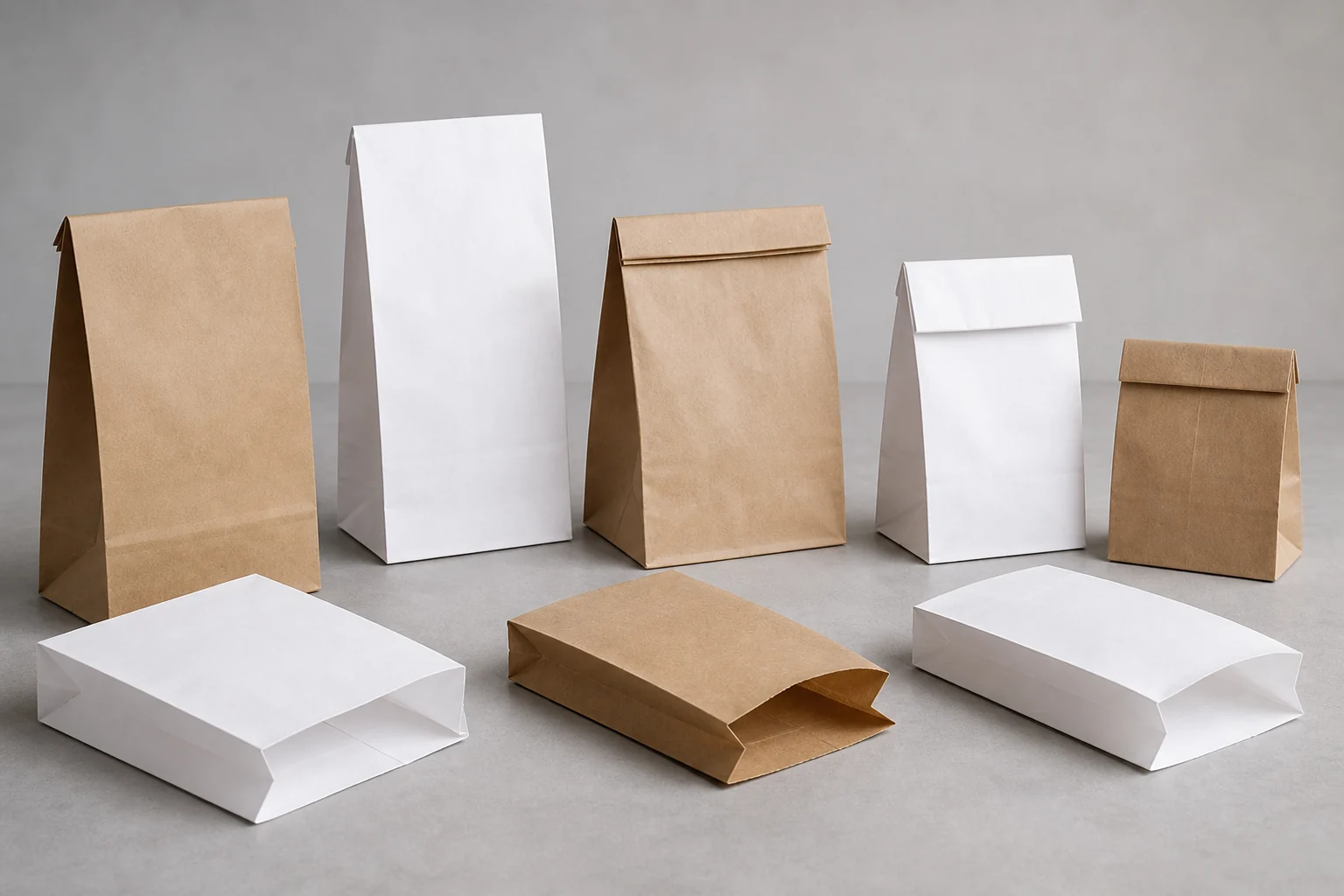
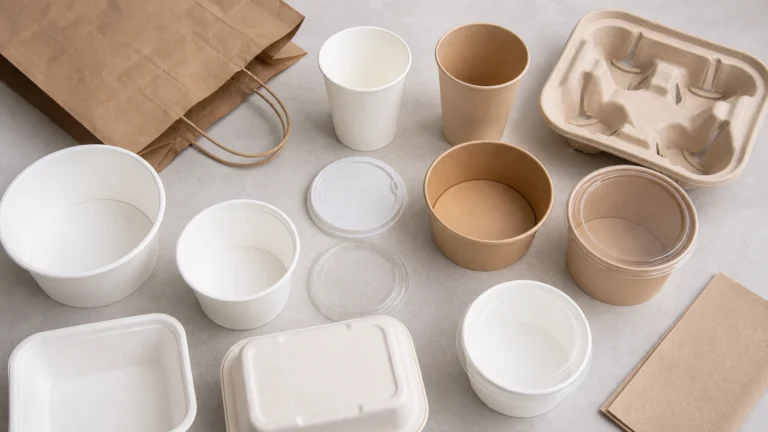
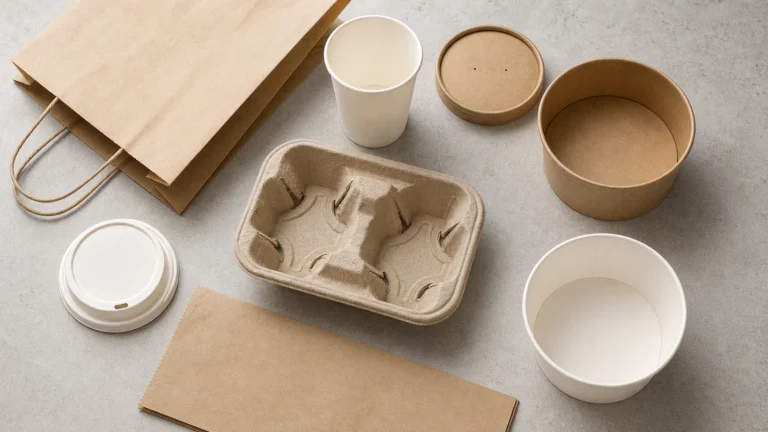
Перечислите каждую бумажную сумку-кандидат по точному артикулу поставщика. Запросите документы, которые поставщик связывает с этим идентификатором, сохраните их в исходном виде и зафиксируйте информацию о поставщике, дате и канале поставки. ассортимент одноразовой упаковки для пищевых продуктов может служить отправной точкой для составления письменного запроса на SKU.
Создайте одну запись покупателя для каждого набора физических образцов. Свяжите эту запись с артикулом поставщика, картой маршрута с указанием даты и исходными материалами. Разделяйте отчеты поставщиков и замечания покупателя, чтобы впоследствии проверяющий мог восстановить, как был сформирован данный файл.
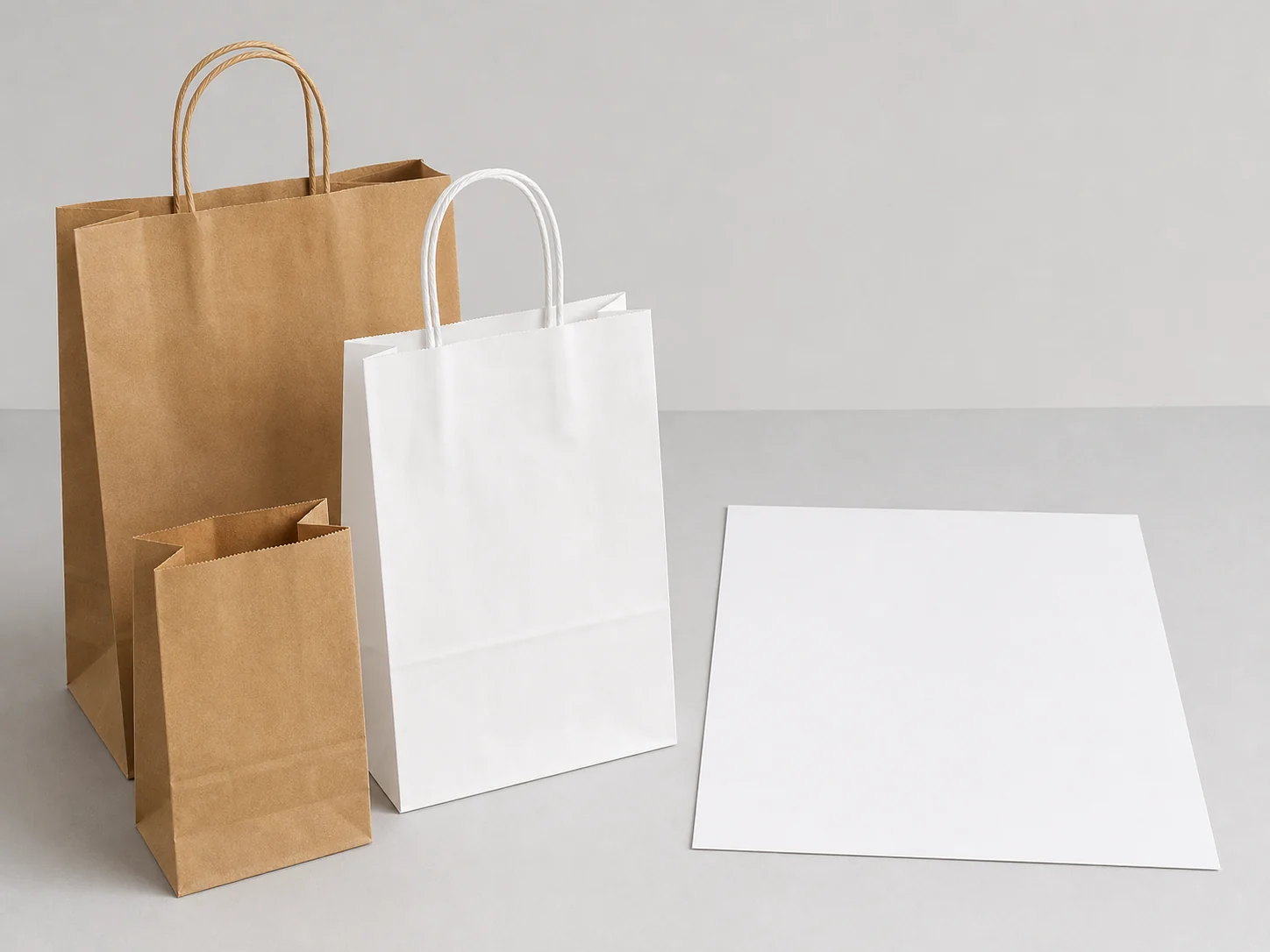
Перед началом записи наблюдений составьте краткий протокол. Укажите название записи данных, лиц, ответственных за ведение записей, место хранения записей, а также метод внесения изменений с указанием даты. Используйте одну и ту же структуру записи наблюдений на протяжении всего цикла обзора и сохраняйте предыдущие версии при каждом изменении протокола.

Опишите рабочий процесс закупщика в виде последовательности ролей и действий с документами. Определите, где вводятся потенциальные SKU, где хранятся материалы поставщиков, кто фиксирует замечания и кто принимает решение о выборе поставщика. Если рабочий процесс изменится, добавьте ревизионную версию с указанием даты, а не вносите изменения в уже заполненную запись о закупщике.

Запросите у поставщика информацию о материалах, предназначенных для контакта с пищевыми продуктами, которые он связывает с каждым конкретным SKU. Сохраните предоставленный документ в архиве, зафиксируйте дату его получения и привяжите его к записи по SKU. Закупщики должны определить правовые и нормативные документы, действующие в их юрисдикции. Ресурс Европейской комиссии по материалам, контактирующим с пищевыми продуктами является лишь ориентиром, а не окончательным заключением по продукту или юридической консультацией.
Прежде чем принять решение о внутреннем снабжении, проверьте наличие схемы маршрута, точных данных по SKU, материалов поставщика, записи об образцах, заметок наблюдателя-заказчика, а также указание лица, ответственного за принятие решения, с датой. Отметьте отсутствующую информацию как пробел, а не заменяйте её предположением.

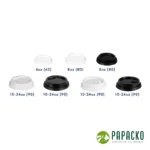
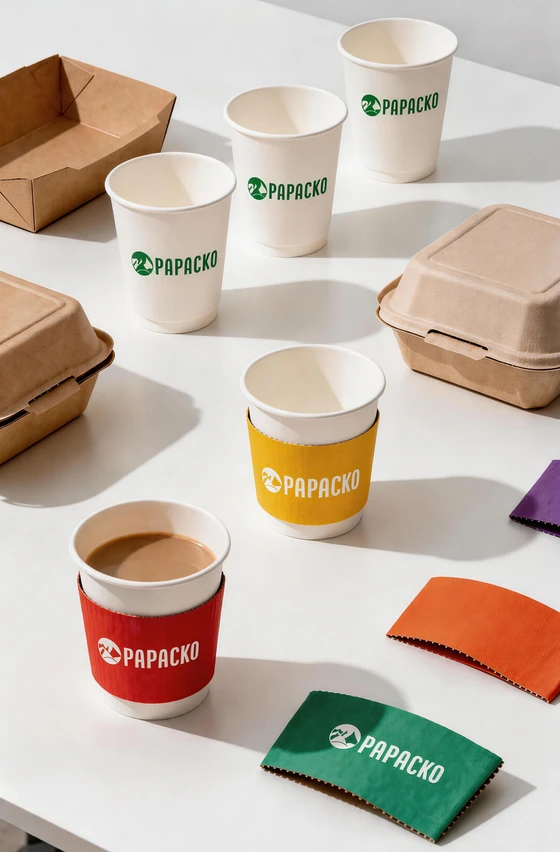
Для более обширного изучения категории покупатели могут ознакомиться с контейнеры для упаковки пищевых продуктов, бумажные стаканчики, бумажные крышки для стаканчиков, и компостируемая упаковка для пищевых продуктов. Рассматривайте информацию на странице товара как отправную точку для составления письменного запроса и сохраняйте каждый полученный ответ в личном деле покупателя.
В данной статье описывается процесс подготовки документации для покупателя. В ней не дается оценка, не указываются и не подразумеваются какие-либо характеристики продукта, результаты его использования, технические спецификации, нагрузки, грузоподъемность, результаты эксплуатации ручек, поведение материалов, сертификация, цена, условия поставки или выводы нормативных органов. Материалы поставщика остаются заявлениями поставщика, а замечания покупателя относятся исключительно к его документации с указанием даты.
Составьте карту маршрутов доставки с указанием даты, в которой будут указаны название предприятия покупателя, а также ответственная команда или местоположение.
По возможности сохраняйте их в исходном виде и указывайте поставщика, дату получения, канал поставки и точный артикул (SKU).
Отдельные записи позволяют легче отследить, какой именно поставщик и какие исходные материалы лежат в основе каждого наблюдения покупателя.
Укажите название образца записи, ответственных за наблюдения, местонахождение записи и метод контроля дат для внесения изменений.
Зафиксируйте факт отсутствия и запросите недостающую информацию в письменной форме, а не полагайтесь на догадки.
Добавляйте запись с указанием даты при поступлении новой позиции от поставщика, при изменении рабочего процесса или при принятии внутреннего решения о выборе поставщика.