هل أنت مستعد لإنشاء أكواب ورقية أو عبوات ورقية تحمل علامتك التجارية الخاصة بك؟
أخبرنا بمتطلباتك - الحجم والطلاء والطباعة والوجهة - وسيقوم فريقنا بإعداد عرض أسعار مفصل في غضون 24 ساعة.

آخر تحديث: نوفمبر 2025
وقت القراءة: 11 دقيقة
المؤلف: فريق محتوى باباكو
يستخدم مطعمك بفخر علب الطعام “القابلة لإعادة التدوير”، ولكن 801 تيرابايت و3 تيرابايت منها لا يزال ينتهي بها المطاف في مكبات النفايات لأن مرافق إعادة التدوير المحلية ترفض الورق المقوى الملوث بالطعام. وفي الوقت نفسه، دخل المقهى المقابل في الشارع في شراكة مع خدمة التسميد ويعلن الآن عن “عبوات دائرية حقيقية” تتم معالجتها بالفعل.
لا تقتصر صناديق الطعام القابلة لإعادة التدوير على مجرد وجود رمز إعادة التدوير مطبوع على الصندوق - فهي تتطلب بنية تحتية محلية متوافقة، ومواصفات المواد المناسبة، وتثقيف العملاء، وتوقعات واقعية حول معدلات إعادة التدوير الفعلية. إن الفجوة بين “قابلة لإعادة التدوير تقنيًا” و“المعاد تدويرها فعليًا” هائلة، وفهم هذا الفرق أمر بالغ الأهمية بالنسبة للمطاعم التي تقدم مطالبات الاستدامة.
في هذا الدليل، ستتعلم:
-ما الذي يجعل صناديق الطعام قابلة لإعادة التدوير حقًا (وليس مجرد ادعاءات تسويقية)
-شهادات المواد وأنواع الطلاء التي تتيح إعادة التدوير
-متطلبات وقيود البنية التحتية المحلية لإعادة التدوير المحلية
-مقارنة التكلفة: الصناديق القابلة لإعادة التدوير مقابل الصناديق القابلة للتحويل إلى سماد مقابل الصناديق العادية
-كيفية التحقق من مطالبات الموردين المتعلقة بالاستدامة
-أساليب الغسل الأخضر الشائعة التي يجب تجنبها
-معدلات إعادة التدوير الواقعية وما يؤثر عليها
💡 خلاصة سريعة: تتطلب علب الطعام القابلة لإعادة التدوير طلاءات مائية أو مشتتة (ليس البولي إيثيلين البولي إيثيلين أو البلاستيك PLA)، ومستويات تلوث الطعام أقل من 5% لقبول المنشأة، وبنية تحتية محلية لإعادة التدوير قادرة على معالجة الورق المقوى الخاص بخدمات الطعام.
معدلات إعادة التدوير الفعلية: 10-25% في معظم الأسواق (مقابل 95%+ لعلب الألومنيوم).
علاوة التكلفة: 15-30% مقابل الصناديق المغطاة بـ PE.
التحقق من الواقع الحرج: “قابلة لإعادة التدوير” لا تعني “سيتم إعادة تدويرها” - بل تعني “يمكن إعادة تدويرها إذا كانت البنية التحتية موجودة والتلوث في حده الأدنى”. الأفضل ل: الأسواق التي لديها برامج إعادة تدوير متقدمة، والعملاء الذين يشطفون الحاويات، والمطاعم التي تعطي الأولوية لرسائل الاستدامة الدقيقة على الغسل الأخضر.
يحدد الفرق بين “قابل لإعادة التدوير تقنيًا” و“معاد تدويره عمليًا” ما إذا كانت جهود الاستدامة التي تبذلها لها تأثير بيئي حقيقي أم مجرد قيمة تسويقية.
قابلة لإعادة التدوير تقنياً يعني:
-يسمح تركيب المواد بإعادة المعالجة في مصانع إعادة تدوير الورق
-لا توجد مواد بلاستيكية أو مكونات معدنية ملتصقة بشكل دائم
-جودة الألياف المناسبة للمنتجات الورقية المعاد تدويرها
-تفي بمعايير الصناعة للمواد القابلة لإعادة التدوير
معاد تدويره فعلياً يتطلب:
-مرفق إعادة التدوير المحلي يقبل الورق المقوى الخاص بخدمات الطعام
-مستوى التلوث أقل من عتبة المنشأة (عادةً <5% بقايا الطعام)
-مشاركة العملاء في التخلص السليم من النفايات
-طلب السوق الكافي على الورق المقوى المعاد تدويره
-البنية التحتية للتجميع والفرز
الفجوة: لا يتم إعادة تدوير سوى 10-25% من علب المواد الغذائية “القابلة لإعادة التدوير” في معظم الأسواق، مقارنة بـ 65-75% للورق المكتبي أو 90%+ لعلب الألومنيوم.
قاعدة الألياف:
-ورق مقوى بكر أو معاد تدويره: 250-350 GSM
-لا يوجد طلاء شمعي (يمنع استعادة الألياف)
-لا يوجد تصفيح بلاستيكي (يلوث مجرى إعادة التدوير)
-المواد اللاصقة القابلة للتحلل الحيوي فقط (وليس المواد البلاستيكية الذائبة على الساخن)
توافق الطلاء:
-✅ الطلاءات المشتتة ذات الأساس المائي: قابل لإعادة التدوير
-✅ الطلاءات البوليمرية المائية: قابلة لإعادة التدوير (تعتمد على البنية التحتية)
-❌ PE (بولي إيثيلين): غير قابلة لإعادة التدوير مع الورق
-❌ PLA (حمض البوليلاكتيك): يلوث إعادة تدوير الورق، غير قابل لإعادة التدوير
-❌ طلاء بالشمع: يمنع ترابط الألياف في عملية إعادة التدوير
قيود المكونات:
-ورق مقوى فقط (بدون نوافذ بلاستيكية)
-الأحبار الورقية أو الأحبار القابلة للذوبان في الماء
-لا دبابيس معدنية أو مشابك بلاستيكية
-مادة لاصقة قابلة للتحلل الحيوي لتجميع الصناديق
🎯 رؤى الصناعة: السر القذر لصناعة إعادة التدوير: يمكن إعادة تدوير الصناديق المغلفة بالبيئة-الكهرباء والمكتوب عليها “قابلة لإعادة التدوير” من الناحية الفنية إذا تمت إزالة الطلاء، ولكن لا يوجد مرفق تجاري يقوم بذلك على نطاق واسع.
النتيجة: يتم طمرها على الرغم من رموز إعادة التدوير.
تحل الطلاءات ذات الأساس المائي هذه المشكلة، ولكنها تكلف 20-35% أكثر.
حتى الصناديق المثالية القابلة لإعادة التدوير تفشل بدون أنظمة محلية متوافقة. إن فهم قيود البنية التحتية يمنع ادعاءات الاستدامة الزائفة.
متطلبات المعدات:
-أنظمة اللب التي تتعامل مع الورق المقوى الخاص بخدمات الطعام (مقياس أثقل من الورق المكتبي)
-التعويم أو الفرز لإزالة جزيئات الطعام
-إمكانية إزالة الحبر عن الصناديق المطبوعة
-مراقبة الجودة لمستويات التلوث
تحديات المعالجة:
-بقايا الطعام: تلوث > 5% عادةً ما يرفض الدفعة بأكملها
-امتصاص الشحوم/الزيت: يضعف قوة الألياف المعاد تدويرها
-المواد المختلطة: الفرز مطلوب (لا تستطيع جميع المرافق ذلك)
-اقتصاديات الحجم: الكميات الصغيرة لا تستحق المعالجة
معايير قبول المنشأة:
معظم منشآت إعادة التدوير لديها قواعد محددة:
-المنتجات الورقية فقط (بدون طلاء بلاستيكي)
-الحد الأدنى من التلوث الغذائي (<5%)
-بدون شمع أو طلاء بولي إيثيلين
-الصناديق الجافة فقط (الصناديق الرطبة مرفوضة)
-الحد الأدنى لحجم البالات للمعالجة الاقتصادية
الأسواق ذات البنية التحتية الجيدة:
-أوروبا الغربية (خاصة ألمانيا وهولندا والدول الاسكندنافية)
-أجزاء من كاليفورنيا وأوريغون وواشنطن (الولايات المتحدة)
-المناطق الحضرية الكبرى ذات البرامج المتقدمة
-البلدان التي لديها قوانين مسؤولية المنتج الموسعة
الأسواق ذات البنية التحتية المحدودة:
-معظم المناطق الريفية على مستوى العالم
-تطوير الأسواق بدون أنظمة مركزية للنفايات
-المناطق الأمريكية التي لا تتوفر فيها إمكانية إعادة التدوير على الرصيف
-المناطق التي تعتمد على إدارة النفايات التي تهيمن عليها المكبات
طريقة التحقق:
قبل تقديم مطالبات إعادة التدوير، اتصل بمزود خدمة إدارة النفايات المحلي:
1.اسأل عما إذا كانوا يقبلون الورق المقوى لخدمات الطعام
2.طلب حدود التلوث
3.تأكيد أنواع الطلاء المقبولة
4.فهم معدلات إعادة التدوير الفعلية (وليس فقط معدلات التجميع)
مقارنة البنية التحتية لإعادة التدوير #1T1T1T1T1T1T1T5T5T
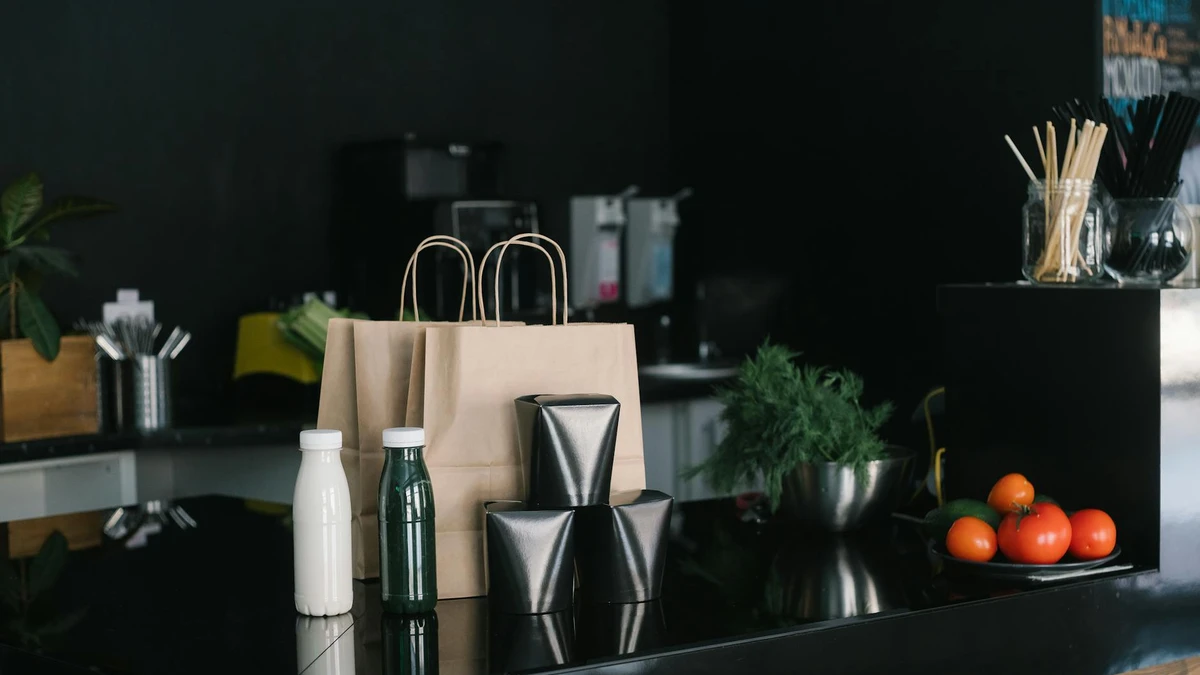
تتحقق الشهادات من ادعاءات قابلية إعادة التدوير، ولكن فهم ما تضمنه بالفعل أمر بالغ الأهمية.
FSC (مجلس رعاية الغابات):
-ما الذي تصادق عليه: الإدارة المسؤولة للغابات
-أهمية إعادة التدوير: ضمان مصادر مستدامة للألياف
-ما لا يضمنه: إمكانية إعادة تدوير الطلاء، وتوافر المعالجة المحلية
-القيمة: قوية لرسائل الاستدامة، محدودة لإثبات قابلية إعادة التدوير
ملصق How2Recycle:
-ما الذي تصادق عليه: إمكانية إعادة التدوير على أساس البنية التحتية لأمريكا الشمالية
-الفئات: “قابل لإعادة التدوير على نطاق واسع”، “تحقق محليًا”، “غير قابل لإعادة التدوير بعد”
-أهمية إعادة التدوير: تقييم صادق لقابلية إعادة التدوير الفعلية
-الحدود: التركيز على الولايات المتحدة/كندا، وليس على المستوى العالمي
المطالبة القابلة لإعادة التدوير (عام):
-ما الذي يعنيه ذلك: من الممكن تقنياً إعادة التدوير
-ما لا يعنيه ذلك: سيتم إعادة تدويرها، البنية التحتية موجودة
-العلم الأحمر: مطالبات “قابلة لإعادة التدوير” غير مدعومة بدون مواصفات
ترميز PAP (الاتحاد الأوروبي):
-برنامج PAP 21: كرتون مموج/ورق مقوى مموج
-باب 22: ورق عادي
-أهمية إعادة التدوير: تساعد مرافق الفرز على تحديد المواد
-المتطلبات: الامتثال لتوجيهات الاتحاد الأوروبي بشأن التعبئة والتغليف
التحقق من الطلاء المعتمد على الماء:
-طلب صحيفة بيانات سلامة المواد MSDS (صحيفة بيانات سلامة المواد)
-تأكيد عدم وجود محتوى PE/PLA
-التحقق من المكونات القابلة للتحلل الحيوي
-تحقق من خطابات قبول منشأة إعادة تدوير الورق
معايير الاختبار:
-TAPPI T 213 (اختبار تعداد الأوساخ للباب المعاد تدويره)
-ISO 5263 (ضرب اللب في المختبر)
-ATICELCA® MC 501 (التسميد/إعادة التدوير في إيطاليا)
🚩 “100% قابل لإعادة التدوير” بدون سياق:
-مضللة في حالة عدم وجود بنية تحتية محلية
-يجب تحديد: “قابلة لإعادة التدوير حيثما وجدت المرافق”
🚩 رمز إعادة التدوير وحده:
-الرمز لا يضمن القبول
-يجب أن يتضمن رمز المادة وتوافرها محليًا
🚩 “صديقة للبيئة” بدون تفاصيل:
-مطالبات مبهمة بدون تصديق
-يمكن أن يعني أي شيء بدءًا من المحتوى المعاد تدويره 5% إلى المحتوى القابل للتسميد بالكامل
🚩 “قابل للتحلل الحيوي” على العلب المغلفة:
-لا تتحلل طلاءات البولي إيثيلين البولي إيثيلين/جزيئات البولي إيثيلين البولي إيثيلين غير قابلة للتحلل في أطر زمنية معقولة
-يتطلب شروطًا محددة نادرًا ما تتوافر في مدافن النفايات
يساعد فهم إجمالي التكاليف البيئية والمالية على اتخاذ قرارات مستنيرة.
الصناديق القياسية المغلفة بالبولي إيثيلين البولي إيثيلين ($0.12-0.18 لكل وحدة):
-التكلفة الأساسية، متاحة على نطاق واسع
-غير قابل لإعادة التدوير (على الرغم من بعض الادعاءات)
-نهاية العمر الافتراضي فقط
صناديق المياه القابلة لإعادة التدوير ($0.15-0.24 لكل وحدة):
-+20-30% الممتاز مقابل المطلي ب PE
-قابلة لإعادة التدوير بالفعل (تعتمد على البنية التحتية)
-يتطلب شطف العميل لقبوله
الصناديق القابلة للتحويل إلى سماد المغلفة بجلادة PLA ($0.18-0.28 لكل وحدة):
-+40-601-60% الممتاز مقابل المطلي ب PE
-غير قابلة لإعادة التدوير (تلوث مجرى الورق)
-يتطلب سمادًا تجاريًا
ألياف مصبوبة/باجاس مصبوب ($0.20-0.32 لكل وحدة):
-+60-1001-100% الممتاز مقابل المطلي ب PE
-قابلة للتسميد وأحياناً لإعادة التدوير
-الموقع البيئي المتميز
تثقيف العملاء:
-لافتات تشرح التخلص السليم من النفايات: $50-200 لمرة واحدة
-تدريب الموظفين على إعادة التدوير مقابل التسميد: 2-3 ساعات
-ارتباك العملاء وتساؤلاتهم المستمرة
تكاليف البنية التحتية:
-حاويات إعادة التدوير المنفصلة: $30-80 لكل موقع
-ملصقات وتعليمات واضحة: $20-50
-تنسيق ناقل النفايات: متغير
قيمة العلامة التجارية:
-مطالبات إعادة التدوير الصادقة: بناء الثقة
-اكتشاف ادعاءات كاذبة الإضرار بالسمعة بشدة
-علاوة الشفافية: بعض العملاء المستعدين لدفع 10-15% أكثر
مقارنة التكلفة الإجمالية للملكية #1T1T1T1T1T1T1T5T (لكل 1000 صندوق)
#P5T# اختيار الموردين والتحقق منهم
إن اختيار الموردين الذين يقدمون ادعاءات صادقة بشأن قابلية إعادة التدوير يمنع مسؤولية الغسل الأخضر.
متطلبات التوثيق:
-تفاصيل تركيب المواد (الألياف %، نوع الطلاء، المادة اللاصقة)
-طلاء MSDS يثبت الطلاء ذو الأساس المائي أو الطلاء المشتت
-نسخ الشهادات (FSC، How2Recycle، إلخ)
-خطابات قبول مرفق إعادة التدوير (من الناحية المثالية من مناطق متعددة)
-نتائج اختبارات الطرف الثالث لقابلية إعادة التدوير
مؤشرات الموردين الشرفاء:
-يحدد نوع الطلاء بوضوح (غير مخفي)
-الإقرار بمحدودية البنية التحتية
-يوفر إرشادات إقليمية لإعادة التدوير
-لا تبالغ في الوعد بإمكانية إعادة التدوير الشاملة
-تقدم مواد تعليمية للمستخدمين النهائيين
الأعلام الحمراء:
-يرفض تقديم مواصفات الطلاء
-المطالبات “100% قابلة لإعادة التدوير في كل مكان”
-عدم وجود شهادات أو شهادات “معلقة”
-سعر أقل بكثير من سعر سوق الطلاء المائي (من المحتمل أن يكون PE)
-مطالبات الاستدامة العامة دون تفاصيل محددة
1.“ما هو الطلاء المحدد المستخدم؟”
- مقبول: “مشتت ذو أساس مائي، بدون بلاستيك”
- علامة حمراء: “طلاء خاص” أو إجابات غامضة
2.“هل يمكنك تقديم خطابات قبول مرفق إعادة التدوير؟”
- قوية: رسائل متعددة من مناطق مختلفة
- ضعيف: لا توجد وثائق أو “راجع منشأتك المحلية”
3.“ما هو معدل إعادة التدوير في الأسواق التي تخدمونها؟”
- صادقة: 15-40% حسب المنطقة
- مشبوهة: 80%+ المطالبات (نادراً ما يمكن تحقيقها لصناديق الطعام)
4.“ماذا يحدث إذا لم تقبلها البنية التحتية المحلية؟”
- جيد: “إنها تُطمر، لكن الألياف تتحلل بيولوجيًا على عكس البلاستيك”
- سيء “لن يحدث ذلك” أو الردود الدفاعية
يساعد فهم الأداء الفعلي لإعادة التدوير في وضع أهداف استدامة قابلة للتحقيق.
سلوك العميل (تأثير 40%):
-شطف الصناديق قبل إعادة التدوير: +200% معدل القبول
-الفصل السليم للصناديق: مشاركة 150% +150%
-الفهم مقابل الالتباس +100% التخلص الصحيح + 100%
جودة البنية التحتية (تأثير 35%):
-إمكانية إعادة التدوير من جانب الرصيف: +300% مقابل الإنزال فقط
-تقبل المنشأة الورق المقوى لخدمات الطعام: ثنائي (نعم/لا)
-برامج التعليم المحلي: +50-801-80% المشاركة
تصميم المواد (تأثير 25%):
-الطلاء ذو الأساس المائي مقابل البولي إيثيلين البولي إيثيلين: +400% قبول المنشأة
-الحد الأدنى من الطباعة: كفاءة المعالجة +20%
-توحيد الحجم: كفاءة الاتزان +15% +15%
للمطاعم:
1.تثقيف العملاء:
- تعليمات تخلص واضحة على العلبة أو الإيصال
- لافتات في المتجر عند صناديق التخلص من النفايات في المتجر
- رمز الاستجابة السريعة لإرشادات إعادة التدوير المحلية
2.التغييرات التشغيلية:
- حاويات منفصلة للمواد القابلة لإعادة التدوير (موسومة بعلامات جيدة)
- تدريب الموظفين على متطلبات إعادة التدوير
- الشراكة مع برامج إعادة التدوير المحلية
3.رسائل صادقة:
- “قابلة لإعادة التدوير في الأماكن المقبولة” مقابل “100% قابلة لإعادة التدوير”
- رابط إلى أداة البحث عن المنشأة المحلية
- الاعتراف بالقيود بصراحة
للموردين:
1.تحسين المواد:
- تقليل سماكة الطلاء (إعادة تدوير أسهل)
- استخدام الأحبار ذات الأساس مائي
- توحيد المقاسات القياسية من أجل كبس البالات بكفاءة
2.الإرشادات الإقليمية:
- توفير معلومات إعادة التدوير الخاصة بالسوق
- التحديث مع تغير البنية التحتية
- دعم جهود توسيع المنشأة
إمكانات تحسين معدل إعادة التدوير #1T1T1T1T1T1T1T1T5T
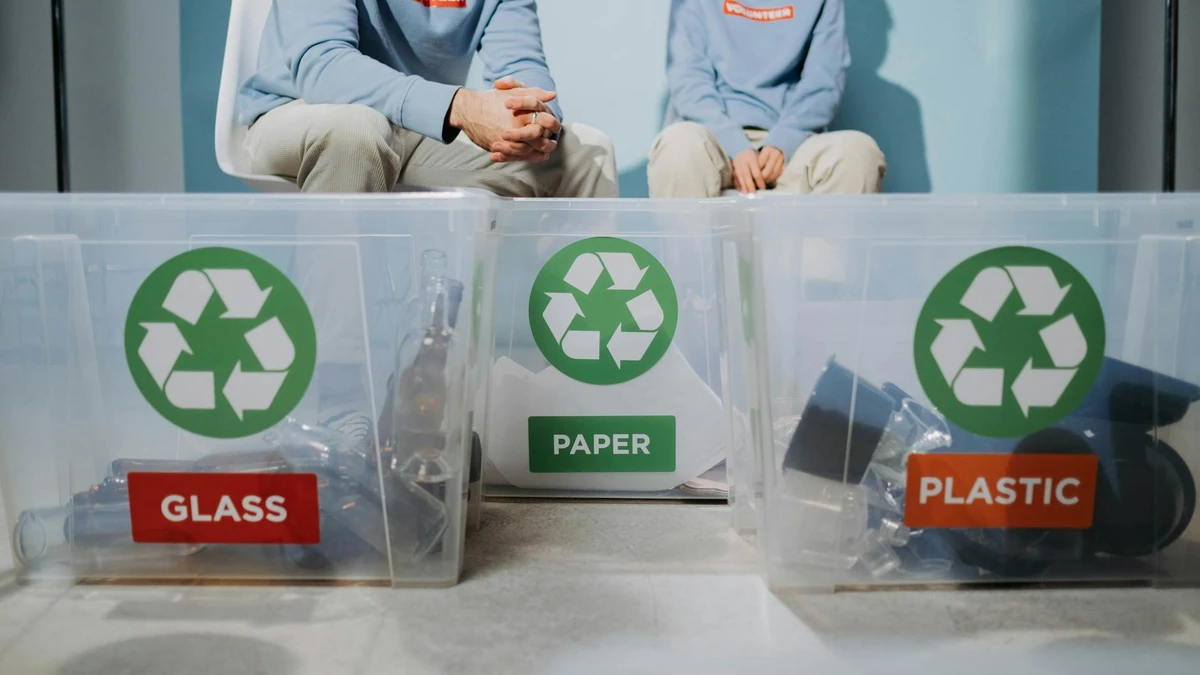
تعلم من هذه الأخطاء المتكررة لبناء برامج استدامة ذات مصداقية.
❌ الخطأ #1: افتراض أن “قابلة لإعادة التدوير” تساوي “سيتم إعادة تدويرها”
المشكلة: يعلن المطعم عن صناديق قابلة لإعادة التدوير ولكنه لا يتحقق من قبولها محليًا. يكتشف الزبائن رفض المنشأة للصناديق وتلف مصداقية العلامة التجارية.
النهج الصحيح: اتصل بإدارة النفايات المحلية، وتأكد من قبولها، وقدم تعليمات التخلص الخاصة بسوقك. كن شفافاً بشأن القيود.
❌ الخطأ #2: استخدام الصناديق المغلفة بالبولي إيثيلين البولي إيثيلين مع رموز إعادة التدوير
المشكلة: يزود المورد الصناديق برمز إعادة التدوير، ولكن طلاء البولي إيثيلين البولي إيثيلين يلوث مجرى الورق. يتم طمر الصناديق على الرغم من الرمز.
النهج الصحيح: تحقق من نوع الطلاء من خلال MSDS. في حالة استخدام البولي إيثيلين البولي إيثيلين، لا تقدم ادعاءات بقابلية إعادة التدوير. إذا كانت قابلية إعادة التدوير هي الأولوية، ادفع علاوة على الطلاء المائي.
❌ الخطأ #3: عدم تثقيف العملاء
المشكلة: الاستثمار في الصناديق القابلة لإعادة التدوير ولكن لا يقوم العملاء بشطفها أو رميها في سلة المهملات أو تلويثها بمواد غير قابلة لإعادة التدوير.
النهج الصحيح: تعليمات واضحة على الصندوق، ولافتات على حاوية التخلص، وتدريب الموظفين لمساعدة العملاء. رمز الاستجابة السريعة لفيديو يوضح التخلص السليم من النفايات.
❌ الخطأ #4: اختيار المواد القابلة لإعادة التدوير عندما تكون السماد العضوي أكثر منطقية
المشكلة: السوق لديه بنية تحتية كبيرة للتسميد ولكن إعادة التدوير ضعيفة. ويؤدي استخدام الصناديق القابلة لإعادة التدوير إلى انخفاض التحويل، في حين أن الصناديق القابلة للتحويل إلى سماد عضوي ستحقق معالجة 70%+.
النهج الصحيح: تقييم البنية التحتية المحلية لكلا المسارين. اختر الحل الذي يحقق أعلى معدل تحويل فعلي، وليس قابلية إعادة التدوير النظري.
❌ الخطأ #5: تقديم مطالبات عالمية للمنتجات الإقليمية
المشكلة: الصناديق قابلة لإعادة التدوير في سان فرانسيسكو (بنية تحتية متطورة) ولكن المطعم يعمل أيضًا في المناطق الريفية دون قبول. الإعلانات مضللة لبعض المواقع.
النهج الصحيح: رسائل خاصة بالسوق. “يمكن إعادة تدويرها في [المدينة]” أو “تحقق من البرامج المحلية لإعادة التدوير” مع رابط مكتشف المرافق.
صناديق الطعام القابلة لإعادة التدوير حاويات الوجبات الجاهزة مصنوعة من الورق المقوى مع طلاءات مائية أو طلاءات مشتتة يمكن إعادة معالجتها إلى منتجات ورقية جديدة عندما تقبلها مرافق إعادة التدوير المحلية. على عكس الصناديق المغلفة بالبولي إيثيلين أو البلاستيك PLA، تستخدم الإصدارات القابلة لإعادة التدوير طلاءات لا تلوث مجرى إعادة تدوير الورق. وعادةً ما تحتوي على 250-350 جرامًا من ورق الكرافت أو الورق المقوى الأبيض من 250-350 جرامًا من الغرامات والمواد اللاصقة القابلة للتحلل الحيوي والحد الأدنى من التلوث الغذائي (<5%) لقبول المنشأة.
يعتمد الأمر على البنية التحتية المحلية. فالصناديق القابلة لإعادة التدوير أفضل في الأسواق التي تتسم بقوة إعادة تدوير الورق وضعف التسميد (مثل العديد من المدن الأمريكية). تتفوق الصناديق القابلة للتحويل إلى سماد في الأماكن التي يوجد فيها سماد تجاري (سان فرانسيسكو، بورتلاند، بعض مدن الاتحاد الأوروبي). التأثير البيئي الفعلي: تحقق إعادة التدوير تحويل 10-401 طن متري إلى سماد في معظم الأسواق؛ بينما يحقق التسميد 60-801 طن متري إلى سماد حيثما وجدت البنية التحتية. لا يعتبر أي منهما أفضل على المستوى العالمي - اختر على أساس أنظمة إدارة النفايات في السوق الخاص بك.
الشحوم الطفيفة (10%) عادةً ما يسبب الرفض. أفضل الممارسات: تشجيع العملاء على كشط الطعام الزائد وشطف الصناديق بسرعة. تستخدم بعض المنشآت أنظمة التعويم التي تتعامل مع الشحوم الخفيفة؛ بينما ترفض منشآت أخرى أي تلوث. تحقق دائمًا من المعايير المحددة للمنشأة المحلية - تختلف السياسات بشكل كبير بين عمليات إعادة التدوير.
تكلف صناديق الطعام القابلة لإعادة التدوير ذات الطلاء المائي 15-30% أكثر من الصناديق القياسية المطلية بالبولي إيثيلين البولي إيثيلين. نطاق السعر: $0.15-0.24T لكل وحدة (قابلة لإعادة التدوير) مقابل $0.12-0.18 (المغلفة بالبولي إيثيلين البولي إيثيلين) لأحجام الوجبات الجاهزة القياسية. تعكس العلاوة تكاليف تكنولوجيا الطلاء وانخفاض أحجام الإنتاج. يمكن أن يؤدي الطلب بالجملة (أكثر من 50,000 وحدة) إلى خفض العلاوة إلى 15-20%. التكلفة الإجمالية بما في ذلك الصناديق واللافتات والتعليم: إضافة $0.08-0.12T لكل صندوق في السنة الأولى، وتنخفض إلى $0.02-0.04 في السنوات اللاحقة.
اطلب ثلاث وثائق رئيسية: (1) صحيفة بيانات سلامة المواد التي تثبت وجود طلاء مائي خالٍ من البولي إيثيلين البولي إيثيلين/جزيئات البولي إيثيلين الأمينيوم (2) نسخ من شهادة FSC أو ما شابهها (3) خطابات قبول من مرافق إعادة التدوير في مناطق متعددة. طريقة الاختبار: اتصل بمنشأتين أو ثلاث منشآت محلية لإعادة التدوير مع مواصفات المواد الخاصة بالمورد واسأل عما إذا كانت تقبلها. ارفض الموردين الذين لا يستطيعون تقديم وثائق أو يقدمون إجابات غامضة عن “الطلاء الخاص”.
تشير رموز إعادة التدوير (حلقة موبيوس ذات الأرقام) إلى نوع المادة، وليس إلى قابلية إعادة التدوير المضمونة. PAP 21 تعني الورق المقوى المموج؛ PAP 22 تعني الورق/ الورق المقوى. لا يضمن وجود الرمز قبول المنشأة المحلية - فهو يحدد فقط فئة المواد للفرز. أكثر جدوى: ملصقات How2Recycle التي تحدد “قابلة لإعادة التدوير على نطاق واسع” أو “تحقق محليًا” أو “غير قابلة لإعادة التدوير بعد” بناءً على التوافر الفعلي للبنية التحتية.
نعم، ولكن اضبط الرسائل بأمانة. لا تدعي “العبوات القابلة لإعادة التدوير” إذا لم تكن هناك بنية تحتية - فهذا غسيل أخضر. بدلاً من ذلك: (1) ركز على مصادر FSC/المصادر المستدامة بدلاً من قابلية إعادة التدوير، (2) اشرح أن الصناديق تتحلل حيوياً في مدافن النفايات أسرع من البدائل البلاستيكية (لا تزال غير مثالية)، (3) ادعُ إلى تطوير برنامج إعادة التدوير المحلي. لا تزال الصناديق المصنوعة من الألياف أفضل من البلاستيك حتى عند طمرها في مكب النفايات، ولكن كن شفافًا بشأن واقع التخلص منها.
توفر صناديق الأغذية القابلة لإعادة التدوير فوائد بيئية حقيقية عندما تدعمها بنية تحتية محلية وتثقيف العملاء بشكل مناسب - ولكنها ليست حلاً عالميًا. إن الفجوة بين “القابلة لإعادة التدوير تقنيًا” و“المعاد تدويرها فعليًا” هي التحدي المحدد لتغليف المواد الغذائية المستدامة.
الوجبات السريعة الرئيسية:
1.تتطلب صناديق المواد الغذائية القابلة لإعادة التدوير طلاءات مائية وقبول البنية التحتية - فالصناديق المغلفة بالإيثرين/بلاستيك البولي إيثيلين غير قابلة لإعادة التدوير حقًا على الرغم من ادعاءات التسويق
2.معدلات إعادة التدوير الفعلية (10-40%) أقل بكثير من الألومنيوم (90%+) أو الورق المكتبي (65%) - ضع توقعات واقعية
3.علاوة التكلفة 15-30% لها ما يبررها عند وجود بنية تحتية محلية ومشاركة العملاء في التخلص السليم
4.يمنع التحقق من الموردين من خلال صحيفة بيانات الطلاء MSDS وخطابات قبول المنشأة مسؤولية الغسل الأخضر
5.الرسائل الصادقة حول القيود تبني ثقة أكبر من ادعاءات الاستدامة المبالغ فيها
بالنسبة للمطاعم في الأسواق التي تتمتع ببنية تحتية قوية لإعادة التدوير، تحقق الصناديق القابلة لإعادة التدوير مع تثقيف العملاء تحويل النفايات بشكل مجدٍ. أما في الأسواق التي لا تحظى بالقبول، فإن البدائل القابلة للتسميد أو التواصل الشفاف بشأن القيود تخدم أهداف الاستدامة بشكل أفضل من الادعاءات الكاذبة بشأن إمكانية إعادة التدوير.
اكتشف المزيد من حلول تغليف المواد الغذائية:
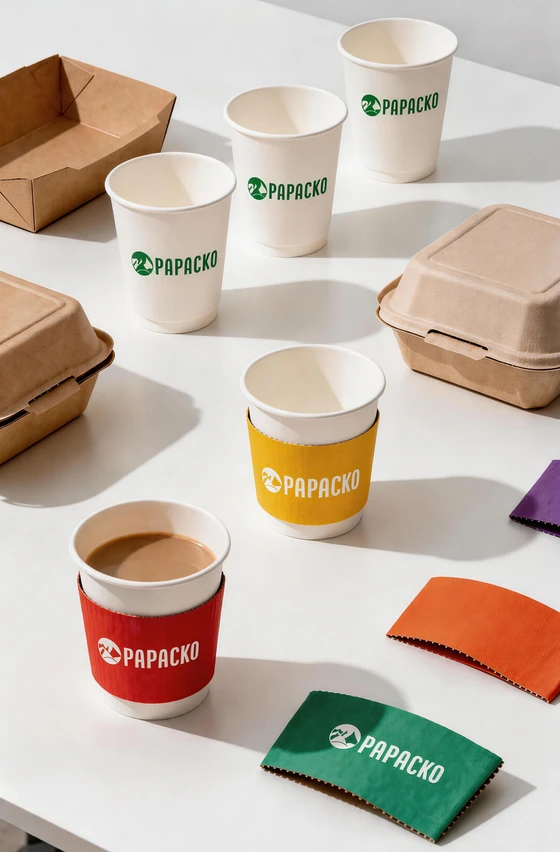
-الأكواب الورقية وتغليف القهوة
توفر شركة Papacko عبوات أغذية جاهزة للتصدير قابلة لإعادة التدوير للمطاعم وعمليات خدمات الطعام الواعية بالبيئة في جميع أنحاء العالم. نحن نقدم إرشادات صادقة بشأن قابلية إعادة التدوير، ومعلومات عن البنية التحتية الإقليمية، ومواصفات الطلاء المعتمد على الماء.
عادةً ما يتعين مراجعة القرارات المتعلقة بالصناديق القابلة لإعادة التدوير في ضوء خيارات الطلاء، وادعاءات الاستدامة الأوسع نطاقًا، وأنواع الأطعمة التي يتعين على تلك الصناديق أن تتحملها في الاستخدام الفعلي.
تواصل معنا
آخر تحديث: نوفمبر 2025
فريق المحتوى: باباكو
تمت مراجعته من قبل: إدارة سلسلة التوريد والاستدامة