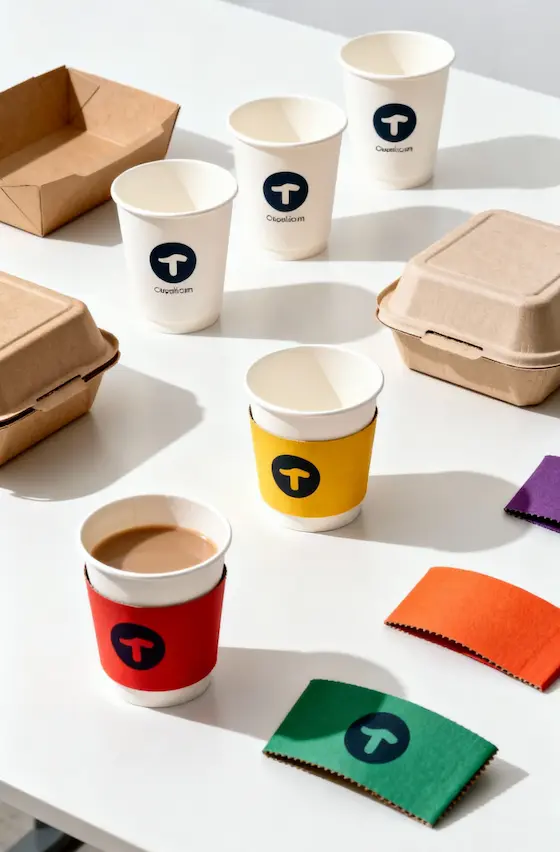
هل أنت مستعد لإنشاء أكواب ورقية أو عبوات ورقية تحمل علامتك التجارية الخاصة بك؟
أخبرنا بمتطلباتك - الحجم والطلاء والطباعة والوجهة - وسيقوم فريقنا بإعداد عرض أسعار مفصل في غضون 24 ساعة.

آخر تحديث: نوفمبر 2025
وقت القراءة: 11 دقيقة
المؤلف: فريق محتوى باباكو
قفزت طلبات التوصيل في مطعمك بنسبة 200% بعد الشراكة مع تطبيقات الطعام، ولكنك تتلقى 15-20 شكوى أسبوعياً بشأن الطعام الرطب، والصناديق المبللة بالدهون التي تتسرب منها أكياس التوصيل، والوجبات التي تصل فاترة لأن الحاويات لم تحتفظ بالحرارة لمدة 25 دقيقة من وقت التوصيل. وفي الوقت نفسه، يستخدم منافسك صناديق الغداء التي تحافظ على الطعام ساخناً لأكثر من 45 دقيقة، وتمنع تسرب الشحوم، ويشيد العملاء بوصول الوجبات بجودة المطاعم التي تصل بشكل مثالي.
علب الغداء لتوصيل الطعام الساخن ليست مجرد حاويات - فهي تتطلب هندسة مواد محددة للاحتفاظ بالحرارة (الحفاظ على درجة الحرارة الداخلية 60-90 درجة مئوية)، وحواجز مقاومة للزيوت تمنع انتقال الشحوم، وأنظمة تهوية توازن بين إطلاق البخار والحفاظ على الحرارة، وسلامة هيكلية تمنع التكسير أثناء النقل المكدس. إن اختيار التغليف الخاطئ يكلف $8-12 لكل عملية تسليم فاشلة في عمليات إعادة التعبئة والتغليف، واسترداد الأموال، وخسارة العملاء.
في هذا الدليل, ستتعلم
-اختيار المواد: الورق المقوى GSM، وأنواع الطلاء، وخصائص العزل
-مواصفات مقاومة الحرارة لدرجات حرارة الطعام المختلفة
-تقنيات الحواجز المقاومة للزيوت والشحوم
-تصميم التهوية: يمنع التعفن مع الاحتفاظ بالحرارة في الوقت نفسه
-اختيار الحجم المناسب لحصص الغداء القياسية وأنواع الوجبات
-تحليل التكلفة: علاوة المواد مقابل وفورات فشل التسليم
-التحقق من الموردين ونقاط التحقق من مراقبة الجودة
💡 الوجبات السريعة: تتطلب علب غداء الطعام الساخن ورقًا مقوى من 300-400 جرام من الورق المقوى GSM (مقابل 250-280 للطعام البارد)، وطلاء من البولي إيثيلين أو PLA مع حاجز مقاوم للزيت، ومقاومة للحرارة حتى 100 درجة مئوية لمدة تزيد عن 45 دقيقة، وتهوية دقيقة لتحرير البخار الزائد دون تبريد الطعام.
نتوقع $0.25-0.45 لكل صندوق مقابل $0.15-0.25 للبارد حاويات الطعام.
المواصفات الحرجة: اختبار مقاومة الشحوم (TAPPI T559، 12 ساعة بدون اختراق)، الاحتفاظ بالحرارة (بقاء الطعام فوق 60 درجة مئوية لمدة 30 دقيقة)، عدم الالتواء عند درجة حرارة 90 درجة مئوية.
أفضل التطبيقات: توصيل الطعام في المطاعم، وإعداد الوجبات الساخنة، وتجهيز الوجبات الساخنة، وتقديم الأطباق الساخنة، وشراكات تطبيقات الطعام.
تخلق الأطعمة الساخنة تحديات الإجهاد الحراري والرطوبة والشحوم التي تتطلب حلولاً مادية مصممة هندسيًا.
300-350 جرام لكل متر مربع (تجاري خفيف):
-الأفضل لـ: طعام دافئ (50-70 درجة مئوية)، توصيل قصير (أقل من 15 دقيقة)، أطباق جافة
-الاستخدامات النموذجية: السندويشات واللفائف والسلطات مع البروتين الدافئ
-الاحتفاظ بالحرارة: كافية لمدة 15-20 دقيقة
-السلامة الهيكلية: يحافظ على الشكل ولكن يمكن أن يلين مع الرطوبة العالية
-التكلفة: $0.20-0.30 لكل صندوق
350-400 GSM ⭐ مواصفة قياسية للأطعمة الساخنة:
-الأفضل لـ: الطعام الساخن (70-90 درجة مئوية)، 20-30 دقيقة توصيل معظم الأطباق
-الاستخدامات النموذجية: أطباق الأرز والمعكرونة والقلي السريع والكاري واللحوم المشوية
-الاحتفاظ بالحرارة: جيد (يبقى الطعام فوق 60 درجة مئوية لمدة 25-30 دقيقة)
-السلامة الهيكلية: قوي، يقاوم الاعوجاج والضعف بسبب الرطوبة
-التكلفة: $0.25-0.35 لكل صندوق
-حصة السوق:: 70-80% لعمليات توصيل الطعام الساخن
400-450 جرام لكل متر مربع (الخدمة الشاقة):
-الأفضل لـ: طعام شديد السخونة (90-100 درجة مئوية)، 30-45 دقيقة توصيل، أطباق بذيئة/دسمة
-الاستخدامات النموذجية: الأصناف المقلية والصلصات الثقيلة والحساء (محدودة) والبيتزا
-الاحتفاظ بالحرارة: ممتاز (يحافظ على الحرارة 35-45 دقيقة)
-السلامة الهيكلية: أقصى قوة، لا تشوه حتى مع البخار/التشحيم
-التكلفة: $0.30-0.45 لكل صندوق
سبب أهمية GSM للأطعمة الساخنة:
-GSM أعلى = المزيد من العزل (يبطئ انتقال الحرارة إلى الخارج)
-ورق مقوى أكثر سمكًا يقاوم الرطوبة التي تضعف من تكاثف البخار
-تمنع القوة الهيكلية انهيار الصندوق عند تكديسه (ضغط كيس التوصيل)
PE (بولي إيثيلين) طلاء - معيار الصناعة:
التطبيق:: 25-35 جم/م² طلاء على السطح الداخلي
الأداء:
-مقاومة للحرارة: ممتازة (درجة انصهار 110-130 درجة مئوية، آمنة لجميع درجات حرارة الطعام)
-حاجز الشحوم: ممتاز (يمنع انتقال الزيت لأكثر من 12 ساعة)
-حاجز الرطوبة: ممتاز (لا يتغلغل البخار في الورق المقوى)
-آمن للتسخين في الميكروويف: نعم (في فترات إعادة التسخين من 30-60 ثانية)
معيار الاختبار: TAPPI T559 (مجموعة اختبار TAPPI T559)
-الدرجة 12 = عدم تغلغل الشحوم بعد 12 ساعة في درجة حرارة الغرفة
-متطلبات الطعام الساخن الصف 10-12 (يحتاج المحتوى العالي من الدهون/الزيت إلى الصف 12)
التكلفة: تسعير خط الأساس (سعر خط الأساس (PE المغلف = سعر السوق القياسي)
المزايا:
-موثوقية مثبتة عبر ملايين الوحدات
-توفر أكبر عدد من الموردين
-أقل تكلفة للمحلول المقاوم للشحوم
-لا توجد متطلبات مناولة خاصة
القيود:
-غير قابلة للتسميد أو إعادة التدوير
-قائم على البترول (التصور البيئي السلبي)
الأفضل لـ: عمليات تركز على التكلفة، أولوية مقاومة الشحوم القصوى، التسليم التقليدي
PLA (حمض البوليلاكتيك) طلاء - البديل البيئي:
التطبيق:: طلاء داخلي بوزن 20-30 جم/م²
الأداء:
-مقاومة للحرارة: متوسطة (نقطة التليين 55-60 درجة مئوية، مناسبة للطعام حتى 85 درجة مئوية)
-حاجز الشحوم: جيد (الدرجة 10-11 TAPPI T559، مناسب لمعظم الأطباق)
-حاجز الرطوبة: جيد (انتقال بعض البخار مع الطعام الساخن جدًا >90 درجة مئوية)
-آمن للاستخدام في الميكروويف: محدود (بحد أقصى 30 ثانية، خطر تليين الطلاء)
التكلفة: +25-351-35% مقابل طلاء PE
المزايا:
-قابل للتسميد التجاري (90-180 يومًا في منشأة صناعية)
-ذات أساس حيوي (مصدرها الذرة/قصب السكر)
-القيمة التسويقية (“العبوات القابلة للتسميد”)
القيود:
-تحمل أقل للحرارة (غير مناسب للطعام الذي تزيد حرارته عن 90 درجة مئوية)
-لا يمكن إعادة تدويرها (تلوث مجرى الورق)
-أغلى من PE
-يتطلب بنية تحتية تجارية للسماد العضوي
الأفضل لـ: العلامات التجارية الواعية بالبيئة، ودرجات حرارة الطعام 70-85 درجة مئوية، والأسواق ذات السماد التجاري
مشتت ذو أساس مائي + بولي إيثيلين هجين:
التطبيق: 10-15 جم/م² طبقة أساسها مائي + 15-20 جم/م² حاجز بولي إيثيلين
الأداء:
-مقاومة للحرارة: جيد جداً (80-100 درجة مئوية)
-حاجز الشحوم: ممتاز (الدرجة 11-12)
-حاجز رطوبة: ممتاز
-مطالبة بيئية: انخفاض محتوى البلاستيك (40-50% أقل من البولي إيثيلين البولي إيثيلين عن المستوى القياسي)
التكلفة: +15-20% مقابل طلاء PE الكامل
المزايا:
-توازن بين الأداء والاستدامة
-قصة بيئية أفضل من قصة بيئية كاملة
-يحافظ على مقاومة الحرارة والشحوم
القيود:
-لا يزال يحتوي على البولي إيثيلين (غير قابل للتسميد)
-غير قابلة لإعادة التدوير بالكامل
-أغلى من البولي إيثيلين البولي إيثيلين القياسي
الأفضل لـ: وضع إيكولوجي معتدل، أولوية الأداء، مطالبات البلاستيك المخفضة
مقارنة أداء المواد #1T1T1T1T1T1T1T1T5T1T5T
#P5T# الاحتفاظ بالحرارة وإدارة درجة الحرارة
إن الحفاظ على درجة حرارة الطعام أثناء التوصيل يحدد رضا العملاء وسلامة الطعام.
متطلبات سلامة الأغذية:
-يجب أن تظل درجة حرارة الطعام الساخن أعلى من 60 درجة مئوية (140 درجة فهرنهايت) لمنع نمو البكتيريا
-نافذة التوصيل 20-30 دقيقة في المعتاد، وتصل إلى 45 دقيقة في أسوأ الحالات
-يجب أن يحتفظ الصندوق بالحرارة للحفاظ على الطعام أعلى من 60 درجة مئوية طوال فترة التسليم
درجة حرارة تجربة العميل:
-“حار جداً” (80-90 درجة مئوية): مثالي، يُنظر إليه على أنه طازج من المطبخ
-“ساخن” (70-80 درجة مئوية): مستوى حرارة مقبول ومرضٍ
-“دافئ” (60-70 درجة مئوية): الحد الأدنى المقبول، الحد الأدنى المخيب للآمال
-“فاتر” (<60 درجة مئوية): غير مقبول، يؤدي إلى تقديم شكاوى/استرداد الأموال
أداء الاحتفاظ بالحرارة:
-درجة حرارة البدء: 85-90 درجة مئوية (طازجة من المطبخ)
-بعد مرور 15 دقيقة: 75-80 درجة مئوية (صندوق ممتاز)، 65-70 درجة مئوية (صندوق اقتصادي)
-بعد مرور 30 دقيقة: 65-70 درجة مئوية (صندوق ممتاز)، 55-60 درجة مئوية (صندوق اقتصادي) ⚠️
-بعد 45 دقيقة: 60-65 درجة مئوية (صندوق ممتاز)، 50-55 درجة مئوية (صندوق اقتصادي) ❌
عازل الفجوة الهوائية (بناء مزدوج الجدار):
-التصميم: طبقات داخلية وخارجية من الورق المقوى مع فجوة هوائية 3-5 مم
-الآلية: يعمل الهواء المحبوس كعازل حراري
-الاحتفاظ بالحرارة: +30-40% مقابل الصناديق أحادية الجدار
-علاوة التكلفة +$P0.08-0.15 لكل صندوق
-الأفضل لـ توصيل ممتاز، أوقات توصيل طويلة (30-45 دقيقة)
سمك المادة العازلة (GSM أحادية الجدار الثقيل):
-التصميم: ورق مقوى ورقي أحادي الطبقة 400-450 GSM
-الآلية: الورق السميك يبطئ انتقال الحرارة الموصلة
-احتباس الحرارة: +15-15-25% مقابل 350 GSM القياسي
-علاوة التكلفة +$P0.05-0.10 لكل صندوق
-الأفضل لـ التوازن بين التكلفة والأداء، 20-30 دقيقة توصيل في غضون 20-30 دقيقة
بطانة عاكسة (بطانة داخلية مبطنة بالرقائق المعدنية):
-التصميم: طبقة رقيقة من رقائق الألومنيوم داخل الصندوق
-الآلية: تعكس الأشعة تحت الحمراء الأشعة تحت الحمراء إلى الطعام
-الاحتفاظ بالحرارة: +40-50% مقابل الصناديق غير المبطنة
-علاوة التكلفة +$P0.12-0.20 لكل صندوق
-الأفضل لـ وضع متميز، تقديم الطعام، الاحتفاظ بالحرارة القصوى
الإنشاءات المموجة:
-التصميم: لوح مموج مخدد مموج (مثل صناديق الشحن)
-الآلية: جيوب هوائية في الفلوتنج توفر العزل
-احتباس الحرارة: +25-351-35% مقابل الورق المقوى الصلب
-علاوة التكلفة +$P0.10-0.18 لكل صندوق
-المفاضلة: مظهر أكثر ضخامة وأقل أناقة
مشكلة البخار:
-يطلق الطعام الساخن بخارًا (بخار الماء)
-صندوق محكم الغلق يحبس البخار → يتشكل التكثيف على الغطاء الداخلي
-يتساقط التكثيف مرة أخرى على الطعام ← قوام رطب (البطاطس المقلية، البقسماط، الأرز)
-انطباع العميل: “الطعام ليس طازجًا” حتى لو كان ساخنًا
محلول التهوية الدقيقة:
-فتحات صغيرة (قطر 2-5 مم، 2-4 فتحات لكل صندوق)
-الموضع: أعلى أو جانب، بعيدًا عن ملامسة الطعام مباشرة
-الوظيفة: تطلق البخار الزائد مع الاحتفاظ بمعظم الحرارة
-فقدان الحرارة 5-10% (مقايضة مقبولة لمنع التعفن)
خيارات تصميم فتحة التهوية:
-ثقوب مقطوعة بالليزر: مظهر دقيق ومتناسق ومتميز
-فتحات مقطوعة بالقالب: فعالة من حيث التكلفة وأقل دقة بعض الشيء
-فتحات تهوية منقوشة: مناطق مرتفعة تسمح بتدفق الهواء بدون ثقوب
-فتحات التبويب: ألسنة قابلة للطي للخارج تخلق تدفق هواء متحكم به
التهوية الخاصة بالطعام:
-الأطعمة المقلية: تهوية عالية (4 فتحات تهوية) للحفاظ على هشاشتها
-الأرز/المعكرونة: تهوية معتدلة (2-3 فتحات تهوية) لمنع الطراوة
-أطباق لذيذة: الحد الأدنى من التهوية (1-2 فتحة تهوية) للاحتفاظ بالرطوبة
-بروتينات جافة: تهوية منخفضة (1 فتحة تهوية) لزيادة الاحتفاظ بالحرارة إلى أقصى حد
منع اختراق الشحوم أمر بالغ الأهمية لتجربة العملاء وسلامة كيس التوصيل.
كيف تتغلغل الشحوم:
1.شحم ساخن (حالة سائلة) يلامس الطلاء الداخلي
2.بمرور الوقت، يتشبع الطلاء بالشحوم بمرور الوقت إذا كان الحاجز غير كافٍ
3.تنتقل الشحوم من خلال ألياف الورق المقوى (عمل شعري)
4.يظهر على السطح الخارجي بقع زيتية (مرئية، تبدو دهنية)
5.تتسرب الشحوم من خلال كيس التوصيل وسيارة/طاولة العميل
العواقب:
-انطباع العميل “تغليف منخفض الجودة، غير احترافي”
-تلوث كيس التوصيل: الحقيبة غير صالحة للاستخدام، وتتطلب الاستبدال المتكرر
-تلف المركبات/الأثاث: بقع الزيت والرائحة وشكاوى العملاء
-سمعة العلامة التجارية: المراجعات السلبية وطلبات استرداد الأموال
طريقة اختبار العدة (معيار الصناعة):
-استخدام زيوت اختبارية متفاوتة الصعوبة في الاختراق
-يُلاحظ بعد 15 دقيقة في درجة حرارة الغرفة
-مقياس الدرجة 1-12 (12 = أعلى مقاومة)
الدرجات المطلوبة حسب نوع الطعام:
الصف 8-9 (شحم منخفض):
-مناسب لـ خضروات مطهوة على البخار، أرز بدون صلصة، صدور دجاج مشوية
-غير مناسب لـ: أي أطعمة مقلية ولحوم دهنية وصلصات تحتوي على الزيت
الصف 10-11 (شحم معتدل):
-مناسب لـ الأطباق المقلية واللحوم المشوية والمعكرونة بالصلصة الزيتية
-مناسب لـ معظم أصناف قائمة المطاعم القياسية
-الهدف القياسي: 85% من عمليات توصيل الطعام الساخن
الصف 12 (عالي الشحوم) ⭐ قسط:
-مناسب لـ الأطعمة المقلية واللحم المقدد والبرغر والبيتزا والكاري بالزيت
-مطلوب لـ الأطباق الغنية بالدهون، التخزين الممتد (>2 ساعة)
-مكانة متميزة: العمليات التي تركز على الجودة
الاختبار في درجة حرارة مرتفعة:
-اختبار المجموعة القياسية عند درجة حرارة 23 درجة مئوية (درجة حرارة الغرفة)
-واقع الطعام الساخن: 70-90 درجة مئوية لأول 20-30 دقيقة
-التوصية: اشتراط الدرجة 12 في درجة حرارة الغرفة لضمان الدرجة 10-11 في درجات الحرارة الساخنة
طلاء واحد (PE أو PLA):
-طبقة واحدة من الطلاء العازل
-الأداء: الصف 10-11 نموذجي
-التكلفة: خط الأساس
-ملائمة لـ معظم التطبيقات القياسية
طلاء مزدوج (PE + PE):
-طبقتان من طلاء البولي إيثيلين البولي إيثيلين (طبقة داخلية + طبقة وسطى)
-الأداء: الصف 11-12
-التكلفة +$P0.03-0.05 لكل صندوق
-الأفضل لـ الأطعمة عالية الشحوم، وأوقات التسليم الممتدة
طلاء هجين (أساس مائي + بولي إيثيلين):
-طبقة أولى ذات أساس مائي + طبقة حاجزة من البولي إيثيلين البولي إيثيلين
-الأداء: الصف 11-12
-التكلفة +$0.04-0.06 لكل صندوق
-المزايا: محتوى بلاستيك منخفض + مقاومة ممتازة للشحوم
معالجة الورق المقاوم للشحوم:
-ورق مقوى معالج مسبقاً بالفلور الكيميائي أو الشمع الطبيعي
-ثم طلي بعد ذلك ب PE/PLA القياسي
-الأداء: الصف 12 (حاجز معزز)
-التكلفة +$0.06-0.10 لكل صندوق
-الأفضل لـ أقصى مقاومة للشحوم، جودة عالية
إن مطابقة حجم الصندوق مع نوع الطعام وحصته يمنع مشاكل المظهر والهدر التشغيلي.
500 مل (16 أونصة) - وجبة خفيفة/جانبية:
-الأبعاد: 15×12×5 سم نموذجي
-الأفضل لـ: الأطباق الجانبية ووجبات الأطفال والمقبلات والطلبات ذات الصنف الواحد
-المحتويات النموذجية: بطاطس مقلية، سبرنغ رولز، حصة أرز صغيرة، حلويات
-نسبة التعبئة:: 80-90% كامل يحقق إدراك القيمة
-التكلفة: $0.18-0.28
750 ملل (24 أونصة) - وجبة عادية:
-الأبعاد: 18×13×6 سم نموذجي
-الأفضل لـ: وجبات فردية في مطعم واحد، ومعظم وجبات الغداء الخاصة
-المحتويات النموذجية: بروتين + أرز + خضروات، طبق معكرونة، مقلي
-نسبة التعبئة:: 85-90% كامل للمظهر المرضي
-التكلفة: $0.22-0.32
-حصة السوق:: 60-70% من طلبات توصيل الطعام الساخن
1000 ملل (32 أونصة) - وجبة كبيرة ⭐:
-الأبعاد:: 20×15×7 سم نموذجي
-الأفضل لـ: حصص دسمة، أسلوب تحضير الوجبات، أطباق المشاركة
-المحتويات النموذجية: حصص مضاعفة من البروتين وأطباق الأرز والأطباق العائلية
-نسبة التعبئة:: 85-90% لإدراك “الحصة السخية”
-التكلفة: $0.28-0.38
1500 ملل (48 أونصة) - عائلي/مشترك:
-الأبعاد:: 24×18×8 سم نموذجي
-الأفضل لـ: الوجبات العائلية، وحصص الطعام، والطلبات بالجملة
-المحتويات النموذجية:: حصص 2-3 أشخاص، دجاجة مشوية كاملة، معكرونة كبيرة
-نسبة التعبئة:: 80-85% (الإفراط في الملء يسبب مشاكل في ختم الغطاء)
-التكلفة: $0.35-0.50
حجرة واحدة:
-المزايا: تكلفة أقل، تعبئة أبسط، مناسبة للأطباق المختلطة (القلي السريع، المعكرونة)
-القيود: اختلاط الأطعمة ببعضها البعض، وتلوث الصلصات ببعضها البعض، وقلة الجاذبية البصرية
-الأفضل لـ: أطباق الوعاء الواحد، والبطاطس المقلية، وأطباق المعكرونة، والكاري
2-المقصورة:
-التصميم: عادةً 60/40 أو 70/30 (رئيسي + جانبي)
-المزايا: يفصل البروتين عن الكربوهيدرات، ويمنع اختلاط الصلصة، ويمنع تقديمها بشكل أفضل
-التكلفة: +$P4T0.04-0.08 مقابل الحجرة الواحدة
-الأفضل لـ: البروتين + الأرز، الطبق الرئيسي + الطبق الجانبي، مع فصل المواد الجافة عن البذيئة
3-المقصورة 3-المقصورة:
-التصميم: عادة 50/25/25/25 مقسمة عادة (رئيسي + جانبان)
-المزايا: أقصى قدر من الفصل، عرض بأسلوب صندوق بينتو بوكس، تصور ممتاز
-التكلفة: +$P4T0.08-0.15 مقابل الحجرة الواحدة
-الأفضل لـ: إعداد الوجبات والعلامات التجارية التي تركز على الصحة والمأكولات اليابانية/الآسيوية
استراتيجية فصل الطعام:
-الأطعمة المقلية: حجرة منفصلة دائمًا (تمنع البخار من الأطعمة الأخرى التي تسبب التعفن)
-الصلصات المبللة: افصل أو استخدم أكواب الصلصة لمنع تشبع الأرز/المعكرونة أكثر من اللازم
-مقبلات طازجة: حجرة منفصلة أو وعاء صغير (خس، أعشاب تبقى مقرمشة)
#5T1T1T5T1T1T1T1T1T1T5T5T مصفوفة اختيار الحجم والمقصورة
أنظمة إغلاق الأغطية ## ومنع التسرب
إغلاق محكم يمنع الانسكابات أثناء النقل ويحافظ على درجة حرارة الطعام.
رفرف مطوي (خيار الميزانية):
-التصميم: تُطوى أغطية الغطاء في الحافة الأمامية للصندوق
-جودة الختم: معتدلة (غير محكمة الإغلاق بالكامل، تسرب بعض الحرارة)
-مقاومة التسرب: ضعيف (غير مناسب للطعام البذيء)
-التكلفة: خط الأساس (مدمج في تصميم الصندوق)
-الأفضل لـ: الطعام الجاف فقط (السندويشات واللفائف والمقليات)
غطاء ملائم للاحتكاك (قياسي):
-التصميم: يضغط الغطاء المنفصل على حافة الصندوق، ويتم تثبيته بالاحتكاك/الضغط
-جودة الختم: جيد (الحد الأدنى من تسرب الحرارة)
-مقاومة التسرب: معتدل (يتحمل النقل العادي، وليس الانعكاس)
-التكلفة: +$0.02-0.04 (مكون غطاء منفصل)
-الأفضل لـ: معظم تطبيقات الأطعمة الساخنة، التوصيل القياسي
إغلاق بقفل بقفل المفاجئة ⭐ موصى به:
-التصميم: يتميز الغطاء بمشابك تثبت على حواف العلبة
-جودة الختم: ممتاز (ختم محكم يحتفظ بالحرارة)
-مقاومة التسرب: جيد (يتحمل الإمالة المعتدلة والتعامل الخشن)
-التكلفة: +$0.04-0.08
-الأفضل لـ: أطباق شهية وأوقات تسليم أطول وتركيز على الجودة
غطاء مفصلي مع قفل:
-التصميم: مفصل متصل + إغلاق أمامي بمشبك أمامي
-جودة الختم: ممتاز (تصميم متكامل، الحد الأدنى من الثغرات)
-مقاومة التسرب: ممتاز (الأفضل في فئتها)
-التكلفة: +$0.08-0.15
-الأفضل لـ: توصيل ممتاز، طعام بذيء للغاية، موثوقية قصوى
اختبار الانعكاس:
-املأ الصندوق بحصة الطعام النموذجية
-أغلق الغطاء بإحكام
-اقلب الصندوق لمدة 30 ثانية
-مقبولة: لا يوجد تسرب
-عتبة ذات نوعية جيدة: يمر مع الطعام الرطب/الحار
اختبار الهز:
-ملء الصندوق 80-90% بالطعام
-إغلاق الغطاء
-رجه بقوة لمدة 15 ثانية (لمحاكاة النقل الخشن)
-مقبول: يظل الغطاء آمنًا، ولا يوجد انسكاب
-هدف الجودة <2% معدل الفشل عبر دفعة العينة
اختبار الضغط:
-كدس 5-8 صناديق مملوءة بالطعام
-الحفاظ عليها لمدة 30 دقيقة (محاكاة تكديس أكياس التوصيل)
-المقياس: تشوه الصندوق، وسلامة الغطاء
-مقبول: <5 مم تشوه <5 مم، لا يوجد غطاء مفتوح
يكشف فهم التكلفة الإجمالية بما في ذلك سيناريوهات الفشل عن القيمة الحقيقية لجودة التغليف.
صندوق الطعام الساخن الاقتصادي (300-350 GSM، طلاء واحد من البولي إيثيلين البولي إيثيلين):
-التكلفة المادية: $0.18-0.25 لكل صندوق + غطاء
-الاحتفاظ بالحرارة: 15-20 دقيقة فوق 60 درجة مئوية
-مقاومة الشحوم: درجة 9-10
-معدل الفشل 8-12% (تعفن، تسرب، حرارة غير كافية)
صندوق الطعام الساخن القياسي (350-400 جي إس إم، طلاء بولي إيثيلين البولي إيثيلين، تهوية):
-تكلفة المواد: $0.25-0.35 لكل صندوق + غطاء
-الاحتفاظ بالحرارة: 25-30 دقيقة فوق 60 درجة مئوية
-مقاومة الشحوم: درجة 10-11
-معدل الفشل: 2-4% (جودة مقبولة)
صندوق الطعام الساخن الممتاز (400-450 جي إس إم إس، طلاء مزدوج، مقصورات):
-تكلفة المواد: $0.35-0.50 لكل صندوق + غطاء
-الاحتفاظ بالحرارة: 35-45 دقيقة فوق 60 درجة مئوية
-مقاومة الشحوم درجة 11-12
-معدل الفشل <1% (جودة استثنائية)
مكونات تكلفة التوصيل الفاشلة:
-إعادة صنع الطعام: $5-8 (المكونات + العمالة)
-عملية التسليم الثانية: $3-5 (وقت السائق، والغاز، ورسوم المنصة)
-الاسترداد/الرصيد الدائن: $8-15 (تتطلب المنصة عادةً استرداد المبلغ بالكامل)
-خسارة قيمة عمر العميل $50-200 (لم يطلبها مرة أخرى)
-الفشل الفردي الكلي: $66-228
سيناريوهات الفشل:
-تسرّب من الصندوق أثناء النقل → استرداد كامل المبلغ + إعادة صنعه
-وصول الطعام فاتر → شكوى العميل، استرداد جزء من المبلغ المدفوع
-الشحوم تتسرب في العلبة → مراجعة سلبية، استرداد كامل المبلغ
-الطعام الرطب من التكثيف → إعادة الطهي، عدم رضا العملاء
المقارنة الاقتصادية (لكل 1000 عملية تسليم):
صناديق الميزانية ($0.20/علبة):
-تكلفة التعبئة والتغليف: $200
-حالات الفشل 100 (101 (معدل 10%) × $100 في المتوسط = $10,000
-التكلفة الإجمالية: $10,200
الصناديق القياسية ($0.30/0.30/علبة):
-تكلفة التعبئة والتغليف: $300
-حالات الفشل 30 (معدل 3%) × $100 في المتوسط = $3,000
-التكلفة الإجمالية: $3,300
-المدخرات مقابل الميزانية: $6,900T6 (2,3001T3T عائد استثمار على استثمار في التعبئة والتغليف +1T4T100T)
الصناديق المميزة ($0.45/علبة):
-تكلفة التعبئة والتغليف: $450
-حالات الفشل 8 (معدل <1%) × $100 في المتوسط = $800
-التكلفة الإجمالية: $1,250
-الوفورات مقابل المعيار: $2,050 (1,367% عائد استثمار $150T على استثمار +$150T)
الرؤى الرئيسية: كل $1 يتم استثماره في التغليف عالي الجودة يوفر $10-30 في تكاليف فشل التسليم.
هيكل رسوم المنصة:
-العمولة: 15-30% من قيمة الطلب
-رسوم التوصيل: $3-8 لكل طلبية
-التوصيل الفاشل = تتطلب المنصة في كثير من الأحيان استرداد المبلغ كاملاً (يمتص المطعم التكلفة)
تأثير جودة التعبئة والتغليف:
-متوسط تقييم 4 نجوم: -20% حجم الطلبات (عقوبة خوارزمية المنصة)
-“شكوى ”وصل الطعام بارداً": تحقيق تلقائي، وشطب محتمل من القائمة
-مشاكل الجودة المستمرة: قد تقوم المنصة بإنهاء الشراكة
العائد على الاستثمار في التغليف المتميز:
-+$0.15T/0.15/صندوق استثمار → 5-8% تخفيض الفشل
-تقليل الفشل → الحفاظ على تصنيف 4.5+ نجوم
-تصنيف عالٍ → +15-25% حجم الطلبات من تعزيز خوارزمية المنصة
-النتيجة: $0.15 الاستثمار في التعبئة والتغليف → $3-8 إيرادات إضافية لكل طلب
اختيار موردين موثوق بهم يمنع حدوث كوارث تشغيلية ويحافظ على رضا العملاء.
مواصفات المواد:
-طلب شهادة وزن GSM (التحقق من تطابق الوزن الفعلي مع الوزن المطالب به)
-وثائق نوع وسمك الطلاء (صحيفة بيانات السلامة والصحة المهنية للبولي إيثيلين البولي إيثيلين/جزيئات اللدائن البلاستيكية)
-نتائج اختبار مقاومة الشحوم (TAPPI T559 أو ما يعادله)
-بيانات اختبار المقاومة الحرارية (درجة الحرارة القصوى والمدة)
بروتوكول اختبار العينة:
1.طلب 20-50 عينة للاختبار على أرض الواقع
2.ملء بعناصر القائمة الفعلية (أكثر أطباقك سخونة ودهنية)
3.محاكاة ظروف التسليم: الانتظار لمدة 30 دقيقة، محاكاة النقل
4.التدبير: الاحتفاظ بالحرارة، واختراق الشحوم، والسلامة الهيكلية
5.معايير القبول: يجتاز جميع الاختبارات بمعدل عيوب <5%
اتساق الإنتاج:
-طلب عينات من دفعات إنتاج متعددة (وليس فقط العينات الأولية)
-تحقق من: تناسق الوزن (التفاوت المسموح به (±5%)، وتوحيد الطلاء، ودقة الأبعاد
-علامة حمراء: تباين كبير في الجودة بين الدفعات
الشهادات المطلوبة:
-الاتصال بالغذاء FDA الامتثال (أسواق الولايات المتحدة)
-لائحة الاتحاد الأوروبي 10/2011 (الأسواق الأوروبية)
-FSC/PEFC لمطالبات التوريد المستدام للمصادر المستدامة
-آيزو 9001 لإدارة الجودة (تشير إلى مورد محترف)
🚩 لن يوفر المورد بيانات اختبار مقاومة الشحوم: الموردون المحترفون لديهم نتائج TAPPI T559 متاحة بسهولة. الرفض = عدم التأكد من الجودة.
🚩 السعر 35%+ أقل من متوسط السوق: لا يمكن أن تكون علب الطعام الساخن ذات الجلايسيترو المناسب والطلاء والهندسة المناسبة رخيصة الثمن. السعر المنخفض = تنازلات مادية.
🚩 تبدو العينات مثالية ولكن وحدات الإنتاج تفشل: اطلب عينات تشغيل الإنتاج، وليس عينات النموذج الأولي. تحقق من الاتساق.
🚩 إجابات غامضة حول GSM أو نوع الطلاء: يقدم الموردون الموثوق بهم مواصفات دقيقة (على سبيل المثال، “380 GSM مع طلاء 28gsm PE”). غامضة = مشبوهة.
🚩 لم يتم تحديد الحد الأدنى لكمية الطلب مسبقًا: يقوم الموردون المحترفون دائمًا بنشر موك. ويشير إخفاء موك إلى انعدام الشفافية.
صناديق الغداء الخاصة بالطعام الساخن عبارة عن حاويات طعام معزولة مصممة من 350-450 GSM من الورق المقوى من البولي إيثيلين أو PLA المقاوم للشحوم (الدرجة 10-12 TAPPI T559)، ومقاومة للحرارة حتى 100 درجة مئوية، وأنظمة تهوية دقيقة تحافظ على درجة حرارة الطعام فوق 60 درجة مئوية لمدة 30-45 دقيقة مع منع التعفن. تبلغ تكلفتها $0.25-0.50 للعلبة الواحدة وهي ضرورية لتوصيل الطعام في المطاعم وإعداد الوجبات وشراكات تطبيقات الطعام.
تستخدم علب الطعام الساخن ثلاث آليات: (1) يوفر الورق المقوى السميك (350-450 جرامًا من الورق المقوى) عازلًا يبطئ انتقال الحرارة إلى الخارج، (2) فجوة الهواء أو بناء الجدار المزدوج يحبس طبقة الهواء العازلة، (3) بطانات عاكسة اختيارية تعكس الإشعاع الحراري إلى الطعام. النتيجة: يبقى الطعام فوق 60 درجة مئوية لمدة 30-45 دقيقة حسب جودة الصندوق. تحافظ الصناديق القياسية على الحرارة لمدة 25-30 دقيقة، بينما تحافظ الصناديق الممتازة مزدوجة الجدار على الحرارة لمدة 35-45 دقيقة.
تأتي مقاومة الشحوم من طلاءات البولي إيثيلين أو PLA (20-35 جم/م2) على السطح الداخلي التي تخلق حاجزًا للزيت يمنع انتقال الشحوم عبر الورق المقوى. تقاس الجودة باختبار TAPPI T559 Kit: الدرجة 10-11 مناسبة لمعظم الأطعمة الساخنة، والدرجة 12 مطلوبة للمواد عالية الشحوم (الأطعمة المقلية واللحوم الدهنية). توفر أنظمة الطلاء المزدوج أقصى قدر من الحماية. بدون الطلاء المناسب، تتسرب الشحوم من خلال الورق المقوى في غضون 15-30 دقيقة.
نعم، التهوية الدقيقة (فتحات تهوية 2-5 مم) أمر بالغ الأهمية. يطلق الطعام الساخن بخارًا يتكثف على الغطاء الداخلي المحكم الغلق، ويتساقط على الطعام مما يسبب التعفن. تعمل الفتحات الصغيرة على إطلاق البخار الزائد مع الاحتفاظ بـ 90-95% من الحرارة. تتفاوت كمية الفتحات: تحتاج الأطعمة المقلية إلى 4 فتحات (للحفاظ على هشاشة الطعام)، والأرز/المعكرونة تحتاج إلى 2-3 فتحات (لمنع الطراوة)، والأطباق البذيئة تحتاج إلى فتحة أو فتحتين (للاحتفاظ بالرطوبة). بدون تهوية = طعام رطب حتى لو كان ساخنًا.
750 مل (24 أونصة) تغطي 60-701 تيرابايت من وجبات الغداء القياسية - تناسب البروتين + الأرز + الخضار أو أطباق المعكرونة أو أطباق المعكرونة أو المقليات. بالنسبة للشهية الكبيرة أو إعداد الوجبات الكبيرة، توفر 1000 مل (32 أونصة) حصصًا دسمة. 500 مل (16 أونصة) يناسب الوجبات الجانبية ووجبات الأطفال. استخدم العلب المكونة من جزأين لفصل المكونات الرطبة عن الجافة (تحافظ على المكونات المقلية مقرمشة وتمنع التشبع الزائد بالصلصة). املأ حتى 85-90% بسعة 85-90% للحصول على قيمة مدركة دون التسبب في مشاكل في غلق الغطاء.
علب اقتصادية (300-350 جي إس إم إس، طلاء أساسي): $0.18-0.25. الصناديق القياسية (350-400 GSM، تهوية مناسبة): $0.25-0.35. الصناديق الممتازة (400-450 GSM، مقصورات، طلاء مزدوج): $0.35-0.50. ومع ذلك، تُظهر التكلفة الإجمالية بما في ذلك حالات فشل التسليم أن الصناديق الممتازة توفر المال: يكلف معدل فشل 10% في الميزانية $10,000 لكل 1000 عملية تسليم في إعادة التسليم/الاسترداد مقابل فشل أقل من 1% = $800 إجمالي. توفر العبوات الممتازة عائد استثمار 1,367%.
علب مغلفة بالبولي إيثيلين: نعم، آمنة لإعادة التسخين لمدة 30-90 ثانية (درجة انصهار البولي إيثيلين 110-130 درجة مئوية، وهي أعلى بكثير من درجة حرارة الطعام في الميكروويف). الصناديق المغلفة ببلاستيك PLA: محدودة - بحد أقصى 30 ثانية، خطر التليين فوق 60 درجة مئوية. أفضل الممارسات: إعلام العملاء بعبارة “آمن للاستخدام في الميكروويف لمدة 60 ثانية كحد أقصى” على العبوة. تجنب الزخارف المحتوية على المعادن (رقائق معدنية وأحبار معدنية) التي تسبب خطر الشرر. تصل معظم الأطعمة الساخنة جاهزة للأكل، ولكن إمكانية إعادة التسخين تضيف راحة للعملاء.
صناديق الغداء الخاصة بتوصيل الطعام الساخن هي عبوات ذات مهام حرجة تحدد بشكل مباشر رضا العملاء وتقييمات المنصة والربحية التشغيلية. إن متطلبات هندسة المواد - الورق المقوى الورقي 350-450 GSM، ومقاومة الشحوم من الدرجة 10-12، والاحتفاظ بالحرارة التي تحافظ على الطعام فوق 60 درجة مئوية لمدة 30-45 دقيقة، والتهوية الدقيقة التي تمنع التفسخ - تحول حاويات السلع إلى أنظمة إدارة حرارية متطورة تستحق أكثر بكثير من تكلفة المواد $0.25-0.50.
الوجبات السريعة الرئيسية:
1.مواصفات المواد التي تدفع الأداء - 350-400 GSM قياسية لمعظم عمليات التوصيل (25-30 دقيقة احتفاظ بالحرارة)، 400-450 GSM ممتازة لعمليات التوصيل الطويلة أو الطعام الساخن جدًا (35-45 دقيقة احتفاظ بالحرارة)
2.اختبار مقاومة الشحوم (TAPPI T559 من الدرجة 10-12) يمنع تعطل الصندوق وتلوث كيس التوصيل؛ توفر أنظمة الطلاء المزدوج أقصى حماية للأطباق عالية الدهون
3.تعمل التهوية الدقيقة (2-5 فتحات تهوية حسب نوع الطعام) على إطلاق البخار دون فقدان كبير للحرارة - وهو أمر بالغ الأهمية لمنع تبلل القوام مع الحفاظ على درجة الحرارة
4.يُظهر التحليل الاقتصادي أن التغليف المتميز ($0.45T0.45/علبة) يوفر عائد استثمار 1,367% مقابل $0.30 القياسي ($0.30) من خلال تقليل حالات فشل التسليم - كل $1 مستثمر يوفر $1 من $10-30 في عمليات إعادة التصنيع والاسترداد
5.الحجم واختيار المقصورة التي تتناسب مع نوع الطعام (مقصورة واحدة للأطباق المختلطة، 2-3 مقصورات للفصل) يمنع مشاكل المظهر ويحافظ على جودة الطعام أثناء النقل
بالنسبة لعمليات توصيل الطعام في المطاعم وشراكات تطبيقات الطعام وخدمات إعداد الوجبات، فإن الاستثمار الاستراتيجي في صناديق وجبات الغداء الساخنة عالية الجودة التي تتماشى مع ظروف التوصيل الفعلية وخصائص قائمة الطعام ومتطلبات جودة المنصة يحقق عوائد قابلة للقياس من خلال تقليل الفشل والاحتفاظ بالعملاء ومزايا خوارزمية المنصة التي تضاعف الاستثمار الأولي في التغليف بمقدار 10-30 مرة.
اكتشف المزيد من حلول تغليف المواد الغذائية:
توفر Papacko صناديق الغداء المقاومة للحرارة والمقاومة للشحوم للمطاعم وخدمات التوصيل وعمليات إعداد الوجبات في جميع أنحاء العالم. نحن نوفر اختبار المواد وضمان الجودة والتحقق من الموردين لضمان وصول طعامك الساخن بشكل مثالي.
تواصل معنا
آخر تحديث: نوفمبر 2025
فريق المحتوى: باباكو
تمت مراجعته من قبل: قسم تعبئة وتغليف الأغذية والهندسة الحرارية للخدمات الغذائية