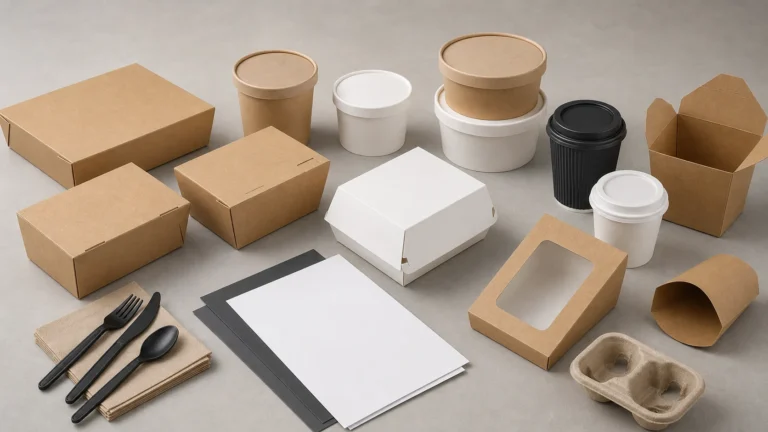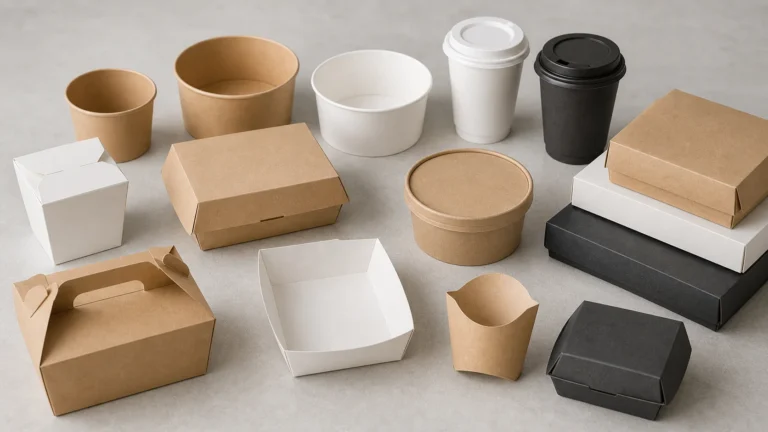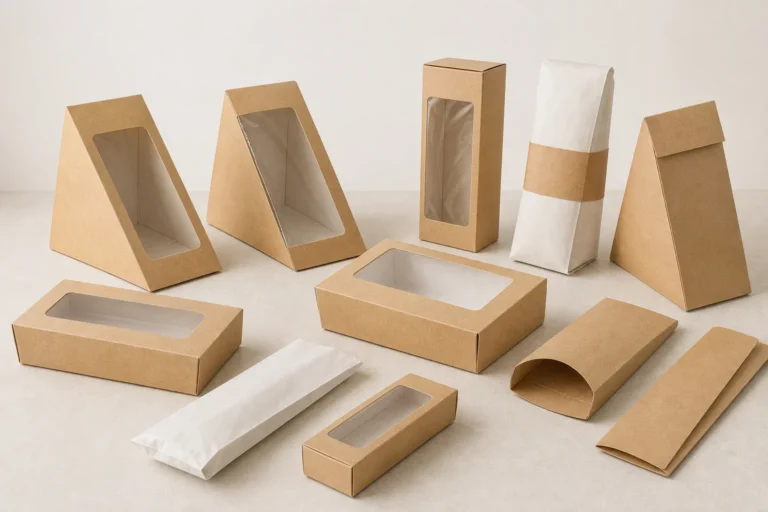
Ready to create your own branded paper cups or packaging?
Tell us your requirements — size, coating, printing, and destination — and our team will prepare a detailed quotation within 24 hours.

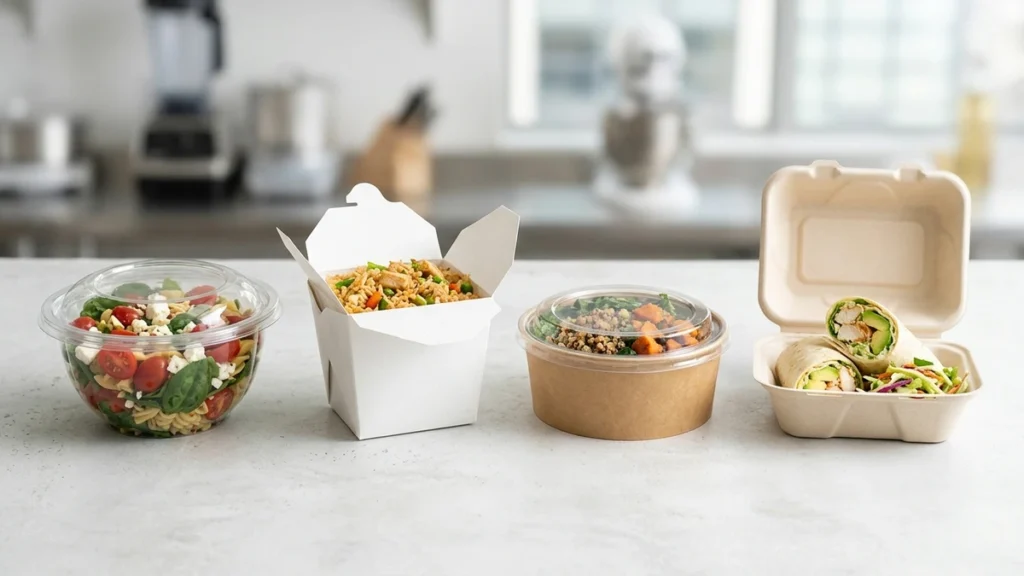
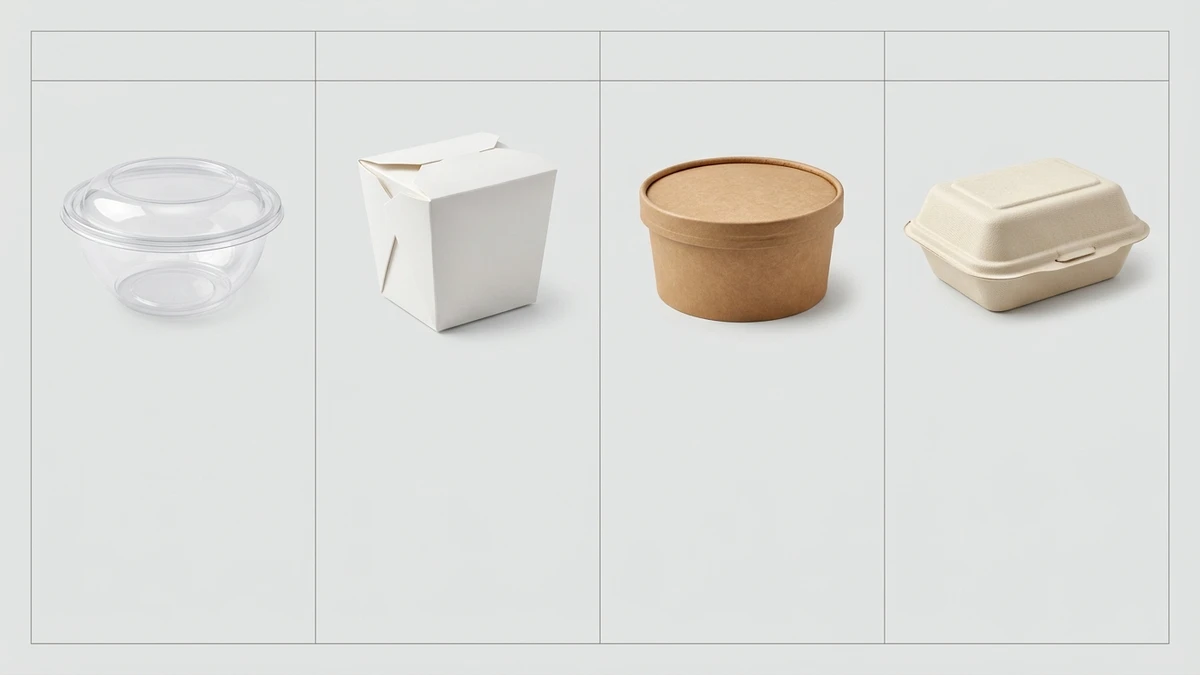
If you need a fast buying answer: plastic is usually best for visibility, cold foods, and leak resistance; paper is often best for hot, short-hold foods at a lower cost; kraft is best when you want a natural brand look with similar paper-based performance; compostable formats are best when disposal policy or brand positioning matters more than lowest unit cost.
In practice, the right take out container comes down to five variables:
| If your priority is… | Best choice | Why it wins | Poor fit when… |
|---|---|---|---|
| Showing the food clearly | Plastic | High clarity helps merchandising and order checking | Food is very hot or steam-heavy and condensation matters |
| Lowest-cost hot food packaging | Paper | Good structure, broad sizing, efficient for quick-service packing | Product is very wet, greasy, or held too long |
| Natural look without moving far from standard paper performance | Kraft | Similar function to paper with stronger shelf appearance | You need a bright white print surface or high product visibility |
| Compostability requirement | Compostable fiber or bioplastic | Supports sites or buyers with composting targets | Local composting access is limited or cost sensitivity is high |
| Best leak control for sauces | Plastic or lined fiber with secure lid | Better liquid barrier and lid fit under transport movement | Venting is needed for fried foods that lose texture from trapped steam |
| Heat retention for hot entrees | Paper, kraft, or molded fiber with fitted lid | Wall structure and lower vent loss can retain heat better than clear deli-style packs | Condensation will damage crispy foods |
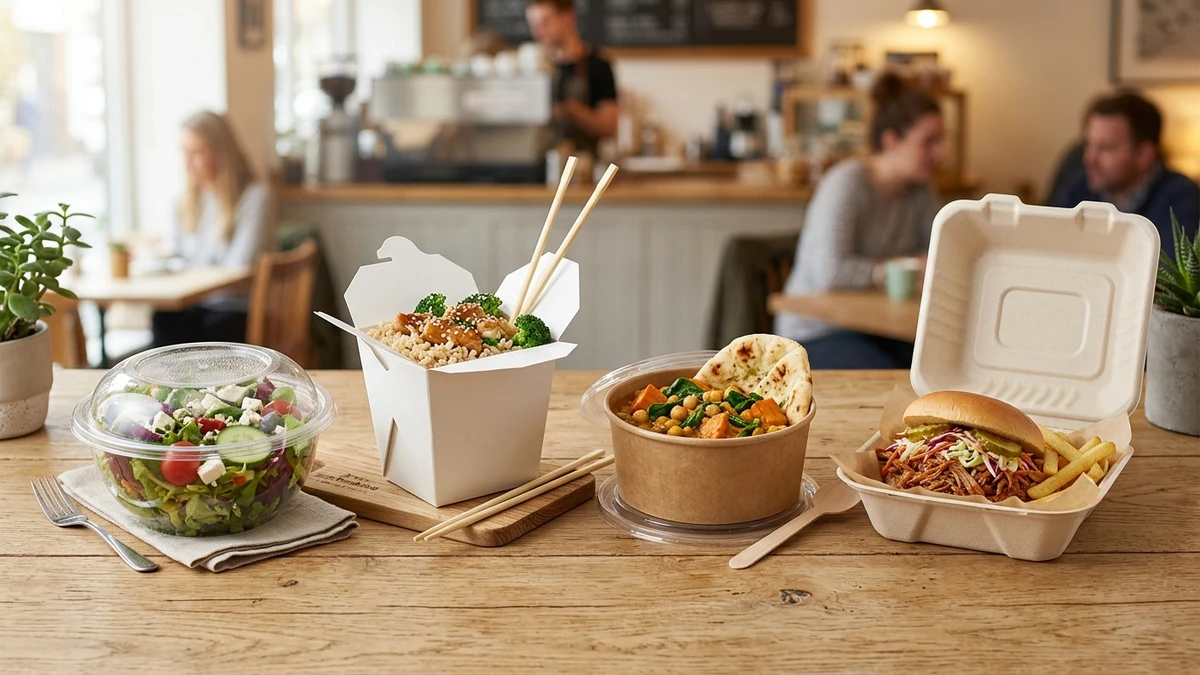
There is no universal best material. Buyers should compare by food type, hold time, and the failure most likely to happen in service.
| Material | Mechanism | Typical spec range or format | Commercial upside | Main trade-offs | Best use cases |
|---|---|---|---|---|---|
| Plastic | Non-absorbent polymer walls resist water and oil; molded rims usually improve lid retention | Commonly PP, PET, OPS, or similar rigid tubs, deli containers, hinged packs | Fewer leaks, strong product visibility, reliable shape under stacking | Resin choice affects heat tolerance; conventional plastic may conflict with brand or policy targets | Salads, fruit, cold meals, meal prep, sauces, noodle dishes |
| Paper | Fiber structure provides stiffness; coating or lining determines moisture and grease holdout | Formed paperboard bowls, trays, soup cups, takeaway boxes | Usually cost-efficient, printable, easy to stock across multiple sizes | Can soften with steam, oil, or long hold if barrier is underspecified | Rice bowls, pasta, sides, sandwiches, quick takeaway meals |
| Kraft | Typically the same structural family as paper, but in unbleached brown board | Kraft bowls, clamshells, trays, takeaway boxes | Strong natural-brand appearance without changing the operating model too much | Brown stock is less ideal for bright-color print; “kraft” does not automatically mean compostable or plastic-free | Cafes, bakery, salads, premium casual takeaway |
| Compostable | Material is designed to break down under defined composting conditions, but performance depends heavily on system choice | Molded fiber, bagasse, PLA-lined paper, selected compostable clear formats | Useful where composting programs, tenders, or brand requirements drive specification | Usually higher cost, narrower performance window, and disposal only matters where compost collection exists | Institutions, events, controlled-service venues, sustainability-led programs |
Start with the problem you need to prevent: leaks, sogginess, cost, appearance, compostability, or chilled display. In most operations, lid fit, steam pressure, and coating mismatch cause more failures than the material name itself.
| Main buying concern | Usually strongest option | Why buyers choose it | What to validate before rollout |
|---|---|---|---|
| Leaks during delivery | PP plastic or high-barrier lined fiber | Better sidewall stability and lid retention under movement | Hot-fill tolerance, lid lock under stacking, courier-bag tilt test |
| Soggy fried foods | Vented paper or kraft formats | Steam release protects texture better than sealed packs | Grease resistance and whether venting weakens heat retention too much |
| Lowest landed cost for short-hold takeaway | Paper | Broad availability, compact nesting, lower specialty premium | Coating type, hold time, and whether re-bagging becomes necessary |
| Natural shelf look without premium material change | Kraft | Similar workflow to paper but stronger artisanal presentation | Print contrast, grease barrier, recyclability/compostability claim limits |
| Compostability requirement in a managed venue | Compostable fiber or certified lined paper | Meets procurement requirements when composting is real, not theoretical | Certification scope, local collection access, and lid disposal path |
| Chilled display and grab-and-go visibility | PET or clear plastic | Product visibility supports impulse purchase and order checking | Condensation appearance, crack resistance, and shelf-space efficiency |
Plastic is strongest for wet, oily, and delivery foods because it resists liquids and keeps shape under stacking. Its main drawbacks are condensation with hot foods and weaker sustainability positioning.
Paper is efficient for hot, short-hold takeaway, but the barrier matters more than the board. Kraft performs similarly to paper when coating and weight are similar, while compostable packs work best only when disposal and hold-time conditions are controlled.
For paper, kraft, and many compostable packs, coating and lid design usually matter more than the base board. Grease resistance, venting, seam protection, and filled hold-time testing are the key checks.
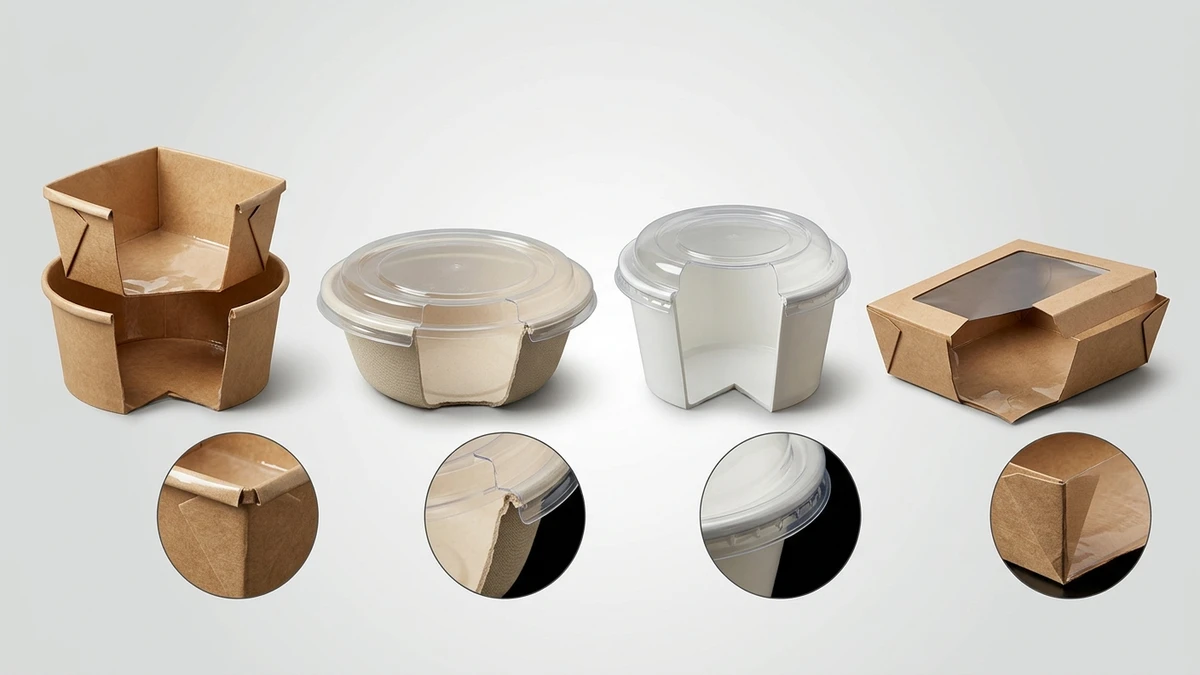
Many leaks start at folds, rim channels, and steam-loosened lids rather than the sidewall. That is why menu-based testing is more useful than comparing catalog labels alone.
Food-contact suitability should match temperature, contact time, and food type. The U.S. FDA explains how food-contact substances are regulated here: https://www.fda.gov/food/food-ingredients-packaging/food-contact-substances-fcs
For fiber-based products, supplier documentation should identify board grade, coating, print system, and any chain-of-custody claim being made.
The practical rule is simple: buy the claim you can support operationally. Compostable only helps where compost collection exists, and recyclable claims may depend on contamination, lining type, and local acceptance. If you are comparing broader ranges, Papacko’s food packaging containers and disposable food packaging pages are useful starting points.
Buyers usually make better choices when they start with food behavior, service model, and disposal reality instead of “paper vs plastic.” The right pack must protect the product, fit operations, and stay economical after freight, storage, and complaint cost are counted.
Food physics matters more than the menu label. Wet, oily, or hot-filled items need stronger barriers, better seams, and more secure lids than dry foods.
Two packs sold as “paper” may perform very differently depending on whether they are uncoated, PE-lined, PLA-lined, or otherwise treated. A low-cost board without the right barrier often creates soak-through, rework, or double-bagging.
Leak resistance is a structural issue as much as a material issue. For delivery use, bottom folds, corner design, and lid retention usually matter more than the headline material.
The best pack is not always the one that keeps the most heat. Sealed formats retain heat better, while vented formats usually protect crispness better.
A food-contact-safe container may still be wrong for reheating or cold storage. Buyers should confirm that both base and lid perform correctly under hot fill, microwave use, refrigeration, or freezing.
Per-piece price is only one part of cost. Nesting height, denesting speed, pallet efficiency, and how well filled packs stack can change labor and freight significantly.
Nominal volume is not enough. Buyers should confirm usable fill capacity, topping clearance, and whether the shape allows eating or handling without crushing the food.
Before using “compostable” or “recyclable” claims, confirm what part of the pack the claim covers and whether local collection actually supports it. Ask whether the claim applies to the base, lid, coating, ink, and finished SKU.
Short service and long delivery need different packaging. A practical test is to fill the pack with the real menu item, hold it for 15, 30, and 60 minutes, then inspect seepage, softening, condensation, and lid security.
A sound sourcing decision includes unit price, freight, pallet density, storage, labor, damage rate, MOQ, and lead time. A cheaper pack can cost more overall if it needs extra liners, labels, or re-bagging.
If you are comparing adjacent paper-based foodservice formats, Papacko’s kraft paper bowls and sustainable paper packaging resources can help narrow material and claim assumptions before sampling.
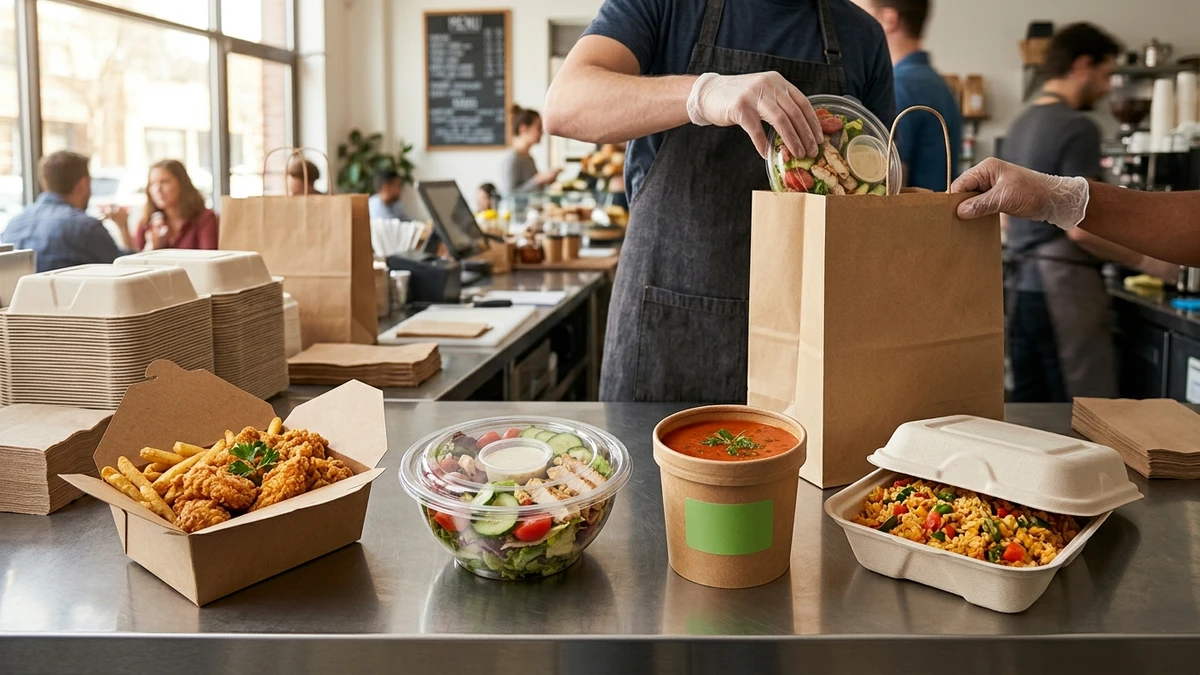
The same food can need different packaging in different channels. Counter pickup, 30-minute delivery, and chilled meal prep should not be sourced with the same logic.
| Foodservice scenario | Best-fit materials | Why they work | Weak-fit materials | Main caution |
|---|---|---|---|---|
| Hot, greasy takeaway meals | PP plastic, molded fiber with strong lining | Better tolerance to oil, steam, and sauce | Unlined paper, light kraft paperboard | Grease breakthrough and softening |
| Cold salads, fruit, deli items | PET plastic, clear rPET, coated paper bowls with lids | Visibility and condensation tolerance | Opaque fiber where display drives sales | Lower visual appeal can hurt impulse purchase |
| Soup, curry, noodle dishes | PP tubs, heavy paper soup containers with secure lids | Better leak resistance and lid retention | Shallow clamshells, low-wall trays | Sidewall flex in transport |
| Fried foods | Vented paperboard, kraft clamshells, hybrid paper containers | Steam release helps preserve texture | Fully sealed plastic with no venting | Condensation softens crust |
| Café bakery and light lunch | Kraft paperboard, paper wedges, PET for desserts | Presentation and efficient right-sizing | Heavy rigid plastic for low-ticket items | Overpackaging raises cost |
| Meal prep / refrigerated storage | PP plastic, higher-heat trays where reheating is needed | Portion control, shape retention, cold-chain durability | Basic paperboard | Moisture pickup and lid drift over time |
| Premium eco-positioned service | Molded fiber, bagasse, kraft with approved lining | Supports natural appearance and sustainability messaging | Standard black plastic in visible service settings | Disposal claims must match local reality |
| Long-distance delivery | PP plastic, secure-lid paper tubs, dual-seal systems | Better leak resistance under motion | Light clamshells, low-lock lids | Failure rates rise sharply with ride time |
Restaurants usually need more than one container family. PP plastic is often the safest option for sauced entrées and mixed-temperature meals, while paper or kraft usually works better for sandwiches, wraps, pastries, and drier sides.
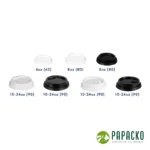
Cafes often benefit from clear plastic for salads, desserts, and fruit where visibility helps sales, and kraft paperboard for dry hand-held items. For hot bakery and sandwiches, vented paperboard or kraft clamshells usually outperform sealed plastic because they release steam. Papacko’s packaging accessories page is useful if you need to solve venting, sleeves, or lid compatibility without changing the full container program.
Meal prep and delivery-heavy operations are less forgiving because lid-fit and wall-stiffness issues multiply over storage and transport. Plastic remains common because it handles refrigeration, stacking, portion control, and sealing more consistently than most paper-based options.
For many buyers, the challenge is making sure claim language, printing, and documentation hold up across locations and channels.
Before approving a SKU, ask for food-contact documentation, material specs, claim support, and ink or adhesive details if branding is involved. This is especially important for hot fill, oily foods, or reheating use cases.
“Compostable” is only useful when the disposal path is real. Buyers should confirm certification type, whether the claim is industrial or home compostable, and whether the end user can actually access that waste stream.
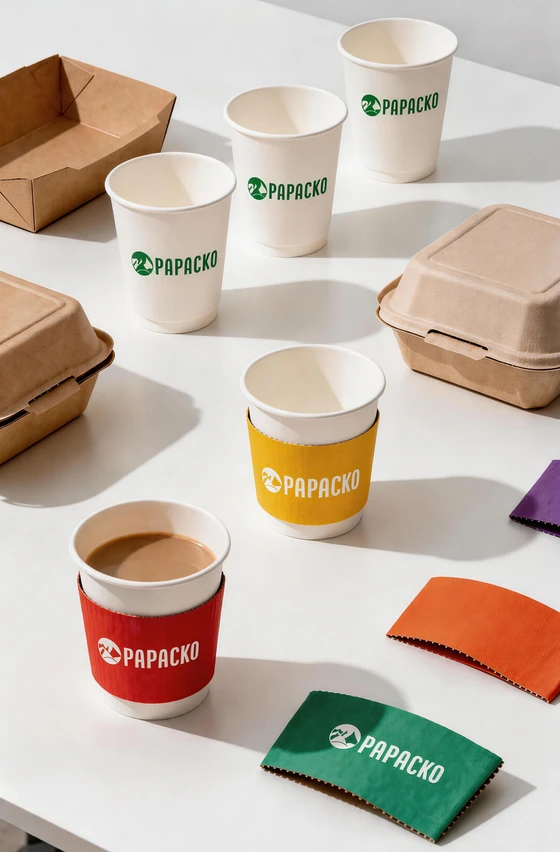
Custom print changes MOQ, setup cost, repeat lead time, and QC risk. Paper and kraft usually suit simple branding well, while clear plastic often relies on labels or sleeves, and artwork should always be checked on the erected pack, not only on a flat proof.
Finalizing a container program usually means locking a repeatable specification, a realistic test process, and a supplier that can maintain quality across reorders.
Define the container by application, not generic category. The spec should cover food type, fill temperature, hold time, venting, usable volume, case pack, print needs, and disposal target.
Evaluate suppliers on production fit, consistency, documentation, and supply reliability, not piece price alone. A structured RFQ plus bench, kitchen, and delivery simulation testing usually reveals the real differences.
Test the base, lid, packing method, and transport profile together. Many failures appear only after hot hold, stacking, vibration, or cold storage, so the pack should be approved as a full operating system.
Before releasing a PO, confirm the approved sample, exact material and barrier structure, dimensions, matching lid, application scope, print proof, carton pack, pallet configuration, lead time, and complaint process in writing.
Paper, kraft, and PP plastic can all work for hot food. The best choice depends on grease level, hold time, venting, and lid security.
Kraft mainly changes appearance and brand feel. Grease resistance depends more on coating, board weight, seams, and lid design.
Choose compostable formats when certified products match your food type and the customer or venue has access to a real composting pathway.
Test it with the actual menu item at service temperature, then stack, tilt, bag, and inspect it after 15, 30, and 60 minutes.
Ask for food-contact documentation, material specs, coating details, print information, and any claim support for compostable or recyclable wording.
Printing can change MOQ, lead time, surface finish, artwork limits, and the documentation needed for the finished food-contact SKU.