¿Está listo para crear sus propios vasos o envases de papel con su marca?
Díganos sus requisitos -tamaño, revestimiento, impresión y destino- y nuestro equipo le preparará un presupuesto detallado en 24 horas.

Última actualización: Noviembre de 2025
Tiempo de lectura: 10 minutos
Autor: Equipo de contenidos de Papacko
Tu zumería sirve más de 300 zumos recién exprimidos al día, pero pierdes $80-120 cada semana por vasos que gotean a los 20 minutos, condensación que oculta tu colorida marca y tapas que se salen durante el transporte de los clientes. Mientras tanto, la tienda de batidos de al lado utiliza vasos que permanecen secos, muestran sus vibrantes bebidas a través de tapas transparentes y los clientes publican regularmente fotos en Instagram, un marketing que su producto oculto no puede igualar.
Vasos de papel para zumerías no son sólo envases de bebidas: requieren un rendimiento específico para líquidos fríos (integridad estructural durante más de 30 minutos), gestión de la condensación (el exterior permanece seco), compatibilidad con los orificios para pajitas (diámetros de 8-12 mm para zumos espesos) y características de merchandising visual (tapas transparentes, impresión vibrante) que los diferencien de los vasos de café estándar. La elección del vaso adecuado influye en la satisfacción del cliente, la eficacia operativa y la percepción de la marca.
En esta guía, aprenderás:
-Selección de tamaños para distintos tipos de zumo y niveles de precios
-Requisitos del revestimiento de bebidas frías (PLA frente a PE frente a base de agua)
-Diseño del orificio de la pajita y compatibilidad con la viscosidad del zumo espeso
-Prevención de la condensación para un exterior seco al tacto
-Opciones de tapa transparente para un mayor atractivo visual y para compartir en Instagram
-Estrategias de marca y personalización para el marketing de zumerías
-Análisis de costes y selección de proveedores para operaciones de zumos
💡 Resumen rápido: Los vasos de papel para zumos requieren una capacidad de 12-24oz (16oz el más popular para zumos estándar, 20oz para batidos), revestimiento de PLA o PE para barrera contra la humedad, cartón de 280-300 GSM para mayor durabilidad de la bebida fría y tapas de cúpula compatibles para mayor visibilidad.
Prevea $0,10-0,16 por vaso para vasos de bebidas frías de calidad con tapas transparentes.
Especificaciones críticas: el revestimiento exterior evita la condensación, el orificio para la pajita tiene un diámetro de 8-10 mm para zumos espesos, resiste más de 30 minutos sin fallos estructurales.
Ideal para: Zumos naturales, prensados en frío, batidos y cafeterías que dan prioridad a la comercialización visual.
Adecuar el tamaño del vaso al tipo de zumo y la estrategia de precios optimiza la percepción del valor y la eficiencia operativa.
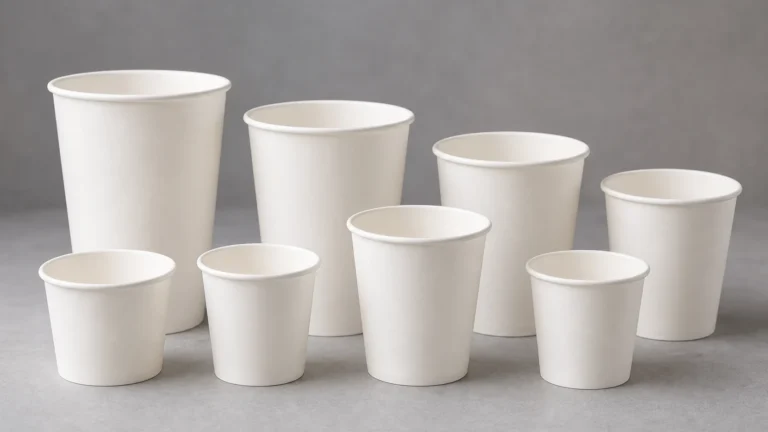
12oz (355ml) - Pequeño/Niños:
-Lo mejor para: Zumos para niños, zumos de una sola fruta, chupitos (jengibre, hierba de trigo)
-Contenidos típicos: 10-11oz de líquido después del hielo
-Punto de precio: $5-7 (opción básica)
-Percepción del cliente: “Tamaño merienda saludable”
-Proporción de hielo: 15-20% (hielo mínimo para zumo concentrado)
-Rango de costes: $0,08-0,12 por taza+tapa
16oz (473ml) - Regular ⭐ Más populares:
-Lo mejor para: Zumo prensado en frío estándar, batidos monodosis
-Contenidos típicos: 14-15oz líquido después del hielo
-Punto de precio: $8-10 (oferta básica)
-Percepción del cliente: “Ración satisfactoria, buen precio”
-Proporción de hielo: 10-15% (los bares de zumos utilizan menos hielo que las cafeterías)
-Rango de costes: $0,10-0,14 por taza+tapa
-Cuota de mercado: 55-65% de ventas de vasos de zumo de bar
20oz (591ml) - Grande:
-Lo mejor para: Batidos, bebidas sustitutivas de comidas, zumos verdes con verduras
-Contenidos típicos: 18-19oz de líquido después del hielo
-Punto de precio: $11-14 (nivel superior)
-Percepción del cliente: “Sustituto de comida completa”
-Proporción de hielo: 10-15%
-Rango de costes: $0,12-0,16 por taza+tapa
24oz (710ml) - Extra Grande:
-Lo mejor para: Porciones para compartir, batidos de proteínas para después de entrenar, zumos a granel
-Contenidos típicos: 22-23oz líquido
-Punto de precio: $15-18 (nivel de valor máximo)
-Percepción del cliente: “Entusiasta de la salud/talla de atleta”
-Proporción de hielo: 5-10% (principalmente líquido)
-Rango de costes: $0,14-0,18 por taza+tapa
Zumos prensados en frío (100% líquido, sin hielo):
-Tamaños más pequeños más apropiados (12oz, 16oz)
-Mayor concentración = más nutrientes
-El elevado precio por onza justifica porciones más pequeñas
Batidos (hielo + fruta congelada):
-Se necesitan tamaños más grandes (16oz, 20oz, 24oz)
-Volumen de hielo e ingredientes congelados
-Los clientes esperan un aspecto “más lleno
Zumos verdes (con muchas verduras):
-Se prefieren los tamaños medianos (16oz, 20oz)
-Nutrición más densa = saciante en porciones moderadas
-Demasiado grande = difícil de terminar (sabor fuerte)
Zumos de fruta (fruta única, refrescante):
-Funcionan todos los tamaños (de 12 oz a 24 oz)
-Más ligero, más consumible = tamaños más grandes aceptables
-Sabor dulce = fácil de beber rápidamente
#### Estrategia del tamaño de los vasos de los bares de zumos
## Revestimiento y rendimiento de bebidas frías
Los bares de zumos requieren revestimientos optimizados para líquidos fríos, resistencia a la condensación y tiempos de conservación prolongados.
Composición: Ácido poliláctico de maíz/caña de azúcar, recubrimiento de 15-25 g/m².
Rendimiento para zumos:
-Gama de temperaturas: Ideal para frío (5-15°C), adecuado para fresco (15-25°C)
-Barrera contra la humedad: Excelente (el interior impide la filtración de líquidos)
-Control de la condensación: Muy bueno (el revestimiento exterior mantiene la superficie seca más de 30 minutos)
-Integridad estructural: Mantiene la rigidez durante 30-45 minutos con zumo frío
Credenciales medioambientales:
-Comercialmente compostable (90-180 días en instalación industrial)
-No reciclable (contamina el flujo de papel)
-Valor comercial: Los “envases compostables” atraen a un sector demográfico preocupado por la salud
Coste: +20-30% frente al revestimiento de PE ($0,11-0,15 por taza de 16 oz)
Lo mejor para: Zumos saludables, marcas ecológicas, mercados con compostaje comercial
Composición: Polietileno, Revestimiento de 18-22gsm
Rendimiento para zumos:
-Rango de temperaturas: De -20°C a 95°C (sirve para todas las bebidas frías)
-Barrera contra la humedad: Excelente (fiabilidad probada)
-Control de la condensación: Bueno (requiere doble revestimiento o funda para periodos prolongados)
-Integridad estructural: Superior (sin reblandecimiento incluso después de más de 60 minutos)
Credenciales medioambientales:
-No reciclable ni compostable
-A base de petróleo
-Menor valor de ecomarketing
Coste: Precio de referencia ($0,09-0,12 por taza de 16 onzas)
Lo mejor para: Operaciones rentables, máxima fiabilidad estructural, sin infraestructura de compostaje
Composición: Dispersión de polímero acrílico, 12-20gsm
Rendimiento para zumos:
-Gama de temperaturas: Bueno para frío (5-15°C), adecuado para fresco (15-25°C)
-Barrera a la humedad: Buena (funciona bien para zumo frío 30 minutos)
-Control de la condensación: Bueno (mejor que el PE simple, no llega al nivel del PLA)
-Integridad estructural: Mantiene la forma durante 25-35 minutos
Credenciales medioambientales:
-Potencialmente reciclable (depende de la infraestructura)
-60-80% menos plástico que el revestimiento de PE
-Declaración ecológica honesta: “contenido reducido de plástico”.”
Coste: +10-18% frente al revestimiento de PE ($0,10-0,13 por taza de 16 oz)
Lo mejor para: Mercados con reciclaje de papel, posicionamiento ecológico moderado, equilibrio coste-rendimiento
Problema: El zumo frío (5-10°C) a temperatura ambiente (20-25°C) provoca condensación en el exterior:
-Superficie de la taza húmeda y resbaladiza
-Oculta la marca impresa
-Crea anillos de agua en mesas/contadores
-Percepción de los clientes: “La calidad de la copa es mala”
Soluciones:
Revestimiento de doble cara (Interior + Exterior):
-Ambas caras recubiertas de PLA o PE
-Evita la transferencia de condensación a la superficie exterior
-La taza permanece seca al tacto durante más de 45 minutos
-Coste: +$0,02-0,04 frente al revestimiento por una cara
Revestimiento antivaho (para tapas transparentes):
-Evita las gotas de condensación en el interior de la tapa
-Mantiene la visibilidad del color del zumo
-Fundamental para la comercialización visual
-Coste: +$0,02-0,03 por tapa
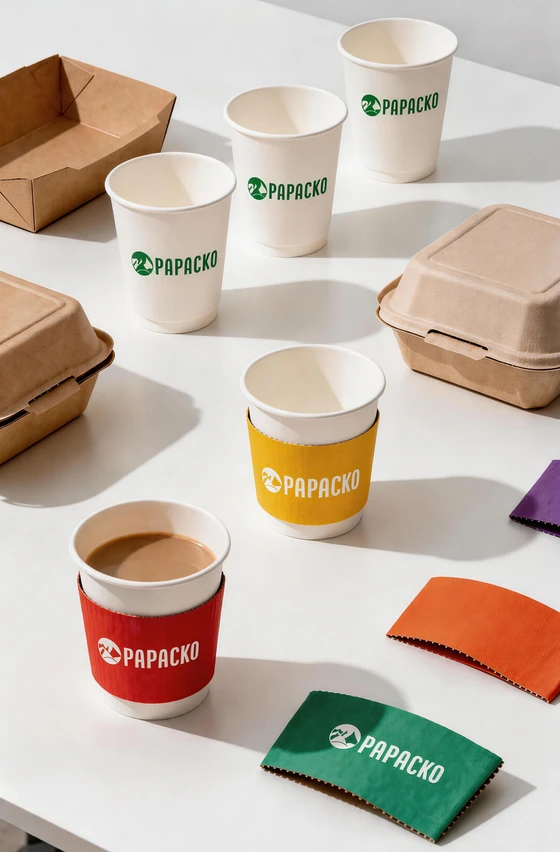
Mangas de copa (solución alternativa):
-Absorbe la humedad de condensación
-Proporciona agarre y espacio para la marca
-No aborda la causa de fondo (la taza sigue húmeda por debajo)
-Coste: +$0,02-0,03 por manga
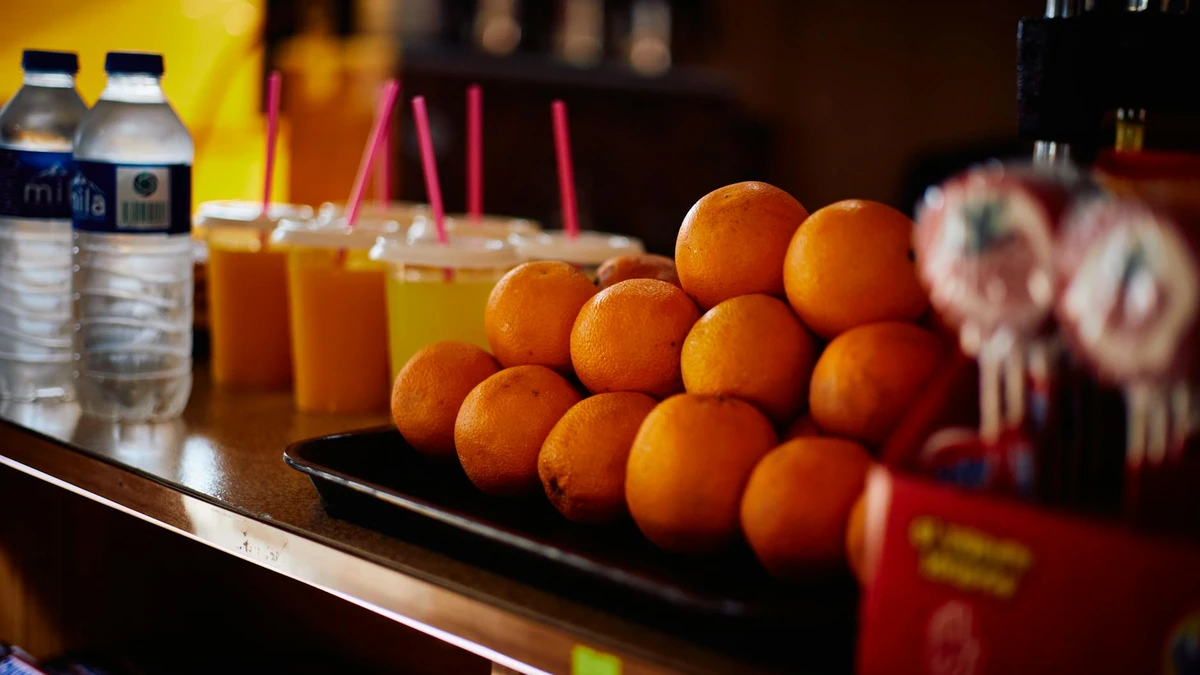
La viscosidad del zumo y la experiencia del cliente requieren características específicas de la pajita y la tapa.
Pajita estándar (6 mm de diámetro):
-Sirve para: Zumos finos (naranja, manzana, sandía)
-Problema: atascos con pulpa, batidos espesos, partículas de hielo
-No apto para la mayoría de los bares de zumos
Paja mediana (8-10mm de diámetro) ⭐ Recomendado:
-Sirve para: Zumo prensado en frío con pulpa, la mayoría de los batidos
-Se adapta a: Pequeños trozos de fruta, contenido moderado de pulpa
-La tapa del vaso debe: Tener un tamaño de orificio compatible o un diseño de ranura transversal
-Norma para 85% de operaciones de bar de zumos
Pajita Jumbo (12 mm de diámetro):
-Necesario para: Batidos muy espesos, té de burbujas con perlas
-Sirve para: Zumos con mucha pulpa, bebidas licuadas con trozos
-Requisitos de la taza: Borde del orificio de la pajita reforzado (evita que se rompa)
-Utilizado en: 15% de bares de zumos (bebidas espesas especiales)
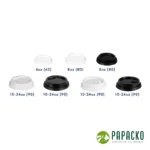
Tapa de cúpula transparente ⭐ Más populares:
-Ventajas:
- Muestra zumos/smoothies de colores (merchandising visual)
- Acomoda coberturas batidas, guarnición de frutas
- Instagram-friendly (los clientes fotografían las bebidas)
- Altura: holgura de la cúpula de 15-25 mm
-Características:
- Ranura transversal para inserción de pajitas (8-10 mm)
- Cierre a presión o por fricción
- El revestimiento antivaho evita las gotas de condensación
-Coste: $0,04-0,07 por tapa
-Mayor visibilidad: Aumenta las compras impulsivas 30-45%
Tapa plana con ranura para pajita:
-Ventajas:
- Perfil más bajo (más fácil de apilar y almacenar)
- Sellado seguro (mejor prevención de fugas)
- Menor coste que las tapas de cúpula
-Limitaciones:
- Oculta el color del zumo (reduce el atractivo visual)
- No hay espacio para coberturas
- Menos digno de las redes sociales
-Coste: $0,03-0,05 por tapa
-Lo mejor para: Pedidos para llevar, entrega, operaciones centradas en los costes
Tapa con orificio para beber:
-No recomendado para bares de zumos
-Zumo demasiado espeso para sorberlo cómodamente
-Los clientes esperan pajitas para las bebidas frías
Sello de ajuste por fricción:
-Tapa presionada sobre el borde de la taza, sujeta por compresión
-Rendimiento: Adecuado para el consumo en tienda, moderado para el transporte
-Riesgo de fuga: 3-5% en caso de llenado excesivo de los vasos o de manipulación brusca
Junta Snap-Fit Recomendado:
-El borde de la tapa encaja en el hombro de la taza
-Rendimiento: Excelente para el transporte, la entrega
-Riesgo de fuga: 1-2% con diseño de calidad
-Coste superior: +$0,01-0,02 frente al ajuste por fricción
Prueba de calidad del sello:
1.Llene la taza 90% con líquido + hielo.
2.Aplique la tapa firmemente.
3.Invertir durante 10 segundos → sin fugas = mínimo aceptable.
4.Agitar enérgicamente 10 segundos → <5 gotas = buen sellado.
5.Llevar 20 metros → no se afloja = excelente sellado.
Los vasos de los bares de zumos son herramientas de marketing que impulsan las compras por impulso y la participación en las redes sociales.
Psicología del color:
-Zumo de naranja → percepción apetitosa, energética y rica en vitaminas.
-Zumo verde → saludable, desintoxicante, nutrientes vegetales.
-Rojo/rosa → dulce, afrutado, rico en antioxidantes.
-Morado → exótico, rico en bayas, premium
Visibilidad = Ventas:
-Los estudios muestran una conversión 35-50% mayor para el zumo visible frente al oculto
-Los clientes evalúan: Frescura (sin separación), calidad (intensidad del color), valor (tamaño de la porción)
-Tiempo de decisión: 3-5 segundos exploración visual → comprar o pasar
Instagram Marketing Valor:
-1 de cada 6 clientes fotografía un zumo de color en un vaso transparente
-Contenido generado por el usuario = $8-15 valor estimado por publicación
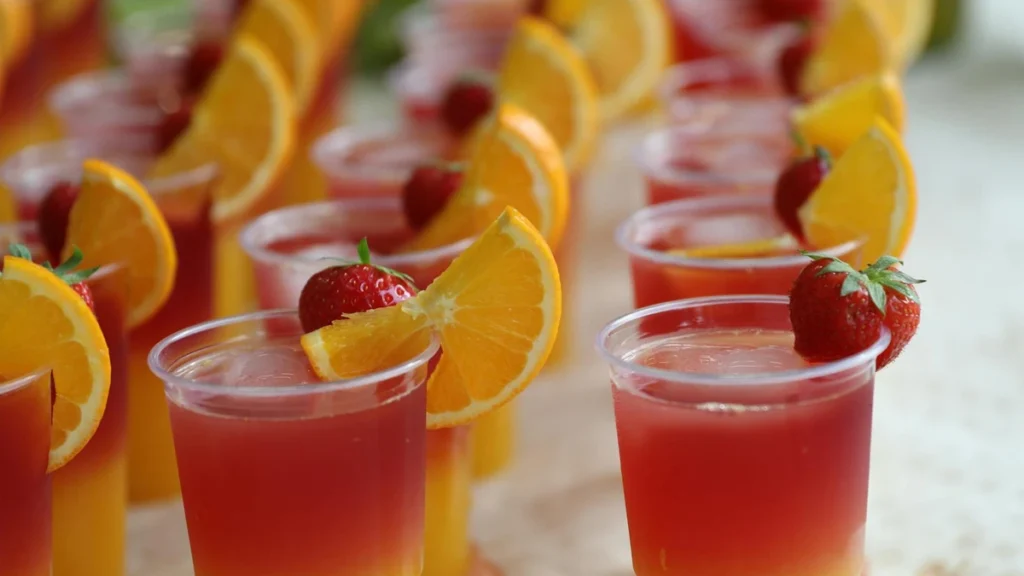
-Las tapas de cúpula transparentes permiten hacer fotos de arriba abajo mostrando el color de la bebida
-RETORNO DE LA INVERSIÓN: $0,05 prima de tapa → $8-15 valor de comercialización = 160-300x retorno.
Etiquetas para fundas a todo color (Más flexible):
-Envuelve el exterior de la taza (la tapa permanece transparente)
-Opciones de diseño: Logotipo, información nutricional, lista de ingredientes, código QR
-MOQ: 5.000-10.000 fundas (inferior al de las tazas impresas)
-Coste: +$0,04-0,07 por taza
-Cambie de diseño fácilmente sin necesidad de hacer un nuevo pedido de vasos
Impresión directa en taza en 1-2 colores (Opción presupuestaria):
-Logotipo sencillo en el exterior de la taza
-MOQ: 50.000+ tazas (mínimo elevado)
-Coste: +$0,03-0,05 por taza (en MOQ)
-Diseño fijo (costoso de cambiar)
Qué NO imprimir:
-Evitar textos densos (ilegibles mientras el cliente bebe)
-No imprimir en la parte superior de la tapa (impide ver el zumo)
-Evite las imágenes genéricas de archivo (desmerecen el producto real)
Marca eficaz para bares de zumos:
-Logotipo grande (tercio superior de la taza)
-Lema (“100% Organic” o “Cold-Pressed Daily”)
-Mango de redes sociales (fomente el CGU)
-Diseño minimalista (el color del zumo es el protagonista)
#### Análisis del ROI de la marca
Información clave: Las tapas de cúpula transparentes ofrecen el mayor retorno de la inversión a los bares de zumos, ya que permiten la comercialización visual y el intercambio en las redes sociales.
Conocer el coste total y la fiabilidad de los proveedores evita interrupciones operativas.
Opción presupuestaria (recubierto de PE, tapa plana):
-Taza de 16oz: $0.08-0.11
-Tapa plana: $0.03-0.04
-Total: $0,11-0,15 por ración
-Adecuado para: Operaciones centradas en los costes, sólo entrega
Opción estándar (cubierta de PLA, tapa de cúpula transparente):
-Taza de 16oz: $0.10-0.13
-Tapa de cúpula transparente: $0.05-0.07
-Total: $0,15-0,20 por ración
-Adecuado para: La mayoría de los bares de zumos, coste/calidad equilibrados
Opción Premium (recubrimiento de PLA, cúpula antivaho, impresión personalizada):
-Taza de 16oz: $0.12-0.15 (con impresión personalizada)
-Cúpula transparente antivaho: $0,06-0,08
-Total: $0,18-0,23 por ración
-Adecuado para: Zumerías de alta gama, marcas centradas en Instagram.
Costes por fugas y reelaboración:
-Vaso fallido que requiere rehacerlo: $6-9 de pérdida (ingredientes + mano de obra + fondo de comercio del cliente)
-Tasa de fracaso de la taza presupuestada: 4-6% = $0,24-0,54 coste por taza vendida
-Tasa de fracaso de la taza Premium: 1-2% = $0,06-0,18 coste por taza vendida
-Ahorro neto: $0,18-0,36 por taza invirtiendo en calidad
Limpieza de condensación:
-Tazas de recubrimiento simple: 5-10 minutos diarios de tiempo del personal limpiando mesas/contadores
-Tazas de doble revestimiento: Limpieza mínima
-Valor de la mano de obra: $20-40 de ahorro semanal = $0,02-0,03 por taza
Valor del marketing en redes sociales:
-La tapa transparente impulsa las fotos: 1 de cada 6 clientes
-Valor estimado por mensaje UGC: $8-15
-Bar de zumos que sirve a 200 clientes al día: 33 puestos/día
-Valor mensual de comercialización: $7.920-14.850
-Valor por taza: $0,30-0,45 (amortizado)
#### Coste total de propiedad (por 1000 tazas)
Información clave: Los vasos premium con tapas transparentes tienen un coste de material más elevado, pero ofrecen un valor total superior gracias a la reducción de fallos, la eliminación de la limpieza y las enormes ventajas de marketing en redes sociales.
Verificación de la calidad:
-Solicite muestras (20-50 tazas) para realizar pruebas
-Llenar con zumo, esperar 30 minutos, comprobar la integridad estructural
-Comprobar que el exterior permanece seco (prueba de condensación)
-Prueba de estanqueidad de la tapa (pruebas de inversión y agitación)
Certificaciones requeridas:
-Contacto con alimentos según la FDA cumplimiento (US)
-Certificación BPI si se declara compostable
-FSC/PEFC para declaraciones de abastecimiento sostenible
MOQ Consideraciones:
-Pequeños bares de zumos (<200 bebidas/día): Busque 10.000-20.000 MOQ
-Operaciones medias (200-500/día): 30.000-50.000 aceptable
-Grandes cadenas (500+/día): 100.000+ para obtener el mejor precio
Señales de alerta:
-El proveedor no proporcionará muestras.
-Precio 40%+ por debajo de la media del mercado (es probable que la calidad se vea comprometida)
-Respuestas vagas sobre el tipo de revestimiento o el peso GSM
-Sin certificaciones de contacto con alimentos
Aprenda de estos errores frecuentes que cuestan miles de euros al año a los bares de zumos.
❌ Error #1: Usar vasos de bebida caliente para zumo frío
Problema: Las tazas calientes están diseñadas para resistir el calor, no para evitar la condensación. Resultado: Las tazas sudan profusamente, los clientes se quejan de que la superficie resbala y la marca queda oculta.
Enfoque correcto: Especifique siempre vasos para bebidas frías con revestimiento exterior. Verifique la resistencia a la condensación probando las muestras con hielo + líquido durante 30 minutos.
❌ Error #2: Tapas opacas en zumos de colores
Problema: Ocultar los colores vivos de los zumos en tapas opacas desaprovecha el potencial de 40-50% compra por impulso. Zumos de colores = vallas publicitarias andantes, tapas opacas = marketing perdido.
Enfoque correcto: Invierte en tapas de cúpula transparentes (+$0,03-0,04). El retorno de la inversión derivado del aumento de las compras (30-45% de aumento) y de compartir en las redes sociales ($8-15/post) se amortiza 265-500 veces.
❌ Error #3: Tamaño incorrecto del orificio de la pajita
Problema: Pedir tapas con orificio para pajita de 6 mm para batidos espesos. A los clientes les cuesta beber, se quejan de los atascos y dejan comentarios negativos.
Enfoque correcto: Especifique orificios para pajitas de 8-10 mm para la mayoría de las aplicaciones de zumerías. Si sirve batidos muy espesos o té de burbujas, utilice pajitas gigantes de 12 mm y tapas compatibles.
❌ Error #4: Llenar demasiado los vasos
Problema: El llenado hasta la capacidad 100% parece generoso, pero provoca fallos en el cierre de la tapa, fugas y quejas de los clientes.
Enfoque correcto: Llenar hasta la capacidad máxima de 90-95%. Deja espacio para el cierre de la tapa, evita derrames y mantiene la satisfacción del cliente. Utilice el tamaño siguiente si las porciones requieren más líquido.
❌ Error #5: Ignorar la infraestructura local de residuos
Problema: Comprar vasos “compostables” de PLA sin verificar la existencia de compostaje comercial a nivel local. Los clientes no pueden compostarlos y la credibilidad de la marca queda dañada.
Enfoque correcto: Compruebe si en su zona existen instalaciones comerciales de compostaje que acepten envases para servicios alimentarios. Si no hay compostaje: elija un revestimiento reciclable a base de agua o sea honesto acerca de que los vasos de PE son reciclables con limitaciones.

Los vasos de papel para zumo son recipientes para bebidas frías diseñados con revestimientos resistentes a la humedad (PLA, PE o a base de agua), normalmente con una capacidad de 12-24 onzas, optimizados para una integridad estructural de más de 30 minutos con líquidos fríos, compatibles con orificios para pajitas de 8-10 mm y a menudo combinados con tapas de cúpula transparentes para su comercialización visual. Utilizan cartón de 280-300 GSM y cuestan $0,10-0,20 por vaso+tapa, dependiendo del revestimiento y las características.
La mayoría de los bares de zumos utilizan 473 ml (16 oz) como tamaño estándar (55-65% de ventas), con 12 oz para niños/porciones pequeñas, 20 oz para batidos/reemplazos de comidas y 24 oz para compartir/porciones para atletas. La selección de tamaños depende del tipo de zumo: zumos prensados en frío (12-16oz), batidos (16-20oz), zumos verdes (16-20oz), zumos de frutas (todos los tamaños). El sistema de dos tamaños (16oz + 20oz) cubre 85% de las preferencias de los clientes.
Sí. Los vasos de zumo requieren un revestimiento exterior + interior para evitar la condensación y la filtración de líquidos. El revestimiento de PLA (de origen vegetal, compostable comercialmente, coste +20-30%) ofrece la mejor resistencia a la condensación y un posicionamiento ecológico. El revestimiento de PE (a base de petróleo, no compostable, coste básico) ofrece la máxima durabilidad. El revestimiento de base acuosa (potencialmente reciclable, coste de +10-18%) equilibra el rendimiento y la sostenibilidad. Los vasos con un solo revestimiento crean problemas de condensación en 15-20 minutos.
Las tapas transparentes aumentan las compras por impulso al mostrar los coloridos ingredientes del zumo o batido, permiten al cliente evaluar la calidad (frescura, porción) e impulsan la participación en las redes sociales (1 de cada 6 clientes fotografía las bebidas, $8-15 de valor de marketing por publicación). Admiten coberturas y aderezos y ofrecen una presentación digna de Instagram. El sobrecoste (+$0,03-0,04 frente a los opacos) multiplica por 265-500 el retorno de la inversión gracias al aumento de las ventas y el marketing gratuito.
Las pajitas de 8-10 mm de diámetro sirven para 85% todas las aplicaciones de los bares de zumos, incluidos los zumos prensados en frío con pulpa y la mayoría de los batidos. Las pajitas estándar de 6 mm se atascan con la pulpa y las texturas espesas. Se necesitan pajitas gigantes de 12 mm para batidos muy espesos, té de burbujas o zumos con mucha pulpa. Las tapas de los vasos deben tener un tamaño de orificio compatible; verifique la compatibilidad entre la pajita y la tapa antes de realizar el pedido. El borde reforzado del orificio de la pajita evita que se rompa con pajitas de mayor diámetro.
Opción económica (vaso de PE + tapa plana): $0,11-0,15 por porción. Opción estándar (vaso de PLA + tapa transparente): $0,15-0,20 por porción. Opción premium (impresión personalizada + cúpula antivaho): $0,18-0,23 por porción. Sin embargo, el coste total de propiedad, incluidas las repeticiones de fallos, la mano de obra de limpieza y el valor de marketing, muestra que los vasos premium son más rentables a pesar del mayor coste del material: la reducción de fallos ahorra $0,18-0,36/vaso, y el valor de marketing añade $0,30-0,45/vaso.
Sí, tres métodos principales: (1) Etiquetas de manga a todo color que envuelven el exterior del vaso-CUO 5.000-10.000, +$0,04-0,07/vaso, el más flexible para cambios de diseño. (2) Impresión directa de 1-2 colores en el vaso-MOQ 50.000+, +$0,03-0,05/vaso, diseño cerrado. (3) Tapas transparentes con un pequeño logotipo en el borde que no obstruye la visibilidad del zumo. Evite la impresión en la parte superior de la tapa (bloquea el escaparate de color) o el texto denso (ilegible). El color del zumo es el protagonista visual.
Los vasos de papel para zumerías tienen una doble función: son recipientes funcionales para bebidas y potentes herramientas de marketing que impulsan las compras por impulso, la satisfacción del cliente y la participación en las redes sociales. La inversión en vasos de calidad para bebidas frías con tapas de cúpula transparentes ($0,15-0,20 por porción) ofrece beneficios cuantificables gracias al aumento de las tasas de conversión (30-45% de aumento), la reducción de los problemas operativos (menos reposiciones, sin limpieza de condensación) y un valor de marketing sustancial ($8-15 por publicación generada por el usuario) que las alternativas económicas no pueden igualar.
Principales conclusiones:
1.La selección del tamaño es importante: 16 oz estándar para la mayoría de las operaciones, con 20 oz para batidos/reemplazos de comidas; el sistema de dos tamaños cubre 85% las necesidades de los clientes
2.Los revestimientos para bebidas frías son esenciales: el PLA o el PE doble evitan la condensación exterior que crea superficies resbaladizas y oscurece la marca en 15-20 minutos.
3.Las tapas de cúpula transparentes multiplican por 265-500 el retorno de la inversión, ya que muestran los zumos de colores, impulsan las compras por impulso (+30-45%) y permiten el marketing en Instagram ($8-15 de valor por publicación).
4.La compatibilidad de la pajita es fundamental: 8-10 mm de diámetro para zumos y batidos estándar, 12 mm para mezclas muy espesas; compruebe la compatibilidad de la tapa antes de hacer un pedido al por mayor.
5.El análisis del coste total de propiedad muestra que las tazas premium ($0,18-0,23/ración) resultan más económicas que las opciones económicas ($0,11-0,15) si se tienen en cuenta las repeticiones de fracasos ($0,18-0,36 de ahorro) y el valor comercial ($0,30-0,45 de beneficio).
Para los bares de zumos y las operaciones de bebidas saludables, la selección estratégica de vasos en consonancia con el posicionamiento de la marca, las prioridades de la experiencia del cliente y la disponibilidad real de infraestructura de residuos transforma el envase de un gasto básico en un activo de marketing generador de ingresos con un valor entre 5 y 10 veces superior al coste del material.
Explore más soluciones de envasado de alimentos:
-Vasos de papel y envases de café
Papacko suministra vasos de papel para bebidas frías con tapas transparentes a zumerías, tiendas de batidos y cafeterías saludables de todo el mundo. Ofrecemos revestimientos resistentes a la condensación, tapas compatibles con pajitas y opciones de personalización acordes con su marca.
Las decisiones sobre el envasado de zumos y batidos suelen plantear cuestiones relacionadas con los revestimientos para bebidas frías, los tamaños de los vasos altos, la visibilidad de la impresión en condiciones de condensación y qué formatos resultan adecuados también para las promociones de verano. Estas páginas dan continuidad a ese proceso.
Póngase en contacto:
Última actualización: Noviembre de 2025
Equipo de contenido: Papacko
Revisado por: Departamento de Envasado y Marketing de Bebidas Frías