¿Está listo para crear sus propios vasos o envases de papel con su marca?
Díganos sus requisitos -tamaño, revestimiento, impresión y destino- y nuestro equipo le preparará un presupuesto detallado en 24 horas.

Última actualización: Noviembre de 2025
Tiempo de lectura: 9 minutos
Autor: Equipo de contenidos de Papacko
Su cafetería sostenible cambió a las fiambreras de papel kraft para atraer a los clientes ecológicos, pero descubrió que 25% de las cajas perdían grasa en 15 minutos, 18% se derrumbaban cuando se apilaban durante la hora punta del almuerzo y los clientes se quejaban de manchas de aceite en las manos y las bolsas, lo que provocó más de 40 quejas semanales y una caída de las valoraciones de Google de 4,6 a 4,1 estrellas. Mientras tanto, el restaurante ecológico de la calle de al lado utiliza cajas de cartón kraft que aguantan perfectamente los alimentos grasientos y mantienen sus credenciales medioambientales.
Las fiambreras de papel kraft no son automáticamente ecofuncionales: requieren tecnologías específicas de barrera resistente al aceite (que alcancen el grado 10-12 de TAPPI T559 sin revestimientos de PE derivados del petróleo), ingeniería estructural para la resistencia al apilamiento (cartón de 350-450 GSM con esquinas reforzadas) y certificaciones adecuadas de contenido FSC/reciclado para ofrecer tanto rendimiento medioambiental como fiabilidad práctica. La elección incorrecta de una caja kraft cuesta entre $5 y 8 por pedido fallido en repeticiones y devoluciones, al tiempo que perjudica el posicionamiento de su marca de sostenibilidad.
En esta guía, aprenderás:
-Soluciones de resistencia al aceite para papel kraft: tecnologías de barrera sin revestimiento de PE
-Requisitos de resistencia estructural: Peso GSM y estrategias de refuerzo
-Certificación FSC frente a contenido reciclado: qué importa para el posicionamiento ecológico
-Selección del tamaño y planificación de la capacidad para distintos tipos de comidas
-Análisis de costes: kraft vs blanco vs alternativas recubiertas
-Verificación de proveedores y puntos de control de calidad
-Errores comunes que merman el rendimiento del papel kraft
💡 Resumen rápido: Las fiambreras de papel kraft requieren un mínimo de 350-400 GSM para la integridad estructural, revestimientos de barrera a base de agua o PLA para la resistencia al aceite (Grado 10-11 TAPPI T559), y certificación FSC o contenido reciclado 80%+ para declaraciones de sostenibilidad creíbles.
Coste: $0,25-0,45 por caja en función del revestimiento y la certificación.
Especificaciones críticas: el refuerzo del fondo evita el colapso con 2-3 lb de peso de los alimentos, los orificios de ventilación adecuados evitan la suciedad, biodegradable en 60-90 días en condiciones de compostaje.
Ideal para: cafeterías saludables, restaurantes "de la granja a la mesa" y servicios de catering que den prioridad a las credenciales ecológicas y al rendimiento funcional.
Lograr la resistencia a la grasa manteniendo las credenciales ecológicas requiere tecnologías de barrera avanzadas que van más allá de los revestimientos de PE tradicionales.
Propiedades del papel kraft natural:
-Estructura de fibra de celulosa porosa (el papel absorbe los líquidos de forma natural)
-Sin barrera de aceite inherente (la grasa satura las fibras, migra a través del grosor)
-Cronología: El kraft sin recubrimiento muestra un avance del aceite en 5-15 minutos con alimentos grasientos
Consecuencias de las fugas de petróleo:
-Experiencia del cliente: Manos grasientas, bolsas/asientos de coche manchados de aceite, baja calidad percibida
-Daño a la marca: El “envase ecológico” se convierte en “envase barato” en la percepción del cliente
-Preocupaciones sanitarias: El aceite externo atrae la suciedad, se percibe como antihigiénico
-Costes operativos: 15-25% de tasa de remake = $750-1.250 de pérdidas mensuales (50 pedidos diarios × $10 de media)
Composición: Dispersión de polímero acrílico o a base de almidón, peso de recubrimiento de 12-20 g/m².
Resistencia al aceite:
-Prueba TAPPI T559: Grado 10-11 (adecuado para la mayoría de los almuerzos)
-Tiempo de penetración: 30-45 minutos con grasa moderada (aliños de ensalada, salsas)
-Gama de temperaturas: Eficaz hasta 80°C (adecuado para alimentos templados no calientes)
Credenciales medioambientales:
-Aplicación soluble en agua (sin emisiones de COV durante la fabricación)
-Potencialmente reciclable (depende de la infraestructura, algunas instalaciones lo aceptan)
-Biodegradable: Se descompone en 60-120 días en condiciones de compostaje
-Contenido renovable: A menudo derivado del almidón (polímero de origen vegetal)
Coste: +$0,03-0,06 frente a kraft no estucado ($0,28-0,35 por caja)
Limitaciones:
-Resistencia moderada al aceite (no apta para alimentos fritos o muy grasientos)
-Cierta sensibilidad al agua (la exposición prolongada a la humedad degrada la barrera)
-El reciclaje varía según la región (compruebe la aceptación del flujo de papel local)
Lo mejor para: Ensaladas, sándwiches, cuencos de cereales, proteínas a la parrilla - aplicaciones con grasa moderada
Composición: Bioplástico vegetal de maíz/caña de azúcar, recubrimiento de 15-25 g/m².
Resistencia al aceite:
-Prueba TAPPI T559: Grado 11-12 (excelente barrera a la grasa)
-Tiempo de penetración: 60-90 minutos incluso con alimentos muy grasos
-Gama de temperaturas: Hasta 85°C (adecuado para la mayoría de las aplicaciones de suministro)
Credenciales medioambientales:
-100% a base de plantas (sin contenido de petróleo)
-Comercialmente compostable (90-180 días en instalaciones industriales)
-Menor huella de carbono que el revestimiento de PE (materia prima renovable)
-No reciclable (contamina el flujo de reciclaje de papel)
Coste: +$0,06-0,10 frente a kraft sin recubrir (+25-35% frente a recubrimiento al agua)
Contrapartidas:
-Requiere infraestructura de compostaje comercial (no compostable en casa)
-Mayor coste (precios más elevados para un posicionamiento sostenible)
-No se puede reciclar en los flujos de papel estándar (debe ir al compostaje o al vertedero)
Lo mejor para: Marcas ecológicas de primera calidad, mercados con acceso a compostaje comercial, platos con alto contenido en grasa
Barreras antigrasa sin PFAS (Norma emergente):
-Antecedentes: Los tratamientos tradicionales resistentes a la grasa utilizaban PFAS (sustancias per/polifluoroalquiladas)
-Problema: los PFAS están relacionados con problemas de salud y han sido prohibidos o eliminados en la UE y EE.UU.
-Solución: Nuevos revestimientos biobasados sin fluoroquímicos que alcanzan el Grado 10-12
-Rendimiento: Comparable a los tratamientos con PFAS sin riesgos para la salud y el medio ambiente
-Coste: +$0,04-0,08 frente a kraft sin recubrimiento (prima moderada)
-Certificación: Busque las afirmaciones “Sin PFAS” o “Sin flúor” en la documentación del proveedor.
#### Comparación de la resistencia al aceite
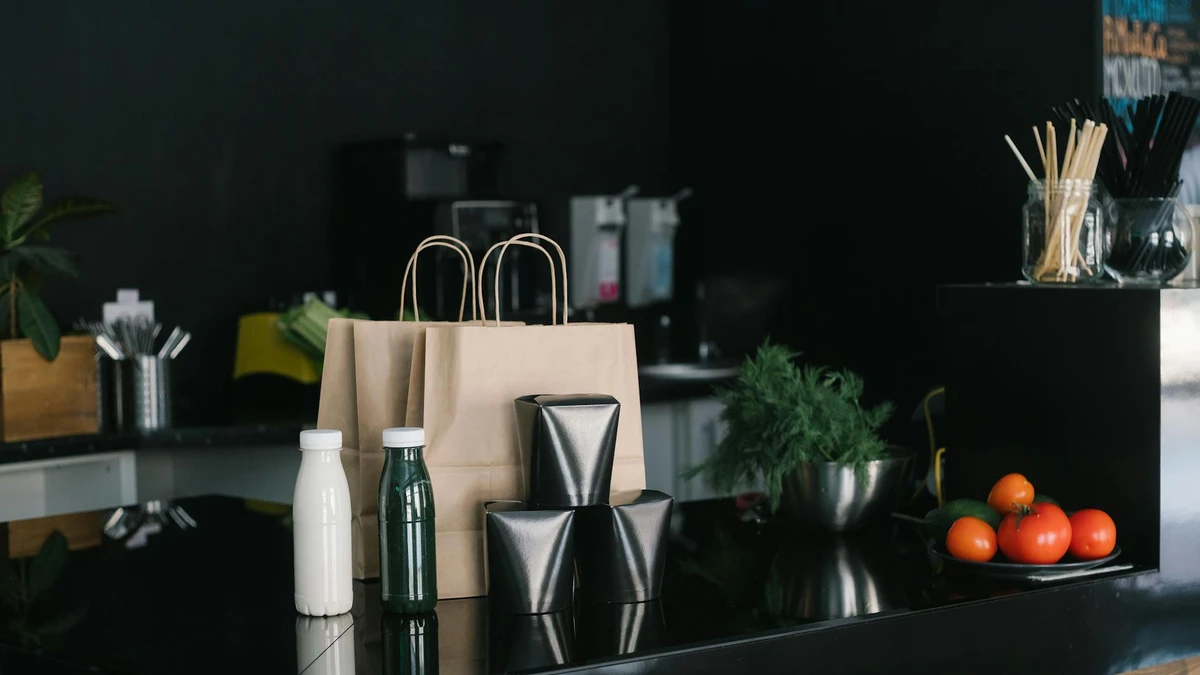
El color marrón natural del papel kraft y su atractivo ecológico no significan nada si las cajas se colapsan con el peso habitual del almuerzo o la presión de apilado.
300-330 GSM (Comercial ligero):
-Capacidad: Hasta 1,5 lbs de peso del alimento
-Apilado: 3-4 cajas máximo antes de riesgo de deformación
-Uso típico: Ensaladas, bocadillos ligeros, tentempiés
-Coste: $0,22-0,30 por caja
-Limitación: No apto para almuerzos completos ni para apilar durante periodos de gran afluencia de público
350-400 GSM Norma para fiambreras:
-Capacidad2-3 lbs de peso de comida de forma fiable
-Apilado6-8 cajas estables (escenario típico de estación de preparación o bolsa de entrega)
-Uso típico: Platos principales, cuencos de arroz, pasta, proteínas y guarniciones
-Coste: $0,28-0,38 por caja
-Cuota de mercado: 70-80% de aplicaciones para fiambreras kraft
400-450 GSM (Heavy Duty):
-Capacidad: 3-4 libras de peso
-Apilado: 10+ cajas (catering, escenarios de preparación a granel)
-Uso típico: Comidas familiares, raciones de catering, proteínas pesadas
-Coste: $0,35-0,50 por caja
-Caso de uso: Restaurantes y caterings de alta gama que dan prioridad a la máxima fiabilidad
Por qué es importante el GSM:
-Mayor GSM = más fibras de celulosa = mayor resistencia a la tracción
-El papel kraft (sin blanquear) tiene fibras más largas que el papel blanco → más resistente por unidad GSM.
-La fuerza de apilamiento es crítica: la hora punta del almuerzo = 20-30 cajas apiladas durante la ventana de preparación
Panel inferior de doble pared:
-Diseño: Dos capas de cartón kraft laminadas en el fondo de la caja
-Ventaja: Evita el hundimiento del fondo cuando la caja se llena con 2-3 lbs de comida + líquidos
-Coste: +$0,04-0,06 por caja
-Crítico para: Platos salseados, cuencos de arroz, cualquier cosa con componentes líquidos
Refuerzo de esquinas:
-Diseño: Espesor adicional del material o pliegues en las esquinas de la caja
-Ventaja: Evita el desgarro de las esquinas al agarrar/transportar la caja
-Fallo común: Las esquinas no reforzadas se rompen cuando los clientes las transportan a mano
-Coste: Mínimo (característica de diseño, sin aumento del coste del material).
Refuerzo de llantas:
-Diseño: Borde plegado o de doble capa alrededor de la abertura de la caja
-Ventaja: Evita el hundimiento del borde al presionar la tapa, mantiene la integridad del sellado
-Impacto de apilamiento: Evita que el borde superior se aplaste bajo el peso del apilamiento
-Coste: +$0,02-0,03 por caja
Ventilación sin debilidades:
-Problema: las cajas de papel kraft necesitan ventilación para evitar que se empapen de vapor, pero los agujeros debilitan la estructura
-Solución: Pequeñas perforaciones cortadas con láser (3-5 mm) colocadas estratégicamente en las paredes laterales superiores.
-Colocación: No en las esquinas ni en la parte inferior (puntos débiles estructurales)
-Función: Liberación de vapor sin comprometer la capacidad de carga
Las alegaciones medioambientales creíbles requieren certificaciones específicas y documentación sobre el origen de los materiales.
Qué verifica:
-Cartón procedente de bosques gestionados de forma responsable
-Seguimiento de la cadena de custodia desde el bosque hasta la caja acabada
-No a la deforestación, protección de los derechos indígenas, explotación sostenible
Tipos de etiquetas FSC:
-FSC 100%: Todas las fibras vírgenes proceden de bosques con certificación FSC (poco común, de primera calidad)
-Mezcla FSC: Combinación de certificado FSC + reciclado + fuentes controladas (más común)
-Reciclado FSC: 100% fibras recicladas postconsumo o preconsumo
Requisitos del mercado:
-UE: Cada vez más obligatorio en los contratos públicos
-EE.UU: No es obligatorio legalmente, pero los consumidores reconocen el logotipo (señal de confianza).
-Clientes corporativos: Muchas empresas exigen el FSC para sus informes de sostenibilidad
Impacto en los costes: Papel kraft con certificación FSC +3-8% frente a no certificado
Verificación: Comprobar que el proveedor proporciona el certificado FSC con el número de cadena de custodia, verificar en la base de datos FSC
Contenido reciclado post-consumo (PCR):
-Definición: Residuos de papel recogidos después de su uso por el consumidor (periódicos, cajas de cartón)
-Beneficio medioambiental: Reduce la demanda de fibra virgen, desvía residuos de los vertederos.
-Contrapartida de rendimiento: fibras recicladas más cortas → ligeramente más débiles que el kraft virgen (10-15% menor resistencia a la tracción).
-Contenido típico: 30-80% PCR (% más alto = declaración de sostenibilidad más sólida pero material más débil)
Contenido reciclado preconsumo:
-Definición: Residuos de fabricación reciclados de nuevo en la producción
-Beneficio medioambiental: Reduce los residuos de producción
-Valor comercial: Menos impactante que el postconsumo (no aborda los residuos de los consumidores).
Equilibrio recomendado: 50-70% PCR mantiene una buena resistencia estructural al tiempo que ofrece una historia de sostenibilidad creíble.
Requisitos de etiquetado:
-Debe especificar el contenido reciclado % (por ejemplo, “Fabricado con material reciclado 60%”)
-Algunas regiones exigen el desglose “post-consumo” frente a “pre-consumo”.
-Se recomienda la verificación por terceros (evita acusaciones de lavado verde)
#### Comparación de certificaciones de sostenibilidad
## Selección de tallas y ajuste de menús
Elegir el tamaño de caja adecuado para los elementos del menú optimiza la funcionalidad, la rentabilidad y la percepción del valor por parte del cliente.
500ml (16oz) - Snack/Caja lateral:
-Dimensiones: 15×12×5 cm típico
-Lo mejor para: Ensaladas, platos para niños, bocadillos, postres
-Capacidad: 1-1,5 tazas de volumen de alimento
-Coste: $0.22-0.30
-Ratio de llenado: 85-90% completo crea la percepción de la porción adecuada
750ml (24oz) - Almuerzo Estándar ⭐ Más populares:
-Dimensiones: 18×13×6 cm típico
-Lo mejor para: Almuerzos individuales, cuencos de arroz, pasta, bocadillo + guarnición
-Capacidad2-3 tazas de volumen de comida
-Coste: $0.28-0.38
-Cuota de mercado60-70% de ventas de fiambreras
-Ratio de llenado: 80-85% lleno consigue un aspecto satisfactorio sin sobrellenado
1000ml (32oz) - Comida Grande:
-Dimensiones: 20×15×7 cm típico
-Lo mejor para: Raciones abundantes, cuencos de proteínas, preparación de comidas, compartir
-Capacidad: 3,5-4 tazas de volumen de comida
-Coste: $0.32-0.45
-Caso de uso: Platos principales de la cena, comidas para después del entrenamiento, estilo familiar
1500ml (48oz) - Familiar/Catering:
-Dimensiones: 24×18×8 cm típico
-Lo mejor para: Comidas familiares, pedidos de catering, porciones a granel
-Capacidad: 5-6 tazas de volumen de comida
-Coste: $0.40-0.60
-Caso de usoraciones para 2-3 personas, eventos especiales
Un solo compartimento (Más común):
-Ventajas: Menor coste, envasado más fácil, adecuado para platos combinados
-Lo mejor para: Salteados, pasta, cuencos de cereales mixtos
-Limitación: Los alimentos se mezclan (aceptable para sabores complementarios)
Diseño de 2 compartimentos:
-Diseño: Normalmente 60/40 o 70/30
-Ventajas: Separa lo húmedo de lo seco, las proteínas de los carbohidratos
-Coste: +$0,05-0,08 vs compartimento único
-Lo mejor para: Proteína + arroz, principal + guarnición, manteniendo crujientes los fritos
Estilo Bento con 3 compartimentos:
-Diseño: Reparto 50/25/25 o 40/30/30
-Ventajas: Máxima separación, estética de preparación de comidas, percepción premium
-Coste: +$0,10-0,15 frente a compartimento único
-Lo mejor para: Marcas orientadas a la salud, cocina japonesa, servicios de preparación de comidas
Comprender el valor total más allá del coste del material revela el posicionamiento competitivo del papel kraft.
Caja de papel blanco sin revestimiento:
-Coste del material: $0.24-0.32
-Credencial medioambiental: Reciclable (si no está contaminada), fibra virgen
-Resistencia al aceite: Deficiente (requiere revestimiento de PE para la grasa → no reciclable).
-Percepción: Estándar, funcional, no ecológico
Caja de papel blanco revestido de PE:
-Coste del material: $0.26-0.35
-Credencial medioambiental: No reciclable, no compostable, a base de petróleo
-Resistencia al aceite: Excelente (Grado 12 TAPPI T559)
-Percepción: Funcional pero negativo para el medio ambiente
Papel kraft con revestimiento al agua ⭐:
-Coste del material: $0.28-0.38
-Credencial medioambiental: Potencialmente reciclable + compostable, renovable
-Resistencia al aceite: Bueno (Grado 10-11 TAPPI T559)
-Percepción: Ecológico Y funcional (posicionamiento premium)
Papel kraft con revestimiento de PLA:
-Coste del material: $0.32-0.45
-Credencial medioambiental: Comercialmente compostable, a base de plantas
-Resistencia al aceite: Excelente (Grado 11-12)
-Percepción: Ecoposicionamiento premium
Valor comercial del posicionamiento Kraft/Eco:
-Encuestas a consumidores: 62% dispuestos a pagar entre 10 y 15% más por envases sostenibles
-Diferenciación de marca: “Utilizamos cajas kraft compostables” = ventaja competitiva
-Redes sociales: Los envases ecológicos consiguen un engagement 40-60% mayor (Instagram/TikTok UGC)
-Catering para empresas: Muchas empresas exigen envases ecológicos para las comidas de sus empleados.
Coste del bajo rendimiento:
-Reparación de fugas de aceite: $7-10 por pedido fallido (comida + mano de obra + buena voluntad del cliente)
-Si las cajas kraft pierden 15% de tiempo: 75 pedidos diarios × 15% × $8 = $90/día = $2.700/mes de pérdidas
-Una caja kraft adecuada cuesta +$0,05 más = $3,75/día = $112/mes
-Beneficio neto del kraft de calidad: Ahorre $2.588/mes invirtiendo $112 más en envases
#### Coste total de propiedad (por 1000 cajas)
Información clave: El kraft al agua ofrece el mejor valor total: coste moderado del material, bajo índice de fallos y grandes ventajas comerciales. El kraft de PLA justifica un posicionamiento ecológico premium a pesar del mayor coste del material.
Aprenda de estos errores frecuentes que merman el rendimiento de las fiambreras de papel kraft.
❌ Error #1: Asumir que todo el papel kraft es ecológico
Problema: Pedido de cajas de “papel kraft” sin verificar el tipo de revestimiento. El proveedor utiliza revestimiento de PE (a base de petróleo, no reciclable ni compostable), lo que anula el propósito ecológico.
Enfoque correcto: Especifique “papel kraft con revestimiento a base de agua o PLA, sin revestimiento de PE”. Solicite hojas de datos de seguridad de los materiales (MSDS) que confirmen la composición del revestimiento. Verifique la compostabilidad con Certificación BPI si se declara compostable.
❌ Error #2: Elegir 300 GSM para ahorrar $0,05/Caja
Problema: Selección del kraft más ligero (300 GSM) para minimizar el coste. Resultado: El fondo se hunde con un almuerzo de 2 libras, las cajas se colapsan al apilarlas, tasa de fallo estructural 25%.
Enfoque correcto: Mínimo 350 GSM para aplicaciones de almuerzo estándar. La inversión de +$0,05 evita costes de rehacer $7-10. Calcular: 1.000 cajas × $0,05 = $50 de coste adicional; evita 200 fallos × $8 = $1.600 de pérdidas. RETORNO DE LA INVERSIÓN: 3.100%.
❌ Error #3: No se verifica el contenido FSC o reciclado
Problema: Comercialización de “cajas kraft ecológicas” sin certificación FSC ni contenido reciclado verificado. Los clientes descubren que la afirmación es infundada y la credibilidad de la marca se ve dañada (acusaciones de lavado verde).
Enfoque correcto: Sólo haga declaraciones medioambientales que pueda verificar con certificaciones. Se requiere certificado FSC o verificación de contenido reciclado por terceros. Si el presupuesto no permite materiales certificados, sea sincero: “envases de papel kraft” sin superlativos de sostenibilidad.
❌ Error #4: Ignorar la infraestructura regional de compostaje
Problema: Comprar cajas kraft recubiertas de PLA “compostables” en mercados sin instalaciones comerciales de compostaje. Las cajas van a parar al vertedero (donde no se compostan), los clientes se sienten engañados.
Enfoque correcto: Investigar la infraestructura local de residuos antes de seleccionar el envase. Si no hay compostaje comercial: elija un revestimiento reciclable a base de agua en lugar de PLA compostable. Mensajes de mercado: “papel kraft reciclable” frente a “compostable” (ajustarse a las opciones reales de eliminación).
❌ Error #5: Llenado excesivo de las cajas por encima de la capacidad prevista
Problema: Uso de cajas de 750 ml para raciones de 4 tazas (diseñadas para 2,5-3 tazas). Las cajas se abomban, las tapas no cierran bien, fallo estructural durante el transporte.
Enfoque correcto: Llenar hasta 80-85% de la capacidad máxima de la caja. Si las porciones del menú requieren más volumen, aumente el tamaño de la caja hasta 1000 ml. Un nivel de llenado adecuado garantiza que la tapa selle correctamente y que la caja mantenga su integridad estructural.
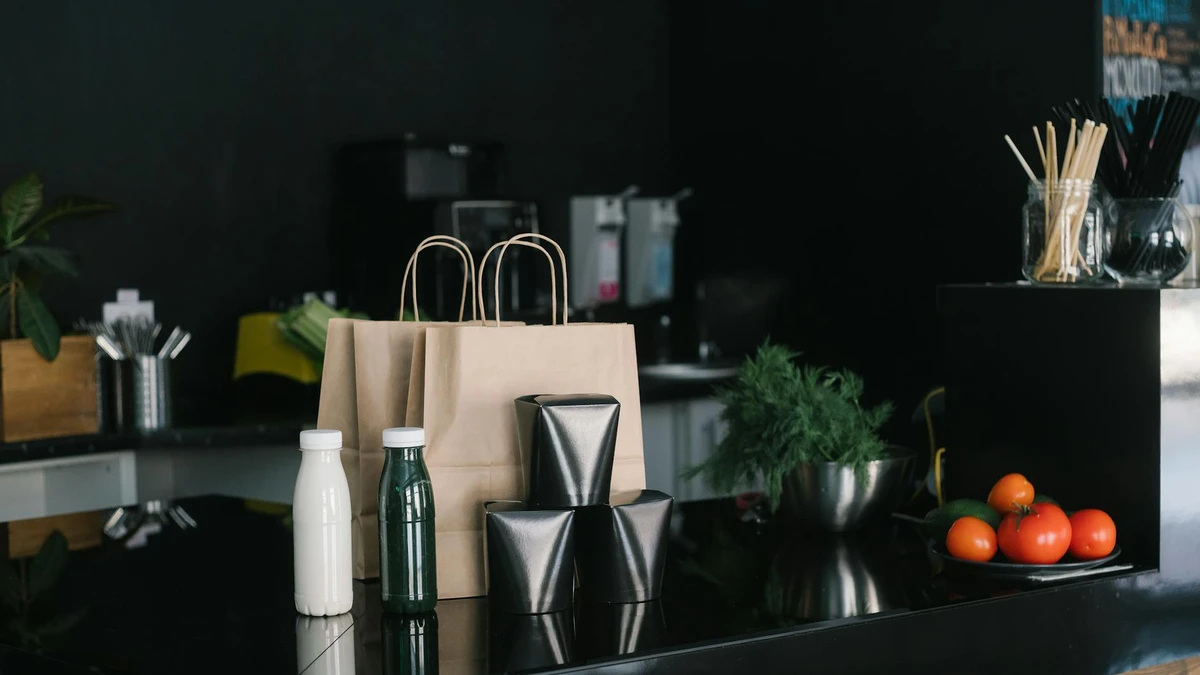
Las fiambreras de papel kraft son recipientes para alimentos fabricados con cartón crudo (color marrón natural) con un gramaje de 350-450 GSM, con revestimientos resistentes al aceite a base de agua o PLA (TAPPI T559 Grado 10-12), diseñados para servicios alimentarios con conciencia ecológica. Coste: $0,25-0,45 por caja según el revestimiento y la certificación. Credenciales medioambientales: Con certificación FSC o contenido reciclado 80%+, comercialmente compostable o reciclable. Ideal para cafeterías, restaurantes "de la granja a la mesa" y empresas de catering que dan prioridad a la sostenibilidad y a la resistencia funcional a la grasa.
El papel kraft ofrece un mayor posicionamiento ecológico (el aspecto natural sin blanquear señala sostenibilidad), a menudo con certificación FSC o contenido reciclado (50-80%), y una resistencia estructural comparable (fibras más largas por GSM). El papel blanco requiere blanqueo (mayor impacto ambiental), pero ofrece un aspecto más limpio y una mejor visibilidad de la impresión para una marca colorida. Diferencia de coste: mínima (+5-10% para el kraft). Elija el papel kraft para las marcas con conciencia ecológica y el blanco para las marcas tradicionales en las que importa el color. Ambos necesitan revestimientos resistentes al aceite para alimentos grasientos.
Tres soluciones: (1) Revestimiento de barrera al agua (Grado 10-11 TAPPI T559, soporta grasa moderada 30-45 min, +$0,03-0,06/caja), (2) Revestimiento PLA (Grado 11-12, soporta mucha grasa 60-90 min, +$0,06-0,10/caja), (3) Tratamiento fluoroquímico sin PFAS (Grado 10-12, 40-60 min, +$0,04-0,08/caja). El papel kraft sin recubrir se filtra en 5-15 minutos con alimentos grasientos: es esencial recubrirlo. Evitar el revestimiento de PE si se quieren mantener las credenciales ecológicas (a base de petróleo, no compostable/reciclable).
Depende del revestimiento: Kraft recubierto de PLA = compostable comercialmente (90-180 días en instalaciones industriales, requiere temperaturas de 55-60°C, NO compostable en casa). Revestimiento a base de agua = a menudo compostable, pero verifíquelo con el proveedor (algunas fórmulas lo son, otras no). Kraft recubierto de PE = NO compostable. Crítico: Comprobar la infraestructura local: se requiere compostaje comercial, no está muy extendido. Si no existen instalaciones locales, elija en su lugar un revestimiento reciclable a base de agua. Un marketing honesto evita acusaciones de lavado verde.
750ml (24oz) sirve 60-70% de comida preparada de mercado-cabe 2-3 tazas de comida (proteínas + carbohidratos + verduras, típico almuerzo equilibrado). 1000ml (32oz) sirve para comidas ricas en proteínas o post-entrenamiento (3,5-4 tazas). Utiliza un diseño de 2 compartimentos para separar los ingredientes húmedos de los secos (evita que se ensucien y mantiene las texturas). Llenar hasta la capacidad máxima de 80-85% para que la tapa selle correctamente. El papel kraft con revestimiento de base acuosa ($0,28-0,38) equilibra la sostenibilidad, la funcionalidad y el coste de las operaciones de preparación de comidas.
Estándar de 750 ml con revestimiento de base acuosa: $0,28-0,38 por caja. Recubierto de PLA (premium eco): $0,32-0,45. La certificación FSC añade +3-8% frente a la no certificada. Cajas compartimentadas: +$0,05-0,15 frente a un solo compartimento. Sin embargo, el análisis del coste total muestra que el kraft de calidad evita una tasa de reutilización de 15-20%, con un coste de $7-10 por fallo; invertir +$0,05 en un revestimiento adecuado ahorra $1.400 por cada 1.000 cajas en reutilizaciones. Valor comercial: 62% de los consumidores pagan 10-15% más por un envase sostenible.
Sí, el papel kraft es sensible a la humedad: Almacenar en ambiente seco (<60% HR), lejos de fuentes de agua, lejos del suelo (los palés evitan la absorción de humedad del suelo). La humedad elevada degrada los revestimientos resistentes al aceite, debilita la resistencia estructural. Caducidad: 12-18 meses si se almacena correctamente, 6-9 meses en ambientes húmedos. A diferencia de los envases de plástico (resistentes a la humedad), el kraft requiere un almacenamiento climatizado. Límite de apilado: 8-10 cartones de altura para evitar la compresión del cartón inferior. Un almacenamiento adecuado mantiene el rendimiento de la caja y evita fallos previos al uso.
Las fiambreras de papel kraft ofrecen auténticas credenciales de sostenibilidad combinadas con un rendimiento funcional cuando se diseñan adecuadamente: resistencia al aceite mediante revestimientos de base acuosa o PLA (evitando el PE derivado del petróleo), integridad estructural mediante un peso de 350-400 GSM con refuerzo y declaraciones medioambientales creíbles respaldadas por la certificación FSC o contenido reciclado verificado. La prima del material (+$0,03-0,10 frente a los envases estándar) aporta valor a través de la disposición del consumidor a pagar entre 10 y 15% más por opciones sostenibles, la reducción de los costes de reelaboración (4% frente a la tasa de fallos de 20%) y la diferenciación de la marca en mercados competitivos.
Principales conclusiones:
1.Resistencia al aceite esencial: Revestimiento al agua (Grado 10-11, +$0,03-0,06) para grasa moderada; revestimiento de PLA (Grado 11-12, +$0,06-0,10) para alimentos muy grasientos. El papel kraft sin recubrir se estropea en 15 minutos; el recubrimiento no es negociable.
2.Requisitos estructurales: Mínimo 350 GSM para comidas estándar (2-3 lb de capacidad), 400+ GSM para comidas pesadas. El refuerzo del fondo y una ventilación adecuada evitan los fallos más comunes.
3.La verificación medioambiental es importante: La certificación FSC o el contenido reciclado verificado por terceros (50-80% PCR) son necesarios para que las afirmaciones sobre sostenibilidad sean creíbles. Evita el lavado verde cotejando las afirmaciones con las credenciales reales del material.
4.La selección del tamaño es fundamental: 750 ml sirven para 60-70% de almuerzos (capacidad de llenado 80-85%). Los diseños compartimentados (+$0,05-0,15) evitan que los alimentos se mezclen y mantienen las texturas.
5.El valor total supera el coste del material: Las cajas kraft de calidad evitan $1.400 costes de remanufacturación por cada 1.000 cajas, al tiempo que aportan un valor de marketing (62% de aceptación superior) que justifica la inversión.
Para las cafeterías orientadas a la salud, los restaurantes "de la granja a la mesa" y las empresas de catering en las que el posicionamiento medioambiental impulsa la identidad de la marca, las fiambreras de papel kraft con una ingeniería adecuada y credenciales de sostenibilidad verificadas ofrecen ventajas competitivas cuantificables, transformando el envasado de una necesidad operativa en un diferenciador de marca con un valor que multiplica el sobrecoste de los materiales.
Explore más soluciones de envasado de alimentos:
-Soluciones de envasado para comida para llevar
Papacko suministra fiambreras de papel kraft con certificación FSC y opciones de revestimiento a base de agua y PLA a restaurantes, empresas de catering y servicios de preparación de comidas con conciencia ecológica de todo el mundo. Ofrecemos verificación de materiales, pruebas de resistencia al aceite y documentación de sostenibilidad para garantizar que sus envases cumplen los requisitos medioambientales y funcionales.
Los compradores de fiambreras Kraft suelen comparar la capacidad de retención del calor, la resistencia durante el transporte, la facilidad de impresión y si el mismo proveedor puede ofrecer formatos de fiambreras similares.
Póngase en contacto:
Última actualización: Noviembre de 2025
Equipo de contenido: Papacko
Revisado por: Departamento de Envases Sostenibles y Cumplimiento de la Normativa Medioambiental