¿Está listo para crear sus propios vasos o envases de papel con su marca?
Díganos sus requisitos -tamaño, revestimiento, impresión y destino- y nuestro equipo le preparará un presupuesto detallado en 24 horas.

Cinema concession packaging sits at the intersection of speed, presentation, cost control and guest experience. A poorly matched container can slow your service line, increase product waste and erode the perceived quality of what you are selling. A well-matched system can do the opposite—letting staff move quickly, keeping products in good condition from counter to seat, and reinforcing the atmosphere your venue wants to project. This guide is written for procurement operators at cinemas, stadiums, arenas and large entertainment venues who are evaluating, replacing or expanding their packaging programs. The goal is to give you a practical framework for assessment, not a list of promises about what any particular product will achieve in your specific environment.
Cinema concession packaging should be approved as a system: popcorn containers, cups and lids, carriers, secondary packs, storage and the venue’s actual service workflow. Start by sampling exact SKUs under peak-like conditions, then confirm fit with filling equipment, cup holders, staff handling, food-contact documentation and supplier lead times before placing a volume order.
Most foodservice packaging is evaluated for table-service or takeaway contexts where a guest sits down within a short walk of the counter. Cinema concession packaging operates under a different set of pressures.
Service-line speed is critical. Peak demand at a cinema falls in a narrow window—fifteen minutes before the largest sessions. Staff are handling multiple items per transaction, often without a tray or flat surface, and guests are moving while carrying their order. Every second of service time compounds into queue length and guest frustration.
Carry-ability matters as much as containment. A guest may carry popcorn, a drink and a snack simultaneously while navigating a dark corridor and finding a seat. The container needs to work in that scenario, not just on a flat counter.
Portion perception is part of the product. Cinema popcorn is sold partly on the visual impression of volume. A container that looks generous is part of the experience, even when the fill weight is controlled by your recipe and training standards.
Hold time at seat can be extended. Unlike a restaurant where food is eaten quickly, a guest at a two-hour film may return to their popcorn or drink throughout the session. This affects how moisture, grease and temperature interact with the container over time.
Volume and consistency are non-negotiable at scale. A venue running ten screens with multiple sessions per day needs containers that perform the same way in every transaction, can be stored in significant quantities and can be restocked during busy periods without operational interruption.
These factors mean that your packaging evaluation should start with your specific service conditions—queue structure, service counter layout, storage space, fill method (hand-fill vs. machine) and the products you are actually serving—before comparing options.
Popcorn is the anchor product of cinema concession packaging and deserves its own evaluation.
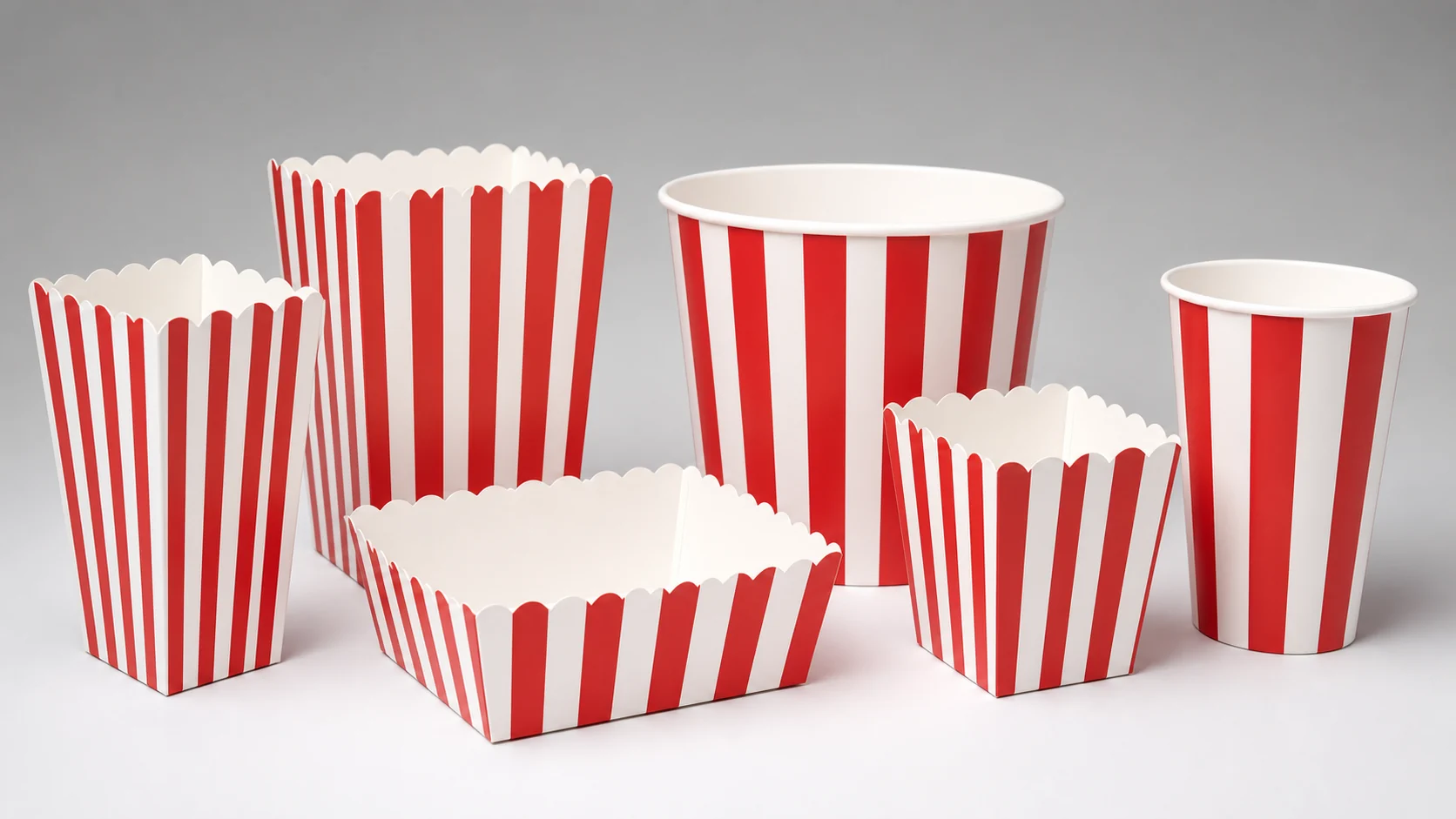
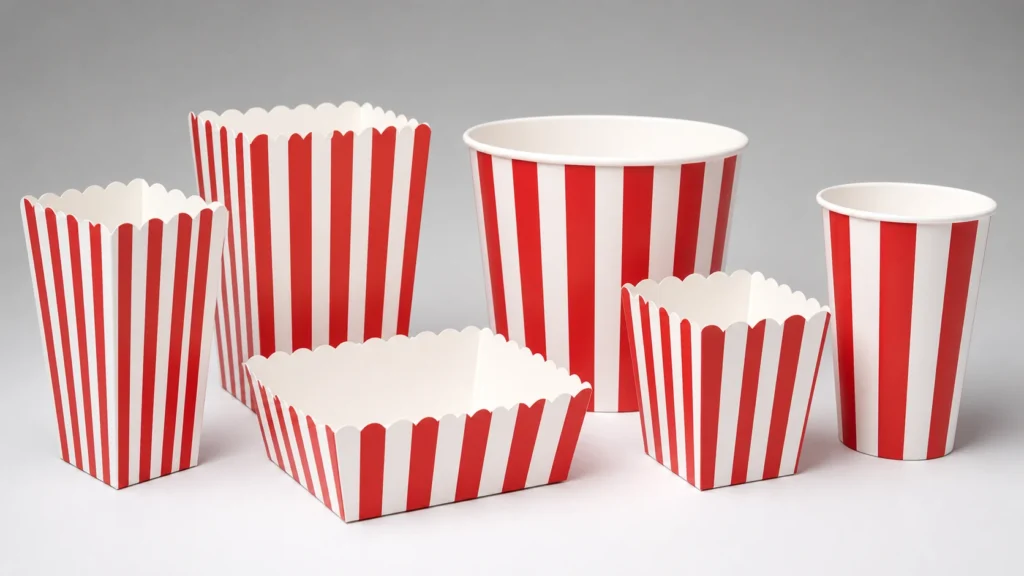
Rigid tubs with wide openings and stacking capability are the dominant format for medium and large popcorn serves. They tend to hold their shape during carry, reduce the risk of product compaction compared to narrow-mouth containers and can be branded with high-impact graphics. When evaluating tubs, consider:
Traditional folded popcorn cartons are lighter, typically less expensive per unit and familiar to guests. They can be pre-assembled or flat-packed for assembly at point of service. Key considerations:
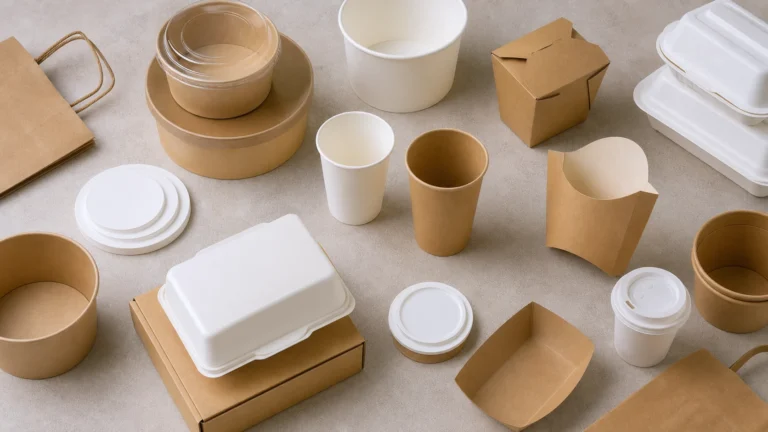
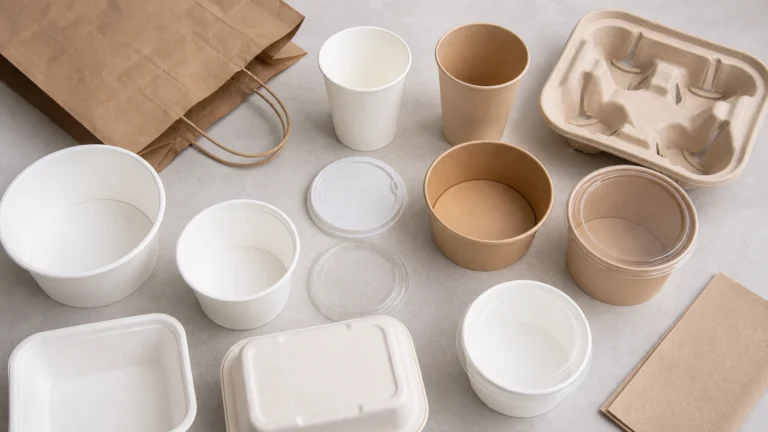
Paper bags are used by some venues for small serves or as a secondary wrap. Kraft paper formats, including bowls, are increasingly common in venues positioning around sustainability or casual dining aesthetics. If you are considering boles de papel kraft for your popcorn or snack service, evaluate them under your specific product and service conditions—the material responds differently to dry popcorn, buttered popcorn and wet snacks, and hold time matters here as much as it does with any other format.
Drink packaging in a cinema context typically means high-volume carbonated soft drinks served with ice, but may also include hot beverages, milkshakes, bottled water or specialty drinks depending on your concession mix.
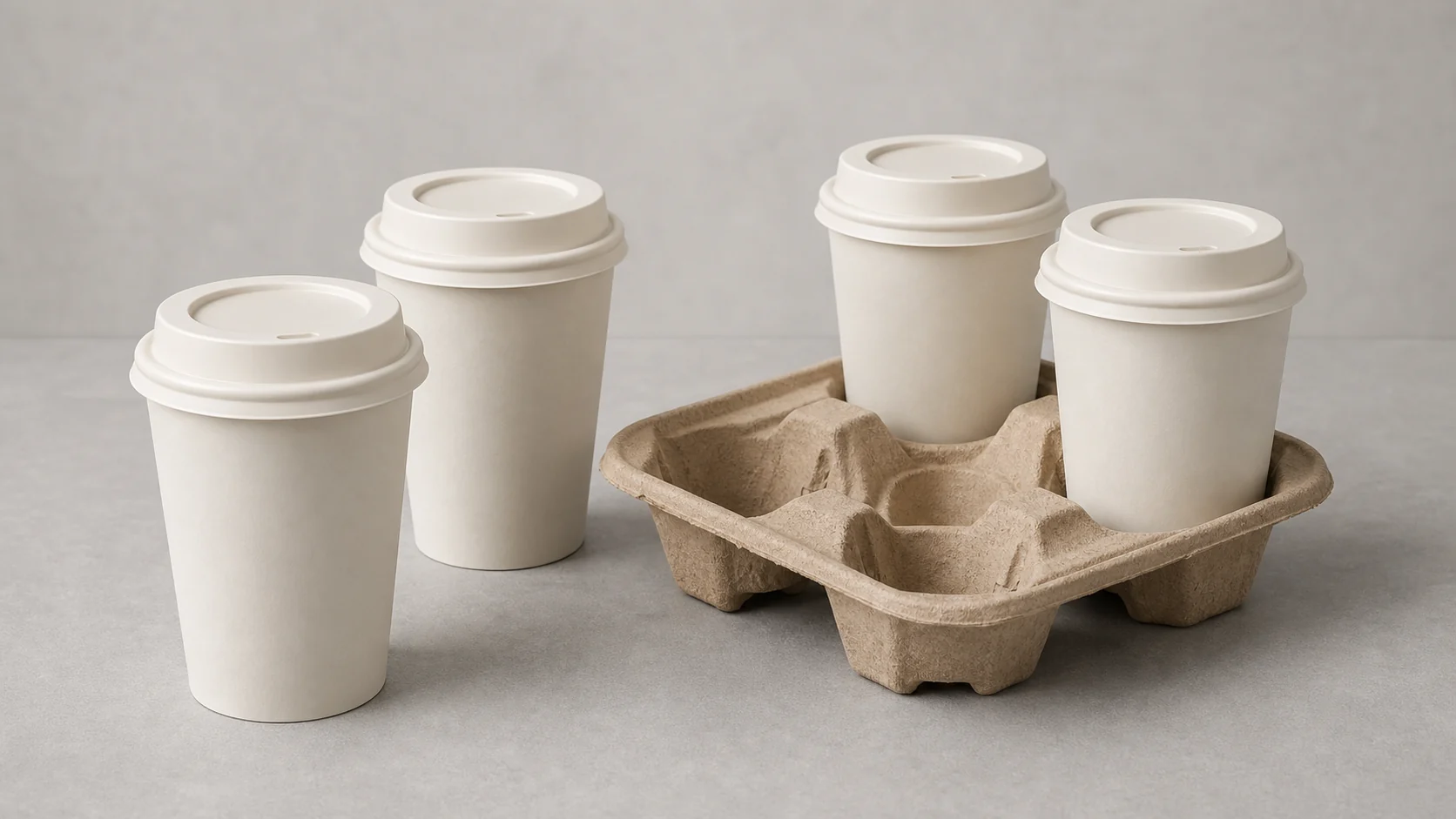
The core variables when selecting cups are:
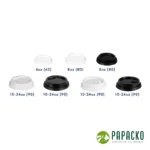
Lid performance is frequently underestimated in procurement decisions. A lid that fits poorly, is difficult to apply consistently or does not work with your straw gauge will create service delays and guest complaints.
Tapas de papel para cuencos are a specific format worth evaluating if you serve soups, noodles or hot food items at your concession stand—they are a different product category from drink lids but share some of the same fit-and-seal principles.
When guests order multiple drinks, a carrier is required unless your counter is set up for tray handoffs. Cup carriers—whether cardboard trays, corrugated carriers or moulded formats—need to fit your cup dimensions and be deployable quickly. Evaluate:
Beyond popcorn and drinks, cinema concessions typically include hot dogs, nachos, candy, ice cream and increasingly diverse food options. Each category has its own packaging requirements.
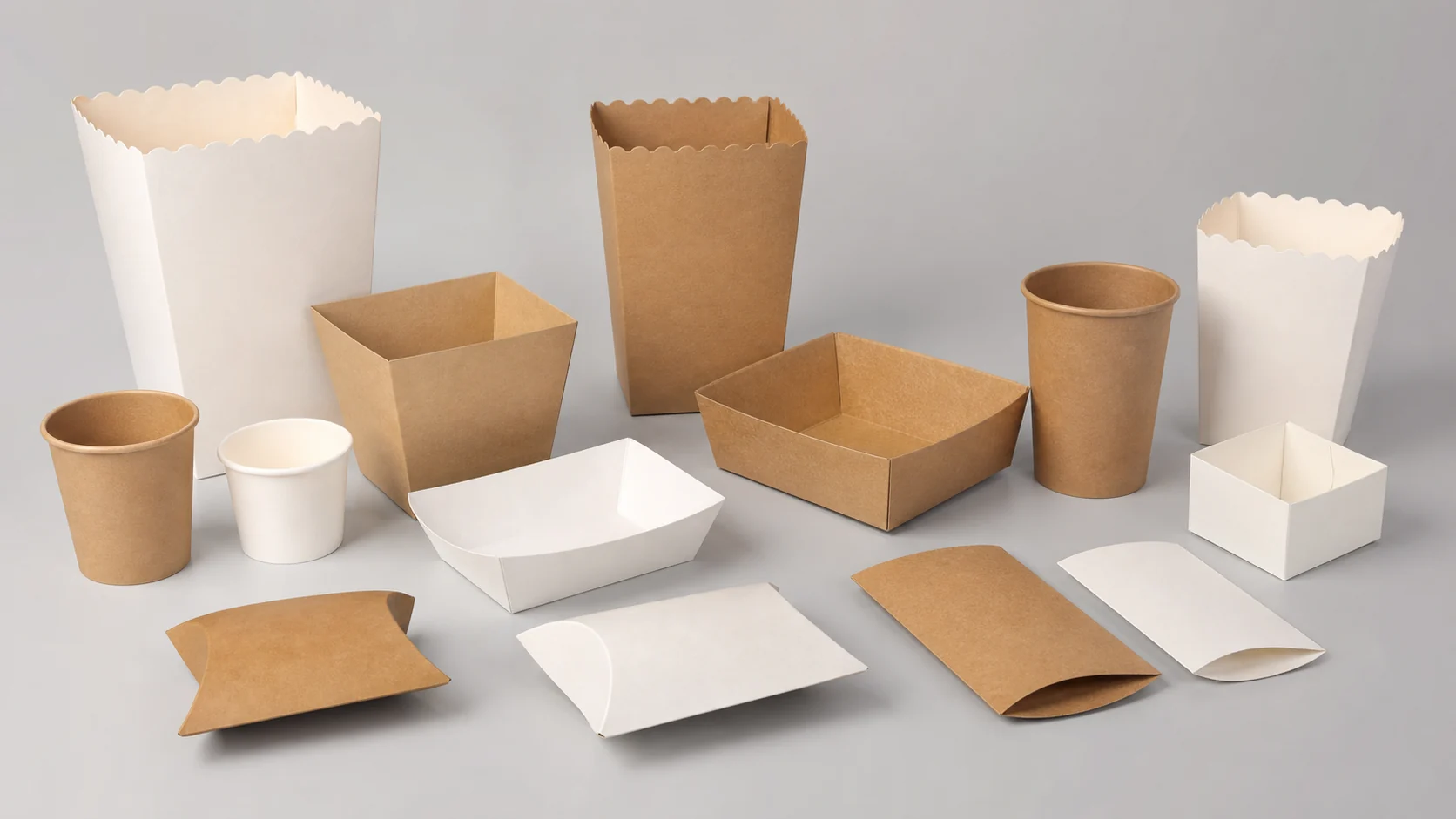
Nacho trays. Nachos require a rigid container with a flat base, a section or separate vessel for dip and ideally a geometry that allows the guest to reach chips and dip simultaneously. Evaluate chip-to-dip ratio, tray rigidity and whether your dip vessel integrates with the tray or is served separately.
Hot food items. Hot dogs, pretzels and similar items often use foil wraps, paper sleeves or small boxes. The key issue for cinema service is hand-off speed and carry comfort. A guest juggling a drink, popcorn and a hot food item in the dark needs everything to be manageable.
Candy and confectionery. Most candy is sold in pre-packaged form, so packaging procurement here focuses on display and point-of-sale presentation rather than serving containers.
Novelty and premium items. As concession menus expand, some venues are adding shareable platters, premium snack boards or hot meals. These require larger containers—envases para alimentos in formats suited to sharing or combination serves—and need to be evaluated for how well they work in a cinema seating context specifically.
Sustainability is a genuine operational consideration for many venues, both because of guest expectations and because of evolving regulatory environments in various markets. However, no packaging material category resolves all environmental considerations, and claims about recyclability or compostability depend heavily on the actual waste stream your venue has access to.
A few principles worth applying in procurement:
Packaging systems that work well for a café with thirty covers per service can fail under cinema peak conditions. Volume procurement requires a different lens.
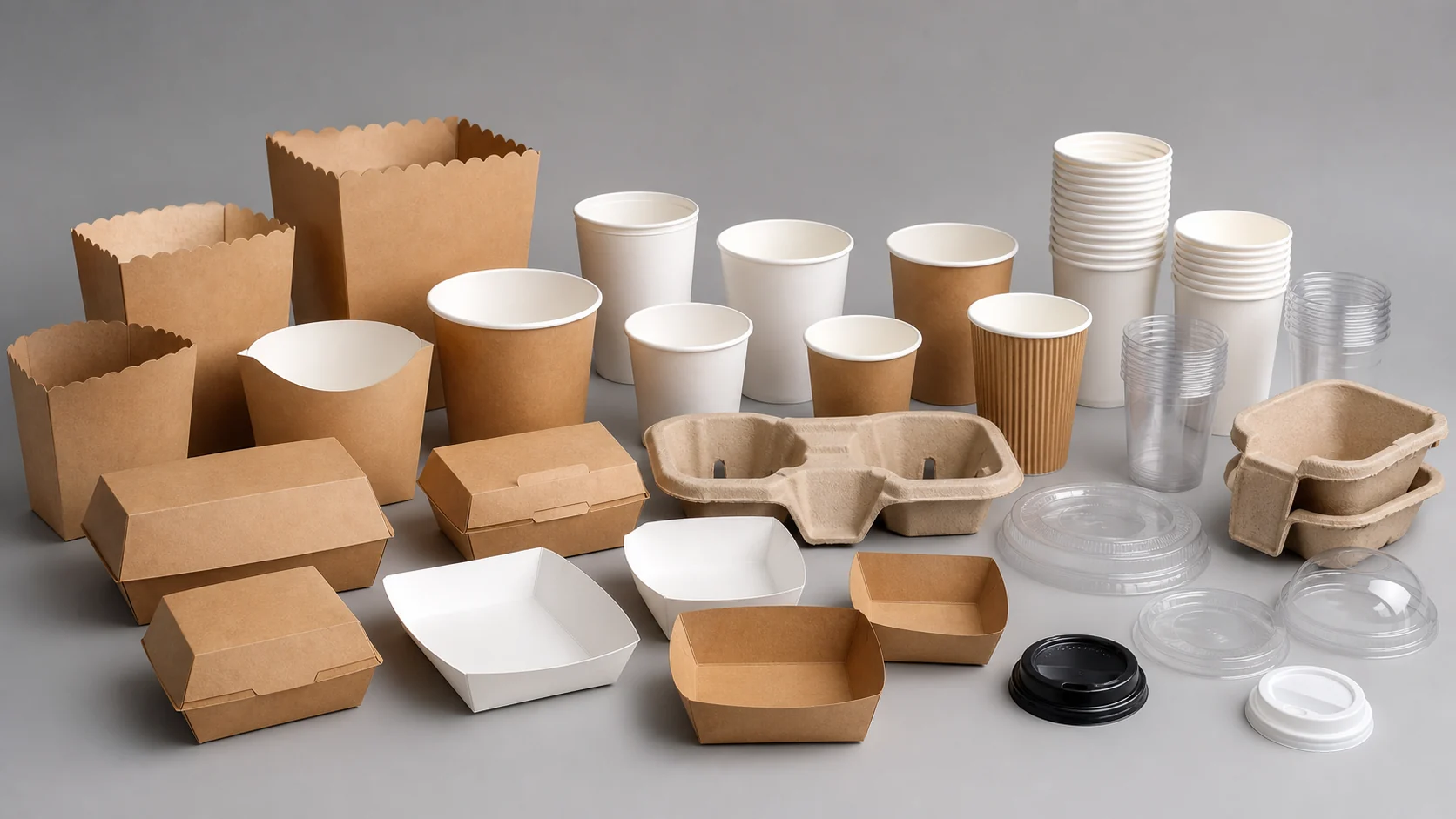
Storage and dispensing setup. Your back-of-counter storage needs to accommodate enough inventory for peak periods without requiring mid-rush restocking. Calculate your average transaction unit consumption, your peak transaction rate and your restock cycle, then size storage accordingly. Poorly organised back-counter packaging storage is one of the most common contributors to service delay.
Consistent fill levels. Portion control matters for cost and guest equity. Containers that support consistent fill—whether through fill lines, standard scoop sizes or dispense equipment calibration—reduce variance and waste. Test your fill method against the specific containers you are evaluating.
Staff ergonomics. Staff on a busy cinema concession line may repeat the same packaging motion several hundred times in a peak session. Containers that require awkward grip, high force to open or complex assembly steps create fatigue and error. Involve your service staff in evaluation.
Compatibility with your fill equipment. Automated popcorn dispensers, fountain drink machines and ice dispensers are all designed around certain container formats. Confirm that containers you are evaluating are compatible with your existing equipment before ordering at volume.
Waste handling. High-volume service generates high-volume waste. Consider how your container choices affect the time and labour involved in clearing and separating waste, particularly if your venue has sustainability or recycling targets.
The following table is a general framework for comparing common cinema concession packaging formats. Performance in any specific column depends on the exact product and your service conditions—use this as a discussion tool, not a specification.
| Formato | Caso de uso típico | Key Strengths to Evaluate | Key Risks to Evaluate |
|---|---|---|---|
| Rigid popcorn tub | Large/medium popcorn | Carry comfort, branding area | Storage density, cup-holder fit |
| Folded popcorn carton | Small/medium popcorn | Cost per unit, graphics quality | Assembly time at service line |
| Kraft paper bowl | Popcorn, snacks, hot items | Aesthetic positioning, material story | Grease resistance over hold time |
| Single-wall paper cup | Cold drinks | Cost, print area | Condensation, hand comfort |
| Double-wall paper cup | Hot beverages, cold holds | Hand comfort, sleeve elimination | Mayor coste unitario |
| Clear PET cup | Premium cold drinks | Visibility of product | Seating cup-holder compatibility |
| Flat cardboard lid | Standard drink close | Stack height, cost | Dome clearance for straw |
| Tapa abovedada | Large straws, whipped drinks | Compatibilidad con pajitas | Stack height in storage |
| Corrugated cup carrier | Multi-drink orders | Carry stability | Assembly speed, storage |
| Foil wrap/sleeve | Hot dogs, pretzels | Heat retention indication | Branding limitation |
| Nacho tray with dip well | Nachos | Integrated dip, portioning | Rigidity, cost |
Before committing to volume orders of any cinema concession packaging, a structured sample and test process reduces risk significantly.
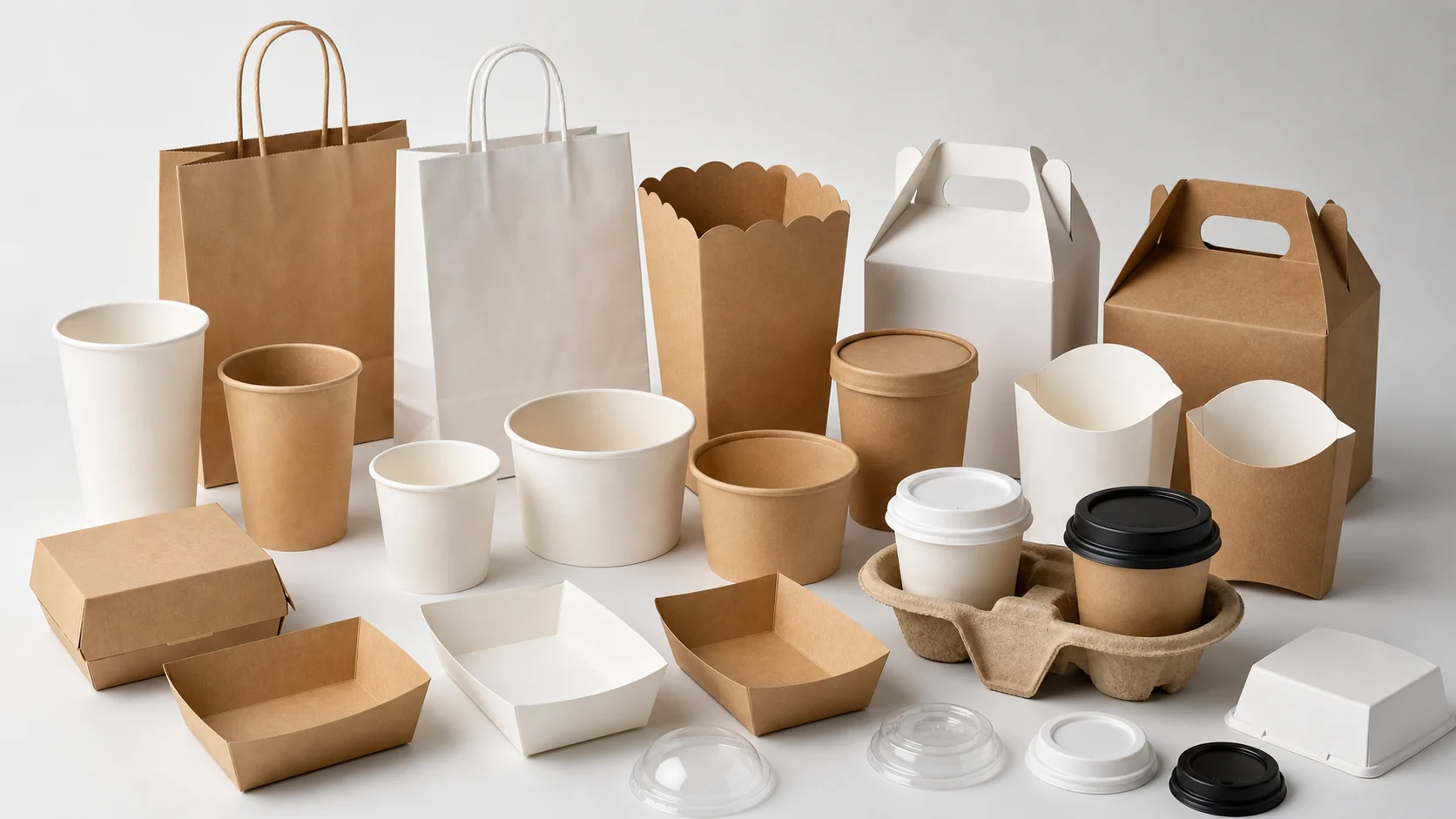
Request samples under your actual conditions. Fill samples with your actual products—your popcorn at your standard seasoning level, your standard ice and drink quantities, your actual sauces or dips. Evaluate them after your typical carry time and hold time, not immediately after fill.
Test across your staff range. A packaging format that works well for one person may be difficult for another due to hand size, grip strength or work position. Test with the range of staff who will actually be using it.
Evaluate under peak simulation. Set up a simulated service line and run transactions at your expected peak rate. Time the operations, note where delays occur and assess fatigue after an extended run.
Confirm supplier lead times and minimum order quantities. High-volume venues need suppliers who can deliver reliably against your restock schedule. Understand your supplier’s production lead times, minimum order quantities and contingency capacity before you depend on them for a busy season. For envases alimentarios desechables at volume, supplier relationship and logistics reliability are as important as the product itself.
Evaluate storage compatibility. Confirm that your chosen containers fit your storage shelving, integrate with your dispensing setup and can be handled efficiently during restock. A product that performs well on the service line but creates chaos in your storage room has a hidden cost.
Plan for price and supply volatility. Paper and plastic commodity prices fluctuate. Where possible, establish framework agreements that provide pricing stability while giving you flexibility to adjust formats or quantities as your concession mix evolves. Takeaway packaging procurement benefits from the same supplier relationship thinking as any other high-frequency consumable.
The considerations in this guide are drawn from the operational realities of high-volume concession environments where packaging decisions have direct, measurable effects on service speed, cost per transaction and guest experience. Cinema and venue procurement differs from restaurant or retail packaging procurement in several specific ways—peak concentration, carry-without-tray service, extended seat hold times and the dual role of containers as both functional vessels and branded touchpoints. Procurement operators who have worked through at least one season of packaging changes in a venue context will recognise the gap between what a product brochure describes and what actually happens at a service line during a sold-out Saturday night session. The recommendation throughout this guide to test under actual conditions reflects that operational reality.
Packaging performance for food-contact applications involves material science, regulatory compliance and operational ergonomics that are not fully resolved by any single reference. The FDA food contact substances framework provides a starting point for understanding material approval in the US context. Supplier-provided documentation about materials, coatings and liners is the appropriate primary source for specific product claims. Industry bodies including NACS (the Association for Convenience & Fuel Retailing) and the Cinema Food & Beverage Association publish operational guidance that procurement teams may find useful as benchmarks. Where dimensions, temperatures, hold times or test results matter to your decision—and they will—obtain them from the specific supplier and verify them against your conditions rather than relying on category-level generalisations.
Use this guide as a procurement framework, not a product specification. Start with your service conditions: peak transaction rate, staff count, storage dimensions, cup-holder specifications, fill method and concession menu. Map those conditions to the evaluation criteria described in each section. Build a sample testing protocol before you commit to volume orders. Involve your service staff in testing. Review your waste stream before weighting sustainability claims. Establish clear supplier communication about lead times, minimum orders and price structures. Revisit your packaging program at least annually—concession menus evolve, guest expectations shift and supplier offerings change frequently enough that a packaging decision made two years ago may no longer be optimal.
Las decisiones sobre el tamaño de los recipientes deben partir de tu estrategia de raciones, y no al revés. Define el peso o el volumen de llenado para cada tamaño de ración de tu menú y, a continuación, identifica los recipientes que se adapten a ese llenado a un nivel visualmente adecuado. Los recipientes demasiado llenos provocan desorden y problemas de consistencia; los que están poco llenos dan mala impresión a los clientes, incluso cuando la ración es la correcta. Una vez que tengas un nivel de llenado objetivo, prueba los envases candidatos con tu método de llenado real —a mano o a máquina— y con tu producto real para confirmar que funcionan como se espera.
Measure the cup-holder opening diameter and depth for your specific seating installation. Different seating manufacturers and installation vintages have different dimensions. Then measure the rim diameter, base diameter and height of the cups you are evaluating. A cup that fits comfortably at the rim but is too large at the base, or vice versa, will either fall through or not seat properly. Test with the actual cup, filled and with a lid applied, before committing to an order.
Las combinaciones de tapa y pajita que requieren una fuerza considerable para insertarlas ralentizan cada transacción en tu línea de servicio más concurrida. Prueba las tapas candidatas con tu medidor de pajitas real en condiciones de servicio: el personal debe colocar las tapas con una mano mientras gestiona otros elementos. Dos segundos adicionales por transacción en una sesión de máxima actividad de mil transacciones suponen un impacto operativo significativo. Evalúa tanto la resistencia a la inserción como si la pajita se mantiene correctamente colocada durante el transporte y el uso en la mesa.
At minimum, ask for documentation about the specific materials, coatings and inks used in the product and whether they are intended for food-contact applications. In the US, understanding how a product relates to the FDA food contact substances framework is a reasonable starting point. Your legal and compliance team should advise on the specific documentation requirements for your jurisdiction and product application. Do not rely on general category claims from a supplier without specific documentation backing them up.
Empieza por realizar una auditoría de residuos: haz un seguimiento de qué formatos de envase se desechan sin haberlos consumido por completo, qué productos se sirven en cantidades excesivas y qué se devuelve al almacén. Entre las fuentes habituales de desperdicio se incluyen pedir cantidades excesivas de tamaños que los clientes no desean, defectos en los envases que requieren su sustitución y los envases secundarios (fundas, servilletas, bolsas) que se reparten por defecto en lugar de a petición. Reducir los envases secundarios innecesarios, ajustar el tamaño de los niveles del menú y mejorar la rotación de las existencias para reducir el deterioro suelen tener un impacto mayor que cambiar de materiales.
Lead times vary by supplier, product complexity and order volume. As a planning principle, work backwards from your first peak-demand date by at least the supplier’s stated lead time plus your internal receiving and staging time, with buffer for any supply disruption. For a seasonal cinema peak—summer blockbuster season or holiday period—most procurement operators who have experienced supply delays recommend having primary packaging inventory on-hand before the season starts rather than relying on just-in-time replenishment. Establish contingency supplier relationships for your highest-criticality SKUs before you need them.