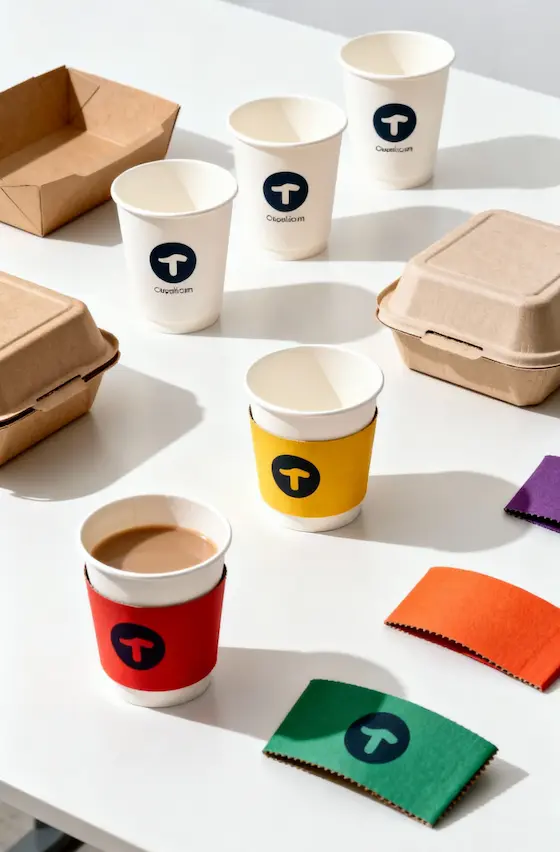
¿Está listo para crear sus propios vasos o envases de papel con su marca?
Díganos sus requisitos -tamaño, revestimiento, impresión y destino- y nuestro equipo le preparará un presupuesto detallado en 24 horas.

Última actualización: Mayo 2026
Tiempo de lectura: 8-10 minutos
Autor: Equipo de contenidos de Papacko
El envasado de ensaladas se enfrenta a retos únicos: los ingredientes se marchitan con el calor, los aliños gotean durante el transporte y la condensación empaña los escaparates. Un envase mal diseñado puede convertir una ensalada $12 premium en un desastre empapado, arruinando tanto la comida como la reputación de su marca.
Esta guía cubre los requisitos esenciales para el envasado de ensaladas: sellados de base a prueba de fugas, tecnología de tapa antivaho, estrategias de ventilación y diseños de fácil exposición. Aprenderá a seleccionar envases que mantengan los ingredientes crujientes, conserven el atractivo visual durante la entrega y favorezcan tanto la logística de la cadena de frío como la presentación en el punto de venta.
💡 Comida rápida para llevar: Los eficaces envases para ensaladas combinan materiales de PP o PET con tapas seguras a prueba de manipulaciones, revestimientos antivaho y compartimentos opcionales para aliños, con tamaños de base que van desde 500 ml (raciones individuales) hasta 1.500 ml (raciones familiares).
A diferencia de los envases para comidas calientes, los envases para ensaladas deben:
-Evitar la acumulación de humedad: La condensación de los ingredientes fríos puede empañar las tapas y crear charcos de agua
-Mantener la separación de ingredientes: Verduras, proteínas, coberturas y aliños deben permanecer separados hasta su consumo.
-Admite apilamiento vertical: Las vitrinas y bolsas de entrega requieren diseños apilables sin aplastar el contenido
-Proporcionar visibilidad: Los clientes compran con los ojos: las ventanas transparentes o los diseños totalmente transparentes aumentan la conversión 35-50%
🎯 Perspectiva del sector: Un estudio de Harvard sobre servicios de reparto de comidas descubrió que el 68% de las quejas sobre la calidad de las ensaladas estaban relacionadas con fallos del envase (fugas, empañamiento, marchitamiento) que con la calidad de los ingredientes.
La selección adecuada del envase influye directamente en la calidad percibida de los alimentos.
### Material recomendado por caso de uso
Entrega en restaurante (30-60 minutos de tránsito):
-PP o PET con tapas de cierre a presión
-Revestimiento antivaho en el interior de la tapa
-Opción de microondas para añadir proteínas (sólo PP)
Exposición al por menor (caja fría, 24-48 horas de conservación):
-PET cristalino para una visibilidad máxima
-Precintos de seguridad
-Película antivaho de alta claridad
Preparación de comidas (refrigeración de 3 a 7 días):
-PP resistente (sin BPA)
-Tapas herméticas de cierre por los 4 lados
-Ventana de etiquetado de fechas
### Puntos críticos de control del sellado
✅ Tolerancia de planitud de la llanta: ≤0,3 mm de variación en todo el perímetro (evita fugas en las esquinas)
✅ Relación de compresión de la tapa: 8-12% compresión del material de la junta para un cierre hermético
✅ Resistencia de la soldadura ultrasónica (para envases sellados): ≥2,5 kg/cm fuerza de pelado
Método de ensayo: Llene el recipiente con agua + colorante alimentario, ciérrelo, inviértalo durante 30 segundos y, a continuación, colóquelo en una bolsa de plástico y agítelo. La ausencia de fugas indica que el diseño del cierre es correcto.
#### Soluciones antivaho
### Estrategias de ventilación
Respiración controlada: Las verduras frescas siguen “respirando” después de la cosecha. Una ventilación adecuada prolonga su frescura:
-Patrones de microventilación: 4-8 pequeños orificios (1-2 mm de diámetro) en la tapa: reduce la acumulación de humedad en un 40-60%
-Ventanas de película transpirable: Las secciones de película de PET perforadas con láser permiten el intercambio de gases sin flujo de aire a granel
-Sistemas basados en válvulas: Válvulas unidireccionales de liberación de presión (caras, se utilizan en la venta al por menor de primera calidad)
Trade-off: La ventilación mejora la frescura pero reduce la seguridad a prueba de fugas. Equilibrio en función del tiempo de entrega (menos ventilación para trayectos cortos, más para estancias de más de 3 días).
### Consideraciones sobre la forma
Redondo frente a rectangular:
-Redondo: Mejor para el acceso con horquilla, 15-20% menos desperdicio de material, apilamiento más fácil.
-Rectangular: 25-30% mejor aprovechamiento del espacio en bolsas/maletas, estética más moderna
Estrategia de profundidad:
-Poco profundo (50-60 mm): Evita la superposición de ingredientes, mantiene la presentación
-Profundo (70-85 mm): Acomoda coberturas de proteínas, complementos voluminosos (picatostes, frutos secos)
Mejores prácticas: Para la entrega, utilice compartimentos integrados o adosados. Para la exposición al por menor, los vasos separados en juegos retractilados reducen el riesgo de contaminación y ofrecen un control de las porciones.
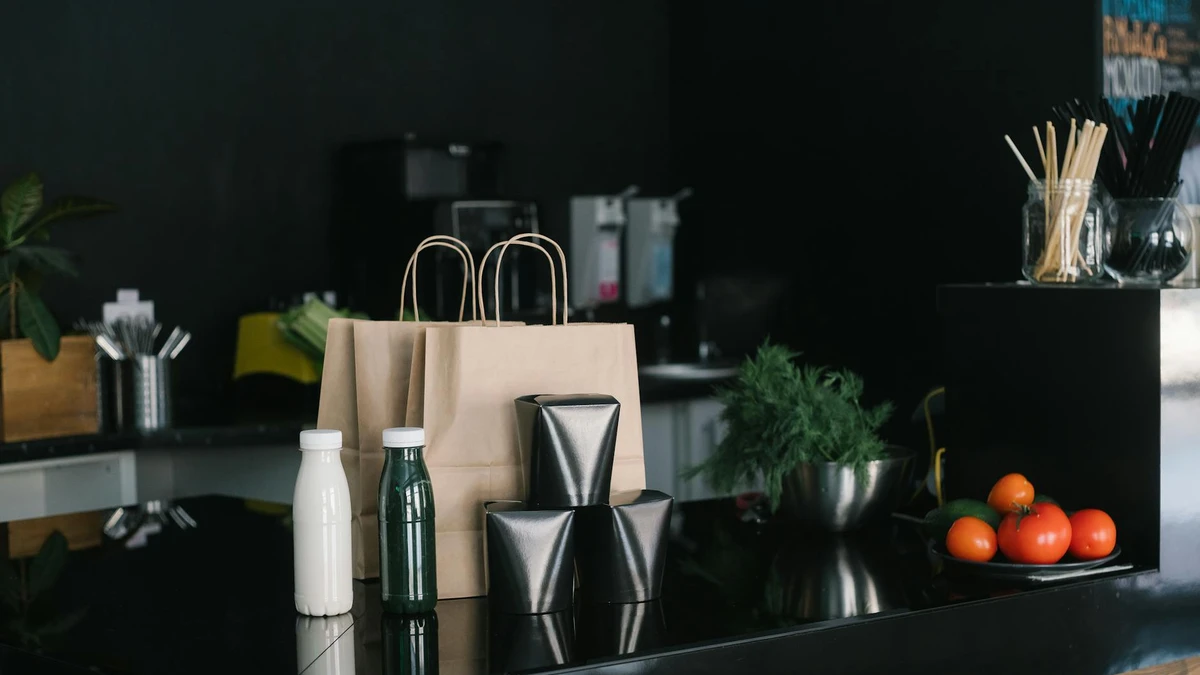
❌ Error #1: Utilización de envases opacos para la exposición minorista
✅ Enfoque correcto: Los envases PET transparentes aumentan las ventas al por menor de ensaladas en un 35-50%. La visibilidad impulsa las decisiones de compra: los clientes necesitan ver la frescura de los ingredientes y el tamaño de las porciones.
❌ Error #2: Contenedores sobreventilados para plazos de entrega cortos
✅ Enfoque correcto: Para entregas de menos de 60 minutos, omita los orificios de ventilación, ya que aumentan el riesgo de fugas. Reserve los micro orificios de ventilación para los productos de venta al por menor con una caducidad de más de 24 horas.
❌ Error #3: Seleccionar los contenedores sólo por el precio
✅ Enfoque correcto: Un envase $0,10 más barato que gotea el 5% de las veces le cuesta $12+ en producto desperdiciado y daños a la marca por incidente. Invertir en diseños de sellado de eficacia probada.
❌ Error #4: Ignorar la compatibilidad de temperatura
✅ Enfoque correcto: Los envases de PLA se deforman por encima de los 45°C. No son adecuados para complementos proteínicos calientes. Utilice PP si los clientes van a calentar en el microondas pollo o salmón a la plancha por separado.
El envasado de ensaladas se refiere a recipientes para alimentos diseñados para mantener los ingredientes frescos y crujientes, evitar la acumulación de humedad y proporcionar un transporte seguro a prueba de fugas para las ensaladas. En ocasiones, estos envases utilizan materiales transparentes de PP o PET con tapas antivaho, opciones de ventilación y compartimentos opcionales para aliños.
Evite que se ensucien utilizando recipientes con microventilación (4-8 agujeros pequeños), tapas con revestimiento antivaho para reducir la condensación y compartimentos separados para los aliños. Almacene las verduras a 1-4°C y evite el sobreenvasado: deje un espacio libre de 15-20% para que circule el aire.
Los recipientes de 750-1000 ml son los más adecuados para la preparación de comidas, ya que ofrecen espacio suficiente para 300-500 g de ingredientes mezclados y aderezos. Este tamaño permite una correcta superposición (las verduras encima y los alimentos más pesados debajo) y se adapta a las estanterías estándar del frigorífico sin ocupar espacio.
Los envases de PET (plástico #1) son ampliamente reciclables en la mayoría de los programas municipales. Los envases de PP (#5) tienen una disponibilidad de reciclado más limitada. Los envases de PLA requieren instalaciones comerciales de compostaje, por lo que no son aptos para el compostaje doméstico. Compruebe siempre las directrices locales de reciclaje.
El PET ofrece la mejor claridad para la exposición minorista, un excelente rendimiento a bajas temperaturas y una amplia capacidad de reciclaje. El PP ofrece una resistencia superior a las fugas y seguridad en el microondas para los complementos proteínicos calientes. El PLA es adecuado para las marcas con conciencia ecológica, pero su tolerancia a la temperatura es menor (45 °C como máximo).
Los precintos de garantía utilizan bandas perforadas, lengüetas rompibles o fundas retráctiles que se rompen visiblemente al abrirse. Estos precintos proporcionan una prueba visual de que no se ha accedido al envase desde su envasado, lo que es fundamental para el cumplimiento de la seguridad alimentaria en contextos de venta al por menor y entrega.
Stock de envases transparentes: 1.000-5.000 unidades. Diseños a medida: 50.000-100.000 unidades (coste de utillaje elevado). Impresión personalizada en envases de stock: 10.000-20.000 unidades. Muchos proveedores ofrecen opciones “semipersonalizadas” con moldes de stock y etiquetas impresas para reducir el MOQ.
La selección del envase para ensaladas adecuado requiere un equilibrio entre la prevención de fugas, la frescura de los ingredientes, el atractivo visual y la sostenibilidad. Dé prioridad a los materiales transparentes de PET o PP con diseños de sellado probados, revestimientos de tapa antivaho para aplicaciones de exposición y ventilación opcional para prolongar la vida útil.
Principales conclusiones:
1.El material importa para el caso de uso-PET para la claridad de la exposición al por menor, PP para la resistencia a las fugas en la entrega.
2.Los revestimientos antivaho son esenciales-la condensación empaña 60-80% de las tapas sin recubrimiento en 2 horas
3.Porciones de tamaño adecuado-750-1000ml se adapta a 80% de aplicaciones individuales de ensalada
4.Separar el aliño hasta su consumo-Los compartimentos integrados evitan que se ensucie y prolongan la vida útil de 2 a 3 días
5.Pruebe antes de comprometerse-realizar pruebas de fugas invertidas de 30 segundos y pruebas de niebla de 24 horas con muestras
-Soluciones sostenibles para la preparación de comidas
-Opciones de envasado a prueba de manipulaciones
Papacko suministra a restaurantes, servicios de preparación de comidas y minoristas envases de alto rendimiento para ensaladas en PET y PP. Nuestra gama incluye tamaños de 500-1500 ml con tapas antivaho, precintos de seguridad y compartimentos opcionales para aliños, con cantidades mínimas de producción a partir de 5.000 unidades.
Póngase en contacto:
Última actualización: Mayo 2026