¿Está listo para crear sus propios vasos o envases de papel con su marca?
Díganos sus requisitos -tamaño, revestimiento, impresión y destino- y nuestro equipo le preparará un presupuesto detallado en 24 horas.

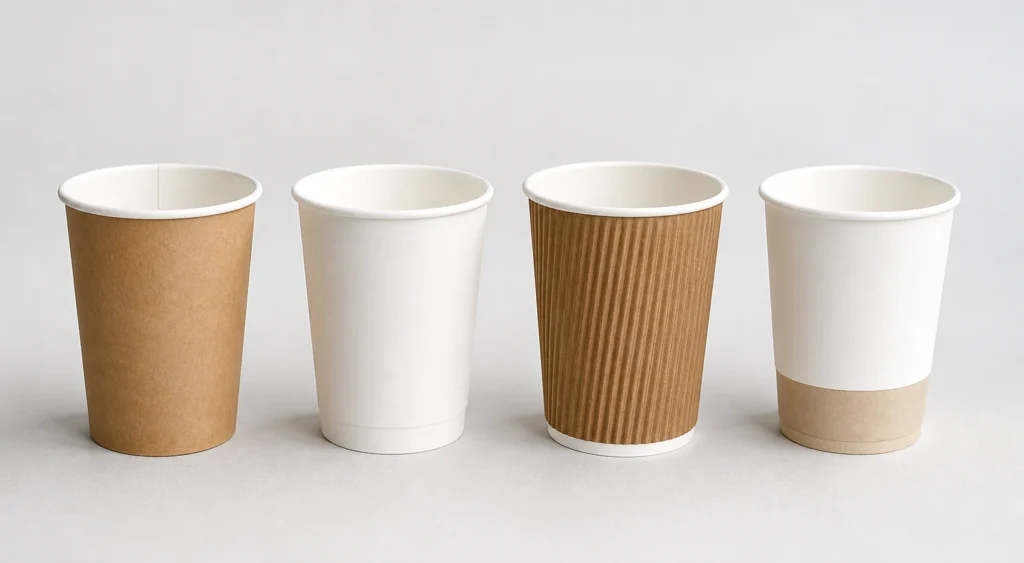
Choose hot drink paper cups only after mapping the actual beverage and service route, identifying the supplier’s exact construction and food-contact documentation, and testing the matched cup-and-lid samples in your own operation. Do not treat a construction name or nominal cup size as evidence of fit or suitability.
Before selecting a cup construction, buyers should map the specific service conditions that will apply in their operation. Relevant variables include the point of fill, the distance and duration between fill and consumption, whether cups will be held directly by the end user or placed in a carrier, and whether lids will be applied at the point of fill or later in the workflow. Each of these variables may interact with cup construction in ways that cannot be predicted from product descriptions alone.
Buyers are advised to document their service route in writing before approaching suppliers. This documentation should capture the sequence of events from fill to disposal, the ambient environment at each stage, and any handling steps that involve direct contact with the cup body. Suppliers can then be asked to identify which SKUs in their range were designed with comparable service routes in mind, and to provide the specific construction details that support that claim.
No construction reviewed in this article should be assumed to perform adequately for a given service route without testing under the buyer’s own conditions. The sections below describe supplier construction variations; they do not constitute performance endorsements.
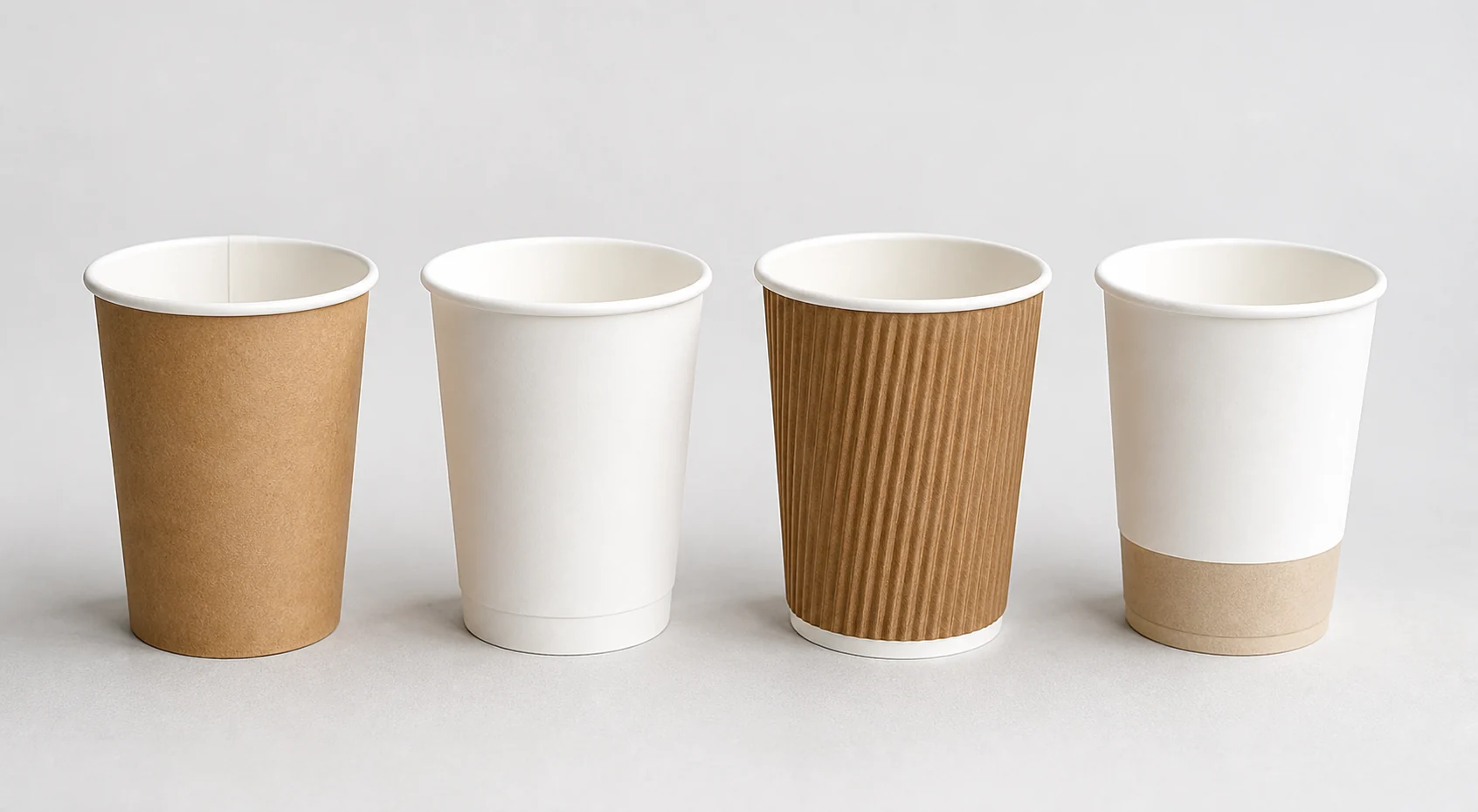
A single-wall paper cup consists of a single layer of paperboard, typically coated on the interior surface with a polymer or other barrier material. Suppliers vary in the paperboard grade they use, the coating chemistry, the coating weight, and the method by which the sidewall seam is formed. Each of these variables is a supplier-specific construction choice, not an industry-standard specification.
Buyers evaluating single-wall cups should request from each supplier the exact SKU reference, the paperboard grammage, the coating type and weight, and any relevant manufacturing tolerances. These details should be obtained in writing and tied to the specific batch or production run from which samples are drawn.
Because single-wall cups involve only one layer of material between the filled liquid and the outer surface, buyers should assess through their own testing whether this construction is appropriate for their specific fill temperature, hold time, and handling method. Supplier claims about suitability for hot beverages should be treated as starting points for investigation, not as validated conclusions.
Buyers interested in the broader range of single-wall options available from one supplier may review the paper cups product range as a reference point, while noting that any specific performance claim requires independent verification.
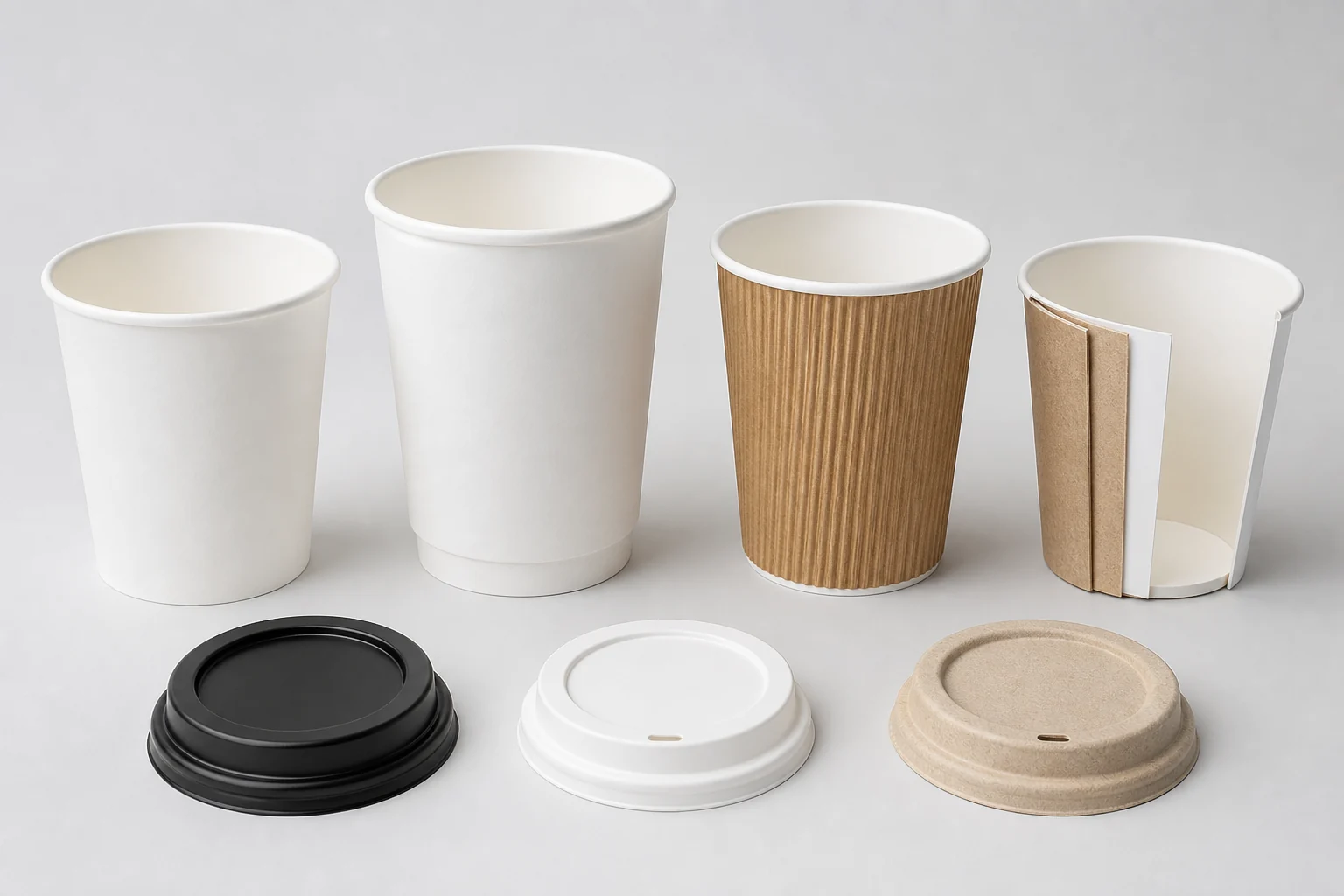
A double-wall paper cup incorporates two layers of paperboard bonded together, with the outer layer forming a separate sleeve around the inner cup body. Suppliers construct this configuration in different ways: the air gap or bonding method between layers, the grammage of each layer, and the geometry of the outer wall all vary by manufacturer and SKU.
Buyers should not assume that any two double-wall cups from different suppliers share equivalent construction characteristics simply because both are described as double-wall. The term describes a general category of construction, not a standardised specification. Buyers should request cross-sectional construction diagrams or material data sheets from each supplier and compare them at the SKU level.
When requesting samples, buyers should specify the exact fill volume, fill temperature, and hold duration they intend to test, and should conduct testing under those conditions before committing to a procurement decision. Observations made during testing should be documented and retained as part of the sourcing record.
A ripple-wall cup features an outer layer with a corrugated or embossed profile bonded to the inner cup body. The geometry of the ripple pattern, the depth and frequency of the corrugations, the bonding method, and the materials used for each layer are all supplier-specific variables. Buyers should not infer performance characteristics from the visual appearance of the ripple pattern alone.
Suppliers may describe ripple-wall cups using different terminology, including corrugated sleeve cups or embossed-wall cups. Buyers should confirm with each supplier the precise construction method and request the relevant technical documentation tied to the specific SKU under consideration.
As with other constructions, buyers should obtain matched samples and test them under their own service conditions before making a sourcing decision. The ripple profile introduces additional variables related to the bonding interface between layers, and buyers should ask suppliers to describe how that interface is formed and what quality controls apply to it.
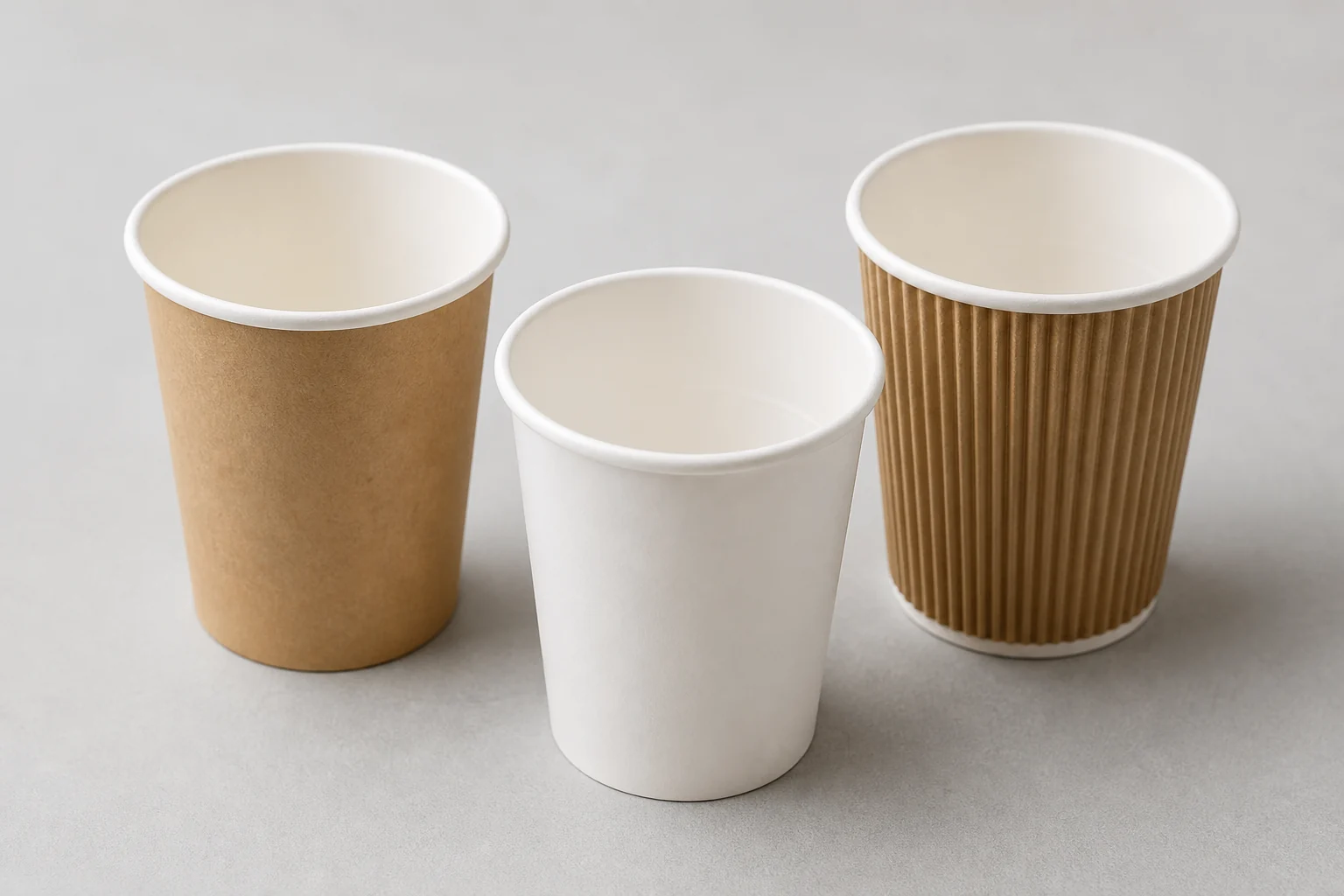
The term “insulated cup” is used by suppliers to describe a range of constructions that may include foam-lined cups, cups with specialised barrier coatings, cups with additional wall layers, or cups incorporating other materials intended to modify the thermal behaviour of the cup body. Because the term is not standardised, buyers should ask each supplier to define precisely what construction they mean when they use it, and to provide the specific SKU documentation that supports that definition.
Buyers should be aware that the boundaries of the “insulated cup” category overlap with double-wall and ripple-wall constructions in supplier catalogues. A cup described as insulated by one supplier may be structurally similar to a cup described as double-wall by another. Buyers should evaluate constructions on the basis of documented material specifications, not category labels.
Any claim that a particular insulated cup construction will perform in a specific way under specific conditions should be validated through testing under the buyer’s own service conditions. Buyers should also confirm with suppliers whether any additional materials used in insulated constructions affect food-contact compliance requirements, and should obtain the relevant documentation accordingly.
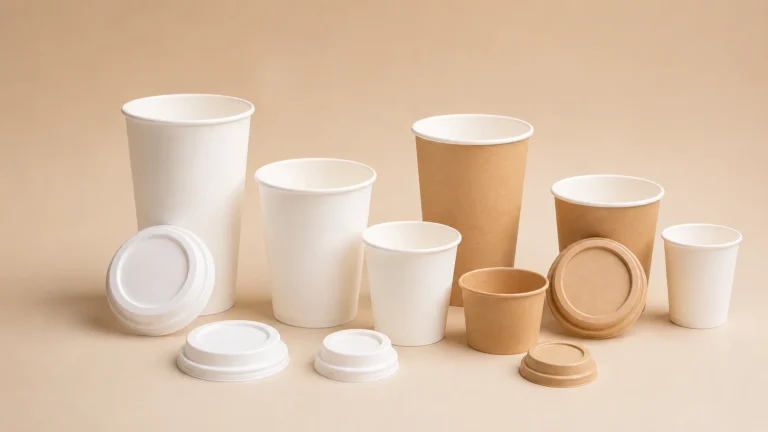
Lid compatibility is a function of the specific rim geometry of the cup and the specific profile of the lid, both of which are supplier-defined and SKU-specific. Buyers should not assume that a lid described as fitting a given nominal size will be compatible with all cups described as that size, even from the same supplier.
Buyers should request from each supplier the exact rim diameter tolerance, the lid profile specification, and confirmation that the lid and cup SKUs have been tested together as a matched pair. This confirmation should be provided in writing and tied to the specific production batches from which samples are drawn.
When evaluating matched samples, buyers should test the lid-and-cup combination under the fill conditions and handling steps that apply in their own operation. Observations about the lid-cup interface should be documented and retained. Buyers may review the paper cup lids range as a starting point for identifying candidate SKUs, while noting that compatibility must be confirmed through matched-sample testing.
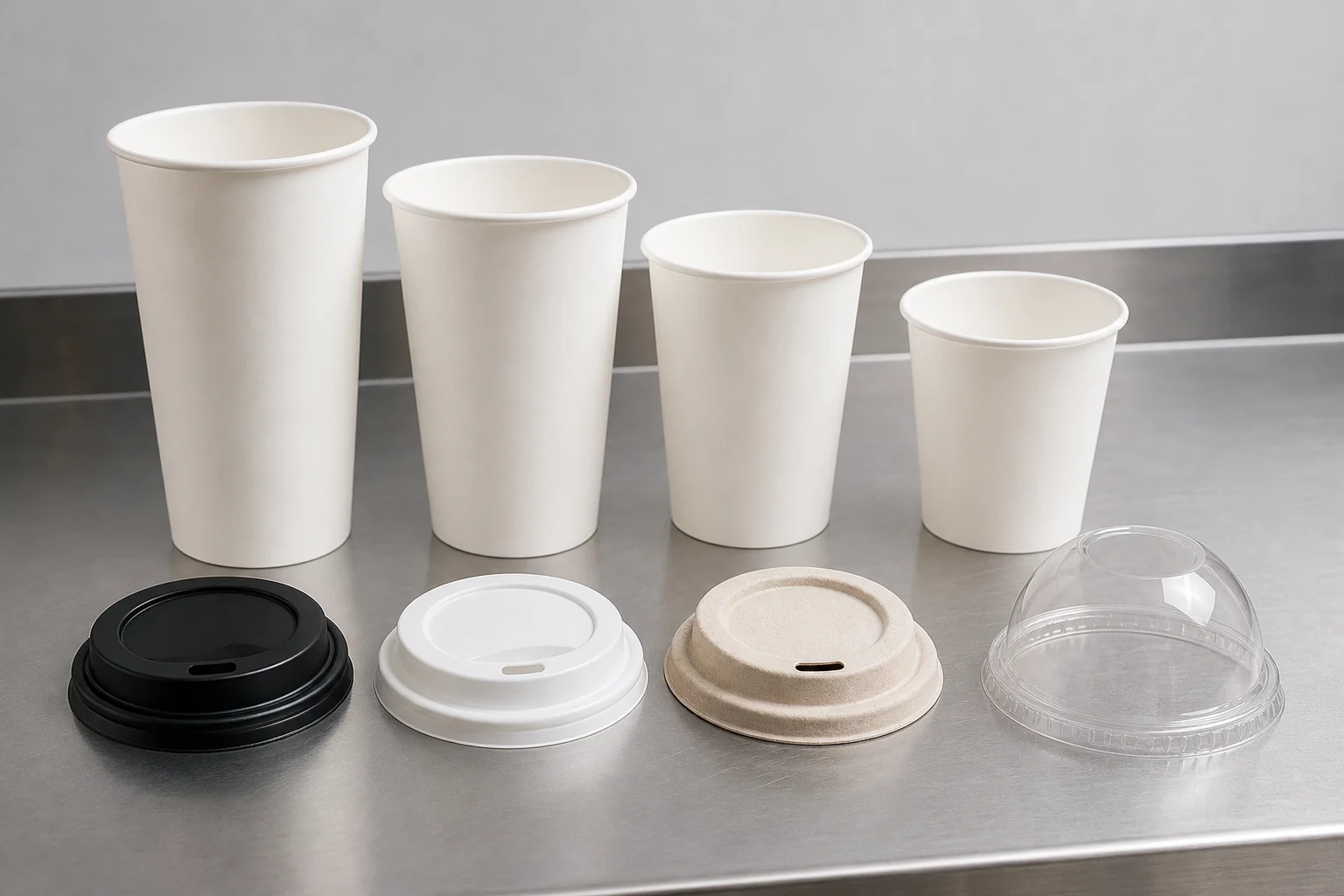
The way cups are handled between delivery and point of fill can affect their condition at the time of use. Buyers should document their handling workflow, including storage conditions, the method by which cups are dispensed, and any steps that involve contact with the cup body or rim before filling.
Suppliers should be asked whether their cup SKUs have any documented storage or handling requirements, and whether those requirements have been validated under conditions comparable to the buyer’s own environment. Any such requirements should be incorporated into the buyer’s internal procedures.
Buyers should also consider how the cup construction interacts with their dispensing equipment, if applicable. Cup dimensions, including height, base diameter, and rim diameter, should be confirmed against equipment specifications at the SKU level, not at the nominal-size level.
All cups intended for use with hot beverages are food-contact materials and are subject to applicable regulatory requirements. Buyers should obtain from each supplier the food-contact compliance documentation relevant to the markets in which the cups will be used. This documentation should be tied to the specific SKU and production batch under consideration, not to a general product family.
In the European Union, food-contact materials are governed by a framework that buyers can review through the European Commission food contact materials resource. Buyers should confirm with their legal or regulatory advisers which specific regulations apply to their use case and market, and should verify that supplier documentation addresses those requirements.
Buyers should also ask suppliers whether any coatings, adhesives, inks, or other materials used in the cup construction are covered by the food-contact documentation provided, and should obtain written confirmation that all components of the cup have been assessed.
Documentation should be retained as part of the sourcing record and reviewed whenever a supplier changes materials, processes, or production facilities.
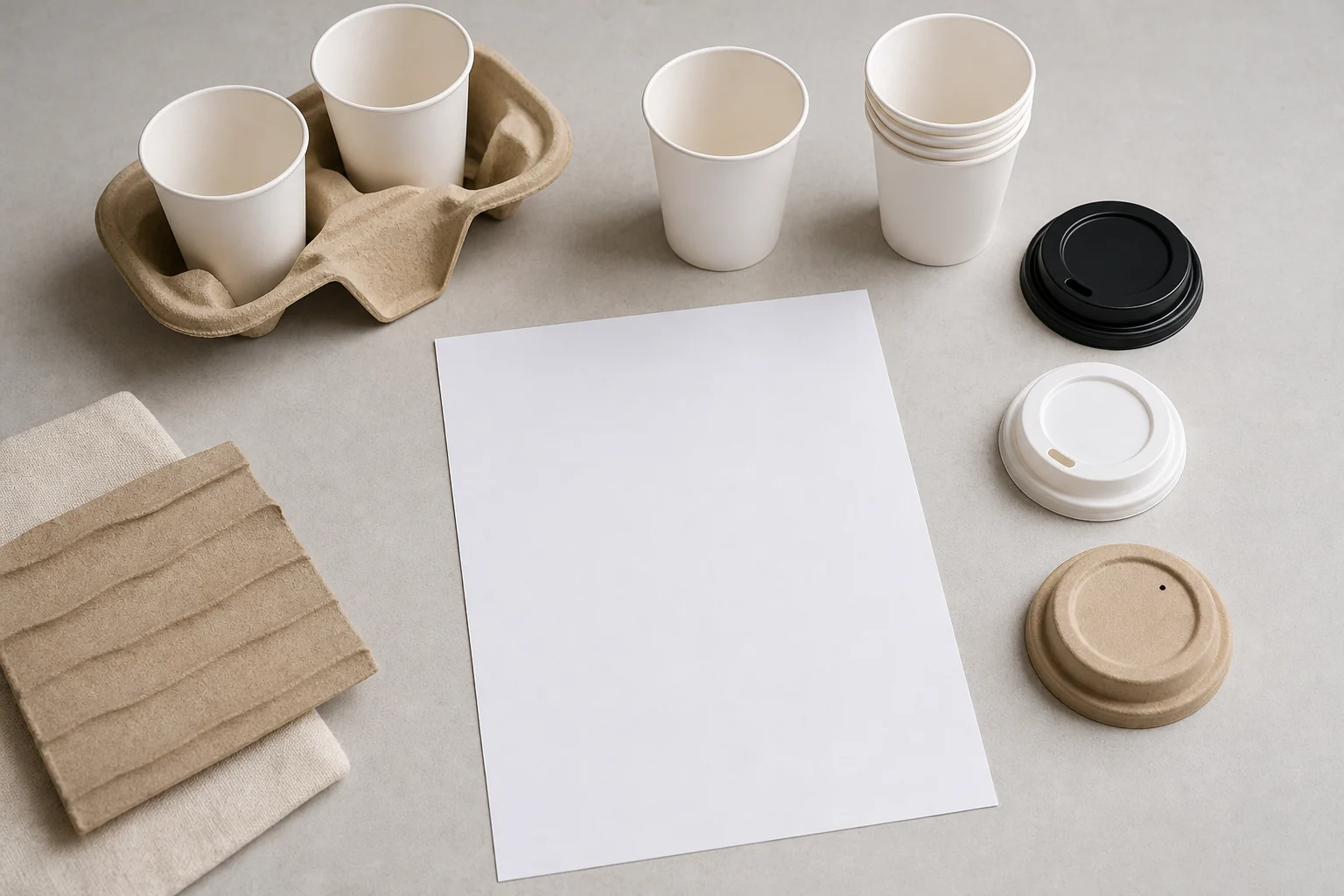
Buyers are advised to work through the following steps before committing to a cup construction or supplier:
Identify and document the service route, including fill conditions, hold duration, handling steps, and disposal method.
Request exact SKU references from each supplier for every cup and lid under consideration.
Obtain written technical documentation for each SKU, including paperboard grammage, coating type and weight, construction method, and dimensional tolerances.
Request food-contact compliance documentation tied to the specific SKU and production batch, covering all components of the cup.
Request matched samples of the cup and lid together, specifying the exact SKUs.
Test matched samples under your own service conditions, documenting observations in writing.
Confirm with suppliers any storage or handling requirements for the cup SKUs under consideration.
Confirm lid-and-cup compatibility through matched-sample testing, not through nominal-size assumptions.
Retain all documentation, test records, and supplier correspondence as part of the sourcing record.
Review documentation whenever a supplier changes materials, processes, or production facilities.
Buyers seeking to begin the supplier evaluation process may find it useful to review the range of envases para alimentos y envases alimentarios desechables available through Papacko as a starting point for identifying candidate SKUs. Buyers with an interest in end-of-life considerations may also wish to review the envases alimentarios compostables range, noting that any compostability or end-of-life claim requires independent verification against the applicable standards and the buyer’s local waste management infrastructure.
In all cases, buyers should contact Papacko directly to request exact SKU documentation, matched samples, and written confirmation of food-contact compliance before making a procurement decision.
This article describes supplier construction variations in hot drink paper cups and provides a framework for buyer evaluation. It does not assert or imply performance characteristics for any construction, and it does not constitute a recommendation of any specific product, supplier, or construction type.
All performance-related claims encountered in supplier catalogues, product descriptions, or third-party publications should be treated as starting points for investigation. Buyers should verify such claims through matched-sample testing under their own service conditions and through review of supplier documentation tied to specific SKUs.
The information in this article reflects the editorial understanding of the authors at the time of writing. Regulatory requirements, supplier specifications, and available constructions may change. Buyers should confirm current requirements and specifications directly with suppliers and with their legal or regulatory advisers.
The appropriate starting point is to document your service route in detail, including the fill temperature, the duration between fill and consumption, the handling steps involved, and the environment in which the cup will be used. Once that documentation is in place, you can ask suppliers to identify which of their SKUs were designed with comparable service conditions in mind and to provide the construction documentation that supports that claim. You should then obtain matched samples and test them under your own conditions before making a decision.
At a minimum, buyers should request the exact SKU reference, paperboard grammage, coating type and weight, construction method, dimensional tolerances, and food-contact compliance documentation covering all components of the cup. All documentation should be tied to the specific SKU and production batch under consideration, not to a general product family. Buyers should also request written confirmation that the documentation remains current and will be updated if the supplier changes materials, processes, or production facilities.
No. Lid compatibility depends on the specific rim geometry of the cup and the specific profile of the lid, both of which are defined at the SKU level by each supplier. Nominal size descriptions are not standardised across suppliers and should not be used as the basis for compatibility decisions. Buyers should request matched samples of the specific cup and lid SKUs under consideration and test them together under their own service conditions.
Both terms describe constructions that involve more than one layer of material in the cup wall, but the specific construction varies by supplier and SKU. A double-wall cup typically involves two layers of paperboard bonded together, while a ripple-wall cup typically involves an outer layer with a corrugated or embossed profile. However, the geometry, bonding method, and materials used in each case are supplier-specific variables. Buyers should request cross-sectional construction documentation from each supplier and evaluate constructions on the basis of that documentation rather than on category labels.
The applicable regulations depend on the markets in which the cups will be used. In the European Union, food-contact materials are subject to a regulatory framework that buyers can review through the European Commission’s published resources. Buyers should confirm with their legal or regulatory advisers which specific regulations apply to their use case and market, and should verify that supplier documentation addresses those requirements. Documentation should cover all components of the cup, including coatings, adhesives, and inks.
Yes. Technical documentation describes the construction and compliance status of a cup as manufactured, but it cannot predict how that cup will perform under your specific service conditions. Matched-sample testing under your own conditions is a necessary step in the sourcing process and should be completed before any procurement commitment is made. Observations from testing should be documented and retained as part of the sourcing record.