Готовы создать собственные фирменные бумажные стаканчики или упаковку?
Сообщите нам свои требования - размер, покрытие, печать и место назначения - и наша команда подготовит подробное коммерческое предложение в течение 24 часов.


Упаковка для кинопопуляров находится на стыке таких факторов, как скорость обслуживания, внешний вид, контроль затрат и впечатления посетителей. Неподходящая упаковка может замедлить работу линии обслуживания, увеличить количество отходов и снизить воспринимаемое качество продаваемой продукции. Правильно подобранная система может обеспечить противоположный эффект — позволить персоналу работать быстро, сохранить продукцию в хорошем состоянии на всем пути от прилавка до зрительского места и усилить ту атмосферу, которую ваше заведение стремится создать. Данное руководство предназначено для специалистов по закупкам в кинотеатрах, на стадионах, в аренах и крупных развлекательных заведениях, которые занимаются оценкой, заменой или расширением своих программ упаковки. Цель руководства — предоставить вам практическую основу для оценки, а не список обещаний о том, каких результатов позволит достичь тот или иной конкретный продукт в ваших конкретных условиях.
Упаковка для кинопопуляров должна утверждаться как единая система: контейнеры для попкорна, стаканчики и крышки, сумки для переноски, вторичная упаковка, условия хранения и фактическая организация рабочего процесса в кинозале. Прежде чем размещать крупный заказ, следует начать с тестирования конкретных артикулов в условиях, приближенных к пиковым нагрузкам, а затем убедиться в их совместимости с наполнительным оборудованием, держателями для стаканчиков, удобством работы персонала, наличием документации по контакту с пищевыми продуктами и сроками поставки от поставщиков.
Большинство видов упаковки для предприятий общественного питания разрабатывается с учетом условий обслуживания за столиками или на вынос, когда посетитель садится за столик, расположенный в нескольких шагах от прилавка. Упаковка для киосков в кинотеатрах подвергается совершенно иным нагрузкам.
Скорость работы сервисной линии имеет решающее значение. Пик спроса в кинотеатре приходится на узкий временной промежуток — за пятнадцать минут до начала самых массовых сеансов. Персонал обслуживает сразу несколько заказов за раз, зачастую не имея под рукой подноса или ровной поверхности, а посетители передвигаются, неся свой заказ в руках. Каждая секунда, затраченная на обслуживание, увеличивает длину очереди и усиливает раздражение посетителей.
Удобство переноски не менее важно, чем герметичность. Гость может одновременно нести попкорн, напиток и закуску, проходя по темному коридору и ища себе место. Контейнер должен быть удобен в такой ситуации, а не только на ровной поверхности.
Восприятие размера порции является неотъемлемой частью продукта. Попкорн в кинотеатрах продается отчасти за счет визуального впечатления от объёма. Емкость, которая выглядит вместительной, является частью впечатления, даже если вес наполнения регулируется в соответствии с рецептурой и стандартами подготовки персонала.
Время пребывания на месте может быть продлено. В отличие от ресторана, где еду съедают быстро, зритель, смотрящий двухчасовой фильм, может время от времени возвращаться к своему попкорну или напитку на протяжении всего сеанса. Это влияет на то, как влага, жир и температура со временем воздействуют на упаковку.
При работе в больших масштабах объём и стабильность качества являются обязательными условиями. Кинотеатру, располагающему десятью залами и проводящему несколько сеансов в день, требуются контейнеры, которые при каждой операции демонстрируют одинаковую производительность, могут храниться в значительных количествах и пополняться в часы пик без остановки работы.
Эти факторы означают, что перед сравнением различных вариантов вам следует начать оценку упаковки с анализа конкретных условий обслуживания — структуры очереди, планировки стойки обслуживания, складских помещений, способа наполнения (ручное или автоматическое) и продуктов, которые вы фактически предлагаете.
Попкорн — это основной продукт ассортимента кинотеатров, и он заслуживает отдельного рассмотрения.

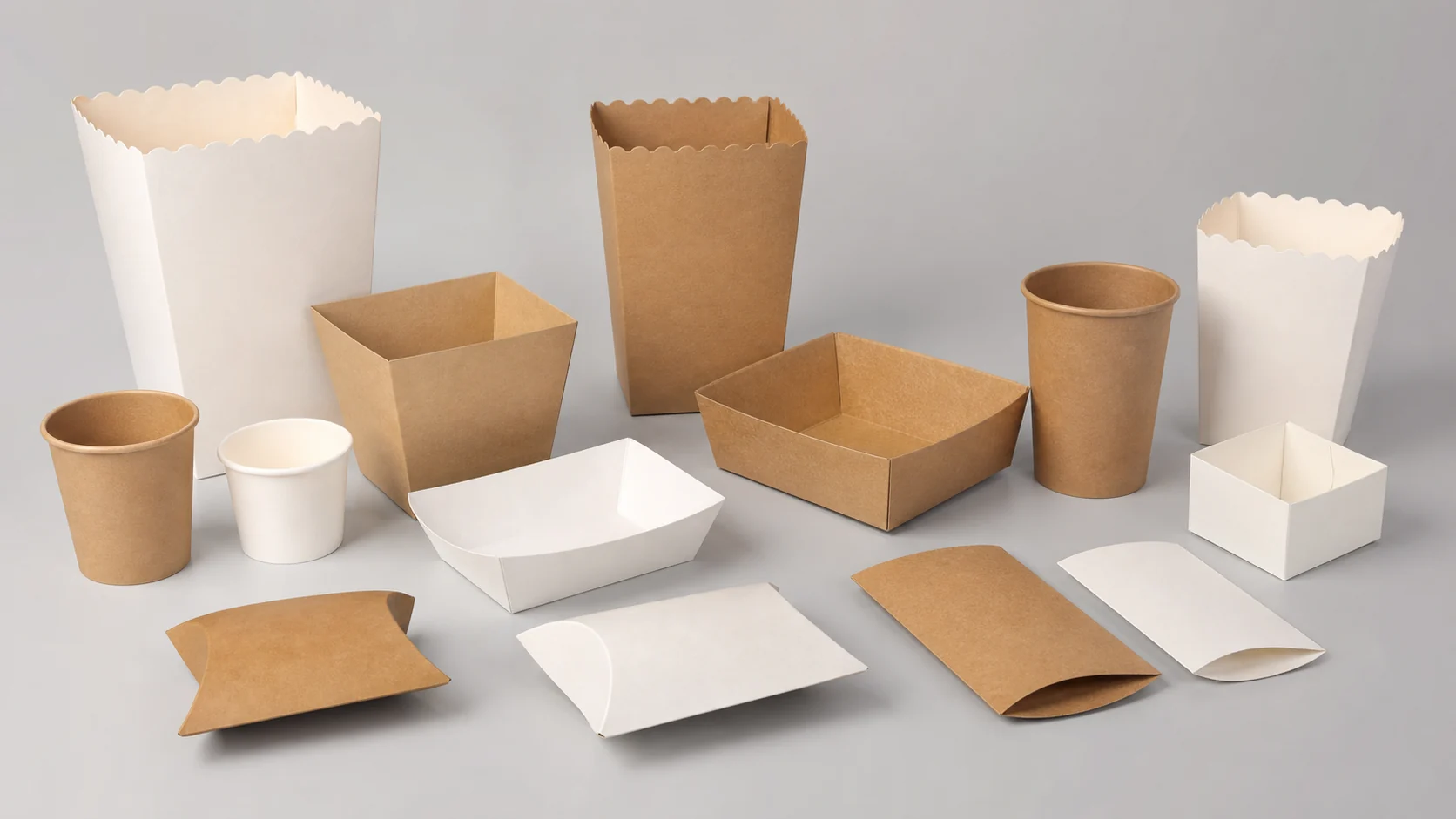
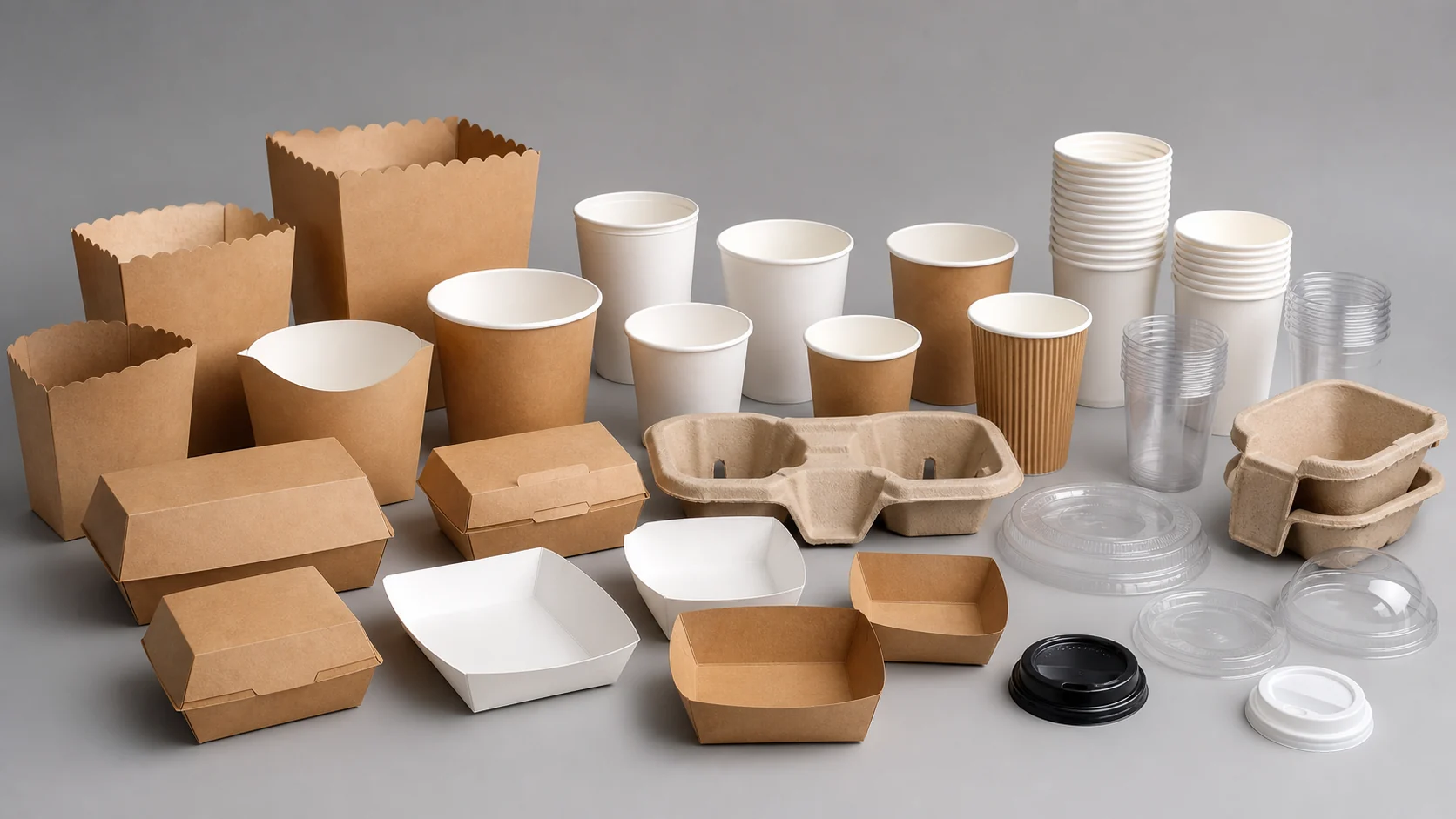
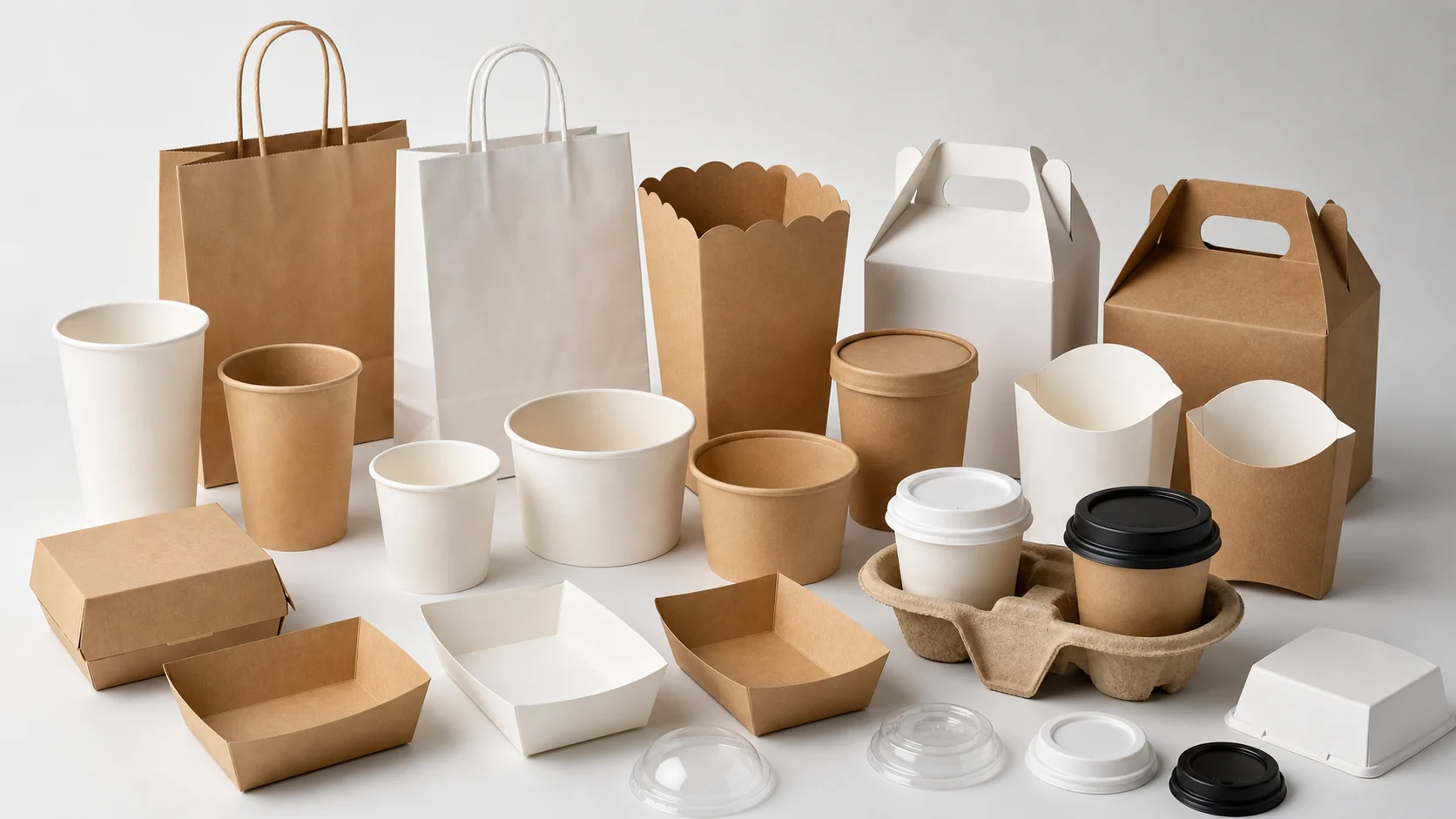
Жесткие контейнеры с широким горлышком и возможностью штабелирования являются основным форматом для средних и больших порций попкорна. Они, как правило, сохраняют форму при переноске, снижают риск уплотнения продукта по сравнению с контейнерами с узким горлышком и могут быть украшены яркой графикой с логотипом. При выборе контейнеров следует учитывать следующее:
Традиционные складные картонные коробки для попкорна более легкие, как правило, дешевле в расчете на одну единицу и привычны для посетителей. Они могут поставляться в собранном виде или в плоской упаковке для сборки непосредственно в месте обслуживания. Основные факторы, которые следует учитывать:
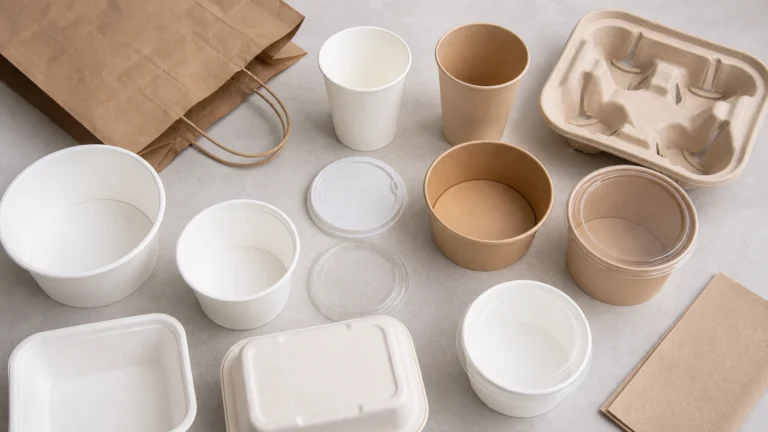
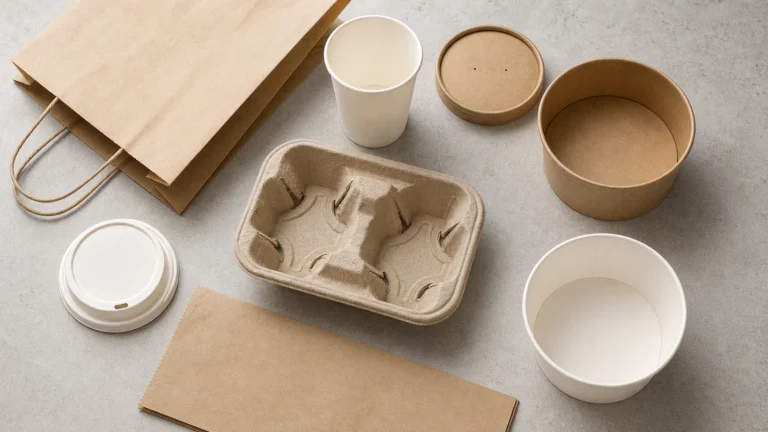
Бумажные пакеты используются в некоторых заведениях для подачи небольших порций или в качестве дополнительной упаковки. Изделия из крафт-бумаги, в том числе миски, всё чаще встречаются в заведениях, которые делают ставку на экологичность или эстетику непринуждённой обстановки. Если вы задумываетесь о том, чтобы крафт-бумажные чашки При выборе упаковки для попкорна или снеков оценивайте её с учётом конкретных условий использования вашей продукции и услуг — материал по-разному ведёт себя при контакте с сухим попкорном, попкорном со сливочным маслом и влажными снеками, а время хранения здесь имеет такое же значение, как и в случае с любыми другими форматами.
Под упаковкой напитков в контексте кинотеатров обычно подразумеваются газированные безалкогольные напитки, продаваемые в больших объемах со льдом, но в зависимости от ассортимента вашего буфета сюда также могут входить горячие напитки, молочные коктейли, вода в бутылках или фирменные напитки.
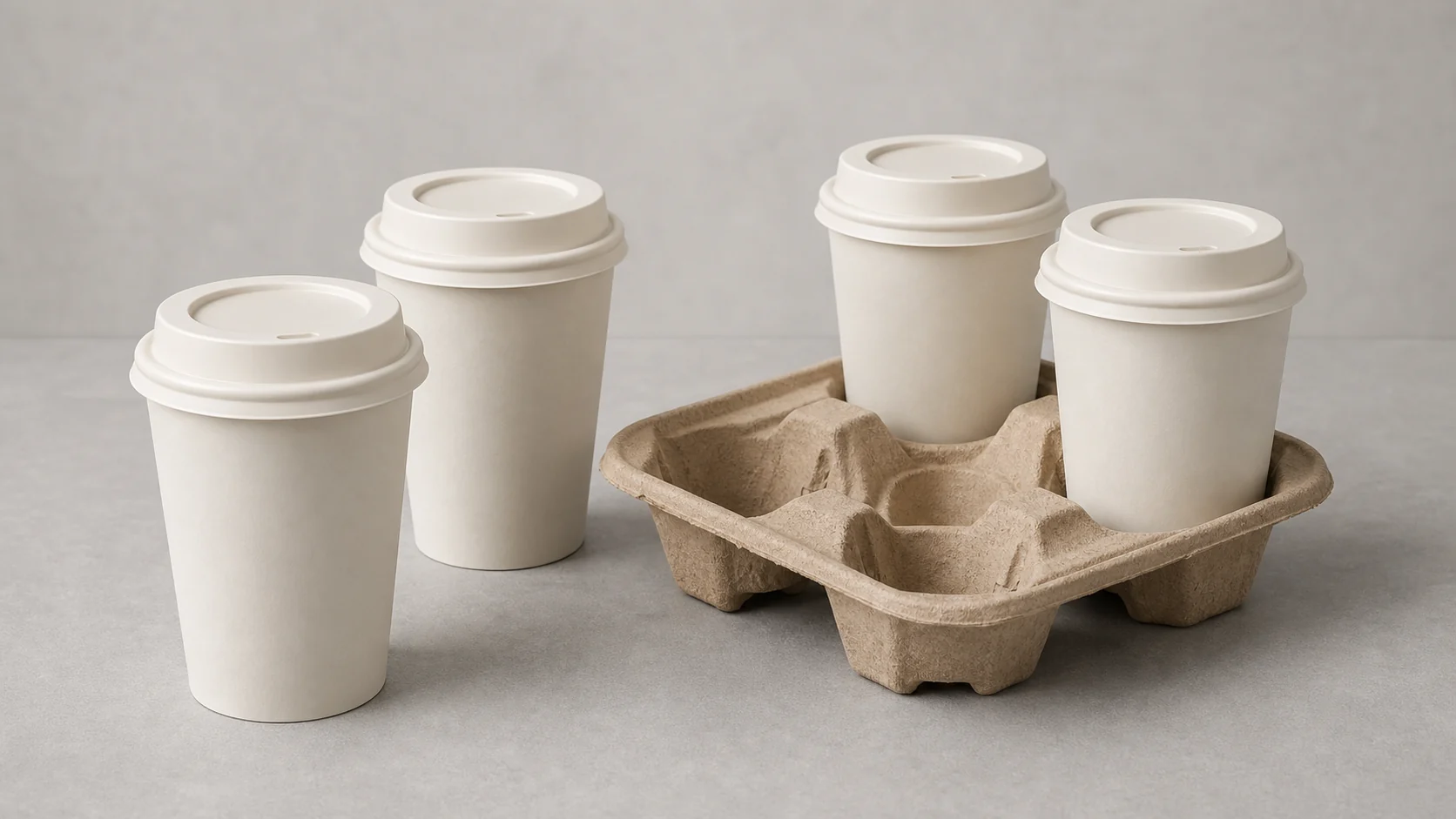
Основными критериями при выборе чашек являются:
При принятии решений о закупках часто недооценивают важность крышки. Плохо прилегающая крышка, которую сложно надевать ровно или которая не подходит к вашей трубочке, приведет к задержкам в обслуживании и жалобам гостей.
Крышки для бумажных стаканов — это особый формат, который стоит рассмотреть, если вы продаете супы, лапшу или горячие блюда в своём киоске — они относятся к другой категории товаров, чем крышки для напитков, но в них применяются некоторые общие принципы прилегания и герметичности.
Если гости заказывают несколько напитков, требуется подставка для стаканов, за исключением случаев, когда ваша стойка оборудована для передачи подносов. Подставки для стаканов — будь то картонные подносы, гофрированные подставки или формованные изделия — должны соответствовать размерам ваших стаканов и быстро разворачиваться. Оцените:
Помимо попкорна и напитков, ассортимент кинотеатров обычно включает хот-доги, начос, сладости, мороженое и всё более разнообразные блюда. Для каждой категории действуют свои требования к упаковке.
Лотки для начо. Для подачи начос требуется жесткая тарелка с плоским дном, отделением или отдельной емкостью для соуса, а также, в идеале, такая форма, которая позволяет гостю одновременно доставать чипсы и соус. Оцените соотношение чипсов и соуса, жесткость тарелки, а также то, является ли емкость для соуса частью тарелки или подается отдельно.
Блюда горячего приготовления. Для хот-догов, кренделей и подобных продуктов часто используются фольгированные обертки, бумажные рукава или небольшие коробки. Ключевым моментом при обслуживании в кинотеатре является скорость передачи заказа и удобство переноски. Посетителю, который в темноте пытается удержать в руках напиток, попкорн и горячее блюдо, необходимо, чтобы всё это было удобно держать.
Конфеты и кондитерские изделия. Большая часть конфет продается в готовой упаковке, поэтому при закупке упаковки основное внимание уделяется не контейнерам для подачи, а оформлению витрин и презентации в точках продаж.
Новинки и товары премиум-класса. По мере расширения ассортимента блюд в заведениях общественного питания некоторые из них начинают предлагать блюда на компанию, ассорти из закусок премиум-класса или горячие блюда. Для этого требуются более вместительные контейнеры —контейнеры для упаковки пищевых продуктов в форматах, подходящих для совместного просмотра или комбинированных сеансов, — и их необходимо оценить с точки зрения того, насколько хорошо они работают именно в условиях кинозала.
Устойчивое развитие является реальной операционной задачей для многих заведений — как в связи с ожиданиями гостей, так и в связи с меняющимися нормативными требованиями на различных рынках. Однако ни одна категория упаковочных материалов не позволяет решить все экологические проблемы, а заявления о возможности переработки или компостирования в значительной степени зависят от конкретного потока отходов, с которым сталкивается ваше заведение.
Несколько принципов, которые стоит применять в сфере закупок:
Системы организации обслуживания, которые хорошо подходят для кафе, обслуживающего тридцать посетителей за смену, могут оказаться неэффективными в условиях пиковой нагрузки в кинотеатре. При закупках в больших объемах требуется иной подход.
Установка для хранения и дозирования. Ваше хранилище за прилавком должно вмещать достаточное количество товара для пиковых периодов, чтобы не возникала необходимость в пополнении запасов в разгар работы. Рассчитайте средний объем расхода товара на одну транзакцию, пиковую интенсивность обслуживания и цикл пополнения запасов, а затем определите размер хранилища исходя из этих данных. Плохо организованное хранение упаковок за прилавком является одной из наиболее распространенных причин задержек в обслуживании.
Стабильный уровень наполнения. Контроль порций важен с точки зрения затрат и удовлетворённости гостей. Контейнеры, обеспечивающие равномерное наполнение — будь то с помощью линий наполнения, стандартных размеров мерных ложек или калибровки дозирующего оборудования — позволяют сократить отклонения в объёме и количество отходов. Проведите тестирование вашего метода наполнения с учётом конкретных контейнеров, которые вы оцениваете.
Эргономика рабочего места. В часы пик сотрудники, работающие в оживлённой очереди за закусками в кинотеатре, могут повторять одно и то же движение по упаковке несколько сотен раз. Тара, которую неудобно держать, для открытия которой требуется приложить значительное усилие или которая требует сложных действий при сборке, вызывает усталость и приводит к ошибкам. Привлеките к оценке ваш обслуживающий персонал.
Совместимость с вашим оборудованием для розлива. Автоматические диспенсеры для попкорна, автоматы для разлива напитков и диспенсеры для льда разработаны с учетом определённых форматов тары. Перед тем как размещать крупный заказ, убедитесь, что рассматриваемая вами тара совместима с имеющимся у вас оборудованием.
Обращение с отходами. Обслуживание большого потока посетителей приводит к образованию большого объема отходов. Подумайте о том, как ваш выбор контейнеров влияет на время и трудозатраты, связанные с уборкой и сортировкой отходов, особенно если у вашего заведения есть цели в области экологической устойчивости или переработки отходов.
Приведенная ниже таблица представляет собой общую схему для сравнения распространенных форматов упаковки продуктов, продаваемых в кинотеатрах. Показатели в любом конкретном столбце зависят от конкретного продукта и условий предоставления услуг — используйте эту таблицу в качестве материала для обсуждения, а не в качестве технических характеристик.
| Формат | Типичный случай использования | Основные сильные стороны, подлежащие оценке | Основные риски, подлежащие оценке |
|---|---|---|---|
| Жесткая ванна для попкорна | Большой/средний попкорн | Удобство переноски, зона для размещения логотипа | Плотность хранения, совместимость с подстаканниками |
| Сложенная коробка для попкорна | Маленькая/средняя порция попкорна | Стоимость за единицу, качество графики | Время сборки на линии обслуживания |
| Миска из крафт-бумаги | Попкорн, закуски, горячие блюда | Эстетическое позиционирование, история материала | Устойчивость к воздействию жира в течение периода удержания |
| Однослойный бумажный стаканчик | Холодные напитки | Стоимость, площадь печати | Конденсация, удобство при использовании |
| Бумажный стакан с двойными стенками | Горячие напитки, холодные напитки | Удобство для рук, отсутствие рукавов | Более высокая себестоимость единицы продукции |
| Прозрачный стакан из ПЭТ | Холодные напитки премиум-класса | Видимость продукта | Совместимость с подстаканниками в сиденьях |
| Плоская картонная крышка | Стандартная порция напитка — до конца | Высота штабеля, стоимость | Высота купола для соломы |
| Куполообразная крышка | Большие соломинки, коктейли со взбитыми ингредиентами | Совместимость соломы | Высота штабеля при хранении |
| Держатель для гофрированных стаканчиков | Заказы с несколькими напитками | Стабильность при переноске | Скорость сборки, хранение |
| Фольгированная упаковка/рукав | Хот-доги, крендели | Индикация удержания тепла | Ограничения, связанные с брендингом |
| Поднос для начо с углублением для соуса | Начос | Комплексное погружение, порционирование | Жесткость, стоимость |
Прежде чем принимать решение о размещении крупных заказов на упаковку для кинопопуляров, проведение систематизированной процедуры отбора образцов и тестирования позволяет значительно снизить риски.
Закажите образцы для тестирования в реальных условиях. Заполните пробники вашей реальной продукцией — попкорном со стандартной степенью приправы, стандартным количеством льда и напитка, а также вашими реальными соусами или дипами. Оцените их по истечении обычного времени транспортировки и времени хранения, а не сразу после наполнения.
Проведите тестирование среди всего персонала. Формат упаковки, который удобен для одного человека, может оказаться неудобным для другого из-за размера ладони, силы захвата или положения тела при работе. Проведите тестирование с участием различных сотрудников, которые будут фактически использовать эту упаковку.
Провести оценку в условиях моделирования пиковых нагрузок. Создайте имитационную линию обслуживания и запустите обработку транзакций с предполагаемой пиковой нагрузкой. Засеките время выполнения операций, отметьте, где возникают задержки, и оцените степень утомляемости после длительного цикла работы.
Уточните сроки поставки у поставщика и минимальные объемы заказа. Предприятиям с большими объёмами продаж нужны поставщики, способные надёжно выполнять поставки в соответствии с вашим графиком пополнения запасов. Прежде чем полагаться на поставщика в пиковый сезон, выясните сроки изготовления, минимальные объёмы заказа и резервные производственные мощности. Для одноразовая пищевая упаковка С точки зрения объемов, отношения с поставщиками и надежность логистики имеют такое же значение, как и сам продукт.
Оцените совместимость систем хранения. Убедитесь, что выбранные вами контейнеры подходят к вашим стеллажам для хранения, совместимы с вашей системой выдачи товаров и позволяют эффективно обрабатывать их при пополнении запасов. Продукт, который хорошо себя зарекомендовал на линии обслуживания, но приводит к хаосу в вашем складе, сопряжен со скрытыми затратами.
Будьте готовы к колебаниям цен и предложения. Цены на бумагу и пластик подвержены колебаниям. По возможности заключайте рамочные соглашения, которые обеспечивают стабильность цен и в то же время дают вам возможность гибко корректировать форматы или объемы по мере изменения ассортимента вашей торговой точки. Упаковка для еды на вынос В сфере закупок применяется тот же подход к взаимоотношениям с поставщиками, что и в случае с любыми другими расходными материалами, потребляемыми с высокой частотой.
Рекомендации, изложенные в данном руководстве, основаны на практическом опыте работы в условиях концессионных предприятий с высоким объемом обслуживания, где выбор упаковки оказывает прямое и измеримое влияние на скорость обслуживания, стоимость одной транзакции и впечатления гостей. Закупки упаковки для кинотеатров и развлекательных заведений отличаются от закупок упаковки для ресторанов или розничной торговли по нескольким конкретным аспектам: пиковые нагрузки, обслуживание без подносов, длительное время ожидания на местах и двойная роль контейнеров — одновременно функциональных емкостей и брендированных точек взаимодействия. Специалисты по закупкам, прошедшие хотя бы один сезон внедрения изменений в упаковке в условиях развлекательных заведений, поймут разницу между тем, что описывается в брошюре о продукте, и тем, что на самом деле происходит на линии обслуживания во время субботнего вечернего сеанса при полном аншлаге. Рекомендации, приведенные в данном руководстве, касающиеся тестирования в реальных условиях, отражают именно эту операционную реальность.
Оценка характеристик упаковки для применения в контакте с пищевыми продуктами включает в себя вопросы материаловедения, соблюдения нормативных требований и эргономики эксплуатации, которые не могут быть полностью освещены в рамках какого-либо одного справочного документа. Рамки FDA, регулирующие вещества, вступающие в контакт с пищевыми продуктами, служат отправной точкой для понимания процедуры утверждения материалов в контексте США. Документация, предоставляемая поставщиками в отношении материалов, покрытий и внутренних слоев, является надлежащим первоисточником для подтверждения конкретных заявлений о продукте. Отраслевые организации, в том числе NACS (Ассоциация розничной торговли товарами повседневного спроса и топливом) и Ассоциация по продуктам питания и напиткам в кинотеатрах, публикуют оперативные рекомендации, которые могут служить полезными ориентирами для отделов закупок. Если размеры, температуры, время выдержки или результаты испытаний имеют значение для вашего решения — а это так и будет — получите их непосредственно от конкретного поставщика и сверьте их с вашими условиями, а не полагайтесь на обобщения на уровне категории.
Используйте данное руководство в качестве основы для закупок, а не в качестве технического задания на продукцию. Начните с условий обслуживания: пиковая интенсивность транзакций, численность персонала, размеры хранилища, характеристики подставок для стаканов, способ наполнения и ассортимент меню. Соотнесите эти условия с критериями оценки, описанными в каждом разделе. Разработайте примерный протокол тестирования, прежде чем принимать решение о крупных заказах. Привлеките к тестированию обслуживающий персонал. Проанализируйте поток отходов, прежде чем оценивать заявления об экологичности. Установите четкую коммуникацию с поставщиками по вопросам сроков поставки, минимальных объемов заказов и ценовой политики. Пересматривайте свою программу упаковки не реже одного раза в год — меню закусочных развивается, ожидания гостей меняются, а предложения поставщиков меняются достаточно часто, так что решение об упаковке, принятое два года назад, может уже не быть оптимальным.
При выборе размера тары следует исходить из вашей стратегии порционирования, а не наоборот. Определите вес или объем наполнения для каждого размера порции в вашем меню, а затем подберите тару, в которой наполнение будет выглядеть визуально привлекательно. Переполненная тара приводит к беспорядку и проблемам с однородностью; недонаполненная тара выглядит неэстетично для гостей, даже если порция правильная. Как только вы определите целевой уровень наполнения, протестируйте подходящие контейнеры с использованием вашего реального метода наполнения — вручную или с помощью машины — и вашего реального продукта, чтобы убедиться, что они работают так, как ожидается.
Измерьте диаметр и глубину отверстия подстаканника для конкретной модели сиденья. Разные производители сидений и разные годы выпуска имеют разные размеры. Затем измерьте диаметр горлышка, диаметр дна и высоту чашек, которые вы рассматриваете. Чашка, которая удобно помещается по горлышку, но слишком велика по дну, или наоборот, либо выпадет, либо не будет держаться как следует. Перед тем как оформить заказ, проведите тестирование с реальным стаканом, наполненным жидкостью и закрытым крышкой.
Комбинации крышек и трубочек, для установки которых требуется приложить значительное усилие, замедляют каждую операцию на вашей самой загруженной линии обслуживания. Протестируйте рассматриваемые варианты крышек с использованием вашего реального калибра для трубочек в условиях реального обслуживания — когда персонал надевает крышки одной рукой, одновременно занимаясь другими задачами. Дополнительные две секунды на каждую операцию в пиковый период с тысячей операций оказывают существенное влияние на операционную деятельность. Оцените как сопротивление вставке, так и то, сохраняет ли соломинка правильное положение во время переноски и использования за столиком.
Как минимум, запросите документацию о конкретных материалах, покрытиях и красках, используемых в изделии, а также информацию о том, предназначены ли они для применения в условиях контакта с пищевыми продуктами. В США разумной отправной точкой является понимание того, как изделие соотносится с нормативной базой FDA в отношении веществ, контактирующих с пищевыми продуктами. Ваша юридическая служба и отдел по обеспечению соответствия должны проконсультировать вас по конкретным требованиям к документации, действующим в вашей юрисдикции и в отношении конкретного применения продукта. Не полагайтесь на общие заявления поставщика о категории продукта без конкретной документации, подтверждающей их.
Начните с аудита отходов — отслеживайте, какие виды упаковки выбрасываются частично использованными, что выдается в избыточном количестве и что возвращается на склад. К распространенным источникам отходов относятся заказы в избыточных объемах, которые не пользуются спросом у гостей, бракованная упаковка, требующая замены, а также вторичная упаковка (рукава, салфетки, пакеты), выдаваемая по умолчанию, а не по запросу. Сокращение ненужной вторичной упаковки, оптимизация размеров порций в меню и улучшение ротации запасов для уменьшения порчи продуктов, как правило, дают более значительный эффект, чем замена материалов.
Сроки поставки зависят от поставщика, сложности продукции и объема заказа. В качестве принципа планирования следует отсчитывать время назад от даты первого пика спроса, учитывая как минимум заявленный поставщиком срок поставки плюс время, необходимое для внутреннего приемки и подготовки товара, а также запас времени на случай сбоев в поставках. В случае сезонного пика в киноиндустрии — летнего сезона блокбастеров или праздничного периода — большинство специалистов по закупкам, сталкивавшихся с задержками поставок, рекомендуют иметь запасы первичной упаковки в наличии до начала сезона, а не полагаться на пополнение запасов по принципу «точно в срок». Установите отношения с резервными поставщиками для ваших наиболее критически важных SKU до того, как они вам понадобятся.