¿Está listo para crear sus propios vasos o envases de papel con su marca?
Díganos sus requisitos -tamaño, revestimiento, impresión y destino- y nuestro equipo le preparará un presupuesto detallado en 24 horas.

Un proveedor fiable de vasos de papel no es solo una fábrica capaz de fabricar una muestra impecable. Para los importadores, la fiabilidad implica una consistencia repetida en la producción, el cumplimiento de los requisitos de comercialización, una comunicación clara de los pedidos y un embalaje de exportación que proteja los vasos durante el transporte marítimo, el almacenamiento y la distribución.
Cuando los compradores se abastecen en el extranjero, el riesgo es mayor que en una compra local. Un pequeño cambio en el gramaje del cartón, el recubrimiento, el diámetro del aro o la carga de la caja puede provocar fugas, problemas de apilamiento, reclamaciones por el mal ajuste de la tapa o retrasos en la aduana. Por ello, los importadores serios evalúan a los proveedores en función de la documentación, las muestras, el control de procesos y la disciplina logística, y no únicamente por el precio unitario.
En la primera conversación con el proveedor se debe definir el caso de uso comercial antes de hablar del precio. El proveedor necesita conocer el tamaño de los vasos, la temperatura de la bebida, el mercado objetivo, el volumen mensual, las necesidades de impresión y los accesorios a juego. Sin esos datos, el presupuesto suele ser demasiado impreciso como para poder compararlo.
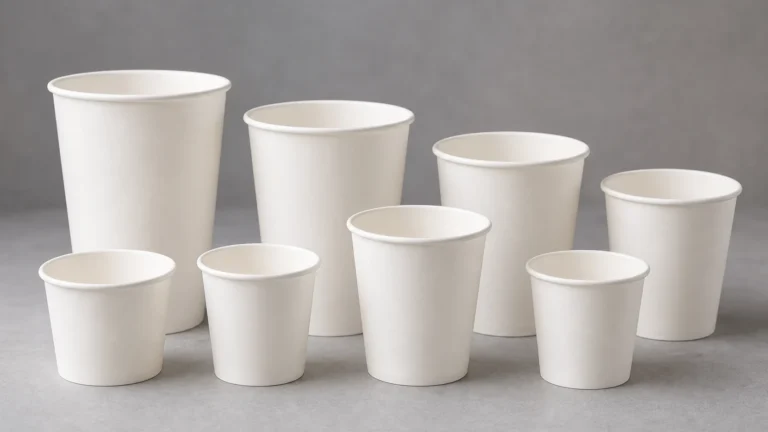
Para el modelo estándar vasos de papel, pide al proveedor que confirme el tamaño del vaso, el diámetro del borde, el gramaje del cartón, el tipo de recubrimiento, la opción de tapa, el embalaje por caja, la cantidad mínima de pedido, el plazo de entrega de la muestra y el plazo de producción. La respuesta debe ser lo suficientemente concreta como para poder convertirla en un pliego de condiciones de compra. Si la respuesta sigue siendo genérica, es posible que el proveedor esté vendiendo a partir de un catálogo en lugar de controlar los detalles de la producción.
Una buena selección de proveedores también permite distinguir entre la capacidad del fabricante y la capacidad comercial. Una empresa comercial puede resultar útil si gestiona bien el control de calidad, pero los importadores deben saber qué fábrica fabrica el vaso, quién imprime el diseño, quién se encarga del recubrimiento o la laminación y quién es el responsable del expediente de conformidad.
Esta claridad inicial también permite comparar los presupuestos. Si tres proveedores ofrecen presupuestos con diferentes gramajes de cartón, cantidades de cajas o supuestos sobre las tapas, la cifra más baja puede deberse simplemente a unas especificaciones menos exigentes. Normaliza la hoja de presupuesto antes de negociar el precio.
Esa disciplina permite ahorrar tiempo más adelante, ya que todos los proveedores son evaluados según las mismas instrucciones del comprador y los mismos criterios de aprobación antes de la negociación.
Para una primera consulta, envía una página en lugar de un mensaje impreciso. Incluye los tamaños de vaso deseados, el volumen mensual estimado, el país de destino, el tipo de bebida, los requisitos de impresión, si se necesitan tapas, la cantidad de cajas que prefieres y la fecha en la que se necesitan las muestras. Los proveedores que responden a este resumen con claridad son más fáciles de evaluar que aquellos que solo responden con una lista de precios.
Ese mismo resumen puede convertirse posteriormente en la lista de comprobación del pedido. Esa continuidad reduce los errores cuando los equipos de ventas, diseño gráfico, producción, control de calidad y documentación de exportación se pasan el trabajo entre sí dentro de la organización del proveedor y preparan el envío para su salida definitiva con los límites de aceptación acordados.
La uniformidad del material es la primera prueba real a la que se somete un proveedor de vasos de papel. Los importadores deben solicitar el tipo exacto de cartón, las especificaciones del recubrimiento y la trazabilidad del lote de producción para cada tirada. No basta con que una muestra tenga buen aspecto si en envíos posteriores el tacto del cartón o el comportamiento del borde son diferentes.
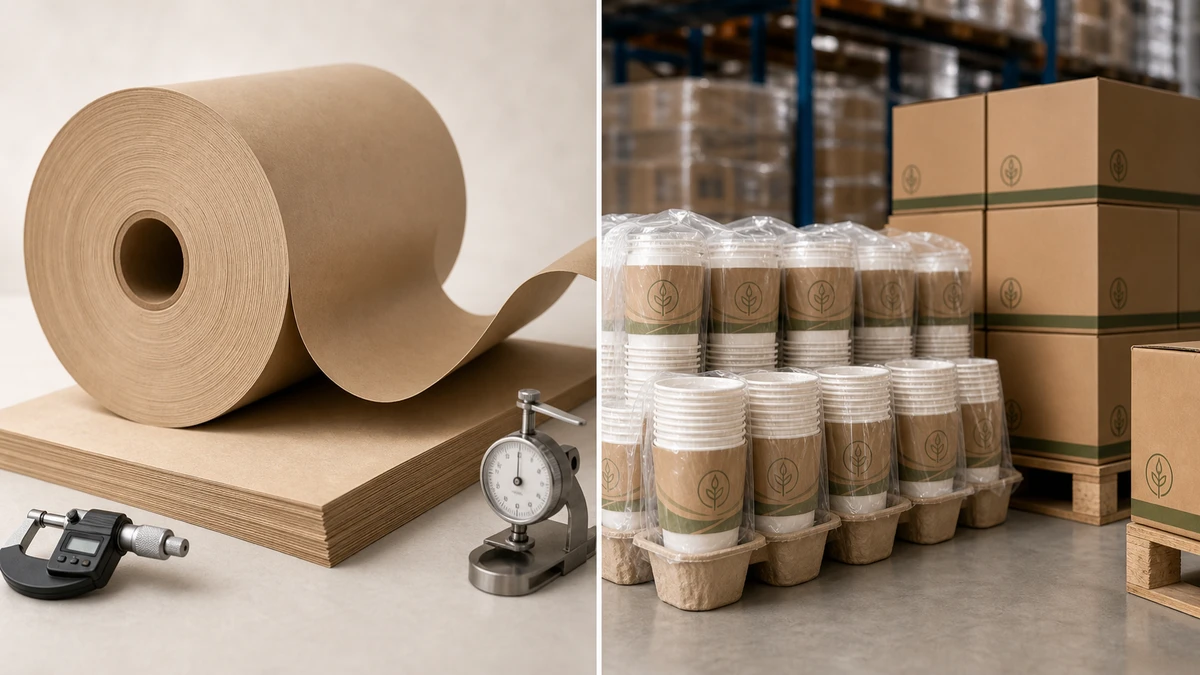
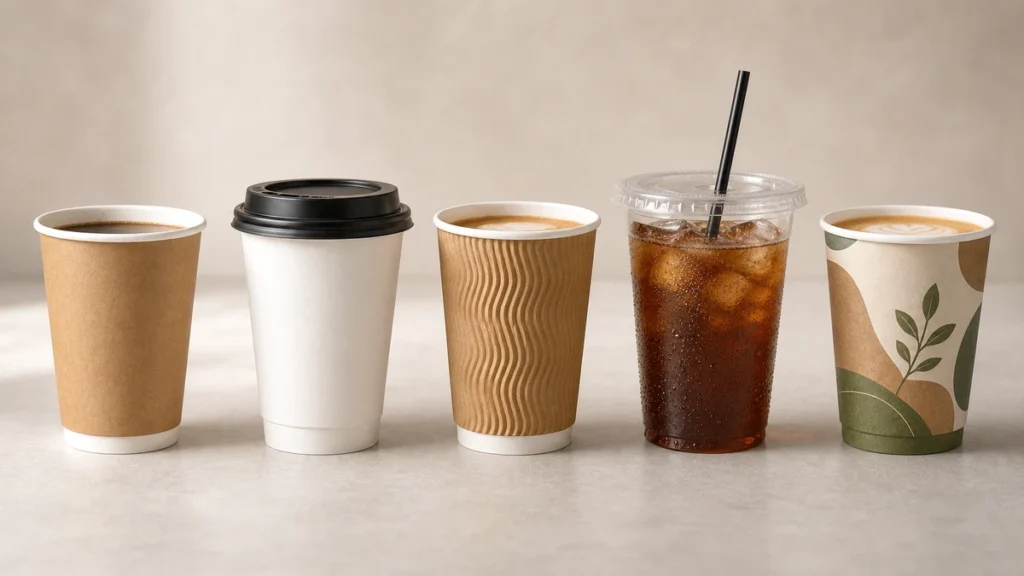
El diseño del vaso influye en el rendimiento real del servicio. Los vasos de pared simple pueden servir para bebidas calientes de servicio rápido cuando se utiliza una funda o cuando el tiempo de consumo es breve. Vasos de papel de doble pared mejorar la comodidad al sujetar el café para llevar, al tiempo que vasos de papel con relieve ondulado Aporta agarre y aislamiento para ofrecer una gama de bebidas calientes de mayor valor.
La ficha técnica debe indicar claramente el peso del cartón, el tipo de recubrimiento, la altura del vaso, el diámetro superior, el diámetro inferior, la capacidad, la cantidad por embalaje y el uso previsto. Los importadores también deben preguntar si el vaso y la tapa se han sometido a pruebas conjuntamente. Muchos fallos en los vasos se deben a la tolerancia del borde o a la deformación por calor, más que a una fuga evidente en el cuerpo del vaso.
El cumplimiento de la normativa sobre contacto con alimentos es innegociable. Los importadores deben solicitar documentación que se ajuste exactamente a la estructura del vaso, la planta de producción y el mercado de destino. Una declaración genérica de “apto para uso alimentario” no es suficiente.
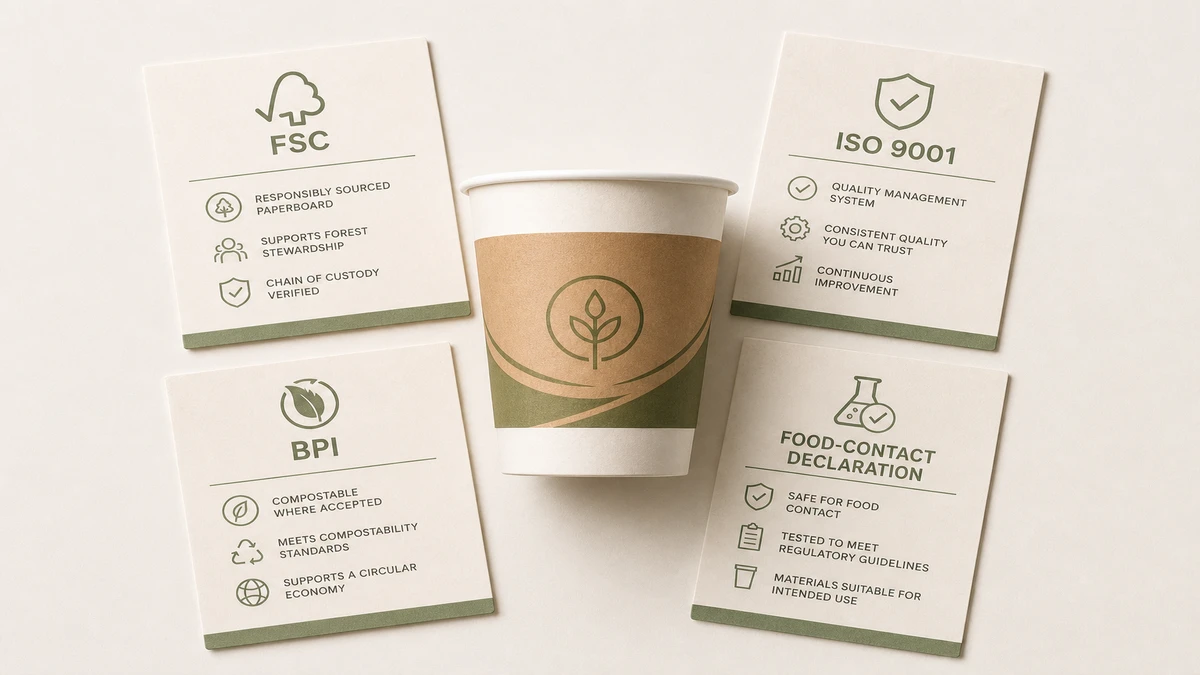
En el caso de las mercancías destinadas a EE. UU., los compradores pueden consultar el marco normativo de la FDA para sustancias en contacto con los alimentos. El proveedor debe poder presentar una declaración de aptitud para el contacto con alimentos o los resultados de los ensayos pertinentes para el sistema de materiales que se va a adquirir. Si el vaso utiliza un recubrimiento, una tinta, un adhesivo o un proceso de impresión diferentes, es posible que sea necesario revisar de nuevo la documentación.
Entre los documentos útiles se incluyen las declaraciones de aptitud para el contacto con alimentos, los informes de ensayos de materiales, los certificados de calidad ISO (si se alega su cumplimiento), los certificados de cadena de custodia (si se hacen declaraciones sobre las fibras) y los registros de trazabilidad de los lotes. Comprueba si el certificado indica el centro de fabricación real. Si la impresión, el recubrimiento o el envasado se subcontratan, el comprador debe saberlo antes de realizar el pago.
La cantidad mínima de pedido (MOQ) y el plazo de entrega determinan si un proveedor resulta viable para el modelo de negocio del importador. Un presupuesto muy bajo no sirve de nada si la cantidad mínima de pedido es demasiado elevada para el canal de venta o si el plazo de entrega es demasiado largo para la demanda estacional.
En el caso de los vasos impresos, la cantidad mínima de pedido (MOQ) depende del método de impresión, el tamaño, el número de colores, la configuración del diseño gráfico y de si el vaso se fabrica con un molde ya existente. Es posible realizar tiradas piloto de corta duración con impresión digital, mientras que los programas de marca recurrentes suelen requerir un volumen mayor para garantizar unos precios estables. El plazo de entrega debe incluir la revisión del diseño gráfico, la fabricación de los moldes, la producción, el embalaje, la inspección y la entrega del envío.
Solicita por escrito información sobre los plazos de entrega de las muestras. Un buen proveedor debe aclarar si las muestras son de stock, maquetas impresas digitalmente o muestras en condiciones de producción. Para su aprobación, los importadores deben solicitar un número suficiente de vasos para comprobar si hay fugas, el ajuste de la tapa, el apilamiento, el olor, el desgaste de la impresión y la protección del embalaje de cartón. Cinco muestras seleccionadas a mano no son suficientes para evaluar la estabilidad en tiradas repetidas.
También resulta útil diferenciar las muestras de desarrollo de las muestras de aprobación. Las muestras de desarrollo ayudan al comprador a comparar tamaños, estructuras de pared y sentido de impresión. Las muestras de aprobación deben reflejar exactamente las especificaciones que se aplicarán en la producción. Una vez firmada la muestra de aprobación, el proveedor no debe modificar el tipo de papel, el tipo de recubrimiento, el troquelado de los bordes, el sistema de tinta, la bolsa de manguito ni la disposición de la caja sin una confirmación por escrito. Esta sencilla norma protege al importador cuando intervienen varias personas de los departamentos de ventas, producción, control de calidad y gestión de envíos.
La impresión es un aspecto cuya complejidad muchos importadores subestiman. Para lograr una buena imagen de marca, es necesario contar con el método de impresión adecuado, referencias de color correctas, zonas de diseño legibles y una forma de vaso que siga pareciendo equilibrada tras el moldeado.

La impresión flexográfica suele ser adecuada para pedidos repetidos de gran volumen con sistemas de color más sencillos. La impresión digital es ideal para tiradas de prueba cortas y campañas de temporada. La impresión offset permite obtener detalles nítidos, pero la configuración y la cantidad mínima de pedido pueden ser más estrictas. Antes de aprobar el diseño, comprueba las referencias Pantone, las zonas de sangrado, la posición de las costuras, el formato de archivo y si es necesario ajustar el diseño para cada tamaño de vaso.
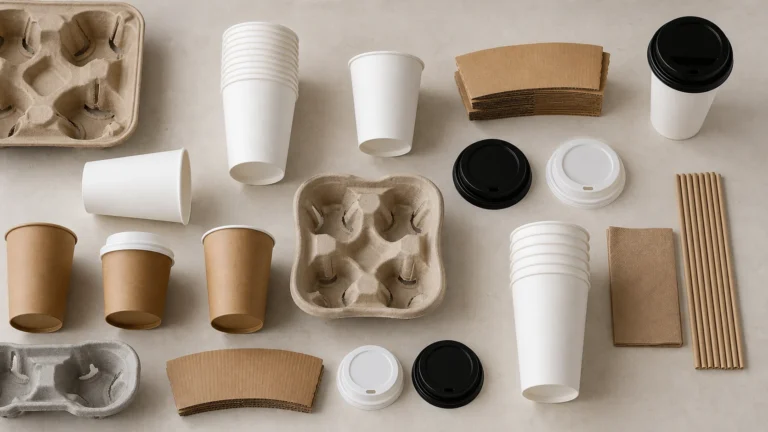
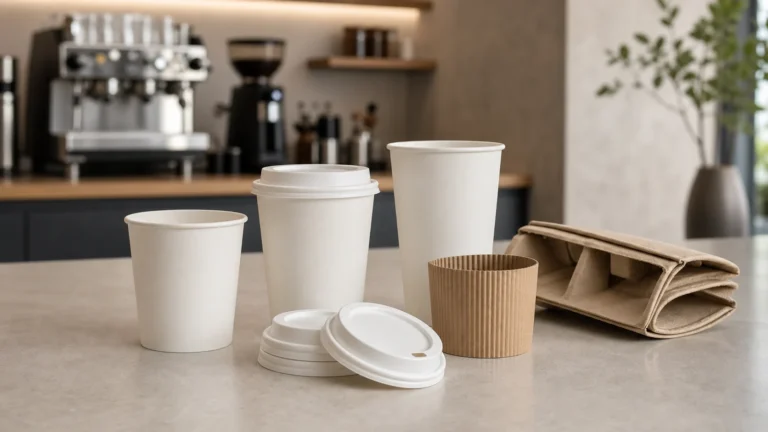
Los programas de vasos rara vez se venden por separado. Si el pedido incluye tapas, fundas, soportes o bolsas, combínalos con accesorios de envasado desde el principio. Un buen proveedor de vasos de papel debe ayudar a coordinar el diámetro del borde, el tipo de tapa, la altura de la funda, el ajuste al soporte y el embalaje en caja de cartón, para que todo el sistema de servicio integral funcione de forma coordinada.
Un proveedor fiable debería estar dispuesto a someterse a un proceso de auditoría sencillo. Los importadores no necesitan un programa de inspección complicado para cada pedido, pero sí necesitan una lista de comprobación repetible que detecte los riesgos habituales antes de que se embarque un contenedor.
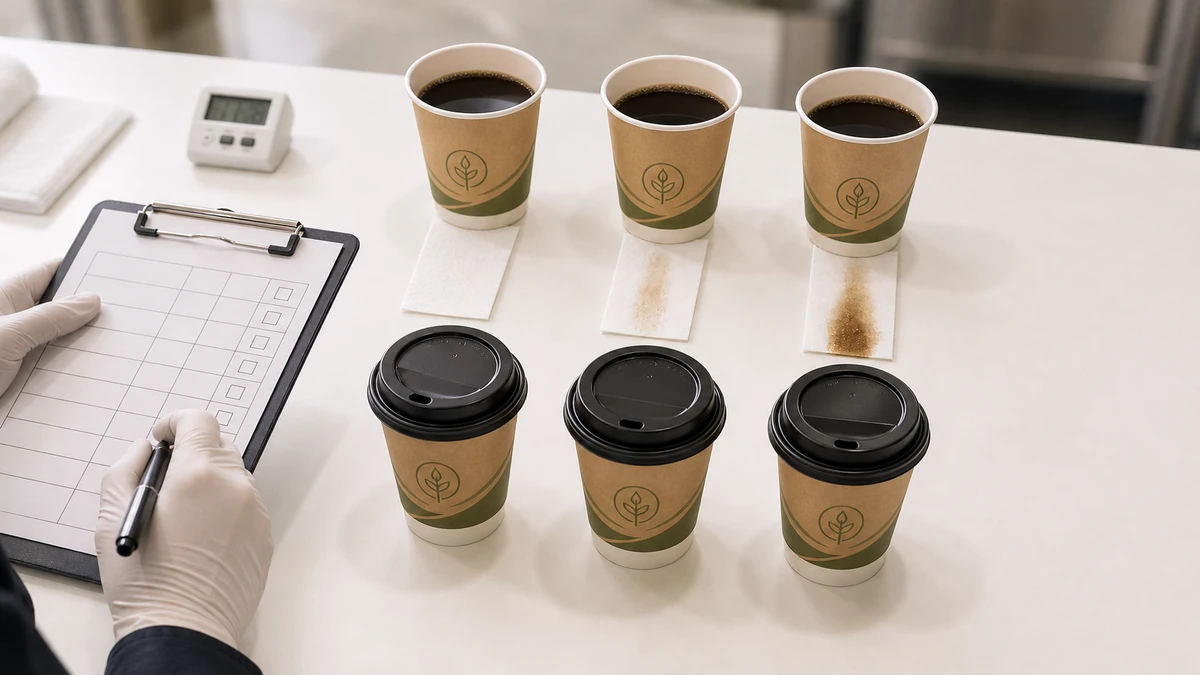
Empieza con los documentos y, a continuación, comprueba el uso real. Llena los vasos con agua caliente a una temperatura de servicio realista, mantenlos así durante el tiempo previsto, comprueba la costura lateral y el fondo, coloca las tapas tras llenarlos y comprueba si se pueden apilar una vez que el vaso se haya enfriado. En el caso de los vasos para bebidas frías, añade comprobaciones de condensación y de retención del hielo. En el caso de los vasos impresos, frota la zona impresa e inspecciona la uniformidad del color en varias piezas.
Comprueba también el embalaje para la exportación. Incluso el mejor vaso puede llegar dañado si la caja de cartón es endeble, la bolsa protectora está suelta o la altura del palé no se adapta al almacén. Los importadores que adquieren vasos junto con envases para alimentos Debería utilizarse una norma de inspección común para toda la gama de envases.
Antes de realizar el primer pedido de contenedores, hay que cerrar las especificaciones técnicas definitivas, la muestra aprobada, las condiciones de propiedad de las herramientas, la prueba de maquetación, el expediente de conformidad, el embalaje por cajas, el plano de palés y los plazos de la inspección previa al envío. Este es el momento en el que el apoyo del proveedor adquiere valor comercial: el comprador necesita respuestas claras antes de comprometer fondos, franjas horarias de producción y reservas de transporte.
Para los pedidos recurrentes, lleva una breve ficha de evaluación del proveedor. Haz un seguimiento de la puntualidad en la entrega de muestras, la precisión de las pruebas de impresión, los plazos de producción, el estado de las cajas, los resultados de las inspecciones, la tasa de reclamaciones y la capacidad de respuesta tras el envío. Un proveedor que resuelve los problemas con claridad suele ser más valioso que uno que solo ofrece presupuestos muy competitivos al principio. Con el tiempo, esta ficha de evaluación ayuda a los importadores a decidir qué proveedores merecen programas de mayor envergadura y cuáles deberían limitarse a artículos en stock de bajo riesgo.
Un proveedor fiable es capaz de mantener la misma estructura de la copa, la misma calidad, la misma documentación y el mismo estándar de embalaje en todos los pedidos, y no se limita a fabricar una sola muestra atractiva.
Solicita una declaración de idoneidad para el contacto con alimentos e información sobre las pruebas realizadas que corrobore la estructura exacta del vaso, el recubrimiento, el sistema de tintas y la fábrica encargada del pedido.
El pedido mínimo (MOQ) depende del tamaño del vaso, el método de impresión, el número de colores, los moldes y de si el proveedor utiliza un formato de vaso ya existente. Los vasos con impresión personalizada suelen requerir un pedido mínimo más elevado que los vasos en stock sin impresión.
El plazo de entrega debe incluir la revisión de las maquetaciones, la aprobación de las muestras, la producción, el embalaje, la inspección y la entrega del envío. Los plazos exactos dependen de la complejidad del pedido y de la temporada.
La ajuste de la tapa puede fallar debido a pequeños cambios en el diámetro del borde, la redondez o la deformación térmica tras el llenado. Los envases y las tapas deben someterse a pruebas conjuntamente en condiciones reales de uso.
Elige el recubrimiento en función de la temperatura de la bebida, las expectativas de eliminación y los requisitos del mercado de destino. La elección del material debe ajustarse al uso real, y no limitarse únicamente a una afirmación de sostenibilidad.
Confirme la ficha técnica, la documentación de conformidad, el registro de aprobación de muestras, la cantidad mínima de pedido (MOQ), el plazo de entrega, la prueba de maquetación, el método de embalaje, el plan de inspección y las condiciones de pago.