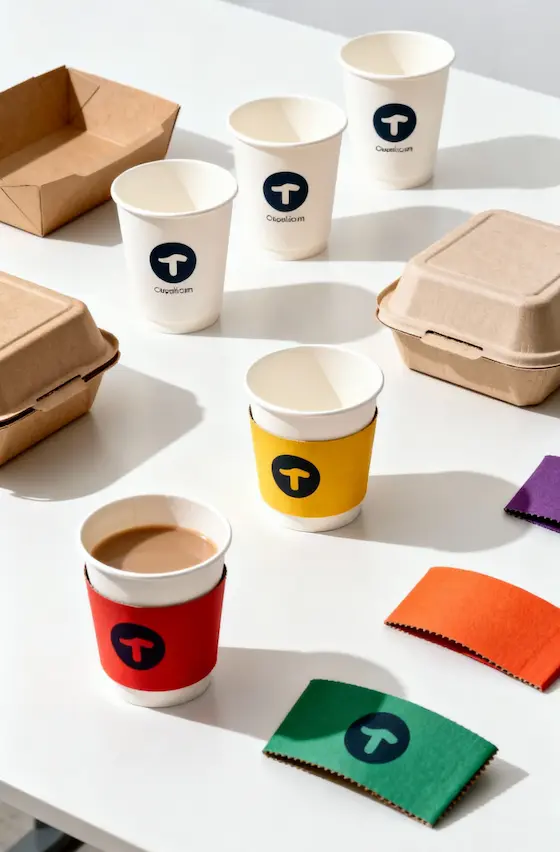
¿Está listo para crear sus propios vasos o envases de papel con su marca?
Díganos sus requisitos -tamaño, revestimiento, impresión y destino- y nuestro equipo le preparará un presupuesto detallado en 24 horas.

Última actualización: Noviembre de 2025
Tiempo de lectura: 8-10 minutos
Autor: Equipo de contenidos de Papacko
El té de burbujas (boba) y el té con leche se han convertido en fenómenos mundiales, con tiendas abiertas en todas las grandes ciudades. Pero servir estas bebidas conlleva retos de envasado únicos: las pajitas anchas necesitan aberturas seguras, los films de sellado deben crear cierres herméticos y los vasos deben mostrar capas de colores sin gotear. Elegir el vaso equivocado puede provocar derrames, clientes frustrados e incoherencia de la marca.
Esta guía explica todo lo que necesita saber para seleccionar, personalizar y abastecerse. vasos de papel diseñado específicamente para operaciones de té de burbujas y té con leche.
En este artículo aprenderás:
-Requisitos estructurales para tazas de té de burbujas (compatibilidad con pajitas, diseño del borde)
-Compatibilidad de la película de sellado y las mejores prácticas de termosellado
-Estrategias de personalización para la marca en envases de alta visibilidad
-Dimensionamiento y capacidad opciones para distintos formatos de bebida
💡 Comida rápida para llevar: Los vasos de papel normales no sirven para el té de burbujas.
Necesita vasos con bordes reforzados para las máquinas selladoras, aberturas más anchas para las pajitas gruesas y revestimientos resistentes a la humedad para soportar el hielo y la condensación.
Los vasos de papel para té de burbujas son recipientes de bebidas especializados diseñados para adaptarse a los requisitos únicos de servicio de boba, té con leche, té de frutas y otras bebidas a base de perlas. A diferencia de los vasos estándar para café caliente, presentan:
-Llantas planas y anchas optimizado para la aplicación automatizada de película de sellado
-Bordes superiores reforzados para evitar desgarros durante el termosellado
-Revestimientos resistentes a la humedad (PLA, PE o a base de agua) para manejar la condensación
-Paredes rectas o ligeramente cónicas para un apilamiento coherente y visibilidad de la marca
Estos vasos se suelen utilizar en:
-Tiendas de té de burbujas y franquicias de té con leche (CoCo, Gong Cha, Tiger Sugar)
-Cadenas de cafeterías ofrecer bebidas frías especiales
-Restaurantes y restaurantes de servicio rápido con programas de bebidas
-Catering para eventos para festivales y mercados al aire libre
🎯 Perspectiva del sector: Más de 75% de las tiendas de té de burbujas de Asia utilizan ahora vasos de papel con película de sellado en lugar de tapas de plástico, impulsados por la normativa de sostenibilidad y la preferencia de los clientes por envases a prueba de derrames.
El borde de la taza es el componente más importante del envase de té de burbujas:
Llantas planas frente a llantas laminadas:
Por qué es importante: Las máquinas de sellado automático requieren bordes perfectamente planos (tolerancia de ±0,2 mm) para crear cierres herméticos. Los bordes enrollados diseñados para tapas a presión no funcionan.
Las tazas de té de burbujas se enfrentan a un estrés estructural único:
-Condensación por frío de bebidas con hielo
-Exposición a la humedad durante tiempos de espera prolongados
-Tensión mecánica de las sacudidas y el transporte
Comparación de revestimientos:
Recomendación: Para las operaciones estándar de té de burbujas, los vasos recubiertos de PLA ofrecen el mejor equilibrio entre rendimiento, sostenibilidad y percepción del cliente.
La película de sellado crea un cierre hermético al adherirse al borde del vaso mediante calor y presión. El proceso requiere:
1.Precisión de la temperatura (normalmente 150-180°C dependiendo del revestimiento)
2.Tiempo de permanencia (0,8-1,5 segundos de contacto)
3.Distribución uniforme de la presión (15-25 PSI en toda la llanta)
Tipos comunes de película de sellado:
### Solución de problemas de estanquidad
❌ Problema: La película se despega tras el sellado
✅ Solución: Aumentar la temperatura de sellado entre 5 y 10°C; comprobar si hay contaminación en el borde (azúcar, humedad).
❌ Problema: La película se rompe al introducir la pajita
✅ Solución: Utilice una película más gruesa (60-80 micras); asegúrese de que el cliente perfora en la zona designada.
❌ Problema: Sellado irregular con espacios de aire
✅ Solución: Comprobación de la planicidad de la llanta; limpieza diaria del cabezal de la selladora.
Consejos para la planificación de la capacidad:
-Desplazamiento del hielo: Tenga en cuenta la pérdida de volumen de 30-40% cuando utilice hielo estándar
-Espacio para la cabeza: Deje 1,3-2,5 cm (0,5-1 pulgada) por debajo del borde para el sellado.
-Volumen de perlas: Las perlas de tapioca cocidas ocupan ~15-20% del volumen total del vaso
El té de burbujas requiere pajitas más anchas (8-12 mm de diámetro) para acomodar las perlas de tapioca:
Consejo profesional: Marque claramente la zona de inserción de la pajita en la película de sellado para evitar que los clientes la perforen en los puntos débiles (cerca de los bordes).
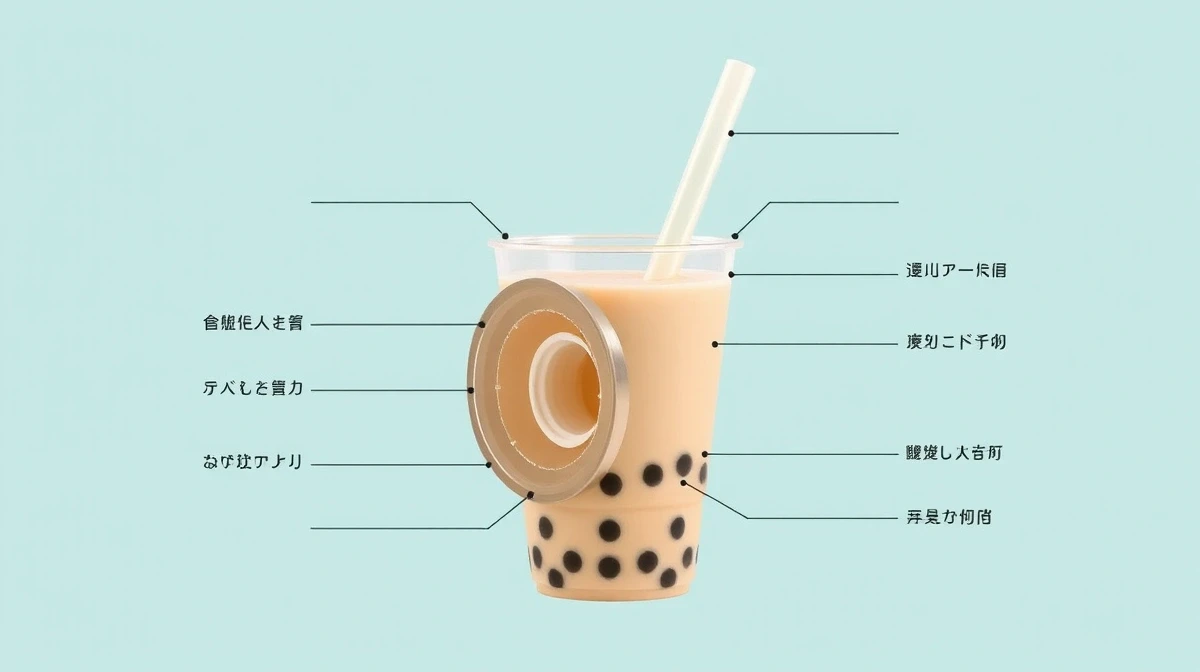
Las tazas de té con burbujas ofrecen una gran visibilidad de marca gracias a las fotos compartidas por los clientes:
Comparación de formatos de impresión:
Consideraciones sobre el diseño:
-Degradados de color funcionan bien en tazas recubiertas de PLA brillante
-Texto de alto contraste garantiza la legibilidad incluso con la taza en la mano
-Códigos QR para enlazar con las redes sociales (colocar a media altura, no cerca del borde)
No pase por alto la película de sellado como elemento de marca:
Opciones de impresión de películas:
> 🎯 Marketing Insight: Los comercios que utilizan film de sellado con impresión personalizada informan de que 40% comparten más en las redes sociales que el film transparente genérico, ya que es más probable que los clientes fotografíen envases con una marca estética.

Buenas prácticas: Si su mercado dispone de infraestructura de compostaje industrial, elija PLA. Si se da prioridad al reciclaje en la acera, utilice un revestimiento de base acuosa con instrucciones claras para el cliente.
Nuevas opciones para sustituir el film plástico de sellado:
1.Tapas de cierre de papel: Láminas de fibra con barrera contra la humedad (15-20% sobrecoste)
2.Tapas de papel a presión: Requiere modificar el diseño de la copa (no es compatible con las selladoras estándar)
3.Lámina de PLA compostable: Certificado para el compostaje industrial junto a la taza
Desafío: Aún no existe un sustituto perfecto. Las películas de papel tienen problemas de resistencia a la humedad; las películas de PLA requieren flujos de residuos separados.
Planificación estacional:
-Pedidos 6-8 semanas antes de las temporadas altas (verano, festivales)
-Mantener un stock de seguridad de 3-4 semanas para tazas impresas a medida
Cuando reciba pedidos a granel, inspeccione:
✅ Planitud de la llanta: Utilice un calibre para verificar la tolerancia de ±0,2 mm.
✅ Prueba de estanqueidad: Muestra 10 tazas con su selladora
✅ Imprimir registro: Comprobar la alineación en más de 20 copas consecutivas
✅ Integridad del revestimiento: Sin huecos ni burbujas visibles
✅ Estabilidad de apilamiento: Las tazas deben anidarse sin atascarse
❌ Error #1: Pedir tazas de café para el té de burbujas
✅ Enfoque correcto: Especifique “borde plano para lámina de sellado” y confirme con las muestras del proveedor antes de realizar el pedido a granel.
❌ Error #2: Uso de vasos demasiado pequeños para bebidas promocionales
✅ Enfoque correcto: En las ofertas de “compre uno y llévese otro”, utilice vasos de 20-24 onzas para evitar desbordamientos y mantener los márgenes de beneficio en hielo/perlas.
❌ Error #3: Ignorar las pruebas de punción de la paja
✅ Enfoque correcto: Pruebe más de 50 tazas con su tipo de pajita y película de sellado reales antes de aprobar la producción.
❌ Error #4: Personalización excesiva para el lanzamiento inicial
✅ Enfoque correcto: Empezar con la impresión de un solo panel (MOQ más bajo) y escalar a envoltura completa una vez que el volumen justifique la inversión.
Los vasos de papel para té de burbujas son recipientes de bebidas con bordes planos diseñados para cierres de película termosellada, aberturas más anchas para pajitas gruesas y revestimientos resistentes a la humedad para evitar fugas por hielo y condensación. Se diferencian de los vasos de café en la estructura del borde y los requisitos del revestimiento.
No. Los vasos normales para bebidas calientes tienen bordes enrollados incompatibles con las máquinas de sellado. El té de burbujas requiere vasos de borde plano con tolerancias precisas (±0,2 mm) para el sellado hermético de la película. El uso de tazas incorrectas provoca fugas y quejas de los clientes.
16-20oz (450-550ml) es estándar para la mayoría de las bebidas de té de burbujas. Esto permite 70-100 g de perlas de tapioca cocidas, 12-14 oz de líquido, hielo y un espacio libre de 0,5 pulgadas para el sellado. Los tamaños más grandes (20-24oz) funcionan para formatos premium o para compartir.
Depende del recubrimiento. Los vasos recubiertos de PLA son compostables en instalaciones industriales, pero contaminan el reciclado de papel. Los vasos con revestimiento de base acuosa son reciclables en la acera. Compruebe la infraestructura local de residuos para elegir la opción más sostenible para su mercado.
Las cantidades mínimas de pedido varían: 3.000-5.000 unidades para la impresión de un solo panel, 10.000-20.000 para diseños de envoltorio completo. Algunos proveedores ofrecen cantidades mínimas de pedido más bajas (1.000 unidades) para impresión digital con costes unitarios más altos ($0,18-0,25 por taza).
Sí, las láminas de sellado pueden imprimirse con logotipos, nombres de bebidas o diseños CMYK completos. Las cantidades mínimas de producción suelen ser de 10.000 a 20.000 láminas. Los films impresos a todo color cuestan 15-30% más que los transparentes, pero aumentan significativamente la visibilidad de la marca.
El revestimiento de PLA ofrece el mejor equilibrio para las bebidas frías: excelente resistencia a la humedad, compatibilidad con el termosellado (160-180°C) y percepción positiva por parte del consumidor. El revestimiento de PE tiene un rendimiento ligeramente superior, pero se enfrenta a la oposición del consumidor por considerarlo “forrado de plástico”.”
Elegir los vasos de papel adecuados para el té de burbujas va más allá del envasado básico de bebidas. Los requisitos exclusivos de compatibilidad del film de sellado, alojamiento de la pajita y resistencia a la humedad exigen diseños de vasos especializados que equilibren la funcionalidad con el potencial de marca.
Principales conclusiones:
1.Especificar llantas planas (tolerancia de ±0,2 mm) para un termosellado fiable con máquinas automáticas
2.Adaptar el revestimiento a las prioridades del mercado: PLA para compostabilidad, a base de agua para reciclabilidad
3.Tamaño correcto: 16-20oz maneja formatos estándar de té de burbujas con el espacio de cabeza adecuado
4.Aprovechar las oportunidades de marca: La impresión envolvente y los films de sellado personalizados impulsan el intercambio social
5.Pruebas rigurosas: Tazas de muestra con su máquina de sellado y tipos de pajita antes de realizar pedidos al por mayor
Tanto si está poniendo en marcha una nueva tienda de té de burbujas como si está ampliando una marca consolidada, invertir en vasos de papel con un diseño específico y una compatibilidad de sellado adecuada garantiza una experiencia del cliente uniforme y respalda sus compromisos de sostenibilidad.
Papacko se especializa en la fabricación de vasos de papel de alta calidad diseñados específicamente para operaciones de té de burbujas y té con leche. Nuestros vasos cuentan con bordes planos diseñados con precisión para un sellado perfecto, revestimientos de PLA o de base acuosa resistentes a la humedad y opciones de personalización a partir de 3.000 unidades.
Póngase en contacto:
Última actualización: Noviembre de 2025