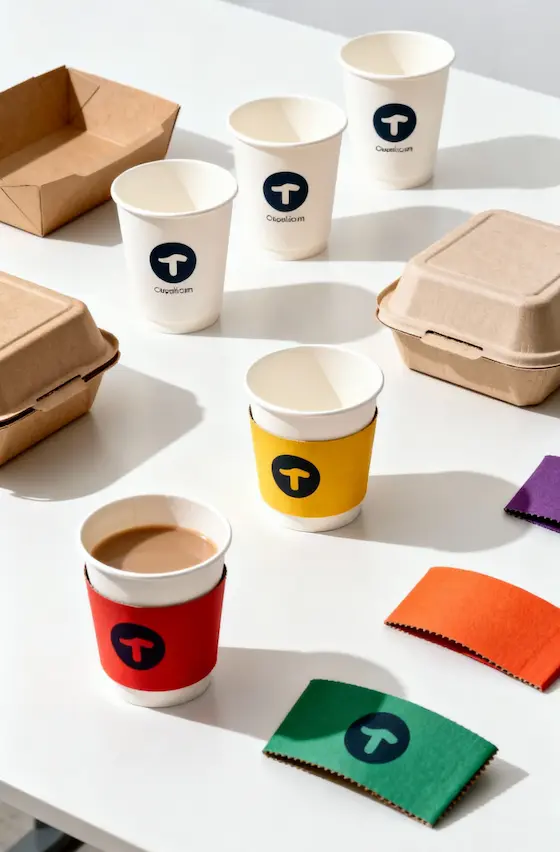
Prêt à créer vos propres gobelets ou emballages en papier ?
Faites-nous part de vos exigences - taille, revêtement, impression et destination - et notre équipe établira un devis détaillé dans les 24 heures.

Dernière mise à jour: novembre 2025
Temps de lecture: 8 à 10 minutes
Auteur: Équipe de contenu de Papacko
Le thé à bulles (boba) et le thé au lait sont devenus des phénomènes mondiaux, avec l'ouverture de boutiques dans toutes les grandes villes. Mais servir ces boissons pose des défis uniques en matière d'emballage : les pailles larges ont besoin d'ouvertures sûres, les films d'étanchéité doivent créer des fermetures hermétiques et les gobelets doivent présenter des couches colorées sans couler. Le choix d'un mauvais gobelet peut entraîner des débordements, des clients frustrés et une incohérence de la marque.
Ce guide présente tout ce qu'il faut savoir sur la sélection, la personnalisation et l'approvisionnement. gobelets en papier spécialement conçu pour les opérations de thé à bulles et de thé au lait.
Dans cet article, vous apprendrez :
-Exigences structurelles pour les tasses de thé à bulles (compatibilité avec la paille, conception du bord)
-Compatibilité du film d'étanchéité et les meilleures pratiques de thermoscellage
-Stratégies de personnalisation pour le marquage des emballages à haute visibilité
-Dimensionnement et capacité des options pour différents formats de boissons
💡 À emporter rapidement: Les gobelets en papier standard ne conviennent pas pour le bubble tea.
Vous avez besoin de gobelets avec des bords renforcés pour les machines à sceller, des ouvertures plus larges pour les pailles épaisses et des revêtements résistants à l'humidité pour gérer la glace et la condensation.
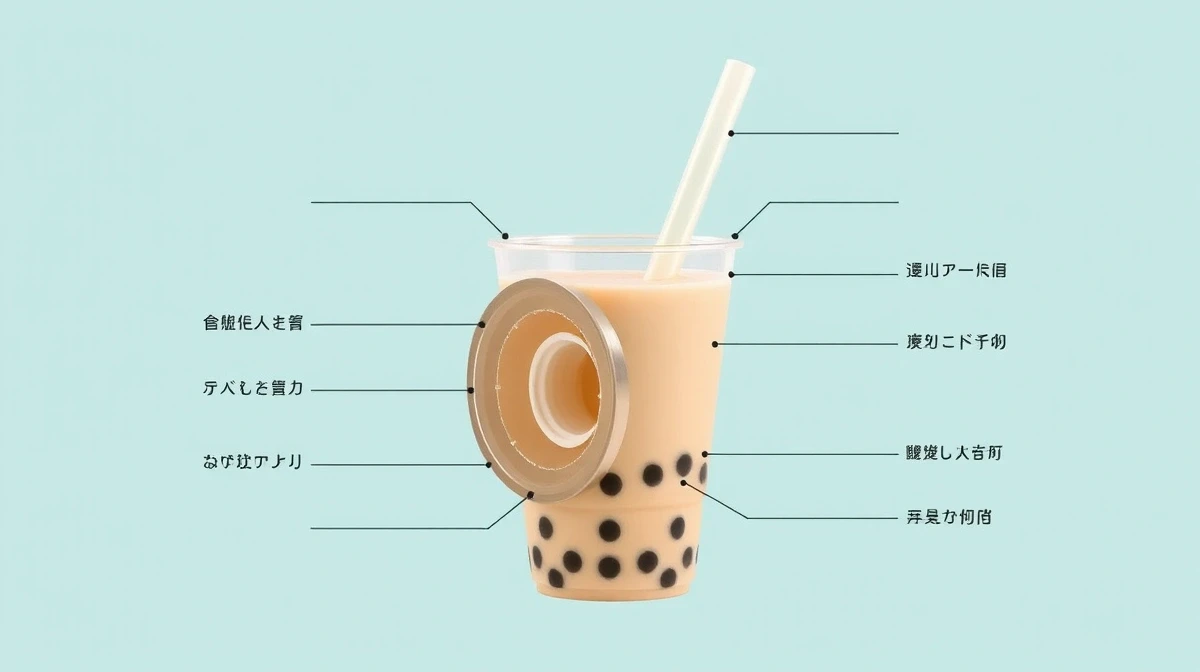
Les gobelets en papier pour le thé à bulles sont des récipients spécialisés conçus pour répondre aux exigences uniques de distribution du boba, du thé au lait, du thé aux fruits et d'autres boissons à base de perles. Contrairement aux gobelets de café chaud standard, ils présentent les caractéristiques suivantes
-Jantes plates et larges optimisé pour l'application automatisée de films de scellement
-Bords supérieurs renforcés pour éviter les déchirures lors du thermoscellage
-Revêtements résistants à l'humidité (PLA, PE ou à base d'eau) pour gérer la condensation
-Parois droites ou légèrement coniques pour un empilage cohérent et la visibilité de la marque
Ces coupes sont généralement utilisées dans :
-Boutiques de thé à bulles et les franchises de thé au lait (CoCo, Gong Cha, Tiger Sugar)
-Chaînes de cafés proposer des boissons froides spécialisées
-Espaces de restauration et les restaurants à service rapide avec programmes de boissons
-Restauration événementielle pour les festivals et les marchés en plein air
🎯 Aperçu de l'industrie: Plus de 75% des salons de thé à bulles en Asie utilisent désormais des gobelets en papier avec un film d'étanchéité à la place des couvercles en plastique, en raison des réglementations en matière de développement durable et de la préférence des clients pour un emballage anti-éclaboussures.
Le bord du gobelet est l'élément le plus important de l'emballage du thé à bulles :
Jantes plates et jantes roulées :
Pourquoi est-ce important ?: Les machines à sceller automatisées exigent des bords parfaitement plats (tolérance de ±0,2 mm) pour créer des joints étanches. Les bords roulés conçus pour les couvercles encliquetables ne fonctionnent pas.
Les tasses de thé à bulles sont soumises à des contraintes structurelles uniques :
-Condensation à froid des boissons glacées
-Exposition à l'humidité pendant des temps de maintien prolongés
-Contrainte mécanique des secousses et du transport
Comparaison des revêtements :
Recommandation: Pour les opérations de thé à bulles standard, les gobelets enduits de PLA offrent le meilleur équilibre en termes de performance, de durabilité et de perception par le client.
Le film de scellage crée une fermeture hermétique en se collant au bord du gobelet sous l'effet de la chaleur et de la pression. Le processus nécessite :
1.Précision de la température (typiquement 150-180°C en fonction du revêtement)
2.Temps d'attente (0,8-1,5 seconde de contact)
3.Répartition uniforme de la pression (15-25 PSI sur la jante)
Types de films d'étanchéité courants :
### Dépannage des problèmes d'étanchéité
❌ Problème: Le film se détache après le scellement
✅ Solution: Augmenter la température de scellage de 5 à 10°C ; vérifier l'absence de contamination du bord (sucre, humidité).
❌ Problème: Le film se déchire lors de l'insertion d'une paille
✅ Solution: Utiliser un film plus épais (60-80 microns) ; s'assurer que le client perce à l'endroit prévu à cet effet.
❌ Problème: Etanchéité inégale avec des fentes d'air
✅ Solution: Vérifier la planéité de la jante ; nettoyer quotidiennement la tête de la machine à sceller.
Conseils pour la planification des capacités :
-Déplacement de la glace: Tenir compte de la perte de volume de 30-40% lors de l'utilisation de glace standard.
-Espace de tête: Laisser 0,5-1 pouce (1,3-2,5 cm) en dessous du bord pour l'étanchéité.
-Volume de la perle: Les perles de tapioca cuites occupent ~15-20% du volume total de la tasse.
Le thé à bulles nécessite des pailles plus larges (8-12 mm de diamètre) pour accueillir les perles de tapioca :
Conseil de pro: Marquer clairement la zone d'insertion de la paille sur le film d'étanchéité afin d'éviter que les clients ne percent les points faibles (près des bords).
Les gobelets de thé à bulles offrent une grande visibilité à la marque grâce au partage de photos par les clients :
Comparaison des formats d'impression :
Considérations relatives à la conception :
-Dégradés de couleurs fonctionne bien sur les gobelets brillants revêtus de PLA
-Texte à fort contraste assure la lisibilité même lorsque le gobelet est tenu
-Codes QR pour les liens vers les médias sociaux (placer à mi-hauteur, pas près du bord)
Ne négligez pas le film d'étanchéité en tant que bien immobilier de la marque :
Options d'impression du film :
> 🎯 Marketing Insight: Les magasins qui utilisent des films de scellage imprimés sur mesure signalent 40% plus de partages sur les médias sociaux que les films transparents génériques, car les clients sont plus enclins à photographier des emballages portant une marque esthétique.
Meilleures pratiques: Si votre marché dispose d'une infrastructure de compostage industriel, choisissez le PLA. Si le recyclage à la source est une priorité, utilisez un revêtement à base d'eau avec des instructions claires pour le client.
Nouvelles options pour remplacer le film d'étanchéité en plastique :
1.Couvercles à base de papier: Films à base de fibres avec barrière contre l'humidité (prime de coût 15-20%)
2.Couvercles en papier encliquetables: Nécessite une modification de la conception du gobelet (non compatible avec les machines à sceller standard)
3.Film PLA compostable: Certifié pour le compostage industriel à côté du gobelet
Défi: Il n'existe pas encore de solution de remplacement parfaite. Les films en papier ont du mal à résister à l'humidité ; les films en PLA nécessitent des flux de déchets séparés.
Planification saisonnière:
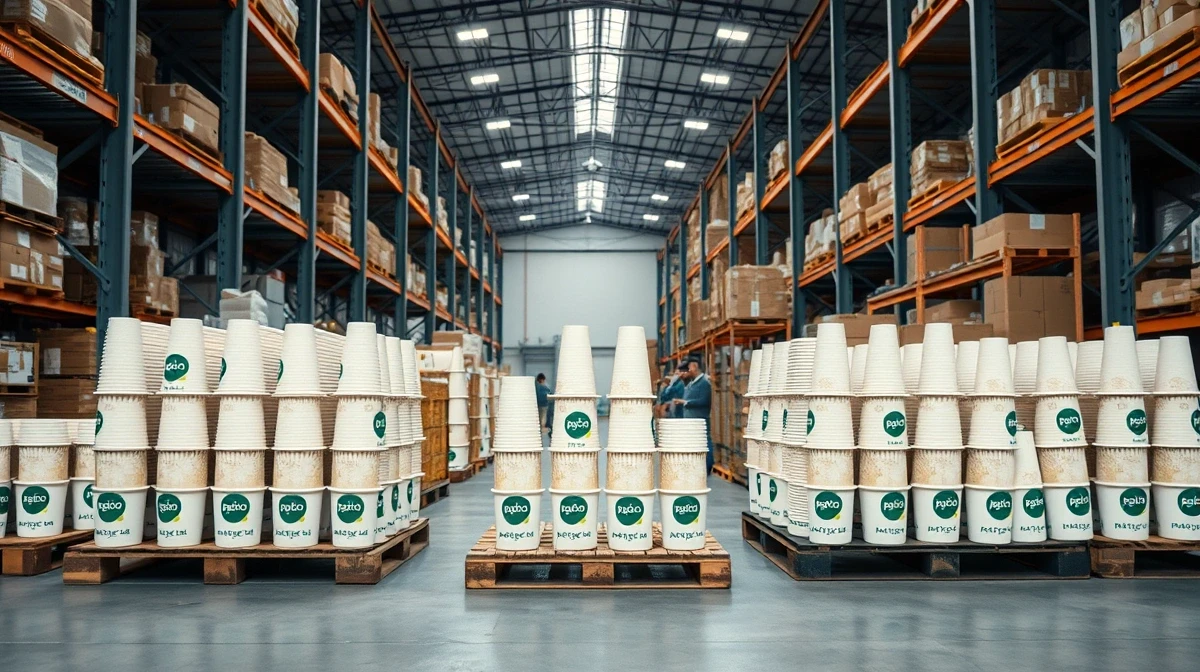
-Commander 6 à 8 semaines avant les périodes de pointe (été, périodes de festivals)
-Maintenir un stock de sécurité de 3 à 4 semaines pour les gobelets imprimés personnalisés
Lors de la réception de commandes en gros, inspecter :
✅ Aplatissement de la jante: Utiliser un pied à coulisse pour vérifier la tolérance de ±0,2 mm.
✅ Test d'étanchéité: Échantillon de 10 gobelets avec votre machine à sceller
✅ Imprimer l'inscription: Vérifier l'alignement sur plus de 20 coupes consécutives
✅ Intégrité du revêtement: Absence de lacunes ou de bulles visibles
✅ Stabilité de l'empilement: Les coupelles doivent s'emboîter sans se coincer
❌ Erreur #1: Commander des tasses à café pour le bubble tea
✅ Approche correcte: Spécifier “bord plat pour film de scellement” et confirmer avec les échantillons du fournisseur avant la commande en vrac.
❌ Erreur #2: Utilisation de gobelets de taille réduite pour les boissons promotionnelles
✅ Approche correcte: Pour les offres “un pour un”, utilisez des gobelets de 20 à 24 oz afin d'éviter les débordements et de maintenir les marges bénéficiaires sur les glaçons et les perles.
❌ Erreur #3: Ignorer les tests de perforation de la paille
✅ Approche correcte: Testez plus de 50 gobelets avec votre type de paille et votre film d'étanchéité avant d'approuver la production.
❌ Erreur #4: Personnalisation excessive pour le lancement initial
✅ Approche correcte: Commencer par l'impression d'un seul panneau (MOQ moins élevé) et passer à l'impression d'un emballage complet lorsque le volume justifie l'investissement.
Les gobelets en papier pour le thé à bulles sont des récipients pour boissons à bords plats conçus pour des fermetures par film thermoscellé, des ouvertures plus larges pour des pailles épaisses et des revêtements résistants à l'humidité pour éviter les fuites dues à la glace et à la condensation. Ils diffèrent des gobelets à café par la structure du bord et les exigences en matière de revêtement.
Non. Les gobelets pour boissons chaudes ordinaires ont des bords roulés incompatibles avec les machines à sceller. Le thé à bulles nécessite des gobelets à bord plat avec des tolérances précises (±0,2 mm) pour un scellage hermétique du film. L'utilisation de gobelets incorrects entraîne des fuites et des réclamations de la part des clients.
Une contenance de 450 à 550 ml est la norme pour la plupart des boissons à base de thé à bulles. Cela permet d'obtenir 70 à 100 g de perles de tapioca cuites, 12 à 14 oz de liquide, de la glace et un espace de 0,5 pouce pour le scellage. Les formats plus grands (20-24 oz) conviennent aux formats premium ou à partager.
Cela dépend du revêtement. Les gobelets enduits de PLA sont compostables dans les installations industrielles, mais contaminent le recyclage du papier. Les gobelets recouverts d'un revêtement à base d'eau sont recyclables à la source. Vérifiez l'infrastructure locale des déchets pour choisir l'option la plus durable pour votre marché.
Les quantités minimales de commande varient : 3 000 à 5 000 pièces pour l'impression d'un seul panneau, 10 000 à 20 000 pour les modèles à emballage complet. Certains fournisseurs proposent des quantités minimales de commande plus faibles (1 000 pièces) pour l'impression numérique à des coûts unitaires plus élevés ($0,18-0,25 par gobelet).
Oui, les films d'étanchéité peuvent être imprimés avec des logos, des noms de boissons ou des dessins CMJN complets. Les MOQ commencent généralement à 10 000-20 000 films. Les films imprimés en couleur coûtent 15-30% plus cher que les films transparents, mais ils augmentent considérablement la visibilité de la marque.
Le revêtement PLA offre le meilleur équilibre pour les boissons froides : excellente résistance à l'humidité, compatibilité avec le thermoscellage (160-180°C) et perception positive du consommateur. L'enduction PE est légèrement plus performante mais se heurte à la réticence des consommateurs qui la considèrent comme “doublée de plastique”.”
Le choix des gobelets en papier pour le thé à bulles va au-delà de l'emballage de base des boissons. Les exigences particulières en matière de compatibilité avec le film d'étanchéité, d'adaptation de la paille et de résistance à l'humidité requièrent des gobelets spécialisés qui concilient fonctionnalité et potentiel d'image de marque.
Principaux enseignements :
1.Spécifier des jantes plates (tolérance de ±0,2 mm) pour un scellage à chaud fiable avec des machines automatisées
2.Adapter le revêtement aux priorités du marché: PLA pour la compostabilité, à base d'eau pour la recyclabilité
3.Taille correcte: 16-20oz de formats standards de thé à bulles avec un espace de tête adéquat
4.Exploiter les possibilités d'image de marque: L'impression intégrale et les films de scellement personnalisés favorisent le partage social
5.Tester rigoureusement: Échantillons de gobelets avec votre machine à sceller et vos types de paille avant de passer une commande en gros.
Que vous lanciez une nouvelle boutique de thé à bulles ou que vous développiez une marque bien établie, l'investissement dans des gobelets en papier conçus à cet effet et dotés d'une compatibilité de scellage adéquate garantit une expérience client cohérente et soutient vos engagements en matière de développement durable.
-Emballages alimentaires Conteneurs
Papacko est spécialisé dans la fabrication de gobelets en papier de haute qualité conçus spécifiquement pour les opérations de thé à bulles et de thé au lait. Nos gobelets sont dotés de bords plats conçus avec précision pour une étanchéité parfaite, de revêtements PLA ou à base d'eau résistants à l'humidité et d'options de personnalisation à partir de 3 000 pièces.
Prenez contact avec nous :
Dernière mise à jour: novembre 2025