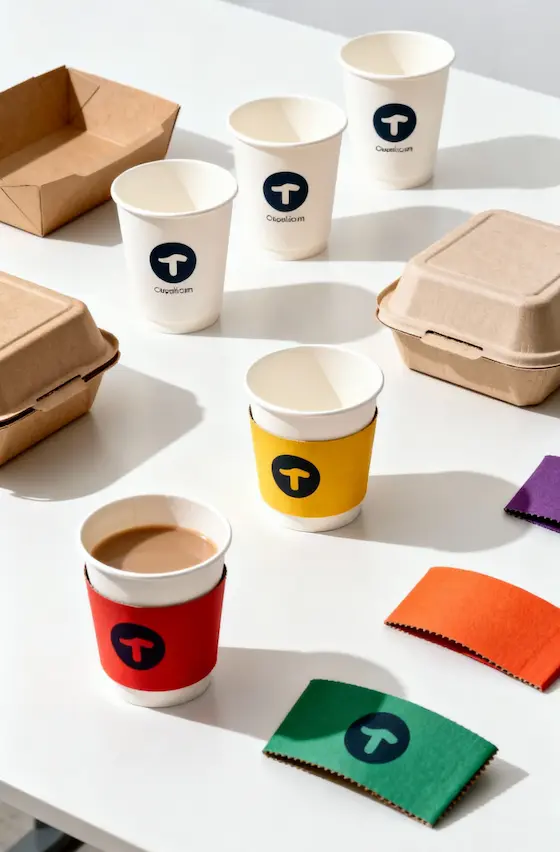
Prêt à créer vos propres gobelets ou emballages en papier ?
Faites-nous part de vos exigences - taille, revêtement, impression et destination - et notre équipe établira un devis détaillé dans les 24 heures.

Dernière mise à jour: mai 2026
Temps de lecture: 8 à 10 minutes
Auteur: Équipe de contenu de Papacko
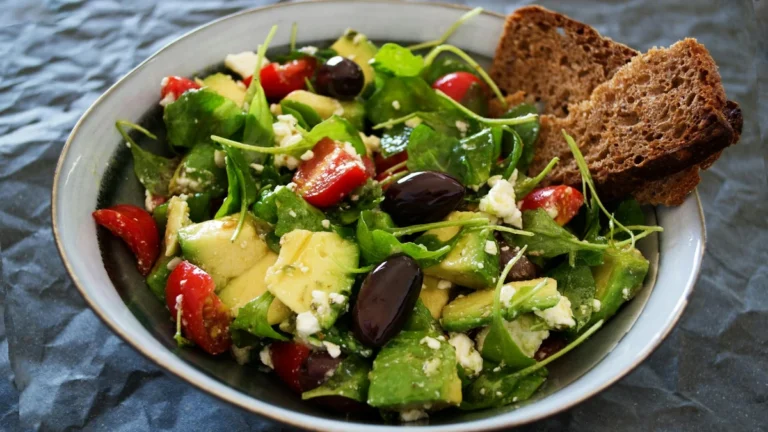
L'emballage des salades est confronté à des défis uniques : les ingrédients flétrissent sous l'effet de la chaleur, les vinaigrettes fuient pendant le transport et la condensation embue les vitrines. Un emballage mal conçu peut transformer une salade de première qualité $12 en un gâchis détrempé, ruinant à la fois le repas et la réputation de votre marque.
Ce guide couvre les exigences essentielles en matière d'emballage des salades : joints de base étanches, technologie des couvercles antibuée, stratégies de ventilation et conceptions adaptées à la présentation. Vous apprendrez à sélectionner des contenants qui conservent la fraîcheur des ingrédients, maintiennent l'attrait visuel pendant la livraison et soutiennent à la fois la logistique de la chaîne du froid et la présentation au détail.
💡 À emporter rapidement: Les emballages efficaces pour salades combinent des matériaux PP ou PET avec des couvercles sécurisés et inviolables, des revêtements anti-buée et des compartiments à sauce en option, avec des tailles de base allant de 500 ml (portions individuelles) à 1 500 ml (portions familiales).
Contrairement aux récipients pour repas chauds, les emballages pour salades doivent :
-Prévenir l'accumulation d'humidité: La condensation des ingrédients froids peut embuer les couvercles et créer des flaques d'eau.
-Maintenir la séparation des ingrédients: Les légumes verts, les protéines, les garnitures et l'assaisonnement doivent être séparés jusqu'à la consommation.
-Prise en charge de l'empilage vertical: Les vitrines et les sacs de livraison doivent pouvoir être empilés sans que leur contenu ne soit écrasé.
-Assurer la visibilité: Les clients achètent avec leurs yeux - des fenêtres claires ou des conceptions entièrement transparentes permettent d'augmenter le taux de conversion.
🎯 Aperçu de l'industrie: Une étude de Harvard sur les services de livraison de repas a révélé que 68% des plaintes relatives à la qualité des salades concernaient des défauts d'emballage (fuites, buée, flétrissement) plutôt que la qualité des ingrédients.
Le choix d'un contenant approprié a un impact direct sur la qualité perçue des aliments.
### Matériel recommandé par cas d'utilisation
Livraison d'un restaurant (30-60 min de trajet):
-PP ou PET avec couvercles à fermeture rapide
-Revêtement anti-buée à l'intérieur du couvercle
-Option de passage au micro-ondes pour les protéines supplémentaires (PP uniquement)
Présentation au détail (caisse froide, durée de conservation de 24 à 48 heures):
-PET cristallin pour une visibilité maximale
-Bandes de scellement inviolables
-Film antibuée haute clarté
Préparation des repas (3-7 jours de réfrigération):
-PP robuste (sans BPA)
-Couvercles hermétiques à verrouillage sur 4 côtés
-Fenêtre d'étiquetage des dates
### Points de contrôle critiques des scellés
✅ Tolérance de planéité de la janteLe système d'étanchéité est conçu de manière à ce qu'il y ait un écart de ≤0,3 mm sur tout le périmètre (pour éviter les fuites dans les coins).
✅ Taux de compression du couvercle8-12% compression du matériau du joint pour assurer l'étanchéité à l'air
✅ Résistance des soudures par ultrasons (pour les récipients scellés) : ≥2,5 kg/cm force de décollement
Méthode d'essai: Remplir le récipient avec de l'eau et du colorant alimentaire, le fermer, l'inverser pendant 30 secondes, puis le placer dans un sac en plastique et l'agiter. Aucune fuite n'est à déplorer, ce qui indique que le joint est bien conçu.
#### Solutions antibrouillard
### Stratégies de ventilation
Respiration contrôlée: Les légumes verts frais continuent de “respirer” après la récolte. Une bonne ventilation prolonge le croquant :
-Motifs de micro-aération: 4-8 petits trous (1-2mm de diamètre) dans le couvercle - réduit l'accumulation d'humidité de 40-60%
-Fenêtres à film respirant: Les sections de film PET perforées au laser permettent l'échange de gaz sans flux d'air important.
-Systèmes à soupapes: Soupapes de décompression unidirectionnelles (coûteuses, utilisées dans le commerce de détail haut de gamme)
Compromis: La ventilation améliore la fraîcheur mais réduit la sécurité contre les fuites. L'équilibre est basé sur le délai de livraison (moins de ventilation pour les trajets courts, plus pour une durée de conservation de plus de 3 jours).
### Considérations sur la forme
Ronde ou rectangulaire:
-Rond: Meilleur accès pour les fourches, 15-20% moins de déchets de matériaux, empilage plus facile
-Rectangulaire25-30% meilleure efficacité de l'espace dans les sacs/ valises, esthétique plus moderne
Stratégie de profondeur:
-Peu profond (50-60mm): Empêche la superposition des ingrédients et préserve la présentation
-Profonde (70-85mm): Convient aux garnitures protéinées, aux ajouts volumineux (croûtons, noix).
Meilleures pratiques: Pour la livraison, utilisez des compartiments intégrés ou attachés. Pour la vente au détail, les gobelets séparés dans des ensembles emballés sous film plastique réduisent le risque de contamination et permettent de contrôler les portions.
❌ Erreur #1: Utilisation de récipients opaques pour la présentation au détail
✅ Approche correcte: Les emballages transparents en PET augmentent les ventes de salades au détail de 35-50%. La visibilité motive les décisions d'achat - les clients ont besoin de voir la fraîcheur des ingrédients et la taille des portions.
❌ Erreur #2: Sur-ventilation des conteneurs pour des délais de livraison courts
✅ Approche correcte: Pour les livraisons de moins de 60 minutes, ne pas utiliser les trous d'aération, car ils augmentent le risque de fuite. Réservez les micro-aérations aux produits de détail ayant une durée de conservation de plus de 24 heures.
❌ Erreur #3: Choisir des conteneurs en se basant uniquement sur le prix
✅ Approche correcte: Un contenant moins cher de $0,10 qui fuit 5% du temps vous coûte $12+ en produits gaspillés et en dommages à la marque par incident. Il est utile de comprendre ce qu'est un emballage durable pour les salades et d'investir dans des modèles de scellés éprouvés.
❌ Erreur #4: Ignorer la compatibilité des températures
✅ Approche correcte: Les récipients en PLA se déforment à partir de 45°C - ils ne conviennent pas pour les compléments protéinés chauds. Utilisez du PP si les clients sont susceptibles de passer du poulet grillé ou du saumon au micro-ondes séparément.
L'emballage des salades fait référence à des récipients alimentaires conçus pour préserver le croquant des ingrédients frais, empêcher l'accumulation d'humidité et assurer un transport sûr et étanche des salades. Ces conteneurs utilisent parfois des matériaux transparents en PP ou en PET avec des couvercles antibuée, des options d'aération et des compartiments optionnels pour la vinaigrette.
Prévenez le détrempage en utilisant des récipients dotés d'une micro-aération (4 à 8 petits trous), d'un revêtement antibuée pour réduire la condensation et de compartiments séparés pour les pansements. Conserver les légumes verts entre 1 et 4 °C et éviter le suremballage - laisser un espace de 15-20% pour la circulation de l'air.
Les récipients de 750 à 1 000 ml conviennent le mieux à la préparation des repas, car ils offrent suffisamment d'espace pour 300 à 500 g d'ingrédients mélangés et de garnitures. Cette taille permet une bonne répartition des ingrédients (les légumes verts sur le dessus, les aliments plus lourds en dessous) et s'adapte aux étagères des réfrigérateurs standard sans perdre de place.
Les récipients en PET (plastique #1) sont largement recyclables dans la plupart des programmes municipaux. Les contenants en PP (#5) ont une disponibilité de recyclage plus limitée. Les contenants en PLA nécessitent des installations de compostage commerciales et ne conviennent pas au compostage domestique. Vérifiez toujours les directives locales en matière de recyclage.
Le PET offre la meilleure clarté pour la présentation au détail, d'excellentes performances à froid et une grande recyclabilité. Le PP offre une résistance supérieure aux fuites et une sécurité au micro-ondes pour les ajouts de protéines chaudes. Le PLA convient aux marques soucieuses de l'environnement, mais sa tolérance à la température est plus faible (45°C maximum).
Les scellés d'inviolabilité utilisent des bandes perforées, des languettes détachables ou des manchons rétractables qui se brisent visiblement à l'ouverture. Ces scellés apportent la preuve visuelle que le contenant n'a pas été ouvert depuis son conditionnement, ce qui est essentiel pour assurer la sécurité alimentaire dans les contextes de vente au détail et de livraison.
Stocker des conteneurs transparents : 1 000 à 5 000 unités. Modèles moulés sur mesure : 50 000-100 000 unités (coût d'outillage élevé). Impression personnalisée sur des conteneurs en stock : 10 000 à 20 000 unités. De nombreux fournisseurs proposent des options “semi-personnalisées” avec des moules en stock et des étiquettes imprimées pour réduire la quantité de pièces à produire.
Pour choisir le bon emballage pour salades, il faut trouver un équilibre entre la prévention des fuites, la fraîcheur des ingrédients, l'attrait visuel et la durabilité. Privilégiez les matériaux transparents en PET ou PP avec des joints d'étanchéité éprouvés, des revêtements de couvercle antibuée pour les applications d'affichage et une ventilation optionnelle pour une durée de conservation prolongée.
Principaux enseignements :
1.Importance des matériaux pour le cas d'utilisation-PET pour la clarté de l'affichage au détail, PP pour la résistance aux fuites lors de la livraison
2.Les revêtements antibuée sont essentiels-La condensation embue 60-80% les couvercles non revêtus dans les 2 heures.
3.Des portions bien dosées-750-1000ml conviennent à 80% des applications individuelles de salade
4.Séparer la vinaigrette jusqu'à la consommation-Les compartiments intégrés empêchent le détrempage et prolongent la durée de conservation de 2 à 3 jours.
5.Tester avant de s'engager-effectuer des essais d'étanchéité de 30 secondes au niveau du radier et des essais de brouillard de 24 heures avec des échantillons
-Emballages alimentaires Conteneurs
-Solutions durables pour la préparation des repas
-Options d'emballage inviolable
Papacko fournit aux restaurants, aux services de préparation de repas et aux détaillants des récipients à salade de haute performance en PET et en PP. Notre gamme comprend des formats de 500 à 1500 ml avec des couvercles antibuée, des scellés d'inviolabilité et des compartiments à vinaigrette en option, avec des quantités minimales de commande à partir de 5 000 pièces.
Prenez contact avec nous :
Dernière mise à jour: mai 2026