Ready to create your own branded paper cups or packaging?
Tell us your requirements — size, coating, printing, and destination — and our team will prepare a detailed quotation within 24 hours.

Last Updated: July 2026
Reading Time: 8-10 minutes
Author: Papacko Content Team
A premium dining experience can be undermined by a napkin that feels rough, tears easily, or leaves lint on dark clothing. In fine dining establishments where average checks reach $75-150 per person, every detail—including napkin quality—contributes to guest perception and willingness to return. Studies show that 34% of fine dining customers notice table setting quality, including napkin texture and presentation.
This guide covers premium paper napkin selection for upscale restaurants: material specifications (ply count, fiber type, GSM weight), texture and softness metrics, absorbency performance, finishing options (embossing, coloring, printing), and presentation techniques. You’ll learn how to balance luxury perception with cost-effectiveness and sustainability considerations.
💡 Quick Takeaway: Premium restaurant napkins require 3-ply construction (minimum 2-ply), 40-50 GSM per layer, 100% virgin fiber or high-quality recycled blends, air-laid or crepe texture for softness, and professional finishing (embossing, edge serration, custom printing) to meet fine dining standards.
### Key Performance Attributes
Softness: Measured by Hand Feel Index (HFI) or Shore hardness
•Budget: HFI 60-70 (noticeable coarseness)
•Premium: HFI 85-95 (comparable to cotton/linen blend)
•Luxury: HFI 95-100 (indistinguishable from cloth at first touch)
Absorbency: Liquid absorption capacity and speed
•Budget: 4-6x dry weight, 8-12 seconds
•Premium: 8-10x dry weight, 3-5 seconds
•Luxury: 10-12x dry weight, 1-3 seconds (instant absorption)
Strength: Wet tensile strength (resistance to tearing when wet)
•Budget: 40-60 g/cm (tears easily when wiping)
•Premium: 100-140 g/cm (maintains integrity through meal)
•Luxury: 150-200 g/cm (can handle vigorous use)
Lint-free performance: Critical for dark clothing and glassware polishing
•Premium napkins use longer fibers with tighter bonding
•Test: Rub vigorously on black fabric—zero white residue = premium grade
🎯 Industry Insight: A 2025 hospitality study found that upgrading from 2-ply to 3-ply napkins increased guest satisfaction scores by 0.4 points (out of 5) in fine dining restaurants—equivalent to a $12 perceived value increase per guest, while actual cost difference was only $0.03-0.05 per napkin.
2-Ply Construction:
•Structure: Two layers bonded together (typically 35-45 GSM each)
•Total weight: 70-90 GSM
•Advantages:
– Lower cost (+25-35% vs 3-ply)
– Adequate for most fine-casual dining
– Better foldability for complex napkin folding
•Limitations:
– Less absorbent (6-8x vs 8-10x for 3-ply)
– Can feel thin to guests accustomed to luxury settings
– Reduced durability with wet foods
Best applications: Upscale casual dining, wine bars, boutique cafes, lunch service in fine dining establishments.
3-Ply Construction:
•Structure: Three independent layers (40-50 GSM each)
•Total weight: 120-150 GSM
•Advantages:
– Superior absorbency (8-10x dry weight)
– Luxurious hand feel and drape
– Excellent strength—won’t tear during use
– Better opacity (no see-through with dark tables)
•Limitations:
– Higher cost (+60-85% vs 2-ply)
– Slightly bulkier storage requirements (+30-40% volume)
Best applications: Fine dining, steakhouses, seafood restaurants (high sauce/moisture), luxury hotels, special events.
4-Ply Luxury (rare, ultra-premium):
•Total weight: 160-200 GSM
•Cost: +120-180% vs 2-ply
•Use case: Michelin-starred restaurants, luxury cruise lines, presidential suites
•Marketing value: Exceptional tactile experience creates memorable brand moments
Point bonding (dot embossing):
•Layers joined at discrete points
•Creates texture and bulk
•Good balance of softness and strength
•Most common in premium napkins
Full lamination:
•Continuous adhesive layer
•Creates thinner, more compact napkin
•Less preferred (feels stiffer)
•Used in budget products
Micro-embossing:
•Thousands of tiny emboss points
•Maximum softness while maintaining ply separation
•Premium/luxury category feature
100% Virgin Fiber — Premium Standard
Source: Northern softwoods (spruce, pine, fir) or eucalyptus for extra softness
Cost: Baseline pricing for premium napkins
Sustainability note: FSC or PEFC certification ensures responsible forestry. Virgin fiber can be more sustainable than low-quality recycled if sourced from well-managed forests.
Premium Recycled Blends (30-50% PCW)
Performance:
•Fiber length: 1.8-2.5mm (shortened through recycling process)
•Brightness: 75-82% ISO (natural off-white to light gray)
•Absorbency: 7-9x dry weight (good, not exceptional)
•Strength: 80-90% of virgin equivalent
Advantages:
•Environmental messaging (appeals to eco-conscious guests)
•Cost savings: -12 to -20% vs 100% virgin
•Natural aesthetic fits rustic/farm-to-table concepts
Limitations:
•Color inconsistency batch-to-batch (±8% brightness variation)
•Slightly rougher texture (requires 3-ply to match 2-ply virgin softness)
•Not suitable for stark white tablecloth settings (color clash)
Best for: Restaurants with strong sustainability branding, natural/organic concepts, casual-fine dining where eco-story matters.
100% Recycled (80-100% PCW) — Eco-Focused
Reality check: Difficult to achieve true premium quality
•Fiber degradation after multiple recycling cycles
•Inconsistent texture and appearance
•Requires specialty processing (enzymatic treatment) to approach virgin softness
•Cost: Often higher than virgin due to processing complexity
Use case: Niche restaurants where maximum sustainability is brand identity, willing to trade some performance for environmental credentials.
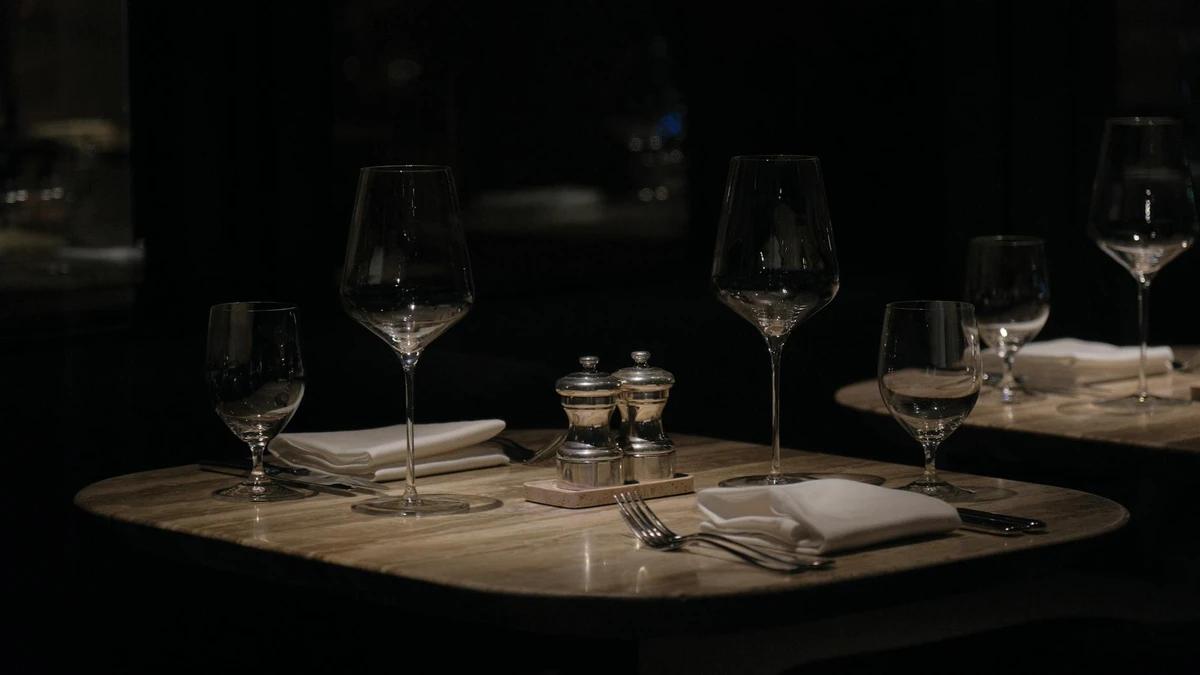
Purpose: Adds bulk, texture, and visual appeal
Linen-embossed napkins: Mimic fabric texture
•Cross-hatch or weave pattern
•Premium positioning (perceived as “almost cloth”)
•Cost: +15-25% vs standard embossing
•Popular in hotels and luxury dining
Serrated/Scalloped edges:
•Decorative edge cutting
•Adds refinement to presentation
•Cost: +$0.004-0.008 per napkin
•Common in 3-ply premium napkins
Straight die-cut edges:
•Clean, modern look
•Precision cutting prevents fraying
•Standard in most premium products
Perforated fold lines:
•Facilitates clean, crisp folding
•Used in specialized presentation napkins
•Rare (custom orders)
Solid colored napkins:
Considerations:
•Darker colors show food stains less but may transfer dye to light clothing if low-quality
•White remains preferred in fine dining (conveys cleanliness, classic elegance)
Custom printing:
1-color logo/text:
•Flexographic or offset printing
•MOQ: 50,000-100,000 napkins
•Cost: +$0.015-0.030 per napkin + $800-1,500 plate setup
•Best for: Restaurant branding, special events
Full-color designs:
•Digital or rotogravure printing
•MOQ: 100,000-250,000 napkins
•Cost: +$0.035-0.070 per napkin + $2,000-4,000 setup
•Best for: Hotels with distinct branding, themed restaurants
Edge band printing:
•Decorative border or single-color logo on edge
•Lower cost than full-surface printing
•Elegant, understated branding
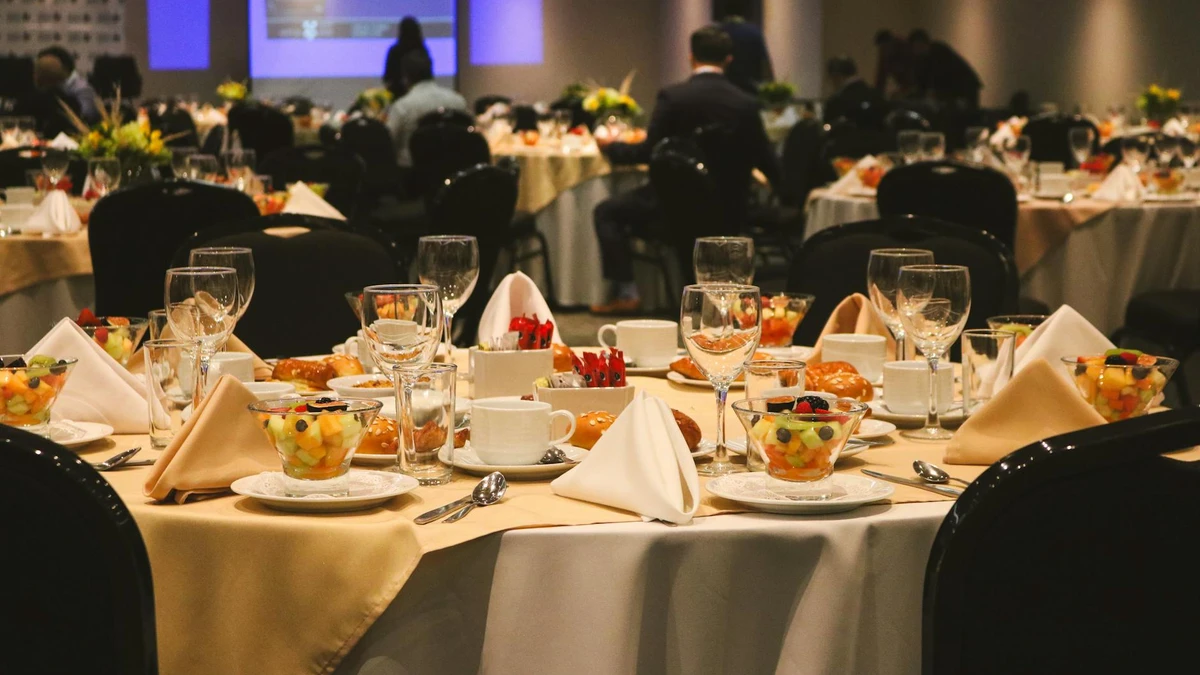
### Presentation Folds
Classic rectangle fold (most common):
•Simple, professional
•Shows logo/print if positioned correctly
•Fast for high-volume service
Triangle/diagonal fold:
•Elegant, clean lines
•Good for modern plating
•Fits well in narrow table settings
Pocket fold:
•Creates space for utensils/menu cards
•Popular in casual-fine dining
•Requires training for consistency
Decorative folds (fan, rose, swan, etc.):
•High visual impact
•Labor-intensive (2-5 minutes per napkin)
•Reserved for special occasions, premium tasting menus
•Requires 3-ply minimum for structure retention
Pre-folded napkins:
•Available from suppliers (pocket, triangle)
•Time-saving for busy restaurants
•Cost: +30-50% vs unfolded
•Trade-off: Less flexibility in presentation
FSC/PEFC certified virgin fiber:
•Maintains premium quality while ensuring responsible sourcing
•82% of fine dining guests recognize and value FSC certification
•Cost impact: Minimal (+2-5% vs non-certified)
•Marketing advantage: Supports “luxury with conscience” positioning
Compostable/biodegradable napkins:
•All paper napkins are biodegradable (unlike plastic-lined products)
•Break down in 30-90 days in commercial composting
•Premium napkins often unbleached or oxygen-bleached (chlorine-free)
Recycled content premium napkins:
•30-50% PCW blends offer good balance
•Requires 3-ply to match 2-ply virgin softness
•Natural ivory/cream color fits organic/farm-to-table concepts
•Environmental story enhances brand narrative
Right-sizing napkin deployment:
•Luncheon (33×33cm) for lunch service saves 30% vs dinner size
•Cocktail napkins for bar/lounge reduces waste
•Average savings: $1,200-2,400 annually for 100-seat restaurant
Napkin rings/holders:
•Prevents over-dispensing in casual areas
•Reduces waste by 15-25% vs open dispensers
Staff training:
•One napkin per guest per course (not automatic replacement)
•Reduces unnecessary usage by 20-30%
For 100-seat fine dining restaurant (assuming 200 covers/day, 300 days/year):
Per-guest cost impact:
•Budget to Premium: +$0.053 per cover
•On a $100 check, premium napkin adds 0.05% to COGS
Value proposition: For a $5,880/year investment in luxury napkins, a fine dining restaurant enhances perceived value for 60,000 annual guests—less than $0.10 per guest for measurable quality improvement.
Guest retention value:
•2-5% improvement in return visit rate from enhanced details
•For restaurant with $2.5M annual revenue, 2% improvement = $50,000 added revenue
•Napkin upgrade cost: $3,000-6,000
•ROI: 8-17x
Premium positioning:
•Quality details justify higher menu pricing
•Restaurants with comprehensive quality focus (including napkins) command 12-20% higher average checks
❌ Mistake #1: Choosing 2-ply napkins for white-tablecloth fine dining to save costs
✅ Correct Approach: 3-ply is minimum for true fine dining perception. The $0.03-0.05 additional cost per guest is imperceptible in overall COGS but noticeable in guest experience. Budget cuts elsewhere.
❌ Mistake #2: Selecting 100% recycled napkins without considering color consistency
✅ Correct Approach: Recycled content causes batch-to-batch color variation (±8% brightness). If brand requires stark white, use FSC-certified virgin fiber. If natural tones work, 30-50% recycled offers good balance.
❌ Mistake #3: Ordering custom-printed napkins without testing print quality on actual product
✅ Correct Approach: Request printed samples before committing to 100,000+ unit MOQ. Check ink saturation, color accuracy, and print durability through wash tests. Poor printing undermines premium positioning.
❌ Mistake #4: Using oversized (45×45cm) napkins for all services
✅ Correct Approach: Right-size for occasion—33×33cm for lunch, 40×40cm for dinner. Oversized napkins increase cost 30-40% and waste 25% more material. Reserve for luxury tasting menus only.
Premium paper napkins are high-quality disposable napkins featuring 3-ply construction (120-150 GSM total weight), 100% virgin fiber or premium recycled blends, soft embossed textures, superior absorbency (8-10x dry weight), and professional finishing suitable for fine dining, upscale restaurants, and luxury hospitality.
2-ply napkins have two layers (70-90 GSM total) offering adequate performance for casual-fine dining at lower cost. 3-ply napkins have three layers (120-150 GSM) providing superior softness, absorbency (8-10x vs 6-8x), strength, and luxury hand feel—essential for true fine dining standards. Cost difference: 3-ply costs 60-85% more than 2-ply.
Premium 3-ply napkins cost $0.045-0.095 per napkin for dinner size (40×40cm), vs $0.008-0.015 for budget 1-ply. For a 100-seat restaurant serving 200 covers daily, annual cost = $3,900-6,600 for premium vs $720 for budget—adding ~$0.05-0.10 per guest.
30-50% recycled blends can achieve near-premium quality when using 3-ply construction, but 100% recycled struggles to match virgin fiber softness and brightness. Virgin fiber napkins remain preferred for white-tablecloth dining (brilliant white, consistent texture). Recycled works well for restaurants with sustainability branding and natural/organic concepts.
Dinner service: 40×40cm (16×16″) is standard for fine dining. Lunch service: 33×33cm (13×13″) is adequate and cost-effective. Luxury dining/tasting menus: 45×45cm (18×18″) for extra coverage and premium perception. Bar/lounge: 25×25cm (10×10″) cocktail napkins.
Yes, via flexographic (1-color, simple logos) or rotogravure printing (full-color designs). MOQ: 50,000-250,000 napkins. Cost: +$0.015-0.070 per napkin plus $800-4,000 setup fees. Edge-band printing offers elegant, lower-cost branding alternative. Request printed samples before large orders.
Softness comes from: long virgin fibers (2.5-3.5mm), 3-ply construction with air pockets between layers, crepe or micro-embossing texture, and quality bonding. Absorbency requires: high fiber surface area, rapid capillary action (3-5 seconds), and 8-10x dry weight capacity. Premium napkins optimize both through material selection and manufacturing process.
Selecting premium paper napkins for fine dining requires balancing quality perception, performance, and cost. Prioritize 3-ply construction with 120-150 GSM total weight, 100% virgin fiber (or 30-50% premium recycled blends), deep embossing for softness, and appropriate sizing (40×40cm dinner, 33×33cm lunch).
Key Takeaways:
1.3-ply minimum for fine dining—Superior hand feel, absorbency, and strength justify cost
2.Virgin fiber delivers consistency—Brightness, texture uniformity critical for white-tablecloth settings
3.Right-size saves 20-30%—Use lunch napkins for lunch service, dinner napkins for dinner
4.Custom printing requires scale—MOQ 50,000-250,000; test samples before committing
5.Per-guest cost is minimal—$0.05-0.10 additional for premium vs budget adds measurable perceived value
•Restaurant Tabletop Essentials
•Sustainable Hospitality Solutions
Papacko supplies fine dining restaurants, hotels, and luxury hospitality with premium 2-ply and 3-ply napkins in 100% virgin fiber and FSC-certified recycled blends. Our range includes linen-embossed textures, custom printing capabilities, sizes from cocktail (25×25cm) to oversized (45×45cm)—with MOQs starting from 10,000 units and comprehensive customization support.
Premium napkin sourcing usually sits inside a larger presentation decision: texture, embossing, recycled-content claims, and how the rest of the coffee-service set feels in hand. These related pages continue that evaluation path.
Get in touch: