Ready to create your own branded paper cups or packaging?
Tell us your requirements — size, coating, printing, and destination — and our team will prepare a detailed quotation within 24 hours.

Last Updated: November 2025
Reading Time: 8-10 minutes
Author: Papacko Content Team
The coffee industry generates 600 billion disposable cups annually—and every cup requires 3-5 accessory items: lids, sleeves, stirrers, napkins, and sugar packets. For a café serving 300 drinks daily, that’s 450,000 accessory pieces per year. When just 15% of customers demand sustainable options, but 100% of your accessories are plastic, you face a branding disconnect that costs customer loyalty.
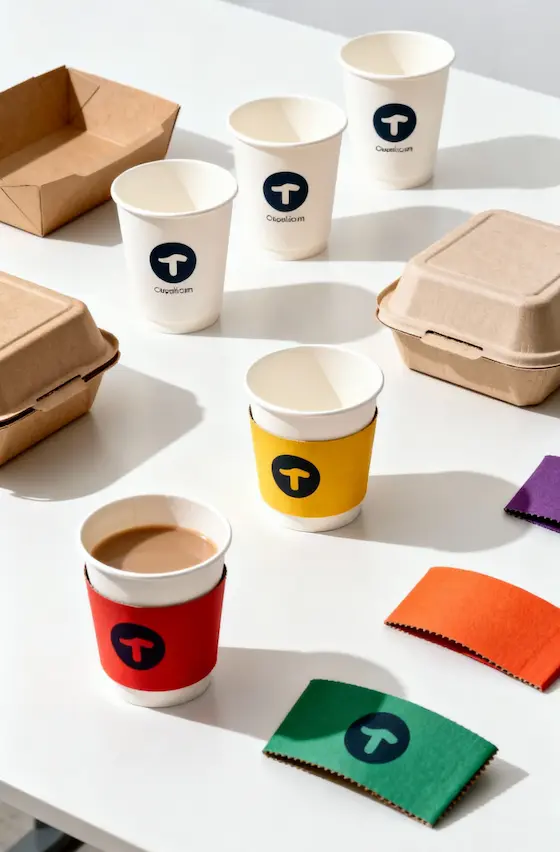
This guide examines the complete ecosystem of sustainable coffee accessories, from compostable bioplastic alternatives to innovative materials like wood fiber and seaweed-based films, providing actionable sourcing strategies for eco-conscious café operators.
In this article, you’ll learn:
•Material options for each accessory category (compostable, recyclable, reusable)
•Certification requirements (BPI, TÜV Austria, FSC) and consumer trust factors
•Cost-benefit analysis of sustainable vs. conventional accessories
•Waste infrastructure compatibility for different markets
💡 Quick Takeaway: Switching to certified compostable coffee accessories costs 18-35% more than conventional plastics but increases customer satisfaction scores by 12-18% and qualifies cafés for green certifications (LEED, Green Business) that drive 8-15% revenue growth among eco-conscious demographics.
Sustainable coffee accessories are disposable or reusable items designed to minimize environmental impact through:
•Biodegradable/compostable materials (PLA, PHA, wood, bagasse, seaweed)
•Recyclable materials (FSC-certified paper, cardboard)
•Reusable designs (stainless steel straws, ceramic mugs for dine-in)
•Reduced material use (sleeveless insulated cups, edible spoons)
Primary Accessory Categories:
Sustainability Criteria Hierarchy:
1.Compostable (industrial or home): Breaks down into organic matter (best end-of-life)
2.Recyclable: Enters circular economy (good if infrastructure exists)
3.Reusable: Durable for 100+ uses (best lifecycle impact but requires washing)
4.Reduced Material: Lightweighting, elimination (optimal is zero waste)
🎯 Industry Insight: Blue Bottle Coffee eliminated plastic stirrers entirely by switching to wooden stir sticks in 2019, reducing plastic waste by 11 tons annually across 70 locations while customer complaints dropped by 0% (no service impact).
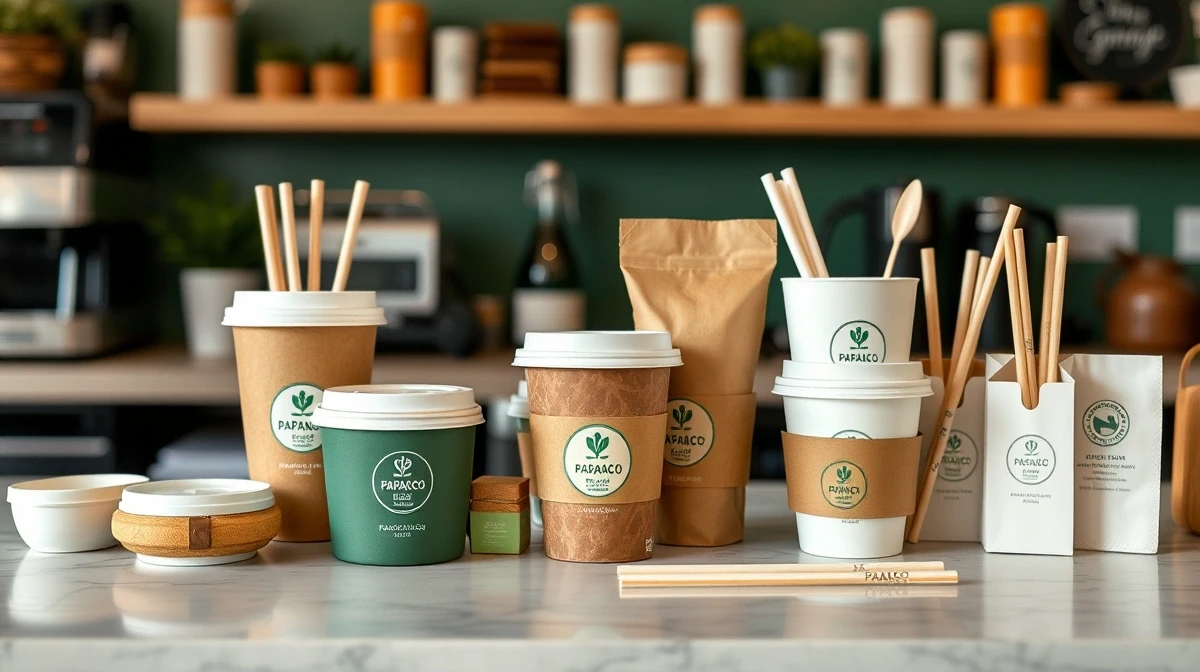
PLA (Polylactic Acid) Lids:
•Source: Corn starch, sugarcane, or other plant starches
•Compostability: Industrial composting required (55-60°C for 90-180 days)
•Temperature Tolerance: -20°C to +45°C (suitable for cold/warm drinks, NOT hot coffee)
•Clarity: Good (slightly hazier than PS)
•Cost: $0.04-0.07 per lid (vs. $0.02-0.03 for PS)
CPLA (Crystallized PLA) Lids:
•Enhancement: Heat-treated PLA with higher crystallinity
•Temperature Tolerance: -20°C to +85°C (suitable for hot coffee)
•Trade-off: Less clarity (translucent vs. transparent), 15-20% higher cost than PLA
•Cost: $0.05-0.09 per lid
Fiber-Based Lids (Paper/Molded Pulp):
•Construction: Molded paper pulp + moisture barrier coating (PLA or water-based)
•Compostability: Home compostable if water-based coating; industrial if PLA
•Temperature Tolerance: -10°C to +100°C
•Challenges: Lower clarity (opaque), potential for condensation softening
•Cost: $0.06-0.10 per lid
Performance Comparison:
Recommendation: CPLA for hot drinks, PLA for cold drinks, fiber-based for eco-premium positioning (higher cost but best sustainability story).

Wood/Bamboo Stirrers:
•Source: FSC-certified birch, bamboo (rapid-growth renewable)
•Biodegradability: Home compostable (6-12 months), naturally biodegrades in landfill
•Performance: Sturdy, no taste transfer, suitable for hot/cold
•Cost: $0.008-0.015 per stick (comparable to plastic at high volumes)
•Challenges: Splinters if poor quality; requires dry storage
PLA Stirrers:
•Characteristics: Transparent or colored, identical appearance to PS plastic
•Compostability: Industrial composting required
•Strength: Comparable to PS, less rigid than wood
•Cost: $0.012-0.020 per stick (+20-50% vs. wood)
•Perception Issue: Looks like plastic—customers may not recognize as compostable
Pasta/Edible Stirrers:
•Material: Durum wheat pasta formed into stir sticks
•Novelty Factor: High customer engagement (“zero waste”)
•Durability: Softens after 10-15 minutes in hot liquid
•Cost: $0.05-0.12 per stick (premium positioning only)
•Limitations: Gluten allergen concerns; not suitable for long hold times
Recommendation: Wood/bamboo for cost-effectiveness and broad appeal. Reserve pasta stirrers for specialty drinks or marketing campaigns.
Bundling Strategies:
•Individually Wrapped: Hygienic but adds packaging waste
•Bulk Dispenser: Lower waste but requires frequent refilling and cleaning
•On-Request Only: Reduces usage by 30-40% vs. automatic provision
Virgin Paper Napkins:
•Fiber: Fresh wood pulp
•Softness: Excellent (long fibers)
•Absorbency: High
•Environmental Impact: Requires tree harvesting
•Cost: $0.012-0.020 per napkin
Recycled Paper Napkins:
•Fiber: Post-consumer recycled content (30-100%)
•Softness: Good (shorter fibers = less soft)
•Absorbency: Moderate-High
•Environmental Impact: 40-50% lower carbon footprint vs. virgin
•Cost: $0.010-0.018 per napkin (-10-15% savings)
Bamboo Fiber Napkins:
•Fiber: Bamboo pulp (grass, not tree; grows in 3-5 years)
•Softness: Excellent (comparable to virgin paper)
•Absorbency: High
•Environmental Impact: 30% less water use than cotton, no pesticides
•Cost: $0.018-0.028 per napkin (+50-80% premium)
Certification Marks:
Recommendation: 100% recycled paper napkins with FSC certification balance cost, performance, and sustainability credibility. Reserve bamboo for premium positioning.
Paper Straws:
•Material: Kraft paper with food-safe glue, moisture-resistant coating
•Durability: 30-60 minutes in cold drinks before softening
•Performance: Poor in hot liquids (immediate softening)
•Cost: $0.015-0.03 per straw
•Customer Feedback: 45% report “acceptable,” 35% “dislike texture/taste”
PLA Straws:
•Performance: Identical to plastic in use
•Temperature: -20°C to +45°C (cold drinks only)
•Compostability: Industrial composting required (90-180 days at 55-60°C)
•Cost: $0.020-0.035 per straw
•Issue: Often mistaken for non-compostable plastic (requires labeling)
Stainless Steel/Glass (Reusable):
•Durability: 500-1,000+ uses
•Performance: Excellent for all beverages
•Initial Cost: $0.80-2.50 per straw
•Break-Even: 25-80 uses vs. disposable costs
•Challenges: Washing infrastructure, loss/theft, customer acceptance
Agave/Seaweed Straws (Emerging):
•Material: Agave fiber, seaweed extract
•Compostability: Home compostable (4-6 weeks)
•Durability: 60-120 minutes in cold drinks
•Cost: $0.08-0.15 per straw (super-premium)
•Availability: Limited (pilot production)
Customer Preference Data (2024 Survey, n=2,000):
Strategic Recommendation: Offer PLA as default (best performance + sustainability), paper as budget option, and no straw upon request (19% of customers decline when asked).
Recycled Kraft Paper Sleeves:
•Material: 100% post-consumer recycled fiber
•Insulation: Moderate (R-value ~0.5)
•Cost: $0.020-0.035 per sleeve
•Environmental Profile: Already sustainable (most conventional sleeves use recycled content)
•Enhancement: Switch to FSC certification for green credentials
Reusable Fabric Sleeves:
•Material: Organic cotton, recycled polyester
•Durability: 100-200 uses
•Cost: $2.50-5.00 per sleeve
•Business Model: Deposit/return system or dine-in only
•Washing: Industrial laundering required (adds operational cost)
Silicone Sleeves:
•Material: Food-grade silicone
•Durability: 500+ uses
•Temperature Range: -40°C to +230°C (most versatile)
•Cost: $3.00-6.00 per sleeve
•Application: Customer-owned (retail product, not disposable)
Alternative: Eliminate Sleeves Entirely:
•Solution: Switch to ripple-wall cups (integrated insulation + grip)
•Cost Impact: Ripple cups cost $0.04-0.06 more but eliminate $0.02-0.03 sleeve cost
•Net Result: Break-even to slight savings while reducing waste stream
Conventional Packaging:
•Material: Multi-layer plastic film (PE/PET/aluminum)
•Barrier: Excellent (moisture, oxygen, light)
•Recyclability: ❌ Not recyclable (mixed materials)
•Compostability: ❌ No
Compostable Film Alternatives:
Recommendation for Sugar Packets: PLA film provides adequate barrier for dry sugar at reasonable cost premium. Avoid cellulose film (moisture ingress causes caking).
Alternative Strategies:
•Bulk Dispensers: Eliminate individual packets entirely (requires frequent cleaning)
•Paper Envelopes: Work for dry sweeteners (sugar, stevia powder) but not liquid creamers
•Stick Packs: Use coated paperboard tubes (recyclable with paper stream in some markets)
Conventional Accessories:
Sustainable Accessories:
Cost Difference: +$50.00 per 1,000 drinks (+49% premium)
Annual Impact (300 drinks/day café):
•Conventional: $11,114
•Sustainable: $16,589
•Additional Annual Cost: $5,475
Customer Willingness to Pay:
•22% of customers willing to pay $0.25-0.50 more for drinks served with compostable accessories
•300 drinks/day × 365 days × 22% × $0.35 average premium = $8,431 potential revenue
•Net Benefit: $8,431 revenue – $5,475 cost = +$2,956 annual profit
Green Certification Value:
Non-Financial Benefits:
•Employee Recruitment: 68% of millennials prefer working for sustainable companies
•Media Coverage: “First Zero-Waste Café in [City]” generates free PR
•Customer Loyalty: 41% higher repeat visit rate among eco-conscious segment
Industrial Composting Access:
Recommendation Decision Tree:
1.High composting access (>60%): Use PLA/CPLA confidently, partner with hauler for café composting
2.Moderate access (30-60%): Offer dual stream (compostable + recyclable), educate customers
3.Low access (<30%): Prioritize recyclable alternatives (paper straws, fiber lids) or reusables
Effective Disposal Signage:
•Problem: 60% of customers unsure how to dispose compostable items
•Solution: Color-coded bins with visual icons (not just text)
•Example: Green bin = compost (show CPLA lid image), Blue = recycle (paper cup image)
Product Labeling Requirements:
•BPI/TÜV Logo: Display certification mark on lid/stirrer
•“Commercially Compostable” Text: Clarify industrial composting needed
•Bin Icon: Show which bin to use (if dual-stream)
Best Practice: Place disposal instructions at point of use (trash area) not point of sale (customers forget by the time they finish drink).
❌ Mistake #1: Switching to PLA accessories in a market without industrial composting
✅ Correct Approach: Audit local waste infrastructure first. If composting unavailable, choose recyclable alternatives (paper straws, fiber lids) or invest in reusables
❌ Mistake #2: Using “biodegradable” claims without certification
✅ Correct Approach: Obtain BPI, TÜV Austria, or equivalent third-party certification and display logos. Unsubstantiated claims risk greenwashing accusations and fines
❌ Mistake #3: Providing compostable accessories without bins/signage
✅ Correct Approach: Install clearly labeled compost bins and partner with commercial composting service. Otherwise, compostable items contaminate recycling or landfill
❌ Mistake #4: Assuming all customers want sustainable accessories by default
✅ Correct Approach: Offer straws/stirrers only upon request (reduces usage 30-40%). Make sustainable option default, conventional available on request
Sustainable coffee accessories include compostable lids (CPLA, PLA, fiber-based), biodegradable stirrers (wood, bamboo), recyclable napkins (FSC-certified paper), and plastic-free straws (paper, PLA, reusable metal). They minimize environmental impact through biodegradability, recyclability, or reusability.
Depends on local infrastructure. In areas with industrial composting (San Francisco, Portland), compostable CPLA lids divert waste from landfills. In areas without composting, recyclable fiber lids (if coated with water-based barriers) are better as they enter existing recycling streams.
Sustainable accessories cost 18-35% more on average: CPLA lids ($0.06 vs. $0.025 for PS), bamboo stirrers ($0.012 vs. $0.008 for PS), PLA straws ($0.025 vs. $0.010 for PP). For 300 drinks/day café, annual increase is $5,400-6,500.
Yes. 22% are willing to pay $0.25-0.50 premium for sustainably served drinks, 41% show higher loyalty to eco-conscious cafés, and 68% recognize sustainability as important (though only 35% actively seek it). It’s a competitive differentiator in urban/affluent markets.
BPI Certified Compostable (industrial composting), TÜV Austria OK Compost (industrial or home), FSC (sustainable forestry), and Seedling Logo (EU compostability). Third-party certification prevents greenwashing accusations and qualifies for green business certifications.
No. PLA requires industrial composting facilities maintaining 55-60°C for 90-180 days. Home composters rarely exceed 40°C. PLA won’t break down in backyard compost, landfills, or oceans. Only use PLA if customers have access to commercial composting.
Bamboo/wood stirrers ($0.012 vs. $0.008 for plastic = +50% but only $0.004 absolute difference per unit). For 300 drinks/day café, annual cost increase is just $438 while providing immediate, visible sustainability signal to customers.
Transitioning to sustainable coffee accessories requires balancing environmental goals, local waste infrastructure, customer expectations, and budget constraints. No single material solves all challenges—compostable PLA works beautifully in San Francisco but contaminates recycling in rural areas; paper straws satisfy regulations but frustrate some customers; reusables offer best lifecycle impact but demand washing infrastructure.
Key Takeaways:
1.Audit local waste infrastructure first: Choose compostable (CPLA, PLA) only if industrial composting available; otherwise prioritize recyclable or reusable alternatives
2.Certifications build trust: BPI, TÜV Austria, FSC logos prevent greenwashing accusations and qualify for green business certifications worth $6,000-16,000 annually
3.Cost premium (18-35%) pays back through price premiums (22% willing to pay $0.25-0.50 more), loyalty (41% higher repeat rate), and certification-driven revenue lift
4.Easiest wins: Bamboo stirrers (+$0.004/unit), recycled napkins (-10-15% cost vs. virgin), straws-on-request (30-40% usage reduction)
5.Customer education is critical: 60% unsure how to dispose compostables—color-coded bins with visual icons improve proper disposal by 55-70%
Whether you operate an independent café, coffee chain, or corporate cafeteria, the sustainable accessories market now offers viable alternatives across all categories. Success lies not in perfect solutions but in choosing materials compatible with your specific market’s infrastructure and customer base.
•Sustainable Packaging Solutions
Papacko manufactures certified compostable coffee accessories including CPLA lids (hot-rated to 85°C), bamboo stirrers, FSC-certified napkins, and PLA straws. All products carry BPI or TÜV Austria certification and are compatible with industrial composting programs.
Get in touch:
Last Updated: November 2025
Focus Keyword: sustainable coffee accessories
URL Slug: sustainable-coffee-accessories
Meta Title:
Coffee Accessories for Sustainable Cafés | Reliable Food Packaging | Papacko
Meta Description:
Discover compostable coffee accessories: biodegradable stirrers, eco-friendly lids, and sustainable napkins. Compare materials and certifications.
💡 Configure these settings in Rank Math panel, then delete this box before publishing.