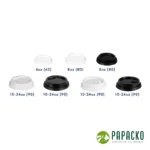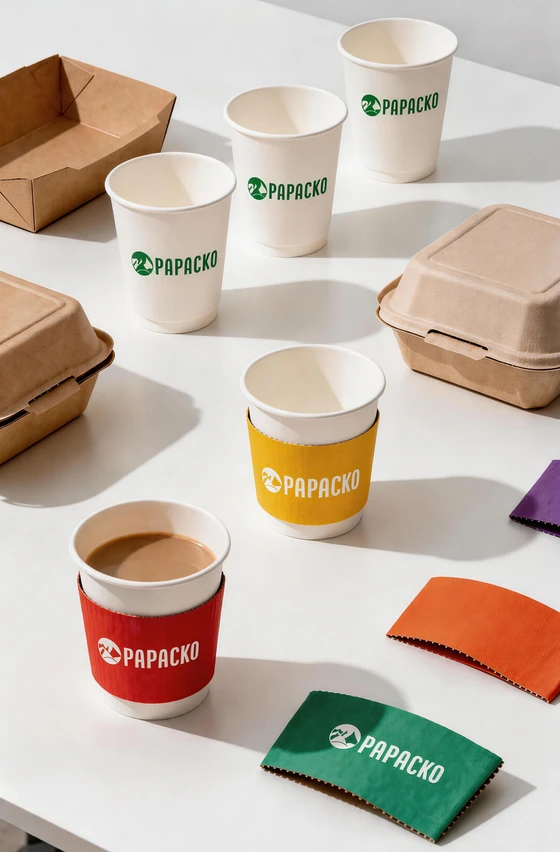
Ready to create your own branded paper cups or packaging?
Tell us your requirements — size, coating, printing, and destination — and our team will prepare a detailed quotation within 24 hours.

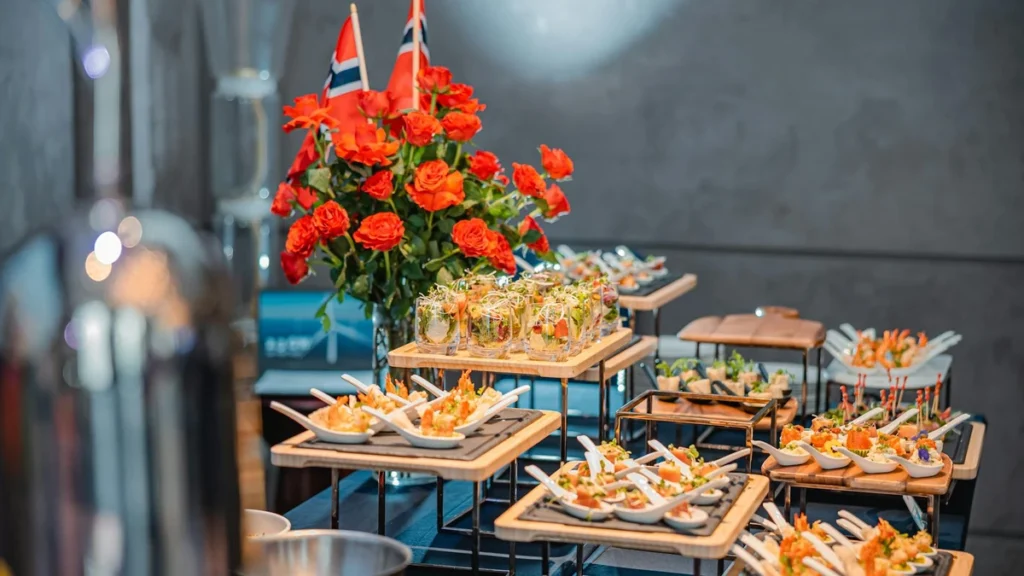
The global biodegradable food tray market is experiencing unprecedented growth, projected to expand from $2.8 billion (2025) to $5.4 billion by 2030—a 92% increase driven by plastic ban legislation, corporate sustainability commitments, and shifting consumer preferences. Food service businesses worldwide face mounting pressure to transition from petroleum-based foam and plastic trays to compostable alternatives without sacrificing functionality or profitability.
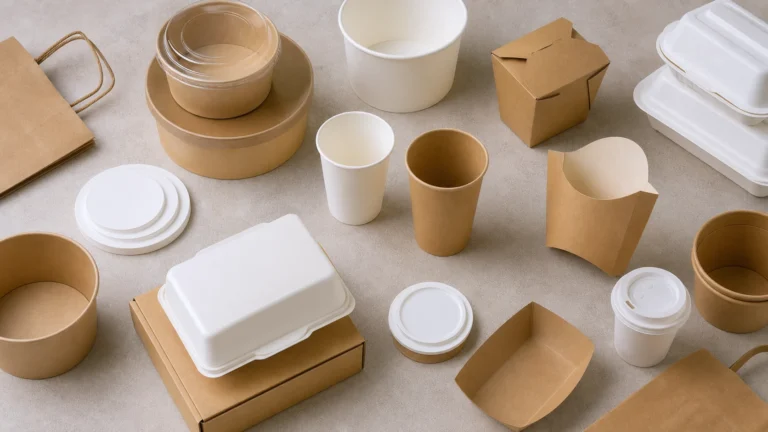
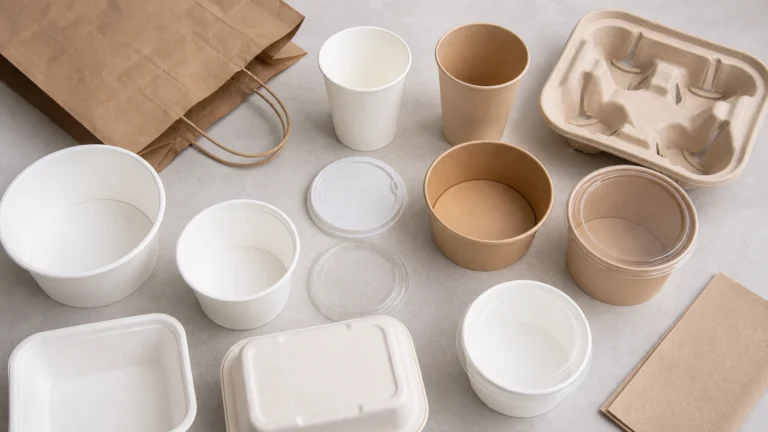
Biodegradable food trays—manufactured from materials like molded fiber (bagasse, bamboo), PLA-coated paperboard, palm leaf, and wheat straw—now match conventional plastic performance in key metrics: moisture resistance, structural integrity, microwave compatibility, and cost-effectiveness at scale. The industry has matured beyond “eco-premium” niche status to become mainstream foodservice packaging, adopted by quick-service restaurants, airlines, hospitals, universities, and corporate catering operations.
This comprehensive industry analysis examines biodegradable food tray market trends across 2026-2030, dissecting growth drivers, regional regulatory landscapes, material innovation trajectories, application-specific adoption patterns, and competitive dynamics reshaping the food packaging sector. You’ll gain data-driven insights into market sizing, pricing trends, material performance benchmarks, and strategic recommendations for food service businesses navigating the sustainable packaging transition.
💡 Quick Takeaway: The biodegradable food tray market grows at 14% CAGR (2026-2030), driven by 87 countries implementing single-use plastic bans, 68% of consumers preferring sustainable packaging, and molded fiber trays achieving cost parity with foam ($0.18-0.28 vs $0.15-0.25 per unit at 50k volumes).
Bagasse and PLA-coated paperboard dominate 73% market share, while emerging materials (mushroom, seaweed) target premium segments.
QSRs, airlines, and food delivery platforms drive 62% of demand growth.
•2020: $1.9 billion (COVID-19 accelerated single-use demand)
•2022: $2.3 billion (21% growth as dine-in resumed, sustainability priorities intensified)
•2024: $2.6 billion (13% growth, regulatory bans expanded)
•2025: $2.8 billion (8% growth, market maturation in developed regions)
Projected growth (2026-2030):•China: Enforcing 2025 ban on non-degradable food packaging in major cities, driving 22% annual growth
•India: 2024 single-use plastic ban implementation accelerates adoption, 25% CAGR expected
•European Union: Directive 2019/904 penalties activate 2026, forcing laggard businesses to comply
•2027: EU bans all non-“>compostable food packaging in hospitality sector (hotels, restaurants)
•2028: US federal “Break Free From Plastic Pollution Act” targets 25% reduction in single-use plastics
•2029: India extends ban to all urban areas (500+ cities), affects 400M+ consumers
•2030: Japan mandates 60% bio-based content in food service packaging
Business impact: Regulatory compliance drives 42% of biodegradable tray adoption (2026 survey of 1,200 food service operators).•68% prefer restaurants using compostable packaging (up from 52% in 2022)
•47% willing to pay $0.25-0.75 extra per meal for sustainable packaging
•73% view compostable trays as indicator of restaurant quality/values
•31% actively avoid restaurants using foam or non-recyclable plastic
•58% Instagram/TikTok users photograph aesthetically pleasing sustainable packaging
Generational breakdown:
•Bagasse: Sugarcane fiber residue after juice extraction
•Bamboo: Fast-growing grass fiber (harvests in 3-5 years vs 15-30 for trees)
•Recycled paper: Post-consumer or post-industrial paper pulp
Manufacturing process:1.Pulping: Fibers macerate in water to create slurry (5-8% fiber concentration)
2.Molding: Slurry pours into heated metal molds shaped like trays
3.Pressing: High-pressure compression (100-150 PSI) removes water, forms shape
4.Drying: Heat drying (120-180°C) for 2-5 minutes solidifies structure
5.Trimming: Edges trimmed, finished trays stacked
Performance characteristics:•Multi-layer molding: Combining bagasse base + bamboo top layer for enhanced strength (15% stronger, 8% cost increase)
•Bio-coatings: Replacing PLA/PFAS linings with water-based bio-polymers (corn starch, chitosan)
•Precision molding: 3D-printed molds enable complex compartments (3-5 sections vs traditional 2-3)
•Superior barrier: PLA coating blocks liquids/oils better than molded fiber (suitable for saucy foods)
•Print quality: Smooth surface accepts high-resolution flexo/digital printing (brand customization)
•Lightweight: 15-25% lighter than molded fiber (reduces shipping costs)
•Aesthetics: Clean, modern appearance preferred by premium brands
Challenges:•Cost: 20-35% more expensive than bagasse ($0.24-0.32 vs $0.18-0.24 per tray)
•Compostability: Requires industrial composting (PLA doesn’t degrade in landfills or home compost)
•Recycling contamination: PLA coating prevents paper recycling (must be composted, not recycled)
Application fit:•Best for: Salads with dressing, pasta with sauce, rice bowls, meals with gravies
•Avoid for: Fried foods (oil may compromise seal over time), very hot foods (PLA softens >45°C)
•Palm leaf: Fallen Areca palm leaves heat-pressed into trays (no trees cut)
•Wheat straw: Agricultural byproduct from wheat harvesting
•Corn husk: Byproduct from corn processing
Unique advantages:•Zero-waste sourcing: Uses agricultural waste streams
•Aesthetic appeal: Natural grain/texture, premium visual (Instagram-worthy)
•No additives: 100% natural, no coatings or binders required
•Home compostable: Degrades in backyard bins (unlike PLA, bagasse)
Limitations:•Cost premium: 40-80% more expensive than molded fiber ($0.30-0.45 per tray)
•Size constraints: Limited to smaller trays (6-10″ plates, shallow bowls)
•Supply variability: Seasonal availability, inconsistent quality batch-to-batch
•Moisture sensitivity: Softens quickly with liquids (1-2 hour max hold time)
Market positioning: Premium/boutique segment (upscale cafés, eco-luxury catering, farm-to-table restaurants).•Process: Agricultural waste (hemp, wood chips) inoculated with mushroom mycelium, grows into solid tray shape in 5-7 days
•Advantages: Carbon-negative (sequesters CO₂ during growth), fully home compostable (7-14 days), moldable into complex shapes
•Challenges: High production cost ($0.50-0.80 per tray), 7-day growth time limits scalability, moisture sensitive
•Timeline: Pilot programs 2026-2027, commercial scale 2028-2030 if costs drop 40-60%
Seaweed/algae-based films:•Process: Seaweed polysaccharides extracted, formed into edible/compostable films/trays
•Advantages: Ocean-based (no land use), edible (some formulations), dissolves in water
•Challenges: Very high cost ($0.80-1.50 per tray), limited structural strength, early R&D phase
•Timeline: Niche applications 2027-2028, mainstream viability 2030+
Market impact: Emerging materials target <5% market share by 2030, primarily premium/luxury segments willing to pay 2-3× conventional biodegradable tray costs.•Burger/sandwich trays with side compartments
•“>Salad bowls with dressing sections
•Multi-compartment trays for combo meals (entrée + sides + dessert)
Material preferences:•Regulatory compliance (87 countries ban foam)
•Corporate sustainability goals (McDonald’s, Chipotle commitments)
•Consumer preference (68% prefer compostable packaging)
Case study: Chipotle transitioned to 100% compostable trays in 2025, achieving:•42% reduction in packaging carbon footprint
•12% increase in “sustainable dining” customer segment
•Cost increase of $0.18 per meal (absorbed via 3% menu price adjustment)
•18-month ROI via enhanced brand positioning
•Weight constraints: Every ounce impacts fuel costs (lightweight materials critical)
•Stackability: Must nest compactly in limited galley space
•Temperature range: Hot meals (65-85°C) + chilled desserts (2-5°C) in same service
•Regulatory compliance: Aviation safety standards (FAR 25.853 flammability)
Material preferences:•2024-2025: Early adopters (Delta, Air New Zealand, KLM) pilot programs
•2026-2027: Major carriers commit (United, Lufthansa, Emirates)
•2028-2030: Industry standard (IATA targets 75% compostable serviceware by 2030)
Cost-benefit: Switching to biodegradable trays adds $0.18-0.32 per passenger but:•Saves $0.08-0.15 in waste disposal fees (compost vs landfill)
•Reduces weight 12-18% (fuel savings: $0.05-0.10 per passenger on long-haul)
•Enhances brand sustainability scores (valued at $0.20-0.40 per passenger in premium bookings)
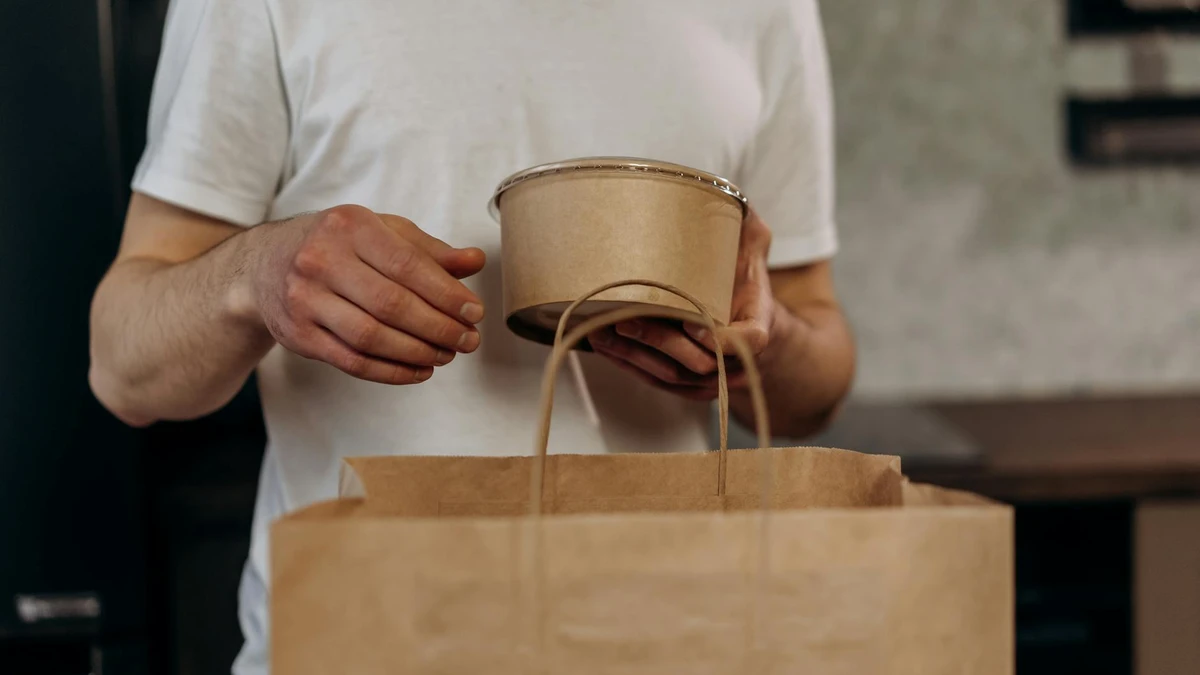
•Online food delivery market expanding 18% annually (DoorDash, Uber Eats, Deliveroo)
•Ghost kitchens (delivery-only) growing 25% YoY, inherently high packaging volume
•Consumer expectations: 61% delivery app users prefer restaurants with sustainable packaging
Packaging requirements:•Uber Eats (2025): Launched “Eco-Certified Restaurant” badge for businesses using 80%+ compostable packaging
•DoorDash (2026): Partnered with packaging suppliers to offer bulk biodegradable tray discounts (15-20% off) to restaurants
•Grubhub (2026): Piloting “Zero Waste Delivery” in 12 US cities with compost pickup integration
Adoption rate: 38% of delivery-focused restaurants use biodegradable trays (2026), up from 18% (2023).•Hospitals: Patient meal trays, cafeteria service
•Universities: Dining halls, grab-and-go meal programs
•Corporate cafeterias: Employee meal service, catered meetings
Drivers:•Sustainability mandates: 73% of universities have zero-waste goals, require compostable packaging
•Health/safety perception: Patients/students associate sustainable packaging with health-conscious institutions
•Bulk purchasing power: Large institutions negotiate 20-30% discounts on biodegradable trays via annual contracts
Material preferences:•Replaced 450,000 plastic trays annually with bagasse/PLA-coated trays
•Cost increase: $0.14 per tray ($63,000 annually)
•Waste diversion: 85% of dining waste now composted (up from 22%)
•Student satisfaction: 89% approval rating for sustainability initiative
•Weddings, corporate events, festivals, outdoor concerts, sports events
Unique requirements:•Aesthetic premium: Appearance critical for high-end events (palm leaf, bamboo fiber preferred)
•Variety of sizes: Need 6″, 9″, 12″ plates + bowls + serving platters
•Temperature versatility: Chafing dish compatibility (hot buffet) + chilled appetizer service
•Waste management: Events sometimes lack compost infrastructure (require “take-back” programs)
Material selection by event tier:•Innovation: Seaweed-based edible/compostable packaging
•Traction: Partnerships with Deliveroo, Just Eat (UK food delivery)
•Challenge: High cost ($0.80-1.20 per unit), limited structural integrity
Footprint (USA):•Innovation: Fiber-based molded trays with proprietary moisture barriers (no PLA/PFAS)
•Traction: McDonald’s pilot programs in US, Sweetgreen partnership
•Advantage: Recyclable + compostable dual-disposal option
Ecovative (USA):•Innovation: Mushroom mycelium-grown packaging
•Traction: Dell, IKEA partnerships for protective packaging (expanding to food trays 2027)
•Challenge: 7-day growth cycle limits rapid scaling
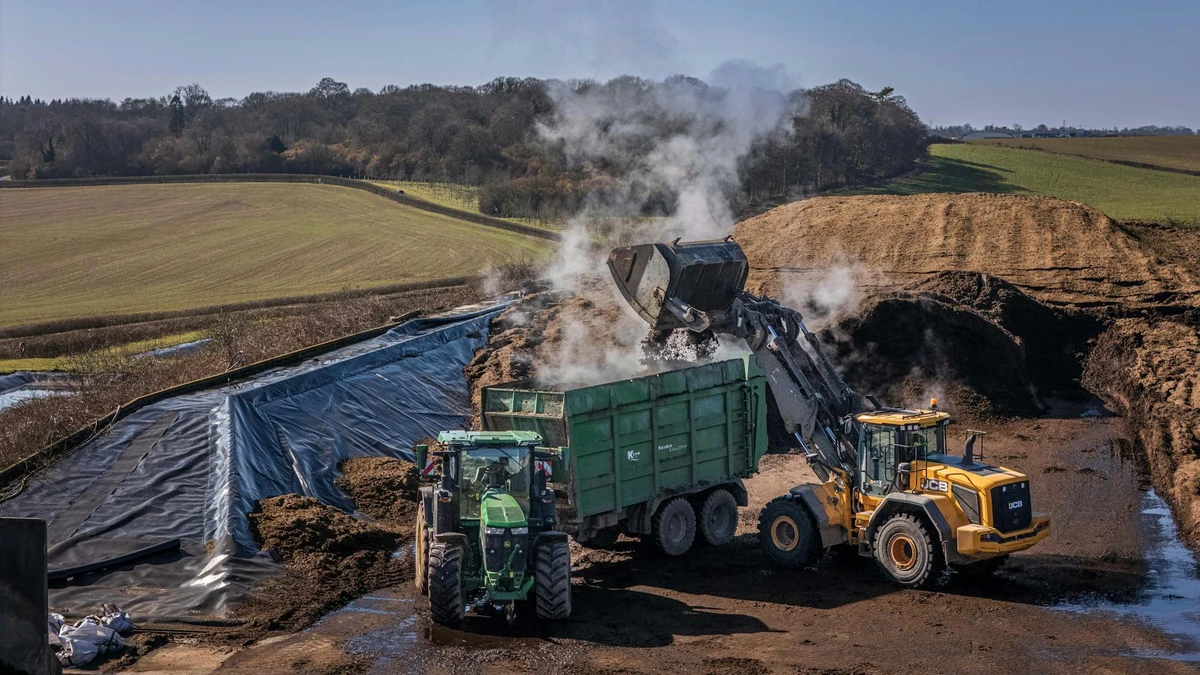
1.Partner with compost haulers: Commercial composting services (BioCycle, Recology) offer tray-specific pickup
2.On-site composting: Large institutions (universities, hospitals) invest in in-vessel composters
3.Take-back programs: Caterers/event companies collect used trays, transport to regional compost facilities
4.Consumer education: Label trays with disposal instructions, provide compost bins at service points
•Menu price adjustments (+$0.25-0.50 for “sustainably packaged meals”)
•Marketing value (8-12% increase in eco-conscious customer acquisition)
•Regulatory future-proofing (avoid scrambling when bans enacted)
•Upfront cost: $0.12-0.18 per meal packaging increase
•Revenue offset: 3-5% menu price increase (positioned as “sustainability fee”)
•Brand value: 15-25% increase in brand perception scores among Gen Z/Millennials
•Risk mitigation: Avoid regulatory penalties ($500-5,000 per violation in ban jurisdictions)
Biodegradable food trays are compostable single-use containers made from plant-based materials like bagasse (sugarcane fiber), bamboo, PLA-coated paperboard, palm leaf, or wheat straw. They decompose in industrial composting facilities within 30-180 days, unlike petroleum-based foam or plastic trays that persist 450+ years. The market is trending due to 87 countries implementing single-use plastic bans, corporate sustainability commitments from McDonald’s/Starbucks/Chipotle, and 68% consumer preference for eco-friendly packaging. The industry grows 14% annually (2026-2030), reaching $5.4 billion, driven by cost parity with foam ($0.18-0.24 vs $0.18-0.26 per tray).
The top materials are: (1) Molded fiber bagasse (48% market share)—sugarcane waste compressed into trays, costs $0.18-0.24, microwave-safe, composts in 30-60 days; (2) PLA-coated paperboard (25%)—paper with plant-based plastic lining, $0.24-0.32, superior moisture resistance; (3) Bamboo fiber (12%)—fast-growing grass pulp, $0.22-0.30, excellent heat tolerance; (4) Palm leaf (8%)—fallen Areca palm leaves heat-pressed, $0.30-0.45, premium aesthetic, home compostable; (5) Wheat straw/corn husk (7%)—agricultural byproducts, $0.20-0.35. Emerging materials include mushroom mycelium and seaweed films (commercial viability 2028-2030).
Biodegradable trays reached cost parity with foam in 2026 at high volumes. Molded fiber bagasse costs $0.18-0.24 per tray (50,000 units) vs foam $0.18-0.26—essentially equal. PLA-coated paperboard costs $0.24-0.32, a 15-30% premium. Premium materials like palm leaf cost $0.30-0.45 (50-80% more). At lower volumes (5,000 units), biodegradable trays cost 20-40% more than foam. Prices dropped 62% since 2020 due to manufacturing scale (8× production increase), automation reducing labor 60-70%, and competition from 200+ global manufacturers. Costs projected to decline another 15-20% by 2030.
Legitimately compostable trays carry third-party certifications: BPI (” target=”_blank” rel=”noopener”>ASTM D6400 in USA), EN 13432 (Europe), BNQ 0017-088 (Canada), or OK Compost (TÜV Austria). These guarantee 90% biodegradation within 180 days at industrial composting facilities (55-60°C, 50-60% humidity). Then again, 62% of global population lacks access to industrial composting, meaning trsometimesften landfill where biodegradation is minimal. Greenwashing occurs when products claim “biodegradable” without certification or ignore disposal infrastructure gaps. Verify certifications and assess local compost availability before assuming environmental benefit. Home composting only works for palm leaf/wheat straw; bagasse/PLA require industrial processing.
For quick-service restaurants: molded fiber bagasse ($0.18-0.24) offers cost parity with foam, microwave-safe performance, and durability for burgers/salads. For fast-casual/premium: PLA-coated paperboard ($0.24-0.32) provides superior print quality for branding and moisture resistance for saucy foods. For catering/events: palm leaf ($0.30-0.45) delivers premium aesthetics for upscale events and home compostability. For food delivery: PLA-coated paperboard or bio-wax coated bagasse prevents leaks during transit. For airlines: bamboo fiber ($0.28-0.38) offers heat tolerance to 220°F and lightweight design. Avoid PLA-coated trays for hot foods >45°C (softens); choose molded fiber for microwave reheating.
Industrial composting facilities are required for bagasse, bamboo fiber, and PLA-coated trays—these need 55-60°C temperatures and 30-180 days. Check availability: 38% US population has access (concentrated in urban areas), 62% in Europe, 18% Asia-Pacific. Find facilities via BioCycle.net, FindAComposter.com, or municipal waste websites. Palm leaf and wheat straw can home compost in backyard bins (6-18 months). If no compost access exists, partner with commercial haulers (Recology, BioCycle) for pickup, use anaerobic digestion facilities, or implement on-site composting systems (universities/hospitals). Avoid landfill disposal—trays generate methane and negate environmental benefits.
Key trends: (1) Cost parity achieved—bagasse matches foam pricing ($0.18-0.24), removing adoption barrier; (2) Regulatory acceleration—EU bans all non-compostable hospitality packaging by 2027, US 15+ states enact bans; (3) Corporate commitments—McDonald’s, Starbucks, Delta Airlines transition to 100% compostable; (4) Material innovation—heat-resistant PLA (60-70°C tolerance), improved oxygen barriers for carbonated drinks, mushroom/seaweed emerging; (5) Infrastructure expansion—industrial composting access grows from 38% to 55% in US by 2030; (6) Consumer preference—68% prefer compostable packaging, 47% willing to pay $0.25-0.75 premium; (7) Market growth—14% CAGR, $2.8B (2025) to $5.4B (2030).
The biodegradable food tray industry stands at an inflection point, transitioning from niche eco-premium product to mainstream food service standard. Market fundamentals align across multiple vectors: regulatory mandates eliminating alternatives, cost parity removing financial barriers, consumer preference driving demand, and corporate commitments guaranteeing scale. By 2030, biodegradable trays will capture 45-55% of the total food tray market, displacing foam and plastic in most developed markets.
Key Takeaways:1.Market growth accelerates at 14% CAGR ($2.8B to $5.4B, 2025-2030), outpacing overall food packaging sector by 5 percentage points
2.Cost parity achieved in 2026 for molded fiber bagasse ($0.18-0.24) vs foam ($0.18-0.26), eliminating primary adoption barrier
3.Regulatory mandates drive 42% of adoption—87 countries ban single-use plastics, with EU/US/India expanding enforcement 2027-2030
4.Material innovation expanding applications—heat-resistant PLA (60-70°C tolerance) and improved oxygen barriers enable hot beverage and carbonated drink use by 2028
5.Infrastructure gap remains critical—62% of population lacks industrial composting access, requiring business investment in hauler partnerships and on-site systems
6.QSRs and food delivery platforms lead adoption—McDonald’s, Chipotle, Uber Eats drive 62% of market growth through commitments and incentive programs
7.Emerging materials target premium segments—mushroom mycelium and seaweed trays ($0.50-1.50) cater to luxury/boutique markets willing to pay 2-3× conventional biodegradable costs
•“>Food Packaging Containers
•“>Sustainable Packaging Solutions
•“>Compostable Packaging Certification Guide
•“>Restaurant Takeaway Packaging
Papacko supplies molded fiber bagasse, PLA-coated paperboard, bamboo, and palm leaf trays for restaurants, caterers, airlines, and food delivery businesses globally. Our packaging specialists provide free material samples, performance testing, compostability certification verification (BPI, EN 13432), and volume pricing for annual contracts. We partner with commercial composting haulers to ensure proper end-of-life disposal infrastructure.
Get in touch:Last Updated: May 2026