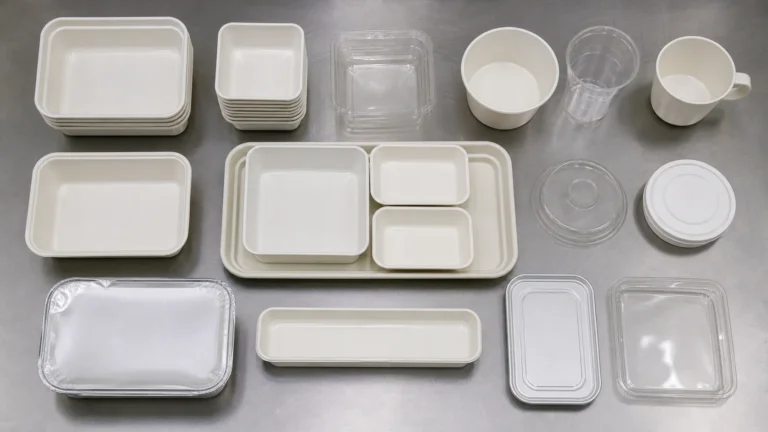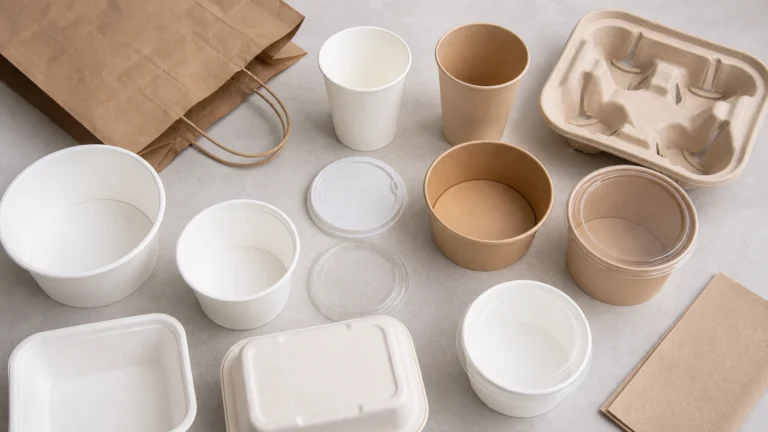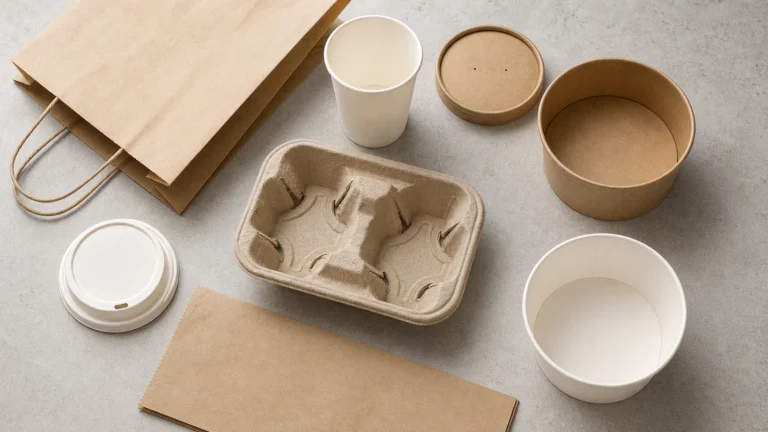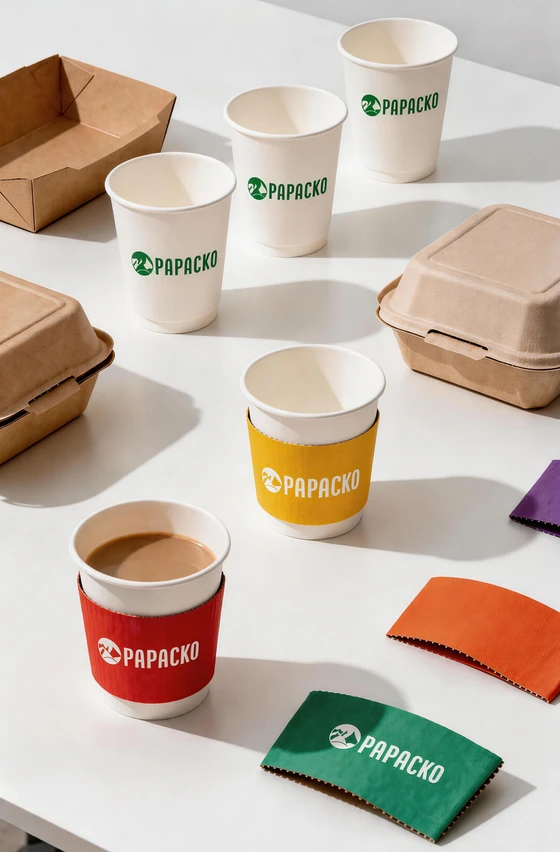
هل أنت مستعد لإنشاء أكواب ورقية أو عبوات ورقية تحمل علامتك التجارية الخاصة بك؟
أخبرنا بمتطلباتك - الحجم والطلاء والطباعة والوجهة - وسيقوم فريقنا بإعداد عرض أسعار مفصل في غضون 24 ساعة.

يشهد سوق صواني الطعام القابلة للتحلل الحيوي عالمياً نمواً غير مسبوق، ومن المتوقع أن يتوسع من $2.8 مليار (2025) إلى $5.4 مليار بحلول عام 2030 — بزيادة تبلغ 92% مدفوعة بتشريعات حظر البلاستيك، والتزامات الشركات بالاستدامة، وتغير تفضيلات المستهلكين. تواجه شركات خدمات الأغذية في جميع أنحاء العالم ضغوطًا متزايدة للانتقال من الصواني المصنوعة من الرغوة والبلاستيك المشتق من النفط إلى بدائل قابلة للتحلل دون التضحية بالوظائف أو الربحية.
أصبحت صواني الطعام القابلة للتحلل الحيوي — المصنوعة من مواد مثل الألياف المقولبة (تفل قصب السكر، والخيزران)، والورق المقوى المطلي بـ PLA، وأوراق النخيل، وقش القمح — تضاهي الآن أداء البلاستيك التقليدي في المقاييس الرئيسية: مقاومة الرطوبة، والسلامة الهيكلية، والتوافق مع أفران الميكروويف، والفعالية من حيث التكلفة عند الإنتاج على نطاق واسع. وقد نضجت هذه الصناعة وتجاوزت مرحلة كونها منتجات “بيئية فاخرة” موجهة لفئة محدودة من المستهلكين لتصبح التغليف السائد في قطاع خدمات الطعام، حيث تتبناها مطاعم الوجبات السريعة وشركات الطيران والمستشفيات والجامعات وشركات تقديم الطعام المؤسسية.
يستعرض هذا التحليل الشامل للقطاع اتجاهات سوق صواني الطعام القابلة للتحلل الحيوي خلال الفترة 2026-2030، حيث يتناول بالتفصيل محركات النمو، والأطر التنظيمية الإقليمية، ومسارات الابتكار في المواد، وأنماط اعتماد هذه الصواني في تطبيقات محددة، والديناميات التنافسية التي تعيد تشكيل قطاع تغليف الأغذية. ستحصل على رؤى مستندة إلى البيانات حول حجم السوق، واتجاهات الأسعار، ومعايير أداء المواد، والتوصيات الاستراتيجية لشركات خدمات الأغذية التي تسير في مسار التحول نحو التغليف المستدام.
💡 خلاصة سريعة: ينمو سوق صواني الطعام القابلة للتحلل البيولوجي بمعدل نمو سنوي مركب يبلغ 14% (2026-2030)، مدفوعًا بقيام 87 دولة بفرض حظر على البلاستيك أحادي الاستخدام، تفضيل 68% من المستهلكين للتغليف المستدام، وتحقيق الصواني المصنوعة من الألياف المقولبة التكافؤ في التكلفة مع الرغوة ($0.18-0.28 مقابل $0.15-0.25 للوحدة عند حجم 50 ألف وحدة).
يستحوذ الورق المقوى المطلي بقش البنّ وPLA على الحصة السوقية الأكبر في فئة 73%، في حين تستهدف المواد الناشئة (الفطر والأعشاب البحرية) الشرائح الراقية.
تقود مطاعم الوجبات السريعة وشركات الطيران ومنصات توصيل الطعام نموًا في الطلب يبلغ 62%.
-2020: $ 1.9 مليار (أدى فيروس كوفيد-19 إلى تسريع الطلب على المنتجات ذات الاستخدام الواحد)
-2022: $2.3 مليار (نمو بنسبة 21% مع استئناف خدمة تناول الطعام في المطاعم، وتكثيف أولويات الاستدامة)
-2024: $2.6 مليار (نمو بنسبة 13%، وتوسيع نطاق الحظر التنظيمي)
-2025: $2.8 مليار (نمو بنسبة 8%، ونضج السوق في المناطق المتقدمة)
النمو المتوقع (2026-2030):-الصين: تطبيق حظر عام 2025 على عبوات الأغذية غير القابلة للتحلل في المدن الكبرى، مما يدفع النمو السنوي لـ 22%
-الهند: تسارع وتيرة تطبيق حظر البلاستيك أحادي الاستخدام لعام 2024، مع توقع معدل نمو سنوي مركب يبلغ 25%
-الاتحاد الأوروبي: ستدخل العقوبات المنصوص عليها في التوجيه 2019/904 حيز التنفيذ في عام 2026، مما سيجبر الشركات المتأخرة في الامتثال على الامتثال
-2027: الاتحاد الأوروبي يحظر جميع “>عبوات الأغذية غير القابلة للتحلل» في قطاع الضيافة (الفنادق والمطاعم)
-2028: يستهدف “قانون التحرر من التلوث البلاستيكي” الفيدرالي الأمريكي خفض استخدام المواد البلاستيكية ذات الاستخدام الواحد بنسبة 25%
-2029: الهند توسع نطاق الحظر ليشمل جميع المناطق الحضرية (أكثر من 500 مدينة)، مما يؤثر على أكثر من 400 مليون مستهلك
-2030: اليابان تفرض استخدام مكونات ذات أصل حيوي بنسبة 60% في عبوات خدمات الأغذية
تأثير الأعمال: الامتثال للوائح التنظيمية هو الدافع وراء اعتماد الصواني القابلة للتحلل الحيوي بنسبة 42% (استطلاع عام 2026 شمل 1,200 مشغل في قطاع خدمات الطعام).-68% يفضلون المطاعم التي تستخدم عبوات قابلة للتحلل (بزيادة عن 52% في عام 2022)
-47% على استعداد لدفع $0.25-0.75 إضافية لكل وجبة مقابل استخدام عبوات مستدامة
-73% النظر إلى الصواني القابلة للتحلل كدليل على جودة المطعم وقيمه
-31% تجنب بشكل فعال المطاعم التي تستخدم الرغوة أو البلاستيك غير القابل لإعادة التدوير
-58% يلتقط مستخدمو إنستغرام/تيك توك صورًا للتغليفات المستدامة ذات المظهر الجمالي
التوزيع حسب الأجيال:
-الباجاس: بقايا ألياف قصب السكر بعد استخلاص العصير
-خيزران: ألياف عشبية سريعة النمو (يتم حصادها في غضون 3-5 سنوات مقابل 15-30 سنة بالنسبة للأشجار)
-ورق مُعاد تدويره: عجينة الورق المستمدة من نفايات المستهلكين أو من النفايات الصناعية
عملية التصنيع:1.تحضير اللب: تُنقع الألياف في الماء لتكوين ملاط (تركيز الألياف 5-8%)
2.القولبة: يُسكب الملاط في قوالب معدنية مُسخَّنة على شكل صواني
3.الضغط: يعمل الضغط العالي (100-150 رطل لكل بوصة مربعة) على إزالة الماء وتشكيل المنتج
4.التجفيف: يؤدي التجفيف بالحرارة (120-180 درجة مئوية) لمدة 2-5 دقائق إلى تصلب البنية
5.التشذيب: تم تشذيب الحواف، وتكديس الصواني الجاهزة
خصائص الأداء:-Multi-layer molding: Combining bagasse base + bamboo top layer for enhanced strength (15% stronger, 8% cost increase)
-Bio-coatings: Replacing PLA/PFAS linings with water-based bio-polymers (corn starch, chitosan)
-Precision molding: 3D-printed molds enable complex compartments (3-5 sections vs traditional 2-3)
-Superior barrier: PLA coating blocks liquids/oils better than molded fiber (suitable for saucy foods)
-جودة الطباعة: Smooth surface accepts high-resolution flexo/digital printing (brand customization)
-خفيف الوزن: 15-25% lighter than molded fiber (reduces shipping costs)
-الجماليات: Clean, modern appearance preferred by premium brands
التحديات:-التكلفة: 20-35% more expensive than bagasse ($0.24-0.32 vs $0.18-0.24 per tray)
-قابلية التسميد: Requires industrial composting (PLA doesn’t degrade in landfills or home compost)
-تلوث المواد المعاد تدويرها: PLA coating prevents paper recycling (must be composted, not recycled)
Application fit:-الأفضل لـ: Salads with dressing, pasta with sauce, rice bowls, meals with gravies
-تجنب: Fried foods (oil may compromise seal over time), very hot foods (PLA softens >45°C)
-Palm leaf: Fallen Areca palm leaves heat-pressed into trays (no trees cut)
-Wheat straw: Agricultural byproduct from wheat harvesting
-Corn husk: Byproduct from corn processing
Unique advantages:-Zero-waste sourcing: Uses agricultural waste streams
-الجاذبية الجمالية: Natural grain/texture, premium visual (Instagram-worthy)
-No additives: 100% natural, no coatings or binders required
-سماد منزلي قابل للتحويل إلى سماد: Degrades in backyard bins (unlike PLA, bagasse)
القيود:-علاوة التكلفة: 40-80% more expensive than molded fiber ($0.30-0.45 per tray)
-Size constraints: Limited to smaller trays (6-10″ plates, shallow bowls)
-Supply variability: Seasonal availability, inconsistent quality batch-to-batch
-الحساسية للرطوبة: Softens quickly with liquids (1-2 hour max hold time)
الموقع في السوق: Premium/boutique segment (upscale cafés, eco-luxury catering, farm-to-table restaurants).-العملية: Agricultural waste (hemp, wood chips) inoculated with mushroom mycelium, grows into solid tray shape in 5-7 days
-المزايا: Carbon-negative (sequesters CO₂ during growth), fully home compostable (7-14 days), moldable into complex shapes
-التحديات: High production cost ($0.50-0.80 per tray), 7-day growth time limits scalability, moisture sensitive
-الجدول الزمني: Pilot programs 2026-2027, commercial scale 2028-2030 if costs drop 40-60%
Seaweed/algae-based films:-العملية: Seaweed polysaccharides extracted, formed into edible/compostable films/trays
-المزايا: Ocean-based (no land use), edible (some formulations), dissolves in water
-التحديات: Very high cost ($0.80-1.50 per tray), limited structural strength, early R&D phase
-الجدول الزمني: Niche applications 2027-2028, mainstream viability 2030+
تأثير السوق: Emerging materials target <5% market share by 2030, primarily premium/luxury segments willing to pay 2-3× conventional biodegradable tray costs.-Burger/sandwich trays with side compartments
-“>Salad bowls with dressing sections
-Multi-compartment trays for combo meals (entrée + sides + dessert)
Material preferences:-Regulatory compliance (87 countries ban foam)
-Corporate sustainability goals (McDonald’s, Chipotle commitments)
-Consumer preference (68% prefer compostable packaging)
دراسة حالة: تشيبوتل transitioned to 100% compostable trays in 2025, achieving:-42% reduction in packaging carbon footprint
-12% increase in “sustainable dining” customer segment
-Cost increase of $0.18 per meal (absorbed via 3% menu price adjustment)
-18-month ROI via enhanced brand positioning
-Weight constraints: Every ounce impacts fuel costs (lightweight materials critical)
-قابلية التكديس: Must nest compactly in limited galley space
-نطاق درجات الحرارة: Hot meals (65-85°C) + chilled desserts (2-5°C) in same service
-الامتثال التنظيمي: Aviation safety standards (FAR 25.853 flammability)
Material preferences:-2024-2025: Early adopters (Delta, Air New Zealand, KLM) pilot programs
-2026-2027: Major carriers commit (United, Lufthansa, Emirates)
-2028-2030: Industry standard (IATA targets 75% compostable serviceware by 2030)
التكلفة والعائد: Switching to biodegradable trays adds $0.18-0.32 per passenger but:-Saves $0.08-0.15 in waste disposal fees (compost vs landfill)
-Reduces weight 12-18% (fuel savings: $0.05-0.10 per passenger on long-haul)
-Enhances brand sustainability scores (valued at $0.20-0.40 per passenger in premium bookings)
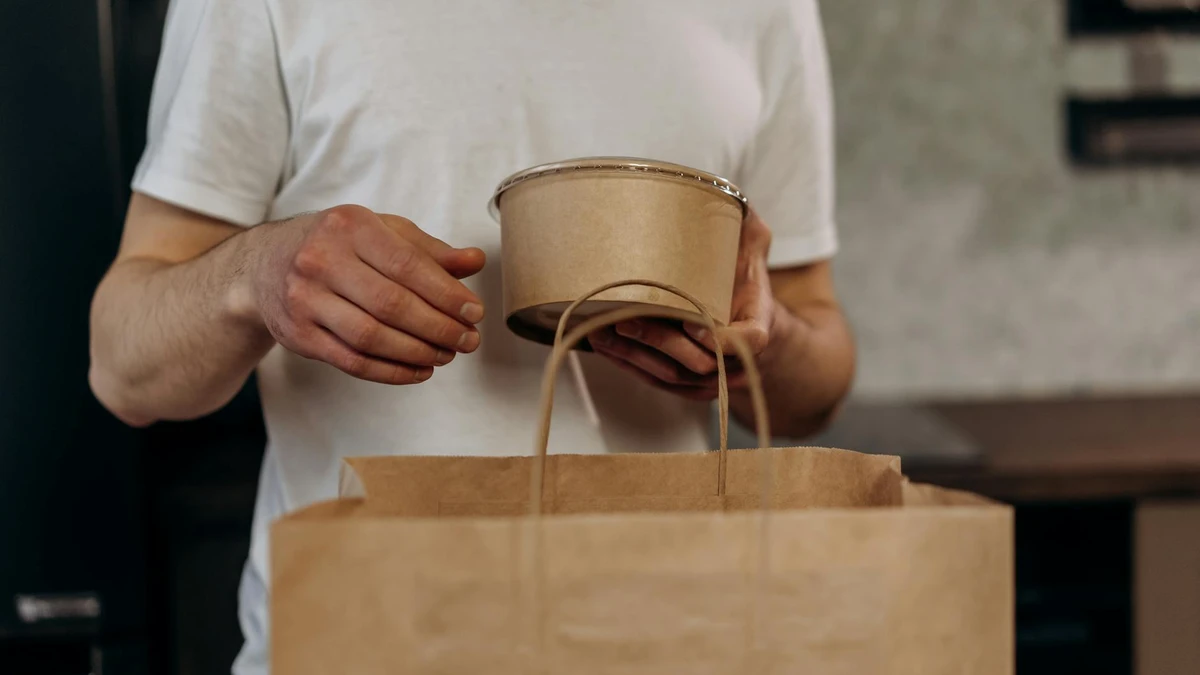
-Online food delivery market expanding 18% annually (DoorDash, Uber Eats, Deliveroo)
-Ghost kitchens (delivery-only) growing 25% YoY, inherently high packaging volume
-Consumer expectations: 61% delivery app users prefer restaurants with sustainable packaging
Packaging requirements:-Uber Eats (2025): Launched “Eco-Certified Restaurant” badge for businesses using 80%+ compostable packaging
-DoorDash (2026): Partnered with packaging suppliers to offer bulk biodegradable tray discounts (15-20% off) to restaurants
-Grubhub (2026): Piloting “Zero Waste Delivery” in 12 US cities with compost pickup integration
Adoption rate: 38% of delivery-focused restaurants use biodegradable trays (2026), up from 18% (2023).-Hospitals: Patient meal trays, cafeteria service
-Universities: Dining halls, grab-and-go meal programs
-Corporate cafeterias: Employee meal service, catered meetings
Drivers:-Sustainability mandates: 73% of universities have zero-waste goals, require compostable packaging
-Health/safety perception: Patients/students associate sustainable packaging with health-conscious institutions
-Bulk purchasing power: Large institutions negotiate 20-30% discounts on biodegradable trays via annual contracts
Material preferences:-Replaced 450,000 plastic trays annually with bagasse/PLA-coated trays
-Cost increase: $0.14 per tray ($63,000 annually)
-Waste diversion: 85% of dining waste now composted (up from 22%)
-Student satisfaction: 89% approval rating for sustainability initiative
-Weddings, corporate events, festivals, outdoor concerts, sports events
Unique requirements:-Aesthetic premium: Appearance critical for high-end events (palm leaf, bamboo fiber preferred)
-Variety of sizes: Need 6″, 9″, 12″ plates + bowls + serving platters
-Temperature versatility: Chafing dish compatibility (hot buffet) + chilled appetizer service
-Waste management: Events sometimes lack compost infrastructure (require “take-back” programs)
Material selection by event tier:-الابتكار: Seaweed-based edible/compostable packaging
-Traction: Partnerships with Deliveroo, Just Eat (UK food delivery)
-التحدي: High cost ($0.80-1.20 per unit), limited structural integrity
البصمة (الولايات المتحدة الأمريكية):-الابتكار: Fiber-based molded trays with proprietary moisture barriers (no PLA/PFAS)
-Traction: McDonald’s pilot programs in US, Sweetgreen partnership
-الميزة: Recyclable + compostable dual-disposal option
Ecovative (الولايات المتحدة الأمريكية):-الابتكار: Mushroom mycelium-grown packaging
-Traction: Dell, IKEA partnerships for protective packaging (expanding to food trays 2027)
-التحدي: 7-day growth cycle limits rapid scaling
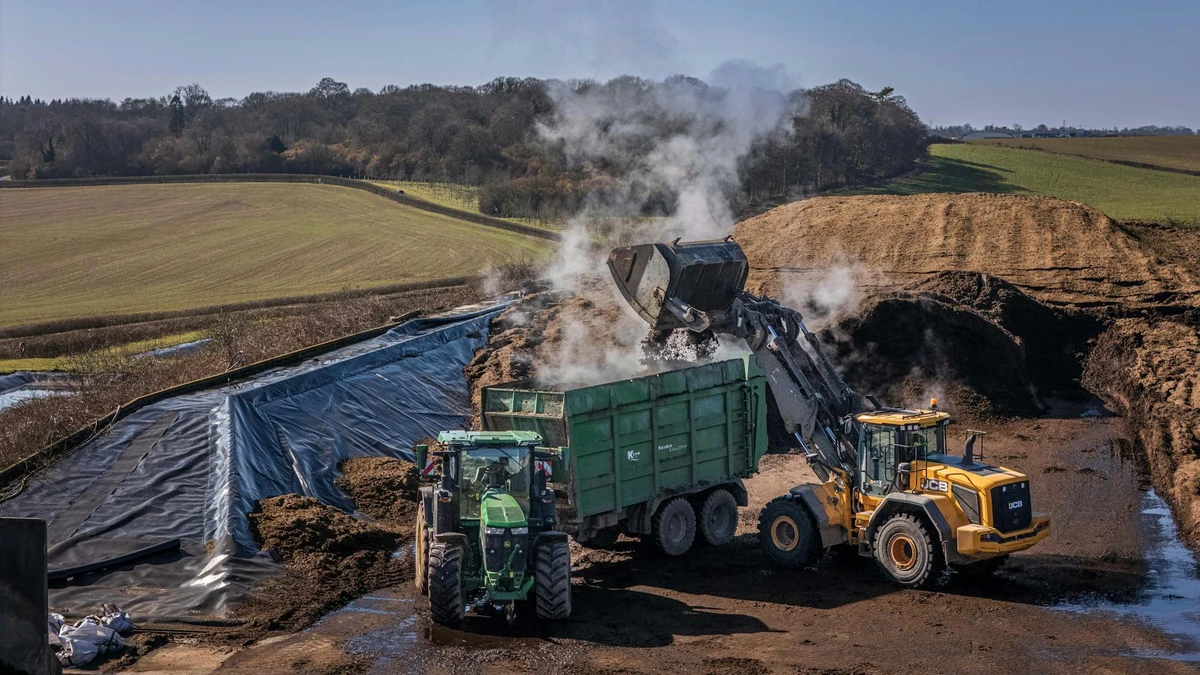
1.Partner with compost haulers: Commercial composting services (BioCycle, Recology) offer tray-specific pickup
2.On-site composting: Large institutions (universities, hospitals) invest in in-vessel composters
3.برامج إعادة المنتجات: Caterers/event companies collect used trays, transport to regional compost facilities
4.Consumer education: Label trays with disposal instructions, provide compost bins at service points
-Menu price adjustments (+$0.25-0.50 for “sustainably packaged meals”)
-Marketing value (8-12% increase in eco-conscious customer acquisition)
-Regulatory future-proofing (avoid scrambling when bans enacted)
-Upfront cost: $0.12-0.18 per meal packaging increase
-Revenue offset: 3-5% menu price increase (positioned as “sustainability fee”)
-Brand value: 15-25% increase in brand perception scores among Gen Z/Millennials
-تخفيف المخاطر: Avoid regulatory penalties ($500-5,000 per violation in ban jurisdictions)
Biodegradable food trays are compostable single-use containers made from plant-based materials like bagasse (sugarcane fiber), bamboo, PLA-coated paperboard, palm leaf, or wheat straw. They decompose in industrial composting facilities within 30-180 days, unlike petroleum-based foam or plastic trays that persist 450+ years. The market is trending due to 87 countries implementing single-use plastic bans, corporate sustainability commitments from McDonald’s/Starbucks/Chipotle, and 68% consumer preference for eco-friendly packaging. The industry grows 14% annually (2026-2030), reaching $5.4 billion, driven by cost parity with foam ($0.18-0.24 vs $0.18-0.26 per tray).
أهم المواد هي: (1) كيس من ألياف قصب السكر المقولبة (حصة سوقية 48%) — نفايات قصب السكر المضغوطة في صواني، وتكلفته تتراوح بين $0.18 و0.24، وآمن للاستخدام في الميكروويف، ويتحلل في غضون 30-60 يومًا؛ (2) الورق المقوى المطلي بـ PLA (25%) — ورق مبطّن بطبقة بلاستيكية نباتية المنشأ، بسعر يتراوح بين $0.24 و0.32، ويتميز بمقاومة فائقة للرطوبة؛ (3) ألياف الخيزران (12%) — لب عشب سريع النمو، يتراوح سعره بين 0.22 و0.30 TP4T، يتميز بتحمل ممتاز للحرارة؛ (4) أوراق النخيل (8%) — أوراق نخيل الأريكا المتساقطة المضغوطة بالحرارة، $0.30-0.45، مظهر جمالي ممتاز، قابلة للتحلل المنزلي؛ (5) قش القمح/قشور الذرة (7%) — منتجات ثانوية زراعية، $0.20-0.35. وتشمل المواد الناشئة فطريات الفطر وأغشية الأعشاب البحرية (الجدوى التجارية 2028-2030).
حققت الصواني القابلة للتحلل الحيوي التكافؤ في التكلفة مع الصواني الرغوية في عام 2026 عند إنتاج كميات كبيرة. تبلغ تكلفة الصواني المصنوعة من ألياف قصب السكر المقولبة $0.18-0.24 لكل صينية (50,000 وحدة) مقابل $0.18-0.26 للصواني الرغوية — أي أنها متساوية بشكل أساسي. تبلغ تكلفة الورق المقوى المطلي بـ PLA ما بين $0.24 و 0.32، بزيادة تتراوح بين 15 و 30%. أما المواد الفاخرة مثل أوراق النخيل فتتراوح تكلفتها بين $0.30 و 0.45 (بزيادة تتراوح بين 50 و 80%). عند الكميات الأقل (5,000 وحدة)، تكلف الصواني القابلة للتحلل الحيوي 20-40% أكثر من الرغوة. انخفضت الأسعار بنسبة 62% منذ عام 2020 بسبب حجم الإنتاج (زيادة الإنتاج بمقدار 8 أضعاف)، والأتمتة التي خفضت العمالة بنسبة 60-70%، والمنافسة من أكثر من 200 مصنع عالمي. ومن المتوقع أن تنخفض التكاليف بنسبة 15-20% أخرى بحلول عام 2030.
Legitimately compostable trays carry third-party certifications: BPI (” target=”_blank” rel=”noopener”>ASTM D6400 in USA), EN 13432 (Europe), BNQ 0017-088 (Canada), or OK Compost (TÜV Austria). These guarantee 90% biodegradation within 180 days at industrial composting facilities (55-60°C, 50-60% humidity). Then again, 62% of global population lacks access to industrial composting, meaning trsometimesften landfill where biodegradation is minimal. Greenwashing occurs when products claim “biodegradable” without certification or ignore disposal infrastructure gaps. Verify certifications and assess local compost availability before assuming environmental benefit. Home composting only works for palm leaf/wheat straw; bagasse/PLA require industrial processing.
For quick-service restaurants: molded fiber bagasse ($0.18-0.24) offers cost parity with foam, microwave-safe performance, and durability for burgers/salads. For fast-casual/premium: PLA-coated paperboard ($0.24-0.32) provides superior print quality for branding and moisture resistance for saucy foods. For catering/events: palm leaf ($0.30-0.45) delivers premium aesthetics for upscale events and home compostability. For food delivery: PLA-coated paperboard or bio-wax coated bagasse prevents leaks during transit. For airlines: bamboo fiber ($0.28-0.38) offers heat tolerance to 220°F and lightweight design. Avoid PLA-coated trays for hot foods >45°C (softens); choose molded fiber for microwave reheating.
تتطلب بقايا قصب السكر وألياف الخيزران والصواني المطلية بـ PLA منشآت سماد صناعية — حيث تتطلب هذه المواد درجات حرارة تتراوح بين 55 و60 درجة مئوية وفترة تتراوح بين 30 و180 يومًا. تحقق من التوافر: 38% من سكان الولايات المتحدة يمكنهم الوصول إلى هذه المرافق (تتركز في المناطق الحضرية)، و62% في أوروبا، و18% في منطقة آسيا والمحيط الهادئ. ابحث عن المرافق عبر BioCycle.net أو FindAComposter.com أو مواقع الويب الخاصة بالنفايات البلدية. يمكن تحويل أوراق النخيل وقش القمح إلى سماد منزلي في صناديق الفناء الخلفي (6-18 شهرًا). في حالة عدم توفر إمكانية الوصول إلى مرافق التسميد، يمكن التعاون مع شركات النقل التجارية (Recology، BioCycle) لجمع النفايات، أو استخدام مرافق الهضم اللاهوائي، أو تنفيذ أنظمة التسميد في الموقع (الجامعات/المستشفيات). تجنب التخلص منها في مدافن النفايات — فالصواني تولد غاز الميثان وتقضي على الفوائد البيئية.
Key trends: (1) Cost parity achieved—bagasse matches foam pricing ($0.18-0.24), removing adoption barrier; (2) Regulatory acceleration—EU bans all non-compostable hospitality packaging by 2027, US 15+ states enact bans; (3) Corporate commitments—McDonald’s, Starbucks, Delta Airlines transition to 100% compostable; (4) Material innovation—heat-resistant PLA (60-70°C tolerance), improved oxygen barriers for carbonated drinks, mushroom/seaweed emerging; (5) Infrastructure expansion—industrial composting access grows from 38% to 55% in US by 2030; (6) Consumer preference—68% prefer compostable packaging, 47% willing to pay $0.25-0.75 premium; (7) Market growth—14% CAGR, $2.8B (2025) to $5.4B (2030).
The biodegradable food tray industry stands at an inflection point, transitioning from niche eco-premium product to mainstream food service standard. Market fundamentals align across multiple vectors: regulatory mandates eliminating alternatives, cost parity removing financial barriers, consumer preference driving demand, and corporate commitments guaranteeing scale. By 2030, biodegradable trays will capture 45-55% of the total food tray market, displacing foam and plastic in most developed markets.
الوجبات السريعة الرئيسية:1.Market growth accelerates at 14% CAGR ($2.8B to $5.4B, 2025-2030), outpacing overall food packaging sector by 5 percentage points
2.Cost parity achieved in 2026 for molded fiber bagasse ($0.18-0.24) vs foam ($0.18-0.26), eliminating primary adoption barrier
3.Regulatory mandates drive 42% of adoption—87 countries ban single-use plastics, with EU/US/India expanding enforcement 2027-2030
4.Material innovation expanding applications—heat-resistant PLA (60-70°C tolerance) and improved oxygen barriers enable hot beverage and carbonated drink use by 2028
5.Infrastructure gap remains critical—62% of population lacks industrial composting access, requiring business investment in hauler partnerships and on-site systems
6.QSRs and food delivery platforms lead adoption—McDonald’s, Chipotle, Uber Eats drive 62% of market growth through commitments and incentive programs
7.Emerging materials target premium segments—mushroom mycelium and seaweed trays ($0.50-1.50) cater to luxury/boutique markets willing to pay 2-3× conventional biodegradable costs
-“>عبوات تغليف المواد الغذائية
-“>حلول التغليف المستدامة
-“>Compostable Packaging Certification Guide
-“>Restaurant Takeaway Packaging
Papacko supplies molded fiber bagasse, PLA-coated paperboard, bamboo, and palm leaf trays for restaurants, caterers, airlines, and food delivery businesses globally. Our packaging specialists provide free material samples, performance testing, compostability certification verification (BPI, EN 13432), and volume pricing for annual contracts. We partner with commercial composting haulers to ensure proper end-of-life disposal infrastructure.
تواصل معناآخر تحديث: مايو 2026