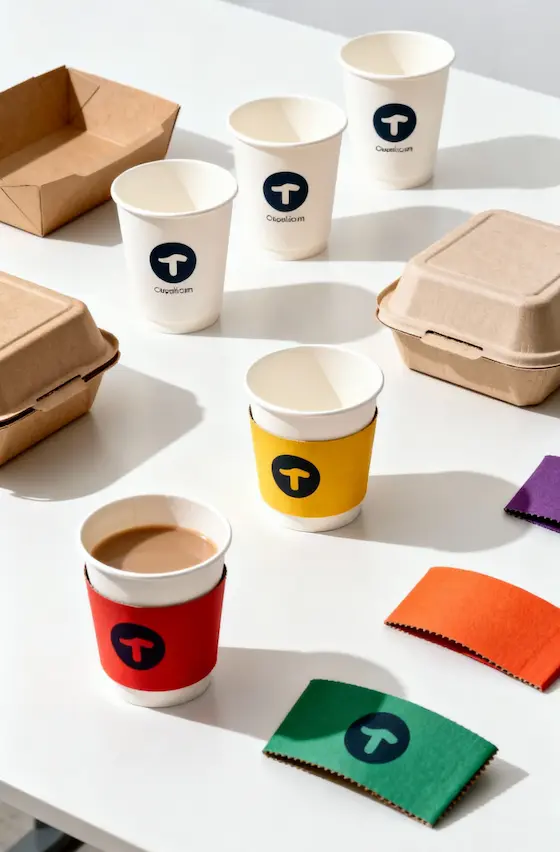
هل أنت مستعد لإنشاء أكواب ورقية أو عبوات ورقية تحمل علامتك التجارية الخاصة بك؟
أخبرنا بمتطلباتك - الحجم والطلاء والطباعة والوجهة - وسيقوم فريقنا بإعداد عرض أسعار مفصل في غضون 24 ساعة.

آخر تحديث: نوفمبر 2025
وقت القراءة: 10 دقائق
المؤلف: فريق محتوى باباكو
تحوّل المقهى الخاص بك بفخر إلى طلاء PLA “صديق للبيئة” أكواب ورقية منذ ستة أشهر، لتكتشف أن مرفق إعادة التدوير في مدينتك يرفضها، وأن خدمة التسميد تتطلب جمعها بشكل منفصل، وأن الزبائن يشتكون من أن الأكواب تلين مع المشروبات الساخنة بعد 15 دقيقة. وفي الوقت نفسه، يستخدم المقهى المقابل للمقهى الذي يقع في الجهة المقابلة من الشارع أكواباً مطلية بالماء يتم إعادة تدويرها بالفعل، وتكلفتها أقل بـ 201 تيرابايت، ولا يشتكي الزبائن أبداً من سلامتها الهيكلية.
لا يقتصر الاختيار بين الأكواب الورقية المطلية بجلاستيك PLA والطلاء المائي على “أن تكون صديقًا للبيئة” - بل يتطلب فهم المفاضلة بين الأداء، والبنية التحتية المحلية للنفايات، وإمكانية إعادة التدوير الفعلية مقابل ادعاءات التسويق، والآثار المترتبة على التكلفة، وسلوك العملاء الواقعي. يحدد الطلاء الذي تختاره ما إذا كانت الأكواب التي تختارها ستحول النفايات حقًا من مدافن النفايات أو ببساطة ستؤدي إلى تبييض عملياتك مع خلق مشاكل جديدة.
في هذا الدليل, ستتعلم
-ما هي في الواقع طلاءات PLA والطلاءات ذات الأساس المائي (شرح كيميائي بسيط)
-مقارنة الأداء: مقاومة الحرارة، وحاجز الرطوبة، والمتانة
-واقع قابلية إعادة التدوير: متطلبات البنية التحتية ومعدلات القبول
-متطلبات التسميد وتوافر المرافق
-تحليل التكلفة: المواد والتخلص منها والملكية الإجمالية
-كيفية الاختيار بناءً على نظام إدارة النفايات المحلي الخاص بك
-المفاهيم الخاطئة الشائعة والفخاخ التسويقية الشائعة
💡 الوجبات السريعة: الأكواب الورقية المغلفة بجلاستيك PLA قابلة للتحويل إلى سماد تجاري (90-180 يومًا في المنشآت الصناعية) ولكنها غير قابلة لإعادة التدوير وغير قابلة للتحويل إلى سماد منزلي.
أكواب الطلاء ذات الأساس المائي قابلة لإعادة التدوير (تعتمد على البنية التحتية)، وتؤدي أداءً مماثلاً للمشروبات الباردة، وتعاني مع المشروبات الساخنة التي تزيد حرارتها عن 85 درجة مئوية لفترات طويلة.
فرق التكلفة: طلاء PLA +15-25% مقابل طلاء PLA +15-25% المائي.
عامل القرار الحاسم: توافر البنية التحتية المحلية للنفايات.
لا يكون طلاء PLA منطقيًا إلا في حالة وجود إمكانية الوصول إلى السماد التجاري؛ فالطلاء ذو الأساس المائي أفضل للأسواق التي لديها برامج إعادة تدوير الورق.
يتفوق طلاء البولي إيثيلين البولي إيثيلين (البلاستيك التقليدي) على كليهما من حيث الأداء الخالص ولكنه لا يقدم أي فوائد في نهاية العمر الافتراضي.
تتطلب الأكواب الورقية حواجز رطوبة لأن الورق المقوى غير المعالج يمتص السوائل في غضون ثوانٍ. يحدد نوع الطلاء الأداء وإمكانية إعادة التدوير وخيارات نهاية العمر الافتراضي.
PLA (حمض البوليلاكتيك) = البلاستيك الحيوي المشتق من النشويات النباتية (عادةً الذرة أو قصب السكر أو الكسافا)
عملية الإنتاج:
1.استخلاص النشا من النباتات
2.تخمير النشا إلى حمض اللاكتيك
3.بلمرة حمض اللاكتيك إلى حمض اللاكتيك متعدد السلاسل
4.يوضع كطلاء يتراوح وزنه من 15 إلى 25 جرامًا في المتر المربع على الورق المقوى
الخصائص الرئيسية:
-قائم على أساس حيوي (لا يعتمد على البترول مثل البلاستيك التقليدي)
-قابل للتسميد تجارياً في غضون 90-180 يوماً عند درجة حرارة 55-60 درجة مئوية مع رطوبة وميكروبات مناسبة
-غير قابلة للتسميد المنزلي (تتطلب ظروف صناعية)
-غير قابلة لإعادة التدوير في مجاري الورق القياسية (تلوث استعادة الألياف)
-الحد الأقصى لدرجة الحرارة: يخفف عند 55-60 درجة مئوية، غير مناسب للمشروبات الساخنة التي تزيد حرارتها عن 85 درجة مئوية لفترات طويلة
مطالبات التسويق الشائعة مقابل الواقع:
-✅ المطالبة: “قابل للتحويل إلى سماد عضوي” → صحيح، ولكنه يتطلب منشأة تجارية
-❌ الادعاء: “قابل للتحلل الحيوي” ❌ مضلل (فقط في ظل ظروف صناعية محددة، وليس في البيئة العامة)
-❌ الادعاء: “قابل لإعادة التدوير” ← خطأ (يلوث الورق المعاد تدويره)
-❌ الادعاء: “أفضل للبيئة” ← يعتمد (فقط في حالة وجود سماد عضوي تجاري)
طلاء مشتت مائي = جزيئات البوليمر المعلقة في الماء والمطبقة والمجففة على الورق المقوى
التركيب:
-أكريليك أو بوليمر مشترك من الأكريليك أو الستايرين والأكريليك (15-25% من الطلاء)
-الماء (70-80% أثناء الاستخدام، يتبخر أثناء التجفيف)
-إضافات للالتصاق والمرونة (5-10%)
-يوضع كطلاء بمساحة 12-20 جم/م²
الخصائص الرئيسية:
-محتوى منخفض من البلاستيك (60-80% أقل من طلاء البولي إيثيلين)
-إمكانية إعادة التدوير (تعتمد على البنية التحتية والمنشأة)
-غير قابلة للتسميد (لن تتحلل في مرافق التسميد)
-مقاومة درجات الحرارة: جيد حتى 80-85 درجة مئوية للمشروبات الباردة/الدافئة
-أداء جيد للمشروبات الباردة، وملائم للمشروبات الدافئة، ومحدود للمشروبات الساخنة جدًا
مطالبات التسويق الشائعة مقابل الواقع:
-✅ المطالبة: “قابل لإعادة التدوير” → صحيح جزئيًا (يجب أن تقبل المرافق، وليس عالميًا)
-❌ الادعاء: “خالٍ من البلاستيك” ← خطأ (يحتوي على بوليمرات أكريليك، ولكن أقل من التقليدية)
-✅ المطالبة: “بلاستيك مخفض” → صحيح (60-80% أقل من طلاء البولي إيثيلين)
-? المطالبة: “صديق للبيئة” → يعتمد (فقط في حالة وجود بنية تحتية لإعادة التدوير)
PE (بولي إيثيلين) = البلاستيك القائم على البترول، معيار الصناعة لعقود من الزمن
الخصائص الرئيسية:
-حاجز رطوبة ممتاز للمشروبات الساخنة والباردة
-مقاومة لدرجات الحرارة: تتحمل أكثر من 95 درجة مئوية دون تليينها
-الخيار الأقل تكلفة
-غير قابلة لإعادة التدوير (التصفيح البلاستيكي يمنع استعادة الألياف)
-غير قابل للتحويل إلى سماد (بلاستيك بترولي)
-عدم وجود فوائد نهاية العمر الافتراضي (طمر النفايات فقط)
لماذا لا يزال يستخدم على نطاق واسع: أداء مثبت، وأقل تكلفة، وعدم الاعتماد على البنية التحتية
يحدد الأداء في العالم الحقيقي رضا العملاء والموثوقية التشغيلية.
المشروبات الباردة (5-15 درجة مئوية):
-طلاء PLA: ممتاز (لا توجد مشاكل)
-ذو أساس مائي: ممتاز (لا توجد مشاكل)
-طلاء البولي إيثيلين البولي إيثيلين: ممتاز (معيار خط الأساس)
الحكم: جميع الطلاءات تعمل بشكل متساوٍ مع المشروبات الباردة مثل القهوة المثلجة والعصائر والعصائر.
المشروبات الدافئة (60-70 درجة مئوية):
-طلاء PLA: جيد (مناسب لمدة 20-30 دقيقة)
-ذو أساس مائي: جيد (مناسب لمدة 20-30 دقيقة)
-طلاء البولي إيثيلين البولي إيثيلين: ممتاز (معيار خط الأساس)
الحكم: PLA والماء الكافي للمشروبات الدافئة، مع تليين طفيف بعد مرور أكثر من 30 دقيقة.
المشروبات الساخنة (80-95 درجة مئوية):
-طلاء PLA: محدود (يلين بعد 10-15 دقيقة، خطر الفشل الهيكلي)
-ذات أساس مائي: مناسب (يتعامل مع 80 درجة مئوية، ويكافح فوق 85 درجة مئوية)
-طلاء بولي إيثيلين البولي إيثيلين: ممتاز (يتحمل أكثر من 95 درجة مئوية إلى أجل غير مسمى)
الحكم: بالنسبة للقهوة الساخنة التقليدية (85-95 درجة مئوية)، يظل البولي إيثيلين البولي إيثيلين أفضل. يعمل PLA والقائم على الماء بشكل أفضل للقهوة المبردة قليلاً أو أكواب مزدوجة الجدار التي تقلل من درجة حرارة السائل.
طريقة الاختبار: ملء الكوب، والانتظار لمدة 60 دقيقة، وقياس تغلغل الرطوبة في الورق المقوى
طلاء PLA (15-25 جم/م²):
-المشروبات الباردة: الاختراق الصفري
-المشروبات الساخنة: الحد الأدنى من التغلغل (<5%) إذا كانت ضمن حد درجة الحرارة
-المشكلة: يمكن أن ينفصل الطلاء عن الورق المقوى في حالة ارتفاع درجة حرارته
طلاء ذو قاعدة مائية (12-20 جم/م²):
-المشروبات الباردة: الاختراق الصفري
-المشروبات الساخنة (80 درجة مئوية): <3% اختراق
-المشروبات الساخنة (90 درجة مئوية): تغلغل 5-10% (تليين ملحوظ)
-الميزة: التصاق أفضل بالورق المقوى (مخاطر انفصال أقل)
طلاء البولي إيثيلين البولي إيثيلين (18-22 جم/م²):
-المشروبات الباردة: الاختراق الصفري
-المشروبات الساخنة: لا تغلغل في أي درجة حرارة للتقديم
-خط الأساس للصناعة: ما يتوقعه العملاء من الأكواب التقليدية
اختبار الانتظار لمدة 30 دقيقة (يحاكي وقت الاستهلاك النموذجي):
التأثير الواقعي:
-PLA للقهوة الساخنة: 5-8% شكاوى العملاء بشأن التليين/التسرب
-قائم على الماء للقهوة الساخنة: 2-4% شكاوى المياه
-بـ PE للقهوة الساخنة <1% الشكاوى (التوقع الأساسي)
مصفوفة مقارنة أداء الطلاء #1T1T1T1T1T1T1T5T
 أكواب ورقية صديقة للبيئة مع طلاءات بديلة - عبوات Papacko الخضراء” style=”border-radius: 8px; box-shadow: 0 2px 8px 8px rgba(0,0,0,0,0.08);”/>>
لا تعني المطالبات التسويقية شيئاً بدون بنية تحتية محلية متوافقة مع النفايات.
متطلبات مرفق التسميد التجاري:
-درجة الحرارة: 55-60 درجة مئوية يتم الحفاظ عليها باستمرار
-الرطوبة رطوبة 50-60%
-الأكسجين: التقليب/التهوية المنتظم
-الوقت: 90-180 يومًا
-الكائنات الحية الدقيقة: بكتيريا وفطريات معينة موجودة
الشهادات:
-BPI (معهد المنتجات القابلة للتحلل الحيوي) - أمريكا الشمالية
-EN 13432 - أوروبا
-AS 4736 - أستراليا/نيوزيلندا
التحقق من الواقع:
-مرافق التسميد التجاري في الولايات المتحدة: ~حوالي 300 مرفق في جميع أنحاء البلاد (تخدم حوالي 151 تيرابايت 3 تيرابايت من السكان)
-المرافق التي تقبل أدوات الخدمات الغذائية: حوالي 185 (62% من إجمالي مرافق التسميد)
-المرافق التي تقبل أكواب PLA على وجه التحديد: حوالي 120 (40% من الإجمالي)
النتيجة: إذا كنت تستخدم أكواب PLA بدون إمكانية الوصول إلى التسميد التجاري، فإنها تعادل عمليًا القمامة الموجودة في مكب النفايات. لا توجد فائدة بيئية أكثر من طلاء البولي إيثيلين.
مشكلة سلوك العميل:
-معظم العملاء لا يعرفون أن أكواب PLA تتطلب معالجة خاصة
-75-80% من أكواب PLA ينتهي بها المطاف في سلة المهملات وليس في صناديق السماد
-10-15% مرمية بالخطأ في إعادة التدوير (تلوث مجرى الورق)
-5-10% فقط 5-10% تصل بالفعل إلى مرافق التسميد التجاري
متطلبات مرفق إعادة تدوير الورق:
-نظام اللب الذي يتعامل مع الطلاءات المختلطة
-الفرز أو التعويم لإزالة المواد غير الليفية
-مراقبة الجودة لمستويات بقايا الطلاء
-طلب السوق على الورق المقوى المعاد تدويره مع بقايا الطلاء
معايير القبول (يختلف حسب المنشأة):
-يجب فصل الطلاء عن الألياف أثناء عملية اللب
-الطلاء المتبقي <2% من وزن اللب النهائي
-عدم تلويث المنتجات الورقية المعاد تدويرها
التحقق من الواقع:
-مرافق إعادة تدوير الورق في الولايات المتحدة: أكثر من 400 منشأة على مستوى البلاد
-المرافق التي تقبل الورق المقوى لخدمات الطعام: ~200 (50%)
-المنشآت التي تقبل الأكواب المغلفة بالماء على وجه التحديد: حوالي 80-100 (20-25%)
التوفر الجغرافي:
-قوي: أوروبا الغربية (ألمانيا، هولندا، الدول الإسكندنافية)، كاليفورنيا، أوريغون، واشنطن
-معتدل: شمال شرق الولايات المتحدة، وأجزاء من كندا
-ضعيفة: جنوب شرق الولايات المتحدة، والغرب الأوسط، ومعظم الأسواق النامية
قيود مهمة: حتى في الحالات التي يتم قبولها، فإن معدل إعادة التدوير الفعلي للورق المقوى الخاص بخدمات الأغذية لا يتعدى 20-351 طنًا من الورق المقوى (مقابل 651 طنًا من الورق المقوى للمكاتب).
قابلية إعادة التدوير: غير قابل لإعادة التدوير في مجرى الورق (التصفيح البلاستيكي يمنع استعادة الألياف)
قابلية التسميد: غير قابل للتحويل إلى سماد (البلاستيك البترولي لا يتحلل)
نهاية العمر الافتراضي: مدافن القمامة فقط
الأثر البيئي:
-يساهم في حجم مدافن النفايات
-عدم عودة المغذيات إلى التربة (مقابل التسميد)
-طلاء بلاستيكي يستمر لعقود من الزمن
-ولكن تخلص جيد الفهم، لا تبعية للبنية التحتية، لا ارتباك
لماذا لا تزال مستخدمة: موثوقية الأداء، وفعالية التكلفة، وعدم وجود وعود بيئية زائفة
يكشف فهم التكلفة الإجمالية التي تتجاوز سعر الوحدة عن الأثر الاقتصادي الحقيقي.
مقارنة بين فنجان قهوة ساخنة قياسي سعة 12 أونصة:
كوب مغطى بجزيء PLA: $0.10-0.14 لكل وحدة (موك: 20,000-50,000)
-قسط +15-251-25% مقابل الماء، +35-50% مقابل البولي إيثيلين
-المبرر: المواد القائمة على أساس حيوي، الإنتاج المتخصص
-فواصل الحجم: محدودة (قاعدة الموردين الضيقة)
كوب مغطى بطبقة مائية: $0.08-0.12 لكل وحدة (موك: 20,000-50,000)
-بريميوم +12-20% مقابل PE
-المبرر: تكنولوجيا أحدث، أحجام إنتاج أقل
-فواصل في الحجم: معتدلة (قاعدة الموردين المتنامية)
كوب مغلف بـ PE: $0.07-0.09 لكل وحدة (موك: 20,000-50,000)
-التسعير الأساسي (معيار الصناعة لعقود من الزمن)
-أعلى حجم إنتاج = أقل تكلفة
-الحد الأقصى لحجم الاستراحات المتاحة
أكواب PLA مع السماد التجاري (إذا كانت متوفرة):
-خدمة التسميد: $150-300T150/شهر للمقهى (تغطي جميع المواد القابلة للتسميد)
-تواتر التحصيل: أسبوعياً
-النفقات العامة للتعليم: اللافتات ($100 لمرة واحدة)، تدريب الموظفين (ساعتان)
-تلوث العميل 15-20% (يقلل من كفاءة التسميد)
أكواب مائية مع إعادة التدوير (إذا تم قبولها):
-خدمة إعادة التدوير: عادةً ما يتم تضمينها في خدمة النفايات القياسية ($0 الإضافية)
-تواتر التجميع: أسبوعياً (مثل الورق/الورق المقوى)
-النفقات العامة للتعليم: الحد الأدنى (العملاء يفهمون إعادة التدوير)
-مشاركة العملاء: 40-50% (أعلى من التسميد)
أي كأس بدون بنية تحتية متوافقة:
-خدمة القمامة: النفايات التجارية القياسية (خط الأساس $100-200/شهر)
-لا توجد فائدة بيئية
-لا حاجة لتثقيف العملاء (ولكن هناك خطر على مفهوم العلامة التجارية في حالة تقديم مطالبات بيئية)
أكواب PLA ذات الوضع المتميز:
-تمكين مطالبة تسويق “العبوات القابلة للتحويل إلى سماد” (في حالة وجود بنية تحتية)
-يجذب العملاء المهتمين بالبيئة (الاستعداد لدفع علاوة 5-10%)
-التمايز عن المنافسين باستخدام البولي بروبلين
-المخاطر: رد الفعل العكسي للغسيل الأخضر في حالة عدم توفر السماد العضوي
الأكواب ذات الأساس المائي وضع الشفافية في الماء:
-“قابلة لإعادة التدوير حيثما كان ذلك مقبولاً” (بصراحة، أقل إثارة للإعجاب من السماد العضوي)
-“تقليل المحتوى البلاستيكي” (واقعي، أقل جاذبية عاطفية)
-انخفاض مخاطر العلامة التجارية (لا وعود كاذبة)
كؤوس البولي إيثيلين البولي إيثيلين الوضع التقليدي:
-لا توجد مطالبات بيئية (صادقة)
-التركيز على الجودة والموثوقية والقيمة
-لا يوجد خطر من الارتداد البيئي
القيمة التسويقية المقدرة:
-PLA: $0.05-0.10 لكل كوب بقيمة العلامة التجارية (الأسواق المراعية للبيئة)
-ذات أساس مائي $0.02-0.05 لكل كوب
-PE: $0 (ولكن أيضًا $0 خطر)
تحليل التكلفة الإجمالية للملكية #1T1T1T1T1T1T1T5T1T5T (1000 كوب)
الرؤى الرئيسية: يوفر الطلاء ذو الأساس المائي أفضل اقتصاديات إجمالية في حالة وجود بنية تحتية لإعادة التدوير. لا يمكن لجيش التحرير الشعبى الصينى المنافسة إلا إذا كانت علاوة العلامة التجارية تعوض ارتفاع تكاليف المواد والفشل.
إطار عمل القرار على أساس البنية التحتية للنفايات وقاعدة العملاء والأولويات التشغيلية.
الخطوة 1: تقييم البنية التحتية المحلية للنفايات
سؤال: هل يوجد في مدينتك سماد تجاري يقبل أدوات الخدمات الغذائية؟
-نعم → طلاء بلاستيك PLA خيار قابل للتطبيق، انتقل إلى الخطوة 2
-لا → تخطي PLA، انتقل إلى الخطوة 2 مع البولي إيثيلين البولي إيثيلين المائي مقابل البولي إيثيلين البولي إيثيلين
سؤال: هل تقبل منشأتك لإعادة التدوير الأكواب المغلفة بالماء؟
-نعم → الطلاء ذو الأساس المائي قابل للتطبيق، انتقل إلى الخطوة 2
-لا → طلاء البولي إيثيلين البولي إيثيلين فقط هو المنطقي من الناحية العملية
-غير معروف → الاتصال بشركة نقل النفايات، وطلب تأكيد القبول
الخطوة 2: تقييم قاعدة العملاء ومكانة العلامة التجارية
سؤال: هل يقدر العملاء مطالبات الاستدامة بما يكفي لدفع قسط 5-10%؟
-نعم ← إذا كانت البنية التحتية موجودة، استثمر في جيش التحرير الشعبي الصيني أو في المياه
-لا → التمسك ب PE للأداء/القيمة الخالصة
سؤال: هل العملاء على استعداد لتحمل مقايضات طفيفة في الأداء (تليين المشروبات الساخنة)؟
-نعم → PLA أو ذو الأساس مائي مقبول
-لا → طلاء البولي إيثيلين البولي إيثيلين المطلوب لإرضاء العميل
الخطوة 3: حساب التكلفة الإجمالية للملكية
استخدم معادلة التكلفة الإجمالية للملكية:
“`
تكلفة التكلفة الإجمالية للملكية = (تكلفة الكأس + تكلفة التخلص + تكلفة التعليم + تكلفة الفشل) - قيمة العلامة التجارية
إذا كان PLA TCO < PE TCO و يوجد سماد → اختر PLA إذا كان TCO ذو الأساس المائي < TCO PE وإعادة التدوير موجودة → اختر ذو الأساس المائي خلاف ذلك → اختر PE ```
#P5T# المفاهيم الخاطئة الشائعة وفخاخ التسويق
تجنب سوء الفهم المتكرر الذي يؤدي إلى قرارات سيئة.
❌ المفهوم الخاطئ #1: “PLA قابل للتحلل الحيوي، لذا فهو أفضل للبيئة”
الواقع: يتحلل بلاستيك PLA فقط في منشآت التسميد الصناعي عند درجة حرارة 55-60 درجة مئوية مع ميكروبات معينة. أما في مدافن النفايات أو البيئة الطبيعية، يستمر PLA بشكل مشابه للبلاستيك التقليدي (عقود إلى قرون). وبدون الوصول إلى التسميد التجاري، لا يوفر PLA أي ميزة بيئية على البولي إيثيلين.
الفهم الصحيح: مادة PLA قابلة للتسميد المشروط (تعتمد على البنية التحتية)، وليست قابلة للتحلل الحيوي عالميًا.
❌ المفهوم الخاطئ #2: “الطلاء ذو الأساس المائي يعني خلوّه من البلاستيك”
الواقع: الطلاءات ذات الأساس المائي تحتوي على بوليمرات أكريليك أو ستايرين-أكريليك-أكريليك-بوليمر-بلاستيك، ولكن كمية أقل منه (60-80% مخفضة مقابل البولي إيثيلين). تشير كلمة “ذات أساس مائي” إلى طريقة التطبيق (البوليمر المعلق في الماء أثناء الطلاء)، وليس التركيبة النهائية.
الفهم الصحيح: أساسه مائي = بلاستيك مخفض، وليس خالٍ من البلاستيك. لا يزال يؤدي وظيفة حاجز الرطوبة عن طريق طلاء البوليمر.
❌ المفهوم الخاطئ #3: “جميع مرافق إعادة التدوير تقبل الأكواب القابلة لإعادة التدوير”
الواقع: تعني كلمة “قابلة لإعادة التدوير” إمكانية إعادة التدوير نظرياً، وليست مقبولة عالمياً. فقط 20-25% من منشآت إعادة التدوير في الولايات المتحدة تقبل الأكواب المطلية بالماء. تحقق دائمًا من القبول المحلي قبل تقديم ادعاءات بإمكانية إعادة التدوير.
الفهم الصحيح: تعتمد قابلية إعادة التدوير على البنية التحتية. تأكد من قبول المرفق المحلي قبل التسويق على أنه قابل لإعادة التدوير.
❌ المفهوم الخاطئ #4: “يمكن وضع الأكواب القابلة للتحويل إلى سماد عضوي في السماد المنزلي”
الواقع: تتطلب أكواب PLA ظروف التسميد التجاري (55-60 درجة مئوية، وميكروبات محددة، و90-180 يومًا). عادةً ما تصل أكوام السماد المنزلي إلى 40-45 درجة مئوية فقط وتفتقر إلى الكائنات الحية الدقيقة اللازمة. لن تتحلل أكواب PLA في السماد المنزلي.
الفهم الصحيح: التسميد التجاري ≠ التسميد المنزلي. تتطلب PLA مرافق صناعية.
❌ المفهوم الخاطئ #5: “أداء الطلاء الصديق للبيئة يضاهي أداء البلاستيك التقليدي”
الواقع: يتفوق أداء طلاء البولي إيثيلين البولي إيثيلين على كل من PLA والقائم على الماء للمشروبات الساخنة التي تزيد حرارتها عن 85 درجة مئوية. طلاء PLA والمائي مناسب للمشروبات الباردة/الدافئة، ولكنه ينطوي على مفاضلة في الأداء للمشروبات الساخنة جدًا. اختر على أساس درجة حرارة التقديم الفعلية.
الفهم الصحيح: توجد مفاضلات في الأداء. طلاء مناسب للاستخدام (المشروبات الباردة = لا بأس بأي طلاء؛ المشروبات الساخنة = البولي إيثيلين البولي إيثيلين أفضل).
تستخدم الأكواب الورقية المغلفة بحمض PLA حمض البولي لاكتيك (بلاستيك حيوي مشتق من نشا النباتات مثل الذرة أو قصب السكر) كطلاء حاجز للرطوبة يتراوح بين 15 و25 جرامًا في المتر المربع على الورق المقوى. وهي قابلة للتسميد تجارياً في غضون 90-180 يوماً في المنشآت الصناعية (55-60 درجة مئوية مع ميكروبات معينة) ولكنها غير قابلة لإعادة التدوير في مجاري الورق وغير قابلة للتسميد المنزلي. أفضل للمشروبات الباردة والمشروبات الدافئة حتى 60 درجة مئوية؛ تنعم بالمشروبات الساخنة جداً فوق 85 درجة مئوية بعد 10-15 دقيقة.
لا تكون أكواب PLA أفضل للبيئة إلا في حالة وجود بنية تحتية تجارية للتسميد ووصول الأكواب بالفعل إلى مرافق التسميد. وبدون الوصول إلى السماد العضوي، فإنها لا تقدم أي فائدة بيئية مقارنة بأكواب البولي إيثيلين البولي إيثيلين التقليدية وتصبح عملياً نفايات في مكب النفايات. الواقع: لا يصل سوى 5-101 طن من أكواب PLA إلى التسميد التجاري؛ بينما يذهب 75-801 طن من أكواب PLA إلى مكب النفايات. إنها أفضل فقط عندما تتوافق البنية التحتية وسلوك العملاء.
من المحتمل أن تكون أكواب الطلاء ذات الأساس المائي قابلة لإعادة التدوير، لكن قبولها يختلف حسب المنشأة. فقط 20-25% من مرافق إعادة التدوير في الولايات المتحدة تقبلها. وهي تعمل بشكل أفضل في الأماكن التي تقبل فيها برامج إعادة تدوير الورق صراحةً الورق المقوى لخدمات الطعام ذات الطلاء المائي. تحقق دائمًا من شركة نقل النفايات المحلية قبل تقديم مطالبات بإعادة التدوير. المعدل الفعلي لإعادة التدوير: 20-35% حتى في الأماكن التي تقبلها (مقابل 65% للورق المكتبي).
يبقى طلاء البولي إيثيلين البولي إيثيلين متفوقًا على القهوة الساخنة (85-95 درجة مئوية)، ويحافظ على السلامة الهيكلية إلى أجل غير مسمى. الطلاء ذو الأساس المائي ملائم للمشروبات حتى 80-85 درجة مئوية لمدة 20-30 دقيقة (معدل الشكاوى 2-4%). يكافح طلاء البلاستيك PLA فوق 60 درجة مئوية، مع تليينه بعد 10-15 دقيقة (معدل الشكاوى 5-81P3T). بالنسبة لخدمة القهوة الساخنة التقليدية، يتفوق البولي إيثيلين البولي إيثيلين على البدائل. بالنسبة للقهوة المبردة قليلاً أو الأكواب ذات الجدران المزدوجة، فإن الطلاء المائي مقبول.
تكلف الأكواب المطلية بجلاستيك PLA 15-25% أكثر من الطلاء المائي و35-50% أكثر من طلاء البولي إيثيلين. يتراوح السعر: بلاستيك PLA ($0.10-0.14T/وحدة)، والطلاء المائي ($0.08T0.08-0.12/وحدة)، والبولي إيثيلين ($0.07-0.09/وحدة) للأكواب الساخنة القياسية سعة 12 أونصة بمعدلات نموذجية لمجموع الكمية بالجملة. وتؤدي التكلفة الإجمالية للملكية (بما في ذلك التخلص منها والتعليم ومعدلات الفشل) إلى تضييق هذه الفجوة ولكن يظل PLA الخيار الأغلى في معظم السيناريوهات.
لا، تتطلب أكواب PLA ظروف التسميد التجاري: درجة حرارة 55-60 درجة مئوية، وكائنات دقيقة محددة، ورطوبة وتهوية مناسبة، و90-180 يومًا. عادةً ما تصل أكوام السماد المنزلي إلى 40-45 درجة مئوية فقط وتفتقر إلى البكتيريا/الفطريات اللازمة. لن تتحلل أكواب PLA في السماد المنزلي وقد تلوث الكومة. يعد الوصول إلى مرفق التسميد التجاري أمرًا إلزاميًا بالنسبة لأكواب PLA لتحقيق إمكانية تحويلها إلى سماد.
اختر بناءً على البنية التحتية المحلية للنفايات: (1) إذا كان التسميد التجاري موجودًا ويقبل أدوات الخدمات الغذائية ← يمكن استخدام PLA، (2) إذا كانت إعادة تدوير الورق تقبل الأكواب المغلفة بالماء، ← يمكن استخدام الطلاء المائي، (3) إذا لم تكن البنية التحتية غير موجودة ← طلاء البولي إيثيلين البولي إيثيلين أكثر عملية. ثم ضع في اعتبارك: درجة حرارة المشروب (بارد/دافئ = أي طلاء؛ ساخن = البولي إيثيلين البولي إيثيلين أفضل)، وتوقعات العملاء (مهتم بالبيئة = الاستثمار في البديل؛ حساس للسعر = البولي إيثيلين البولي إيثيلين)، والتكلفة الإجمالية للملكية (احسبها مع معدلات التخلص والفشل).
لا يتعلق الاختيار بين الأكواب الورقية المطلية بجزيئات البلاستيك PLA والطلاء المعتمد على الماء بأيهما “أفضل” عالميًا - بل يتعلق الأمر بمطابقة تكنولوجيا الطلاء مع البنية التحتية المحلية للنفايات ودرجة حرارة الخدمة وتوقعات العملاء ومتطلبات التكلفة الإجمالية. يوفر كلا البديلين مزايا بيئية مقارنةً بطلاء البولي إيثيلين البولي إيثيلين التقليدي، ولكن فقط عند وجود أنظمة متوافقة لمعالجتها في نهاية عمرها الافتراضي.
الوجبات السريعة الرئيسية:
1.توفر الأكواب الورقية المغلفة بجلاستيك PLA فوائد بيئية فقط مع إمكانية الوصول إلى السماد التجاري - بدون بنية تحتية - فهي تعادل عمليًا أكواب البولي إيثيلين البولي إيثيلين الموجودة في مكبات النفايات
2.توفر أكواب الطلاء ذات الأساس المائي أداءً أفضل للمشروبات الساخنة من PLA (مناسب حتى 80-85 درجة مئوية) وإمكانية إعادة التدوير حيثما تقبلها المنشآت الورقية
3.غالبًا ما تفضل التكلفة الإجمالية للملكية (المواد + التخلص + التعليم + الأعطال - قيمة العلامة التجارية) الطلاء المائي لتحقيق أفضل اقتصاديات
4.لا يزال طلاء البولي إيثيلين البولي إيثيلين يتفوق في الأداء على كلا البديلين للمشروبات الساخنة التي تزيد درجة حرارتها عن 85 درجة مئوية - توجد مفاضلات في الأداء مع الخيارات الصديقة للبيئة
5.توافر البنية التحتية (التسميد التجاري لجزيئات PLA، وإعادة التدوير المتخصصة للطلاءات ذات الأساس المائي) التي تحقق تأثيرًا بيئيًا حقيقيًا مقابل الغسل الأخضر
بالنسبة للمقاهي وعمليات خدمات الطعام، فإن التقييم الصادق لأنظمة النفايات المحلية إلى جانب التواصل الشفاف مع العملاء بشأن قيود الطلاء يبني مصداقية أكبر من تقديم ادعاءات “صديقة للبيئة” لم يتم التحقق منها. اختر الطلاء الذي يتماشى مع التوافر الفعلي للبنية التحتية، وقدم مزايا بيئية حقيقية، وحدد توقعات واقعية للعملاء حول الأداء والتخلص من النفايات.
اكتشف المزيد من حلول تغليف المواد الغذائية:
-الأكواب الورقية وتغليف القهوة
-دليل اختيار الأكواب الورقية الصديقة للبيئة
تقوم Papacko بتوريد الأكواب الورقية بطبقة طلاء PLA، والطلاء المائي، وطلاء البولي إيثيلين البولي إيثيلين التقليدي للمقاهي وعمليات خدمات الطعام في جميع أنحاء العالم. نقدم إرشادات صادقة بشأن اختيار الطلاء بناءً على البنية التحتية للنفايات ومتطلبات الأداء وأهداف الاستدامة.
تواصل معنا
آخر تحديث: نوفمبر 2025
فريق المحتوى: باباكو
تمت مراجعته من قبل: قسم علوم المواد والاستدامة