هل أنت مستعد لإنشاء أكواب ورقية أو عبوات ورقية تحمل علامتك التجارية الخاصة بك؟
أخبرنا بمتطلباتك - الحجم والطلاء والطباعة والوجهة - وسيقوم فريقنا بإعداد عرض أسعار مفصل في غضون 24 ساعة.

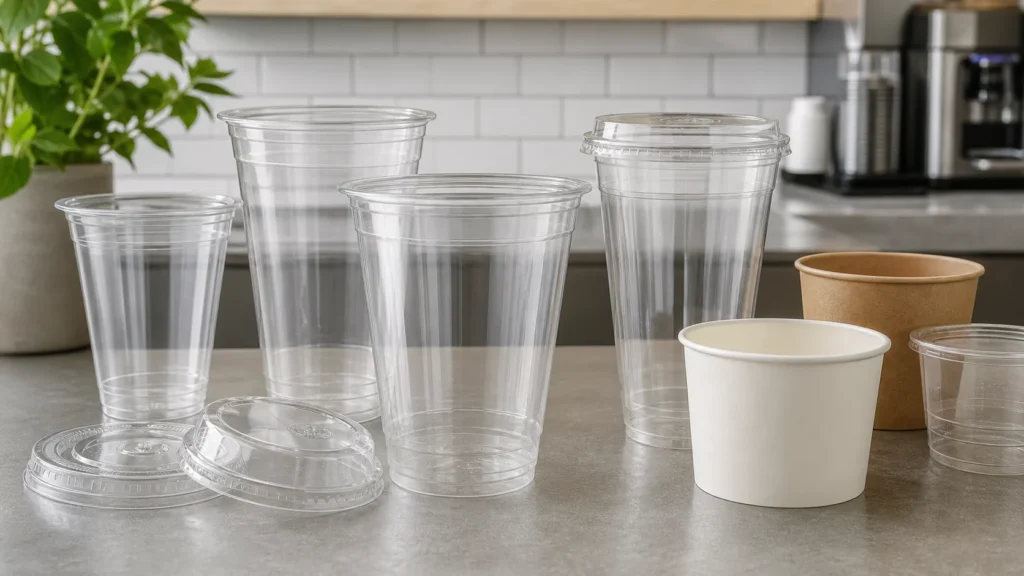
قبل تقييم أي مادة تُستخدم في صناعة الأكواب، يجب على مشغل خدمات الطعام أو مشتري مواد التغليف الإجابة عن سؤال واحد: أين توضع هذه الكأس بعد أن يضعها الضيف على الطاولة؟ تقع أكواب PLA عند نقطة التقاء علم المواد والبنية التحتية، ويختلف الجانب المتعلق بالبنية التحتية من هذه المعادلة باختلاف المدينة والمقاطعة والعقد والموسم. فالكوب الذي يُظهر أداءً ممتازًا في بيئة خدمة معينة قد يتسبب في مشاكل تلوث أو مسؤولية قانونية متعلقة بمكبات النفايات في بيئة أخرى.
ابدأ برسم خريطة كاملة لمسار خدمتك:
ولا يصبح من المنطقي تقييم ما إذا كان الكوب المصنوع من مادة PLA وغطاؤه المطابق مناسبين لعملياتك إلا بعد التأكد من كل حلقة في تلك السلسلة. وتعد تخطي هذه الخطوة السبب الأكثر شيوعًا الذي يؤدي إلى فشل برامج PLA في الوفاء بوعودها المتعلقة بالاستدامة.
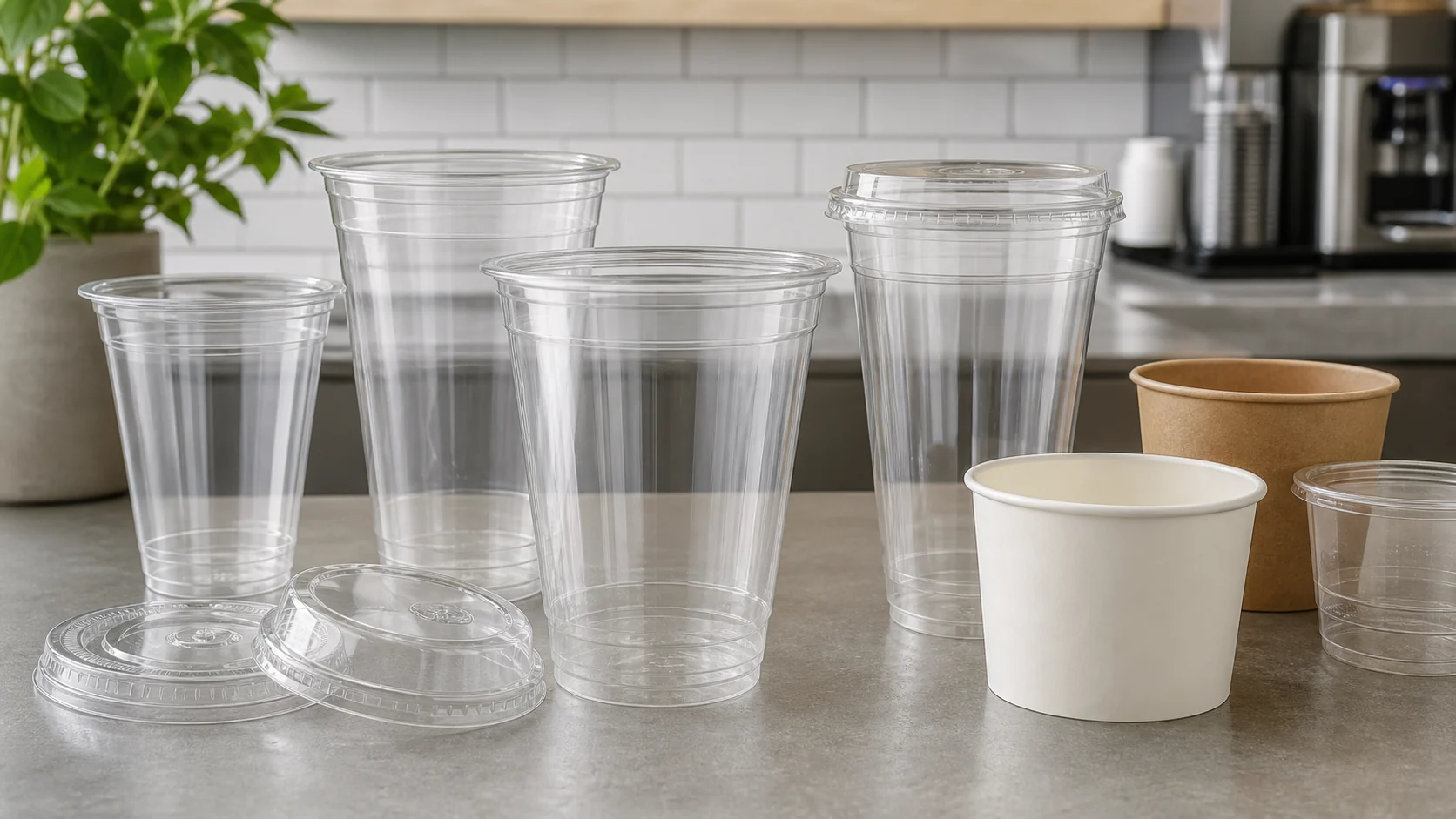
حمض البوليلاكتيك (PLA) هو مادة بلاستيكية حيوية مشتقة من السكريات النباتية المخمرة، وأكثرها شيوعًا نشا الذرة. وقد صُمم ليتحلل في ظل ظروف محددة وخاضعة للرقابة — وعادةً ما تكون درجات الحرارة المرتفعة ومستويات الرطوبة والنشاط الميكروبي الموجودة في بيئات التسميد الصناعي. وهو لا مثل البلاستيك التقليدي المصنوع من النفط، وهو لا يمكن تمييزها عن الورق أو الزجاج أو الألومنيوم في أنظمة الفرز.
النقاط الرئيسية التي يجب على المشترين أن يدركوها بوضوح:
إرشادات وكالة حماية البيئة (EPA) بشأن تحديد أدوات تقديم الطعام المستدامة تشجع الشركات المشغلة على النظر إلى ما وراء ملصقات المواد وتقييم المسار الكامل لدورة حياة المنتج قبل اختيار التغليف.
لا تكون فعالية الكوب المصنوع من مادة PLA كاملة إلا إذا كان مزودًا بغطاء متوافق معه. فالتوليفات غير المتوافقة — مثل كوب من مادة PLA مع غطاء بلاستيكي تقليدي، أو كوب ورقي مع غطاء من مادة PLA — قد تؤدي إلى استبعاد المجموعة بأكملها من مسار التسميد الصناعي، وفقًا لقواعد المنشأة. تشترط بعض المنشآت أن يظهر كل مكون من مكونات مجموعة الكوب بشكل مستقل في قائمة المواد المقبولة لديها.
ما يجب التحقق منه للتأكد من ملاءمة الكوب والغطاء:
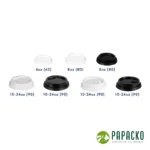
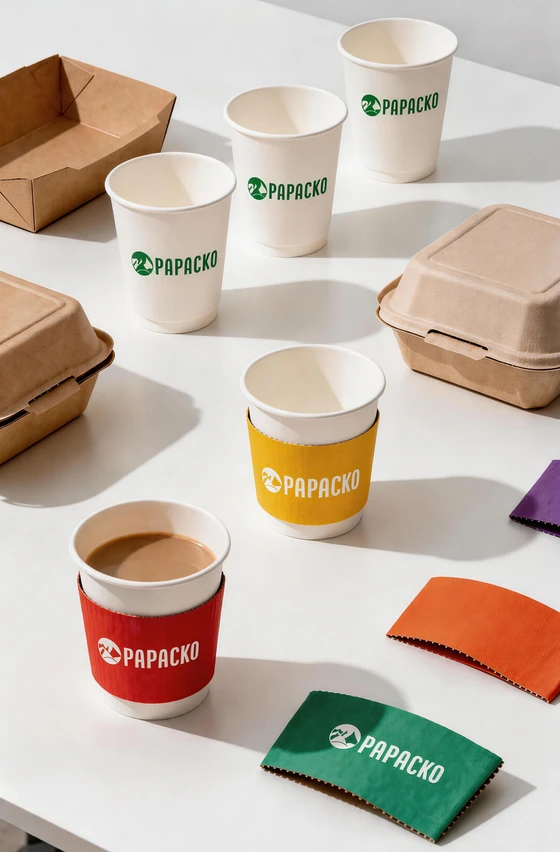
باباكو أغطية الأكواب الورقية و أكواب ورقية وقد صُممت هذه المنتجات ليتم تقييمها كنظام متكامل. وينبغي على المشترين طلب الوثائق الخاصة بمجموعة الكوب والغطاء المتطابقة كوحدة واحدة، وليس كعناصر منفصلة، ثم اختبار العينة من هذه المجموعة المتطابقة في ظروف الاستخدام الفعلية قبل الالتزام بشراء كميات كبيرة.
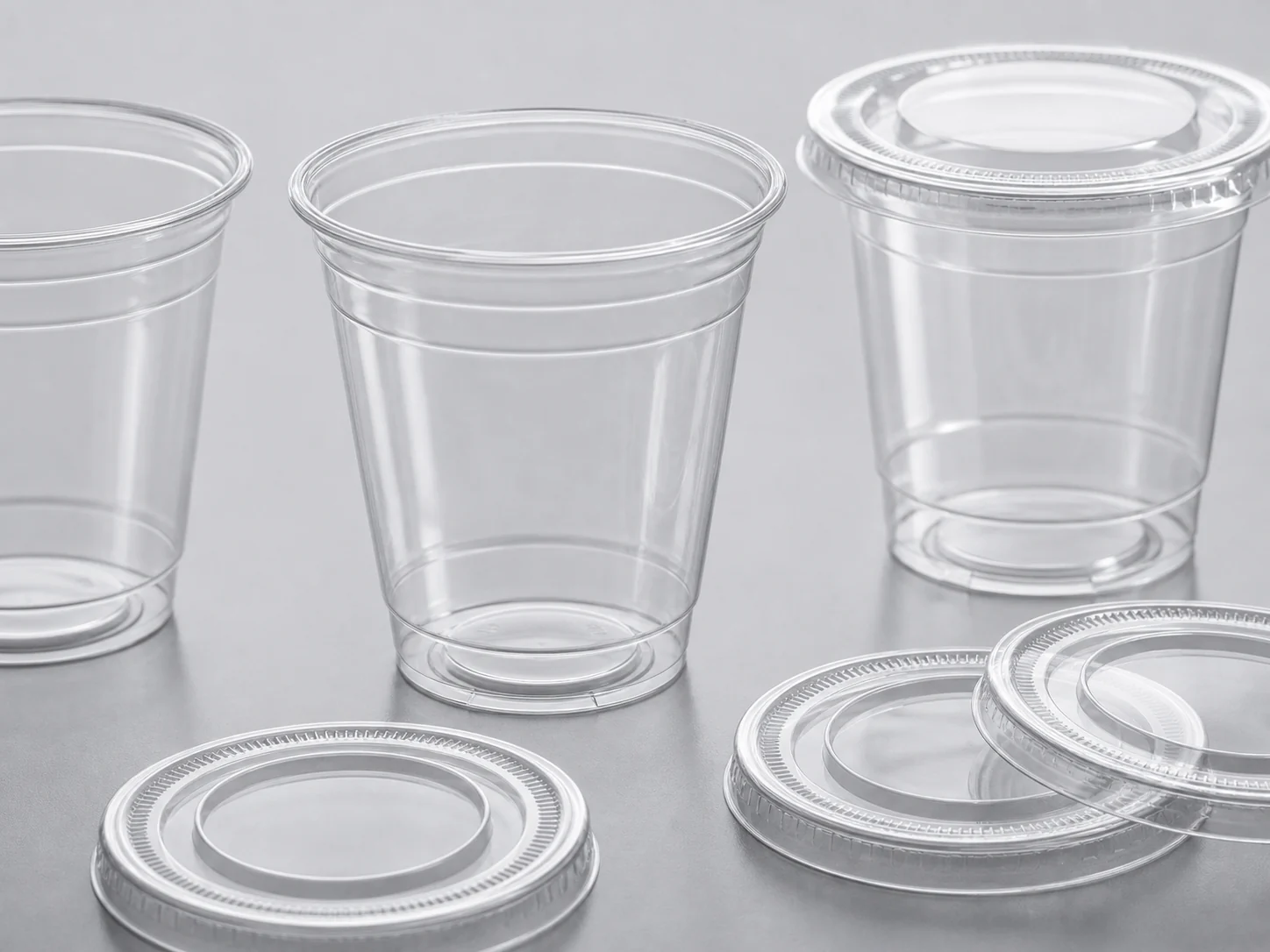
يتميز البولي لكتيد (PLA) بحساسية تجاه الحرارة موثقة جيدًا، وهو ما يميزه بشكل واضح عن المواد البلاستيكية التقليدية. ولا يُعد هذا عيبًا — بل هو خاصية تتيح تحويله إلى سماد — إلا أن له آثارًا تشغيلية مباشرة على خدمة تقديم المشروبات.
التطبيقات الباردة وهي الأماكن التي تُستخدم فيها أكواب PLA بشكل أكثر شيوعًا. بالنسبة للمشروبات المثلجة، والعصائر، والقهوة المبردة، والاستخدامات المماثلة، فإن الخصائص الحرارية لـ PLA مناسبة بشكل عام لفترة تقديم المشروبات. ومع ذلك، فإن مصطلح “بارد” يشمل نطاقًا واسعًا من درجات الحرارة الفعلية، كما أن التكثف، ووقت البقاء الطويل في يد الضيف، ودرجة الحرارة المحيطة في بيئة تقديم الخدمة، كلها عوامل تؤثر على أداء الكوب.
التطبيقات الأكثر رواجًا يتطلب ذلك اختبارًا دقيقًا. يتليّن مادة PLA عند درجات حرارة يمكن للأكواب البلاستيكية أو الورقية التقليدية تحملها دون أن تتشوه. إذا كانت قائمة الطعام الخاصة بك تتضمن القهوة الساخنة أو الشاي أو الحساء أو أي مشروبات أخرى ذات درجة حرارة عالية، فلا تفترض أن الكوب المصنوع من مادة PLA والمصمم للاستخدام مع المشروبات الباردة سيؤدي وظيفته بشكل ملائم. اختبر الكوب والغطاء المطابقين في ظروف الخدمة الفعلية — بما في ذلك أشد المشروبات سخونة التي تقدمها، وأطول مدة واقعية قد يحتفظ فيها الضيف بالكوب، ودرجة الحرارة المحيطة في بيئة الخدمة الخاصة بك.
خطوات التحقق من الصحة قبل النشر:
لا تعتمد على المواصفات العامة للمواد وحدها. اطلب بيانات الأداء الخاصة بالتصميم الدقيق للكوب الذي تنوي شراءه، وقم بإجراء اختبار التحقق بنفسك في ظل الظروف الفعلية التي تعمل فيها.
هذان أمران مختلفان، والخلط بينهما يشكل مخاطرة تشغيلية كبيرة.
التصديق يعني أن منظمة خارجية قد اختبرت المنتج وفقًا لمعيار محدد، وتوصلت إلى أنه يستوفي معايير قابلية التحلل في ظروف مختبرية أو تجريبية خاضعة للرقابة. وفي أمريكا الشمالية، تأتي الشهادات الأكثر شيوعًا في مجال أدوات تقديم الطعام من منظمات مثل معهد المنتجات القابلة للتحلل البيولوجي (BPI). ويقوم معهد BPI بـ برنامج التحقق من صحة الحقول تعمل على سد الفجوة بين اعتماد المختبرات وقبول المنشآت في الواقع العملي — لكن عملية التحقق الميداني لا تزال جارية، ولم يتم التحقق من كل منتج معتمد في كل أنواع المنشآت.
القبول المحلي يعني أن منشأة التسميد الصناعي المحددة التي تخدم منطقتك قد قامت بمراجعة المنتج ووافقت على قبوله في عملية المعالجة الخاصة بها. تتخذ المنشآت قراراتها بشكل مستقل بناءً على معداتها، ووقت المعالجة، ومستوى التسامح مع التلوث، ومتطلبات السوق النهائية للسماد العضوي النهائي. وقد يتم رفض منتج معتمد من هيئة وطنية من قبل منشأة محلية، كما أن قائمة المنتجات المقبولة لدى المنشأة قد تتغير مع دورات العقود، أو تحديثات المعدات، أو ظروف السوق.
ما يعنيه ذلك للمشترين:
وكالة حماية البيئة (EPA) موارد التسميد تقديم معلومات أساسية حول كيفية عمل عملية التسميد الصناعي، ولماذا يُعد القبول على مستوى المنشأة هو العامل الفعّال بالنسبة للمشغلين.
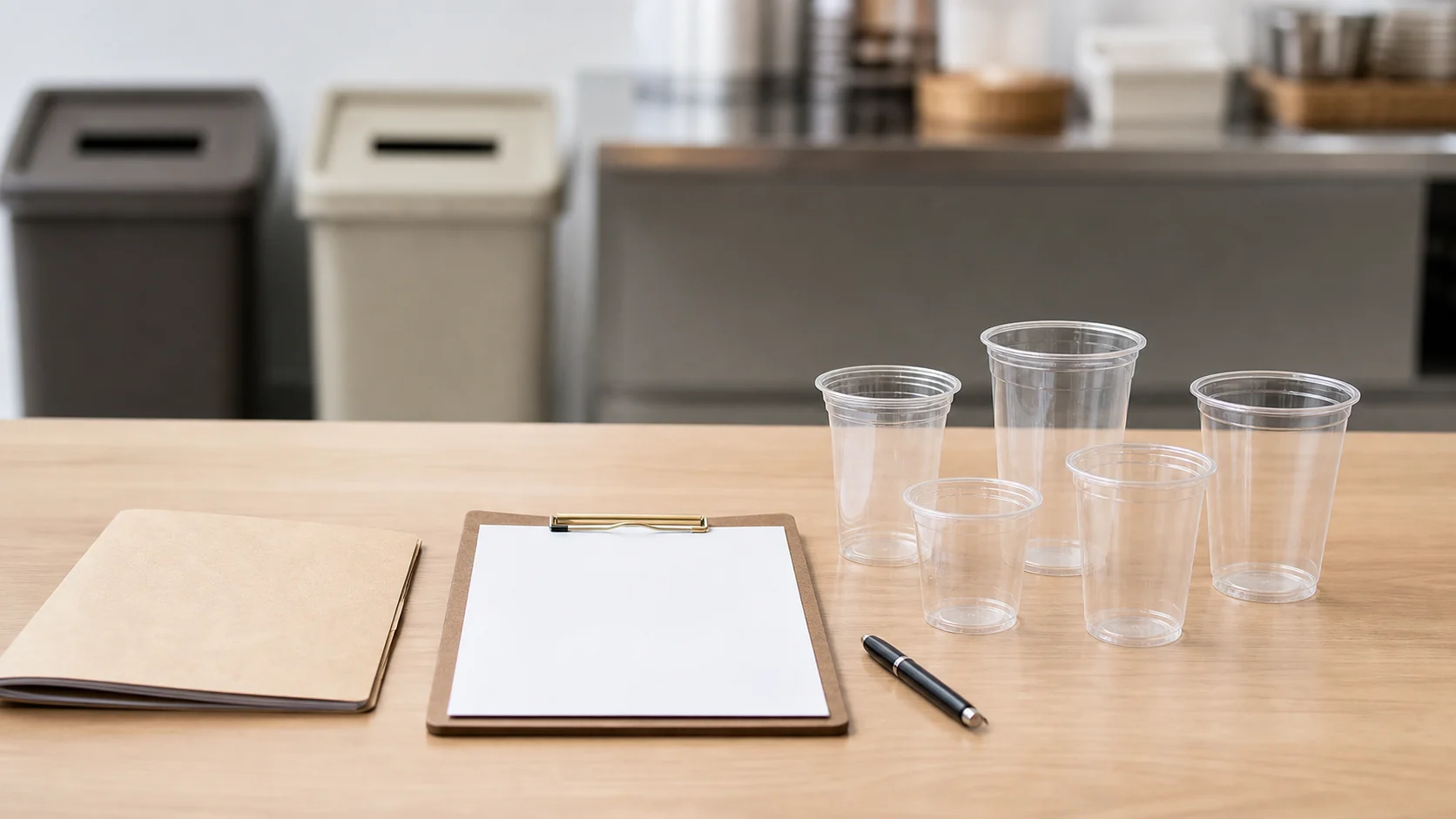
حتى نظام أكواب PLA المتوافق تمامًا والمعتمد والمقبول محليًّا سيفشل إذا لم يعمل تصميم عملية الجمع في نقطة الخدمة. ويُعد التلوث — أي دخول مواد غير صالحة إلى مسار المواد القابلة للتحلل — السبب الرئيسي الذي يدفع منشآت التسميد الصناعية إلى رفض الشحنات أو تعديل سياسات القبول الخاصة بها.
مبادئ تصميم المجموعات:
وضوح اللافتات. لن يتمكن الضيوف من الفرز بشكل صحيح إذا لم يتمكنوا من تحديد أي سلة تستقبل أي عنصر. يجب أن تكون اللافتات مخصصة لمجموعة الأكواب والأغطية الخاصة بكم، وليس عامة. تجنبوا استخدام مصطلحات مثل “قابل للتحلل” دون تحديد السلة التي ينتمي إليها، لأن الضيوف قد يفسرون ذلك على أنه إذن بوضعه في أي سلة خضراء أو سلة للمواد العضوية.
وضع الصناديق. يجب وضع صناديق النفايات القابلة للتحلل جنبًا إلى جنب مع صناديق القمامة وإعادة التدوير في كل محطة للتخلص من النفايات. فوجود صناديق النفايات القابلة للتحلل بمعزل عن البدائل المجاورة يؤدي إلى زيادة التلوث، لأن الضيوف يلجأون تلقائيًّا إلى أقرب صندوق متاح.
تدريب الموظفين. يجب أن يكون موظفو قسم خدمة العملاء قادرين على الإجابة عن الأسئلة الأساسية التي يطرحها النزلاء بشأن التخلص من النفايات. أما موظفو قسم العمليات الداخلية المسؤولون عن تجميع صناديق النفايات، فيجب أن يكونوا على دراية بالأكياس التي يجب توجيهها إلى كل مسار من مسارات شركات النقل.
مراقبة التلوث. إجراء فحص بصري دوري لصناديق المواد القابلة للتحلل قبل جمعها. وتشمل الملوثات الشائعة الأغطية البلاستيكية التقليدية، والقشات، والمناديل ذات الطلاء غير القابل للتحلل، وبقايا الطعام الموجودة في عبوات غير قابلة للتحلل.
الاتصالات بين شاحنات النقل. حافظ على التواصل المستمر مع شركة جمع النفايات. إذا طرأت تغييرات على قائمة منتجاتك وقمت بإدخال كوب أو غطاء جديد، فقم بإبلاغ شركة جمع النفايات وتأكد من استمرار قبولها لهذه المنتجات قبل بدء استخدام المنتج الجديد.
يجب أن تكون قرارات الشراء المتعلقة بأدوات تقديم الطعام القابلة للتحلل مدعومة بمجموعة من الوثائق التي تغطي التركيب المحدد للمنتج الذي تقوم بشرائه. ولا تكفي الادعاءات العامة المتعلقة بالفئة لأغراض التشغيل أو الامتثال.
اطلب ما يلي من أي مورد:
| وثيقة | ما يغطيها |
|---|---|
| شهادة اعتماد صادرة عن جهة خارجية | هيئة الاعتماد، المعيار الذي تم الاختبار وفقًا له، رقم الشهادة، تاريخ انتهاء الصلاحية |
| شهادة المطابقة | تأكيد أن رقم SKU المحدد يتطابق مع التصميم المعتمد |
| بيانات سلامة المواد / الإفصاح عن التركيب | التركيب الكامل للمواد، بما في ذلك البطانات والطلاءات والمواد اللاصقة |
| سجلات التحقق الميداني (إن وجدت) | أنواع المنشآت والظروف التي تم فيها التحقق من صلاحية المنتج |
| الوثائق المرفقة بالغطاء المطابق | تقديم وثائق منفصلة للغطاء إذا كان مصنوعًا من مادة مختلفة أو بتصميم مختلف |
| بلد المنشأ وموقع التصنيع | ذو صلة بالامتثال لقوانين الاستيراد وإجراءات العناية الواجبة في سلسلة التوريد |
احتفظ بهذه الوثائق في ملفاتك وقم بتحديثها كلما قمت بتغيير الموردين أو رموز المنتجات (SKU) أو تركيبات المنتجات. إذا طلبت إحدى المنشآت أو الجهات التنظيمية أدلة تثبت صحة ادعاءات قابلية التحلل إلى سماد، فستكون هذه الوثائق هي خط دفاعك الأول.
باباكو عبوات الأغذية القابلة للتحلل و حاويات تغليف المواد الغذائية تشكل هذه الصفحات نقطة انطلاق لاستكشاف المنتجات، لكن ينبغي على المشترين دائمًا طلب حزمة الوثائق الكاملة الخاصة بالمنتجات المحددة قيد الدراسة قبل تقديم الطلبات.
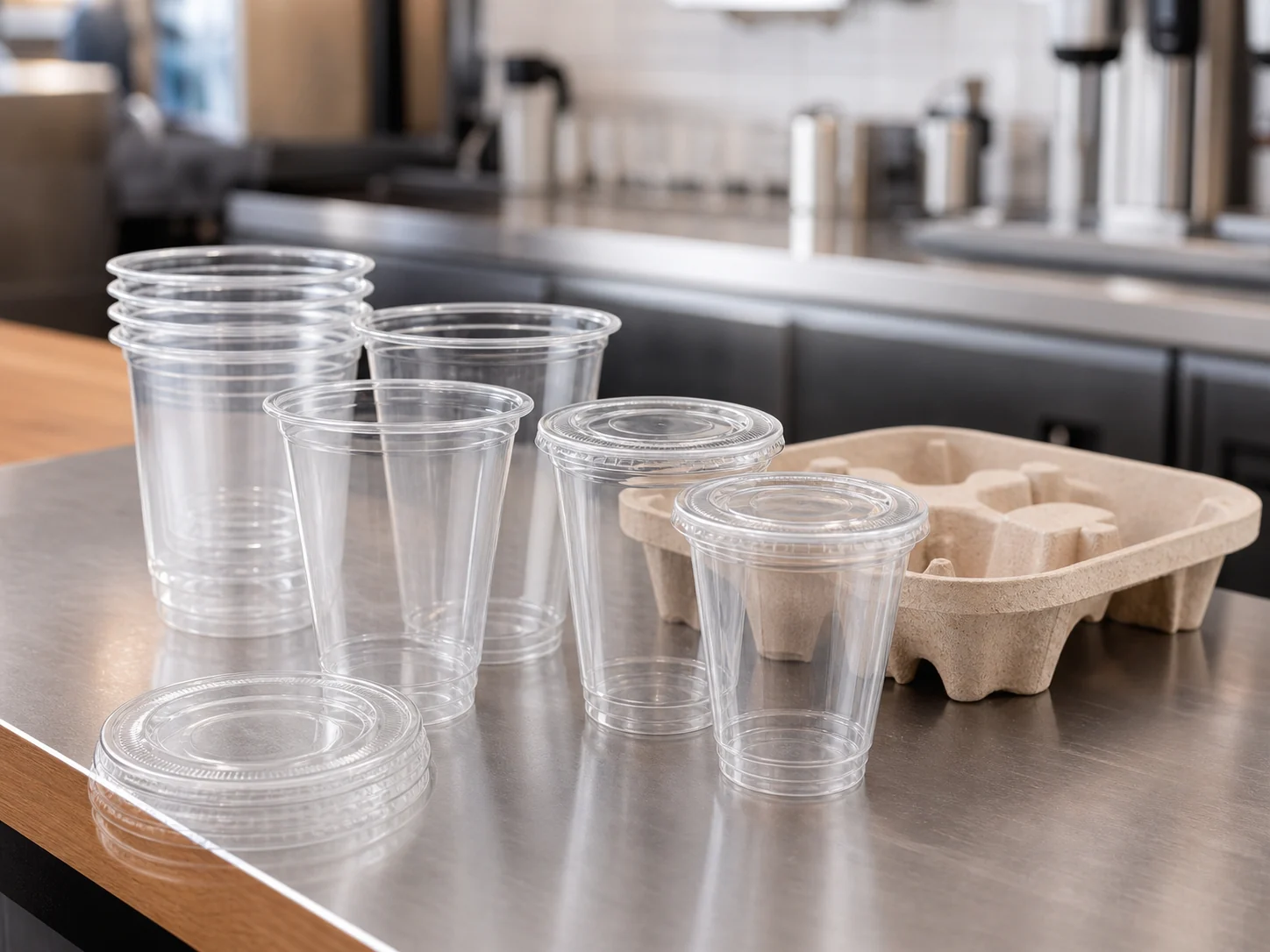
استخدم قائمة المراجعة هذه كإجراء مراجعة منظم قبل الإطلاق، وذلك قبل نشر نظام أكواب PLA. ولا تُعد هذه القائمة بديلاً عن المشورة المهنية في المجالات القانونية أو التنظيمية أو المتعلقة بإدارة النفايات، ولكنها تنظم نقاط اتخاذ القرار الرئيسية في مسار عمل متسلسل.
المرحلة الأولى: التحقق من البنية التحتية
– [ ] حدد منشأة التسميد الصناعي التي تخدم منطقتك
– [ ] الحصول على قائمة المواد المقبولة الحالية للمنشأة ومراجعتها
– [ ] تأكد من أن أكواب وأغطية PLA مدرجة في قائمة المواد المقبولة، سواء بالاسم أو بنوع الشهادة
– [ ] تأكد من شركة جمع النفايات التي تتعامل معها أن المواد القابلة للتحويل إلى سماد سيتم جمعها بشكل منفصل عن القمامة والمواد القابلة لإعادة التدوير
– [ ] معلومات الاتصال بشركة نقل المستندات والمسؤول في المنشأة من أجل التواصل المستمر
المرحلة الثانية: اختيار المنتج والتحقق من صلاحيته
– [ ] اختر مجموعة من الكوب والغطاء من مورد يمكنه توفير الوثائق الكاملة
– [ ] اطلب حزمة الوثائق الكاملة (انظر الجدول أعلاه) لكل من الكوب والغطاء
– [ ] قم بتجربة الكوب والغطاء المطابقين في ظل ظروف الاستخدام الفعلية لديك
– [ ] التحقق من جودة الأداء في قائمة المشروبات بالكامل، بما في ذلك المشروبات الأكثر طلبًا والأبرد
– [ ] التحقق من الأداء عبر نطاق زمن البقاء المتوقع
المرحلة الثالثة: تصميم نظام التجميع
– [ ] تصميم محطات تجميع النفايات بحيث تضم في مكان واحد النفايات القابلة للتحلل، والقمامة، والمواد القابلة لإعادة التدوير
– [ ] تصميم لافتات خاصة بمجموعة الكوب والغطاء الخاصة بك
– [ ] تدريب موظفي قسم خدمة العملاء وموظفي العمليات الداخلية على إجراءات الفرز
– [ ] وضع جدول زمني لرصد التلوث
المرحلة الرابعة: المطالبات والتواصل
– [ ] راجع جميع العبارات الموجهة للضيوف مع الاحتفاظ بتأكيد القبول الصادر عن منشأتك في متناول اليد
– [ ] تجنب الإدلاء بادعاءات بشأن قابلية التحويل إلى سماد تتجاوز ما تدعمه البنية التحتية المحلية
– [ ] وضع جدول زمني للمراجعة لإعادة تأكيد القبول سنويًّا
المرحلة الخامسة: الإدارة المستمرة
– [ ] مراقبة قائمة المقبولين في المنشأة للتحقق من وجود أي تغييرات
– [ ] إخطار شركة النقل بأي تغييرات تطرأ على قائمة الطعام أو التغليف قبل بدء الخدمة
– [ ] الحفاظ على حزمة الوثائق وتحديثها عند تغيير المنتجات
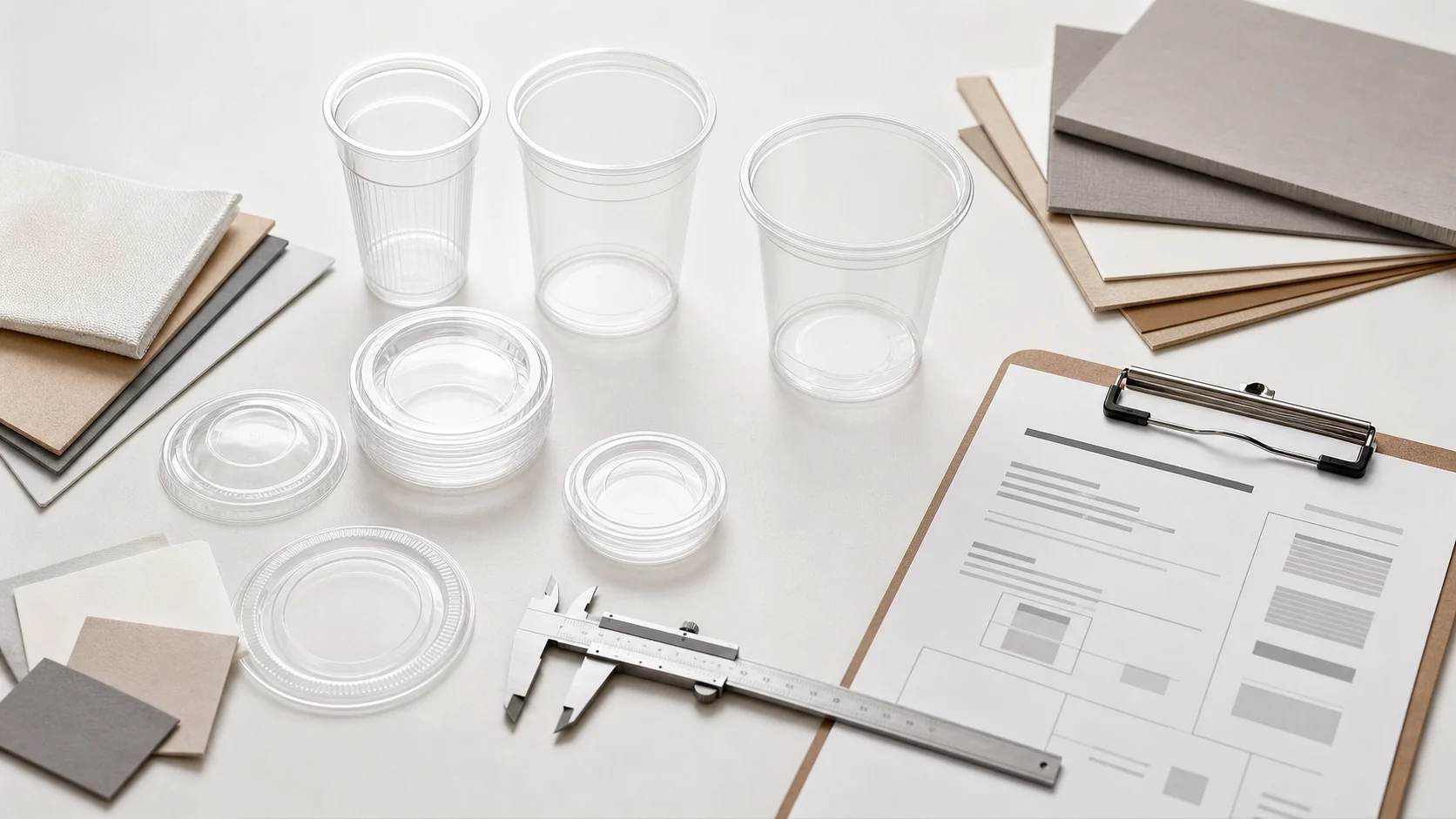
تقدم شركة «باباكو» مجموعة متنوعة من أشكال الأكواب وخيارات الأغطية للمشغلين الذين يبحثون عن أنظمة تغليف قابلة للتحلل. تصفح المجموعة الكاملة فئة الأكواب الورقية لمقارنة الأشكال والأحجام وخيارات التصميم ذات الصلة ببيئة الخدمة الخاصة بك.
أثناء تقييم الخيارات المتاحة، قم بتطبيق إطار العمل الخاص بالتوثيق والتحقق الموضح في هذا الدليل. اطلب الوثائق الخاصة بالمنتج، واطلب عينات من مجموعات الأكواب والأغطية المتوافقة مع ظروفك الفعلية، وتأكد من قبولها محليًّا من قبل شركة جمع النفايات ومنشأة التسميد قبل إتمام اختيارك.
يمكن لفريق «باباكو» مساعدتك في الإجابة عن أسئلتك المتعلقة بالمنتجات وتلبية طلبات الوثائق. اتصل بـ«باباكو» مباشرةً لمناقشة مسار الخدمة الخاص بك، ومتطلبات الحجم، والجدول الزمني.
نبذة عن هذا الدليل. أعدت شركة «باباكو» هذه المقالة لأغراض إعلامية بهدف مساعدة مشغلي خدمات الطعام ومشتري مواد التغليف على فهم العوامل الرئيسية التي تؤثر على اتخاذ القرار عند تقييم أنظمة الأكواب المصنوعة من البولي لاكتيد (PLA). وتعكس هذه المقالة المعرفة العامة السائدة في القطاع، وتُعتبر إطارًا أوليًّا، ولا تُعد بمثابة مشورة قانونية أو تنظيمية أو متعلقة بإدارة النفايات.
دور باباكو. شركة «باباكو» هي مورد لمواد التغليف. ولا تعمل «باباكو» كشركة نقل نفايات، أو منشأة سماد صناعي، أو هيئة اعتماد، أو سلطة تنظيمية. ولا يمكن لشركة «باباكو» التأكد مما إذا كانت منشأة سماد محلية معينة ستقبل أي منتج ما، أو ما إذا كانت ادعاءات قابلية التحول إلى سماد مسموحة بموجب اللوائح المحلية، أو ما إذا كان منتج معين سيحقق الأداء المطلوب في بيئة خدمة معينة.
مسؤولية المشتري. يتحمل المشترون مسؤولية التأكد من قبول البنية التحتية المحلية من قبل شركة النقل ومنشأة التسميد التابعة لهم، والتحقق من أداء المنتج في ظل ظروف الخدمة الفعلية لديهم، ومراجعة جميع اللوائح المحلية والاتحادية المعمول بها فيما يتعلق بادعاءات قابلية التحول إلى سماد، والاحتفاظ بوثائق محدثة لأي منتجات يشترونها ويستخدمونها.
لا توجد ادعاءات عامة. لا يُشكل أي شيء وارد في هذا الدليل ادعاءً عامًّا بشأن قابلية التحويل إلى سماد، أو قابلية إعادة التدوير، أو قابلية التحويل إلى سماد منزلي، أو القبول المحلي، أو حالة الاعتماد، أو الأداء في درجات الحرارة المختلفة، أو الأسعار، أو الحد الأدنى لكمية الطلب، أو مهلة التسليم، أو أي خاصية أداء أخرى. فجميع هذه العوامل ترتبط بالمنتج المحدد والمنشأة المحددة، وهي عرضة للتغيير. يرجى التأكد من ذلك مع الجهة المحلية المسؤولة عن جمع النفايات أو معالجة المواد. اطلب الوثائق الخاصة بالتصميم الدقيق للمنتج. قم باختبار الكوب والغطاء المطابقين في الظروف الفعلية.
العملة المصدر. تمت مراجعة المصادر الخارجية المذكورة في هذا الدليل وقت كتابة هذا الدليل. وتخضع الإرشادات التنظيمية ومعايير الاعتماد وسياسات قبول المنشآت للتغيير. يرجى التحقق من أحدث المعلومات مباشرةً من الجهة المختصة.
ابدأ بتحديد منشأة التسميد الصناعي التي تتلقى المواد من شركة النقل الخاصة بك. تنشر معظم المنشآت قائمة بالمواد المقبولة على مواقعها الإلكترونية، أو يمكنك طلبها مباشرةً. عند الاتصال بالمنشأة، اسأل تحديدًا عما إذا كانت الأكواب والأغطية المصنوعة من PLA والمخصصة لخدمات الطعام مقبولة، وما إذا كان قبولها يعتمد على شهادة معينة (مثل شهادة BPI)، وما إذا كانت هناك أي قيود تتعلق بالحجم أو الطلاء أو التصميم. لا تعتمد على بيان عام يفيد بـ“قبول المواد القابلة للتسميد” — تأكد من أن أكواب PLA مذكورة على وجه التحديد في القائمة. قد تتغير سياسات القبول الخاصة بالمنشأة، لذا قم بإعادة التأكيد مرة واحدة على الأقل سنويًّا وكلما تم تجديد عقد شركة جمع النفايات الخاصة بك. تأكد من ذلك مع الجهة المحلية المسؤولة عن جمع النفايات أو معالجتها قبل الإدلاء بأي تصريحات أمام الضيوف بشأن قابلية المواد للتسميد.
يتميز البولي لاكتيد (PLA) بخصائص حرارية تختلف بشكل كبير عن البلاستيك التقليدي، وبعض تصميمات أكواب PLA غير مصممة للتلامس المستمر مع السوائل الساخنة. ويعتمد مدى ملاءمة كوب PLA معين للمشروبات الساخنة على تصميمه الدقيق، ودرجة حرارة المشروب، ومدة بقاء الكوب قيد الاستخدام. لا تفترض أن الكوب المُصمم للمشروبات الباردة سيؤدي وظيفته بشكل ملائم مع المشروبات الساخنة. اختبر الكوب والغطاء المطابقين في ظروف الخدمة الفعلية لديك — باستخدام أشد المشروبات سخونة في قائمتك، مع إبقاء المشروب لفترة الاستخدام الأطول الممكنة — قبل استخدامهما في تقديم المشروبات الساخنة. اطلب بيانات الأداء الخاصة بالتصميم المحدد من المورد، وقم بإجراء اختبار التحقق بنفسك بدلاً من الاعتماد على المواصفات العامة للمواد.
لا يتوافق البولي لاكتيد (PLA) عمومًا مع مسارات إعادة تدوير البلاستيك التقليدية. فعندما يدخل البولي لاكتيد (PLA) في مسار إعادة تدوير البلاستيك، فإنه قد يلوث الدفعة ويقلل من جودة المنتج المعاد تدويره أو قابليته للتسويق. وهذا أحد الأسباب الرئيسية التي تجعل تصميم نظام الجمع والتواصل مع الضيوف أمرين بالغين الأهمية في برنامج أكواب البولي لاكتيد (PLA). إن وجود لافتات واضحة ومحددة في كل محطة للتخلص من النفايات — وليس عبارات عامة مثل “قابل للتحلل”، بل توجيهات محددة نحو سلة النفايات القابلة للتحلل — يقلل من احتمالية الخطأ في الفرز. كما أن تدريب الموظفين وإجراء عمليات تدقيق منتظمة للكشف عن التلوث يساعدان أيضًا. إذا كانت بيئة الخدمة الخاصة بك تشهد معدلًا مرتفعًا من الأخطاء في الفرز من قبل الضيوف ولم تكن هناك آلية موثوقة لتصحيح ذلك، فهذه إشارة مهمة حول ما إذا كان نظام أكواب PLA هو الخيار المناسب لهذا الموقع المحدد.
يعتمد ذلك على المتطلبات المحددة لمنشأة التسميد الصناعي الخاصة بك. تشترط العديد من المنشآت أن يظهر كل مكون من مكونات مجموعة الكوب — جسم الكوب، والغطاء، والغلاف (إن وجد)، والمصاصة (إن وجدت) — بشكل مستقل في قائمة المواد المقبولة لديها. قد يؤدي استخدام كوب معتمد قابل للتحويل إلى سماد مقترنًا بغطاء بلاستيكي تقليدي إلى استبعاد المجموعة بأكملها من مسار المواد القابلة للتحويل إلى سماد في بعض المنشآت، أو قد يتطلب إزالة الغطاء وفرزه بشكل منفصل قبل التخلص منه. تأكد من سياسة المنشأة بشأن المجموعات ذات المواد المختلطة قبل الانتهاء من تحديد تركيبة الكوب والغطاء. اطلب وثائق لكل من الكوب والغطاء كعناصر منفصلة، ثم تأكد من منشأتك ما إذا كان هذا المزيج مقبولًا كمجموعة واحدة أم يتطلب الفرز على مستوى المكونات.
يتم إصدار شهادات الاعتماد من جهات خارجية لأدوات تقديم الطعام القابلة للتحلل العضوي من قبل منظمات مستقلة تقوم باختبار المنتجات وفقًا لمعايير محددة تتعلق بقدرتها على التحلل العضوي في ظل ظروف خاضعة للرقابة. وفي أمريكا الشمالية، يُعد معهد المنتجات القابلة للتحلل العضوي (BPI) من بين هيئات الاعتماد الأكثر استخدامًا في مجال أدوات تقديم الطعام، و... برنامج التحقق من صحة الحقول تعمل على ربط شهادة المختبر بأداء المنشأة في الواقع الفعلي. ومع ذلك، فإن الحصول على شهادة من أي هيئة لا يضمن قبول المنتج في المنشأة المحلية الخاصة بك. فالشهادة تشير إلى أن المنتج قد خضع للاختبار وفقًا لمعيار معين؛ أما القبول المحلي فيشير إلى أن المنشأة التي تخدم منطقتك ستقوم بمعالجته. وكلا الأمرين مهمان، ويجب التأكد منهما بشكل مستقل. عند مراجعة وثائق الاعتماد، تحقق من الجهة المانحة للاعتماد، والمعيار الذي تم اختبار المنتج وفقًا له، ورقم الشهادة، وتاريخ انتهاء الصلاحية — وتأكد من أن الشهادة تنطبق على رقم المنتج (SKU) المحدد الذي تشتريه، وليس على منتج مشابه.
يجب أن تكون الرسائل الموجهة للضيوف بشأن قابلية التحلل الدقيق دقيقة ومحددة ومرتبطة بالبنية التحتية التي تأكدتم منها فعليًّا. تجنبوا العبارات العامة مثل “هذا الكوب قابل للتحلل” دون توضيح، لأن الضيوف قد يفسرون ذلك على أن الكوب سيتحلل في أي بيئة، بما في ذلك أكوام السماد المنزلي أو صناديق النفايات العضوية العامة، وهو ما قد لا يكون دقيقًا. توجّه العبارات الأكثر دقة الضيوف إلى إجراء محدد: فعبارة “ضع هذا الكوب في سلة النفايات العضوية الخضراء” أكثر فائدة وأقل احتمالاً لإثارة توقعات خاطئة مقارنة بعبارة “هذا الكوب قابل للتحلل”. إذا كان برنامجك يغطي مواقع محددة فقط — على سبيل المثال، ملعب رياضي به مسار مخصص للمواد القابلة للتحلل — فوضح هذا النطاق بدلاً من الإيحاء بأن الكوب يمكن تحويله إلى سماد في أي مكان. إرشادات وكالة حماية البيئة (EPA) بشأن أواني تقديم الطعام المستدامة تشجع المشغلين على تقييم المسار الكامل لمرحلة نهاية العمر الافتراضي، وينبغي أن تنعكس نفس الدقة في الطريقة التي تصفون بها هذا المسار للضيوف. وعندما تكونون في شك، فليكن خياركم هو التحديد والتحفظ بدلاً من الإدلاء بادعاءات بيئية عامة لا يمكنكم إثبات صحتها بشكل كامل.