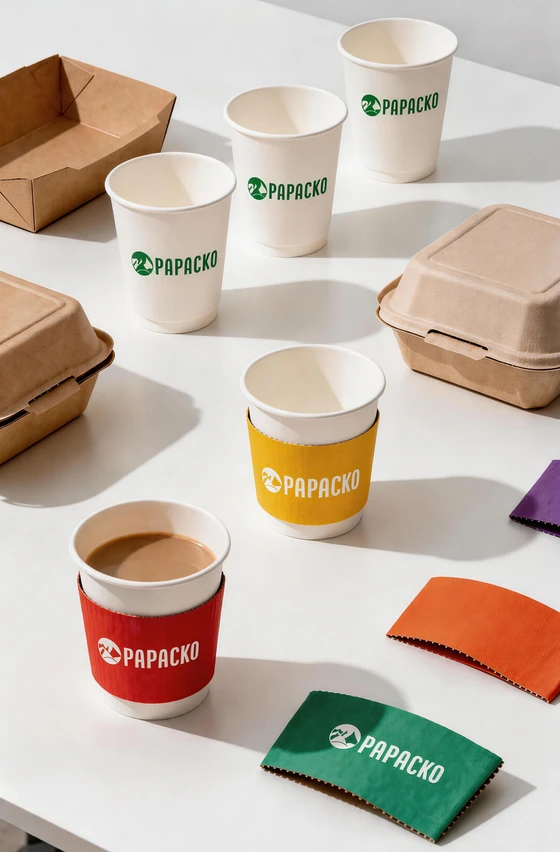
¿Está listo para crear sus propios vasos o envases de papel con su marca?
Díganos sus requisitos -tamaño, revestimiento, impresión y destino- y nuestro equipo le preparará un presupuesto detallado en 24 horas.

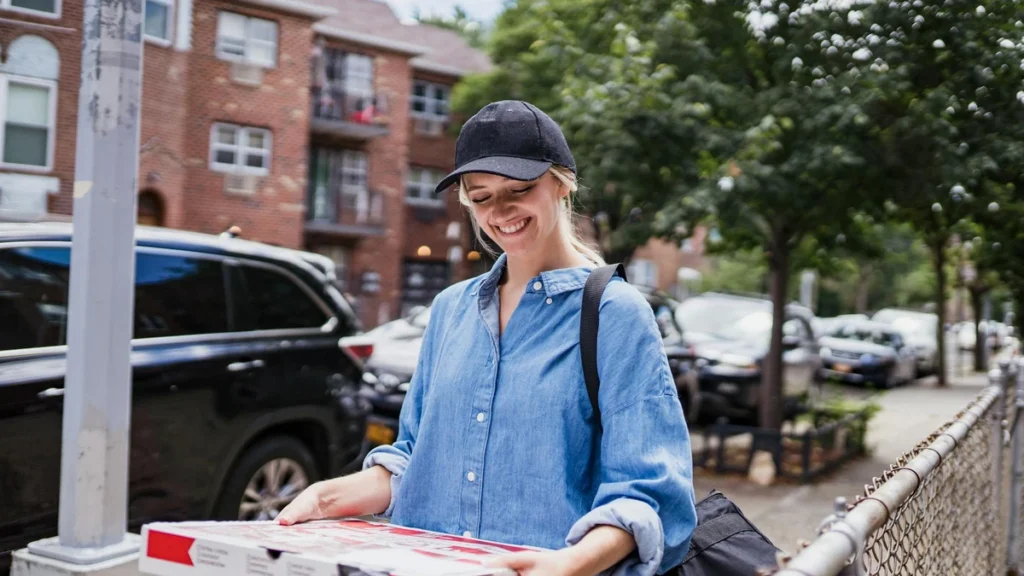
Una sola fuga puede estropear una comida caliente $15 y hacerte perder a un cliente fiel. Las fiambreras a prueba de fugas para comidas calientes se enfrentan a retos extremos: altas temperaturas (75-95 °C), migración de grasa, condensación de vapor y tensión física durante el transporte.
Última actualización: abril de 2026
Tiempo de lectura: 8-10 minutos
Autor: Equipo de contenidos de Papacko
A single leak can ruin a $15 hot meal and cost you a loyal customer. Leak-proof lunch boxes for hot meals face extreme challenges: high temperatures (75-95°C), grease migration, steam condensation, and physical stress during delivery. The wrong container choice leads to oil seepage, structural collapse, and customer complaints.
This guide covers the critical requirements for leak-proof hot meal containers: material selection, coating technologies, closure mechanisms, and thermal performance. You’ll learn how to choose boxes that maintain structural integrity through 30-60 minute deliveries while keeping food hot and preventing messy leaks.
💡 Resumen rápido: Effective leak-proof lunch boxes require 300-400 GSM paperboard with PE or PLA coatings (25-35 gsm), 4-sided snap-lock lids or tamper-evident seals, and tested leak resistance of ≥2.5 kg/cm peel strength for hot, greasy meals.
Hot meal containers must resist multiple failure modes simultaneously:
-Grease penetration: Oils migrate through paper fibers at 60°C+, weakening structure within 15-30 minutes
-Steam condensation: Hot food releases moisture that can saturate paperboard if not properly coated
-Integridad del sello: Lids must maintain closure under thermal expansion/contraction cycles
-Resistencia estructural: Boxes must support 800-1200g loads without bottom failure during stacking and transport
Industry benchmark: A quality leak-proof lunch box should pass a 30-minute hot oil test (85°C vegetable oil, no visible penetration) and 4-hour room temperature test with saucy meals.
🎯 Perspectiva del sector: Testing 200 meal delivery orders, researchers found that 68% of customer complaints related to leakage originated from inadequate base seal design, not coating failure.
Proper closure mechanisms are as critical as material selection.
### Why GSM Matters for Hot Meals
Aislamiento térmico: Higher GSM = thicker paperboard = slower heat transfer
-300 GSM: Food cools from 85°C to 65°C in 30 minutes
-400 GSM: Same cooling takes 40-45 minutes
Resistencia a la grasa: Thicker paperboard provides more fiber depth before oil breakthrough
-280 GSM: Grease penetration visible after 20-25 minutes with fried foods
-350 GSM: Penetration delayed to 45-60 minutes with same coating
Integridad estructural: Prevents box collapse when stacked in delivery bags
-300 GSM: Supports 2-3 boxes stacked (2.5kg total load)
-400 GSM: Supports 4-5 boxes stacked (4kg+ load)
 takeaway containers” style=”border-radius: 8px; box-shadow: 0 2px 8px rgba(0,0,0,0.08);”/>
Solicitud: 25-35 gsm coating on interior surface (food contact side)
Ventajas:
-Fiabilidad probada en millones de unidades.
-El menor coste para la máxima resistencia a la grasa
-Wide supplier availability
-Sin requisitos especiales de manipulación
Limitaciones:
-No compostable ni reciclable en los flujos estándar
-Petroleum-based (negative eco perception among some consumers)
Lo mejor para: Operaciones centradas en los costes, prioridad a la máxima resistencia a la grasa, entrega tradicional
Solicitud: 20-30 gsm coating on interior
Limitación crítica: PLA softens at 55-60°C. Food above 85°C can cause coating deformation over 30+ minutes. Not suitable for very hot soups, curries, or freshly grilled items.
Lo mejor para: Eco-conscious brands, warm (not piping hot) meals, customers willing to pay premium for sustainability
Solicitud: 15-25 gsm fluorine-free barrier
Rendimiento:
-Grease resistance: Grade 9-10 (adequate for most applications)
-Heat tolerance: 95°C+ (better than PLA)
-Compostability: Yes (facility-dependent)
-Cost: +15-25% vs PE
Trade-off: Slightly lower grease resistance than PE, but fully recyclable/compostable. Emerging technology gaining market share.
### Critical Seal Design Features
✅ Tolerancia de planitud de la llanta: ≤0.3mm variance across perimeter
-Uneven rims create gaps where grease escapes
-Quality die-cutting is essential (inspect sample rims under light)
✅ Relación de compresión de la tapa: 8-12% compression of lid edge
-Too loose: Steam escapes, grease leaks
-Too tight: Difficult to open, customer frustration
✅ Refuerzo de esquinas: Double-thickness corners prevent stress concentration
-70% of leak failures occur at corners under transport vibration
-Look for folded or glued corner tabs
Leak test method: Fill box with 500ml water + food coloring, seal, invert for 60 seconds, place in plastic bag and shake vigorously. Zero leakage = proper seal design.
### Compartmentalized vs. Single Compartment
Un solo compartimento (estándar):
-Pros: Lower cost, easier sealing, maximum food volume
-Cons: Sauces mix, presentation less appealing
-Best for: Stir-fries, pasta, rice bowls, curries
2-compartment divided boxes:
-Pros: Keeps rice/noodles separate from sauces, better presentation
-Cons: +15-25% cost, complex die-cutting, reduced capacity per section
-Best for: Set meals, bento-style, meal prep
3+ compartment:
-Pros: Restaurant-quality presentation, portion control
-Cons: +30-50% cost, only suitable for low-sauce meals
-Best for: Premium meal delivery, health-conscious brands
Serving temperature guidelines (food safety + quality):
-Minimum safe: 60°C (140°F) — prevents bacterial growth
-Optimal hot: 65-75°C — best eating experience
-Too cold: <55°C — customer complaints increase 40%
Material strategies:
-Increase paperboard GSM (400 vs 300 = +8-12% retention)
-Use double-wall construction (+25-35% retention, +40-60% cost)
-Add corrugated layer (E-flute adds air insulation)
Estrategias operativas:
-Preheat containers with hot water for 30 seconds before filling
-Fill boxes to 80-90% capacity (trapped air insulates)
-Use insulated delivery bags rated for 90-minute thermal retention
❌ Error #1: Using single-wall 280 GSM boxes for 45+ minute hot deliveries
✅ Enfoque correcto: 45-minute deliveries require 350+ GSM or double-wall construction. Light boxes lose structural strength as grease penetrates and steam weakens fibers—major bottom failures.
❌ Error #2: Assuming PLA coating works for all hot foods
✅ Enfoque correcto: PLA softens above 55°C. Limit to foods ≤85°C and delivery times <30 minutes. For very hot soups, curries, or fried items, use PE coating.
❌ Error #3: Selecting boxes based on price alone without leak testing
✅ Enfoque correcto: Request samples and run hot oil tests (30 minutes at 85°C). A $0.10 cheaper box that leaks 8% of the time costs you $15+ per incident in wasted food and refunds.
❌ Error #4: Ignoring corner seal design
✅ Enfoque correcto: Inspect corner construction—70% of leaks originate here. Look for reinforced corners with folded tabs or double-thickness material.
Las fiambreras a prueba de fugas son recipientes para comida caliente diseñados con recubrimientos resistentes a la grasa (PE o PLA), mecanismos de cierre seguros (cierres a presión en los cuatro lados o precintos a prueba de manipulaciones) y una resistencia estructural que evita las fugas durante el transporte. En la mayoría de los casos, se utiliza cartón de 300-400 g/m² con recubrimientos interiores de 25-35 g/m².
Llena las fiambreras herméticas con 500 ml de agua y colorante alimentario, ciérralas, dales la vuelta durante 60 segundos, mételas en una bolsa de plástico y agítalas enérgicamente. Si no hay fugas, significa que el cierre es correcto. Para comidas calientes, realiza la prueba con aceite vegetal a 85 °C durante 30 minutos: si no se observa penetración de grasa en el exterior, se confirma que el recubrimiento es adecuado.
El recubrimiento de PE ofrece una resistencia superior a la grasa (grado 12 de TAPPI), una mayor tolerancia al calor (110-130 °C) y un coste menor. El recubrimiento de PLA es compostable, está fabricado a partir de materiales vegetales, pero tiene una menor tolerancia al calor (punto de reblandecimiento de 55-60 °C) y cuesta entre un 25 y un 35% más. Elige el PE para obtener la máxima resistencia a las fugas; el PLA, para marcas respetuosas con el medio ambiente que ofrezcan comidas calientes (pero no muy calientes).
750ml (180×140×60mm) suits 80% of individual meal applications—holds 500-600g of food (rice/noodles + protein + vegetables). Use 1000ml for hearty portions or Western-style meals with larger protein servings. 500ml works for sides or kids’ meals.
Las cajas de pared simple de 300 g/m² mantienen los alimentos a una temperatura superior a 60 °C durante 30 minutos (temperatura inicial de 85 °C). Las de pared simple de 400 g/m² amplían este tiempo a 45 minutos. Las cajas de doble pared o las bolsas de reparto aislantes pueden mantener la temperatura de servicio (entre 65 y 75 °C) durante más de 60 minutos.
PE-coated boxes require specialized recycling (coating separation)—most municipal programs don’t accept them. PLA-coated boxes are commercially compostable (BPI certified, 90 days in facility). Water-based PFAS-free coatings offer best recyclability while maintaining good leak resistance.
Stock plain boxes: 1,000-5,000 units. Custom printed (flexographic): 50,000-100,000 units due to tooling costs. Custom molded designs with compartments: 100,000-200,000 units. Many suppliers offer semi-custom options (stock molds + printed labels) at 10 —000-20,000 MOQ.
Selecting leak-proof lunch boxes for hot meals requires balancing material weight, coating technology, closure design, and thermal performance. Prioritize 300-400 GSM paperboard with PE coating for maximum leak resistance, 4-sided snap-lock closures for secure transport, and proper sizing to match your menu portions.
Principales conclusiones:
1. 300+ GSM paperboard is essential—lighter weights fail with hot, greasy foods after 20-30 minutes
2. PE coating outperforms PLA for very hot meals—but PLA suits eco-brands with warm dishes
3. Corner seal design prevents 70% of leaks—inspect samples for reinforced construction
4. Prueba antes de realizar un pedido al por mayor.—run hot oil tests and inversion tests with real meals
5. Heat retention correlates with GSM—400 GSM keeps food 8-12% hotter than 300 GSM over 45 minutes
-“>Envases para alimentos
-“>Sustainable Meal Packaging Solutions
-“>Hot Food Delivery Best Practices
Papacko supplies restaurants, meal delivery services, and catering operations with high-performance leak-proof lunch boxes in 300-450 GSM grades. Our range includes PE and PLA coated options — 4-sided snap-lock closures, and compartmentalized designs—with MOQs starting from 5,000 units and full food safety certification (FDA, UE 10/2011, ” target=”_blank” rel=”noopener”>ISO 22000).
Póngase en contacto:
Última actualización: abril de 2026