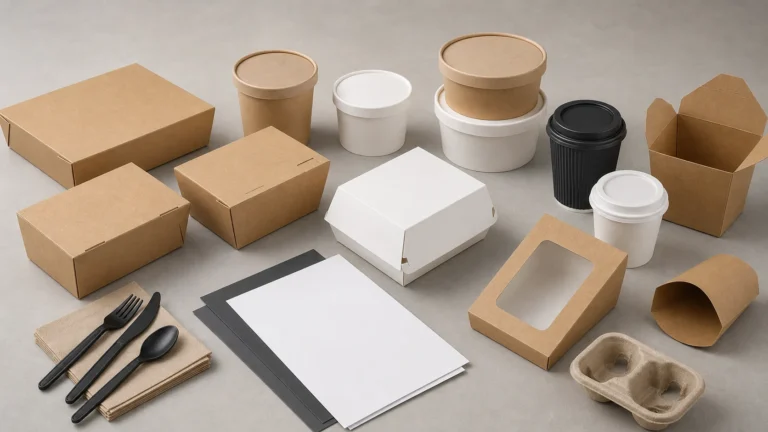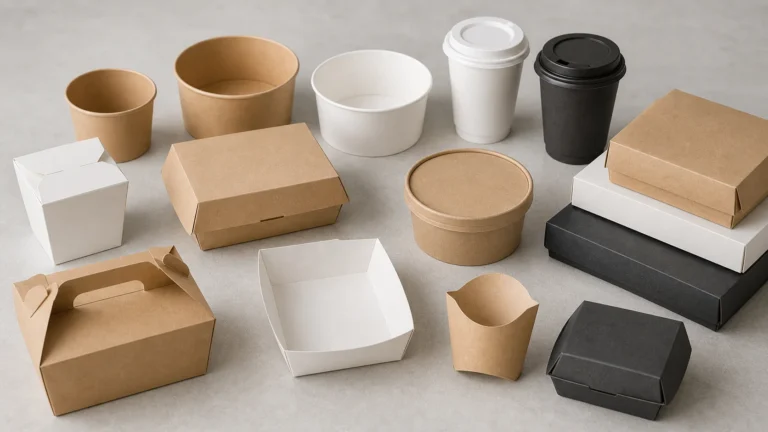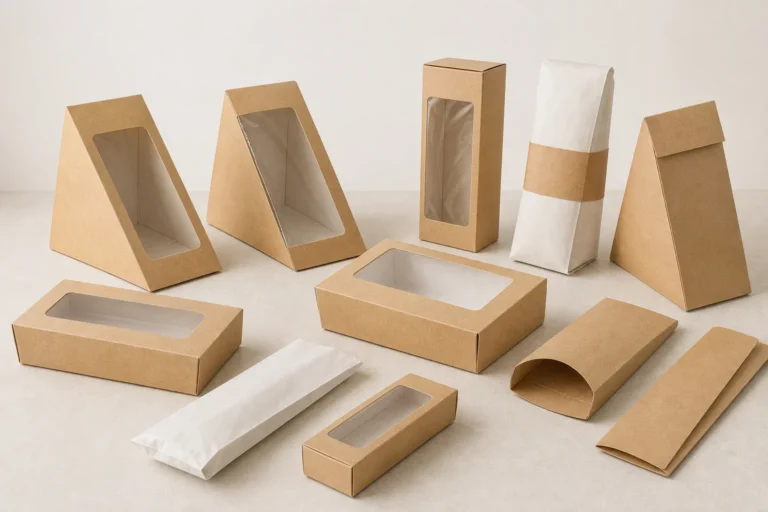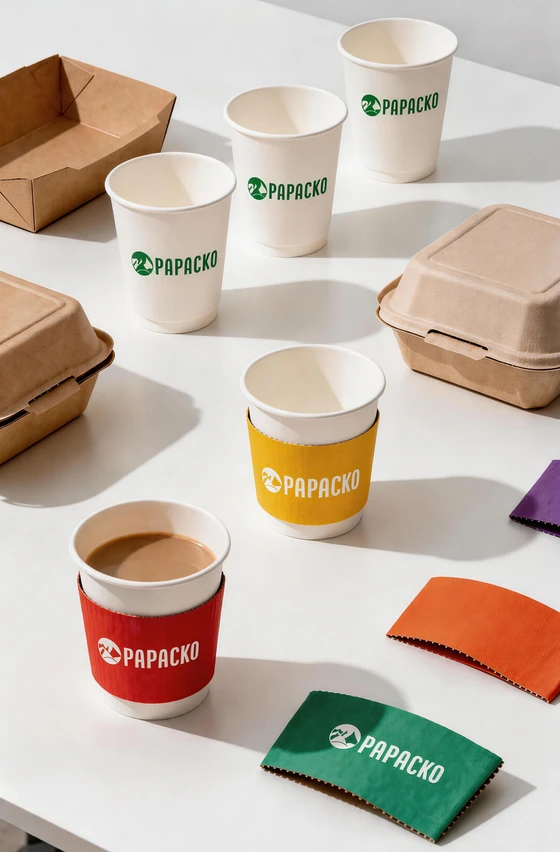
هل أنت مستعد لإنشاء أكواب ورقية أو عبوات ورقية تحمل علامتك التجارية الخاصة بك؟
أخبرنا بمتطلباتك - الحجم والطلاء والطباعة والوجهة - وسيقوم فريقنا بإعداد عرض أسعار مفصل في غضون 24 ساعة.

يمكن لتسرب واحد أن يفسد وجبة ساخنة من طراز $15 ويكلفك خسارة عميل مخلص. تواجه علب الغداء المانعة للتسرب المخصصة للوجبات الساخنة تحديات بالغة الصعوبة: درجات الحرارة المرتفعة (75-95 درجة مئوية)، وانتقال الدهون، وتكثف البخار، والضغط المادي أثناء الاستخدام.
آخر تحديث: أبريل 2026
وقت القراءة: 8-10 دقائق
المؤلف: فريق محتوى باباكو
تسرب واحد كفيل بإتلاف وجبة ساخنة من نوع $15 وتكلفك خسارة عميل مخلص. تواجه علب الغداء المانعة للتسرب المخصصة للوجبات الساخنة تحديات قاسية: درجات الحرارة المرتفعة (75-95 درجة مئوية)، وانتقال الدهون، وتكثف البخار، والضغط المادي أثناء التوصيل. ويؤدي اختيار الحاوية غير المناسبة إلى تسرب الزيت، وانهيار الهيكل، وشكاوى العملاء.
يغطي هذا الدليل المتطلبات الأساسية لحاويات الوجبات الساخنة المانعة للتسرب: اختيار المواد، وتقنيات الطلاء، وآليات الإغلاق، والأداء الحراري. ستتعلم كيفية اختيار الصناديق التي تحافظ على سلامتها الهيكلية خلال فترة التوصيل التي تتراوح بين 30 و60 دقيقة، مع الحفاظ على سخونة الطعام ومنع حدوث أي تسربات.
💡 خلاصة سريعة: تتطلب صناديق الغداء الفعالة المقاومة للتسرب استخدام ورق مقوى بوزن 300-400 جرام في المتر المربع مع طلاءات من البولي إيثيلين (PE) أو البولي لاكتيد (PLA) (25-35 جرام في المتر المربع)، وأغطية مزودة بأقفال انزلاقية من الجوانب الأربعة أو أختام تثبت التلاعب، ومقاومة للتسرب تم اختبارها بقوة تقشير تبلغ 2.5 كجم/سم على الأقل للوجبات الساخنة والدهنية.
يجب أن تتحمل حاويات الوجبات الساخنة عدة أنواع من الأعطال في آن واحد:
-تغلغل الشحم: تنتقل الزيوت عبر ألياف الورق عند درجة حرارة تزيد عن 60 درجة مئوية، مما يؤدي إلى إضعاف بنية الورق في غضون 15 إلى 30 دقيقة
-تكثف البخار: تطلق الأطعمة الساخنة رطوبة قد تتسبب في تشبع الورق المقوى إذا لم يكن مطليًا بطبقة واقية مناسبة
-سلامة الختم: يجب أن تظل الأغطية مغلقة خلال دورات التمدد والانكماش الحراري
-القوة الهيكلية: يجب أن تتحمل الصناديق أحمالاً تتراوح بين 800 و1200 جرام دون أن يتلف قاعها أثناء التكديس والنقل
معيار الصناعة: يجب أن يجتاز صندوق الغداء عالي الجودة والمقاوم للتسرب اختبار الزيت الساخن لمدة 30 دقيقة (زيت نباتي بدرجة حرارة 85 درجة مئوية، دون أي تسرب مرئي) واختبارًا لمدة 4 ساعات في درجة حرارة الغرفة مع وجبات تحتوي على صلصة.
🎯 رؤى الصناعة: بعد اختبار 200 طلب توصيل وجبات، توصل الباحثون إلى أن 68% من شكاوى العملاء المتعلقة بالتسرب نجمت عن تصميم غير ملائم لمانع التسرب في القاعدة، وليس عن خلل في الطلاء.
تعد آليات الإغلاق المناسبة بنفس أهمية اختيار المواد.
### لماذا يُعد نظام GSM مهمًا لتقديم الوجبات الساخنة
العزل الحراري: كلما زاد كثافة الورق المقوى (GSM) = زادت سماكة الورق المقوى = زادت بطء انتقال الحرارة
-300 جرام/متر مربع: تنخفض درجة حرارة الطعام من 85 درجة مئوية إلى 65 درجة مئوية في غضون 30 دقيقة
-400 جرام/متر مربع: يستغرق التبريد نفسه 40-45 دقيقة
مقاومة الشحوم: يوفر الورق المقوى الأكثر سمكًا عمقًا أكبر للألياف قبل اختراق الزيت
-280 جرام/متر مربع: يظهر تغلغل الدهون بعد 20-25 دقيقة عند استخدامها مع الأطعمة المقلية
-350 جرام/متر مربع: تأخر الاختراق إلى 45-60 دقيقة مع استخدام الطلاء نفسه
السلامة الهيكلية: يمنع انطواء الصناديق عند تكديسها في أكياس التوصيل
-300 جرام/متر مربع: يتحمل 2-3 صناديق مكدسة (حمولة إجمالية 2.5 كجم)
-400 جرام للمتر المربع: يتحمل 4-5 صناديق مكدسة (حمولة تزيد عن 4 كجم)
 ”حاويات الطعام الجاهز” style=”border-radius: 8px; box-shadow: 0 2px 8px rgba(0,0,0,0.08);"/>
التطبيق: طبقة طلاء بوزن 25-35 جرامًا للمتر المربع على السطح الداخلي (الجانب الملامس للأغذية)
المزايا:
-موثوقية مثبتة عبر ملايين الوحدات
-أقل تكلفة لأقصى قدر من مقاومة الشحوم
-توافر واسع للموردين
-لا توجد متطلبات مناولة خاصة
القيود:
-غير قابلة للتحويل إلى سماد أو إعادة التدوير في المسارات القياسية
-مشتق من النفط (تصور بيئي سلبي لدى بعض المستهلكين)
الأفضل لـ: عمليات تركز على التكلفة، أولوية مقاومة الشحوم القصوى، التسليم التقليدي
التطبيق: طبقة طلاء بسماكة 20-30 جرامًا للمتر المربع على الجانب الداخلي
القيد الحرج: يذوب البولي لكتيد (PLA) عند درجة حرارة تتراوح بين 55 و60 درجة مئوية. قد تؤدي درجة الحرارة التي تزيد عن 85 درجة مئوية إلى تشوه الطبقة الخارجية إذا استمرت لأكثر من 30 دقيقة. غير مناسب للحساء شديد السخونة أو أطباق الكاري أو الأطعمة المشوية حديثًا.
الأفضل لـ: العلامات التجارية المراعية للبيئة، والوجبات الدافئة (وليس الساخنة جدًّا)، والعملاء المستعدون لدفع سعر أعلى مقابل الاستدامة
التطبيق: حاجز خالٍ من الفلور بسماكة 15-25 جم/م²
الأداء:
-مقاومة الشحوم: الدرجة 9-10 (مناسبة لمعظم الاستخدامات)
-تحمل الحرارة: 95 درجة مئوية فأكثر (أفضل من PLA)
-قابلية التحلل: نعم (حسب المنشأة)
-التكلفة: +15-25% مقابل PE
المقايضة: مقاومته للدهون أقل قليلاً من البولي إيثيلين، لكنه قابل لإعادة التدوير/التحلل بالكامل. وهي تقنية ناشئة تكتسب حصة في السوق.
### السمات التصميمية الحاسمة للختم
✅ تحمل تسطيح الحافة: تباين لا يتجاوز 0.3 مم على طول المحيط
-تؤدي الحواف غير المستوية إلى ظهور فجوات تتسرب منها الشحوم
-يُعد القطع بالقالب عالي الجودة أمرًا ضروريًا (افحص حواف العينة تحت الضوء)
✅ نسبة ضغط الغطاء: 8-12% ضغط حافة الغطاء
-مفرط في الارتخاء: تسرب البخار، وتسرب الشحوم
-ضيق جدًا: يصعب فتحه، مما يسبب إحباط العملاء
✅ تقوية الزوايا: الزوايا ذات السماكة المزدوجة تمنع تراكم الضغط
-تحدث 70% من حالات التسرب في الزوايا تحت تأثير اهتزازات النقل
-ابحث عن الألسنة المطوية أو الملصقة في الزوايا
طريقة اختبار التسرب: املأ الصندوق بـ 500 مل من الماء + ملون طعام، وأغلقه بإحكام، ثم اقلبه لمدة 60 ثانية، وضعه في كيس بلاستيكي ورجّه بقوة. عدم وجود أي تسرب = تصميم محكم للإغلاق.
###: نظام الحجرات مقابل نظام الحجرة الواحدة
حجرة واحدة (قياسي):
-المزايا: تكلفة أقل، سهولة أكبر في الإغلاق، سعة أكبر لتخزين الطعام
-العيوب: تداخل نكهات الصلصات، وتقديم أقل جاذبية
-الأفضل لاستخدامها في: الأطباق المقلية، والمعكرونة، وأطباق الأرز، والكاري
صناديق مقسمة إلى جزأين:
-المزايا: يحافظ على فصل الأرز/المعكرونة عن الصلصات، ويضفي مظهرًا أفضل
-العيوب: تكلفة تتراوح بين +15 و251 TP3T، عملية قص بالقالب معقدة، انخفاض السعة لكل قسم
-الأفضل لـ: الوجبات الجاهزة، أسلوب البنتو، تحضير الوجبات
3 حجرات أو أكثر:
-المزايا: تقديم الأطباق بجودة المطاعم، والالتزام بحجم الحصص
-العيوب: تكلفة +30-50%، مناسب فقط للوجبات قليلة الصلصة
-الأفضل لـ: خدمات توصيل الوجبات الفاخرة، والعلامات التجارية التي تهتم بالصحة
إرشادات درجة حرارة التقديم (سلامة الأغذية + الجودة):
-الحد الأدنى الآمن: 60 درجة مئوية (140 درجة فهرنهايت) — يمنع نمو البكتيريا
-الساخن المثالي: 65-75 درجة مئوية — أفضل تجربة تذوق
-الجو بارد جدًا: <55 درجة مئوية — تزداد شكاوى العملاء 40%
استراتيجيات المواد:
-زيادة كثافة الورق المقوى (400 مقابل 300 = زيادة في الاحتفاظ بنسبة 8-12%)
-استخدام هيكل مزدوج الجدران (تكلفة الاحتفاظ: +25-35%، تكلفة التصنيع: +40-60%)
-إضافة طبقة مموجة (تضيف الموجة E عزلًا هوائيًا)
الاستراتيجيات التشغيلية:
-قم بتسخين الأوعية بالماء الساخن لمدة 30 ثانية قبل ملئها
-املأ الصناديق حتى تصل سعتها إلى 80-90٪ (حيث يعمل الهواء المحبوس كعازل)
-استخدم حقائب توصيل معزولة حرارياً مصممة للحفاظ على درجة الحرارة لمدة 90 دقيقة
❌ الخطأ #1: استخدام صناديق أحادية الجدار بوزن 280 جرامًا للمتربع في التوصيلات الساخنة التي تستغرق 45 دقيقة أو أكثر
✅ النهج الصحيح: تتطلب عمليات التسليم في غضون 45 دقيقة استخدام مادة تزيد سماكتها عن 350 جرامًا في المتر المربع أو هيكلًا مزدوج الجدران. تفقد الصناديق الشفافة قوتها الهيكلية مع تغلغل الشحوم فيها وإضعاف البخار للألياف — مما يؤدي إلى حدوث أعطال كبيرة في القاع.
❌ الخطأ #2: بافتراض أن طلاء PLA مناسب لجميع الأطعمة الساخنة
✅ النهج الصحيح: يتحلل البولي ليدين (PLA) عند درجات حرارة تزيد عن 55 درجة مئوية. يقتصر استخدامه على الأطعمة التي لا تتجاوز درجة حرارتها 85 درجة مئوية وفترات التوصيل التي تقل عن 30 دقيقة. بالنسبة للحساء الساخن جدًّا أو أطباق الكاري أو الأطعمة المقلية، يُنصح باستخدام غلاف من البولي إيثيلين (PE).
❌ الخطأ #3: اختيار الصناديق بناءً على السعر فقط دون إجراء اختبار التسرب
✅ النهج الصحيح: اطلب عينات وقم بإجراء اختبارات الزيت الساخن (30 دقيقة عند 85 درجة مئوية). إن صندوقًا أرخص بسعر $0.10 يتسبب في تسرب 8% من الوقت يكلفك $15+ لكل حادثة من حيث الطعام المهدر والمبالغ المستردة.
❌ الخطأ #4: تجاهل تصميم مانع التسرب في الزوايا
✅ النهج الصحيح: افحص بنية الزوايا — حيث تنشأ 70% من التسريبات من هذه المنطقة. ابحث عن الزوايا المقواة ذات الألسنة المطوية أو المواد ذات السماكة المزدوجة.
صناديق الغداء المانعة للتسرب هي حاويات للوجبات الساخنة مصممة بطبقات مقاومة للدهون (PE أو PLA)، وآليات إغلاق آمنة (أقفال كبس رباعية الجوانب أو أختام تثبت التلاعب)، وقوة هيكلية تمنع التسرب أثناء التوصيل. وغالبًا ما تستخدم هذه الصناديق ورق مقوى بوزن 300-400 جرام في المتر المربع مع طلاءات داخلية بوزن 25-35 جرام في المتر المربع.
املأ صناديق الغداء المانعة للتسرب بـ 500 مل من الماء + ملون طعام، وأغلقها بإحكام، ثم اقلبها لمدة 60 ثانية، وضعها في كيس بلاستيكي وهزها بقوة. عدم وجود تسرب يدل على إحكام الإغلاق. بالنسبة للوجبات الساخنة، اختبرها بزيت نباتي بدرجة حرارة 85 درجة مئوية لمدة 30 دقيقة — عدم ظهور أي تسرب للدهون على السطح الخارجي يؤكد كفاية الطلاء.
يوفر طلاء البولي إيثيلين (PE) مقاومة فائقة للدهون (درجة TAPPI 12)، وتحملًا أعلى للحرارة (110-130 درجة مئوية)، وتكلفة أقل. طلاء PLA قابل للتحلل، ومصنوع من مواد نباتية، ولكنه يتميز بتحمل أقل للحرارة (نقطة تليين 55-60 درجة مئوية) وتكلفته أعلى بنسبة 25-35%. اختر PE للحصول على أقصى مقاومة للتسرب؛ واختر PLA للعلامات التجارية المهتمة بالبيئة التي تقدم وجبات دافئة (وليس ساخنة جدًا).
750 مل (180 × 140 × 60 مم) مناسب لتطبيقات الوجبات الفردية من طراز 80% — يتسع لـ 500-600 غرام من الطعام (أرز/معكرونة + بروتين + خضروات). استخدم سعة 1000 مل للوجبات الكبيرة أو الوجبات الغربية التي تحتوي على كميات أكبر من البروتين. سعة 500 مل مناسبة للأطباق الجانبية أو وجبات الأطفال.
تحافظ الصناديق أحادية الجدار بوزن 300 جرام للمتر المربع على درجة حرارة الطعام فوق 60 درجة مئوية لمدة 30 دقيقة (عند درجة حرارة أولية تبلغ 85 درجة مئوية). أما الصناديق أحادية الجدار بوزن 400 جرام للمتر المربع فتطيل هذه المدة إلى 45 دقيقة. يمكن للصناديق ذات الجدران المزدوجة أو أكياس التوصيل المعزولة الحفاظ على درجة حرارة التقديم (65-75 درجة مئوية) لأكثر من 60 دقيقة.
تتطلب الصناديق المطلية بالبولي إيثيلين (PE) عملية إعادة تدوير متخصصة (لفصل الطلاء) — ولا تقبلها معظم برامج إعادة التدوير البلدية. أما الصناديق المطلية بالبولي لاكتيد (PLA) فهي قابلة للتحويل إلى سماد تجاريًا (حاصلة على شهادة BPI، وتستغرق 90 يومًا في المنشأة). وتوفر الطلاءات المائية الخالية من مركبات PFAS أفضل قابلية لإعادة التدوير مع الحفاظ على مقاومة جيدة للتسرب.
الصناديق العادية الجاهزة: 1,000-5,000 وحدة. الصناديق المطبوعة حسب الطلب (بالطباعة الفلكسوغرافية): 50,000-100,000 وحدة بسبب تكاليف القوالب. تصميمات مقولبة حسب الطلب مع حجرات: 100,000-200,000 وحدة. يقدم العديد من الموردين خيارات شبه مخصصة (قوالب جاهزة + ملصقات مطبوعة) بحد أدنى للطلب يتراوح بين 10,000 و20,000 وحدة.
يتطلب اختيار علب الغداء المقاومة للتسرب والمهيأة للوجبات الساخنة تحقيق التوازن بين وزن المادة وتكنولوجيا الطلاء وتصميم الإغلاق والأداء الحراري. يفضل اختيار الورق المقوى بوزن 300-400 جرام في المتر المربع المطلي بطبقة من البولي إيثيلين (PE) لضمان أقصى درجات مقاومة التسرب، وإغلاق بأربعة جوانب مزود بمزلاج إغلاق آمن لضمان سلامة النقل، بالإضافة إلى اختيار الحجم المناسب الذي يتناسب مع حصص قائمة الطعام الخاصة بك.
الوجبات السريعة الرئيسية:
1. من الضروري استخدام ورق مقوى بوزن 300 غرام/م² أو أكثر—الأواني الخفيفة الوزن تتلف عند استخدامها مع الأطعمة الساخنة والدهنية بعد 20 إلى 30 دقيقة
2. يتفوق طلاء البولي إيثيلين على البولي لاكتيد في تقديم الوجبات شديدة السخونة—لكن PLA يناسب العلامات التجارية الصديقة للبيئة التي تقدم أطباقًا ساخنة
3. تصميم مانع التسرب الزاوي يمنع حدوث أي تسرب في طراز 70%—فحص عينات الإنشاءات المسلحة
4. اختبار قبل الطلب بالجملة—إجراء اختبارات الزيت الساخن واختبارات الانقلاب باستخدام وجبات حقيقية
5. يرتبط الاحتفاظ بالحرارة بمعدل الكثافة النسبية (GSM)—تُحافظ سماكة 400 جرام في المتر المربع على درجة حرارة الطعام أعلى من سماكة 300 جرام في المتر المربع لمدة 45 دقيقة
-“>عبوات تغليف المواد الغذائية
-“>حلول تغليف الوجبات المستدامة
-“أفضل الممارسات في توصيل الأطعمة الساخنة"
تزود شركة Papacko المطاعم وخدمات توصيل الوجبات وشركات تقديم الطعام بصناديق غداء عالية الأداء ومقاومة للتسرب، بوزن يتراوح بين 300 و450 جرامًا للمتر المربع. تشمل مجموعتنا خيارات مطلية بالبولي إيثيلين (PE) والبولي لاكتيد (PLA) — مع أغطية قابلة للإغلاق من 4 جوانب، وتصميمات مقسمة إلى حجرات — مع حد أدنى للطلب يبدأ من 5,000 وحدة وشهادة كاملة لسلامة الأغذية (FDA،, الاتحاد الأوروبي 10/2011, ” target=”_blank” rel=”noopener”>ISO 22000).
تواصل معنا
آخر تحديث: أبريل 2026