¿Está listo para crear sus propios vasos o envases de papel con su marca?
Díganos sus requisitos -tamaño, revestimiento, impresión y destino- y nuestro equipo le preparará un presupuesto detallado en 24 horas.

La estrategia de marca en las tazas de café ha pasado de la simple colocación de un logotipo a sofisticados ecosistemas de marketing que integran la interacción digital, la personalización, la comunicación de la sostenibilidad y el diseño basado en datos. A medida que nos acercamos a 2027, están surgiendo...
La estrategia de marca en las tazas de café ha pasado de la simple colocación de un logotipo a sofisticados ecosistemas de marketing que integran la interacción digital, la personalización, la comunicación de la sostenibilidad y el diseño basado en datos. A medida que nos acercamos a 2027, las tecnologías emergentes —diseños personalizados generados por IA, experiencias de envase con realidad aumentada (RA), declaraciones de sostenibilidad verificadas mediante blockchain y campañas dinámicas con códigos QR— están transformando las tazas desechables en puntos de contacto interactivos con la marca que impulsan la participación del cliente, la fidelidad y un retorno de la inversión cuantificable.
Esta guía con visión de futuro analiza las estrategias de marca para tazas de café que están llamadas a dominar el mercado en 2027, y abarca la personalización del diseño basada en la inteligencia artificial que se adapta a las preferencias individuales de los clientes, los envases con realidad aumentada que crean experiencias de marca inmersivas, los marcos de comunicación sobre sostenibilidad que generan confianza a través de la transparencia, tácticas de interacción con códigos QR que impulsan las descargas de aplicaciones y la inscripción en programas de fidelización, la integración del análisis de datos que mide la atribución de la conversión de taza a venta, y el análisis de coste-beneficio de las tecnologías avanzadas de marca frente a los enfoques tradicionales.
💡 Resumen rápido: El branding de las tazas de café en 2027 trasciende el diseño estático, aprovechando la personalización mediante IA (aumento de la interacción de 15 a 251 TP3T), experiencias de RA (aumento del 30-45 % en el intercambio en redes sociales), narrativas transparentes sobre sostenibilidad (datos verificados de la cadena de suministro), códigos QR dinámicos (tasas de escaneo del 12-20 %), y análisis de atribución que vinculan las interacciones con las tazas al valor del ciclo de vida del cliente, al tiempo que equilibran la inversión en tecnología ($8 000-25 000 de implementación) con una mayor retención de clientes (mejora de 18-28%) y un mayor poder de fijación de precios (aumentos aceptados de 12-18%).
Aspectos clave a tener en cuenta:
La frontera entre los objetos físicos y las experiencias digitales sigue difuminándose:
-La omnipresencia de los códigos QR: 681 millones de usuarios de teléfonos inteligentes escanean códigos QR con regularidad (frente a los 351 millones de 2021), lo que elimina las barreras de adopción
-Accesibilidad de la RA: Los filtros de realidad aumentada nativos de Instagram y TikTok eliminan las barreras para la descarga de la aplicación, lo que permite una interacción inmediata
-Integración de NFC: Los chips de comunicación de campo cercano integrados en las fundas para vasos activan funciones en el smartphone sin necesidad de escanear
-Verificación mediante blockchain: Los clientes verifican las declaraciones de sostenibilidad mediante códigos impresos en los vasos que enlazan con registros inmutables de la cadena de suministro
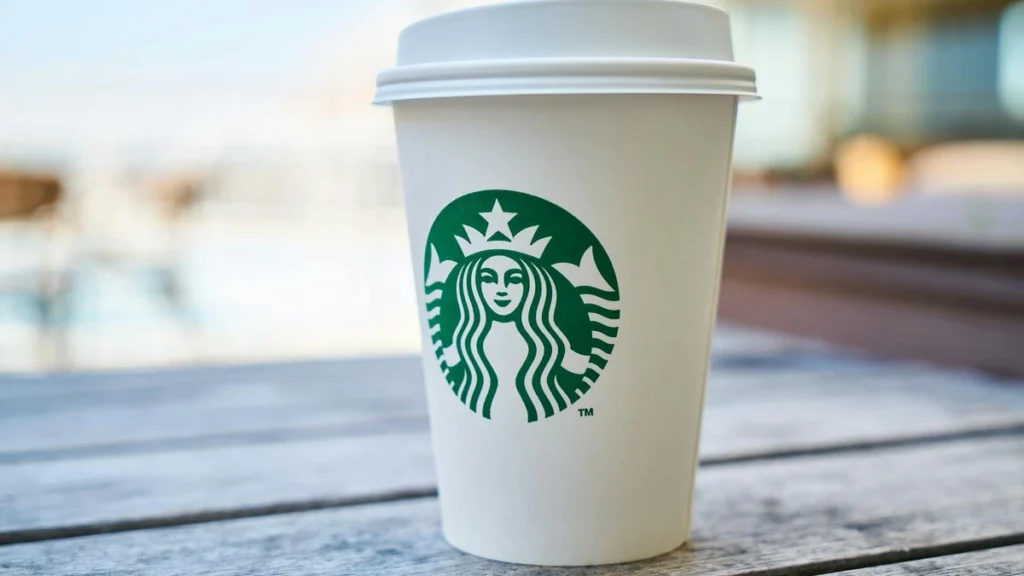
Datos sobre la evolución del mercado: Un estudio del sector de las bebidas realizado en 2026 reveló que el 52,1 % de los consumidores de café de la Generación Z y la Generación Y espera que las marcas ofrezcan “experiencias de envase interactivas” —frente al 28,1 % en 2023—, lo que convierte la integración digital en una necesidad competitiva más que en una simple novedad.🎯 Perspectiva del sector: El lanzamiento en 2026 por parte de Starbucks de vasos navideños con tecnología de realidad aumentada (al escanear los vasos se activaba un juego de realidad aumentada que desbloqueaba recompensas) generó un aumento del 341 % en la interacción con la aplicación y un incremento del 221 % en las inscripciones al programa de fidelización durante el periodo de la campaña, lo que demuestra el retorno de la inversión cuantificable que supone la integración de los vasos digitales.
Para comprender la estrategia de marca de las tazas de café, hay que tener en cuenta los siguientes factores:
Tecnología: Los sistemas de IA generan diseños únicos para las tazas basándose en los datos de los clientes (historial de compras, preferencias, ubicación, hora del día)1.El cliente realiza el pedido a través de la aplicación o presenta su tarjeta de fidelidad en el punto de venta
2.La IA analiza el perfil del cliente (pedidos anteriores, preferencias, datos demográficos)
3. El algoritmo genera un diseño que incorpora los colores preferidos del cliente, imágenes relevantes y un mensaje personalizado
4.La impresora digital fabrica un vaso único en un plazo de 8 a 15 segundos durante la preparación del pedido
5. El cliente recibe una taza con un diseño único, lo que le anima a compartir fotos y a publicarlas en las redes sociales
Ejemplo de aplicación en la vida real:-Una cadena independiente de cafeterías implementa la personalización mediante IA para los miembros de su programa de fidelización
-El sistema genera mensajes personalizados basados en el historial de pedidos del cliente (por ejemplo: “Tu 47.º café con leche de avena. ¡Gracias por tu compromiso con el medio ambiente!”).
-El 321 % de los destinatarios comparte fotos de los vasos en las redes sociales (frente al 81 % de los vasos con la marca estándar)
-Las publicaciones en redes sociales impulsan un aumento del 140% en las impresiones de medios ganados
-Retención de clientes entre los destinatarios de tazas personalizadas: un 281 % superior a la del grupo de control
La clave para elegir la imagen de marca de las tazas de café depende de:
Aplicación de IA: El aprendizaje automático analiza qué elementos de diseño (colores, tipografía, imágenes, mensajes) generan mayor interacción y conversión en segmentos específicos de clientesDatos introducidos:-Índices de difusión en redes sociales por variante de diseño
-La frecuencia con la que los clientes vuelven al local está relacionada con el diseño de la taza que reciben
-Comentarios de la encuesta sobre el atractivo del diseño (diseños sometidos a pruebas A/B)
-Índices de éxito de las ventas de tallas superiores según el diseño de la taza
-Variaciones en los resultados según la zona geográfica y la población
Resultados de la optimización:-Suscripción a la plataforma de diseño con IA: 1 400-2 500 al mes
-Equipo de impresión digital: 1 TP 4 12 000-45 000 (inversión única)
-Integración de la plataforma de datos de clientes: $5.000-18.000 (configuración)
-Análisis y optimización continuos de datos: 1 000-4 000 al mes
Cálculo del retorno de la inversión (cafetería que sirve 5.000 tazas al mes):-Inversión en tecnología: 25 000 TPL + 3500 TPL al mes de forma recurrente
-Mejora de la retención de clientes: 28% (efecto de la personalización mediante IA)
-Valor de los clientes retenidos: 15 clientes adicionales retenidos × $850 LTV = $12 750 al mes
-Impresiones generadas en redes sociales: 1.200 publicaciones × 350 de alcance medio = 420.000 impresiones al mes; con un CPM de $4 = $1.680 de valor mediático
-Rentabilidad mensual: ($12 750 + $1 680) ÷ $3 500 = 4 121 TP3T de rendimiento mensual (una vez superado el umbral de rentabilidad en el séptimo mes)

La clave para elegir la imagen de marca de las tazas de café depende de:
Mecanismo: Los clientes escanean el vaso con la cámara de su smartphone, lo que activa superposiciones de realidad aumentada (animaciones en 3D, juegos interactivos, historias de la marca)Tipos de solicitud:-Creación de experiencias de RA (WebAR o basadas en aplicaciones): $8 000-35 000, dependiendo de la complejidad
-Integración del diseño de la copa (marcadores de activación de RA): Mínima (incorporación al diseño estándar)
-Plataforma de alojamiento y análisis: $200-800 al mes
-Integración en redes sociales (filtros de Instagram y TikTok): 1 000-15 000
Aspectos clave a tener en cuenta:
Marca: Cadena regional de cafeterías especializadas (25 establecimientos)Implementación:-Diseño de taza navideña con activador de RA integrado
-Experiencia de realidad aumentada con un globo de nieve que se activa al escanear una taza, con personajes de la marca
-Los usuarios podían agitar el teléfono para hacer que cayera nieve y capturar fotos o vídeos con superposición de RA
-Al compartir en Instagram/TikTok con el hashtag ##BrandHashtag, los usuarios participaban en un sorteo
Resultados:-Se repartieron 12 400 tazas durante una campaña navideña de seis semanas
-4.340 escaneos de RA (frecuencia de escaneo de 351 TP3T —excepcionalmente alta—)
-1.890 veces compartido en redes sociales (151.000 tazas repartidas, 441.000 escáneres)
-Impresiones en medios ganados: 680 000 (promedio de 360 personas alcanzadas por publicación)
-Nuevas inscripciones en el programa de fidelización: 850 (incentivo mediante sorteo)
-Coste de la campaña: $22 000 (desarrollo de AR + premios)
-Valor publicitario (a un CPM de $6): $4.080
-Valor de la captación de nuevos clientes (850 altas × 401 % de conversión × 1,850 % de valor de vida útil): 289 000 € de valor de vida útil
-Rentabilidad de la inversión en la campaña: 1,241%, teniendo en cuenta el valor de vida útil (LTV) de los nuevos clientes
La clave para elegir la imagen de marca de las tazas de café depende de:
Tendencia para 2027: Los clientes exigen pruebas que vayan más allá de los logotipos: códigos escaneables que enlacen con datos verificados de la cadena de suministro, cálculos de emisiones de carbono y certificación de compostaje.Marco de transparencia:-Cada vaso tiene un código QR único que enlaza con un registro en la cadena de bloques
-El registro incluye: origen de la pasta de papel (silvicultura sostenible verificada), planta de fabricación, ruta de transporte y cálculo de las emisiones de carbono
-El cliente escanea el código y ve el recorrido verificado desde el árbol hasta la taza
-Auditores externos verifican la integridad de los datos
-Ventaja en materia de confianza: 811 000 consumidores preocupados por la sostenibilidad confían en la verificación mediante blockchain, frente a los 431 000 que confían en las declaraciones de las propias marcas
Aspectos clave a tener en cuenta:
Estrategias de diferenciación para 2027:-Vaso fabricado con bambú (rápida captura de carbono durante el crecimiento)
-Fabricación impulsada por energías renovables
-Compensación de las emisiones de carbono del sector del transporte mediante proyectos de reforestación
-Huella de carbono neta: -45 g de CO₂ equivalente (captura más de lo que emite)
-Mensaje en el vaso: “Este vaso ha eliminado 45 g de CO₂ de la atmósfera, lo que equivale a recorrer 0,3 km en coche”.”
-Código QR con enlaces a la metodología de cálculo de las emisiones de carbono y a la verificación realizada por terceros
-Precios premium: el 651 % de los clientes acepta un precio de +1 TP4T0,40 cuando se les presenta una prueba de huella de carbono negativa
Esquema de redacción publicitaria:-❌ Débil: “Nos preocupamos por el medio ambiente” (vago, imposible de verificar)
-❌ Moderado: “Fabricado con materiales sostenibles” (genérico, sin pruebas)
-✅ Puntos fuertes: “Certificado como compostable por BPI: se descompone en 90 días” (específico, certificado)
-✅ Muy convincente: “Vaso con huella de carbono negativa: ha eliminado 45 g de CO₂, verificado por [tercero independiente]” (cuantificado, verificado)
A la hora de evaluar la imagen de marca de las tazas de café, ten en cuenta lo siguiente:
Mejores prácticas para 2027: Los códigos QR como puerta de acceso a experiencias personalizadas, urgentes y basadas en la ubicaciónAplicaciones avanzadas de códigos QR:La clave para elegir la imagen de marca de las tazas de café depende de:
Integración de datos: Relacionar los escaneos de códigos QR de los vasos con el recorrido del cliente y el valor de por vidaFlujo de atribución:1.El cliente recibe un vaso con la marca y un código QR único o de lote
2.El cliente escanea el código (se registra: fecha y hora, ubicación, dispositivo)
3.El escaneo redirige a una página de destino personalizada (variantes sometidas a pruebas A/B)
4.El cliente realiza una acción (descarga de la aplicación, inscripción en el programa de fidelización, compra)
5.El seguimiento mediante cookies y aplicaciones relaciona la interacción con los productos con futuras compras
6.La plataforma de análisis calcula el retorno de la inversión (ROI) de la conversión de visitas a clientes
Resultados cuantificables:-Total de tazas repartidas: 50 000
-Escaneos de códigos QR: 9.500 (frecuencia de escaneo de 191 TP3T)
-Descargas de aplicaciones a partir de escaneos: 2.375 (conversión 25%)
-Compras de los usuarios de la aplicación (30 días): 1.425 (activación 60%)
-Precio medio de la primera compra: $8,50
-Índice de repetición de compra (90 días): 68%
-Ingresos atribuidos: $ 12 112 (primeros 30 días), $ 47 320 (proyección total)
-Coste por taza: 1,35 TP, inversión total: 17 500 TP
-Rentabilidad de la inversión en la campaña: 270% (primeros 30 días), estimación: 870% (durante toda la vida útil)
A la hora de evaluar la imagen de marca de las tazas de café, ten en cuenta lo siguiente:
Dirección visual: Diseños limpios y sencillos que realzan la experiencia del café en lugar de restarle protagonismo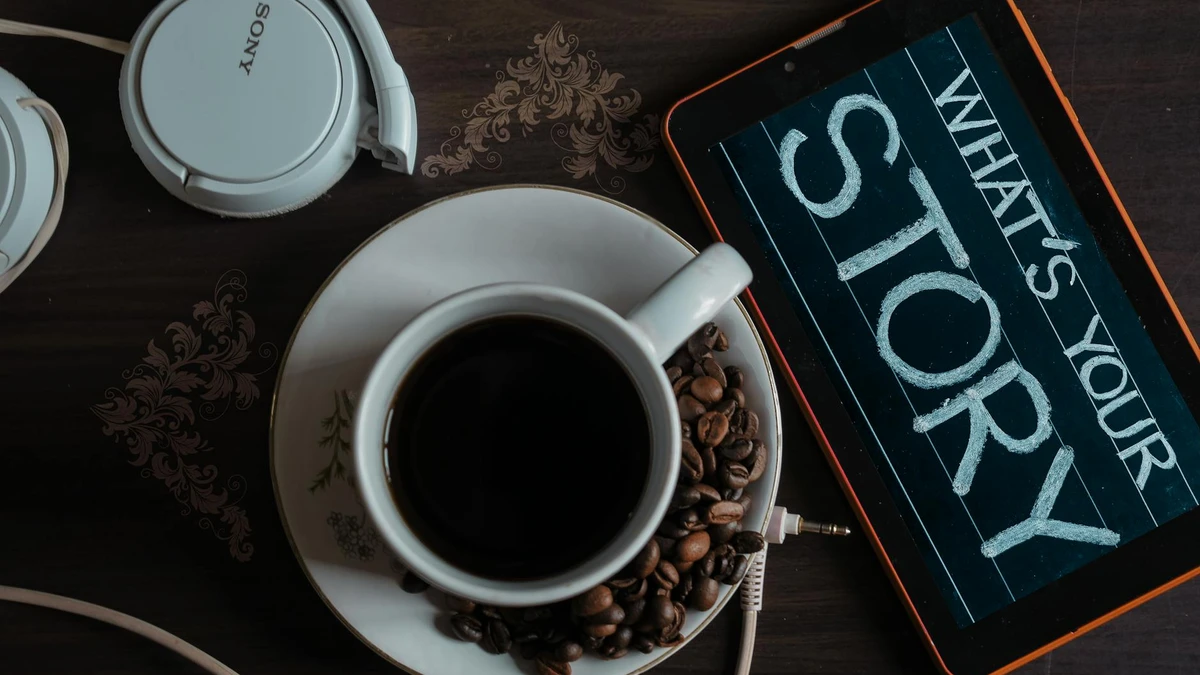
Aspectos clave a tener en cuenta:
Tendencia: Tipografía personalizada en lugar de diseños centrados en el logotipoVentajas:-Distintivo sin depender de un logotipo tradicional
-Se adapta mejor a los distintos tamaños de copa (basado en texto frente a basado en iconos)
-Más fácil de personalizar (las variaciones generadas por IA mantienen la coherencia de la marca)
-Rentable para marcas pequeñas (evita los costes de diseño del logotipo)
Ejemplos de estrategias tipográficas:A la hora de evaluar la imagen de marca de las tazas de café, ten en cuenta lo siguiente:
Enfoque tradicional de la estrategia de marca (diseño estático, impresión flexográfica):-Coste del diseño: $2.000-5.000 (pago único)
-Configuración de impresión: $1, 200-2,800 (planchas/cilindros)
-Precio por taza: 1,40-1,80 € (350 ml, 2 colores)
-Cantidad mínima de pedido: 10 000-20 000 unidades
-Inversión inicial total: $5,000-12,000
-Vida útil: renovación del diseño cada 2-3 años
Enfoque avanzado de gestión de marca (Personalización mediante IA, integración de códigos QR, impresión digital):-Desarrollo de un sistema de diseño: $8 000-18 000 (pago único)
-Equipo de impresión digital: $15 000-45 000 (coste único o recargo por taza si se subcontrata)
-Plataforma de IA/datos: 10 000-15 000 € de configuración + 2 000-5 000 € al mes
-Experiencia en RA (opcional): 1-4 años, 8 000-35 000
-Coste por taza: 1,40-1,55 € (impresión de datos variables)
-Cantidad mínima de pedido: 1.000-5.000 unidades (flexible)
-Inversión inicial total: $ 36 000-113 000 (o $ 15 000-30 000 si se utiliza el servicio de impresión)
-Ciclo de vida: Optimización continua (sistema vivo)
Aspectos clave a tener en cuenta:
Escenario: Cafetería que sirve 5.000 tazas al mes (60.000 en 24 meses)A la hora de evaluar la imagen de marca de las tazas de café, ten en cuenta lo siguiente:
Paso 1: Infraestructura de datos-Implementar una plataforma de datos de clientes (CDP) que integre el punto de venta, la aplicación y el sitio web
-Establecer métricas de referencia (tasa de retención, frecuencia de visitas, valor medio de los pedidos)
-Crear un marco de segmentación de clientes (comportamiento, preferencias, datos demográficos)
Paso 2: Capacidades de impresión digital-Evaluar la opción de fabricar o adquirir (equipos propios frente a un socio de impresión)
-Si se realiza internamente: Adquirir una impresora digital (1 u.n., 15 000-45 000), formar al personal
-En caso de externalización: establecer una colaboración con un servicio de impresión de datos variables
-Calidad de las pruebas, plazos de entrega y estructuras de costes
Paso 3: Infraestructura de códigos QR-Selecciona una plataforma de códigos QR dinámicos (Bitly, generador de códigos QR, solución personalizada)
-Diseña plantillas de páginas de destino con código QR (optimizadas para dispositivos móviles)
-Implementar la integración de herramientas de análisis (Google Analytics, Mixpanel)
-Crear campañas iniciales (inscripción en el programa de fidelización, descarga de la aplicación)
Para comprender la estrategia de marca de las tazas de café, hay que tener en cuenta los siguientes factores:
Paso 4: Sistema de diseño basado en IA-Asociarse con una plataforma de diseño basada en IA o desarrollar un sistema a medida
-Elaborar las directrices de marca para AI (paletas de colores, normas tipográficas, imágenes autorizadas)
-Generar una biblioteca de componentes de diseño (fondos, patrones, mensajes)
-Realizar una prueba con un grupo reducido (500 clientes) y realizar ajustes en función de los comentarios recibidos
Paso 5: Puesta en marcha de la fase piloto-Lanzar tazas personalizadas para los miembros del programa de fidelización (segmento controlado)
-Prueba A/B entre diseños personalizados y estándar
-Medir los indicadores de interacción (compartición en redes sociales, índices de visualización, retención)
-Optimizar basándose en los datos de rendimiento
Aspectos clave a tener en cuenta:
Paso 6: Experiencia de RA (si procede)-Definir la estrategia de RA (historia de la marca, juego, filtro social)
-Contrata a un socio de desarrollo de RA o utiliza una plataforma de WebAR (8th Wall, Zappar)
-Probar la experiencia de realidad aumentada con un grupo de empleados o clientes beta
-Lanzamiento preliminar con una campaña promocional para impulsar la adopción inicial
Paso 7: Verificación de la sostenibilidad mediante blockchain (opcional)-Evaluar plataformas de cadena de bloques (VeChain, IBM Food Trust, Provenance)
-Identificar los puntos de contacto de la cadena de suministro que requieren verificación
-Incorporar códigos QR que enlacen con registros de la cadena de bloques
-La transparencia del mercado como factor diferenciador de la prima
Paso 8: Optimización y escalabilidad-Analizar los datos de rendimiento de los últimos 6 a 12 meses
-Perfeccionar los algoritmos de IA basándose en los patrones de interacción
-Ampliar la personalización a una base de clientes más amplia
-Desarrollar variaciones estacionales o de campaña dentro del sistema
❌ Reto #1: La elevada inversión inicial en tecnología (entre 35 000 y más de 100 000 euros) supone una carga para la liquidez de las pequeñas cafeterías independientes ✅ Solución: Implementación por fases, comenzando por los elementos de mayor retorno de la inversión y menor coste (códigos QR + impresión digital a través de un socio de impresión = $15 000-25 000 frente a una solución interna completa). Demostrar el retorno de la inversión con un programa piloto antes de ampliarlo. Considerar la financiación de equipos o acuerdos de reparto de ingresos con proveedores de tecnología. Empezar con 20-301 TP3 T de vasos (miembros del programa de fidelización) en lugar de una fusión: demostrar la viabilidad del concepto antes de ampliarlo.
❌ Reto #2: Los diseños personalizados generados por IA pueden, en ocasiones, producir contenidos que no se ajustan a la imagen de marca o que son inapropiados ✅ Solución: Establecer medidas de control para la IA: incluir en la lista blanca los elementos de diseño aprobados (paletas de colores, tipografías, imágenes), incluir en la lista negra el contenido prohibido y recurrir a la revisión humana para las primeras 500-1000 generaciones generadas por la IA. Establecer un flujo de trabajo de aprobación en el que los diseños inusuales se marquen para su revisión manual antes de la impresión. Comenzar con la personalización basada en plantillas (seleccionando entre opciones preaprobadas) antes de pasar a la IA totalmente generativa. Supervisar las redes sociales para detectar las reacciones de los clientes e identificar rápidamente los problemas.
❌ Reto #3: Las bajas tasas de escaneo de códigos QR (5-10%) no justifican la inversión en sistemas de backend avanzados ✅ Solución: Optimizar para el escaneo: diseño visual llamativo (colores contrastados, indicación clara de “Escanear aquí”, descripción de las ventajas), ubicación estratégica (visible al sostener el vaso) e incentivos atractivos (contenido exclusivo, descuentos, gamificación). Prueba la ubicación del QR (lateral frente a inferior) y variaciones en el mensaje. Tasas de escaneo aceptables para 2027: 12-20% para contenido genérico, 25-35% con un incentivo fuerte (sorteo de premios, descuento instantáneo). Si tras la optimización el resultado es inferior al 10%, diagnostique el problema (propuesta de valor poco clara, problemas técnicos, desajuste de la audiencia).
❌ Reto #4: Clientes preocupados por la privacidad de sus datos cuando se personalizan las tazas con su información ✅ Solución: Sistema de consentimiento transparente: comunica con claridad qué datos se utilizan (historial de compras, preferencias) y cuáles se excluyen (nombre, datos personales sin permiso explícito). Ofrece control (los clientes eligen el nivel de personalización en la configuración de la aplicación). Utilizar la personalización agregada/anónima (por ejemplo, “Fan de los cafés con leche de avena” frente a “John, has pedido 47 cafés con leche”). Cumplir con la normativa sobre datos (RGPD, CCPA). Destacar el intercambio de valor: la personalización mejora la experiencia del cliente, las recompensas por fidelidad y las ofertas exclusivas.
En 2027, la estrategia de marca en las tazas de café trasciende la colocación tradicional del logotipo y evoluciona hacia sofisticados ecosistemas de marketing que integran la personalización mediante IA, experiencias de realidad aumentada, una comunicación transparente sobre la sostenibilidad y una optimización basada en datos. Aunque los sistemas avanzados requieren una mayor inversión inicial (entre 15 000 y 113 000 euros, dependiendo del alcance), ofrecen un retorno de la inversión superior (entre 148 y 219 euros en 24 meses) gracias a una mejora cuantificable en la retención de clientes (18-381 TP3T), un mayor compromiso (aumento del 25-551 TP3T) y primas de precio justificadas (12-181 TP3T).
Principales conclusiones:1. Empieza con una implementación por fases—Códigos QR + impresión digital a través de socios ($15 000-25 000): prueba de concepto antes de una inversión total en IA/RA
2. Dar prioridad a la medición—Implementar un sistema de seguimiento de la atribución que relacione las interacciones con la copa con el valor a lo largo del ciclo de vida, lo que justificará la inversión continua
3. La personalización fomenta la fidelidad—Los diseños únicos generados por IA aumentan la retención entre un 25 % y un 281 % y el intercambio en redes sociales entre un 18 % y un 251 %.
4. La transparencia tiene un valor añadido—Los datos de sostenibilidad verificados mediante blockchain permiten un aumento de los precios de 18-251 TP3T frente a las afirmaciones ecológicas genéricas
5. La RA potencia la participación—Las campañas bien ejecutadas logran un aumento del 30-45 % en las comparticiones en redes sociales y unas tasas de visualización superiores al 35 %
-“>Vasos de papel
-“>Soluciones de impresión personalizadas
-“>Integración del marketing digital
Papacko ofrece a las empresas de café con visión de futuro soluciones avanzadas de personalización de tazas, entre las que se incluyen sistemas de personalización basados en inteligencia artificial, integración de campañas con códigos QR, impresión digital de datos variables, colaboraciones para el desarrollo de experiencias de realidad aumentada y marcos de verificación de la sostenibilidad. Nuestro equipo estratégico ayuda a las cafeterías y cadenas de café a implementar una transformación de marca por fases —comenzando con bases de alto retorno de la inversión (QR + impresión digital) y ampliando hasta ecosistemas de personalización completos— garantizando que las inversiones en tecnología generen una retención de clientes y un crecimiento de los ingresos cuantificables.
Póngase en contacto: