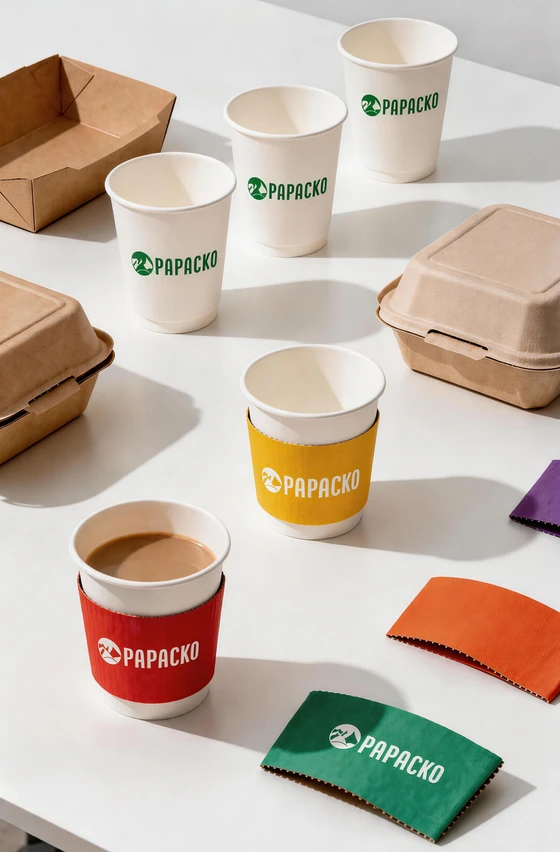
¿Está listo para crear sus propios vasos o envases de papel con su marca?
Díganos sus requisitos -tamaño, revestimiento, impresión y destino- y nuestro equipo le preparará un presupuesto detallado en 24 horas.

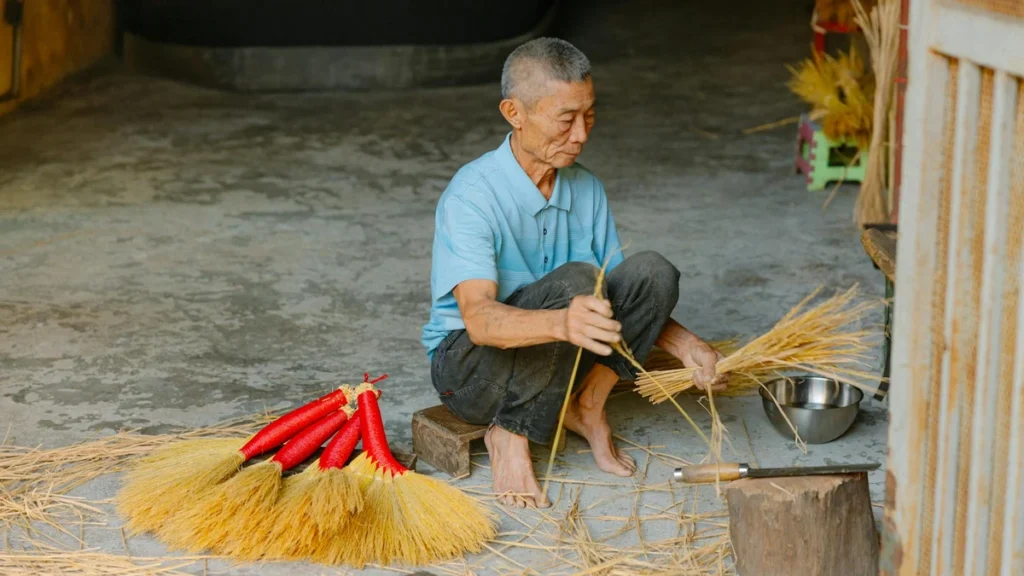
El informe anual de sostenibilidad de Papacko correspondiente a 2026 marca un año decisivo en nuestro camino hacia la neutralidad en carbono y el liderazgo en la economía circular dentro del sector del envasado de alimentos. Este informe detalla de forma transparente nuestro desempeño medioambiental en todas nuestras operaciones, la innovación en productos, la optimización de la cadena de suministro y la participación de las partes interesadas, lo que demuestra un progreso cuantificable en relación con los compromisos para 2025, al tiempo que establece objetivos ambiciosos para el periodo 2027-2030.
En 2026, Papacko alcanzó varios hitos en materia de sostenibilidad: una reducción de 42% en las emisiones de carbono de los Alcances 1 y 2 con respecto a la referencia de 2020, 78% de la cartera de productos con certificación de compostabilidad o reciclabilidad (frente a los 61% de 2025), la eliminación total de residuos destinados al vertedero en tres plantas de fabricación y la adquisición de 100% de energía renovable para sus operaciones en Europa. Estos logros sitúan a Papacko entre los 5% principales fabricantes de envases alimentarios a nivel mundial en cuanto a rendimiento ESG, tal y como lo verifica la calificación «Platino» de EcoVadis, otorgada por una entidad independiente (con una puntuación de 82/100, entre los 1% mejores del sector).
Este informe exhaustivo ofrece a las partes interesadas —clientes, inversores, empleados, organismos reguladores y comunidades— datos transparentes sobre nuestro impacto medioambiental, nuestras iniciativas de responsabilidad social, nuestros marcos de gobernanza y nuestra hoja de ruta de sostenibilidad con visión de futuro. Detallamos las reducciones de la huella de carbono, las tasas de adopción de materiales renovables, los indicadores de desviación de residuos, los logros en materia de conservación del agua, los resultados de la colaboración con los proveedores y los programas de inversión en la comunidad que, en conjunto, definen el compromiso de Papacko con el bienestar planetario y social.
💡 Resumen rápido: Entre los aspectos más destacados de Papacko en materia de sostenibilidad para 2026 se incluyen la reducción de las emisiones de carbono 42% (Alcance 1+2) con respecto a 2020, una gama de productos compostables o reciclables de 78%, cero residuos destinados al vertedero en tres plantas, 100% de energía renovable en Europa, la calificación Platino de EcoVadis (82/100, entre los 1% mejores) y los objetivos para 2030 de neutralidad de carbono, 95% de materiales sostenibles y sistemas de reciclaje de ciclo cerrado en todas las plantas de fabricación.
1.Aceleración de la reducción de las emisiones de carbono: Se ha logrado una reducción de 421 TP3T con respecto al nivel de referencia de 2020, superando el objetivo intermedio para 2026 de 351 TP3T
2.Liderazgo en energías renovables: Instalaciones europeas que funcionan con electricidad renovable 100% (acuerdos de compra de energía solar y eólica)
3.Instalaciones sin residuos: Las plantas de Hangzhou, Róterdam y Guadalajara han obtenido la certificación de «cero residuos al vertedero»
4.Innovación de materiales: Lanzamiento de una línea de vasos de PLA resistentes al calor y de un proyecto piloto de bandejas de micelio de setas (materiales con huella de carbono negativa)
5.EcoVadis Platino: Con una puntuación de 82/100, Papacko se sitúa entre los 11 primeros fabricantes mundiales de envases en materia de sostenibilidad
6.Participación de los proveedores: 72% de proveedores (por gasto) cuya conformidad con los criterios ESG ha sido verificada mediante auditorías de terceros, frente a los 44% de 2025
7.Inversión en la comunidad: Se han invertido $1,2M en programas de educación medioambiental y en subvenciones para infraestructuras de compostaje
-Referencia de 2020: 21 500 tCO₂e
-2025: 15 200 tCO₂e (-29% respecto a 2020)
-2026: 12 450 tCO₂e (-42% respecto a 2020, -18% respecto a 2025)
-Objetivo para 2030: Cero emisiones netas (neutralidad de carbono mediante una reducción de 85% + 15% de compensaciones de alta calidad)
Intensidad de carbono (emisiones por tonelada de producto):-2026: 0,42 tCO₂e/tonelada de producto
-2025: 0,51 tCO₂e/tonelada de producto (mejora de -18%)
-2020: 0,72 tCO₂e/tonelada de producto (mejora de -42%)
Factores que influyen en la reducción:1.Contratación de energía renovable: 681 TP3T de electricidad renovable (frente a los 461 TP3T de 2025), incluidos 1001 TP3T de energía renovable en Europa
2.Inversiones en eficiencia energética: Reemplazo de la iluminación por LED (-12% de energía), optimización de los sistemas de climatización (-18% de energía), sistemas de recuperación de calor (-15% de gas natural)
3.Electrificación de flotas: 35% de vehículos de empresa son ahora eléctricos (frente a los 18% de 2025)
4.Reducción del peso de los materiales: El peso medio de los vasos y bandejas se ha reducido en 8% gracias a la optimización del diseño, lo que ha permitido reducir las emisiones derivadas de las materias primas
-Europa: 100% de energías renovables (combinación de acuerdos de compra de energía solar y eólica in situ)
-Norteamérica: 52% renovable (certificados de energía renovable + mezcla de la red)
-Asia-Pacífico: 58% de energías renovables (energía solar in situ + combinación con la red eléctrica en China)
-América Latina: 48% de energía renovable (energía solar in situ + energía hidroeléctrica de la red en México y Brasil)
Hoja de ruta de las energías renovables para el periodo 2027-2030:-2027: Instalar 3,5 MW de capacidad solar adicional (en las instalaciones de América del Norte), hasta alcanzar los 75% de energía renovable
-2028: Firma de un acuerdo de compra de energía eólica (PPA) para las operaciones en Norteamérica, con lo que se alcanza una capacidad renovable de 88%
-2029: Instalación completa de energía solar y almacenamiento en baterías in situ en todas las instalaciones, alcanzando un 95% de energía renovable
-2030: Alcanzar los 1001 TP3T de electricidad renovable a nivel mundial mediante una combinación de generación in situ y acuerdos de compra de energía (PPA)
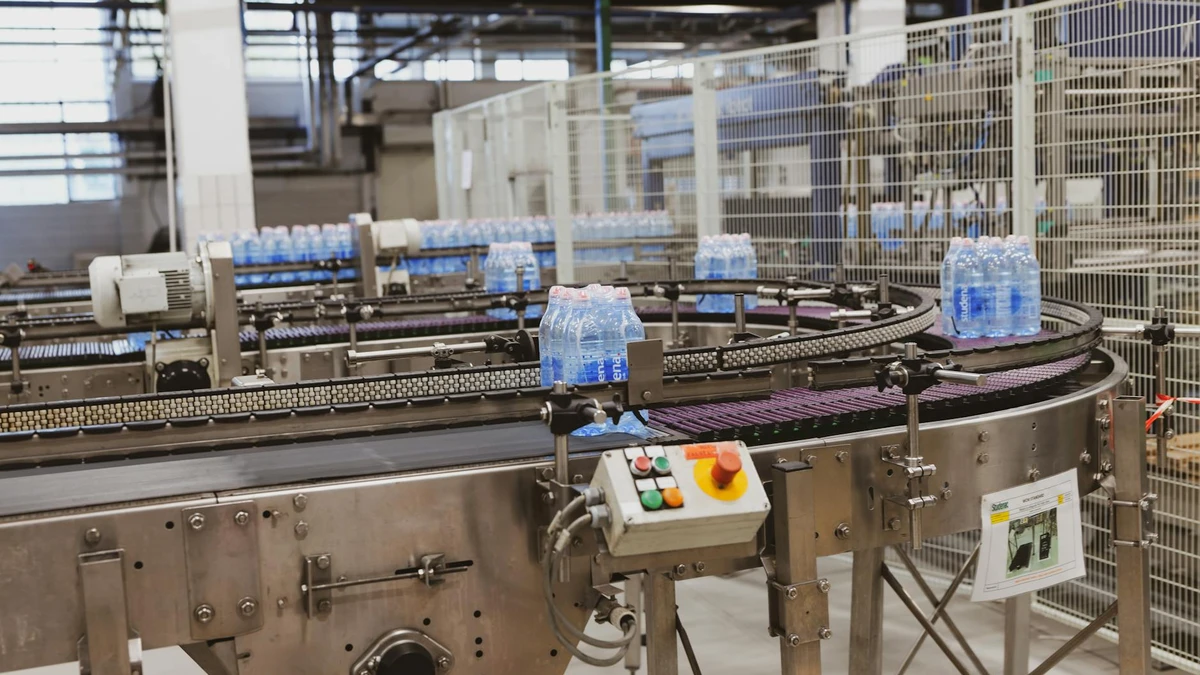
-78% de productos cuentan con certificaciones de compostabilidad de terceros (BPI, EN 13432, OK Compost)
-92% de productos de papel utilizar materiales con certificación FSC o reciclados
-100% de productos cumplir con el reglamento REACH de la UE, ” target=”_blank” rel=”noopener”>la normativa de la FDA sobre el contacto con alimentos
-No hay productos que contengan PFAS (sustancias per- y polifluoroalquílicas) a partir de 2026
1.Reciclaje en circuito cerrado: Los residuos de producción (papel, fibra, plástico) se envían a los proveedores, que los reincorporan a la materia prima, creando así un flujo circular de materiales
2.Programas de recogida: Puesta en marcha de programas piloto de devolución de productos por parte de los clientes en tres mercados (Países Bajos, California y Japón) para el reciclaje de vasos y envases usados por los consumidores
3.Simbiosis industrial: Colaboramos con ocho empresas locales que utilizan nuestros flujos de residuos como materias primas (por ejemplo, lodos de papel → materiales de construcción)
4.Diseño orientado a la economía circular: Se han evaluado 100% de diseños de nuevos productos mediante la ficha de evaluación “Diseño para el medio ambiente”, que analiza la reciclabilidad, la inocuidad de los materiales y la huella de carbono.
-Sistemas de refrigeración de circuito cerrado: Instalado en Hangzhou y Róterdam, lo que reduce el consumo de agua dulce en 35% para la refrigeración de los equipos
-Recogida de agua de lluvia: 10 200 m³ captados anualmente (15% del consumo total de agua), destinados a usos no potables (limpieza, riego)
-Reciclaje de agua de proceso: Los sistemas de filtración tratan y reutilizan el agua procedente de los procesos de moldeo de pasta de papel, desviando 14 800 m³ al año de las aguas residuales
-Accesorios de bajo caudal: Se han equipado todas las instalaciones con grifos con sensor e inodoros de bajo caudal, lo que ha permitido reducir el consumo de agua potable en un 8%
-Respuesta ante la sequía: Las instalaciones de México aplican el programa voluntario de reducción del consumo de agua «20%» durante los periodos de estrés hídrico en la región
Gestión de aguas residuales:-100% de aguas residuales tratadas para cumplir o superar las normas locales de vertido antes de su liberación
-Infracciones relacionadas con el vertido cero registrados en 2026 en todas las instalaciones
-Demanda bioquímica de oxígeno (DBO) Reducción de 28% respecto a 2020 gracias a la mejora de los procesos de pretratamiento
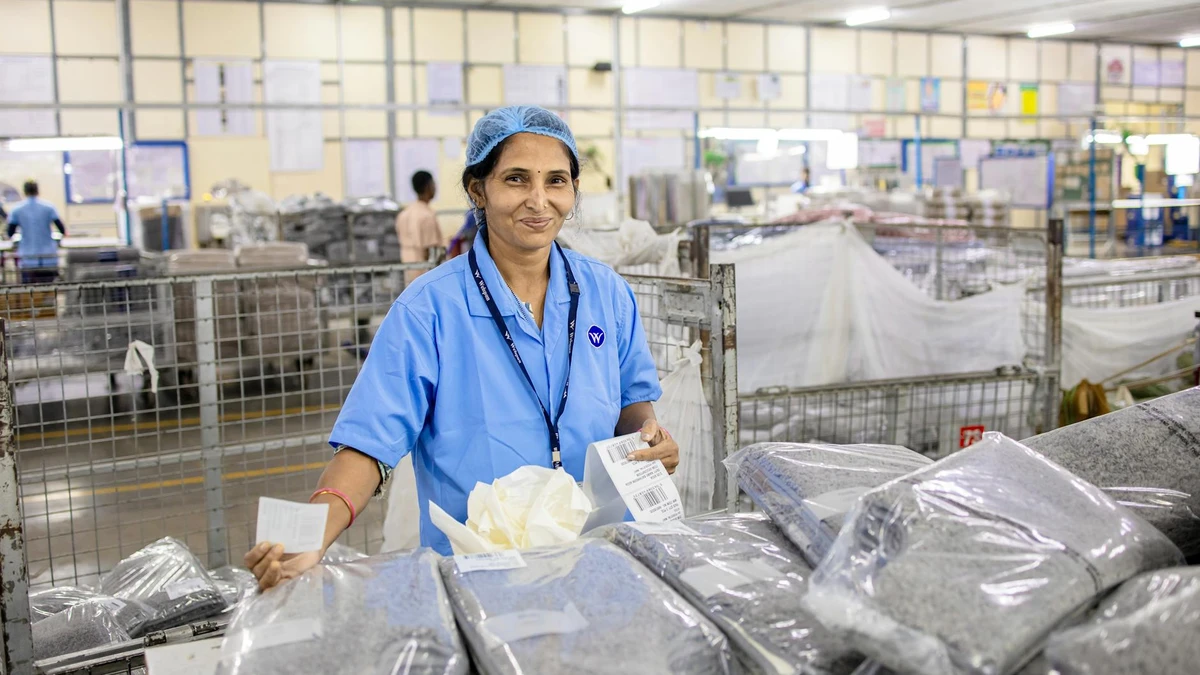 productos de envasado alimentario compostables en instalaciones de fabricación sostenible” style=”border-radius: 8px; box-shadow: 0 2px 8px rgba(0,0,0,0.08);”/>
-Número total de empleados: 1 240 (equivalente a tiempo completo)
-Diversidad de género: 42% mujeres, 58% hombres (personal directivo: 38% mujeres)
-Antigüedad media: 6,8 años
-Tasa de rotación: 12% (media del sector: 18-22%)
Resultados en materia de salud y seguridad:-Inversión en formación: $480k (media de $387 por empleado), un aumento de 15% respecto a 2025
-Formación en sostenibilidad: 100% de empleados completaron el curso de 8 horas “Fundamentos del embalaje sostenible”
-Tasa de promoción interna: 68% de puestos directivos cubiertos internamente
-Compromiso con el salario digno: 100% de empleados que perciben un salario ≥150% equivalente al salario de subsistencia local (frente al salario mínimo)
-Beneficios: Seguro médico (100% a cargo de la empresa), aportación paralela para la jubilación (6%), permiso parental (16 semanas remuneradas)
1.Prácticas laborales: Sin trabajo infantil, sin trabajo forzoso ni discriminación; salarios y jornadas laborales justos
2.Salud y seguridad: Condiciones de trabajo seguras, equipos de protección, preparación para emergencias
3.Medioambiental: Gestión de residuos, reducción de emisiones, conservación del agua, manipulación de productos químicos
4.Ética: Lucha contra la corrupción, conflictos de intereses, protección de los denunciantes
5.Materiales: Trazabilidad, abastecimiento sostenible (FSC, RSPO), restricciones sobre sustancias químicas (PFAS, metales pesados)
Programas de desarrollo de proveedores:-Talleres sobre la reducción de las emisiones de carbono: Se organizaron 8 talleres en los que se formó a 120 representantes de proveedores sobre estrategias de medición y reducción de emisiones
-Ayuda económica: Se han concedido $250k en préstamos a bajo interés a 12 proveedores para inversiones en sostenibilidad (energía solar, eficiencia energética)
-Innovación conjunta: Hemos desarrollado conjuntamente cuatro nuevos materiales de origen biológico con proveedores de materias primas (proveedores de PLA, fábricas de pasta de papel)
-Fundación Ellen MacArthur: Se ha firmado el Compromiso Global para una Nueva Economía del Plástico (2025); se elaborarán informes anuales sobre los avances en materia de economía circular
-Ocean Conservancy: Como socio de la alianza “Trash Free Seas”, aportamos tecnología y financiación para reducir los residuos plásticos en el océano
-Coalición de Envases Sostenibles: Miembro activo, participa en los programas de etiquetado «How2Recycle» y «How2Compost»
-Fondo Mundial para la Naturaleza (WWF): Colaborar en la promoción de la gestión forestal del FSC y el abastecimiento sostenible de fibra
-Comité de Sostenibilidad: Fundada en 2024, los cuatro miembros del consejo de administración se reúnen trimestralmente para analizar los resultados en materia de ESG, aprobar los objetivos y asignar el capital.
-Responsabilidad del director general: Los indicadores de sostenibilidad (reducción de las emisiones de carbono, energías renovables, desviación de residuos) representan el 20% de la evaluación del rendimiento del director general
-Remuneración de los directivos: 15% de bonificaciones para directivos vinculadas al cumplimiento de los indicadores clave de rendimiento (KPI) anuales en materia de sostenibilidad
Responsabilidad de la dirección:-Director de Sostenibilidad (CSO): Depende directamente del director general; supervisa la estrategia medioambiental, el cumplimiento normativo y la presentación de informes
-Responsables de sostenibilidad a nivel de centro: Cada planta de producción cuenta con un responsable específico (1.240 empleados en total, 5 responsables de sostenibilidad)
-Equipos multifuncionales: 12 empleados de los departamentos de I+D, operaciones y compras participan mensualmente en la reunión del “Grupo de Trabajo de Innovación Ecológica”
Marcos normativos:-Política medioambiental (actualizado en 2026): Se compromete con los objetivos basados en la ciencia, la economía circular y la protección de la biodiversidad
-Código de conducta para proveedores (actualizado en 2025): Exige el cumplimiento de los criterios ESG y auditorías anuales para los proveedores con un gasto anual superior a $100k.
-Política de derechos humanos (2024): Se ajusta a los Principios Rectores de las Naciones Unidas; prohíbe el trabajo forzoso, el trabajo infantil y la discriminación
-Política anticorrupción (2023): Tolerancia cero ante el soborno, los conflictos de intereses y la línea directa para denunciantes
-Certificación BPI (Compostabilidad en EE. UU.): 68% de productos
-EN 13432 (Compostabilidad según la UE): 72% de productos
-OK Compost (TÜV Austria): 58% de productos
-Cumplimiento de la normativa de la FDA sobre productos en contacto con alimentos: 100% de productos
-Cumplimiento del reglamento REACH de la UE: 100% de productos
Normas de transparencia y presentación de informes:-Normas GRI (Global Reporting Initiative): Cumplimiento total; publicación del informe anual de sostenibilidad
-SASB (Consejo de Normas de Contabilidad Sostenible): Evaluación de la materialidad y divulgación de información para el sector de los envases y embalajes
-TCFD (Grupo de Trabajo sobre la Divulgación de Información Financiera relacionada con el Clima): Evaluación de riesgos climáticos y análisis de escenarios (trayectorias de 2 °C y 4 °C)
-CDP (Carbon Disclosure Project): Calificación A- (nivel de liderazgo) en materia de divulgación de información sobre el cambio climático (2026)

-Ámbito 1+2: Reducción absoluta de 85% para 2030 con respecto al nivel de referencia de 2020 (18 270 → 2 740 tCO₂e)
-Alcance 3: Reducción de 50% en la intensidad de las emisiones de la cadena de valor (por tonelada de producto) para 2030
-Alineación: Trayectoria del Acuerdo de París de 1,5 °C (limitar el calentamiento global a 1,5 °C)
1.Diseño monomaterial: Eliminar los materiales multicapa que no se puedan reciclar ni convertir en abono.
2.Simplificación química: Eliminar los PFAS, los metales pesados y los adhesivos problemáticos
3.Diseño modular: Crear vasos o recipientes con componentes separables (por ejemplo, tapas desmontables para facilitar la clasificación)
4.Normalización: Reducir la complejidad de las referencias (SKU), lo que permite obtener economías de escala en el reciclaje y el compostaje
1.Vasos compostables y resistentes al calor para bebidas calientes (solución ofrecida con el lanzamiento de PLA-PBAT)
2.Información transparente sobre la huella de carbono de los productos (mediante la implementación de códigos QR que enlacen con datos del análisis del ciclo de vida)
3.Descuentos por volumen para pedidos sostenibles de gran volumen (se introdujo un sistema de precios por tramos en 2027)
4.Opciones de personalización para productos compostables (ampliación de la impresión digital para la personalización de marcas con un pedido mínimo reducido)
-Equipos verdes: Los grupos de empleados voluntarios de cada centro identifican oportunidades para reducir los residuos y ahorrar energía (42 ideas puestas en práctica en 2026, con un ahorro de $68k)
-Programas de desplazamiento al trabajo: 35% de empleados utilizan opciones de desplazamiento sostenible (bicicleta, transporte público, coche compartido) gracias a subvenciones e incentivos
-“Los viernes de la innovación”: Sesiones mensuales en las que los empleados presentan ideas sobre sostenibilidad; las tres mejores reciben presupuestos de desarrollo de $5k.
El Informe de Sostenibilidad de Papacko 2026 es un informe anual exhaustivo en el que se detalla nuestro desempeño en materia medioambiental, social y de gobernanza (ESG) en todas nuestras operaciones, productos, cadena de suministro y compromiso con la comunidad. El informe presenta de forma transparente datos sobre las emisiones de carbono (una reducción de 42% respecto a 2020), la adopción de energías renovables (68%, 100% en Europa), los materiales sostenibles (una cartera de productos compostables o reciclables de 78%), el desvío de residuos (89%, tres instalaciones con cero residuos), la conservación del agua (2,8 m³/tonelada, -35% respecto a 2020) y el cumplimiento de los criterios ESG por parte de los proveedores (72% verificados). Verificado por la entidad independiente EcoVadis (calificación Platino — 82/100), el informe demuestra la responsabilidad ante las partes interesadas y los avances hacia la neutralidad en carbono para 2030 y los objetivos de productos sostenibles 95%.
Entre los aspectos más destacados de Papacko en materia de sostenibilidad para 2026 se incluyen: (1) una reducción de las emisiones de carbono de 42% (Alcance 1+2) con respecto a la referencia de 2020, superando el objetivo intermedio de 35%; (2) 78% de la cartera de productos con certificación de compostabilidad o reciclabilidad, frente a los 61% de 2025; (3) Cero residuos destinados al vertedero en las instalaciones de Hangzhou, Róterdam y Guadalajara (desviación del 99,4-99,8%); (4) 100% de electricidad renovable en las operaciones europeas a través de acuerdos de compra de energía (PPA) solar y eólica; (5) Calificación EcoVadis Platino (82/100, entre los 1% primeros fabricantes de envases); (6) 721 TP3T de proveedores cuya conformidad con los criterios ESG ha sido verificada mediante auditorías de terceros; (7) 1 TP4T 1,2 M invertidos en educación medioambiental y subvenciones para infraestructuras de compostaje.
Papacko mide las emisiones de gases de efecto invernadero de los Alcances 1, 2 y 3 siguiendo las normas del Protocolo de Gases de Efecto Invernadero (GHG Protocol), verificadas por auditores independientes. Emisiones totales en 2026: 21 650 tCO₂e (Alcance 1: 3 850; Alcance 2: 8.600; Alcance 3: 9.200). Las estrategias de reducción de carbono incluyen: adquisición de energía renovable (68% de electricidad renovable, con un ahorro anual de 8.200 tCO₂e), inversiones en eficiencia energética (iluminación LED, optimización de sistemas de climatización y recuperación de calor, con una reducción del consumo energético de entre 12 y 18%), la electrificación de la flota (35% de vehículos eléctricos), la reducción del peso de los materiales (8% de reducción de peso) y programas de implicación de proveedores. La intensidad de carbono mejoró en 42% hasta situarse en 0,42 tCO₂e/tonelada de producto. Objetivo para 2030: cero emisiones netas mediante una reducción absoluta de 85% + 15% de compensaciones de alta calidad, validadas por la iniciativa Science Based Targets (SBTi).
78% de la gama de productos de Papacko (497 referencias) cuentan con certificación de compostabilidad o reciclabilidad a partir de 2026, lo que supone un aumento respecto a los 61% de 2025 y los 30% de 2020. Desglose por categorías: “>vasos de papel (68% compostables, 22% reciclables), “>envases para alimentos (82% compostables, 12% reciclables), tapas y accesorios (71% compostables, 18% reciclables). Solo 4% de productos siguen siendo de plástico convencional (que se eliminarán progresivamente para 2028). Los productos compostables cuentan con las certificaciones BPI (” target=”_blank” rel=”noopener”>ASTM D6400), EN 13432 u OK Compost, que garantizan la biodegradación en un plazo de 180 días en instalaciones industriales. 92% de los productos de papel utilizan contenido reciclado o con certificación FSC. Objetivo para 2030: una cartera de materiales sostenibles de 95%.
El Código de Conducta para Proveedores de Papacko exige el cumplimiento de los criterios ESG en materia de prácticas laborales (prohibición del trabajo infantil y forzoso, salarios justos), salud y seguridad, gestión medioambiental, ética (lucha contra la corrupción) y materiales (abastecimiento sostenible, restricciones sobre sustancias químicas). En 2026, 72% de proveedores, según el volumen de gasto, se sometieron a auditorías de terceros (frente a los 44% de 2025), y 89% cumplieron con los estándares. Los proveedores que no cumplen los requisitos reciben planes de medidas correctivas; se rescinde el contrato a los infractores reincidentes. Los programas de desarrollo de proveedores incluyen talleres de reducción de emisiones de carbono (se ha formado a 120 representantes de proveedores), $250k en préstamos para inversión en sostenibilidad e innovación conjunta en materiales de origen biológico. 52% de proveedores cuentan ahora con objetivos de reducción de emisiones de carbono. Objetivo para 2030: cobertura de auditoría y cumplimiento del 100% de los proveedores, y que todos ellos cuenten con objetivos de reducción de emisiones de carbono basados en la ciencia.
Los objetivos de sostenibilidad de Papacko para 2030 incluyen: (1) Neutralidad en carbono (cero emisiones netas de Alcance 1 y 2 mediante una reducción de 85% + 15% de compensaciones, trayectoria de 1,5 °C validada por la SBTi); (2) 100% de electricidad renovable a nivel mundial mediante acuerdos de compra de energía (PPA) de fuentes solares y eólicas in situ; (3) una cartera de productos compostables o reciclables de 95%, con la eliminación gradual de los plásticos convencionales; (4) cero residuos destinados al vertedero en todas las instalaciones (tasa de desviación de residuos del 100%); (5) 75% de contenido reciclado en todos los productos; (6) Intensidad hídrica de 2,0 m³/tonelada (reducción de 29% respecto a 2026); (7) Verificación y cumplimiento de criterios ESG por parte de los proveedores: 100%; (8) Certificación B Corp; (9) Impacto neto positivo en la biodiversidad (recuperación del doble de la superficie forestal talada); (10) «Producto como servicio» que representa el 5% de los ingresos (sistemas de envases reutilizables).
Papacko publica anualmente informes exhaustivos de sostenibilidad en papacko.com/sustainability, siguiendo las normas de la GRI (Global Reporting Initiative), los marcos del SASB (Sustainability Accounting Standards Board) y las directrices del TCFD (riesgos climáticos). Los informes incluyen datos detallados sobre la huella de carbono (Alcances 1, 2 y 3), desgloses de energías renovables, certificaciones de productos, indicadores de desviación de residuos, consumo de agua, auditorías a proveedores, seguridad de los empleados e inversiones en la comunidad. Las partes interesadas pueden solicitar datos específicos a través de sustainability@papacko.com. Las verificaciones realizadas por terceros incluyen EcoVadis (Platino, 82/100), ” target=”_blank” rel=”noopener”>las certificaciones ISO 14001/45001, la divulgación climática del CDP (A - Liderazgo) y los objetivos de carbono de la SBTi. Datos de la evaluación del ciclo de vida (LCA) a nivel de producto disponibles a través de códigos QR en los envases (lanzamiento en 2027), que muestran la huella de carbono y las instrucciones de eliminación.
Los resultados de Papacko en materia de sostenibilidad en 2026 demuestran que la gestión medioambiental y el crecimiento empresarial son prioridades que se refuerzan mutuamente, y no que compiten entre sí. Nuestra reducción de emisiones de carbono de 42%, nuestra cartera de productos sostenibles de 78% y nuestras tres instalaciones con cero residuos demuestran que el sector del envasado alimentario puede realizar una transición rentable hacia la economía circular, los materiales renovables y las emisiones netas cero. Estos logros sitúan a Papacko como líder en materia de ESG, lo que le ha valido el reconocimiento «Platino» de EcoVadis y la confianza de los clientes en 12 mercados globales.
Principales conclusiones:1.Liderazgo en materia de emisiones de carbono: Reducción de las emisiones de alcance 1 y 2 de 42% con respecto a 2020, superando los objetivos intermedios y en camino hacia la neutralidad en carbono para 2030 mediante energías renovables, eficiencia energética y la implicación de los proveedores
2.Transformación del producto: Gama de productos compostables y reciclables 78% (frente a la 30% de 2020); lanzamiento de bandejas de PLA resistentes al calor y de setas con huella de carbono negativa, ampliando así las aplicaciones de materiales sostenibles
3.Avances en la economía circular: Tres instalaciones han alcanzado el objetivo de «cero residuos», un desvío total de 891 TP3T, sistemas de reciclaje de ciclo cerrado y programas piloto de recogida en tres mercados
4.Impulso a las energías renovables: 68% de electricidad renovable (100% en Europa), instalaciones solares in situ y acuerdos de compra de energía eólica que reducen las emisiones en 8.200 tCO₂e al año
5.Responsabilidad de las partes interesadas: Certificación EcoVadis Platino (top 1%), objetivos validados por la SBTi, informes GRI/SASB/TCFD, verificación de criterios ESG de 72% proveedores
6.Objetivos ambiciosos para 2030: Emisiones netas cero, productos sostenibles 95%, energía renovable 100%, cero residuos en todas las instalaciones, certificación B Corp, impacto positivo neto en la biodiversidad
7.Compromiso con la transparencia: Informes anuales, verificación por parte de terceros, participación de las partes interesadas y datos del análisis del ciclo de vida (ACV) a nivel de producto (que se pondrán en marcha en 2027 mediante códigos QR)
Invitamos a los clientes, inversores, empleados y comunidades a colaborar con Papacko para construir un futuro sostenible en el sector del envasado de alimentos. Juntos, podemos demostrar que la rentabilidad y la salud del planeta no son incompatibles, sino que constituyen la base de un éxito empresarial duradero.
-“>Acerca de Papacko
-“>Soluciones de embalaje sostenible
-“>Certificaciones de productos compostables
-“>Responsabilidad social corporativa»
Papacko suministra envases alimentarios certificados como compostables y reciclables a restaurantes, empresas de catering, plataformas de reparto de comida a domicilio y compradores institucionales comprometidos con la reducción del impacto medioambiental. Nuestro equipo de sostenibilidad ofrece evaluaciones de la huella de carbono, asesoramiento sobre la certificación de compostabilidad (BPI, EN 13432), colaboraciones en materia de infraestructuras de gestión de residuos y soluciones de envasado personalizadas que se ajustan a tus objetivos ESG.
Póngase en contacto:-“>Descargar el Informe de Sostenibilidad completo de 2026»
Última actualización: Mayo 2026