¿Está listo para crear sus propios vasos o envases de papel con su marca?
Díganos sus requisitos -tamaño, revestimiento, impresión y destino- y nuestro equipo le preparará un presupuesto detallado en 24 horas.

Última actualización: August 2026
Tiempo de lectura: 8-10 minutos
Autor: Equipo de contenidos de Papacko
Eco-conscious cafés generate hundreds of accessory items dailymanguitos para tazas, napkins, straws, carriers, and stir sticksthat collectively represent 15-25% of total packaging waste by volume. Understanding the recycled paper accessories helps.A medium-sized café serving 300 customers per day can use 450+ paper sleeves, 600+ napkins, and 200+ takeaway carriers weekly. Traditional virgin paper accessories consume significant forest resources and energy, creating environmental impact that contradicts sustainability messaging.
This comprehensive guide covers recycled paper accessories specifically designed for eco cafés: recycled content percentages (30-100%), carbon footprint reduction data, FSC Recycled certification requirements, lifecycle comparisons versus virgin materials, and cost premium analysis. You’ll learn how to balance environmental performance with functional quality, brand aesthetics, and budget considerations.
Comida rápida para llevar: Recycled paper accessories for eco cafés require 30-100% post-consumer recycled content, FSC Recycled or equivalent certification, measurable carbon footprint reduction (30-65% vs virgin), lifecycle benefits across water/energy consumption, and strategic cost management to offset 8-35% price premiums.
When evaluating the recycled paper accessories, consider the following:
Recycled content comes from two primary sources:
Post-Consumer Waste (PCW):
-Definition: Used paper products collected from consumers/businesses after original use
-Examples: Recycled newspapers, office paper, cardboard boxes, magazines
-Environmental value: Highest (diverts waste from landfills, closes recycling loop)
-Market preference: 85% of sustainability-focused customers prioritize PCW content
-Fiber quality: Shorter fibers (1.5-2.5mm vs 3-4mm virgin) due to recycling process
Pre-Consumer Recycled:
-Definition: Manufacturing scraps, trimmings, and production waste
-Examples: Paper mill cuttings, printing overruns, production rejects
-Environmental value: Moderate (reduces manufacturing waste but doesn’t close consumer loop)
-Market perception: Less impactful than PCW (frequently viewed as standard waste reduction)
-Fiber quality: Closer to virgin (fibers not yet degraded by use)
Certification requirement: FTC Green Guides require disclosure of PCW vs total recycled content percentages for environmental marketing claims.
Understanding recycled paper accessories requires attention to these factors:
### Key Performance Considerations
The key to choosing recycled paper accessories depends on:
Compromisos de resistencia:
-Each recycling cycle reduces fiber length by 15-20%
-100% recycled products may require 10-15% heavier basis weight to match virgin strength
-Critical for carriers and sleeves under stress (hot liquids, weight-bearing)
Appearance characteristics:
-30-50% recycled: Nearly identical to virgin with proper processing
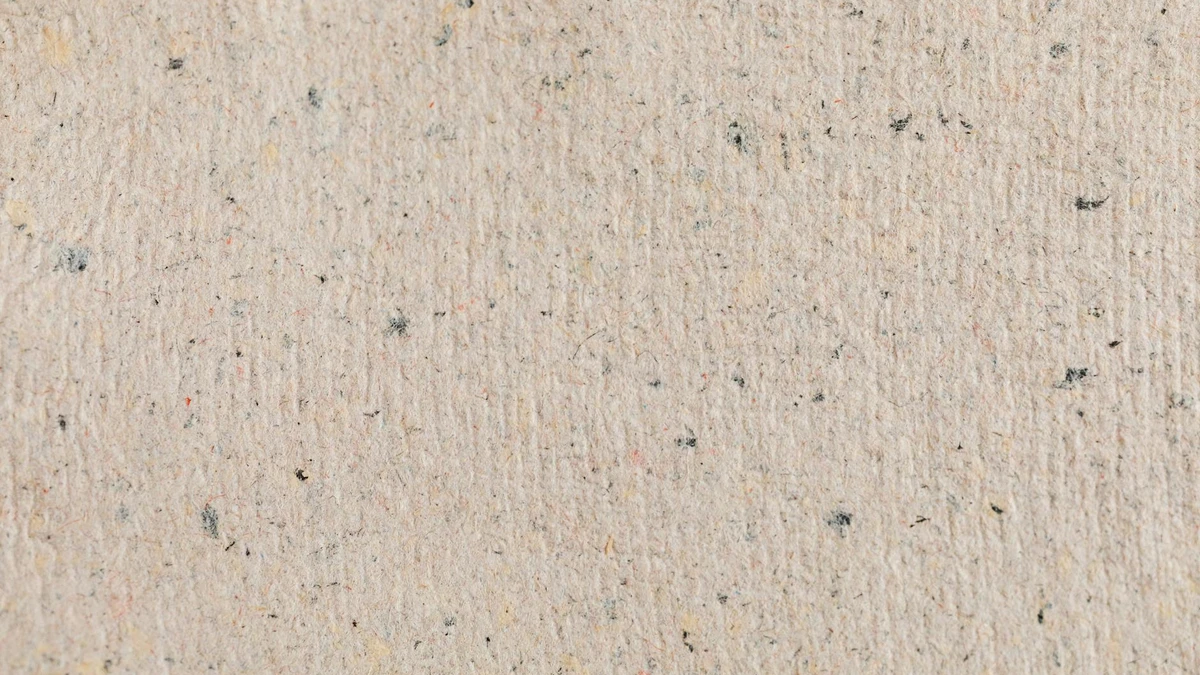
-60-80% recycled: Light gray/tan tone, natural aesthetic appeal for eco branding
-90-100% recycled: Noticeable gray color, visible fiber texture, “raw” eco look
Printing compatibility:
-Virgin fiber: Excellent ink adhesion, bright colors, sharp graphics
-30-60% recycled: Very good print quality with proper ink formulation
-80-100% recycled: Good for simple designs, muted colors, vintage/rustic aesthetics

Understanding the recycled paper accessories requires attention to these factors:
Manufacturing emissions comparison (per metric ton of paper):
Aplicación en el mundo real:
-Medium café using 50,000 sleeves annually (100% recycled vs virgin): saves 1,100-1,400 kg COe/year (equivalent to 2,800-3,500 miles of car driving)
-Large café using 200,000 napkins annually (75% recycled vs virgin): saves 2,600-3,200 kg COe/year
When evaluating recycled paper accessories, consider the following:
Water usage (per metric ton):
Consumo de energía (per metric ton):
Environmental significance:
-Recycled paper production eliminates forestry/logging energy costs
-De-inking and cleaning require energy but less than virgin pulping
-Modern recycled mills increasingly use biogas from waste treatment (20-35% energy offset)
When evaluating recycled paper accessories, consider the following:
Virgin paper production:
-1 metric ton of virgin paperboard requires 2.5-3.2 tons of wood (including processing waste)
-Global paper industry: 35-40% of industrial logging (4 billion trees annually)
-Old-growth forest conversion remains issue despite Certificación FSC growth
Recycled paper production:
-Zero direct forest impact (uses waste stream)
-Closes material loop: 1 ton recycled = 2.5-3.2 tons of wood preserved
-Caveat: Requires virgin fiber input eventually (fibers degrade after 5-7 recycling cycles)
Sustainable equilibrium: Industry experts recommend 60-70% recycled content with 30-40% FSC-certified virgin fiber to maintain fiber supply while maximizing waste diversion.
For the recycled paper accessories, focus on:
FSC Recycled Label Requirements:
100% recycled content (no virgin fiber permitted)
Chain of Custody (CoC) tracking from waste collection through manufacturing
Prohibited sources screening (no illegal logging waste, controversial sources)
Annual third-party audits by accredited certification bodies
Verificación de proveedores throughout supply chain
Proceso de certificación:
1.Understanding the recycled paper accessories helps.Supplier qualification (2-4 weeks): Verify recycled fiber sources, documentation
2.Understanding the recycled paper accessories helps.CoC system implementation (4-8 weeks): Tracking systems, inventory controls, staff training
3.Pre-audit assessment (1-2 weeks): Internal readiness review
4.Understanding the recycled paper accessories helps.Auditoría externa (1-3 days on-site): Documentation review, facility inspection, staff interviews
5.Understanding the recycled paper accessories helps.Certificate issuance (2-4 weeks post-audit): Valid for 5 years with annual surveillance
Cost structure:
-Initial certification: $3,000-8,000 (varies by company size, production volume)
-Annual surveillance audits: $1,500-3,500
-License fees: 0.5-1.0% of FSC-labeled product sales
-Amortized cost impact: $0.008-0.015 per 1,000 accessories
For the recycled paper accessories, focus on:
PCF (Processed Chlorine Free):
-Focuses on bleaching processes (no chlorine-based chemicals)
-Compatible with FSC Recycled
-Important for white/bright recycled products
-Cost: $2,000-5,000 initial certification
Blauer Engel (Blue Angel):
-German eco-label for recycled paper products
-Requires 100% recycled content + strict de-inking standards
-Recognized across EU markets
-Higher consumer recognition in Europe vs North America
Nordic Swan:
-Scandinavian certification for paper products
-Covers recycled content, chemicals, emissions, energy
-Comprehensive but less recognized outside Nordic region
Sello Verde (GS-1):
-North American standard for recycled paper products
-Requires minimum 30-50% PCW (depending on product category)
-Lower threshold than FSC Recycled but broader acceptance
For recycled paper accessories, focus on:
### End-of-Life Considerations
Understanding recycled paper accessories requires attention to these factors:
Both virgin and recycled paper accessories:
-Compostable if free from plastic coatings/laminates
-Recyclable if clean and dry (food contamination reduces recyclability)
-Biodegradable in 4-8 weeks (uncoated) to 3-6 months (coated)
Circular economy advantage:
-Recycled accessories can be recycled again (5-7 cycles before fiber degradation)
-Creates closed-loop system when paired with café recycling programs
-Virgin fiber accessories enter recycling stream but require more processing
The key to choosing recycled paper accessories depends on:
### Total Cost of Ownership for Medium Eco Café
Annual usage scenario (300 customers/day):
-Cup sleeves: 60,000 units
-Napkins: 90,000 units
-Carriers: 12,000 units
-Straws: 45,000 units
-Stir sticks: 30,000 units
Comparación de costes anuales:
### Cost Offset Strategies
1. Bulk purchasing discounts:
-6-month supply orders: 8-15% discount (reduces premium to 12-20%)
-Annual contracts: 15-22% discount (reduces premium to 8-15%)
-Multi-location group buying: Additional 5-10% savings
2. Product mix optimization:
-High-volume/low-cost items (stir sticks — napkins): 100% recycled
-Premium branded items (custom carriers): 50-70% recycled for print quality
-Blended approach reduces overall cost increase to 15-20%
3. Marketing value monetization:
-Eco café certification programs: Attract 12-18% more sustainability-focused customers
-Premium pricing justification: 3-8% price increase accepted for verified sustainable practices
-Social media engagement: 2.5-4x higher engagement on eco-content vs standard posts
4. Waste reduction savings:
-Right-sizing napkin dispensers: Reduce napkin consumption 15-25%
-Offering sleeves on request vs automatic: Reduce sleeve usage 30-40%
-Customer education reduces accessory waste 18-28%
Net financial impact: $2,670-4,035 annual cost increase – $1,800-3,200 waste reduction savings – $2,400-5,000 increased revenue from eco positioning = Potential positive ROI of $1,530-3,565 annually
Mangas de copa:
-Insulation performance: Reduce exterior surface temperature by 15-25°C
-Grip stability: No slipping when wet or condensation present
-Structural integrity: No tearing/separation during 60-minute hot beverage hold
-Recycled content impact: 80-100% recycled performs equally to virgin (insulation unaffected by fiber length)
Protocolo de pruebas:
1.Fill cup with 90°C water
2.Apply sleeve and measure exterior temp at 5, 15, 30, 60 minutes
3.Simulate condensation (wet exterior)
4.Apply grip pressure (hand squeeze test)
5. Pass: <45°C exterior, no structural failure
Servilletas:
-Absorbency: Pick up 8-12x weight in liquid
-Wet strength: Maintain 25-40% dry strength when saturated
-Texture: Soft enough for face/hands (not scratchy)
-Recycled content impact: 50-100% recycled has slightly coarser texture but equal absorbency
Protocolo de pruebas:
1.Weigh dry napfrequentlyoften 2-3 grams)
2.Saturate with water and measure absorption (18-30 grams for quality napkins)
3.Test tear strength when wet
4.User comfort test (softness rating)
5. Pass: e8x absorption, >25% wet strength retention
Takeaway Carriers:
-Handle strength: Support 2-4 filled cups (1.5-3 kg total weight)
-Duration: Maintain integrity for 30-60 minute transport
-Moisture resistance: No sagging or failure with condensation
-Recycled content impact: 70-90% recycled requires 10-15% heavier stock (300 vs 280 gsm)
Protocolo de pruebas:
1.Load carrier with target weight (2kg for 2-cup, 3kg for 4-cup)
2.Simulate condensation (spray water on handles)
3.Carry for 60 minutes, periodically lifting/lowering
4.Test in ambient and hot conditions (30-35°C)
5. Pass: No handle tearing, structural deformation <5mm
Certification verification:
-Request FSC certificate number and verify on fsc.org database
-Check expiration dates (valid within 5 years)
-Confirm scope covers specific product categories you’re purchasing
Recycled content documentation:
-Request third-party tested recycled content percentage
-Distinguish PCW vs total recycled content
-Ask for fiber source documentation (where recycled material originates)
Pruebas de rendimiento:
-Request lab test reports for strength, absorbency, durability
-Ask for samples to conduct in-house testing with your specific use case
-Compare varios proveedores entre sí
Traceability and transparency:
-Chain of custody documentation from waste collection through manufacturing
-Supplier willingness to disclose mill sources and processes
-Third-party audit availability (not just self-reported claims)
Minimum order quantities (MOQs):
-Standard MOQs: 50,000-100,000 units for custom printed, 10,000-25,000 for stock items
-Evaluate whether MOQs align with storage capacity and usage rates
-Consider group buying with other eco cafés to meet MOQs
L “Fabricado con contenido reciclado” sin indicación del porcentaje (podría ser 5% o 95%)
L “Eco-friendly” or “green” without certifications (vague marketing claims)
L Unwillingness to provide certificate numbers or test reports (hiding something)
L Prices identical to virgin products (true recycled has processing costs)
L “100% biodegradable” (all paper is biodegradablenot meaningful without timeline/conditions)
Verification best practice: Always request and independently verify FSC certificate numbers on official databases. Ask for recycled content percentages in writing with third-party test documentation.
L Error #1: Choosing 100% recycled without testing for your specific application
Enfoque correcto: Start with 50% recycled for critical applications (carriers, straws requiring strength). Understanding recycled paper accessories helps.Use 80-100% for low-stress items (stir sticks, sleeves). Test before large orders.
L Error #2: Assuming all recycled paper looks gray and ugly
Enfoque correcto: Modern 30-60% recycled can be bright white with proper processing. Understanding the recycled paper accessories helps.80-100% has natural aesthetic that appeals to eco-conscious customerslean into the authentic look.
L Error #3: Buying based on lowest price without certification verification
Enfoque correcto: Verify FSC certificate numbers on official databases, recycled paper accessories matter.Cheapest “recycled”ucts often have false content claims or mix pre-consumer waste (lower environmental value).
L Error #4: Not communicating recycled content to customers
Enfoque correcto: Use in-store signage, menu boards, and social media to highlight specific recycled percentages and certifications, recycled paper accessories matter.Customers will pay 5-12% more when they understand the environmental value.
Recycled paper accessories for cafés are functional packaging itemsincluding cup sleeves, napkins, takeaway carriers, straws, and stir sticksmanufactured using 30-100% post-consumer recycled (PCW) paper content instead of virgin tree fiber. These products reduce deforestation, carbon emissions, water usage, and landfill waste while maintaining functional performance for café operations. FSC Recycled certification ensures 100% recycled content with verified chain of custody tracking from waste collection through manufacturing.
Recycled paper accessories deliver 35-63% carbon footprint reduction compared to virgin fiber products. Manufacturing one metric ton of 50% recycled paper generates 735-915 kg COe versus 1,130-1,390 kg COe for virgin paper (38% reduction). 100% recycled paper produces just 400-520 kg COe per ton (62% reduction). For a medium café using 50,000 sleeves annually, switching from virgin to 100% recycled saves 1,100-1,400 kg COe yearlyequivalent to eliminating 2,800-3,500 miles of car driving.
Yes — recycled paper accessories cost 8-35% more than virgin fiber equivalents, varying by product type and recycled content percentage. Cup sleeves with 100% recycled content cost 25-35% more than virgin, while stir sticks show only 15-22% premium. For a medium café (300 customers/day), switching to 75% average recycled content across all accessories increases annual costs by $2,670-4,035. Though this can be offset through bulk purchasing discounts (8-22%), waste reduction strategies (15-25% consumption decrease), and premium pricing that eco-conscious customers accept (3-8% price increases).
Recycled paper accessories match or closely approach virgin fiber performance in most café applications, with some trade-offs. 80-100% recycled cup sleeves provide identical insulation to virgin versions. Napkins with 50-100% recycled content maintain equal absorbency (8-12x weight) but have slightly coarser texture. Takeaway carriers require 10-15% heavier paper stock (300 vs 280 gsm) to match virgin strength. Paper straws perform best with 30-60% recycled blends (higher percentages reduce wet strength). Overall, proper product selection and testing ensure recycled accessories meet functional requirements while delivering environmental benefits.
Post-consumer waste (PCW) recycled content comes from paper products used by consumers and businesseslike recycled newspapers, office paper, and cardboardthen collected, processed, and remanufactured into new products. Understanding recycled paper accessories helps.Pre-consumer recycled content comes from manufacturing scraps and production waste that never reached consumers. PCW has higher environmental value because it diverts waste from landfills and closes the material loop, while pre-consumer recycled is essentially standard industrial waste reduction. FTC Green Guides require separate disclosure of PCW percentages. Eco cafés should prioritize 40-90% PCW content for maximum sustainability impact and customer credibility.
Recycled café accessories should carry FSC Recycled certification (requires 100% recycled content with verified chain of custody), which is the gold standard for forest products, recycled paper accessories matter.Additional valuable certifications include: Processed Chlorine Free (PCF) for products bleached without chlorine-based chemicals, Green Seal GS-1 (requires minimum 30-50% PCW depending on category), and Blauer Engel (Blue Angel) for products meeting strict German recycled content and de-inking standards. Always verify certificate numbers on official databases (fsc.org for FSC) than accepting supplier claims alone. Certificates should be current (within 5-year validity period) and scope should cover the specific products being purchased.
Recycled paper production reduces water consumption by 30-65% and energy use by 25-50% compared to virgin fiber manufacturing. Understanding the recycled paper accessories helps.Producing one metric ton of virgin paperboard requires 45,000-65,000 liters of water versus 18,000-25,000 liters for 100% recycled (60% reduction). Energy requirements drop from 2,800-3,400 kWh per ton for virgin to 1,400-1,900 kWh for 100% recycled (47% reduction). These savings result from eliminating energy-intensive logging, transportation, and virgin pulping processes. Recycled mills increasingly use biogas from waste treatment to offset 20-35% of energy needs. For a large café network, switching to recycled accessories across 10 locations can save 180,000-400,000 liters of water annually.
Selecting recycled paper accessories for eco cafés requires balancing environmental performance, functional quality, and cost considerations. Prioritize FSC Recycled certification for verified 100% recycled content — 60-80% post-consumer waste (PCW) composition for maximum environmental impact, and product-specific recycled percentages based on strength requirements (80-100% for sleeves and stir sticks, 50-70% for carriers and straws).
Principales conclusiones:
1.Carbon savings are significant35-63% reduction vs virgin materials
2.Understanding the recycled paper accessories helps.Certifications prevent greenwashingFSC Recycled — PCF, Green Seal verify claims
3.Understanding recycled paper accessories helps.Cost premiums are manageable8-35% increase offset by bulk buying and waste reduction
4.Understanding recycled paper accessories helps.Quality matches virgin in most applicationswith proper product selection and testing
5.Understanding the recycled paper accessories helps.Customer communication drives valuetransparency about recycled content justifies premium pricing
-Sustainable Café Packaging Guide
-FSC Certification Verification
Papacko supplies eco-conscious cafés, coffee shops, and hospitality businesses with FSC Recycled certified paper accessories featuring 30-100% post-consumer recycled content, the recycled paper accessories matter.Our range includes cup sleeves, napkins, takeaway carriers, straws, and stir stickswith customization capabilities, comprehensive environmental certifications, and MOQs starting from 10,000 units.
Recycled accessories are rarely bought in isolation. Eco-focused cafes usually compare napkins, sleeves, lids, and other service items as one sustainability package. These guides help connect recycled content decisions to the broader accessory set.
Póngase en contacto: