Prêt à créer vos propres gobelets ou emballages en papier ?
Faites-nous part de vos exigences - taille, revêtement, impression et destination - et notre équipe établira un devis détaillé dans les 24 heures.

Dernière mise à jour: novembre 2025
Temps de lecture: 11 minutes
Auteur: Équipe de contenu de Papacko
Votre restaurant est fier d'utiliser des boîtes alimentaires “recyclables”, mais 80% d'entre elles finissent toujours dans les décharges parce que les installations de recyclage locales rejettent le carton contaminé par les aliments. Pendant ce temps, le café d'en face s'est associé à un service de compostage et annonce désormais des “emballages vraiment circulaires” qui sont effectivement traités.
Les boîtes alimentaires recyclables ne se limitent pas à l'impression d'un symbole de recyclage sur la boîte : elles nécessitent une infrastructure locale compatible, des spécifications de matériaux appropriées, une éducation des clients et des attentes réalistes quant aux taux de recyclage réels. L'écart entre “techniquement recyclable” et “réellement recyclé” est énorme, et la compréhension de cette différence est essentielle pour les restaurants qui se réclament du développement durable.
Dans ce guide, vous apprendrez :
-Qu'est-ce qui fait que les boîtes alimentaires sont vraiment recyclables (et pas seulement des allégations marketing) ?
-Certifications des matériaux et types de revêtement permettant le recyclage
-Exigences et limites des infrastructures locales de recyclage
-Comparaison des coûts : boîtes recyclables, compostables ou standard
-Comment vérifier les déclarations des fournisseurs en matière de développement durable
-Les tactiques courantes de greenwashing à éviter
-Des taux de recyclage réalistes et leur impact
💡 À retenir: Les boîtes alimentaires recyclables nécessitent des revêtements à base d'eau ou de dispersion (pas de PE ou de PLA), des niveaux de contamination alimentaire inférieurs à 5% pour l'acceptation de l'installation, et une infrastructure de recyclage locale capable de traiter le carton destiné aux services alimentaires.
Taux de recyclage réels : 10-25% sur la plupart des marchés (contre 95%+ pour les canettes en aluminium).
Prime de coût : 15-30% par rapport aux boîtes revêtues de PE.
Un rappel critique à la réalité : “Recyclable” ne signifie pas “qui sera recyclé”, mais “qui pourrait être recyclé si l'infrastructure existe et si la contamination est minimale”. Ce qui convient le mieux : Les marchés dotés de programmes de recyclage avancés, les clients qui rincent leurs contenants, les restaurants qui privilégient un message précis sur le développement durable plutôt que l'écoblanchiment.
La différence entre “techniquement recyclable” et “pratiquement recyclé” détermine si vos efforts en matière de développement durable ont un impact réel sur l'environnement ou s'ils n'ont qu'une valeur marketing.
Techniquement recyclable signifie :
-La composition des matériaux permet le retraitement dans les usines de recyclage du papier
-Pas de composants plastiques ou métalliques liés de manière permanente
-Qualité de la fibre adaptée aux produits en papier recyclé
-Répond aux normes industrielles en matière de matériaux recyclables
Recyclage effectif exige :
-Un centre de recyclage local accepte le carton des services de restauration
-Niveau de contamination inférieur au seuil de l'établissement (généralement <5% de résidus alimentaires)
-Participation des clients à l'élimination correcte des déchets
-Demande suffisante de carton recyclé sur le marché
-Infrastructure de collecte et de tri
Le fossé: Seuls 10-25% de boîtes alimentaires “recyclables” sont effectivement recyclés sur la plupart des marchés, contre 65-75% pour le papier de bureau ou 90%+ pour les canettes en aluminium.
Base de fibres:
-Carton vierge ou recyclé : 250-350 GSM
-Pas de revêtement de cire (empêche la récupération des fibres)
-Pas de pelliculage plastique (qui contamine le flux de recyclage)
-Adhésifs biodégradables uniquement (pas de plastiques thermofusibles)
Compatibilité des revêtements:
-✅ Revêtements en dispersion à base d'eau : Recyclable
-✅ Revêtements polymères aqueux : Recyclables (en fonction de l'infrastructure)
-❌ PE (Polyéthylène) : Non recyclable avec le papier
-❌ PLA (Acide polylactique) : Contamine le recyclage du papier, non recyclable
-❌ Enrobage de cire : Empêche le collage des fibres dans le processus de recyclage
Restrictions relatives aux composants:
-Carton uniquement (pas de fenêtres en plastique)
-Encres à base de papier ou solubles dans l'eau
-Pas d'agrafes métalliques ni de clips en plastique
-Adhésif biodégradable pour l'assemblage des boîtes
🎯 Aperçu de l'industrie: Le sale secret de l'industrie du recyclage : les boîtes enduites de PE étiquetées “recyclables” pourraient techniquement être recyclées si l'enduit était enlevé, mais aucune installation commerciale ne le fait à grande échelle.
Résultat : Ils sont mis en décharge malgré les symboles de recyclage.
Les revêtements à base d'eau permettent de résoudre ce problème, mais coûtent 20-35% plus cher.
Même les boîtes recyclables parfaites échouent en l'absence de systèmes locaux compatibles. Comprendre les limites de l'infrastructure permet d'éviter les fausses affirmations en matière de durabilité.
Exigences en matière d'équipement:
-Systèmes de mise en pâte qui traitent le carton destiné à la restauration (d'un calibre plus élevé que le papier de bureau)
-Flottation ou criblage pour éliminer les particules alimentaires
-Capacité de désencrage pour les boîtes imprimées
-Contrôle de la qualité des niveaux de contamination
Défis en matière de traitement:
-Résidus alimentaires : La contamination >5% entraîne généralement le rejet de l'ensemble du lot.
-Absorption des graisses et des huiles : Affaiblit la résistance des fibres recyclées
-Matériaux mélangés : Tri nécessaire (toutes les installations ne le peuvent pas)
-Économie de volume : Les petites quantités ne valent pas la peine d'être traitées
Critères d'acceptation des installations:
La plupart des installations de recyclage ont des règles spécifiques :
-Produits en papier uniquement (pas de revêtement plastique)
-Contamination alimentaire minimale (<5%)
-Pas de cire ni de revêtement PE
-Boîtes sèches uniquement (boîtes humides refusées)
-Taille minimale des balles pour un traitement économique
Marchés dotés d'une bonne infrastructure:
-Europe occidentale (notamment Allemagne, Pays-Bas, Scandinavie)
-Parties de la Californie, de l'Oregon et de l'État de Washington (États-Unis)
-Principales régions métropolitaines dotées de programmes avancés
-Pays disposant d'une législation sur la responsabilité élargie des producteurs
Marchés à infrastructure limitée:
-La plupart des zones rurales dans le monde
-Développer des marchés sans systèmes centralisés de traitement des déchets
-Régions des États-Unis sans accès au recyclage en porte-à-porte
-Zones où la gestion des déchets est dominée par la mise en décharge
Méthode de vérification:
Avant de faire des déclarations de recyclabilité, contactez votre fournisseur local de services de gestion des déchets :
1.Demander s'ils acceptent le carton pour les services alimentaires
2.Demander des limites de contamination
3.Confirmer les types de revêtement acceptés
4.Comprendre les taux de recyclage réels (et pas seulement les taux de collecte)
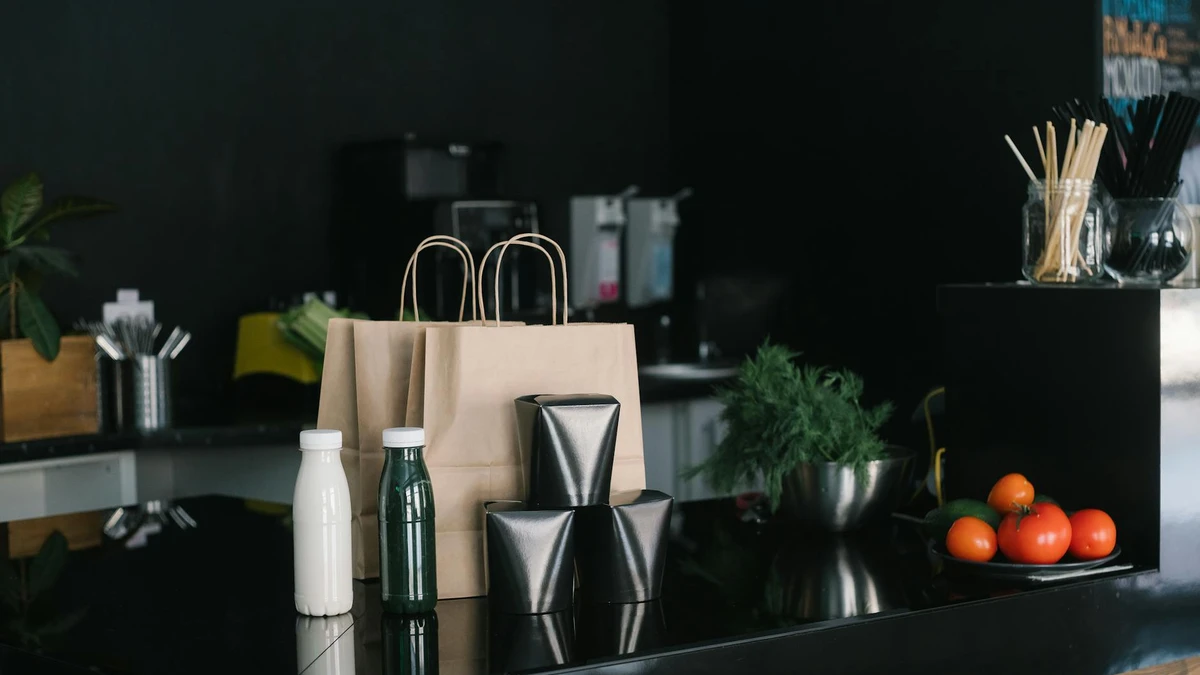
#### Comparaison des infrastructures de recyclage
Les certifications vérifient les déclarations de recyclabilité, mais il est essentiel de comprendre ce qu'elles garantissent réellement.
FSC (Conseil de bonne gestion forestière):
-Ce qu'il certifie: Gestion responsable des forêts
-Recyclabilité Pertinence: Garantit un approvisionnement durable en fibres
-Ce qu'il ne garantit pas: Recyclabilité du revêtement, disponibilité de la transformation locale
-Valeur: Fort pour le message de durabilité, limité pour la preuve de recyclabilité
Label How2Recycle:
-Ce qu'il certifie: Recyclabilité basée sur l'infrastructure nord-américaine
-Catégories: “Largement recyclable”, “Vérifier localement”, “Pas encore recyclable”.”
-Recyclabilité Pertinence: Évaluation honnête de la recyclabilité réelle
-Limitation: Axé sur les États-Unis et le Canada, pas sur le monde entier
Réclamation relative aux produits recyclables (généralités):
-Ce que cela signifie: Recyclage techniquement possible
-Ce que cela ne signifie pas: Sera recyclé, l'infrastructure existe
-Drapeau rouge: Déclarations “recyclables” non étayées et sans spécifications
Codage PAP (UE):
-PAP 21: Carton ondulé/carton-papier
-PAP 22: Papier ordinaire
-Recyclabilité Pertinence: Aide les installations de tri à identifier les matériaux
-Exigence: Conformité à la directive européenne sur les emballages
Vérification des revêtements à base d'eau:
-Demande de fiche de données de sécurité (FDS) pour le revêtement
-Confirmation de la teneur nulle en PE/PLA
-Vérifier les composants biodégradables
-Vérifier les lettres d'acceptation des installations de recyclage du papier
Normes d'essai:
-TAPPI T 213 (test de comptage des salissures pour la pâte recyclée)
-ISO 5263 (battage de pâte à papier en laboratoire)
-ATICELCA® MC 501 (compostage/recyclage en Italie)
🚩 “100% Recyclable” sans contexte:
-Incompréhensible s'il n'existe pas d'infrastructure locale
-Doit être précisé : “Recyclable lorsque des installations existent”.”
🚩 Symbole de recyclage seul:
-Le symbole ne garantit pas l'acceptation
-Doit inclure le code des matériaux et la disponibilité locale
🚩 “L'éco-responsabilité” sans précision:
-Des allégations vagues sans certification
-Cela peut aller d'un contenu recyclé de 5% à un contenu entièrement compostable.
🚩 “Biodégradable” sur les boîtes enduites:
-Les revêtements PE/PLA ne sont pas biodégradables dans des délais raisonnables.
-Exige des conditions spécifiques rarement respectées dans les décharges
La compréhension des coûts environnementaux et financiers totaux permet de prendre des décisions en connaissance de cause.
Boîtes standard avec revêtement PE ($0,12-0,18 par unité) :
-Coût de base, largement disponible
-Non recyclable (malgré certaines affirmations)
-Fin de vie en décharge uniquement
Boîtes recyclables à base d'eau ($0,15-0,24 par unité) :
-+20-30% premium vs PE-coated
-Recyclage effectif (en fonction de l'infrastructure)
-Nécessite un rinçage par le client pour l'acceptation
Boîtes compostables revêtues de PLA ($0,18-0,28 par unité) :
-+40-60% premium vs PE-coated
-Non recyclable (contamine le flux de papier)
-Nécessite un compostage commercial
Fibre moulée/Bagasse ($0,20-0,32 par unité) :
-+60-100% premium vs PE-coated
-Compostable et parfois recyclable
-Positionnement écologique haut de gamme
Éducation des clients:
-Panneau expliquant les modalités d'élimination : $50-200 en une seule fois
-Formation du personnel sur le recyclage et le compostage : 2 à 3 heures
-Confusion et questions permanentes des clients
Coûts d'infrastructure:
-Bacs de recyclage séparés : $30-80 par site
-Etiquetage et instructions clairs : $20-50
-Coordination des transporteurs de déchets : Variable
Valeur de la marque:
-Des déclarations honnêtes sur la recyclabilité : Instauration de la confiance
-Découverte de fausses déclarations : Une réputation gravement entachée
-Prime de transparence : Certains clients sont prêts à payer 10-15% plus
#### Comparaison du coût total de possession (pour 1000 boîtes)
## Sélection et vérification des fournisseurs
Le fait de choisir des fournisseurs qui font des déclarations honnêtes en matière de recyclabilité permet d'éviter la responsabilité de l'écoblanchiment.
Exigences en matière de documentation:
-Composition du matériau (fibre %, type de revêtement, adhésif)
-Fiche de données de sécurité pour les revêtements à base d'eau ou en dispersion
-Copies des certifications (FSC, How2Recycle, etc.)
-Lettres d'acceptation des installations de recyclage (idéalement de plusieurs régions)
-Résultats des tests de recyclabilité effectués par des tiers
Indicateurs de fournisseurs honnêtes:
-Spécifie clairement le type de revêtement (non caché)
-Reconnaît les limites de l'infrastructure
-Fournit des orientations régionales en matière de recyclabilité
-Ne fait pas de promesses excessives en matière de recyclabilité universelle
-Offre de matériel de formation pour les utilisateurs finaux
Signaux d'alerte:
-Refuse de fournir les spécifications du revêtement
-Revendications “100% recyclable partout”.”
-Pas de certifications ou certifications “en cours”.
-Prix très inférieur à celui du marché des revêtements à base d'eau (probablement PE)
-Des affirmations génériques sur le développement durable sans spécificités
1.“Quel est le revêtement utilisé ?”
- Acceptables : “Dispersion à base d'eau, zéro plastique”
- Drapeau rouge : “Enrobage exclusif” ou réponses vagues
2.“Pouvez-vous fournir des lettres d'acceptation des installations de recyclage ?”
- Fort : Plusieurs lettres provenant de différentes régions
- Faible : Pas de documentation ou “vérifiez auprès de votre établissement local”.”
3.“Quel est le taux de recyclage sur les marchés que vous desservez ?”
- Honnêteté : 15-40% selon la région
- Suspicion : 80%+ revendiqué (rarement réalisable pour les boîtes alimentaires)
4.“Que se passe-t-il si l'infrastructure locale ne les accepte pas ?”
- Bon : “Ils sont mis en décharge, mais la fibre se biodégrade contrairement au plastique”.”
- Mauvais : “Cela n'arrivera pas” ou réponses défensives
Comprendre les performances réelles en matière de recyclage permet de fixer des objectifs réalisables en matière de développement durable.
Comportement du client (40% Impact) :
-Rinçage des boîtes avant recyclage : +200% taux d'acceptation
-Séparation correcte des poubelles : Participation de +150%
-Compréhension ou confusion : +100% élimination correcte
Qualité des infrastructures (35% Impact) :
-Accès à la collecte sélective : +300% vs dépôt uniquement
-L'établissement accepte le carton pour les services alimentaires : Binaire (oui/non)
-Programmes d'éducation locaux : +50-80% participation
Conception matérielle (25% Impact) :
-Revêtement à base d'eau contre PE : +400% acceptation de l'installation
-Impression minimale : +20% efficacité de traitement
-Standardisation de la taille : +15% efficacité de la mise en balles
Pour les restaurants:
1.Éducation des clients:
- Instructions d'élimination claires sur la boîte ou le reçu
- Signalisation en magasin des poubelles
- Code QR pour les directives locales en matière de recyclage
2.Changements opérationnels:
- Bacs séparés pour les produits recyclables (bien étiquetés)
- Former le personnel aux exigences de recyclabilité
- Partenariat avec des programmes de recyclage locaux
3.Des messages honnêtes:
- “Recyclable là où c'est accepté” vs “100% recyclable”
- Lien vers l'outil de recherche d'installations locales
- Reconnaître ouvertement ses limites
Pour les fournisseurs:
1.Optimisation des matériaux:
- Minimiser l'épaisseur du revêtement (faciliter le recyclage)
- Utiliser des encres à base d'eau
- Standardisation des tailles pour une mise en balles efficace
2.Orientations régionales:
- Fournir des informations sur la recyclabilité en fonction du marché
- Mise à jour en fonction de l'évolution de l'infrastructure
- Soutenir les efforts d'expansion des installations
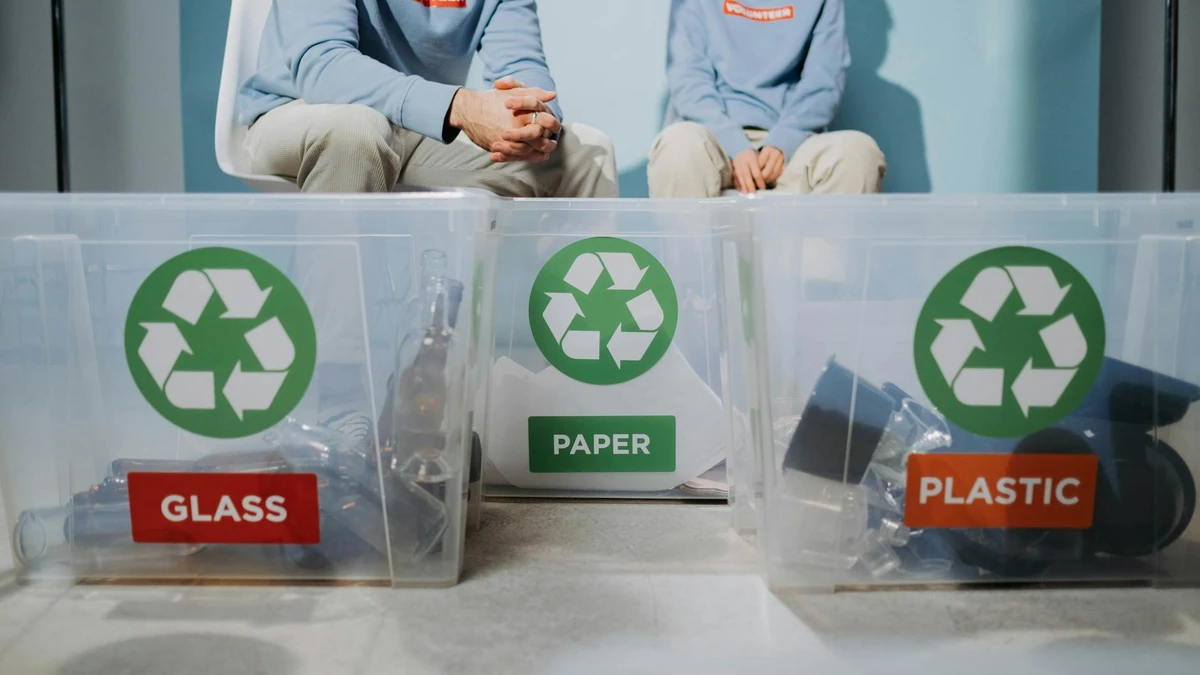
#### Potentiel d'amélioration du taux de recyclage
Tirez les leçons de ces erreurs fréquentes pour mettre en place des programmes de développement durable crédibles.
❌ Erreur #1 : Supposer que “recyclable” équivaut à “sera recyclé”
Problème: Un restaurant fait de la publicité pour des boîtes recyclables, mais ne vérifie pas si elles sont acceptées localement. Les clients découvrent des boîtes rejetées par l'établissement et la crédibilité de la marque est mise à mal.
Approche correcte: Contactez le service local de gestion des déchets, confirmez l'acceptation et fournissez des instructions d'élimination spécifiques à votre marché. Soyez transparent sur les limitations.
❌ Erreur #2 : Utiliser des boîtes en PE avec des symboles de recyclage
Problème: Un fournisseur fournit des boîtes portant le symbole du recyclage, mais le revêtement PE contamine le flux de papier. Les boîtes sont mises en décharge malgré le symbole.
Approche correcte: Vérifier le type de revêtement à l'aide de la fiche de données de sécurité. Si vous utilisez du PE, ne faites pas d'allégations de recyclabilité. Si la recyclabilité est une priorité, payer un supplément pour un revêtement à base d'eau.
❌ Erreur #3 : Pas de formation des clients
Problème: Investir dans des boîtes recyclables, mais les clients ne les rincent pas, ne les jettent pas à la poubelle et ne les contaminent pas avec des produits non recyclables.
Approche correcte: Instructions claires sur la boîte, signalisation de la poubelle, formation du personnel pour aider les clients. Code QR vers une vidéo montrant comment se débarrasser des déchets.
❌ Erreur #4 : Choisir le recyclable quand le compostable est plus judicieux
Problème: Le marché dispose d'une grande infrastructure de compostage mais d'un faible taux de recyclage. L'utilisation de boîtes recyclables entraîne un faible détournement, alors que les boîtes compostables permettraient un traitement de 70%+.
Approche correcte: Évaluer l'infrastructure locale pour les deux voies. Choisir la solution qui présente le taux de détournement le plus élevé, et non la recyclabilité théorique.
❌ Erreur #5 : Faire des demandes universelles pour des produits régionaux
Problème: Les boîtes sont recyclables à San Francisco (infrastructure avancée), mais le restaurant opère également dans une zone rurale où elles ne sont pas acceptées. La publicité est trompeuse pour certains endroits.
Approche correcte: Messages spécifiques au marché. “Recyclable en [ville]” ou “Vérifier les programmes locaux de recyclage” avec un lien de recherche d'installations.
Les boîtes alimentaires recyclables sont conteneurs pour plats à emporter fabriqués à partir de carton avec des revêtements à base d'eau ou en dispersion qui peuvent être transformés en nouveaux produits en papier lorsqu'ils sont acceptés par les installations de recyclage locales. Contrairement aux boîtes revêtues de PE ou de PLA, les versions recyclables utilisent des revêtements qui ne contaminent pas le flux de recyclage du papier. Elles se composent généralement de kraft ou de carton blanc de 250 à 350 g/m², d'adhésifs biodégradables et d'une contamination alimentaire minimale (<5%) pour être acceptées par les installations de recyclage.
Cela dépend de l'infrastructure locale. Les boîtes recyclables sont meilleures sur les marchés où le recyclage du papier est important mais où le compostage est faible (comme dans de nombreuses villes américaines). Les boîtes compostables excellent là où le compostage commercial existe (San Francisco, Portland, certaines villes de l'UE). Impact réel sur l'environnement : Le recyclage permet de détourner 10-40% sur la plupart des marchés ; le compostage permet de détourner 60-80% là où l'infrastructure existe. Ni l'un ni l'autre n'est meilleur universellement - choisissez en fonction des systèmes de gestion des déchets de votre marché spécifique.
Une faible quantité de graisse (10%) entraîne généralement un rejet. Meilleure pratique : Encouragez les clients à gratter l'excédent de nourriture et à rincer rapidement les boîtes. Certains établissements utilisent des systèmes de flottation qui traitent les graisses légères ; d'autres rejettent toute contamination. Vérifiez toujours les normes spécifiques de votre installation locale, car les politiques varient considérablement d'une opération de recyclage à l'autre.
Les boîtes alimentaires recyclables avec un revêtement à base d'eau coûtent 15-30% de plus que les boîtes standard avec un revêtement en PE. Fourchette de prix : $0,15-0,24 par unité (recyclable) contre $0,12-0,18 (revêtues de PE) pour les formats standard de boîtes à emporter. Le prix reflète les coûts de la technologie d'enduction et les volumes de production inférieurs. Les commandes en gros (plus de 50 000 unités) peuvent réduire la prime à 15-20%. Coût total incluant les bacs, la signalisation et l'éducation : Ajouter $0,08-0,12 par boîte la première année, puis $0,02-0,04 les années suivantes.
Demandez trois documents clés : (1) fiche de données de sécurité prouvant que le revêtement à base d'eau ne contient pas de PE/PLA, (2) copies de la certification FSC ou similaire, (3) lettres d'acceptation des installations de recyclage dans plusieurs régions. Méthode d'essai : Contacter 2 ou 3 centres de recyclage locaux en leur communiquant les spécifications du matériau du fournisseur et leur demander s'ils l'acceptent. Rejeter les fournisseurs qui ne peuvent pas fournir de documentation ou qui donnent de vagues réponses du type “revêtement propriétaire”.
Les symboles de recyclage (boucle de Möbius avec des chiffres) indiquent le type de matériau, mais ne garantissent pas sa recyclabilité. PAP 21 signifie carton ondulé ; PAP 22 signifie papier/carton. La présence du symbole ne garantit pas l'acceptation par l'installation locale ; elle identifie seulement la catégorie de matériaux à trier. Plus significatif : Les étiquettes How2Recycle qui précisent “Largement recyclable”, “Vérifier localement” ou “Pas encore recyclable” en fonction de la disponibilité réelle des infrastructures.
Oui, mais en adaptant honnêtement le message. N'affirmez pas que les emballages sont recyclables s'il n'existe pas d'infrastructure : c'est de l'écoblanchiment. Au lieu de cela : (1) mettre l'accent sur le FSC/l'approvisionnement durable plutôt que sur la recyclabilité, (2) expliquer que les boîtes se biodégraderont dans les décharges plus rapidement que les alternatives en plastique (ce qui n'est toujours pas idéal), (3) plaider pour le développement d'un programme de recyclage local. Les boîtes à base de fibres sont toujours meilleures que les boîtes en plastique, même lorsqu'elles sont mises en décharge, mais il faut être transparent sur la réalité de l'élimination.
Les boîtes alimentaires recyclables offrent de réels avantages environnementaux lorsqu'elles sont soutenues par une infrastructure locale et une éducation adéquate des consommateurs, mais elles ne constituent pas une solution universelle. L'écart entre “techniquement recyclable” et “réellement recyclé” est le défi majeur de l'emballage alimentaire durable.
Principaux enseignements :
1.Les boîtes alimentaires recyclables nécessitent des revêtements à base d'eau et l'acceptation de l'infrastructure - les boîtes revêtues de PE/PLA ne sont pas vraiment recyclables malgré les affirmations du marketing
2.Les taux de recyclage réels (10-40%) sont bien inférieurs à ceux de l'aluminium (90%+) ou du papier de bureau (65%) - il faut donc avoir des attentes réalistes.
3.Le surcoût du 15-30% est justifié lorsqu'il existe une infrastructure locale et que les clients participent à l'élimination correcte des déchets.
4.La vérification du fournisseur par le biais des fiches de données de sécurité des revêtements et des lettres d'acceptation de l'installation permet d'éviter toute responsabilité en matière d'écoblanchiment.
5.Les messages honnêtes sur les limitations suscitent davantage la confiance que les déclarations exagérées sur le développement durable.
Pour les restaurants situés sur des marchés dotés d'une solide infrastructure de recyclage, les boîtes recyclables, combinées à l'éducation des clients, permettent un détournement significatif des déchets. Sur les marchés non acceptés, les alternatives compostables ou une communication transparente sur les limitations servent mieux les objectifs de durabilité que les fausses allégations de recyclabilité.
Découvrez d'autres solutions d'emballage alimentaire :
-Contenants pour emballages alimentaires
-Gobelets en papier et emballages pour le café
Papacko fournit des emballages alimentaires recyclables prêts à l'exportation aux restaurants et aux services de restauration soucieux de l'environnement dans le monde entier. Nous fournissons des conseils honnêtes en matière de recyclabilité, des informations sur les infrastructures régionales et des spécifications vérifiées pour les revêtements à base d'eau.
Les décisions relatives aux boîtes recyclables doivent généralement être évaluées à la lumière des choix de revêtement, des arguments généraux en matière de développement durable et des types d'aliments que ces boîtes doivent pouvoir contenir dans des conditions réelles d'utilisation.
Prenez contact avec nous :
Dernière mise à jour: novembre 2025
Équipe chargée du contenu: Papacko
Révisé par: Service de la chaîne d'approvisionnement et du développement durable