Prêt à créer vos propres gobelets ou emballages en papier ?
Faites-nous part de vos exigences - taille, revêtement, impression et destination - et notre équipe établira un devis détaillé dans les 24 heures.

Dernière mise à jour: février 2026
Temps de lecture: 8 à 10 minutes
Auteur: Équipe de contenu de Papacko
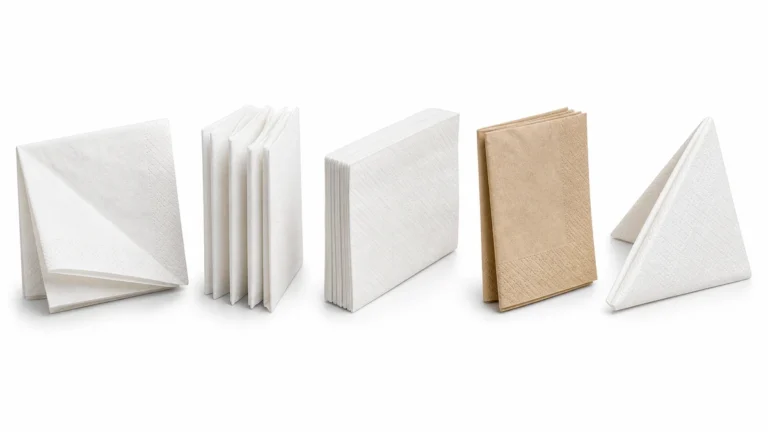
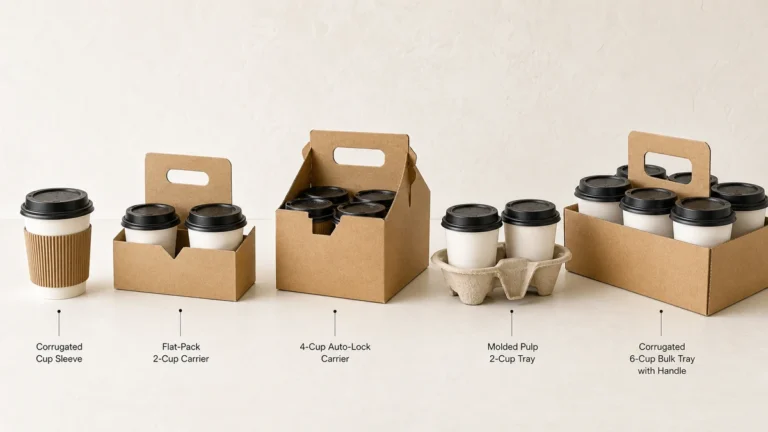
Les cafés respectueux de l'environnement produisent chaque jour des centaines d'articles dérivés manchons à godets, les serviettes, les pailles, les sacs à emporter et les bâtonnets mélangeurs, qui représentent ensemble entre 15 et 25% du volume total des déchets d'emballage. Un café de taille moyenne accueillant 300 clients par jour peut utiliser plus de 450 manchons en papier, plus de 600 serviettes et plus de 200 sacs à emporter chaque semaine. Les accessoires traditionnels en papier vierge consomment d’importantes ressources forestières et énergétiques, ce qui génère un impact environnemental contraire aux messages de développement durable.
Ce guide complet traite des accessoires en papier recyclé spécialement conçus pour les cafés écologiques : pourcentages de contenu recyclé (30-100%), données sur la réduction de l'empreinte carbone, exigences de la certification FSC Recycled, comparaisons du cycle de vie par rapport aux matériaux vierges et analyse des surcoûts. Vous apprendrez comment concilier performance environnementale, qualité fonctionnelle, esthétique de la marque et contraintes budgétaires.
À retenir: Les accessoires en papier recyclé destinés aux cafés écologiques doivent comporter entre 30 et 100% de matière recyclée post-consommation, une certification FSC Recyclé ou équivalente, une réduction mesurable de l’empreinte carbone (de 30 à 65% par rapport au papier vierge), des avantages tout au long du cycle de vie en termes de consommation d’eau et d’énergie, ainsi qu’une gestion stratégique des coûts pour compenser les surcoûts de 8 à 35%.
Lorsque vous évaluez les accessoires en papier recyclé, tenez compte des éléments suivants :
Les matières recyclées proviennent de deux sources principales :
Déchets post-consommation (PCW):
-Définition : Produits en papier usagés collectés auprès des particuliers et des entreprises après leur première utilisation
-Exemples : journaux recyclés, papier de bureau, cartons, magazines
-Valeur environnementale : maximale (évite que les déchets ne finissent en décharge, boucle le cycle du recyclage)
-Préférence du marché : 85% de clients soucieux du développement durable privilégient la teneur en PCW
-Qualité des fibres : fibres plus courtes (1,5 à 2,5 mm contre 3 à 4 mm pour les fibres vierges) en raison du processus de recyclage
Recyclé pré-consommation:
-Définition : Chutes, rognures et déchets de production
-Exemples : chutes de papier provenant des papeteries, surplus d'impression, rebuts de production
-Impact environnemental : modéré (réduit les déchets de fabrication mais ne boucle pas le cycle de consommation)
-Perception du marché : moins percutante que la PCW (souvent considérée comme une mesure standard de réduction des déchets)
-Qualité de la fibre : proche de celle d'une fibre vierge (fibres qui n'ont pas encore été altérées par l'usage)
Exigences en matière de certification: Les « Green Guides » de la FTC exigent que les allégations environnementales en matière de marketing précisent les pourcentages de PCW par rapport à la teneur totale en matériaux recyclés.
Pour bien comprendre les accessoires en papier recyclé, il faut tenir compte des facteurs suivants :
### : principaux aspects liés aux performances
Pour choisir des accessoires en papier recyclé, il faut tenir compte des éléments suivants :
Compromis de solidité:
-Chaque cycle de recyclage réduit la longueur des fibres de 15 à 20%
-Les produits recyclés 100% peuvent nécessiter un grammage supérieur de 10 à 15% pour atteindre la résistance des produits vierges.
-Essentiel pour les supports et les manchons soumis à des contraintes (liquides chauds, charge)
Caractéristiques d'aspect:
-30-50% recyclé : pratiquement identique au matériau vierge lorsqu'il est traité correctement
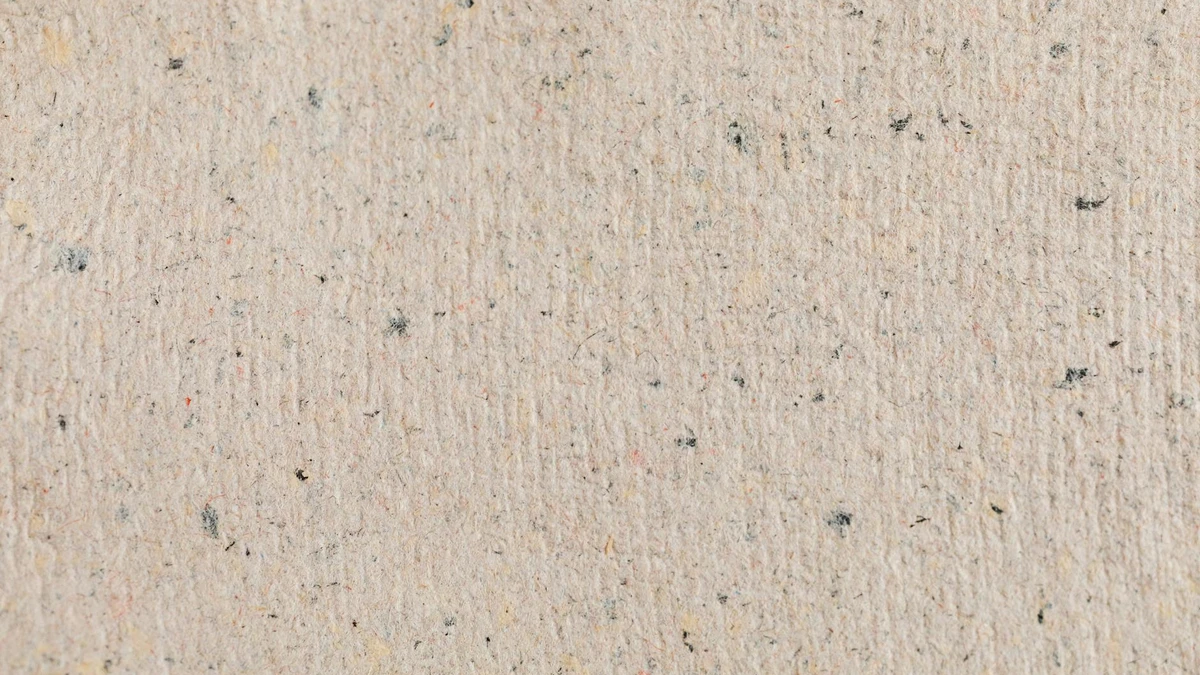
-60-80% recyclé : teinte gris clair/beige, aspect naturel idéal pour une image de marque écologique
-90-100% recyclé : couleur grise prononcée, texture fibreuse visible, aspect “ brut ” et écologique
Compatibilité d'impression:
-Fibre vierge : excellente adhérence de l'encre, couleurs vives, graphismes nets
-30-60% recyclé : très bonne qualité d'impression grâce à une formulation d'encre adaptée
-80-100% recyclé : idéal pour les motifs simples, les couleurs sobres et l'esthétique vintage/rustique

Pour bien comprendre les accessoires en papier recyclé, il convient de prêter attention aux facteurs suivants :
Comparaison des émissions dans le secteur industriel (par tonne métrique de papier) :
Application dans le monde réel:
-Café de taille moyenne utilisant 50 000 manchons par an (100% recyclé par rapport au vierge) : permet d'économiser entre 1 100 et 1 400 kg de COe par an (ce qui équivaut à 2 800-3 500 miles en voiture)
-Grand café consommant 200 000 serviettes par an (75% recyclées contre non recyclées) : permet d'économiser entre 2 600 et 3 200 kg de COe par an
Lorsque vous évaluez des accessoires en papier recyclé, tenez compte des éléments suivants :
Consommation d'eau (par tonne métrique) :
Consommation d'énergie (par tonne métrique) :
Importance environnementale:
-La production de papier recyclé permet d'éviter les coûts énergétiques liés à la sylviculture et à l'exploitation forestière
-Le désencrage et le nettoyage nécessitent de l'énergie, mais moins que la fabrication de pâte à papier à partir de matière première vierge
-Les usines de recyclage modernes utilisent de plus en plus le biogaz issu du traitement des déchets (compensation énergétique de 20 à 351 TP3T).
Lorsque vous évaluez des accessoires en papier recyclé, tenez compte des éléments suivants :
Production de papier vierge:
-La fabrication d'une tonne métrique de carton vierge nécessite entre 2,5 et 3,2 tonnes de bois (déchets de transformation compris)
-Industrie papetière mondiale : 35-40% d'exploitation forestière industrielle (4 milliards d'arbres par an)
-La conversion des forêts anciennes reste un sujet de préoccupation malgré Certification FSC croissance
Production de papier recyclé:
-Aucun impact direct sur la forêt (utilise des déchets)
-Permet de boucler le cycle des matières : 1 tonne recyclée = 2,5 à 3,2 tonnes de bois préservées
-Avertissement : nécessite à terme l'apport de fibres vierges (les fibres se dégradent après 5 à 7 cycles de recyclage)
Équilibre durable: Les experts du secteur recommandent d'utiliser 60 à 70% de matières recyclées et 30 à 40% de fibres vierges certifiées FSC afin de garantir l'approvisionnement en fibres tout en optimisant le détournement des déchets.
En ce qui concerne les accessoires en papier recyclé, concentrez-vous sur :
Exigences relatives aux étiquettes en papier recyclé certifié FSC:
Teneur en matériaux recyclés 100% (les fibres vierges ne sont pas autorisées)
Suivi de la chaîne de traçabilité (CoC) de la collecte des déchets jusqu'à la fabrication
Filtrage des sources interdites (pas de déchets issus de l'exploitation forestière illégale, sources controversées)
Audits annuels réalisés par des organismes tiers par des organismes de certification agréés
Vérification des fournisseurs tout au long de la chaîne d'approvisionnement
Processus de certification:
1.Qualification des fournisseurs (2 à 4 semaines) : Vérification des sources de fibres recyclées et de la documentation
2.Mise en œuvre du système CoC (4 à 8 semaines) : Systèmes de suivi, contrôle des stocks, formation du personnel
3.Évaluation préalable à l'audit (1 à 2 semaines) : Examen interne de l'état de préparation
4.Audit par un tiers (1 à 3 jours sur place) : examen de la documentation, inspection des locaux, entretiens avec le personnel
5.Délivrance de certificats (2 à 4 semaines après l'audit) : valable 5 ans, avec un suivi annuel
Structure des coûts:
-Certification initiale : $3 000-8 000 (varie en fonction de la taille de l'entreprise et du volume de production)
-Audits de surveillance annuels : $1 500-3 500
-Redevances : 0,5 à 1,01 TP3T sur le chiffre d'affaires généré par les ventes de produits portant le label FSC
-Impact sur le coût amorti : $0,008-0,015 pour 1 000 accessoires
En ce qui concerne les accessoires en papier recyclé, concentrez-vous sur :
PCF (sans chlore ajouté):
-Axé sur les procédés de blanchiment (sans produits chimiques à base de chlore)
-Compatible avec la certification FSC Recyclé
-Remarque importante concernant les produits recyclés blancs ou de couleur claire
-Coût : $2 000 à 5 000 pour la certification initiale
Blauer Engel (Ange bleu):
-Label écologique allemand pour les produits en papier recyclé
-Nécessite une teneur en matériaux recyclés conforme à la norme 100% + des normes strictes en matière de désencrage
-Reconnu sur l'ensemble des marchés de l'UE
-Une notoriété plus élevée auprès des consommateurs en Europe qu'en Amérique du Nord
Cygne nordique:
-Certification scandinave pour les produits en papier
-Couvre les matières recyclées, les produits chimiques, les émissions et l'énergie
-Exhaustif, mais moins connu en dehors de la région nordique
Sceau vert (GS-1):
-Norme nord-américaine relative aux produits en papier recyclé
-Nécessite au minimum 30-50% PCW (selon la catégorie de produit)
-Seuil moins strict que celui du label « FSC Recycled », mais acceptation plus large
En ce qui concerne les accessoires en papier recyclé, privilégiez :
### Considérations relatives à la fin de vie
Pour bien comprendre les accessoires en papier recyclé, il faut tenir compte des facteurs suivants :
Accessoires en papier vierge et en papier recyclé:
-Compostable s'il ne comporte pas de revêtements ou de laminés en plastique
-Recyclable s'il est propre et sec (la présence de résidus alimentaires réduit sa recyclabilité)
-Biodégradable en 4 à 8 semaines (non enduit) à 3 à 6 mois (enduit)
Avantage de l'économie circulaire:
-Les accessoires recyclés peuvent être recyclés à nouveau (5 à 7 cycles avant la dégradation des fibres)
-Permet de créer un système en circuit fermé lorsqu'il est associé aux programmes de recyclage des cafés
-Les accessoires en fibre vierge sont intégrés au circuit de recyclage, mais nécessitent un traitement plus poussé
Pour choisir des accessoires en papier recyclé, il faut tenir compte des éléments suivants :
### Coût total de possession d'un Eco Café de taille moyenne
Scénario d'utilisation annuel (300 clients par jour) :
-Manchons pour gobelets : 60 000 unités
-Serviettes de table : 90 000 unités
-Opérateurs : 12 000 unités
-Pailles : 45 000 unités
-Bâtonnets pour boissons : 30 000 unités
Comparaison des coûts annuels:
### Stratégies de compensation des coûts
1. Remises sur les achats en gros:
-Commandes pour un approvisionnement de 6 mois : remise 8-15% (réduit la prime à 12-20%)
-Contrats annuels : remise 15-22% (réduit la prime à 8-15%)
-Achats groupés multi-sites : économies supplémentaires de 5 à 10%
2. Optimisation de la gamme de produits:
-Articles à fort volume et à faible coût (bâtonnets mélangeurs — serviettes en papier) : 100% recyclé
-Articles de marque haut de gamme (supports personnalisés) : 50-70% recyclé pour une qualité d'impression optimale
-Une approche mixte permet de limiter la hausse globale des coûts à 15-20%
3. Monétisation de la valeur marketing:
-Programmes de certification des « éco-cafés » : attirer 12 à 18% de clients davantage soucieux du développement durable
-Justification de la tarification premium : augmentation du prix du modèle 3-8% acceptée en contrepartie de pratiques durables vérifiées
-Engagement sur les réseaux sociaux : l'engagement est 2,5 à 4 fois plus élevé pour les contenus écologiques que pour les publications classiques
4. Économies liées à la réduction des déchets:
-Choisir des distributeurs de serviettes adaptés : réduire la consommation de serviettes de 15 à 25%
-Fourniture de manchons sur demande ou automatique : réduction de la consommation de manchons de 30 à 40%
-La sensibilisation des clients permet de réduire le gaspillage lié aux accessoires 18-28%
Incidence financière nette: $2 670-4 035 d'augmentation des coûts annuels – $1 800-3 200 d'économies liées à la réduction des déchets – $2 400-5 000 d'augmentation des recettes grâce au positionnement écologique = Retour sur investissement potentiel de $1 530 à 3 565 par an
Manches à godets:
-Performances d'isolation : réduction de la température de la surface extérieure de 15 à 25 °C
-Stabilité de la prise en main : pas de glissement en cas d'humidité ou de condensation
-Intégrité structurelle : aucune déchirure ni séparation pendant les 60 minutes de maintien d'une boisson chaude
-Impact de la teneur en matériaux recyclés : le 80-100% recyclé offre des performances équivalentes à celles du matériau vierge (l'isolation n'est pas affectée par la longueur des fibres)
Protocole de test:
1.Remplissez la tasse d'eau à 90 °C
2.Mettre le manchon en place et mesurer la température extérieure au bout de 5, 15, 30 et 60 minutes
3.Simuler la condensation (surface extérieure humide)
4.Mesurer la force de préhension (test de préhension manuelle)
5. Admissible : température extérieure inférieure à 45 °C, aucune défaillance structurelle
Serviettes:
-Capacité d'absorption : absorbe 8 à 12 fois son poids en liquide
-Résistance à l'état humide : conserver la résistance à l'état sec du 25-40% lorsqu'il est saturé
-Texture : suffisamment douce pour le visage et les mains (ne gratte pas)
-Impact de la teneur en matériaux recyclés : le modèle 50-100% recyclé présente une texture légèrement plus grossière, mais une capacité d'absorption identique
Protocole de test:
1.Peser la couche à sec (souvent entre 2 et 3 grammes)
2.Imbibez-les d'eau et mesurez leur capacité d'absorption (18 à 30 grammes pour des serviettes de bonne qualité)
3.Essai de résistance à la déchirure à l'état humide
4.Test de confort utilisateur (évaluation de la douceur)
5. Réussite : absorption e8x, rétention de la résistance à l'état humide > 25%
Services de livraison à emporter:
-Résistance de la poignée : supporte 2 à 4 tasses pleines (poids total de 1,5 à 3 kg)
-Durée : préserver l'intégrité pendant un transport de 30 à 60 minutes
-Résistance à l'humidité : aucun affaissement ni défaillance en cas de condensation
-Impact de la teneur en matériaux recyclés : le papier recyclé 70-90% nécessite un papier plus épais de 10-15% (300 contre 280 g/m²)
Protocole de test:
1.Support de charge avec poids cible (2 kg pour le modèle 2 tasses, 3 kg pour le modèle 4 tasses)
2.Simuler la condensation (vaporiser de l'eau sur les poignées)
3.Transporter pendant 60 minutes, en soulevant et en posant le chargement de temps en temps
4.Essai dans des conditions ambiantes et à température élevée (30-35 °C)
5. Admissible : aucune déchirure de la poignée, déformation structurelle < 5 mm
Vérification de la certification:
-Demander le numéro de certificat FSC et le vérifier dans la base de données de fsc.org
-Vérifiez les dates d'expiration (valables pendant 5 ans)
-Vérifiez que la couverture s'applique bien aux catégories de produits spécifiques que vous achetez
Documentation relative à la teneur en matériaux recyclés:
-Demander le pourcentage de matière recyclée certifié par un organisme tiers
-Distinguer le PCW de la teneur totale en matières recyclées
-Demandez la documentation relative à l'origine des fibres (d'où proviennent les matériaux recyclés)
Test de performance:
-Demander les rapports d'essais en laboratoire concernant la résistance, la capacité d'absorption et la durabilité
-Demandez des échantillons afin de réaliser des tests en interne en fonction de votre cas d'utilisation spécifique
-Comparez plusieurs fournisseurs côte à côte
Traçabilité et transparence:
-Documentation relative à la chaîne de traçabilité, depuis la collecte des déchets jusqu'à la fabrication
-Disposition des fournisseurs à divulguer les origines et les procédés de fabrication
-Disponibilité d'audits réalisés par des tiers (et pas seulement des déclarations sur l'honneur)
Quantités minimales de commande (MOQ):
-Quantités minimales de commande (MOQ) standard : 50 000 à 100 000 unités pour les articles personnalisés, 10 000 à 25 000 pour les articles en stock
-Vérifier si les quantités minimales de commande (MOQ) correspondent à la capacité de stockage et aux taux d'utilisation
-Envisagez de vous regrouper avec d'autres cafés écologiques pour atteindre les quantités minimales de commande
L “Fabriqué à partir de matières recyclées” sans indication de pourcentage (peut être 5% ou 95%)
L “ Écologique ” ou “ vert ” sans certifications (allégations marketing vagues)
L Réticence à fournir les numéros de certificat ou les rapports d'essai (cacher quelque chose)
L Des prix identiques à ceux des produits vierges (le recyclage véritable engendre des coûts de traitement)
L “ 100% biodégradable ” (le fait que tout le papier soit biodégradable n'a pas de sens sans indication de délai ni de conditions)
Bonnes pratiques en matière de vérification: Demandez systématiquement les numéros de certificat FSC et vérifiez-les de manière indépendante dans les bases de données officielles. Demandez par écrit les pourcentages de contenu recyclé, accompagnés de rapports d'essais réalisés par des organismes tiers.
L Erreur #1: Choisir le 100% recyclé sans test pour votre application spécifique
Approche correcte: Commencez par le 50% recyclé pour les applications critiques (supports, pailles nécessitant une bonne résistance). Utilisez le 80-100% pour les articles soumis à de faibles contraintes (bâtonnets mélangeurs, manchons). Effectuez des tests avant de passer des commandes importantes.
L Erreur #2: En partant du principe que tout le papier recyclé est gris et laid
Approche correcte: Le 30-60% recyclé moderne peut présenter un blanc éclatant s'il est traité correctement. Le 80-100% offre un aspect naturel qui séduit les clients soucieux de l'environnement, adeptes d'un style authentique.
L Erreur #3: Acheter en se basant uniquement sur le prix le plus bas sans vérifier la certification
Approche correcte: Vérifiez les numéros de certificat FSC dans les bases de données officielles ; la composition du papier recyclé utilisé pour les accessoires a son importance. Les produits “ recyclés ” les moins chers comportent souvent des allégations trompeuses quant à leur composition ou contiennent des déchets pré-consommation (à plus faible valeur environnementale).
L Erreur #4: Ne pas informer les clients sur la teneur en matériaux recyclés
Approche correcte: Utilisez la signalétique en magasin, les panneaux de menu et les réseaux sociaux pour mettre en avant les pourcentages de matériaux recyclés et les certifications spécifiques ; les accessoires en papier recyclé ont leur importance. Les clients sont prêts à payer 5 à 12% de plus lorsqu’ils comprennent la valeur environnementale de ces produits.
Les accessoires en papier recyclé destinés aux cafés sont des articles d’emballage fonctionnels, notamment des manchons pour gobelets, des serviettes, des sacs à emporter, des pailles et des bâtonnets mélangeurs, fabriqués à partir de papier recyclé post-consommation (PCW) 30-100% au lieu de fibres de bois vierges. Ces produits contribuent à réduire la déforestation, les émissions de carbone, la consommation d’eau et les déchets mis en décharge, tout en conservant les performances fonctionnelles nécessaires à l’activité des cafés. La certification FSC Recyclé garantit une teneur en papier recyclé de 100%, avec un suivi vérifié de la chaîne de contrôle, de la collecte des déchets jusqu’à la fabrication.
Les accessoires en papier recyclé permettent de réduire l'empreinte carbone de 35 à 631 TP3T par rapport aux produits à base de fibres vierges. La fabrication d'une tonne métrique de papier recyclé 50% génère entre 735 et 915 kg de COe, contre 1 130 à 1 390 kg de COe pour le papier vierge (soit une réduction de 38%). Le papier 100% recyclé ne produit que 400 à 520 kg de COe par tonne (soit une réduction de 62%). Pour un café de taille moyenne utilisant 50 000 manchons par an, le passage du papier vierge au papier 100 % recyclé permet d’économiser entre 1 100 et 1 400 kg de COe par an, ce qui équivaut à éviter de parcourir entre 2 800 et 3 500 miles en voiture.
Oui — les accessoires en papier recyclé coûtent entre 8 et 35% de plus que leurs équivalents en fibres vierges, selon le type de produit et le pourcentage de matière recyclée. Les manchons de gobelets contenant 100% de matière recyclée coûtent entre 25 et 35% de plus que ceux en fibre vierge, tandis que les bâtonnets mélangeurs ne présentent qu'un surcoût de 15 à 22%. Pour un café de taille moyenne (300 clients par jour), le passage à une teneur moyenne en matériaux recyclés de 75% pour l’ensemble des accessoires entraîne une augmentation des coûts annuels comprise entre $2 670 et 4 035. Ce surcoût peut toutefois être compensé par des remises sur les achats en gros (8 à 22%), des stratégies de réduction des déchets (baisse de la consommation de 15 à 25%) et une tarification plus élevée acceptée par les clients soucieux de l’environnement (hausse des prix de 3 à 8%).
Les accessoires en papier recyclé offrent des performances équivalentes ou très proches de celles des produits en fibre vierge dans la plupart des applications de café, avec quelques compromis. Les manchons pour gobelets 80-100% en papier recyclé offrent une isolation identique à celle des versions en fibre vierge. Les serviettes contenant du papier recyclé 50-100% conservent la même capacité d'absorption (8 à 12 fois leur poids), mais présentent une texture légèrement plus rugueuse. Les sacs à emporter nécessitent un papier plus épais (10-15%, soit 300 g/m² contre 280 g/m²) pour atteindre la résistance du papier vierge. Les pailles en papier offrent les meilleures performances avec des mélanges recyclés 30-60% (des pourcentages plus élevés réduisent la résistance à l’état humide). Dans l’ensemble, une sélection et des tests appropriés des produits garantissent que les accessoires recyclés répondent aux exigences fonctionnelles tout en offrant des avantages environnementaux.
La matière recyclée issue de déchets post-consommation (PCW) provient de produits en papier utilisés par les consommateurs et les entreprises, tels que les journaux recyclés, le papier de bureau et le carton, qui sont ensuite collectés, traités et transformés en nouveaux produits. La matière recyclée pré-consommation provient des chutes de fabrication et des déchets de production qui n’ont jamais atteint les consommateurs. Les PCW présentent une plus grande valeur environnementale, car ils permettent d’éviter que les déchets ne finissent en décharge et de boucler le cycle des matériaux, tandis que le recyclage pré-consommation correspond essentiellement à une réduction des déchets industriels classiques. Les « Green Guides » de la FTC exigent que les pourcentages de PCW soient indiqués séparément. Les cafés écologiques devraient privilégier une teneur en PCW comprise entre 40 et 90% afin d’optimiser leur impact en matière de développement durable et de renforcer leur crédibilité auprès des clients.
Les accessoires de café recyclés doivent être certifiés FSC Recycled (ce qui exige une teneur en matériaux recyclés de 100% avec une chaîne de contrôle vérifiée), qui constitue la référence absolue pour les produits forestiers ; les accessoires en papier recyclé ont donc leur importance.Parmi les autres certifications utiles, on peut citer : « Processed Chlorine Free » (PCF) pour les produits blanchis sans produits chimiques à base de chlore, « Green Seal GS-1 » (qui exige un minimum de 30 à 50% de papier post-consommation, selon la catégorie) et « Blauer Engel » (Ange bleu) pour les produits répondant aux normes allemandes strictes en matière de teneur en matériaux recyclés et de désencrage. Vérifiez toujours les numéros de certificat dans les bases de données officielles (fsc.org pour le FSC) plutôt que de vous fier uniquement aux déclarations du fournisseur. Les certificats doivent être à jour (dans leur période de validité de 5 ans) et leur champ d’application doit couvrir les produits spécifiques achetés.
La production de papier recyclé permet de réduire la consommation d'eau de 30 à 65% et la consommation d'énergie de 25 à 50% par rapport à la fabrication à partir de fibres vierges. La production d’une tonne métrique de carton vierge nécessite entre 45 000 et 65 000 litres d’eau, contre 18 000 à 25 000 litres pour du carton 100 % recyclé (soit une réduction de 60 %). Les besoins en énergie passent de 2 800 à 3 400 kWh par tonne pour le papier vierge à 1 400 à 1 900 kWh pour le papier 100% recyclé (soit une réduction de 47%). Ces économies résultent de la suppression des processus énergivores que sont l’abattage, le transport et la fabrication de pâte à papier à partir de fibres vierges. Les usines de papier recyclé utilisent de plus en plus le biogaz issu du traitement des déchets pour couvrir 20 à 351 TP3T de leurs besoins énergétiques. Pour un grand réseau de cafés, le passage à des accessoires en papier recyclé dans 10 établissements peut permettre d’économiser entre 180 000 et 400 000 litres d’eau par an.
Le choix d’accessoires en papier recyclé pour les cafés écologiques nécessite de trouver un équilibre entre performance environnementale, qualité fonctionnelle et considérations de coût. Privilégiez la certification FSC Recycled garantissant une teneur en matière recyclée vérifiée de 100% — une composition de 60 à 80 % de déchets post-consommation (PCW) pour un impact environnemental maximal, ainsi que des pourcentages de matériaux recyclés spécifiques à chaque produit en fonction des exigences de résistance (80 à 100 % pour les manchons et les bâtonnets mélangeurs, 50 à 70 % pour les sacs et les pailles).
Principaux enseignements :
1.Les réductions d'émissions de carbone sont considérables Réduction du 35-63% par rapport aux matériaux vierges
2.Les certifications permettent d'éviter le « greenwashing » FSC Recyclé — PCF et Green Seal certifient ces allégations
3.Les surcoûts sont gérables La hausse de 8-35% est compensée par les achats en gros et la réduction des déchets
4.Dans la plupart des applications, la qualité est équivalente à celle du matériau vierge grâce à une sélection et à des essais appropriés des produits
5.La communication avec les clients est source de valeur La transparence concernant la teneur en matériaux recyclés justifie une tarification plus élevée
-Guide sur les emballages durables pour les cafés
-Vérification de la certification FSC
Papacko fournit aux cafés, salons de thé et établissements hôteliers soucieux de l'environnement des accessoires en papier certifiés FSC Recycled, contenant entre 30 et 100 % de matières recyclées post-consommation (référence 30-100%) : ces accessoires en papier recyclé font toute la différence.Notre gamme comprend des manchons pour gobelets, des serviettes, des sacs à emporter, des pailles et des bâtonnets mélangeurs, avec des possibilités de personnalisation, des certifications environnementales complètes et des quantités minimales de commande (MOQ) à partir de 10 000 unités.
Les accessoires recyclés sont rarement achetés séparément. Les cafés soucieux de l'environnement proposent généralement des serviettes, des manchons, des couvercles et d'autres articles de service sous la forme d'un ensemble « durable ». Ces guides permettent de relier les choix en matière de contenu recyclé à l'ensemble des accessoires.
Prenez contact avec nous :