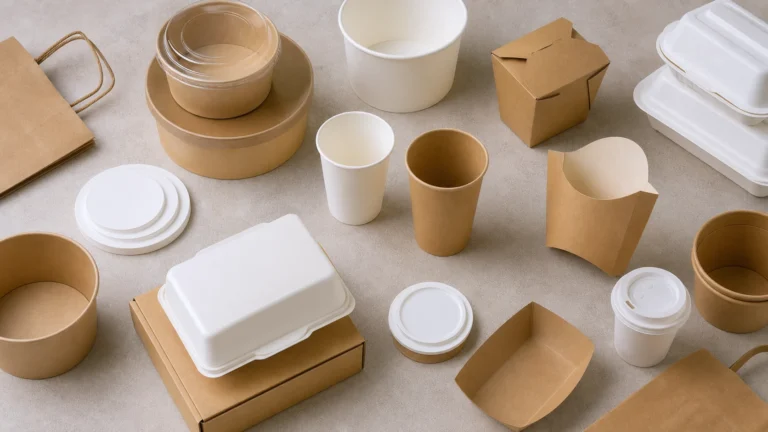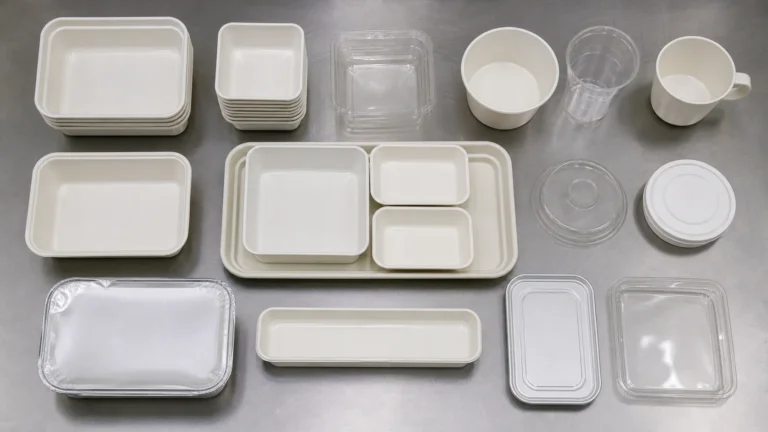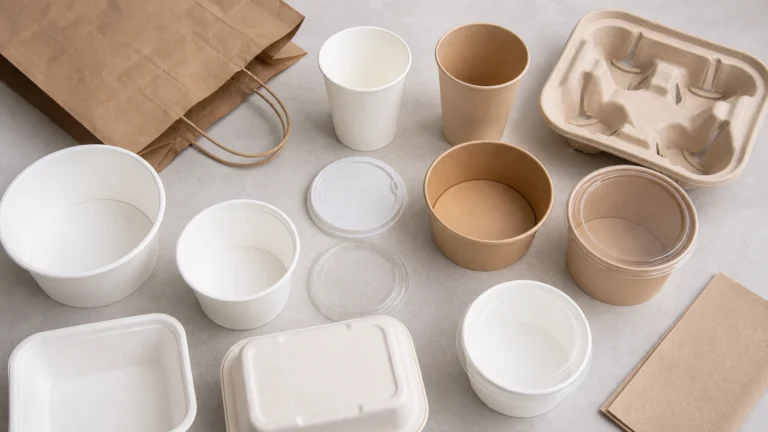
Prêt à créer vos propres gobelets ou emballages en papier ?
Faites-nous part de vos exigences - taille, revêtement, impression et destination - et notre équipe établira un devis détaillé dans les 24 heures.


Les acheteurs peuvent examiner les références des couvercles de bols en papier à l'aide de plans de distribution datés, d'enregistrements précis des références, de documents fournis par les fournisseurs, d'échantillons correspondants, de leurs propres observations et des dossiers d'approvisionnement conservés. Ce guide décrit uniquement les modalités de tenue des registres et ne détermine pas le résultat final du produit.
Créez une fiche nominative pour chaque itinéraire de service utilisé par l'entreprise. Indiquez l'équipe ou le site responsable, la date et l'emplacement du dossier. Ce tableau constitue une référence cohérente pour les fiches SKU ultérieures, sans pour autant préjuger du résultat.
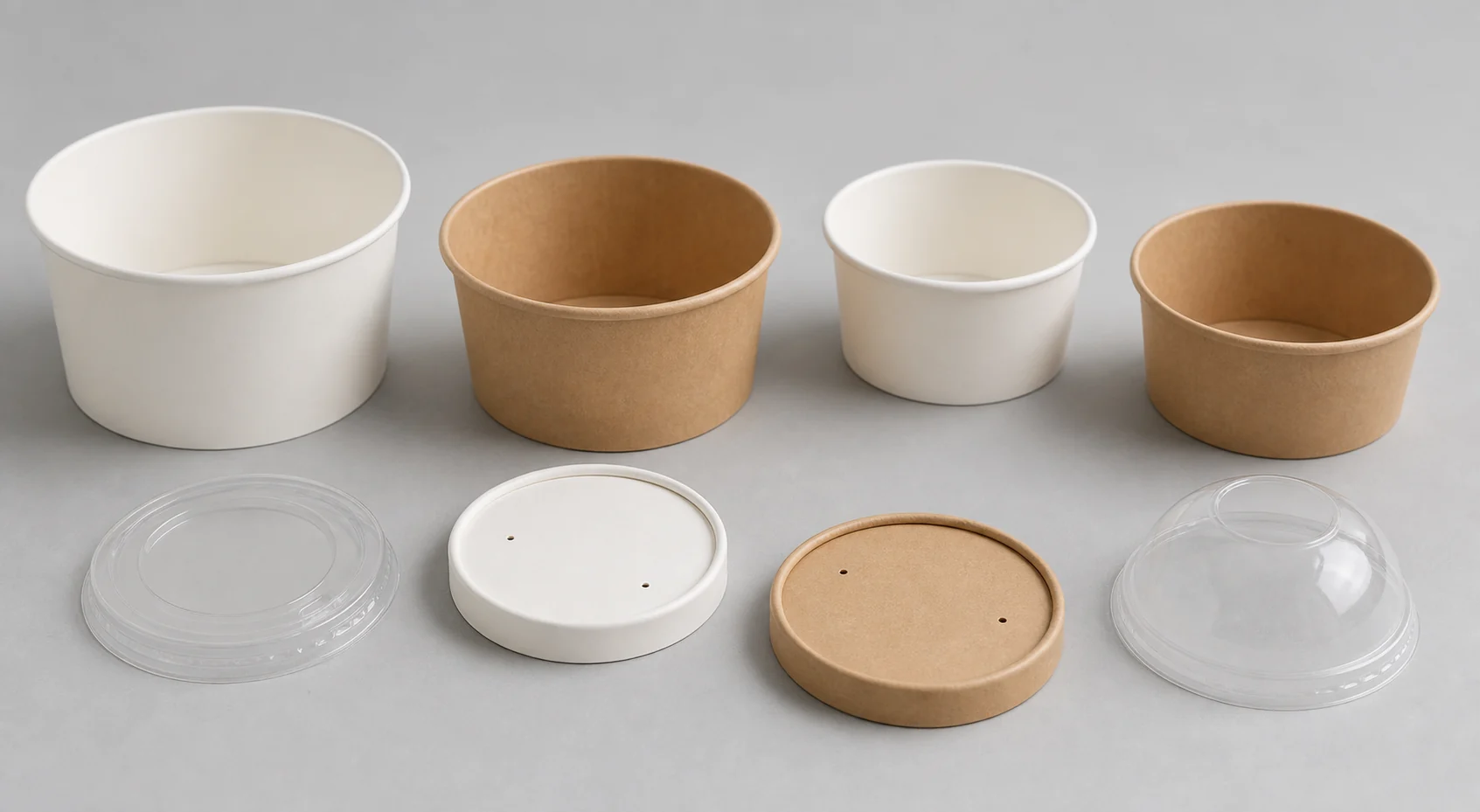
Répertoriez chaque couvercle candidat en indiquant sa référence fournisseur exacte. Demandez les documents fournisseurs associés à cette référence, en précisant le nom du fournisseur, la date de réception et le canal d'approvisionnement. Le gamme de récipients d'emballage alimentaire peut servir de point de départ pour les demandes de SKU par écrit.
Créez une fiche acheteur pour chaque lot d'échantillons. Associez-la à la référence exacte (SKU), au plan de route daté et aux matières premières. Veillez à bien distinguer les déclarations du fournisseur des observations de l'acheteur afin qu'un vérificateur ultérieur puisse retracer le dossier.

Rédigez un bref protocole avant de consigner les observations. Indiquez le nom du dossier d'échantillon, les responsables des observations, l'emplacement du dossier et la méthode de révision datée. Appliquez la même structure tout au long du cycle de révision et conservez les versions antérieures en cas de modification du protocole.

Documenter le processus d'achat sous forme de rôles et d'actions sur les fichiers. Identifier où les références candidates sont saisies, où les documents des fournisseurs sont conservés, qui consigne les observations et qui est responsable de la décision d'approvisionnement. Ajouter une révision datée lorsque le processus évolue.

Demandez au fournisseur de vous fournir les documents relatifs aux matériaux destinés à entrer en contact avec les denrées alimentaires correspondant à chaque référence précise. Conservez les fichiers fournis, consignez les dates de réception et associez-les aux fiches des références. Les acheteurs doivent identifier les ressources applicables à leur juridiction. Le Ressource de la Commission européenne sur les matériaux destinés à entrer en contact avec les denrées alimentaires constitue un point de référence, et non une conclusion concernant un produit ni un avis juridique.
Avant de prendre une décision relative à l'approvisionnement interne, vérifiez les plans de routage, les références exactes des références produit (SKU), les documents fournis par les fournisseurs, les dossiers relatifs aux échantillons, les observations des acheteurs et le nom du responsable de la décision, avec la date correspondante. Notez les informations manquantes comme des lacunes plutôt que de les combler par des hypothèses.

Pour une recherche plus large sur une catégorie, les acheteurs peuvent consulter emballages alimentaires jetables, gobelets en papier, couvercles de gobelets en papier, et emballages alimentaires compostables. Utilisez les pages produits uniquement comme point de départ pour une demande écrite et conservez les réponses dans le dossier de l'acheteur.
Cet article décrit un processus de documentation destiné à l'acheteur. Il ne constitue en aucun cas une évaluation, une déclaration ou une allégation concernant les caractéristiques d'un produit, ses spécifications techniques, les résultats d'essais de certification, les résultats d'essais d'ajustement, les résultats de livraison, le comportement des matériaux, le prix, les conditions de fourniture, la certification ou toute conclusion réglementaire. Les informations fournies par les fournisseurs restent des déclarations de ces derniers, et les observations de l'acheteur restent spécifiques aux dossiers datés de ce dernier.
Créer un plan de tournée de service daté, précisant l'activité de l'acheteur et l'équipe responsable.
Conservez les documents originaux dans la mesure du possible et notez le nom du fournisseur, la date de réception, le canal d'approvisionnement et la référence exacte.
Des enregistrements distincts permettent de relier les observations des acheteurs aux identifiants précis des fournisseurs.
Indiquez le nom de l'enregistrement de l'échantillon, les responsables de l'observation, l'emplacement de l'enregistrement et la méthode de contrôle des dates.
Consignez l'absence et formulez votre demande par écrit, plutôt que de vous baser sur une supposition.
Ajoutez une entrée datée lorsque le matériel du fournisseur arrive, lorsque le processus évolue ou lorsqu'une décision d'approvisionnement est prise.