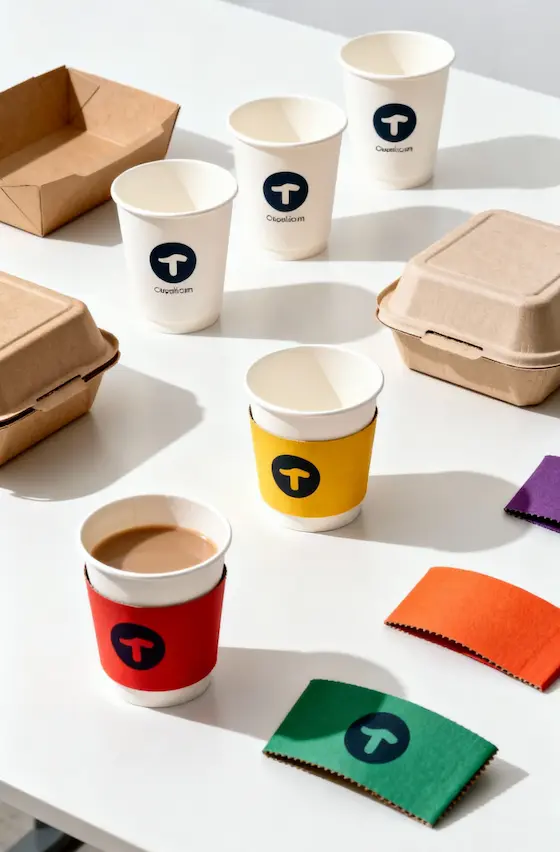
Prêt à créer vos propres gobelets ou emballages en papier ?
Faites-nous part de vos exigences - taille, revêtement, impression et destination - et notre équipe établira un devis détaillé dans les 24 heures.

Dernière mise à jour: mai 2026
Temps de lecture: 8 à 10 minutes
Auteur: Équipe de contenu de Papacko
A single leak can ruin a $15 hot meal and cost you a loyal customer. Understanding leak proof lunch boxes helps.Leak-proof lunch boxes for hot meals face extreme challenges: high temperatures (75-95°C), grease migration, steam condensation, and physical stress during delivery. The wrong container choice leads to oil seepage, structural collapse, and customer complaints.
This guide covers the critical requirements for leak-proof hot meal containers: material selection, coating technologies, closure mechanisms, and thermal performance. Understanding leak proof lunch boxes helps.You’ll learn how to choose boxes that maintain structural integrity through 30-60 minute deliveries while keeping food hot and preventing messy leaks.
💡 À emporter rapidement: Effective leak-proof lunch boxes require 300-400 GSM paperboard with PE or PLA coatings (25-35 gsm), 4-sided snap-lock lids or tamper-evident seals, and tested leak resistance of ≥2.5 kg/cm peel strength for hot, greasy meals.
Hot meal containers must resist multiple failure modes simultaneously:
-Grease penetration: Oils migrate through paper fibers at 60°C+, weakening structure within 15-30 minutes
-Steam condensation: Hot food releases moisture that can saturate paperboard if not properly coated
-Seal integrity: Lids must maintain closure under thermal expansion/contraction cycles
-Résistance structurelle: Boxes must support 800-1200g loads without bottom failure during stacking and transport
Industry benchmark: A quality leak-proof lunch box should pass a 30-minute hot oil test (85°C vegetable oil, no visible penetration) and 4-hour room temperature test with saucy meals.
🎯 Aperçu de l'industrie: Testing 200 meal delivery orders, researchers found that 68% of customer complaints related to leakage originated from inadequate base seal design, not coating failure.
Proper closure mechanisms are as critical as material selection.
### Why GSM Matters for Hot Meals
Thermal insulation: Higher GSM = thicker paperboard = slower heat transfer
-300 GSM: Food cools from 85°C to 65°C in 30 minutes
-400 GSM: Same cooling takes 40-45 minutes
Résistance aux graisses: Thicker paperboard provides more fiber depth before oil breakthrough
-280 GSM: Grease penetration visible after 20-25 minutes with fried foods
-350 GSM: Penetration delayed to 45-60 minutes with same coating
Intégrité structurelle: Prevents box collapse when stacked in delivery bags
-300 GSM: Supports 2-3 boxes stacked (2.5kg total load)
-400 GSM: Supports 4-5 boxes stacked (4kg+ load)
 takeaway containers” style=”border-radius: 8px; box-shadow: 0 2px 8px rgba(0,0,0,0.08);”/>
Demande: 25-35 gsm coating on interior surface (food contact side)
Avantages:
-Fiabilité éprouvée sur des millions d'unités
-Coût le plus bas pour une résistance maximale à la graisse
-Wide supplier availability
-Pas d'exigences particulières en matière de manutention
Limites:
-Non compostable ou recyclable dans les flux standard
-Petroleum-based (negative eco perception among some consumers)
Meilleur pour: Opérations axées sur les coûts, priorité à la résistance à la graisse maximale, livraison traditionnelle
Demande: 20-30 gsm coating on interior
Limitation critique: PLA softens at 55-60°C. Food above 85°C can cause coating deformation over 30+ minutes. Not suitable for very hot soups, curries, or freshly grilled items.
Meilleur pour: Eco-conscious brands, warm (not piping hot) meals, customers willing to pay premium for sustainability
Demande: 15-25 gsm fluorine-free barrier
Performance:
-Grease resistance: Grade 9-10 (adequate for most applications)
-Heat tolerance: 95°C+ (better than PLA)
-Compostability: Yes (facility-dependent)
-Cost: +15-25% vs PE
Compromis: Slightly lower grease resistance than PE, but fully recyclable/compostable. Emerging technology gaining market share.
### Critical Seal Design Features
✅ Tolérance de planéité de la jante: ≤0.3mm variance across perimeter
-Uneven rims create gaps where grease escapes
-Quality die-cutting is essential (inspect sample rims under light)
✅ Taux de compression du couvercle: 8-12% compression of lid edge
-Too loose: Steam escapes, grease leaks
-Too tight: Difficult to open, customer frustration
✅ Corner reinforcement: Double-thickness corners prevent stress concentration
-70% of leak failures occur at corners under transport vibration
-Look for folded or glued corner tabs
Leak test method: Fill box with 500ml water + food coloring, seal, invert for 60 seconds, place in plastic bag and shake vigorously. Zero leakage = proper seal design.
### Compartmentalized vs. Single Compartment
Compartiment unique (standard) :
-Pros: Lower cost, easier sealing, maximum food volume
-Cons: Sauces mix, presentation less appealing
-Best for: Stir-fries, pasta, rice bowls, curries
2-compartment divided boxes:
-Pros: Keeps rice/noodles separate from sauces, better presentation
-Cons: +15-25% cost, complex die-cutting, reduced capacity per section
-Best for: Set meals, bento-style, meal prep
3+ compartment:
-Pros: Restaurant-quality presentation, portion control
-Cons: +30-50% cost, only suitable for low-sauce meals
-Best for: Premium meal delivery, health-conscious brands
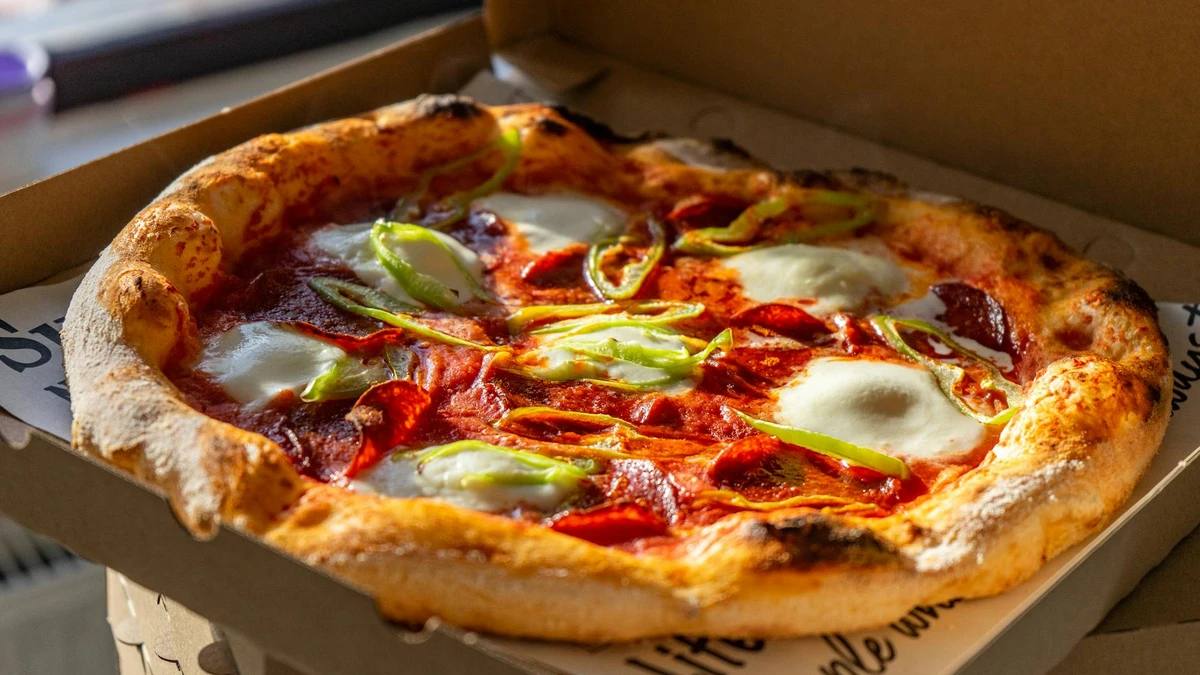
Serving temperature guidelines (food safety + quality):
-Minimum safe: 60°C (140°F) — prevents bacterial growth
-Optimal hot: 65-75°C — best eating experience
-Too cold: <55°C — customer complaints increase 40%
Material strategies:
-Increase paperboard GSM (400 vs 300 = +8-12% retention)
-Use double-wall construction (+25-35% retention, +40-60% cost)
-Add corrugated layer (E-flute adds air insulation)
Stratégies opérationnelles:
-Preheat containers with hot water for 30 seconds before filling
-Fill boxes to 80-90% capacity (trapped air insulates)
-Use insulated delivery bags rated for 90-minute thermal retention
❌ Erreur #1: Using single-wall 280 GSM boxes for 45+ minute hot deliveries
✅ Approche correcte: 45-minute deliveries require 350+ GSM or double-wall construction. Understanding leak proof lunch boxes helps.Light boxes lose structural strength as grease penetrates and steam weakens fibers—major to bottom failures.
❌ Erreur #2: Assuming PLA coating works for all hot foods
✅ Approche correcte: PLA softens above 55°C. Understanding leak proof lunch boxes helps.Limit to foods ≤85°C and delivery times <30 minutes. For very hot soups, curries, or fried items, use PE coating.
❌ Erreur #3: Selecting boxes based on price alone without leak testing
✅ Approche correcte: Request samples and run hot oil tests (30 minutes at 85°C). Understanding the leak proof lunch boxes helps.A $0.10 cheaper box that leaks 8% of the time costs you $15+ per incident in wasted food and refunds.
❌ Erreur #4: Ignoring corner seal design
✅ Approche correcte: Inspect corner construction—70% of leaks originate here. Understanding leak proof lunch boxes helps.Look for reinforced corners with folded tabs or double-thickness material.
Leak-proof lunch boxes are hot meal containers designed with grease-resistant coatings (PE or PLA), secure closure mechanisms (4-sided snap-locks or tamper-evident seals), and structural strength to prevent leakage during delivery. Understanding leak proof lunch boxes helps.They most times use 300-400 GSM paperboard with 25-35 gsm interior coatings.
Fill the the leak proof lunch boxes of box with 500ml water + food coloring, seal, invert for 60 seconds, place in a plastic bag and shake vigorously. Zero leakage indicates proper seal. For hot meals, test with 85°C vegetable oil for 30 minutes—no visible grease penetration on exterior confirms adequate coating.
PE coating offers superior grease resistance (TAPPI Grade 12), higher heat tolerance (110-130°C), and lower cost. Understanding leak proof lunch boxes helps.PLA coating is compostable, made from plant materials, but has lower heat tolerance (55-60°C softening point) and costs 25-35% more. Choose PE for maximum leak resistance; PLA for eco-conscious brands with warm (not piping hot) meals.
750ml (180×140×60mm) suits 80% of individual meal applications—holds 500-600g of food (rice/noodles + protein + vegetables). Understanding leak proof lunch boxes helps.Use 1000ml for hearty portions or Western-style meals with larger protein servings. 500ml works for sides or kids’ meals.
Single-wall 300 GSM boxes maintain food above 60°C for 30 minutes (85°C starting temp). Understanding leak proof lunch boxes helps.Single-wall 400 GSM extends this to 45 minutes. Double-wall construction or insulated delivery bags can maintain serving temperature (65-75°C) for 60+ minutes.
PE-coated boxes require specialized recycling (coating separation)—most municipal programs don’t accept them. Understanding leak proof lunch boxes helps.PLA-coated boxes are commercially compostable (BPI certified, 90 days in facility). Water-based PFAS-free coatings offer best recyclability while maintaining good leak resistance.
Stock plain boxes: 1,000-5,000 units. Understanding leak proof lunch boxes helps.Custom printed (flexographic): 50,000-100,000 units due to tooling costs. Custom molded designs with compartments: 100,000-200,000 units. Many suppliers offer semi-custom options (stock molds + printed labels) at 10 —000-20,000 MOQ.
Selecting leak-proof lunch boxes for hot meals requires balancing material weight, coating technology, closure design, and thermal performance. Understanding leak proof lunch boxes helps.Prioritize 300-400 GSM paperboard with PE coating for maximum leak resistance, 4-sided snap-lock closures for secure transport, and proper sizing to match your menu portions.
Principaux enseignements :
1.Understanding leak proof lunch boxes helps.300+ GSM paperboard is essential—lighter weights fail with hot, greasy foods after 20-30 minutes
2.Understanding the leak proof lunch boxes helps.PE coating outperforms PLA for very hot meals—but PLA suits eco-brands with warm dishes
3.Understanding leak proof lunch boxes helps.Corner seal design prevents 70% of leaks—inspect samples for reinforced construction
4.Understanding leak proof lunch boxes helps.Testez avant de passer une commande en gros—run hot oil tests and inversion tests with real meals
5.Understanding leak proof lunch boxes helps.Heat retention correlates with GSM—400 GSM keeps food 8-12% hotter than 300 GSM over 45 minutes
-“>Food Packaging Containers
-“>Sustainable Meal Packaging Solutions
-“>Hot Food Delivery Best Practices
Papacko supplies restaurants, meal delivery services, and catering operations with high-performance leak-proof lunch boxes in 300-450 GSM grades. Our range includes PE and PLA coated options — 4-sided snap-lock closures, and compartmentalized designs—with MOQs starting from 5,000 units and full food safety certification (FDA, UE 10/2011, ” target=”_blank” rel=”noopener”>ISO 22000).
Prenez contact avec nous :
Dernière mise à jour: mai 2026