Prêt à créer vos propres gobelets ou emballages en papier ?
Faites-nous part de vos exigences - taille, revêtement, impression et destination - et notre équipe établira un devis détaillé dans les 24 heures.

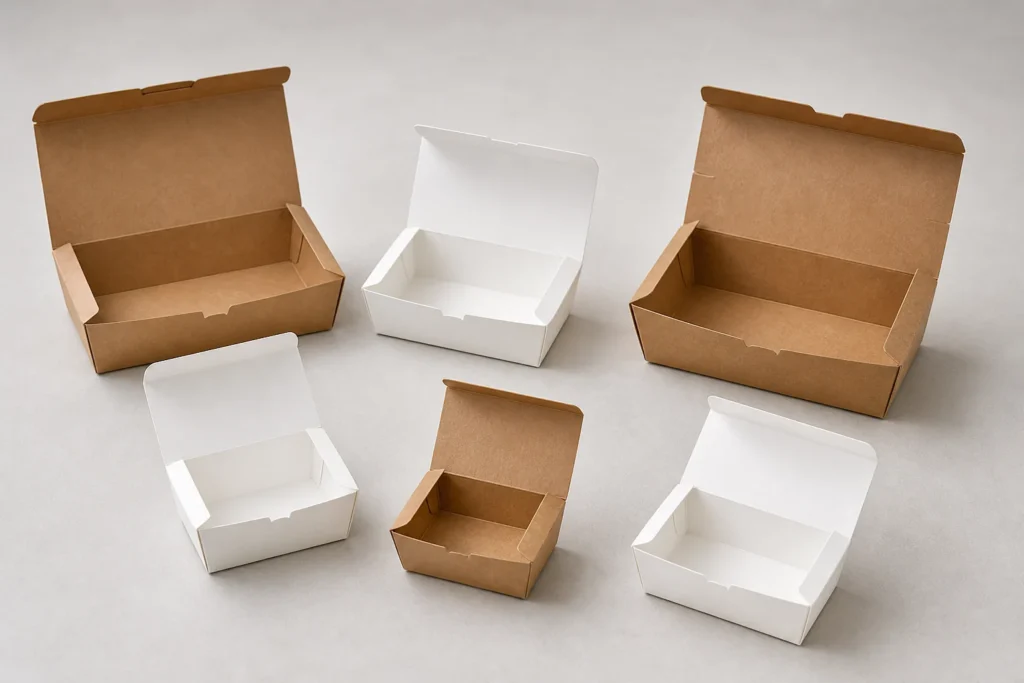
Select takeaway lunch boxes through a documented menu route, exact-SKU records, matched samples and buyer-controlled testing. Category names and nominal descriptions are not evidence of suitability.
Before a buyer selects any lunch box SKU, the operational context must be documented in writing. Begin by listing every menu item that will be placed inside a lunch box during a defined service period. Record the item name, its preparation method, and the point in the workflow at which it enters the box. A grilled chicken portion assembled at a central kitchen and transported to a satellite site represents a different route than a made-to-order salad assembled at the point of sale. Both routes must be mapped separately.
Document the physical journey each filled box will take. Note whether boxes are stacked in transit trays, placed individually in delivery bags, or handed directly across a counter. Record the number of handling steps between filling and the moment the end consumer opens the box. Each step is a variable that affects which box format a buyer should request samples of, and no assumption should be made about suitability until that mapping is complete.
Identify the dwell time between filling and consumption for each route. A box filled at 11:30 and consumed at 12:00 at a workplace canteen follows a different timeline than a box filled at 08:00 and delivered to a construction site at 13:00. Both timelines must appear in the buyer’s route record before any SKU shortlist is compiled.
Note the ambient conditions along each route. A refrigerated van, an uninsulated delivery bag, and an open counter display represent distinct environments. Record these conditions as observed facts, not assumptions, and attach them to the route map as a named document that can be retrieved during supplier discussions.
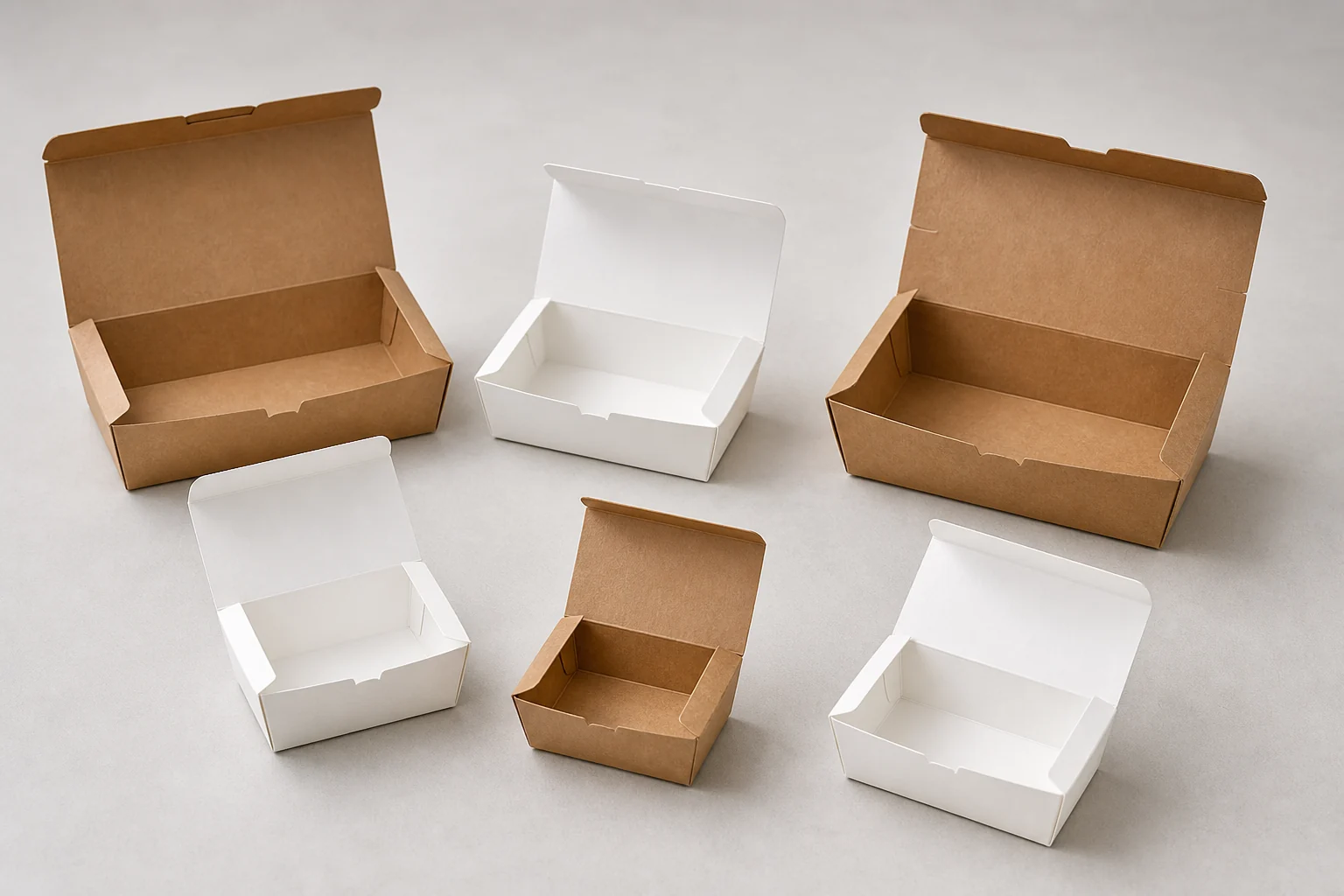
Finally, record the end-consumer interaction. Does the consumer reheat the box, open it immediately, or transfer contents to another vessel? Each scenario is a separate route variant and should be documented as such. The completed route map becomes the reference document against which every subsequent step in the buyer process is checked.
Once route maps are finalised, the buyer requests a formal SKU list from each candidate supplier. The SKU list must be provided in writing and must include, at minimum, the supplier’s internal product code, the stated external dimensions, the stated internal volume designation, the lid or closure type associated with that SKU, the declared substrate or material composition, and the country of manufacture.
Do not accept a catalogue page or a website screenshot as a substitute for a written SKU record. A catalogue page may be revised without notice. A written SKU record, dated and signed or formally acknowledged by the supplier, creates a traceable reference point. Request that the supplier confirm in writing whether each SKU on the list is a current production item or a made-to-order item, and whether the specification has changed within the preceding twelve months.
Cross-reference each SKU against the route maps completed in the previous step. For each route, identify which SKUs the supplier nominates as appropriate. Ask the supplier to state in writing the basis for that nomination. Retain the supplier’s written nomination alongside the route map. If the supplier declines to provide a written nomination, record that refusal and treat it as a factor in the sourcing decision.
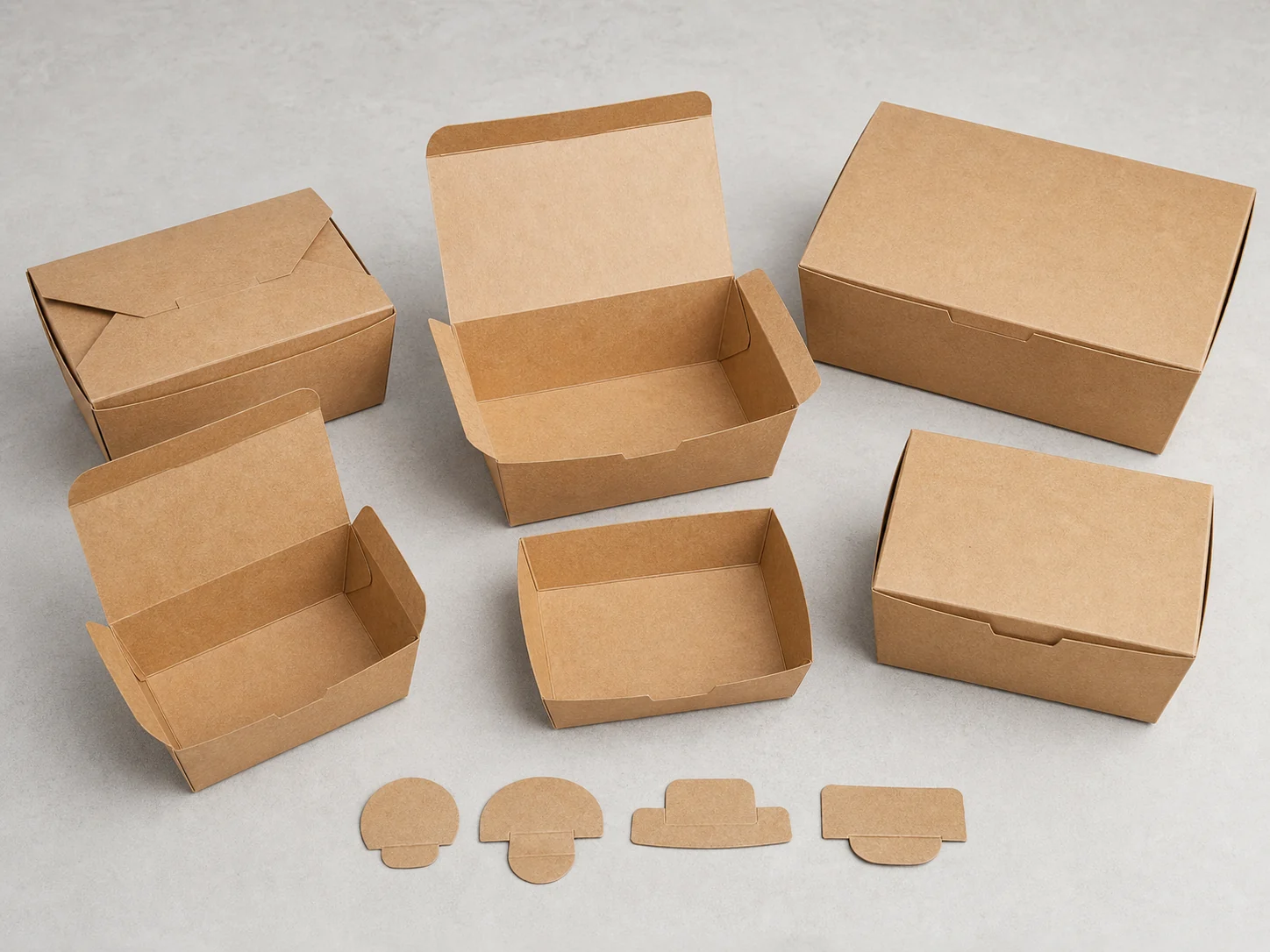
Where a supplier offers a range of box formats under a single product family name, request that each variant within that family be assigned a distinct SKU. Bundled or family-level SKUs make it impossible to trace which specific item was evaluated, ordered, or the subject of a complaint. Insist on SKU-level granularity before proceeding to sample requests.
Retain all SKU records in a dedicated supplier file. Version-control each record so that any future change to a specification can be identified against the version that was evaluated. This discipline is the foundation of a defensible procurement record.
The closure mechanism of a lunch box is a distinct specification element and must be documented separately from the box body. Request from each supplier a written description of the closure type associated with every SKU on the shortlist. Closure types may include fold-over tabs, snap-fit lids, tuck-in flaps, separate lid SKUs, or integrated hinged lids. Each type must be named precisely in the supplier’s written documentation.
Ask the supplier to confirm in writing whether the lid or closure component is manufactured by the same entity as the box body, or whether it is sourced from a third party. If a third party is involved, request the name of that third party and ask whether the box body and closure have been tested together as an assembly. Retain the supplier’s written response.
Request dimensional tolerances for the closure interface. The supplier should be able to state the acceptable dimensional range within which the closure is designed to function as specified. If the supplier cannot provide this information in writing, note the gap in the procurement record.
Where a separate lid SKU exists, ensure that the lid SKU is recorded alongside the box body SKU in every document. A box body evaluated without its intended lid is an incomplete evaluation. The pairing of box body SKU and lid SKU must appear explicitly in the sample request, the evaluation record, and the purchase order.
If the supplier offers multiple lid options for a single box body SKU, document each pairing as a separate combination. Do not assume that all lids offered for a given box body have been evaluated together. Request written confirmation from the supplier of which combinations have been subject to any form of internal or third-party assessment, and retain that confirmation.
A buyer-controlled sample evaluation is the only reliable basis for a sourcing decision. Before requesting samples, prepare a written evaluation plan. The plan must state the number of units to be requested per SKU combination, the names of the individuals who will conduct the evaluation, the conditions under which the evaluation will take place, and the criteria against which observations will be recorded.
Request samples that correspond exactly to the SKUs documented in the SKU review. Do not accept substitute items or items described as equivalent. If the supplier cannot provide samples of the exact SKU, record that inability and treat it as a factor in the sourcing decision.
Conduct the evaluation using the menu items and service routes documented in the route mapping step. Evaluate each SKU combination under the conditions that reflect the buyer’s actual operational context. Record observations in writing at the time of evaluation, not retrospectively. Each observation must be attributed to a named evaluator and a specific SKU combination.

Retain all physical samples from the evaluation, labelled with the SKU, the supplier name, the date of receipt, and the date of evaluation. Physical retention allows for re-examination if a dispute arises after an order is placed. Establish a minimum retention period for physical samples and document that period in the evaluation plan.
After the evaluation is complete, compile a written summary that records which SKU combinations were evaluated, which observations were made, and which combinations the buyer intends to carry forward to the sourcing stage. Share this summary with the supplier and request written acknowledgement that the samples evaluated correspond to the production specification. Retain the acknowledgement.
Document the internal workflow that will govern how lunch boxes are received, stored, assembled, filled, closed, and dispatched or served. Each step in this workflow is a point at which a box may be handled differently from the conditions under which it was evaluated, and those differences must be identified and managed.
At the receiving stage, establish a written procedure for inspecting incoming deliveries against the purchase order SKU. The procedure must specify who conducts the inspection, what is checked, and how discrepancies are recorded. A delivery that does not match the ordered SKU must be quarantined and reported to the supplier before it enters the operational stock.
At the storage stage, document the conditions under which boxes will be held before use. Record the storage location, the stacking arrangement, and any environmental controls in place. If storage conditions differ from those stated in the supplier’s documentation, note the difference and seek written clarification from the supplier on whether the stated specification remains applicable.
At the assembly and filling stage, document the sequence of steps and the tools or equipment used. If filling equipment is involved, record the equipment model and settings. If filling is manual, record the procedure in sufficient detail that a new staff member could follow it without ambiguity.
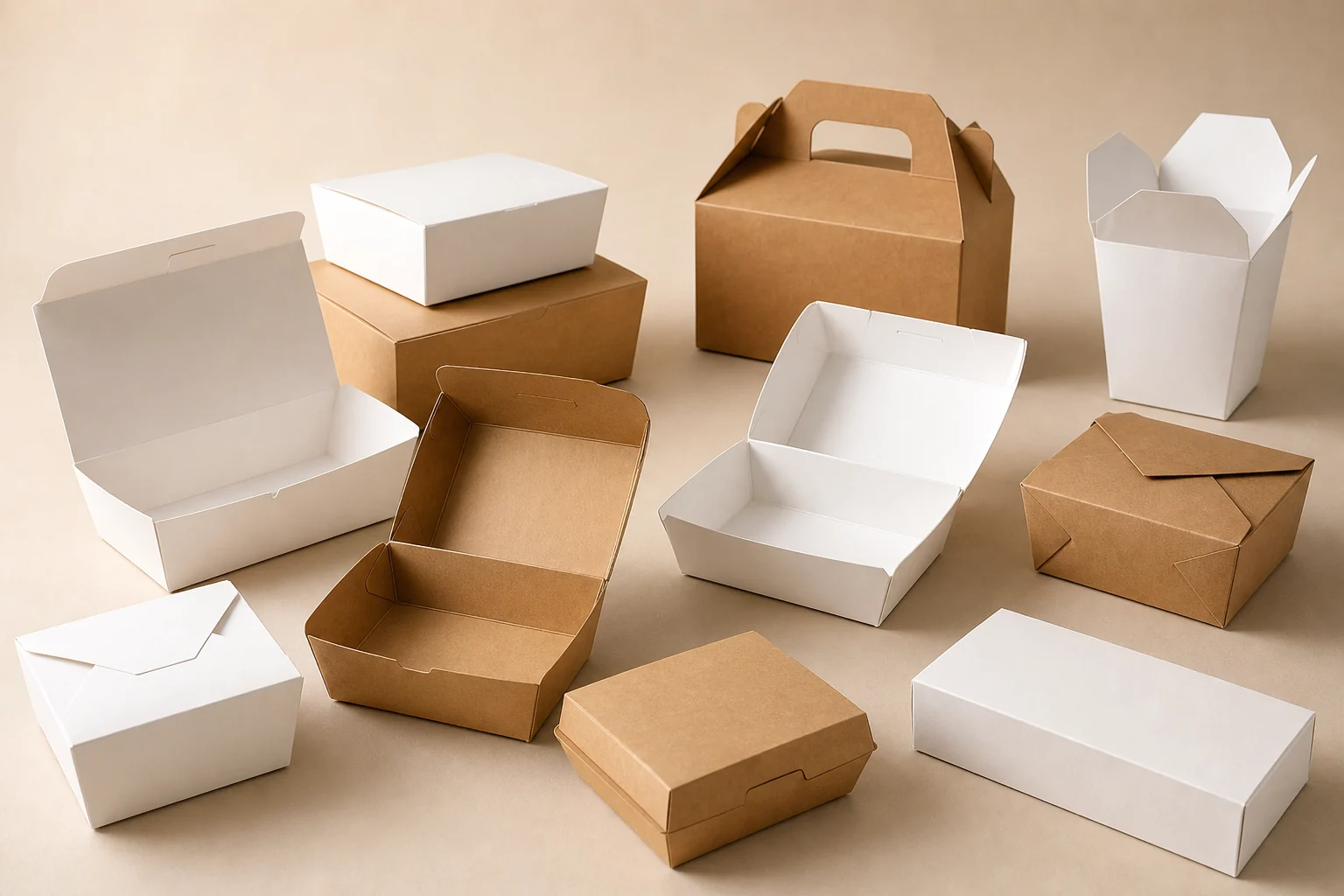
At the dispatch or service stage, document how filled boxes are transferred to the end consumer or to a delivery vehicle. Record any packaging used to group or protect filled boxes during this stage. Retain the workflow document and update it whenever the operational process changes. A workflow that no longer reflects actual practice is a liability in any dispute or audit.
Every lunch box SKU that enters a buyer’s supply chain must be supported by food-contact documentation. Request this documentation from the supplier before placing any order. Do not accept verbal assurances or general statements about compliance. The documentation must be specific to the SKU being ordered.
The documentation should include a Declaration of Compliance issued by the manufacturer or a responsible party in the supply chain. The Declaration of Compliance must identify the specific materials or substances used in the product, the food-contact regulations or frameworks under which compliance is declared, and the name and address of the issuing party. Retain the original document, not a summary or paraphrase.
For buyers operating in or supplying to the European Union, the relevant regulatory framework for food-contact materials is maintained by the European Commission. Buyers should consult the European Commission food contact materials resource to understand the documentation requirements applicable to their context. This resource provides authoritative guidance on the obligations that apply to materials intended to come into contact with food.
Request any supporting test reports that the supplier holds in relation to the SKU. Ask the supplier to confirm in writing whether the test reports relate to the specific SKU being ordered or to a broader material category. If the reports relate to a broader category, ask the supplier to confirm in writing that the specific SKU falls within the scope of those reports.
Establish a documentation retention schedule. Food-contact documentation must be retrievable for the duration of the buyer’s use of the product and for a defined period thereafter. Record the retention period in the supplier file and assign responsibility for maintaining the file to a named individual.
The following checklist summarises the documentation and process steps that a buyer should complete before placing a purchase order for any lunch box SKU. Each item on the checklist should be marked as complete only when the relevant document or confirmation has been received, reviewed, and filed.
Route maps completed and filed for all service routes in scope. Each route map includes menu items, preparation points, handling steps, dwell times, ambient conditions, and end-consumer interaction notes.
Written SKU list received from each candidate supplier. Each SKU record includes product code, dimensions, volume designation, closure type, substrate, country of manufacture, and production status. Version control applied.
Closure documentation received for each SKU combination. Closure type named, manufacturer identity confirmed, third-party involvement noted, dimensional tolerances recorded, and SKU pairings documented.
Written evaluation plan prepared and filed. Plan includes sample quantities, evaluator names, evaluation conditions, and observation criteria.
Samples received and confirmed as matching the documented SKU. Physical samples retained and labelled. Evaluation conducted under route-representative conditions. Observations recorded in writing by named evaluators. Evaluation summary shared with supplier and written acknowledgement received.
Handling workflow documented for receiving, storage, assembly, filling, closure, and dispatch or service. Workflow reviewed against evaluation conditions and discrepancies noted.
Food-contact documentation received for each SKU. Declaration of Compliance reviewed and filed. Supporting test reports reviewed and scope confirmed in writing by supplier. Retention schedule established and responsibility assigned.
All supplier communications retained in a dated, version-controlled supplier file. No verbal commitments relied upon without written confirmation.
Buyers who have completed the route mapping and SKU review steps described in this guide are in a position to begin structured supplier engagement. Papacko maintains a range of food packaging formats across multiple substrate categories, and each product is available with SKU-level documentation to support the buyer process described here.
To review available lunch box and food container formats, visit the gamme de récipients d'emballage alimentaire. This section of the Papacko catalogue presents individual product entries that can be used as the basis for a written SKU request.
Buyers who require a broader view of disposable food packaging options across multiple format categories can consult the disposable food packaging overview. This resource supports buyers who are mapping multiple service routes and need to identify candidate SKUs across more than one product type.
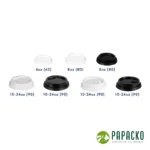
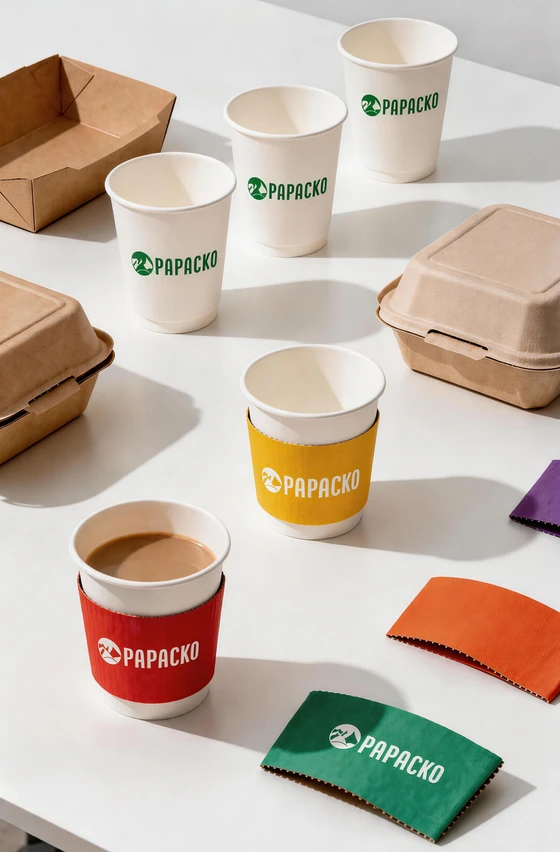
For buyers whose service routes include beverage components alongside food items, the paper cups range and the associated paper cup lids range allow SKU-level documentation requests to be made for beverage packaging on the same basis as food packaging.
Buyers whose procurement criteria include substrate categories described by suppliers as compostable should consult the compostable food packaging range and apply the same documentation and sample evaluation process described in this guide. SKU-level documentation requests and buyer-controlled sample evaluations apply equally to all substrate categories.
To initiate a formal SKU documentation request or to arrange sample dispatch, contact Papacko directly through the relevant product page. All requests should be made in writing and should reference the specific SKU codes identified during the buyer’s SKU review step.
This article provides buyer-process guidance for the procurement of takeaway lunch boxes. It documents a structured sequence of steps: route mapping, SKU review, closure documentation, sample evaluation, handling workflow documentation, food-contact documentation, and sourcing checklist completion. It does not provide product recommendations, performance claims, or outcomes applicable to any specific buyer context.
Every observation, specification, and claim made in the course of a procurement process must be verified by the buyer against documentation provided by the supplier. This article does not substitute for that verification. Buyers are responsible for confirming that the documentation they receive from suppliers is accurate, current, and applicable to the specific SKUs being ordered.
The regulatory and documentation requirements applicable to food-contact packaging vary by jurisdiction and may change over time. Buyers are responsible for identifying the requirements applicable to their own context and for ensuring that their procurement process addresses those requirements. References to regulatory frameworks in this article are provided for orientation only and do not constitute legal or compliance advice.
The buyer-process steps described in this article represent a general framework. Individual buyers may need to adapt the framework to reflect their operational context, the nature of their menu and service routes, and the requirements of their own quality management systems. Adaptation should be documented so that the buyer’s actual process remains traceable.
A buyer should prepare a written route map for each distinct service route before making any sample request. The route map should record the menu items involved, the point at which each item enters the box, the number of handling steps between filling and consumption, the dwell time, the ambient conditions along the route, and the end-consumer interaction. This document becomes the reference against which sample evaluation conditions are set and against which any supplier nomination of a suitable SKU is assessed. The route map should be dated, filed, and updated whenever the operational process changes.
A supplier must provide, in writing, the internal product code, the stated external dimensions, the stated internal volume designation, the closure type associated with that SKU, the declared substrate or material composition, the country of manufacture, and confirmation of whether the SKU is a current production item or a made-to-order item. The buyer should also request confirmation of whether the specification has changed within the preceding twelve months. All of this information must be version-controlled and retained in the supplier file.
The closure mechanism is a distinct specification element that affects how the assembled product functions in the buyer’s operational context. A box body evaluated without its intended closure is an incomplete evaluation. Separate documentation of the closure type, its manufacturer, any third-party involvement, dimensional tolerances, and the specific SKU pairing ensures that the buyer’s evaluation record reflects the actual assembly that will be ordered and used. It also creates a traceable record if a complaint or dispute arises after an order is placed.
The evaluation plan must be prepared in writing before samples are requested. It should state the number of units to be requested per SKU combination, the names of the individuals who will conduct the evaluation, the conditions under which the evaluation will take place, and the criteria against which observations will be recorded. Observations must be made in writing at the time of evaluation, attributed to a named evaluator, and linked to a specific SKU combination. Physical samples must be retained, labelled, and held for a defined period. After evaluation, a written summary must be shared with the supplier and written acknowledgement obtained.
A buyer should request a Declaration of Compliance specific to the SKU being ordered. The declaration must identify the materials or substances used, the regulatory frameworks under which compliance is declared, and the name and address of the issuing party. The buyer should also request any supporting test reports and ask the supplier to confirm in writing whether those reports relate to the specific SKU or to a broader material category. If the reports relate to a broader category, the supplier must confirm in writing that the specific SKU falls within their scope. All documentation must be retained for a defined period under a named individual’s responsibility.
The buyer’s receiving procedure must specify who conducts the inspection, what is checked against the purchase order SKU, and how discrepancies are recorded. Any delivery that does not match the ordered SKU must be quarantined before it enters operational stock. The discrepancy must be reported to the supplier in writing, and the supplier’s written response must be retained in the supplier file. The buyer should not use quarantined stock until the discrepancy has been resolved in writing and the resolution has been documented. This procedure should be included in the handling workflow document and reviewed whenever the receiving process changes.