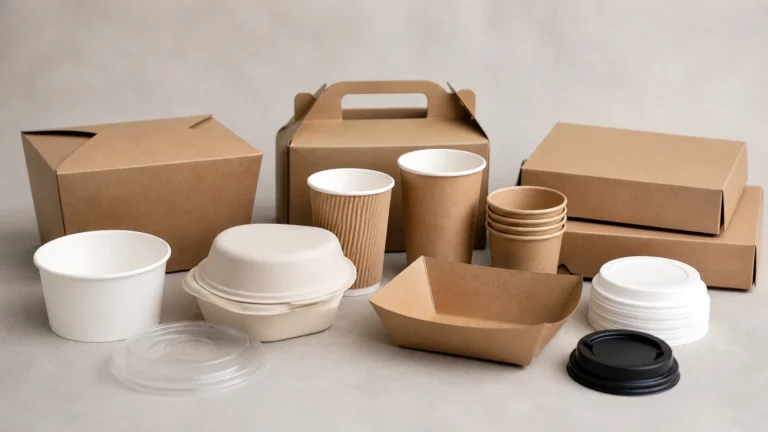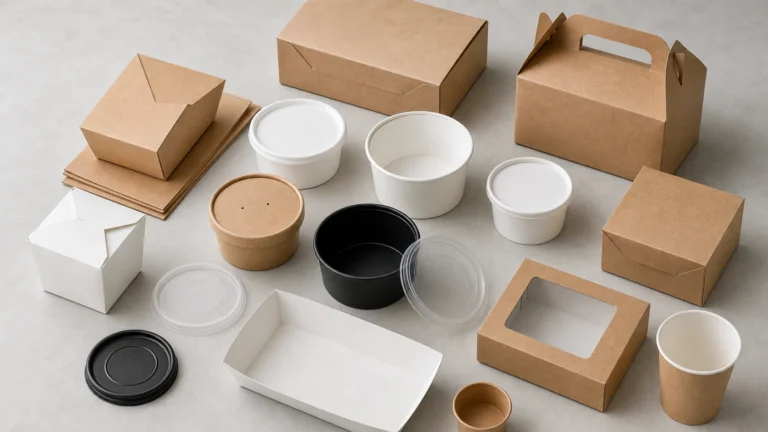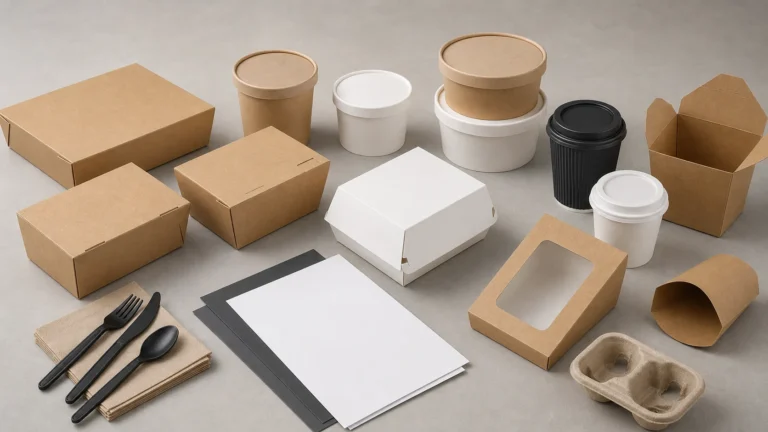
هل أنت مستعد لإنشاء أكواب ورقية أو عبوات ورقية تحمل علامتك التجارية الخاصة بك؟
أخبرنا بمتطلباتك - الحجم والطلاء والطباعة والوجهة - وسيقوم فريقنا بإعداد عرض أسعار مفصل في غضون 24 ساعة.

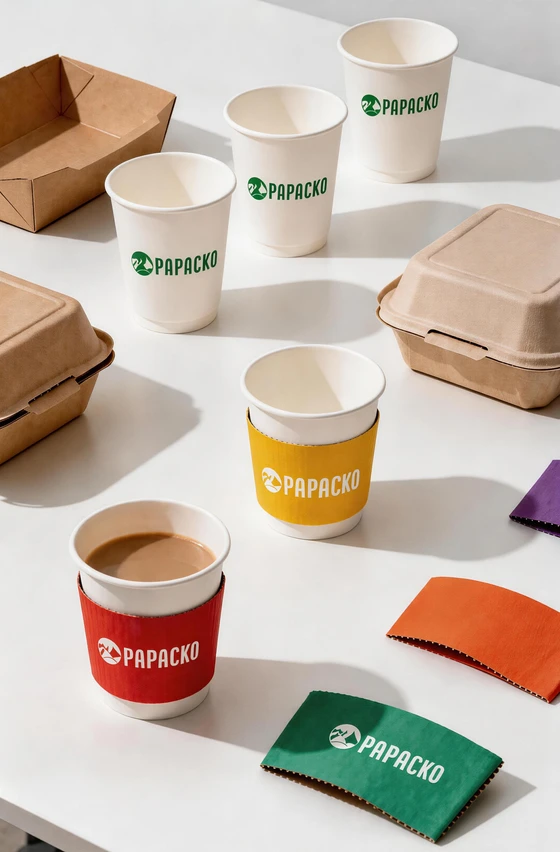
For a single restaurant, packaging decisions are relatively contained: choose a container, match a lid, approve a logo. For a restaurant chain, the same decisions multiply across every location, every shift, and every reorder cycle—and each multiplication point is an opportunity for drift. A cup that looks slightly different at one branch, a lid that does not fit the container stocked at another, or an artwork file updated at head office but never pushed to the regional distributor: these are the operational failures that erode the brand consistency chains invest heavily to build.
Managing restaurant chain packaging well requires a documented control system, not just a product catalogue. This article gives procurement, operations, and brand teams a practical framework covering specification, artwork approval, branch rollout, reordering, and change control—so that every location draws from the same approved standard rather than making independent local decisions.
A restaurant chain controls packaging by maintaining a written packaging standard that assigns exact SKU specifications to every approved item, separating that document from artwork approval, and enforcing both at the location level. The standard names each container, lid, sleeve, and companion component by part number, dimension, and material description. Artwork is approved independently against a current proof—not inferred from a previous order. Every location reorders against the approved SKU list, and any proposed change goes through a defined review process before it reaches branches. This structure prevents component mismatch, brand drift, and undocumented substitutions.
Packaging problems at a single-site restaurant are visible immediately and corrected quickly. At a chain, the same problem can run undetected across dozens of locations for weeks before it surfaces in a customer complaint, an operations audit, or a brand review.
The most common form of drift is not a deliberate change but an unreviewed substitution. A location manager reorders a similar-looking item without routing it through the current control record. Over time, several non-identical containers can circulate across the network, each with a different lid fit, print area, or wall dimension. What began as a local decision becomes a fragmented packaging estate.
Standardization makes the approved specification the default, lowest-friction path. When the current SKU and artwork records are accessible and the change process is documented, local teams have a clear reference point. The goal is not bureaucracy but controlled decision-making across locations.
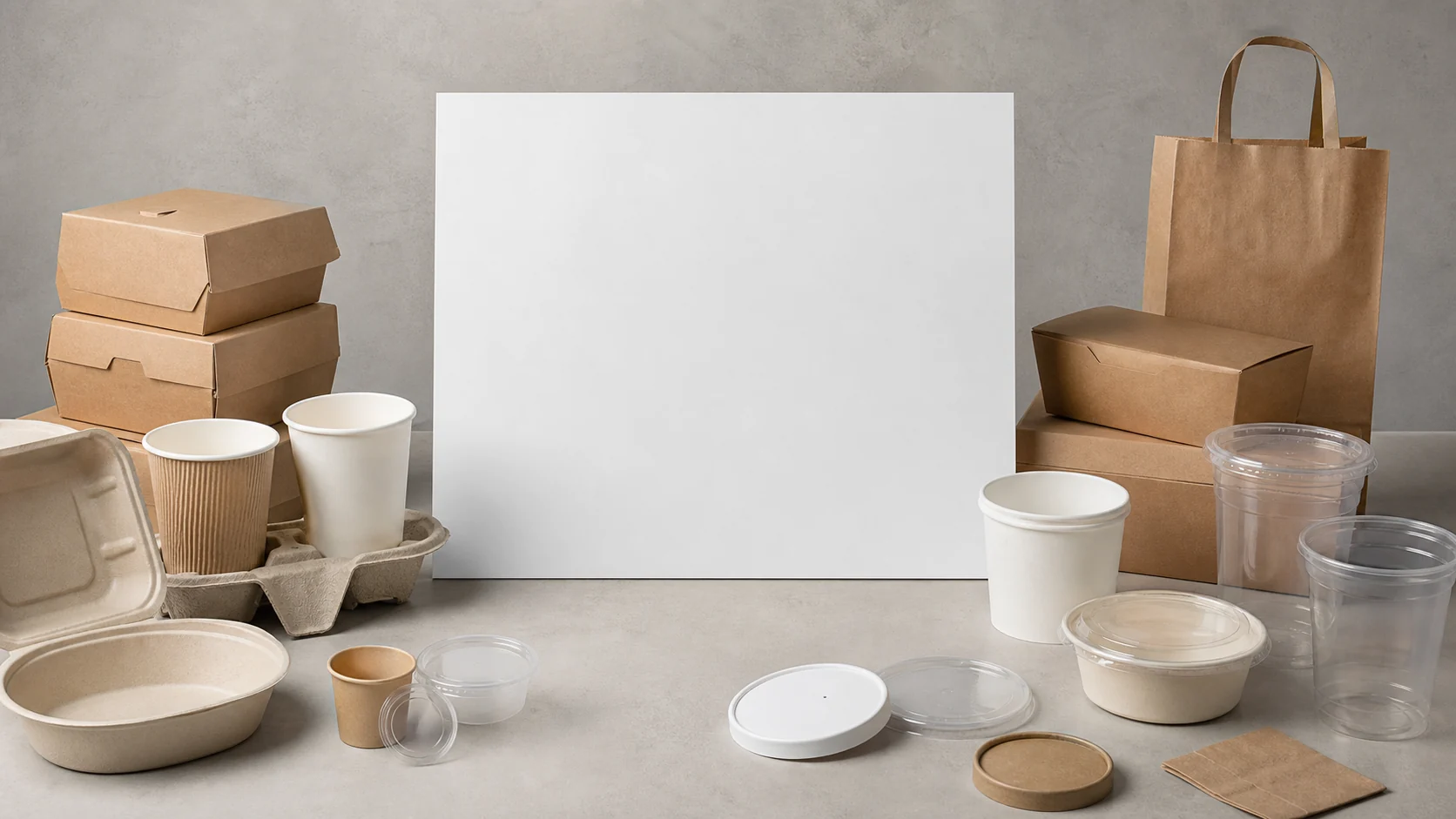
Before selecting any product, a chain needs to define what its packaging standard must accomplish. These requirements should be documented in writing and signed off by procurement, operations, and brand before SKU selection begins.
Functional requirements identify the buyer’s intended review conditions: defined volume, paired lid, carrier-bag or delivery-insert fit, storage footprint, and kitchen temperature range.
Brand requirements cover visual output: print area dimensions, colour specifications, logo placement rules, required legal copy, and which surfaces carry branding versus which remain plain.
Regulatory and food-contact requirements are the chain’s responsibility to define with qualified review. Packaging that contacts food is governed by food-contact regulations that vary by jurisdiction. The FDA food-contact substances information provides background on how food-contact materials are assessed in the United States; chains operating across multiple countries need jurisdiction-specific legal advice. Neither a supplier catalogue description nor a previous approval from a different context substitutes for the buyer’s own current review.
Control requirements cover reorder records, responsible teams, and escalation paths for a proposed substitution or other change; these should be defined at the standard-setting stage, not at the branch level.
Documenting these requirements before product selection gives teams a consistent basis for their own SKU review rather than choosing by convenience alone.
A packaging system is the set of containers, lids, and companion components that work together across a chain’s menu. The key word is together: a lid that fits one container but not a visually similar second container creates a mismatch risk the moment both enter the same storage area.
When building a system, start with the container range. Use حاويات تغليف المواد الغذائية as a category reference, then define the exact formats the buyer wants to review. A smaller controlled SKU set reduces reorder lines, storage categories, and substitution points.
Once containers are selected, assign lids explicitly. Do not assume that a lid described as fitting a given diameter will fit every container in that diameter family. Record each buyer-reviewed container-lid pairing in the packaging standard.
Companion components—bags, sleeves, tissue liners, sauce pots—follow the same logic. Each should have its own SKU entry in the standard, its own reorder path, and its own change-control requirement.
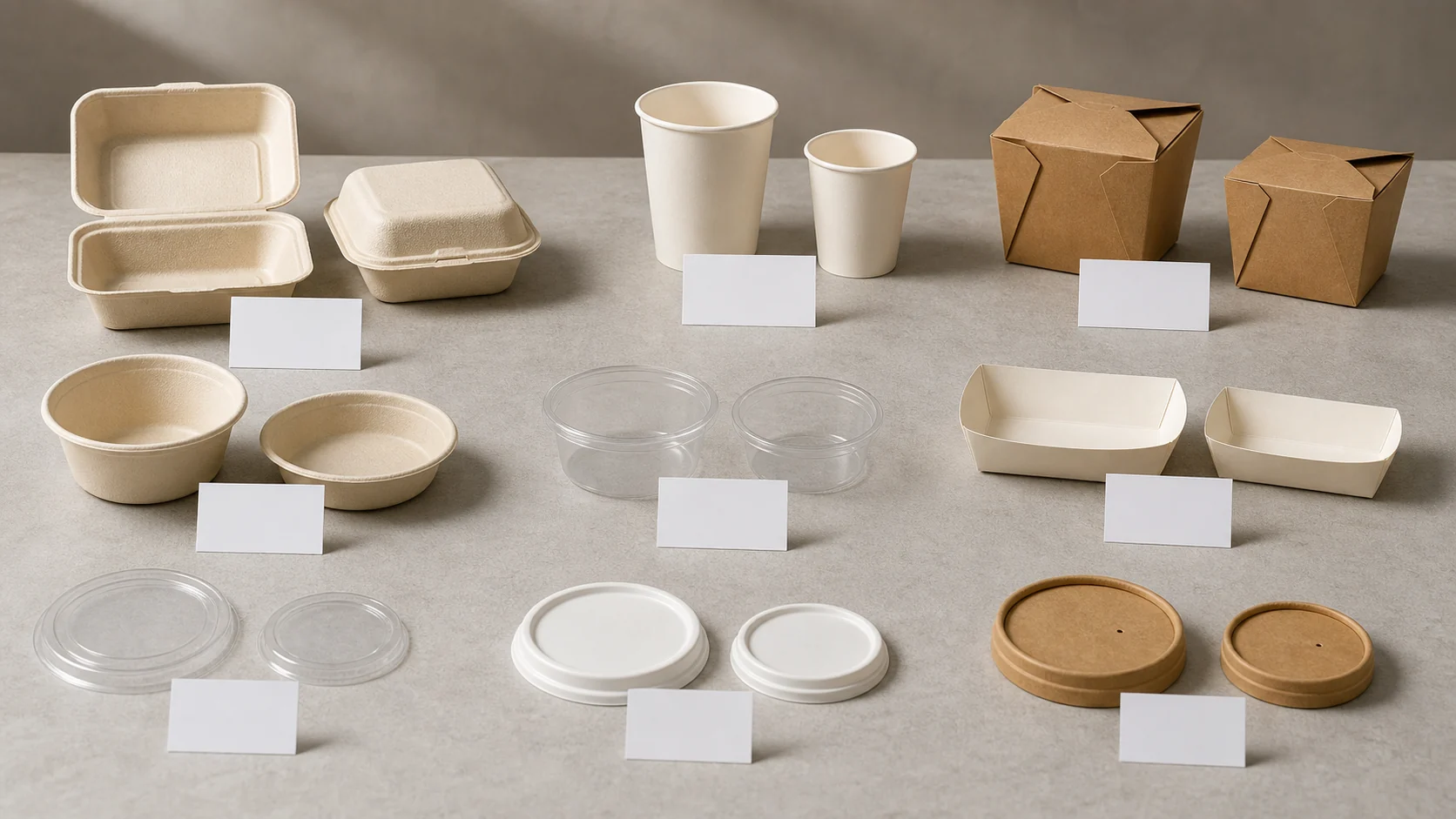
The output of this stage is a Bill of Packaging Materials (BoPM): a table listing every approved item by SKU, description, dimensions, material, approved supplier, and associated artwork file reference. The BoPM is the master document governing all location-level purchasing.
Translating the BoPM into location-level operating instructions requires a specification sheet for each SKU. A useful specification sheet contains the following fields:
| Field | Example content |
|---|---|
| SKU / Part number | Supplier’s exact part number |
| Product description | e.g., 32 oz kraft paper bowl |
| Nominal dimensions | Rim diameter, base diameter, height |
| Material description | e.g., PE-coated paperboard |
| Paired lid SKU | Exact part number of approved lid |
| Approved supplier(s) | Named suppliers only |
| Artwork file reference | Version-controlled filename |
| Intended-use review note | Buyer record for the menu conditions under review |
| Last reviewed | Date of most recent review |
Disposable food containers with lids represent one of the most commonly specified pairs in a chain’s BoPM—and the lid assignment is as important as the container spec itself. Each paired entry should cross-reference both the container and the lid specification sheet.
For paper-based hot-food formats, paper lunch boxes are a frequently documented category. Their specification sheets should note fold-lock dimensions, the maximum print area on each panel, and which surface is the food-contact side—information that affects both the artwork brief and the food-contact review.
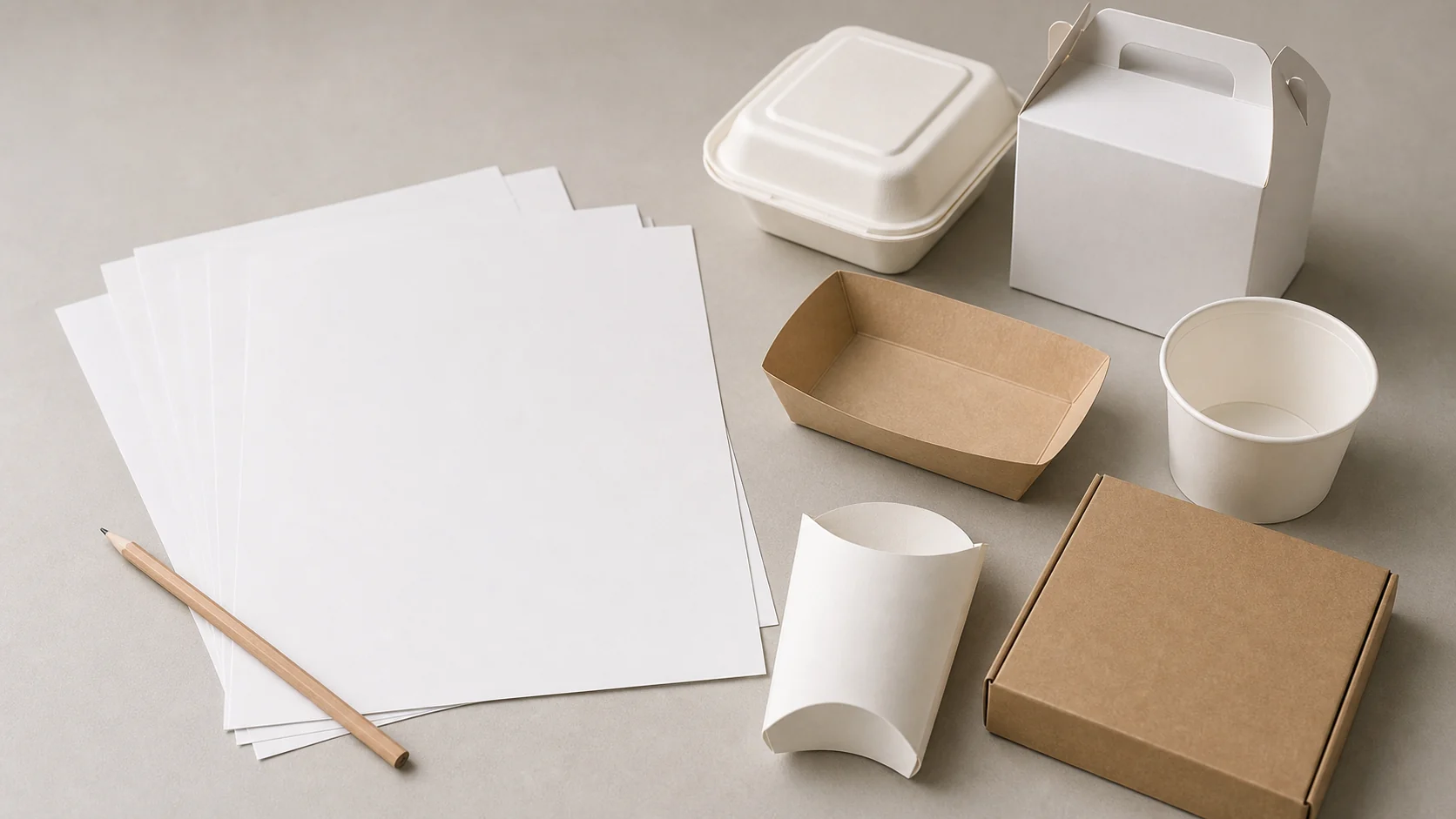
Artwork approval is a separate process from SKU approval, and the two should never be conflated. A container with a correct dimension and material specification can still carry the wrong artwork version. An approved artwork file from a previous print run does not automatically approve the next run, even if the file is unchanged, because substrates, inks, and print partners can vary between production batches.
تغليف الأغذية حسب الطلب involves an artwork proof stage in which the buyer receives a physical or digital proof showing the intended print output on the intended substrate. The brand team’s responsibility is to approve that proof against current brand standards—logo version, colour values, legal copy, and print placement—before production begins. That approval should be documented, dated, and linked to the relevant SKU in the BoPM.
A practical artwork control register includes the following columns: SKU, artwork filename, version number, proof date, approved by, applicable supplier, and production batch reference. When a brand update occurs—a revised logo, a new tagline, updated legal copy—the register makes it immediately clear which SKUs are affected and which approved proofs need to be reissued.
Brand teams should resist treating a logo proof as a general approval. A proof approves a specific combination of file, substrate, print method, and supplier for a specific production run. Any change to any of those variables should trigger a new proof request before the order is placed.
Understanding where multi-location packaging programs typically fail helps chains design controls before the failures occur. The most common failure modes are:
Component mismatch: A location reorders containers from the approved SKU but inadvertently orders an unapproved lid, either because the lid was out of stock or because the reorder form was incomplete. التخفيف: package the container and lid as a paired reorder line that cannot be ordered separately without a deliberate override.
Artwork version drift: A branch receives containers printed with an old artwork version because the supplier’s inventory was not updated after a brand refresh. التخفيف: include artwork version in the delivery acceptance checklist, so receiving staff can flag a mismatch before containers enter storage.
Unauthorised local sourcing: A location purchases from a supplier not on the approved list. التخفيف: restrict purchasing authority to approved suppliers at the procurement system level, and include spot-check audits in the operations calendar.
Change without review: A supplier notifies a location that a product has been discontinued and offers a direct replacement. The location accepts it without routing the change through central procurement. التخفيف: all supplier discontinuation or substitution notices must be escalated to the central team, not handled locally.
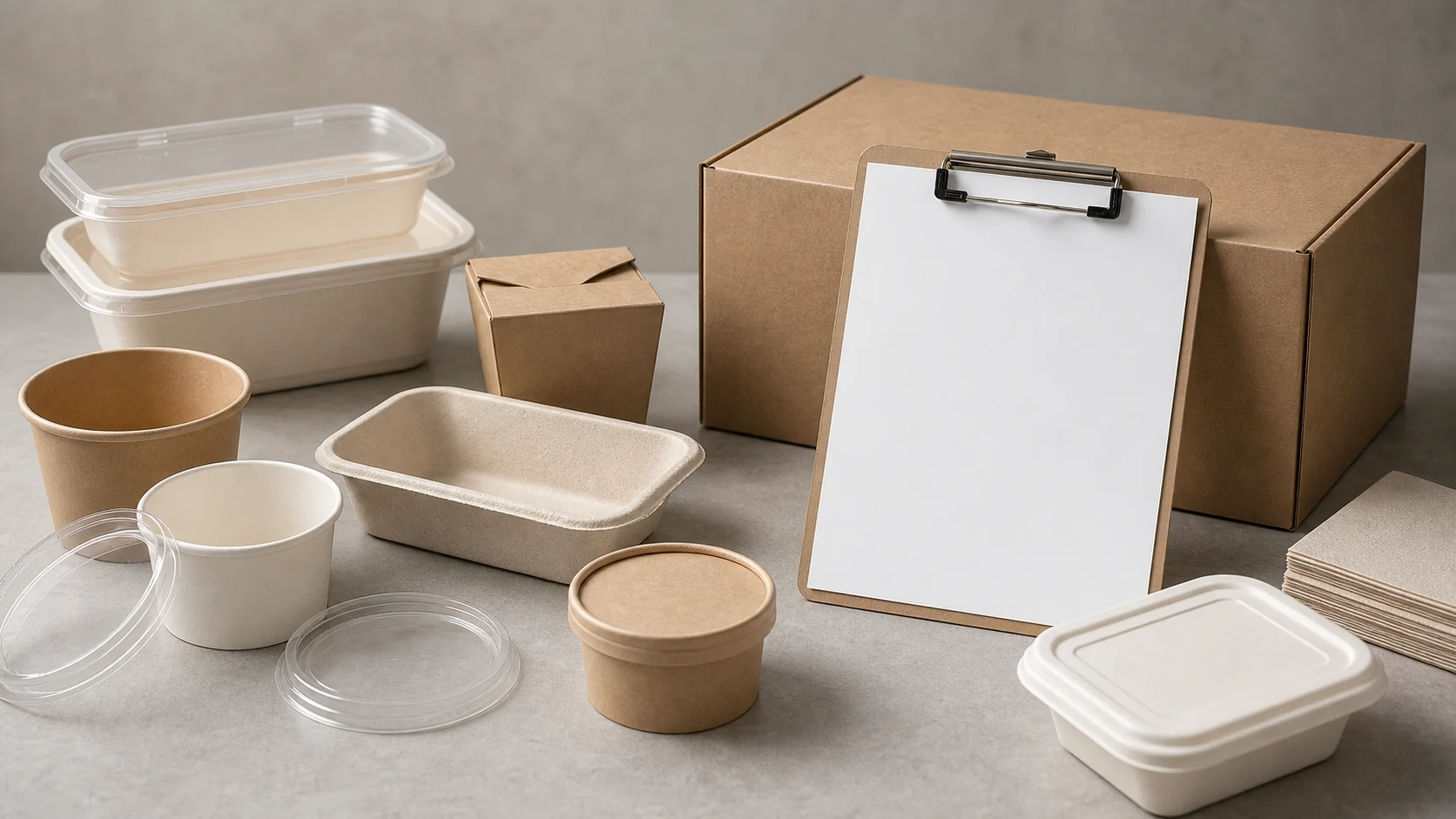
Use this checklist when deploying a new or revised packaging standard across locations:
The reorder process is where packaging standards are most frequently violated, because it happens at location level, under time pressure, and without direct central oversight. Designing the reorder process so that compliance is the path of least resistance is more effective than relying on individual discipline.
Approved supplier catalogues: Work with procurement to ensure that approved SKUs are the only items visible when a location places a packaging order. If the ordering system allows free-text entry or browsing outside the approved catalogue, substitution risk increases significantly.
Reorder triggers: Set minimum stock thresholds for each SKU and define a standard reorder quantity. Locations that reorder reactively—when stock has already run out—are under pressure to accept whatever is available, which is precisely when substitutions happen.
Change control: Any proposed change to an approved SKU—whether chain-initiated, supplier-initiated, or driven by a new menu item—should follow a documented change-control process requiring: a written change request identifying the affected SKU and proposed replacement; a specification comparison confirming the replacement meets operating requirements; a food-contact review if the material or intended use changes; an artwork review if print dimensions or surfaces change; sign-off from procurement, operations, and brand; and a defined effective date for the change across all locations.
For lids and companion components, أغطية الأوعية الورقية illustrate a category where small dimensional changes—a slightly different rim diameter or tab position—can affect fit with existing containers. A change to any lid SKU should trigger a fit verification against all paired container SKUs before rollout, not after.

Documentation retention: Keep change-control records for a period that reflects your internal audit cycle and any applicable regulatory retention requirements. Each record should show what was approved, when, by whom, and which locations were updated.
A packaging standard should include the Bill of Packaging Materials listing every approved SKU with its supplier reference, a specification sheet for each item, an artwork approval register with version control, a list of approved suppliers for each SKU, a reorder process document, and a change-control procedure. It should also define who holds authority to approve changes and how long records are retained. The standard is a living document—it needs a named owner, a review frequency, and a version history so any location can confirm they are operating from the current version.
Yes. The SKU approval confirms that a container meets dimensional, material, and operational requirements. The artwork approval confirms that the printed output on that container meets brand requirements for a specific production run from a specific supplier. A single container SKU may carry multiple artwork versions over its lifecycle as brand elements are updated, and each version requires its own approval against a current proof. Combining both approvals into a single document obscures which element is being reviewed and creates ambiguity when one changes without the other.
Lids and companion components should each have their own SKU entry in the Bill of Packaging Materials, their own specification sheet, and their own reorder line. Lids should be cross-referenced to each container they are approved to pair with, so that ordering a container automatically surfaces the correct lid reorder. Companion components—bags, sleeves, sauce pots—follow the same logic. No component should be described as “standard” or assumed compatible with a container without an explicit fit reference in the documentation. Changes to any component trigger the full change-control process, including fit verification.
When a packaging item changes, the location’s records should show the date the change took effect, the outgoing SKU and the incoming SKU with supplier references for both, the reason for the change, and confirmation that the change was approved through the central change-control process. The disposition of remaining stock of the outgoing item should also be noted. If the change was supplier-initiated due to discontinuation or reformulation, retain the supplier’s written notification alongside the change record. This documentation protects the location and the chain in any subsequent audit or incident review.
No. Each order should be placed against current approved SKUs and, where branded packaging is involved, against a current approved artwork proof. A previous order confirms that a specific combination of product, supplier, and artwork was approved at a previous point in time. It does not confirm that the same combination remains appropriate for a new order, because substrates, inks, materials, or supplier processes may have changed between production runs. Where any element of the previous combination has changed, the relevant approval—SKU, artwork, or both—should be refreshed before the new order is committed.
Before a chain-wide rollout, review the BoPM for completeness and accuracy, confirm that specification sheets and artwork records are current, and check that the ordering system reflects approved SKUs only. Brief operations and receiving teams on the control record, define a clear effective date, and provide a process for reporting non-conformances. A staged internal rollout can help teams identify documentation or operational questions before a wider release. Retain sign-off records from each function involved in the review.
If your team is building or refreshing a restaurant chain packaging standard, use Papacko category and product information as one input to your documented SKU review. Add an item to the BoPM only after the buyer’s own current specification, artwork and intended-use review is complete.
Contact the Papacko team to discuss SKU requirements or request product documentation to support your internal specification review. All food-contact and intended-use determinations remain the buyer’s responsibility and require qualified review of current, exact-SKU documentation—not catalogue descriptions, prior orders, or assessments of similar-looking components.
The information in this article is a procedural framework for procurement, operations, and brand teams and does not constitute legal, regulatory, or food-safety advice. Exact-SKU documents and qualified review are required for all food-contact and intended-use decisions.