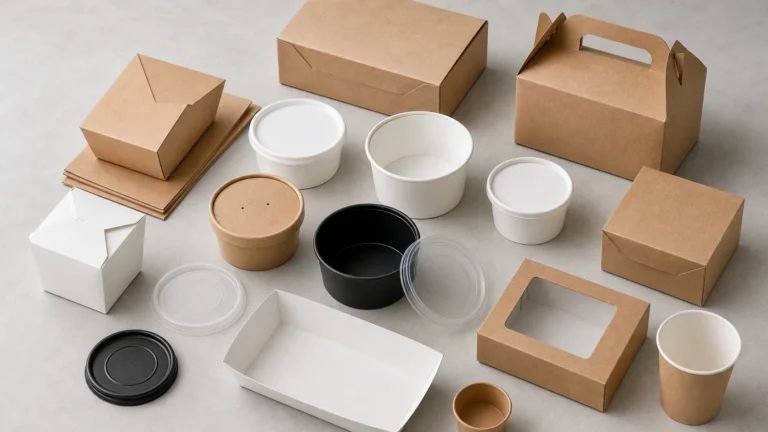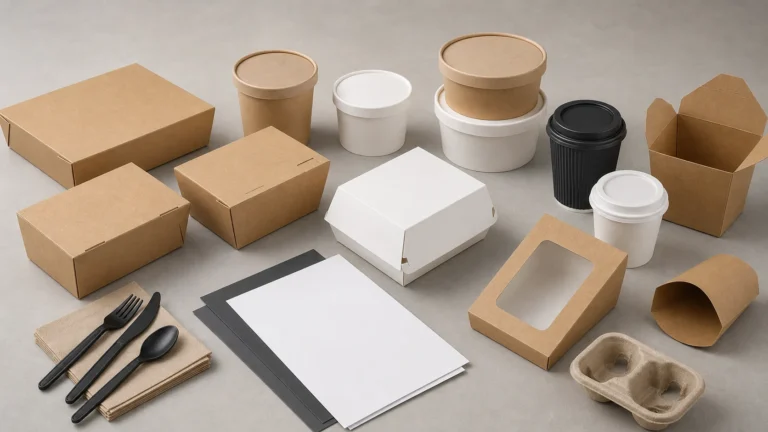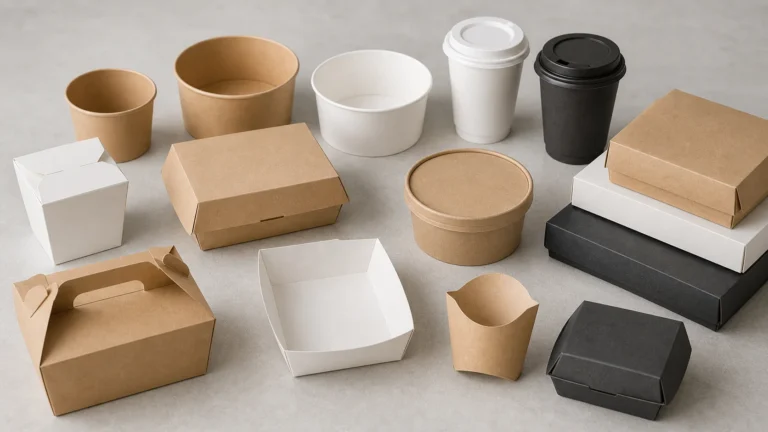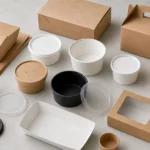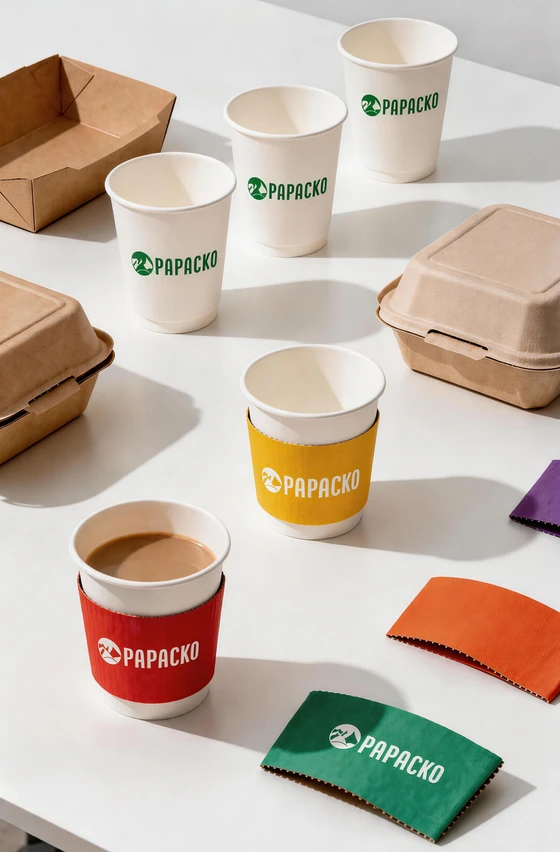
هل أنت مستعد لإنشاء أكواب ورقية أو عبوات ورقية تحمل علامتك التجارية الخاصة بك؟
أخبرنا بمتطلباتك - الحجم والطلاء والطباعة والوجهة - وسيقوم فريقنا بإعداد عرض أسعار مفصل في غضون 24 ساعة.

لا يقتصر اختيار حاويات الطعام القابلة للتصرف المزودة بأغطية المناسبة على السعر فحسب. بالنسبة للمشترين في قطاع الأعمال (B2B)، يجب أن تتوافق الحاوية مع نوع الطعام ودرجة حرارة التقديم ومدة النقل ومتطلبات الامتثال وظروف التخزين. قد يشتري كل من بوفيه السلطة وسلسلة مطاعم الوجبات الجاهزة وشركة تقديم الطعام والموزع أوعية مزودة بأغطية، لكنهم لا يحتاجون إلى نفس المادة أو نفس نمط الغطاء.
يشرح هذا الدليل كيفية مقارنة الفئات الرئيسية للحاويات، وتقييم مدى ملاءمة الأغطية، ومراجعة مستندات الموردين، وتخطيط الطلبات مع وضع توقعات واقعية فيما يتعلق بالحد الأدنى لكمية الطلب (MOQ) والعينات ومدة التسليم. إذا كنت تعمل على إنشاء قائمة توريد أوسع نطاقًا، فابدأ بـ Papacko’s عبوات الطعام التي تستخدم لمرة واحدة النطاق، ثم قم بتضييق نطاق البحث حسب المادة، وحالة الاستخدام، ومتطلبات الامتثال.
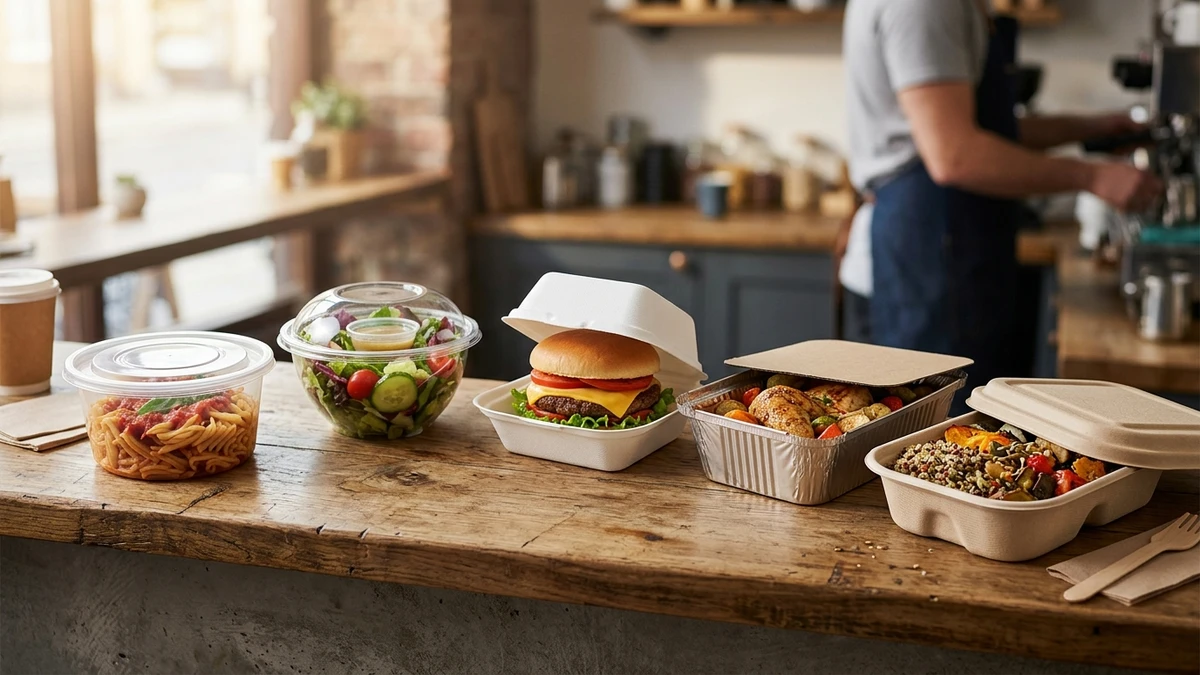
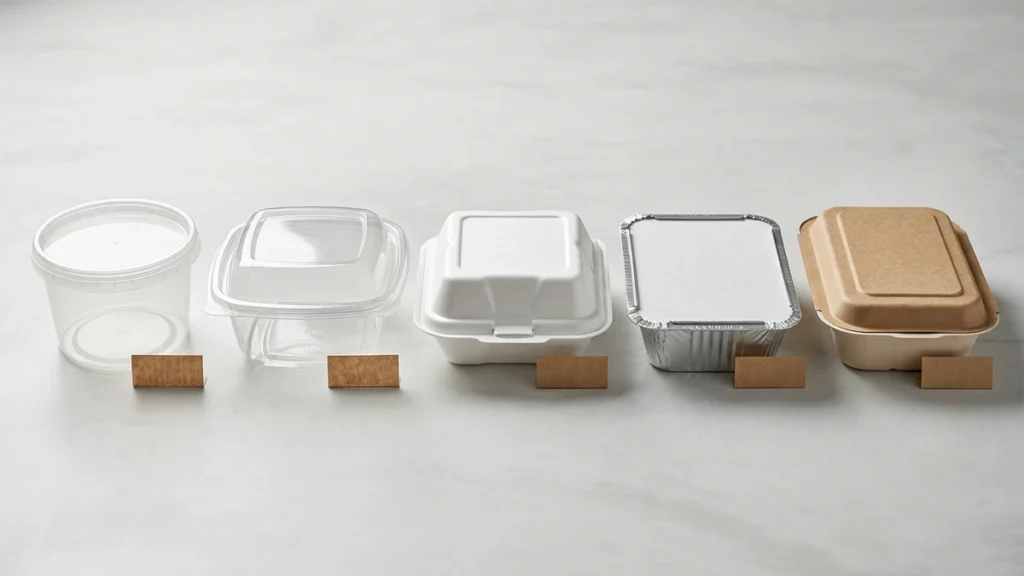
يعتمد اختيار أفضل حاويات الطعام التي تستخدم لمرة واحدة والمزودة بأغطية على طريقة تعبئة الطعام وتقديمه. وفي معظم عمليات الشراء التجارية، تغطي خمس فئات غالبية الاحتياجات.
يُعد البولي بروبيلين، أو PP، الخيار المعتاد للوجبات الساخنة، ومنتجات الأطعمة الجاهزة، وتجهيز الوجبات، والوجبات الجاهزة القابلة للتسخين في الميكروويف. وهو مناسب للتخزين البارد وإعادة التسخين في شكل واحد، ويتوفر بأغطية قابلة للإغلاق، وأغطية مسطحة، وأغطية مانعة للتلاعب.
يُعد البولي إيثيلين تيريفثالات (PET) الخيار المفضل لتقديم الأطعمة الباردة. فهو شفاف وصلب، ومناسب تمامًا للسلطات والحلويات والفواكه ومنتجات الأطعمة الجاهزة المبردة. ولا ينبغي استخدامه في أفران الميكروويف أو في التعبئة الساخنة.
لا تزال العلب القابلة للفتح المصنوعة من مادة البوليسترين الموسع (EPS) تُستخدم في بعض الأسواق لتقديم البرغر والوجبات الساخنة الجاهزة، وذلك لكونها توفر عزلًا جيدًا وتكلفتها أقل من العديد من البدائل الأخرى. ومع ذلك، فإن الوضع التنظيمي لهذه العلب يختلف بشكل كبير من مكان لآخر، لذا يجب على المشترين التحقق من القيود المحلية قبل طلب كميات كبيرة.
تُعد الصواني المصنوعة من رقائق الألومنيوم والمزودة بأغطية مناسبة للاستخدام في الفرن، ولتقديم الوجبات على متن الطائرات، وللوجبات الجاهزة التي قد تُنقل من المطبخ لإعادة تسخينها. وهي تتحمل درجات حرارة عالية جدًّا، لكنها غير آمنة للاستخدام في الميكروويف.
يتم اختيار العبوات المصنوعة من تفل قصب السكر والألياف المقولبة عندما تكون قابلية التحلل إلى سماد أو المظهر الطبيعي الشبيه بالورق من الأمور المهمة. ويمكن أن تكون هذه العبوات مناسبة للأطعمة الجافة أو شبه الرطبة، لكن أدائها يعتمد بشكل كبير على اختيار الطلاء ومدة التخزين.
أحد المرشحات البسيطة الأولى هو:
– الأطعمة الساخنة وإعادة التسخين في الميكروويف: PP
– العرض في درجات الحرارة المنخفضة والرؤية: PET
– استخدام الفرن: الألومنيوم
– أهداف قابلية التحلل: تفل قصب السكر أو الألياف المقولبة
– وجبات جاهزة معزولة منخفضة التكلفة حيثما يسمح القانون بذلك: EPS
يحدد اختيار المواد مدى تحمل درجات الحرارة، ومقاومة التسرب، وتكلفة الوحدة، وخيارات العلامة التجارية، والمطالبات المتعلقة بنهاية العمر الافتراضي. كما يؤثر أيضًا على أنواع الأغطية التي يمكن استخدامها.
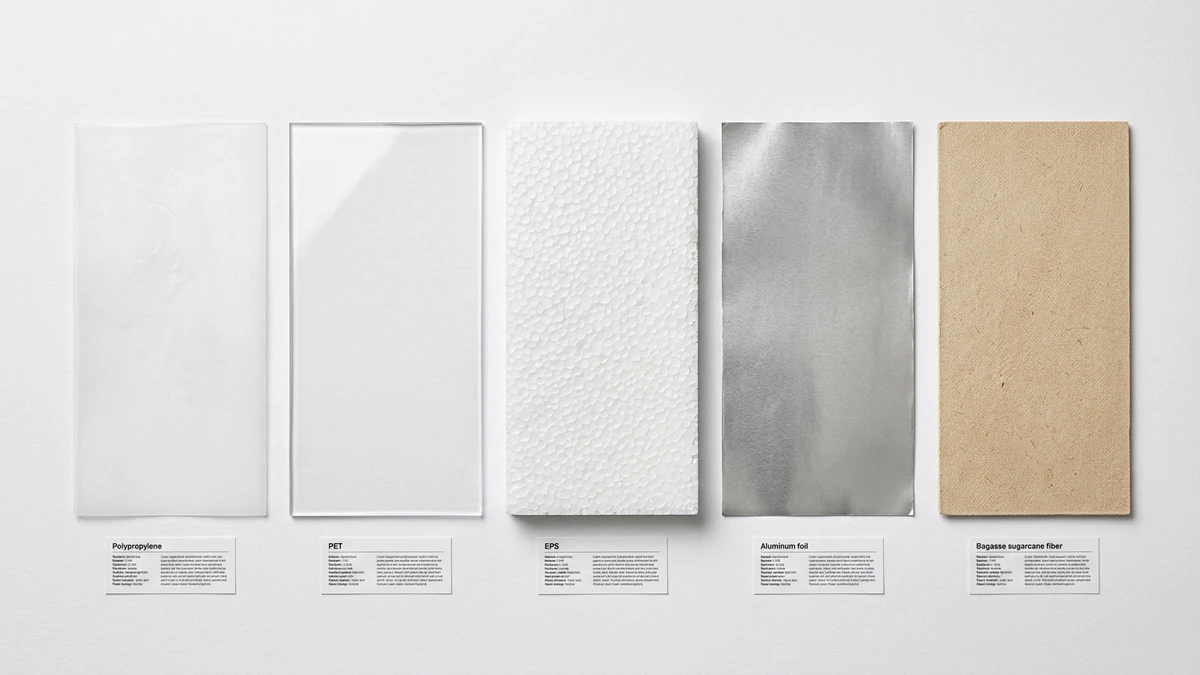
| المواد | أفضل استخدام | المقاس القياسي | نقطة القوة الرئيسية | القيد الرئيسي |
|---|---|---|---|---|
| ص | وجبات ساخنة، تحضير الوجبات، الحساء، الأطعمة الجاهزة | من حوالي -20 درجة مئوية إلى 120 درجة مئوية | آمنة للاستخدام في الميكروويف، متينة، وتتميز بخيارات جيدة للأغطية | جاذبية بصرية أقل مقارنةً بالبولي إيثيلين تيريفثالات (PET) الشفاف |
| حيوان أليف | السلطات، الحلويات، الفاكهة، الأطعمة الجاهزة الباردة | من حوالي -40 درجة مئوية إلى 70 درجة مئوية | وضوح عالٍ، عرض جذاب على الرفوف | غير مناسب للاستخدام في الميكروويف أو مع الأطعمة الساخنة |
| EPS | البرغر، الوجبات الساخنة الجاهزة، خدمة التوصيل السريع | الحفظ في درجة حرارة دافئة إلى ساخنة | عزل جيد، تكلفة منخفضة | الحظر والقيود في العديد من الأسواق |
| الألومنيوم | وجبات مطبوخة في الفرن، صواني تقديم الطعام | حرارة شديدة جدًّا | آمن للاستخدام في الفرن، حاجز قوي | غير مناسب للاستخدام في الميكروويف |
| تفل قصب السكر أو الألياف المقولبة | أواني وأطباق وصواني قابلة للتحلل الحيوي للوجبات الجاهزة | بارد إلى حار إلى حد ما | مظهر مستوحى من الألياف، وإمكانية ادعاء قابلية التحلل في السماد | قد تحتاج الأطعمة الرطبة أو الدهنية إلى طبقة واقية |
لا يزال البولي بروبيلين (PP) هو الحل الأكثر شمولاً والمتعدد الأغراض للمشترين الذين يرغبون في استخدام شكل واحد للأغراض الساخنة والمبردة. إذا كانت شركتك بحاجة إلى أداء موثوق به في مجال الوجبات الجاهزة مع خيارات إغلاق قوية، فغالباً ما يكون هذا هو الخيار الأكثر أماناً للبدء. Papacko’s حاويات الطعام المصنوعة من البولي بروبلين يتم تحديدها عادةً لهذا السبب.
يُعد البولي إيثيلين تيريفثالات (PET) الخيار الأمثل عندما يكون المظهر هو العامل الرئيسي في بيع المنتج. فعبوة شفافة للسلطة أو الحلوى يمكن أن تزيد من جاذبية المنتج على الرفوف، لكن مادة البولي إيثيلين تيريفثالات تفقد شكلها عند تعرضها للحرارة. وهذا يجعلها غير مناسبة للاستخدام في أرفف الأطعمة الساخنة، أو أفران الميكروويف، أو الأطعمة المطهوة بالبخار التي يتم تعبئتها مباشرةً بعد خروجها من خط الإنتاج.
تتطلب بقايا قصب السكر والألياف المقولبة فحصًا دقيقًا أكثر مما يتوقعه المشترون أحيانًا. تُباع العديد من المنتجات على أنها قابلة للتحلل، لكن الطلاء أو التصفيح أو المواد الكيميائية المستخدمة في طبقة العزل ضد الدهون قد تغير حالة المنتج النهائي. إذا كانت ادعاءات الاستدامة مهمة بالنسبة لك، فاطلب وثائق تتعلق بالمنتج النهائي، وليس فقط اللب الأساسي.
بالنسبة للمشترين الذين يبحثون عن تشكيلة أوسع تركز على البيئة، فإن منتجات Papacko’s عبوات الأغذية القابلة للتحلل يُعد هذا القسم نقطة مقارنة مفيدة.
يُعد هيكل الحاوية نصف المواصفات فقط. فالعديد من الشكاوى الميدانية تتعلق بالأغطية التي تبدو متوافقة من الناحية الفنية على الورق، لكنها تفشل عند الاستخدام الفعلي. لذا، يجب التحقق من ملاءمة الغطاء في ظل عوامل مثل درجة الحرارة ومستوى التعبئة والنقل وطريقة الفتح.
تشمل أنواع الأغطية الشائعة ما يلي:
– أغطية قابلة للإغلاق بسرعة لتسهيل التعبئة اليدوية
– أغطية مزودة بآلية إثبات العبث، مع ألسنة قابلة للكسر أو حواف قابلة للتمزيق
– أغطية فتحة تهوية مقببة للأطعمة الساخنة التي تنبعث منها البخار
– أغطية مسطحة لتسهيل التكديس
– أختام من رقائق الألومنيوم أو الأغشية البلاستيكية لتوفير حواجز أكثر متانة
عند مراجعة حاويات الطعام التي تُستخدم لمرة واحدة والمزودة بأغطية، تحقق من النقاط التالية:
توافق الحافات
يجب أن يكون للغطاء والقاعدة نفس شكل الحافة. ولا تضمن الأبعاد المتشابهة إحكام الإغلاق إذا اختلفت هندسة الحافة.
عمق التفاعل
قد يبدو التثبيت السطحي بالانزلاق جيدًا على العينة، لكنه قد ينفك عند تكديسها أو الضغط عليها أثناء التسليم.
سلوك الحرارة
تُعد أغطية البولي إيثيلين تيريفثالات (PET) ممتازة لعرض الأطعمة الباردة، لكنها تتشوه عند استخدامها مع الأطعمة الساخنة. أما أغطية البولي بروبيلين (PP) فهي أكثر ملاءمة للاستخدامات التي تتطلب إعادة التسخين أو التعبئة الساخنة.
إدارة البخار
بالنسبة للأطباق الساخنة، قد يؤدي الغطاء المحكم الإغلاق إلى احتجاز البخار وتوليد ضغط. أما الأغطية المزودة بفتحات تهوية أو ذات الشكل المقبب، فيمكنها الحد من مشاكل انفتاح الغطاء والتكثف.
دليل التلاعب
تفضل العديد من منصات التوصيل والمشترين المؤسسيين وجود دليل مرئي على فتح العبوة لأول مرة. وهذا الأمر مهم في مجالات توصيل الوجبات، والرعاية الصحية، والأطعمة الجاهزة في متاجر البيع بالتجزئة.
ارتفاع المكدس
قد تحافظ القبة العالية على مظهر الطعام، لكنها تزيد من حجم الكرتون وحجم المخزن وتكلفة النقل.
يُعد الاختبار العملي أمرًا ضروريًّا. اطلب من المورد عينات من كل من القاعدة والغطاء وفقًا لنفس معايير الإنتاج. ثم قم بإجراء اختبار عملي باستخدام طعام حقيقي، وليس الماء فقط. قم بملء العبوة وتكديسها وحملها والاحتفاظ بها طوال المدة المتوقعة للتسليم. إذا كنت تنوي تغيير المورد، فاطلب عينات جديدة ملائمة حتى لو لم يتغير الحجم الاسمي.
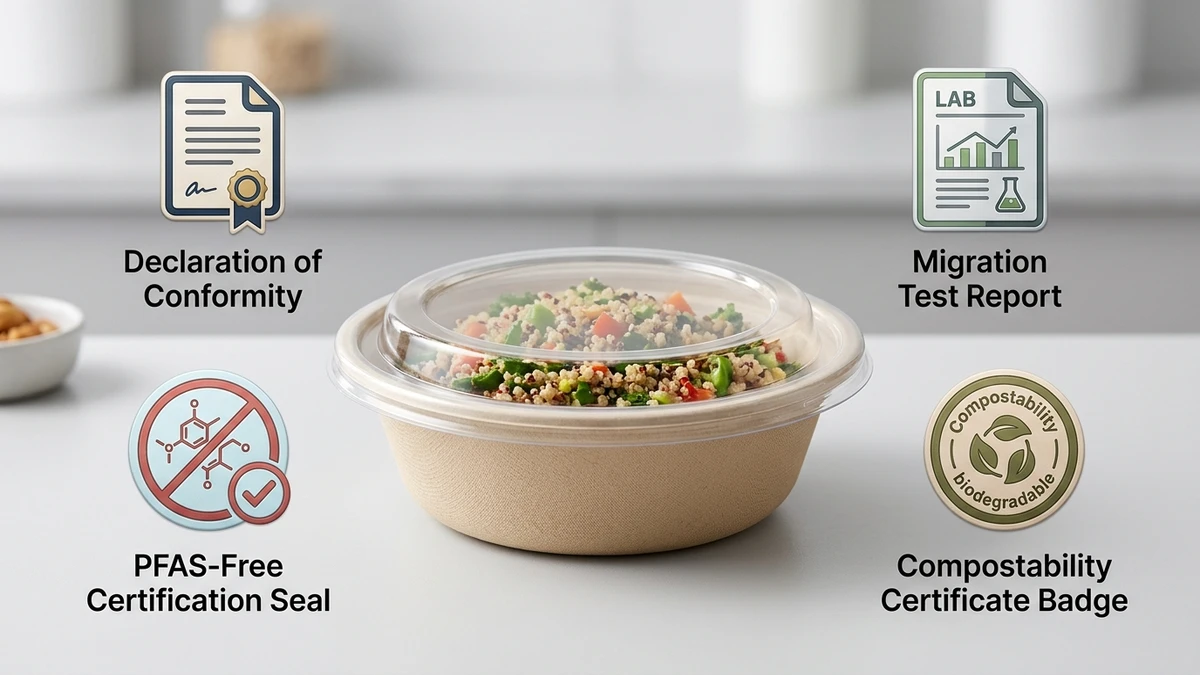
فيما يتعلق بالمشتريات بين الشركات (B2B)، يجب التحقق من الامتثال للمعايير قبل التفاوض على السعر. فالحاوية منخفضة التكلفة لا تُعد صفقة جيدة إذا كان المورد غير قادر على إثبات مطابقتها لمعايير ملامسة الأغذية في السوق المستهدفة.
على الأقل، اطلب ما يلي:
– إقرار الامتثال أو بيان مكافئ بشأن ملامسة الأغذية
– تقارير اختبار الهجرة الصادرة عن مختبر معتمد
– ورقة مواصفات المواد
– الوثائق المتعلقة بالطلاءات والأحبار والمواد اللاصقة، حيثما استُخدمت
– بيان بخلو المنتج من مركبات PFAS، حيثما ينطبق ذلك على المنتجات المصنوعة من الألياف
– ترخيص محتوى المواد المعاد تدويرها في حالة الادعاء باستخدام راتينج معاد تدويره مخصص للتلامس مع الأغذية
بالنسبة للبضائع المتجهة إلى الولايات المتحدة، تظل إدارة الغذاء والدواء (FDA) هي السلطة الرئيسية المعنية بمتطلبات التغليف الملامس للأغذية. وتتمثل النقطة المرجعية ذات الصلة للمشترين في إطار عمل إدارة الغذاء والدواء (FDA) الخاص بالتغليف الملامس للأغذية: إرشادات إدارة الغذاء والدواء الأمريكية (FDA) بشأن المواد التي تتلامس مع الأغذية.
في الواقع، يجب على المشترين مطابقة المستندات مع البناء الفعلي بالضبط. على سبيل المثال:
– يحتاج الوعاء المصنوع من البولي بروبيلين (PP) وغطاؤه المصنوع من البولي بروبيلين (PP) إلى دعم يتوافق مع معايير الراتنج
– تحتاج صينية من تفل قصب السكر المزودة بحاجز ضد الشحوم إلى دعامة لتثبيت الألياف والطلاء
– يحتاج الغطاء الورقي المطبوع إلى دعامة للطبقة الأساسية والحبر وأي طبقات لاصقة
– تحتاج الصينية المصنوعة من رقائق الألومنيوم والمطلية بالورنيش إلى دعامة لرقائق الألومنيوم والطلاء الداخلي
كما يجب تأكيد شروط الاستخدام المقصودة كتابةً:
– التعبئة الباردة أو التعبئة الساخنة
– ميكروويف أو غير ميكروويف
– مدة التلامس المباشر مع الأغذية
– نوع الطعام، مثل الأطعمة الدهنية أو الحمضية أو المائية
إذا قام المورد بتغيير مصدر المواد الخام أو مجموعة المواد المضافة أو تركيبة الطلاء، فقد يتعين تحديث الوثائق. وينبغي على الموردين الجادين التأكد من إجراءات مراقبة التغييرات وإبلاغك بالطريقة التي يتبعونها لإخطار المشترين بتغييرات المواصفات.
يحتاج مشترو التغليف التجاري إلى تفاصيل واقعية بشأن مصادر التوريد، لا سيما عند مقارنة المنتجات المتوفرة في المخزون بالبرامج المخصصة.
تختلف نطاقات الحد الأدنى المعتاد للطلب (MOQ) باختلاف العملية ونوع المنتج:
– Stock PP or PET containers: often 1 carton to a few master cartons through trading stock, but factory direct MOQ may be 10,000 to 25,000 units per SKU
– Custom printed paper or fiber containers: often 50,000 to 100,000 units per SKU
– Custom molded fiber or custom tooling items: often 10,000 to 50,000 units, sometimes more depending on mold cost
– Digital short-run print programs: lower MOQ, but higher unit cost
Sample policy should be clarified early. Ask:
– Are plain stock samples free or charged?
– Is courier freight charged separately?
– Are fit-test samples from production stock or hand-picked?
– Can branded pre-production samples be supplied before mass production?
Lead time depends on whether the item is stock, plain custom, or printed custom:
– In-stock items can ship quickly if available locally
– Plain factory production may take several weeks
– Custom print often needs artwork approval, plate preparation, production scheduling, and export transit
– New molds or special lid designs add further development time
Artwork and branding also change the buying equation. If your main need is printed takeaway, compare the container with the lid and the secondary packaging together. A lower container cost can be offset by higher print setup, longer lead time, or inflexible MOQ. Papacko buyers often review custom food packaging options at this stage to balance branding with operational volume.
For supplier qualification, ask these operational questions:
– What is the exact MOQ per SKU?
– What is the lead time for samples?
– What is the lead time for repeat orders?
– Are lids and bases packed together or separately?
– What is the carton quantity and pallet configuration?
– Is there a standard tolerance for weight and dimensions?
– Can the supplier support split shipments or blanket orders?
The best purchasing approach is usually to start with sample testing, then a pilot order, then a volume commitment once the fit, compliance, and warehouse performance are confirmed.
Several sourcing errors appear again and again in food packaging procurement.
The first is choosing by material name alone. Not all PP tubs perform the same, and not all bagasse containers hold wet food equally well. Wall thickness, mold quality, and lid geometry matter.
The second is checking only the base and not the lid. Many leaks are closure failures, not body failures.
The third is relying on substrate certificates without reviewing the finished product. This is common with coated fiber items and compostability claims.
The fourth is skipping real-use testing. Bench checks do not replicate hot food, stacking, delivery vibration, or repeated opening and closing.
The fifth is underestimating storage conditions. Fiber products and kraft formats are more sensitive to humidity than PP, PET, or foil.
The sixth is locking into a custom print MOQ before confirming long-term demand. Printed packaging can create excess stock risk if the menu changes or a container format is discontinued.
A disciplined buying workflow helps:
– Define food type and temperature
– Select likely material families
– Review compliance documents
– Test base and lid together
– Confirm MOQ, sample terms, and lead time
– Approve pilot order
– Move to full-volume ordering
For operations that use multiple packaging formats, it also helps to review related categories such as Papacko’s أغطية الأوعية الورقية when building a matched system across bowls, trays, and cups.
PP is the standard choice for hot meal delivery. It tolerates higher temperatures than PET, works with vented and tamper-evident lids, and can support microwave reheating where specified by the supplier.
Some are, but buyers should verify the certification for the finished product. A fiber base may be compostable, yet the added coating or barrier can affect the final claim. Ask for the certificate and test report for the complete item.
A snap lid closes by friction or a locking bead and can usually be reopened without visible evidence. A tamper-evident lid includes a break tab or tear section that shows first opening.
No. PET is mainly for cold use and will deform at elevated temperatures. If microwave use is required, specify a PP container and confirm its microwave rating with the supplier.
They are banned or restricted in some markets, but not all. Buyers should verify local legislation before placing an order, especially for cross-border supply programs.
Request a Declaration of Compliance, migration test reports, technical data sheet, and supporting documents for coatings, inks, adhesives, PFAS-free claims, and recycled food-contact content where relevant. Also confirm intended use conditions in writing.