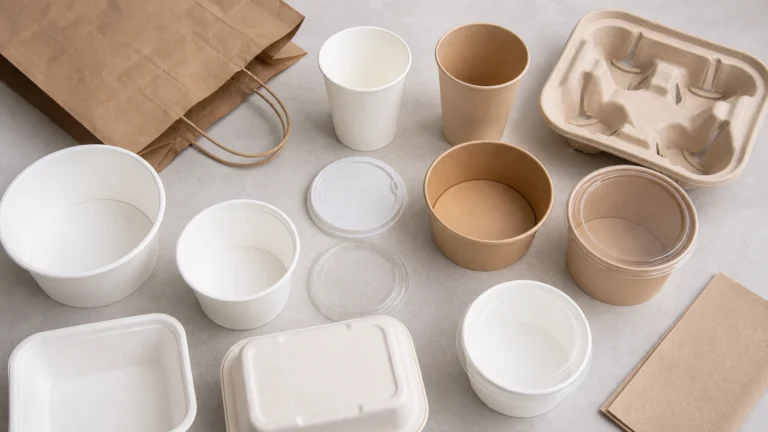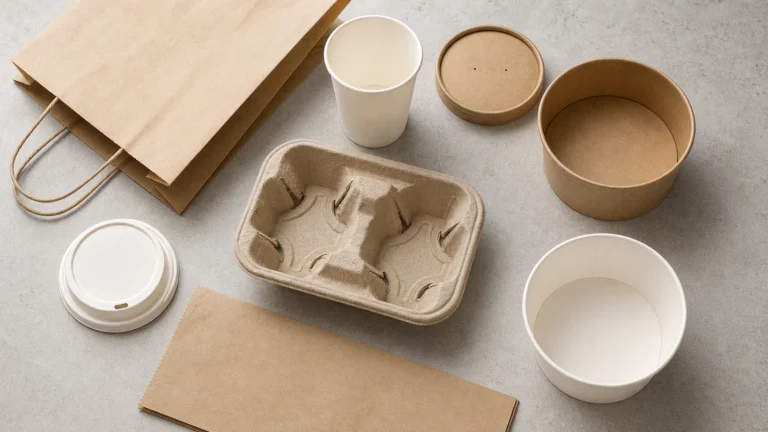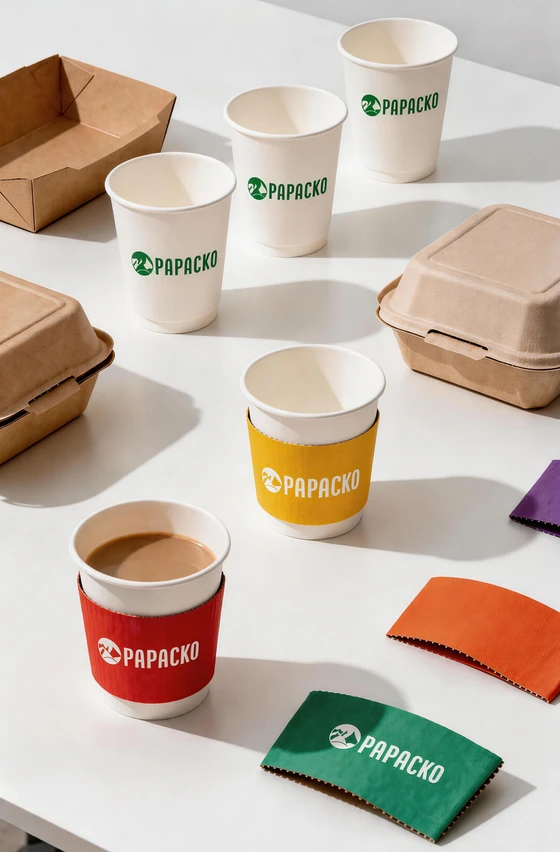
¿Está listo para crear sus propios vasos o envases de papel con su marca?
Díganos sus requisitos -tamaño, revestimiento, impresión y destino- y nuestro equipo le preparará un presupuesto detallado en 24 horas.

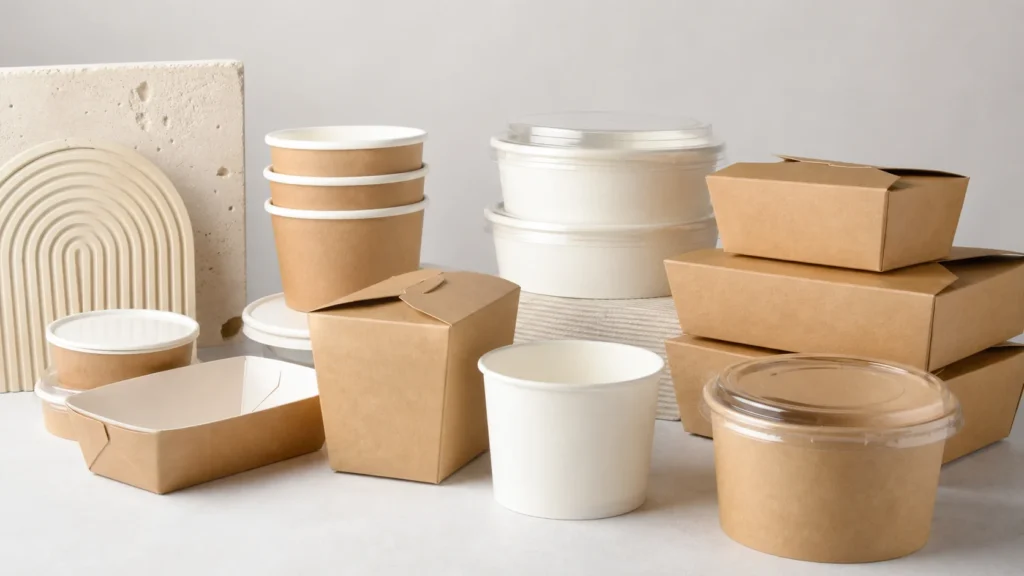
“La expresión ”apto para uso alimentario» no es un simple certificado ni una propiedad universal estampada en un rollo de papel. Se trata de una condición verificada: la estructura del envase acabado, en su uso previsto con un alimento específico, en un momento y a una temperatura definidos, en un mercado de destino, está respaldada por pruebas documentadas de que sus componentes no transfieren sustancias al alimento en niveles que supongan un riesgo para la seguridad.
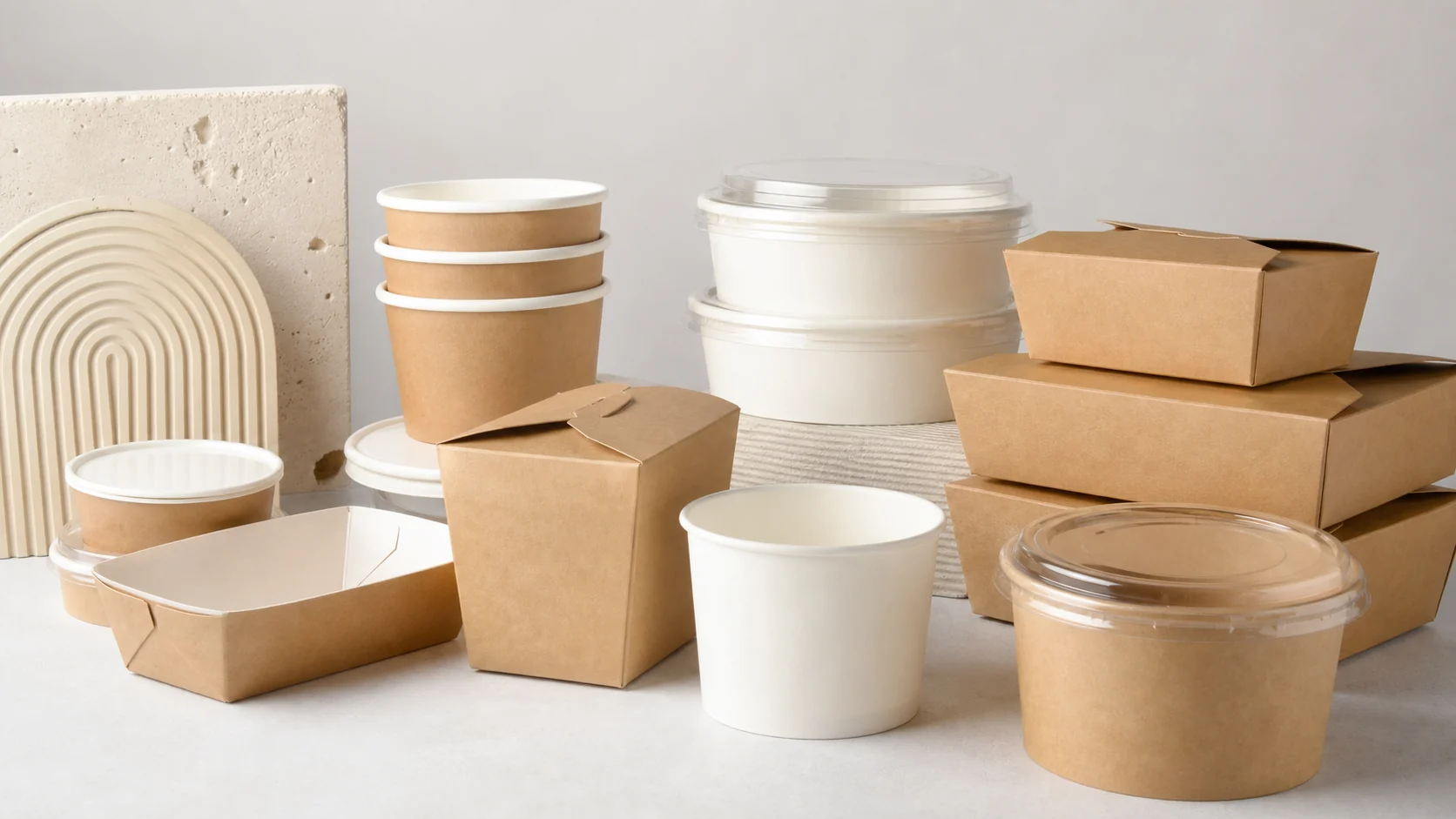
Cada palabra de esa definición tiene su importancia para los compradores. La misma funda de cartón que está debidamente documentada para un producto de pastelería caliente y seco puede estar sujeta a requisitos de cumplimiento totalmente diferentes cuando se utiliza con un alimento caliente y aceitoso o con una bebida fría y ácida. El mercado de destino —ya sea Estados Unidos, la Unión Europea u otra jurisdicción— determina qué marco normativo se aplica y qué documentación se espera del proveedor. La declaración de un proveedor de que un producto es “apto para el contacto con alimentos” es un punto de partida para la revisión de la documentación, no una conclusión.
El error más habitual en la adquisición de envases de papel aptos para uso alimentario es considerar una caja, un vaso o una envoltura ya terminados como un único material. En la práctica, cada envase para el sector de la restauración es un sistema de componentes, y cada componente tiene su propio perfil de cumplimiento normativo. Antes de solicitar cualquier documentación a un proveedor, es necesario definir exactamente qué se está comprando y cómo se va a utilizar.
Sustrato de cartón o papel base. El material base puede ser fibra virgen, fibra reciclada o una mezcla de ambas. Los sustratos con contenido reciclado son objeto de un escrutinio adicional en algunos mercados, ya que la fibra postconsumo puede introducir contaminantes derivados de su uso anterior. La calidad, el gramaje y el origen de la fibra influyen en el tipo de documentación que conviene solicitar.
Recubrimientos funcionales. Muchas estructuras de papel destinadas al contacto con alimentos incluyen recubrimientos aplicados a una o ambas superficies. Estos recubrimientos pueden ser a base de polímeros, a base de cera u otras formulaciones, y determinan la resistencia a la humedad, la resistencia a la grasa, el rendimiento del termosellado y la idoneidad térmica. El recubrimiento suele ser la superficie principal en contacto con los alimentos, lo que significa que su documentación de conformidad es al menos tan importante como la del sustrato. Los compradores deben identificar qué superficie entra en contacto con los alimentos y cuál es la composición del recubrimiento.
Tintas y barnices de impresión. La impresión decorativa se aplica casi siempre a la superficie que no entra en contacto con los alimentos, pero la migración de la tinta a través del sustrato o por los bordes sigue siendo un motivo de preocupación documentado en el sector. Debe identificarse el sistema de tinta —tipo, pigmentos, fotoiniciadores y cualquier barniz de sobreimpresión— y confirmarse su ubicación respecto a la superficie que entra en contacto con los alimentos.
Adhesivos y uniones. Los vasos, los envases de cartón y las cajas plegables se fabrican mediante uniones adhesivas y costuras mecánicas. Los adhesivos utilizados en aplicaciones en contacto con alimentos deben cumplir unos requisitos específicos, y la ubicación de las costuras con respecto a la superficie en contacto con el alimento es importante.
Tapas, cierres y componentes secundarios. Un vaso de papel con una tapa de plástico constituye un sistema compuesto por varios materiales. Cada material se rige por su propio marco normativo. No se debe dar por sentado que la documentación relativa al vaso de papel se aplica también a la tapa, la funda o cualquier otro componente.
Condiciones de uso previsto. Define el tipo de alimento (seco, graso, acuoso, ácido), la temperatura de envasado, la temperatura máxima de uso final, la duración del contacto y si el envase se va a utilizar en un microondas, en un horno convencional o en un entorno refrigerado. Estas variables determinan qué condiciones de ensayo son pertinentes y si la documentación existente del proveedor cubre realmente tu aplicación.
Descubre toda la gama de sistemas de envases para alimentos para comprender cómo las diferencias estructurales entre los distintos formatos influyen en tu punto de partida en materia de cumplimiento normativo.

En Estados Unidos, el marco normativo de la Administración de Alimentos y Medicamentos (FDA) relativo a los materiales en contacto con los alimentos es amplio y no distingue entre distintos tipos de materiales. La FDA establece que las sustancias en contacto con los alimentos incluyen los envases y sus componentes, incluidas las sustancias aplicadas sobre la superficie. Información de la FDA sobre envases en contacto con alimentos. Esto significa que el cartón, los recubrimientos, las tintas, los adhesivos y cualquier otro componente que pueda entrar en contacto con los alimentos —o que pueda migrar a través de una estructura hasta entrar en contacto con ellos— entra dentro del ámbito de aplicación del marco normativo de la FDA sobre el contacto con los alimentos.
Los principales mecanismos mediante los cuales se regulan en EE. UU. las sustancias utilizadas en el papel y el cartón destinados al contacto con alimentos incluyen la normativa sobre aditivos alimentarios codificada en el Código de Regulaciones Federales (Título 21), las notificaciones de contacto con alimentos (FCN) y el proceso del umbral de regulación (TOR). Los proveedores que operan en el mercado estadounidense deben ser capaces de identificar qué base normativa rige cada componente de su estructura. Una afirmación general de que un producto “cumple con la normativa de la FDA” no es suficiente para un comprador diligente; es necesario saber qué normativas o notificaciones específicas se aplican a cada componente.
El papel y el cartón con contenido reciclado que se utilizan en aplicaciones de contacto con alimentos en EE. UU. están sujetos a directrices adicionales. La FDA ha publicado directrices sobre el uso de materiales reciclados en aplicaciones de contacto con alimentos, y los proveedores que utilicen fibra reciclada deben poder demostrar que sus procesos y el origen de sus materias primas contrarrestan el riesgo de contaminación.
La Comisión Europea incluye el papel, el plástico, el vidrio y el metal entre los materiales que entran en contacto con los alimentos y describe el marco normativo en materia de seguridad. Resumen de la Comisión Europea sobre los materiales en contacto con los alimentos. El marco normativo de la UE relativo a los materiales en contacto con los alimentos se establece en el Reglamento (CE) n.º 1935/2004, que establece los requisitos generales de seguridad e inercia aplicables a todos los materiales en contacto con los alimentos. Este Reglamento exige que los materiales en contacto con los alimentos no transfieran componentes a los mismos en cantidades que puedan poner en peligro la salud humana, provocar un cambio inaceptable en la composición de los alimentos o dar lugar a un deterioro de sus características organolépticas.
En lo que respecta a los plásticos, la UE ha adoptado un reglamento armonizado específico (UE) n.º 10/2011, que incluye una lista positiva de sustancias autorizadas y exige una declaración de conformidad (DoC) y la documentación técnica correspondiente. Es fundamental que los compradores comprendan que este régimen específico de documentación se aplica a los materiales plásticos destinados al contacto con alimentos. No se deben aplicar de forma generalizada las normas de la UE sobre documentos en plástico a estructuras compuestas exclusivamente de papel; el ámbito de aplicación depende del material, el producto, el mercado y el uso previsto.
En el caso del papel y el cartón, actualmente no existe ninguna medida específica armonizada a escala de la UE equivalente al reglamento sobre los plásticos. A falta de una armonización a nivel de la UE, los Estados miembros pueden aplicar medidas nacionales. Las recomendaciones del BfR (Bundesinstitut für Risikobewertung) alemán sobre el papel y el cartón se utilizan ampliamente en toda la UE como referencia práctica, y el documento técnico del Consejo de Europa sobre el papel y el cartón constituye otro punto de referencia. Los proveedores que exporten envases de papel a los mercados de la UE deben poder demostrar que conocen las medidas nacionales aplicables en el Estado miembro de destino y presentar la documentación correspondiente.
Independientemente del mercado, la responsabilidad de proporcionar la documentación de cumplimiento adecuada recae en el proveedor y en la cadena de suministro, no en el comprador. Tu función como comprador es definir claramente el uso previsto, solicitar la documentación adecuada y evaluar si la documentación facilitada cubre realmente tu aplicación específica. Un proveedor que no pueda identificar la base normativa que avala la idoneidad de su producto para el contacto con alimentos, o que solo facilite un certificado genérico sin detalles a nivel de componentes, merece un análisis más detallado antes de realizar un pedido.
| Elemento de embalaje | Pregunta del comprador | Variable de uso previsto | Pruebas que se deben solicitar | Límites de la reclamación |
|---|---|---|---|---|
| Sustrato de cartón de fibra virgen | ¿Es el material de base adecuado para el contacto directo con los alimentos? | Alimentos secos frente a alimentos grasos o acuosos; duración del contacto | Declaración del proveedor en la que se identifique el origen de la fibra y cualquier base normativa aplicable | El cumplimiento de los requisitos relativos al sustrato no se aplica a los recubrimientos, tintas ni adhesivos que se apliquen sobre él. |
| Sustrato de fibra reciclada | ¿Se ha abordado el riesgo de contaminación derivado de la fibra postconsumo? | Todo tipo de alimentos; especialmente sensible a los alimentos grasos o acuosos | Documentación sobre los controles de abastecimiento de materiales reciclados y cualquier proceso de descontaminación; referencia a las directrices aplicables | El contenido reciclado no descarta automáticamente un sustrato, pero requiere pruebas adicionales. |
| Recubrimiento funcional (superficie en contacto con alimentos) | ¿Cuál es la composición del recubrimiento y a qué normativa se ajusta? | Temperatura de llenado; tipo de alimento (graso, acuoso, ácido); uso en microondas u horno | Declaración a nivel de componente en la que se identifiquen las propiedades químicas del recubrimiento y la normativa o notificación aplicable | La documentación relativa al recubrimiento debe ajustarse al tipo específico de alimento y al rango de temperaturas de su aplicación. |
| Tintas y barnices de impresión | ¿Se aplican las tintas únicamente a la superficie que no entra en contacto con los alimentos? ¿Se ha evaluado el riesgo de migración? | Proximidad de la impresión a la superficie en contacto con los alimentos; porosidad del sustrato | Declaración del sistema de tinta; confirmación de la ubicación; cualquier evaluación de migración disponible | La ausencia de contacto directo no elimina el riesgo de migración a través de sustratos porosos |
| Adhesivos y uniones de costura | ¿Se dispone de la documentación adecuada para los adhesivos utilizados en zonas de contacto con alimentos o en sus proximidades? | Ubicación de la costura con respecto al alimento; duración del contacto | Identificación de los adhesivos y marco normativo aplicable | Los adhesivos para juntas son un componente específico que requiere pruebas independientes. |
| Tapas y cierres (de plástico u otros materiales) | ¿Se documenta el material de la tapa por separado del componente de papel? | Llenado en caliente frente a llenado en frío; si la tapa entra en contacto directo con los alimentos | Documentación independiente para cada material en un sistema multimaterial | La documentación del vaso de papel no incluye la tapa de plástico; cada componente requiere su propia documentación. |
| Estructuras laminadas multimateriales | ¿Se han identificado y documentado todas las capas? | Todas las variables; especialmente relevantes para los laminados de barrera | Declaración de los componentes capa por capa; confirmación de qué capa entra en contacto con los alimentos | Para cumplir con los requisitos de la estructura compuesta, es necesario aportar pruebas de cada capa, no solo de la más externa. |

Utiliza esta lista de comprobación como punto de partida estructurado a la hora de evaluar a un nuevo proveedor o de homologar una nueva especificación de embalaje. Se describe cada tipo de documento junto con lo que puede y no puede demostrar.
1. Declaración de conformidad (DoC) o declaración del proveedor
Lo que puede demostrar: Que el proveedor afirme que el producto cumple los requisitos normativos especificados para un uso previsto definido. Una declaración de conformidad (DoC) bien redactada identificará la normativa aplicable, los tipos de alimentos a los que se refiere, las condiciones de temperatura y duración del contacto, y los componentes específicos a los que se refiere.
Lo que no puede demostrar: Los resultados reales de los ensayos, la identidad de cada sustancia presente en la estructura o el cumplimiento de normativas no mencionadas en la declaración. Una declaración de conformidad (DoC) es una afirmación legal, no una verificación independiente.
2. Declaraciones de sustancias a nivel de componente
Lo que puede demostrar: La identidad de las sustancias utilizadas en cada componente (sustrato, recubrimiento, tinta, adhesivo) y el marco normativo en virtud del cual se utiliza cada una de ellas en contacto con alimentos.
Lo que no puede demostrar: Se ha comprobado que dicha migración se produce en tus condiciones específicas de uso. La identificación de la sustancia y su inclusión en las listas reglamentarias son necesarias, pero no siempre suficientes.
3. Informes de pruebas de migración
Lo que puede demostrar: Que se hayan analizado sustancias específicas en un simulante o en un alimento en condiciones de ensayo definidas, y que los resultados se situaran por debajo de los límites especificados en el momento del ensayo.
Lo que no puede demostrar: Cumplimiento en condiciones no sometidas a ensayo (tipo de alimento diferente, temperatura más alta, mayor duración del contacto). Confirma siempre que las condiciones de ensayo del informe se ajusten al uso previsto. Los informes deben indicar el laboratorio de ensayo, el método de ensayo, el simulante utilizado y las condiciones aplicadas.
4. Fichas de especificaciones y fichas técnicas
Lo que puede demostrar: Las propiedades físicas y funcionales del envase (gramaje, peso del recubrimiento, resistencia a la humedad, rango de termosellado y parámetros similares).
Lo que no puede demostrar: Cumplimiento de la normativa sobre contacto con alimentos. Los datos técnicos de rendimiento y la documentación de cumplimiento son independientes entre sí, pero ambos son necesarios.
5. Declaraciones de los proveedores de materias primas (documentación de las fases anteriores)
Lo que puede demostrar: Que el proveedor haya obtenido declaraciones de sus propios proveedores de materias primas en las que se especifiquen las sustancias utilizadas en el sustrato, el recubrimiento u otros componentes.
Lo que no puede demostrar: Que la estructura final, tal y como ha sido transformada e impresa, se haya evaluado en su conjunto. Las declaraciones de las fases anteriores respaldan, pero no sustituyen, la evaluación del producto final.
6. Informes de ensayos de laboratorios independientes
Lo que puede demostrar: Verificación independiente de propiedades específicas o de los resultados de la migración, lo que ofrece un mayor nivel de garantía que la documentación facilitada únicamente por el proveedor.
Lo que no puede demostrar: El cumplimiento de todos los requisitos aplicables o el funcionamiento en condiciones no incluidas en el alcance de los ensayos. Comprueba la acreditación del laboratorio y el alcance de los ensayos.
7. Certificados del sistema de gestión de la calidad (por ejemplo, ISO 22000, FSSC 22000, BRC Packaging)
Lo que puede demostrar: Que el proveedor cuente con un sistema de gestión de la seguridad alimentaria documentado que abarque sus procesos de fabricación.
Lo que no puede demostrar: Que un producto concreto cumpla los requisitos de conformidad para el contacto con alimentos. Un certificado de sistema de calidad es una prueba de la disciplina en los procesos, no de la conformidad del producto.
Guía práctica para compradores: Solicita la documentación antes de realizar el primer pedido, no después. Especifica en tus condiciones de compra que la documentación debe cubrir exactamente las condiciones de uso previstas. Conserva copias de toda la documentación recibida y anota la fecha de recepción. Cuando un proveedor actualice una formulación, un recubrimiento o un sustrato, solicita la documentación actualizada antes de aceptar el producto revisado.
Consulta el gama de envases alimentarios desechables para identificar los formatos específicos pertinentes para su operación antes de elaborar su solicitud de documentación.
La presencia de un recubrimiento funcional no simplifica el cumplimiento normativo, sino que añade un nivel adicional de especificidad. Un recubrimiento que cuente con la documentación adecuada para un tipo de alimento o una condición de temperatura concretas puede no estar documentado para otro. Cuando un proveedor modifica la formulación de un recubrimiento, incluso por motivos de rendimiento ajenos a la seguridad alimentaria, puede ser necesario actualizar la documentación de cumplimiento para la estructura final. Los compradores deben incluir la estabilidad de la formulación del recubrimiento como una cláusula en los acuerdos con los proveedores y exigir que se les notifique cualquier cambio.
La impresión en la superficie que no entra en contacto con los alimentos es una práctica habitual, pero no elimina la necesidad de disponer de documentación relativa a la tinta. Ciertos componentes de la tinta —incluidos algunos fotoiniciadores utilizados en tintas de curado UV— han sido identificados en los debates del sector y de las autoridades reguladoras como sustancias preocupantes en los envases de papel en contacto con alimentos, debido a su potencial de migración a través de sustratos porosos. Los compradores deben solicitar confirmación del sistema de tinta utilizado, su ubicación y cualquier dato disponible sobre migración. Esto es especialmente relevante en el caso de envases con gran cantidad de impresión que estén en contacto directo o casi directo con los alimentos.
Las estructuras laminadas, recubiertas o compuestas requieren documentación para cada capa. Una estructura de papel con una capa de barrera de plástico, una capa de papel de aluminio o una capa de cera no se rige por un único marco normativo. Cada capa de material puede estar sujeta a un ámbito normativo diferente, y la interacción entre las capas en condiciones de uso final es un factor relevante a tener en cuenta. Los compradores deben solicitar un desglose capa por capa y confirmar que existe documentación para cada una de ellas.
La documentación de conformidad elaborada para el mercado estadounidense no cumple automáticamente con los requisitos de la UE, y viceversa. Si vas a importar envases para su uso en varios mercados, debes asegurarte de que la documentación cubra cada uno de los destinos. Algunos proveedores que atienden a clientes internacionales disponen de conjuntos de documentación específicos para cada mercado; a otros quizá haya que pedirles que faciliten la documentación adecuada para cada mercado. Las medidas nacionales dentro de la UE implican que lo que importa es el Estado miembro de destino, no solo la pertenencia a la UE.
Las declaraciones de reciclabilidad y compostabilidad de los envases de papel destinados al contacto con alimentos están sujetas a sus propios requisitos de verificación, que son independientes del cumplimiento de la normativa sobre contacto con alimentos. Un envase descrito como reciclable o compostable debe cumplir los criterios del sistema de certificación o la norma pertinente en el mercado de destino, y dichos criterios son específicos de cada sistema, varían según la zona geográfica y dependen de la infraestructura. La presencia de un recubrimiento funcional, una capa laminada o un componente plástico puede influir en que un envase sea aceptado en un flujo de reciclaje o compostaje concreto. Los compradores deben solicitar la certificación del sistema específico o la norma de ensayo en la que se basa cualquier afirmación medioambiental, y no deben considerar que una descripción general de sostenibilidad equivale a un rendimiento verificado.
Para conocer un enfoque estructurado que permita evaluar las declaraciones de sostenibilidad junto con los requisitos de cumplimiento, consulte el Guía sobre envases de papel sostenibles disponible en Papacko.

Papacko colabora con compradores del sector de la restauración, importadores, cadenas de cafeterías, operadores de restaurantes de comida rápida y equipos de compras que necesitan envases que sean viables desde el punto de vista comercial y que cuenten con la documentación adecuada para el uso previsto. El punto de partida es siempre un pliego de condiciones estructurado, no una simple consulta genérica sobre el producto.
Cuando contrates los servicios de Papacko, se te pedirá que definas tu sistema de envasado en su totalidad: el formato, el tipo de alimento, las condiciones de temperatura durante el llenado y el uso final, la duración del contacto, tus mercados de destino, tus necesidades de volumen y las normas de documentación que debas cumplir. Esta información sirve de base para la selección de proveedores, la elaboración de especificaciones y la preparación del paquete de documentación que se te facilitará para su revisión.
Papacko no expide certificados de conformidad ni ofrece asesoramiento jurídico. Lo que ofrece Papacko es un proceso de búsqueda de proveedores y documentación estructurado en función de tu aplicación específica, de modo que la documentación que recibas se ajuste a lo que realmente necesitas verificar, y no un expediente genérico que puede que cubra o no tu caso concreto.
Tanto si estás elaborando un nuevo pliego de condiciones, revisando la documentación de un proveedor ya existente o expandiéndote a un nuevo mercado, el proceso de recopilación de requisitos es el punto de partida adecuado. Echa un vistazo a la biblioteca de recursos sobre envases alimentarios Para preparar tu informe, ponte en contacto con Papacko para iniciar una conversación estructurada sobre la búsqueda de proveedores.

Experiencia y contexto de abastecimiento. Esta guía está dirigida a compradores, importadores, distribuidores y equipos de compras del sector de la restauración que toman decisiones comerciales sobre envases de papel aptos para uso alimentario. El contenido refleja las cuestiones prácticas relacionadas con la documentación y el cumplimiento normativo que surgen en las conversaciones de abastecimiento B2B en los mercados de EE. UU. y la UE, y está estructurado para ayudar a los compradores a formular mejores preguntas a sus proveedores, sin pretender sustituir la documentación facilitada por estos ni el asesoramiento jurídico o normativo profesional.
Fundamento técnico y normativo. Las referencias normativas de esta guía proceden de fuentes de acceso público, entre las que se incluyen la información de la FDA sobre envases en contacto con alimentos y el marco normativo de la Comisión Europea sobre materiales en contacto con alimentos. Cuando se mencionan instrumentos normativos específicos, se identifican mediante su denominación pública. No se han inventado ni supuesto límites de migración, valores de ensayo específicos ni declaraciones de certificación. La guía no constituye asesoramiento jurídico, y los marcos normativos están en constante evolución; los compradores deben verificar los requisitos vigentes con un asesor jurídico especializado en normativa o directamente con la autoridad competente de su mercado de destino.
Cómo aplicar esta guía. Utilice esta guía como una lista de comprobación estructurada y una herramienta de orientación para sus conversaciones con los proveedores, no como un criterio para determinar el cumplimiento normativo. Cada aplicación de envases en contacto con alimentos es específica en cuanto a su estructura, tipo de alimento, condiciones de uso y mercado de destino. Las normas de documentación aquí descritas representan buenas prácticas para un comprador diligente; no garantizan el cumplimiento normativo, que es responsabilidad del proveedor y de la cadena de suministro. En caso de duda sobre si la documentación cubre su aplicación específica, solicite asesoramiento especializado antes de realizar un pedido.
“El término ”apto para uso alimentario» describe una condición específica de una estructura de envase acabada que se utiliza con un alimento concreto, en condiciones definidas y en un mercado determinado; no se trata de una propiedad que pueda certificarse de forma universal para todas las aplicaciones. Un vaso de papel recubierto para bebidas calientes, un envoltorio resistente a la grasa para alimentos fritos y una caja de cartón para productos secos son, todos ellos, envases de papel, pero cada uno implica materiales diferentes, condiciones de contacto con los alimentos distintas y pruebas aplicables diferentes. No existe un único certificado que cubra todos estos casos, ya que la cuestión del cumplimiento siempre es la siguiente: ¿cuenta esta estructura específica, con este alimento concreto, en estas condiciones concretas y en este mercado concreto, con la documentación adecuada? Los compradores deben verificar que la documentación que reciben se ajusta a su aplicación real.
El marco normativo aplicable viene determinado principalmente por el lugar en el que se venderán y consumirán los alimentos envasados. Si vendes alimentos envasados en Estados Unidos, se aplica el marco de la FDA. Si vendes en Estados miembros de la UE, se aplica el marco de la UE —y las medidas nacionales que puedan ser de aplicación en el Estado miembro de destino—. Si vende en ambos mercados, necesitará documentación que cumpla con ambos marcos normativos. El mercado de destino es un dato obligatorio en cualquier solicitud de documentación de cumplimiento, y los compradores que importen envases deben confirmar con su proveedor qué mercados cubre la documentación antes de dar por hecho que es suficiente para sus necesidades.
Una declaración de conformidad es un documento necesario, pero rara vez resulta suficiente por sí sola para un comprador diligente. Una declaración de conformidad es una afirmación legal del proveedor de que el producto cumple los requisitos especificados; no verifica de forma independiente dicha afirmación. Para evaluar una declaración de conformidad de forma adecuada, es necesario confirmar que identifica las normativas específicas a las que hace referencia, que dichas normativas son aplicables a su mercado de destino, que los tipos de alimentos y las condiciones de uso contemplados se ajustan a su aplicación, y que la declaración abarca todos los componentes del sistema de envasado, no solo el sustrato base. Junto con la DoC, debe solicitarse documentación de apoyo, incluidas las declaraciones de sustancias a nivel de componentes y, cuando proceda, los informes de ensayos de migración.
Un certificado de sistema de gestión de la calidad demuestra que un proveedor aplica procesos documentados para la gestión de la seguridad alimentaria en su entorno de fabricación. Es una prueba de la disciplina en los procesos y del rigor del sistema, que son indicadores significativos de la capacidad del proveedor. Sin embargo, un certificado de SGQ no garantiza que ningún producto específico cumpla los requisitos de conformidad para el contacto con alimentos. Dos proveedores pueden contar con la misma certificación del SGQ y, sin embargo, fabricar productos con perfiles de documentación de conformidad muy diferentes. La certificación del SGQ debe ser un elemento más de la evaluación de sus proveedores, no un sustituto de la documentación de conformidad específica del producto.
Los sustratos de fibra reciclada plantean un riesgo potencial de contaminación derivado del uso previo del material de origen, ya que los flujos de fibra posconsumo y postindustrial pueden contener residuos de aplicaciones anteriores. Tanto el marco normativo de la FDA como el de la UE abordan el contenido reciclado en los materiales en contacto con alimentos, y los proveedores que utilicen fibra reciclada deben poder demostrar que sus controles de abastecimiento y, cuando proceda, sus procesos de descontaminación abordan este riesgo. Los compradores deben solicitar documentación que aborde específicamente el contenido reciclado del sustrato, incluyendo el origen de la fibra reciclada y los controles de proceso aplicados. El uso de contenido reciclado no descalifica automáticamente a un sustrato, pero requiere pruebas más detalladas de las que normalmente se exigirían para un sustrato de fibra virgen.
Las declaraciones sobre el rendimiento medioambiental son independientes del cumplimiento de la normativa sobre contacto con alimentos y requieren su propia verificación. Una declaración de que un envase es reciclable o compostable debe estar respaldada por una referencia a un sistema de certificación, una norma o un método de ensayo específicos, y dicho sistema o norma deben ser aplicables en el mercado de destino y pertinentes para la infraestructura de gestión de residuos realmente disponible en él. La presencia de recubrimientos funcionales, capas laminadas o componentes plásticos puede influir en que el envase sea aceptado en una determinada cadena de reciclaje o compostaje, independientemente del material del que esté compuesto el sustrato base. Los compradores deben solicitar la certificación específica o la base de ensayo en la que se fundamenta cualquier afirmación medioambiental y no deben aceptar una descripción general de sostenibilidad como equivalente a un rendimiento verificado y respaldado por un sistema de certificación. En el caso concreto de los envases a base de papel con recubrimientos funcionales, se debe confirmar la reciclabilidad o la compostabilidad con el operador del sistema pertinente para su mercado. Véase Opciones de vasos de papel ecológicos para obtener orientación específica sobre cada formato en cuanto a cómo se aplican estas consideraciones a las estructuras de las copas.